
Car Insurance After an Accident: How to Lower Your Premium
This post contains affiliate links. As an Amazon Associate, we earn from qualifying purchases.
To lower car insurance after an accident, you need to shop for new quotes at your next renewal, ask about accident forgiveness if it’s available in your state, and consider raising your deductible. The single biggest factor is your current insurer—some hike rates 58% while others only go up 24%. Acting within the first policy cycle can offset $30 to $80 of the monthly increase.
That 34-point spread between insurers is a major detail that marks the difference between a manageable bump and a payment that forces you to rethink your budget. Your current carrier’s underwriting manual decides your fate more than any generic advice about safe driving.
What follows: a step-by-step action plan built around that insurer spread, the three states that ban accident forgiveness outright, and the calendar reminder that 90% of people forget to set.
Key Takeaways
- Your current insurer dictates your rate hike more than anything else—State Farm averages a 24.3% increase while Progressive averages 58.1% for the same at-fault accident.
- Shop for new rates within 30 days of your renewal notice. This is when the surcharge first appears and competing insurers can see it, giving you the clearest comparison.
- Accident forgiveness must be on your policy before the accident occurs; it is not available at all in California, Connecticut, or Massachusetts.
- Raising your deductible from $500 to $1,000 can cut your monthly premium by 10–15%, which can directly offset a portion of the accident surcharge.
- Set a calendar reminder for 30 days before the 3-year or 5-year anniversary of the renewal after your accident. Your rate won’t drop automatically when the look-back window closes; you must shop again to capture the lower rate.
How Much Does Insurance Actually Go Up After an Accident?
The numbers have a wide spread, and where you land decides your next move.
Where this goes sideways: Assuming all insurers penalize you the same. MoneyGeek’s 2026 analysis shows State Farm raised rates just 24.3% after an at-fault accident, while Progressive levied a 58.1% increase for the same driver profile. That’s a life-changing difference in monthly cash flow.
The national average is a 49% increase, which translates to about $88 more each month. But that average is useless to you. Your real increase is locked in your insurer’s surcharge schedule and your state’s regulations. A not-at-fault accident can still raise rates by an average of 4% because some carriers see any claim as a risk indicator.
This surcharge isn’t forever, but it feels like it. Most companies use a three-to-five-year look-back window. Progressive typically uses three years; Allstate often uses five. The clock starts on the renewal date after your accident, not the accident date itself.
| Insurer | Average Rate Increase After At-Fault Accident | Typical Look-Back Window |
|---|---|---|
| State Farm | 24.3% | 3 years |
| GEICO | 56.9% | Varies by state |
| Progressive | 58.1% | 3 years |
| Allstate | Varies | 5 years |
The severity of the damage and your existing accident on your record are the other major levers. A fender-bender with $1,500 in damage is weighted differently than a total loss. And if this is your second at-fault incident inside the look-back window, the multiplier kicks in hard.
How to Lower Your Car Insurance After an Accident: A Step-by-Step Action Plan
This process involves a sequenced set of moves, each with a deadline.
1. Secure Your Rate Increase Notice and Timeline
Your insurer won’t raise rates mid-policy. The increase hits at renewal. You’ll get a new policy document about 30 days before that renewal date. Open it. The premium difference is your target.
This is your signal to start shopping. Companies like GEICO are explicit: this 30-day window is when they reassess your risk based on the updated insurance record duration. Other insurers can now see the accident on your CLUE report too, so quotes will reflect the new reality. Shopping before this renewal often yields inaccurate, lower quotes that will be adjusted later, wasting your time.
2. Shop for New Quotes Immediately (This is the Highest-Value Move)
This is the single most effective financial action you can take. Different insurers weigh the same accident differently. Switching from a five-year-lookback company to a three-year company at year two can erase three future years of surcharges.
I’ve seen people stick with their insurer out of loyalty or hassle-aversion after a crash. The loyalty isn’t reciprocated. The algorithm charges what the manual says. Saving $1,500 a year for three years buys a lot of peace of mind.
Get quotes from at least three competitors. Use the exact coverage levels you have now for a true comparison. When you get the quotes, ask the agent: “What is your surcharge percentage for one at-fault accident, and how many years does it stay on your pricing?” Write down the answer. This isn’t rude; it’s due diligence.
Your credit score impact will also be factored into these new quotes, so know where you stand.
3. Evaluate Accident Forgiveness Eligibility
Accident forgiveness is a specific policy feature that prevents your first at-fault accident from triggering a rate hike. The critical rule: it must be active on your policy before the accident happens. You cannot add it after the fact.
Its availability is not universal. GEICO, for example, does not offer it as a paid add-on in California, Connecticut, or Massachusetts due to state regulations. If you’re in one of those states, skip this step—it’s not an option for you.
If you have it, your renewal notice should reflect a steady premium. If you don’t have it but are shopping, ask the new insurer if it’s available as an add-on for future protection. It’s often offered to drivers with a clean record prior to the incident.
4. Increase Your Deductible to Offset the Surcharge
This is a direct trade: you take on more financial risk per claim, and the insurer lowers your monthly premium. Raising your deductible from $500 to $1,000 typically cuts your monthly rate by 10 to 15 percent.
Do the math. If your new post-accident premium is $150 more per month, and raising your deductible saves you $25 monthly, you’ve offset a chunk of the hike. Only do this if you have the cash on hand to cover the higher deductible. The goal is net savings, not just a lower bill that bankrupts you after a second incident.
Understand the mechanics of your car insurance deductible before you change it. This adjustment works best for drivers with a stable emergency fund.
5. Enroll in a State-Approved Defensive Driving Course
A defensive driving course costs $25 to $75 and can earn a 5% to 10% discount in states that allow it. In some states, completing a course also reduces insurance points, which directly lowers how much an accident raises your rate.
Check with your state’s DMV and your insurer for approved courses. Not all states offer this discount, and not all insurers honor it for post-accident mitigation. But if yours does, it’s a straightforward, low-cost option. The course is often available online and can be completed in a weekend.
6. Revisit Your Coverage Levels
An accident forces a hard look at your financial exposure. Could you handle a larger loss out-of-pocket? Review your comprehensive and collision limits. If your car’s value has dropped significantly, carrying collision coverage might no longer be cost-effective.
This process aligns your insurance coverage needs with your current reality.A higher-value car needs robust coverage; an older beater might not.
7. Set a Calendar Reminder for When the Surcharge Expires
Your rate does not drop automatically when the three-year or five-year look-back window closes. Insurers will continue charging the higher rate until you trigger a re-evaluation, usually by shopping at renewal.
Set a reminder for 30 days before the anniversary of the renewal after your accident. When that alert pops up, shop again. This is how you capture the lower rate you’re finally eligible for. Forgetting this step means you might overpay for another full year.
What to Do If You’re Not At Fault
A not-at-fault accident is less likely to cause a hike, but it’s not a guarantee. Some insurers still raise premiums after any claim. States like California and Oklahoma prohibit rate increases for not-at-fault accidents by statute.
If your rate goes up after a verified not-at-fault accident in a state that forbids it, file a complaint with your state’s insurance department. Your evidence is the police report and your insurer’s determination of fault.
To strengthen your position in any dispute, consider how tools like dashcam footage can provide unambiguous evidence. A clear video can expedite the claims process and solidify fault determination, potentially preventing an unjust surcharge.
The Long-Term Play: Build a Better Risk Profile
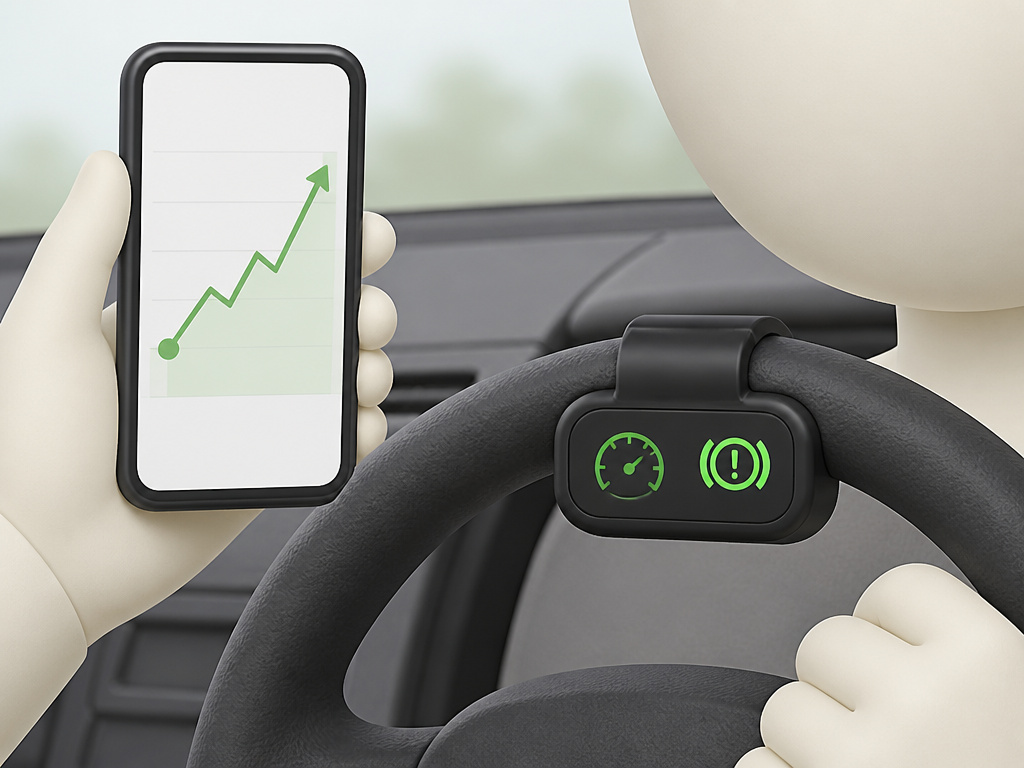 After navigating the immediate post-accident surge, think beyond the next renewal.
Consider a usage-based insurance program. These telematics programs track your driving behavior (smooth braking, mileage, time of day) and can reward safe habits with lower rates, even with an accident on your record. It’s a way to prove you’re a low risk now, despite past events.
Maintain a clean driving record moving forward. Every violation resets the clock and compounds the problem. A single speeding ticket on top of an existing accident surcharge can double your pain.
Finally, keep your credit healthy. In most states, your credit-based insurance score is a significant rating factor. Improving your score over the 3–5 year surcharge window can gradually lower your base premium, counteracting the accident penalty.
Frequently Asked Questions
Does car insurance always go up after any accident?
Virtually every insurer raises rates after an at-fault accident. For not-at-fault accidents, it varies by company and state law. Some increase premiums, citing overall higher risk, while others, restricted by state regulations, do not.
Can I switch insurers immediately after an accident?
Yes, you can switch at any time, even with an open claim. However, the most strategic window is at your next renewal when the new rate takes effect. This gives all insurers a clear view of the accident for accurate quoting and avoids mid-term adjustments.
How long will my rates be higher?
Most insurers apply a surcharge for three to five years, measured from the renewal date following the accident. The exact duration is set by your insurer’s underwriting guidelines, not your state DMV.
Is accident forgiveness worth it?
If you have a long clean-driving history and your state allows it, accident forgiveness can be valuable peace of mind. It’s essentially insurance for your insurance rate. You must add it before an accident, and it typically only covers the first qualifying incident.
Before You Go
The path to lower rates after an accident is more procedural than mystical. Shop at renewal—that’s non-negotiable. Know your insurer’s surcharge schedule and look-back window. Use every lever you have: deductible adjustments, defensive driving courses, and switching providers if the math works.
The system is built to charge for perceived risk. Your job is to systematically demonstrate that risk has passed. Start with the quote engine, end with a calendar reminder, and drive safely in between.
