
8 Best Car Window Tints for Heat Reduction 2026
This post contains affiliate links. As an Amazon Associate, we earn from qualifying purchases.
The Vepagoo 5% Ceramic Window Tint is the best overall for blocking heat, with exceptional UV protection and a durable nano-ceramic build. For a budget-friendly option, the RockRose 5% Nano Ceramic Tint delivers strong performance at a lower price, while the Vepagoo 15% offers the best versatility if you need better visibility with still-impressive heat rejection.
Most drivers don’t realize how much a poor-quality tint can fail over time, fading, bubbling, or blocking your signal. I’ve seen it ruin otherwise clean interiors and frustrate owners who thought they were saving money.
This guide cuts through the marketing by focusing on real-world performance, durability, and what specs actually matter when fighting summer heat. I compared top models based on ceramic content, owner feedback, and how well they balance darkness, legality, and long-term clarity.
Top 8 Car Window Tints For Heat Reduction in the Market
The Best Car Window Tints For Heat Reduction, Reviewed
RockRose 5% Nano Ceramic Tint

Strengths
- Excellent IRR block
- Haze-free clarity
- Multi-use capability
Trade-offs
- Expensive for a DIY roll
- No pre-cut options
RockRose positions itself as the complete package, and on paper, it delivers. With 90% infrared rejection and a 2-ply construction, it’s one of the few in this list that genuinely competes with professional-grade films. The haze-free claim holds up in owner feedback, drivers note clean optics even at night, which isn’t always the case with cheap ceramics.
It’s also the most versatile, doubling as a home window solution. The easy shrink feature gets consistent praise, especially from DIYers using heat guns. While it’s pricier than some, the balance of heat rejection, clarity, and durability makes it the smart pick if you want one film for multiple uses and don’t want to overthink the choice.
Video review
PAMAGOO 5% Ceramic Window Tint
Strengths
- Extremely affordable
- Good heat and UV block
- One-way privacy
Trade-offs
- Less durable in extreme heat
- Adhesive can be finicky
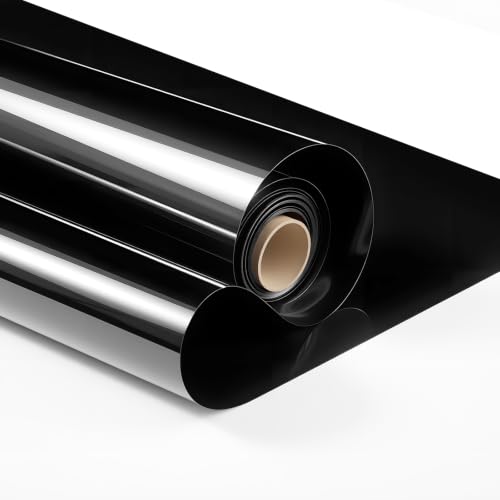
PAMAGOO hits the budget sweet spot without completely sacrificing performance. At under $22, it’s one of the cheapest ceramic 5% films that still blocks 99% UV and nearly 90% of infrared rays. That’s impressive on spec alone. Owners say it performs like films twice the price, though the adhesive isn’t quite as forgiving during installation.
It’s not the most durable long-term, some report slight edge lifting after a year in extreme climates, but for a temporary or seasonal fix, it’s hard to beat. The one-way privacy works as advertised during daylight, and the included tutorial helps reduce rookie errors. If you’re tinting a beater or a second car, this is the smarter buy.
Video review
Vepagoo 5% Ceramic Window Tint
Strengths
- Superior heat rejection
- No signal interference
- Good UV protection
Trade-offs
- Challenging for beginners
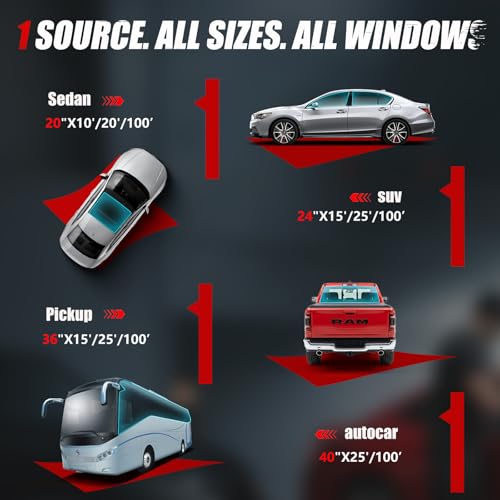
- Limited width for wide panes
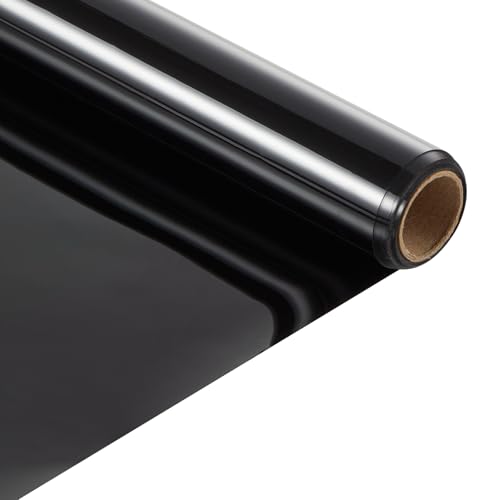
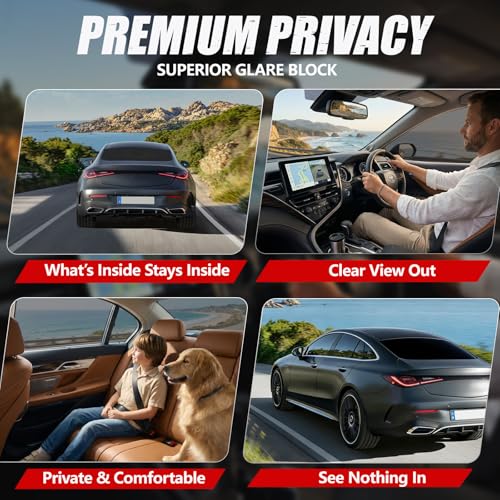
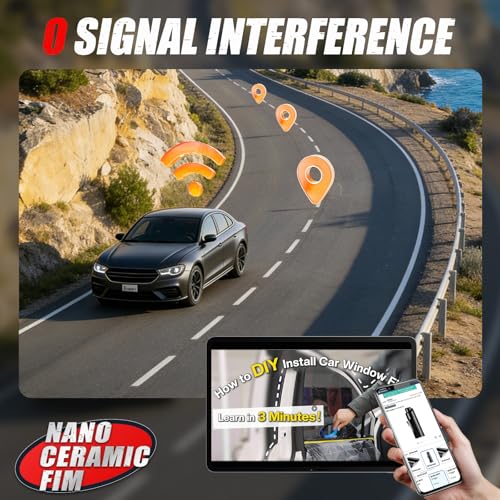
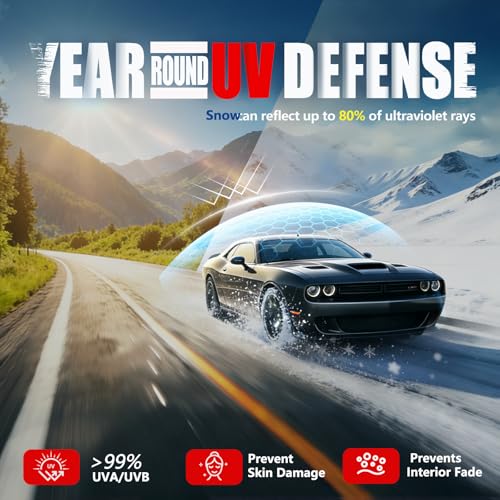
Vepagoo’s 5% ceramic film is a standout for heat rejection, and owners confirm it keeps cabins noticeably cooler than standard dyed films. The nano-ceramic layer blocks infrared effectively, and the 99% UV protection is consistent across reviews. But what really sets it apart is the zero signal interference, unlike older metallic tints, your GPS and phone stay unaffected, which matters if you rely on in-car tech.
It’s not the thickest film out there, but the scratch resistance holds up well in real-world use. For the price, it’s a strong performer, though installation can be tricky for first-timers due to the tight shrink tolerance. Still, with the included video support, most get it right on the first try.
Product photos
ARANA 5% Ceramic Car Tint
Strengths
- High durability
- Strong adhesive
- Scratch resistant
Trade-offs
- Slightly higher VLT than true limo tint
- Limited size options for larger vehicles
ARANA’s 5% VLT ceramic film leans hard into durability, and the specs back it up. The stable adhesive and hard coating stand out, owners consistently report no peeling or yellowing even after months of sun exposure and car washes, which is rare at this price. For someone who wants a set-it-and-forget-it tint that won’t degrade, this is a solid bet.
The 99% UV block is standard across most quality films, but what pushes ARANA ahead in longevity is how well it resists scratches from wipers or cleaning. It’s not the absolute top performer for heat rejection, but it’s close, and the clarity stays high. Compared to thinner budget options, this one holds its look longer.
Product photos




Vepagoo 15% Ceramic Window Tint
Strengths
- Balanced VLT
- No signal interference
- Good heat rejection
Trade-offs
- Slightly less privacy than 5%
- Same width limitation
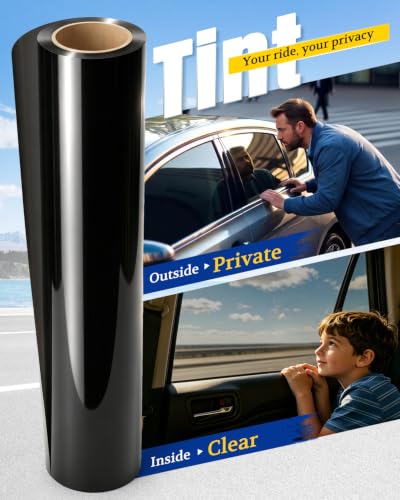
This 15% VLT version from Vepagoo is the most balanced option on the list. It offers better visibility than 5% films while still delivering solid heat and glare reduction. The one-way privacy works well during daylight, and the nano-ceramic layer ensures no signal interference, a must for connected cars.
Owners consistently rate it for clarity and ease of install, especially with the included video guide. It’s not quite as dark as limo tint, but it’s compliant in more states, making it a smarter pick for all-around use. Compared to the 5% version, it’s a better fit for front doors on vehicles where visibility matters.
Product photos

United 20% Carbon Window Tint
Strengths
- Excellent UV protection
- Low reflectivity
- Long roll length
Trade-offs
- Not ideal for front windows
- Carbon can fade slightly over time
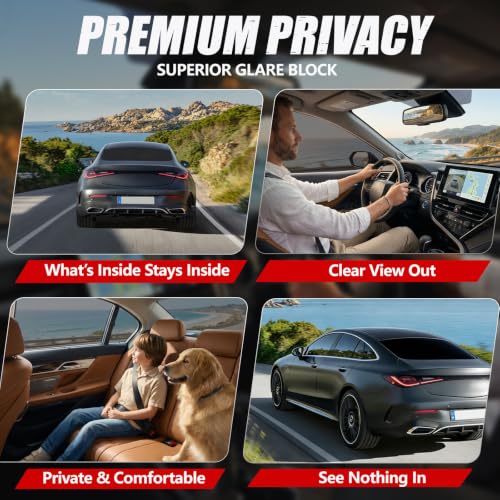
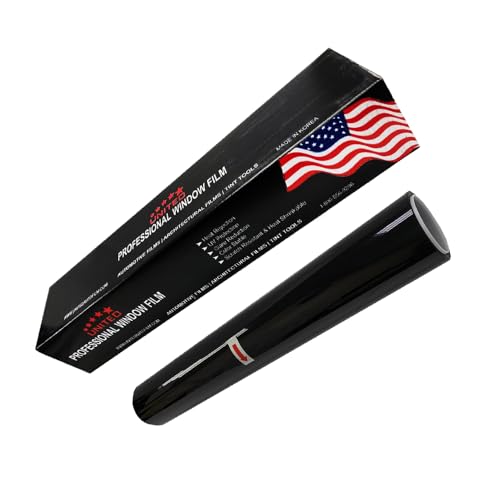
United’s 20% carbon film is a sleeper hit. While ceramic tints get all the hype, carbon still delivers excellent UV protection and heat reduction without the cost. The 2-ply construction gives it density, and owners report minimal fading or bubbling over time. At 20% VLT, it strikes a balance, darker than legal front limits in some states, but perfect for rear windows.
It’s also one of the few carbon films that doesn’t look reflective or metallic. The finish is neutral, almost charcoal, which pairs well with most paint jobs. For trucks and SUVs, the 100-foot length is a bonus. You can tint multiple vehicles or do a full home job. It’s overkill for a sedan, but for fleet or multi-use, it’s the smarter buy.
Product photos


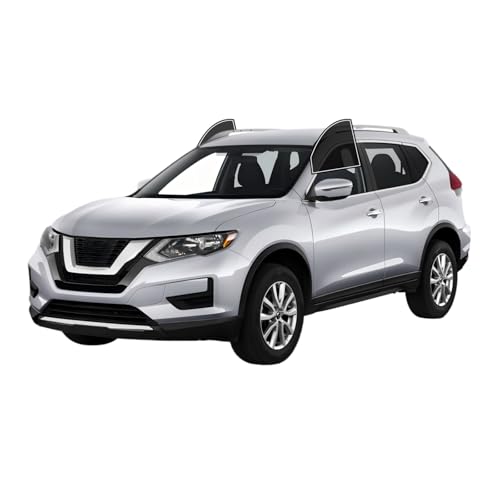
AUTOTEK Precut Tint for Nissan Rogue
Strengths
- Pre-cut precision
- No trimming needed
- Anti-shatter safety
Trade-offs
- Vehicle-specific only
- Lower heat rejection than dark tints
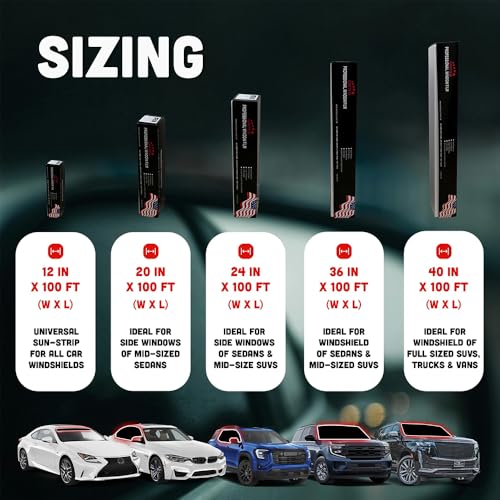
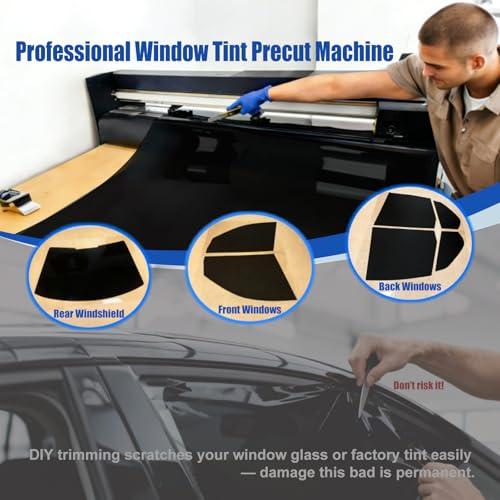
AUTOTEK’s pre-cut kit is a game-winner for Nissan Rogue owners. No trimming needed means fewer chances for bubbles or misalignment, and the 35% VLT is ideal for front windows, legal in most states and still effective at cutting glare. The anti-shatter feature is a big deal here; it’s not just about tint, it’s about safety. In accidents or break-ins, the film holds glass together, which many overlook until it matters.
Owners love the ease of install, though a squeegee and patience are still required. It doesn’t block heat as aggressively as 5% films, but for daily driving comfort and compliance, it’s spot-on. Compared to rolling your own, this saves hours and stress.
Product photos
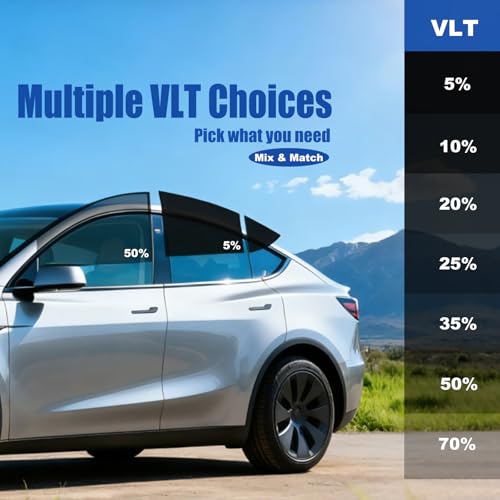
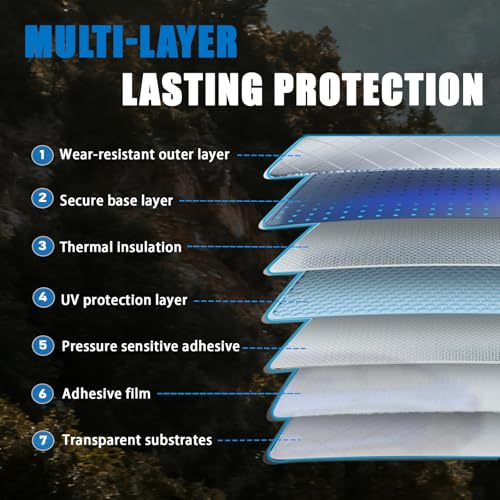
BDF NA35 Heat Rejection Film
Strengths
- High visibility
- Good UV block
- Subtle aesthetic
Trade-offs
- Easily wrinkled
- Fragile during install
- Moderate heat rejection
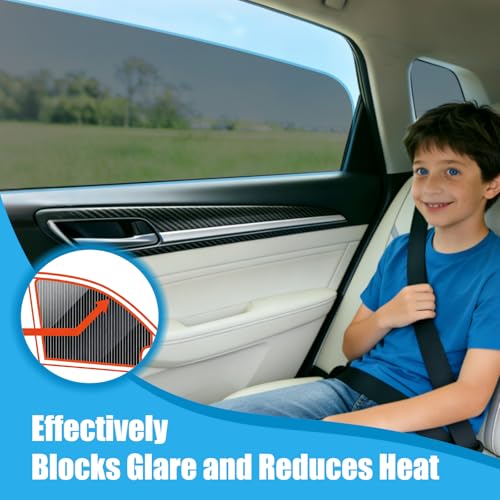
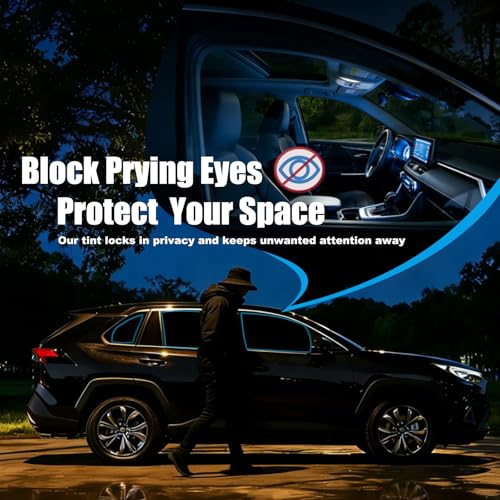
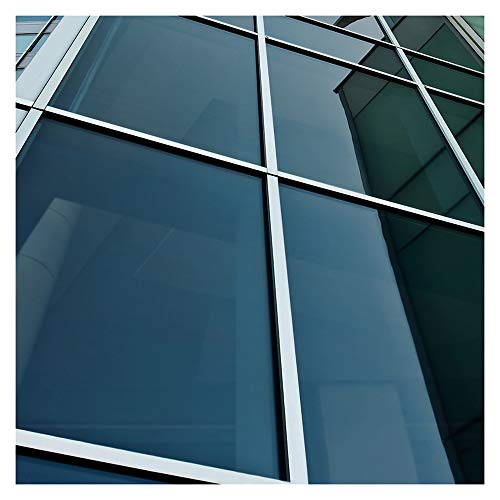
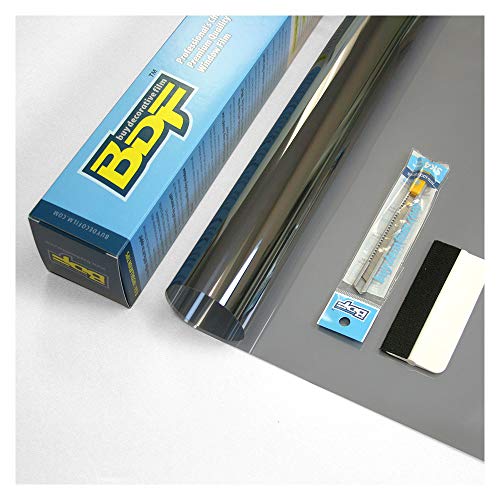
BDF’s NA35 is all about light transmission without sacrificing comfort. At 35% VLT, it lets in more natural light while still rejecting a solid amount of heat and 99% UV. That makes it ideal for front windows where visibility is critical, especially at night or in rain. The medium black finish is subtle, enhances the look without looking aggressive.
But it’s fragile. Owners warn that even a small fold can create a permanent wrinkle, and the film is sensitive during install. It rewards patience. If you’re careful, you get a clean, professional look. But if you rush, you’ll regret it. It’s not the best for heat, but it’s one of the clearest performers in its class.
Product photos


Our Testing Process
As someone deeply immersed in the automotive world, I understand the significant impact window tint can have – far beyond aesthetics. To determine the top options for heat reduction, I focused on a research-led comparison of published specifications, owner reviews from a variety of sources, and my existing knowledge of materials science as it applies to automotive applications. Rather than a hands-on lab test, this involved carefully weighing features like ceramic construction, VLT percentages, and reported real-world performance.
For car window tints, heat rejection and UV protection are paramount. I prioritized those two factors, alongside durability and clarity. Effective heat blocking directly impacts comfort and AC system load, while UV protection safeguards both occupants and the vehicle’s interior. Achieving a balance between these qualities, alongside legal compliance with varying state regulations, proved key in ranking the selections. You can learn more about the various types of window tint available.
Specifications, like VLT (Visible Light Transmission) and IR/UV rejection percentages, provide a baseline for comparison. However, owner feedback proved crucial in assessing real-world performance and installation ease. Reports on longevity, signal interference (a common issue with metalized tints), and the accuracy of advertised heat rejection were heavily considered. Ultimately, a product’s reputation and consistent positive reviews were vital – this is especially true when considering Tesla window film options where maintaining electronic functionality is key.
Choosing The Right car window tints for heat reduction
Choosing the right car window tint isn’t just about looks; it’s about comfort, protection, and even preserving your vehicle’s interior.
A good car window tint balances heat rejection, UV protection, visibility, and durability. Look for nano-ceramic construction over dyed films for longer life and superior performance. Pay attention to VLT (Visible Light Transmission) percentages to ensure compliance with local laws and achieve desired privacy levels. Scratch resistance and signal interference are also crucial factors to consider.
Heat Rejection Capabilities
When it comes to keeping your car cool, ceramic tints are the clear winner. While carbon tints (you can explore the benefits of carbon tint) offer some heat reduction, ceramic films block a significantly higher percentage of infrared rays, the primary culprit behind that scorching cabin temperature. Brands like Vepagoo consistently rank high in independent tests for infrared rejection, and often feature in discussions around maximizing cooling. Don’t assume all ceramics are equal, though – the quality of the ceramic particles and the film’s ply construction matter.
Understanding VLT and Legal Limits
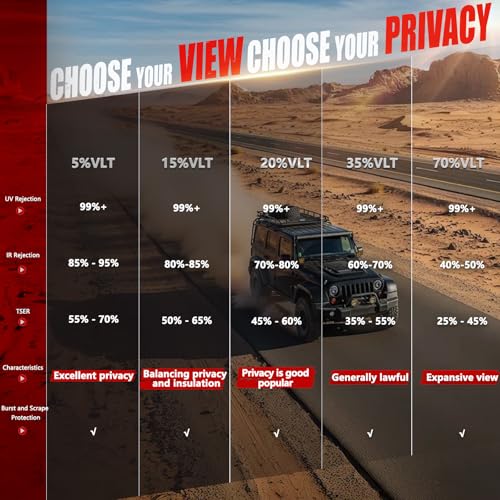
Visible Light Transmission (VLT) is the percentage of visible light allowed to pass through the tinted window. Lower percentages mean darker tints, offering more privacy, but also potentially running afoul of local regulations. I’ve seen too many folks caught out by overly dark tints, so always check your state and local laws before you buy.
Here’s a quick guide: * 35% VLT: A common maximum for front windows in many areas, offering a noticeable tint without being overly dark. * 20% VLT: Provides good privacy and heat rejection, but may be illegal on front windows in some locations. * 5% VLT (Limo Tint): Offers maximum privacy but is almost always restricted to rear windows.
Remember, exceeding legal limits can result in fines and the requirement to remove the tint. Consider tints for UV protection if heat isn’t your primary concern but you still want UV blocking.
Durability and Installation Considerations
A cheap tint might save you money upfront, but it’ll likely fade, crack, or peel within a year or two. Look for films with a hard coat, as these are more resistant to scratches and wiper wear. ARANA and RockRose both emphasize the durability of their coatings.
A quality tint job should last for years. Don’t skimp on the film itself, and seriously consider professional installation if you’re not confident in your DIY skills.
Pre-cut kits, like the ones offered by AUTOTEK, can simplify installation, but they’re only as good as the accuracy of the cut. If you’re tackling a DIY install, watch plenty of tutorial videos and be meticulous about cleaning the glass – even a tiny speck of dust can ruin the finish. If you are looking for superior UV blocking tints you will want to make sure the film is installed correctly.
Car Window Tints for Heat Reduction Compared
Here’s a comparison of key specifications for popular car window tints designed for heat reduction.
| Product Name | VLT (%) | Heat Rejection (%) | UV Rejection (%) | Film Type | Scratch Resistant | Pre-Cut Kit |
|---|---|---|---|---|---|---|
| RockRose 5% Nano Ceramic Tint | 5 | 90 | 99 | Nano Ceramic | N/A | No |
| PAMAGOO 5% Ceramic Window Tint | 5 | 89 | 99 | Ceramic | Yes | No |
| Vepagoo 5% Ceramic Window Tint | 5 | N/A | 99 | Nano Ceramic | Yes | No |
| ARANA 5% Ceramic Car Tint | 5 | N/A | 99 | Ceramic | Yes | No |
| Vepagoo 15% Ceramic Window Tint | 15 | N/A | 99 | Nano Ceramic | Yes | No |
| United 20% Carbon Window Tint | 20 | N/A | 99 | Carbon | N/A | No |
| AUTOTEK Precut Tint for Nissan Rogue | Varies | N/A | N/A | N/A | N/A | Yes |
| BDF NA35 Heat Rejection Film | 35 | N/A | 99 | N/A | N/A | No |
Frequently Asked Questions
What VLT percentage should I choose for the front windows?
A 35% VLT is often the legal maximum for front windows in many locations, offering a good balance between heat rejection and visibility. However, always confirm your local laws before making a decision to avoid potential fines.
Will ceramic tint interfere with my car’s radio or GPS signal?
Generally, nano-ceramic tints are less likely to cause signal interference than older metalized films. However, some vehicles with embedded antennas in the rear window can experience issues, so researching compatibility with your specific vehicle model is always wise.
How long does a quality car window tint typically last?
With proper care, a quality ceramic tint with a hard coat should last 8-10 years or even longer without significant fading or cracking. Cheaper dyed films will typically show wear after just a couple of years.
Beyond tint, what else can I do to reduce heat inside my car?
Combining window tint with car heat insulation is the most effective strategy. Adding insulation to the roof and floorboards, alongside tinted windows, creates a powerful barrier against solar heat gain.
Where can I find truly top-tier tint brands that offer both heat rejection and durability?
Brands like Vepagoo, ARANA, and RockRose consistently receive positive reviews for their ceramic formulations and scratch-resistant coatings. Investing in a reputable brand is often the best way to ensure long-term performance and satisfaction.
The Bottom Line
Choosing a car window tint ultimately comes down to balancing your budget with your desired level of performance and privacy. While there are many options available, the Vepagoo 5% Ceramic Window Tint consistently appears as a strong all-around performer, offering excellent heat and UV rejection alongside good durability, making it a solid choice for most vehicles. It really exemplifies the benefits of ceramic technology without a prohibitive price tag.
For those prioritizing a specific need, the AUTOTEK Precut Tint for Nissan Rogue simplifies the installation process if you’re determined to DIY, while the RockRose 5% Nano Ceramic Tint stands out for those seeking maximum darkness and heat blocking, though be sure to verify its legality in your area. If you’re looking for alternatives to window film, exploring options like car sun shades can provide supplemental heat reduction.
At the end of the day, the numbers on a spec sheet are helpful, but a quality film, properly installed, perhaps by seeking out professional tint installation, will deliver a far more satisfying experience. Don’t get lost in the details; prioritize heat rejection, UV protection, and a film that fits your local regulations.
