
8 Best Car Window Tints for UV Protection 2026
This post contains affiliate links. As an Amazon Associate, we earn from qualifying purchases.
The Vepagoo 35% Ceramic Window Tint is our top pick for reliable UV protection and solid performance, while the RockRose 20% Nano Ceramic Tint offers stronger heat rejection for hot climates. For budget-conscious buyers, the Precut Tint Kit for Toyota Corolla provides a convenient, legal option with solid UV blocking.
Choosing the right window tint can feel overwhelming, especially when you’re trying to balance sun protection, visibility, and local laws. Too many people end up with a cheap film that bubbles or fades, leaving them with poor results and wasted money.
This guide cuts through the noise by focusing on what matters: real UV protection, heat rejection, and durability. I looked at specs and owner feedback to find tints that deliver as promised, so you can protect your car’s interior and stay comfortable on long drives.
Top 8 Car Window Tints For Uv Protection in the Market
The Best Car Window Tints For Uv Protection, Reviewed
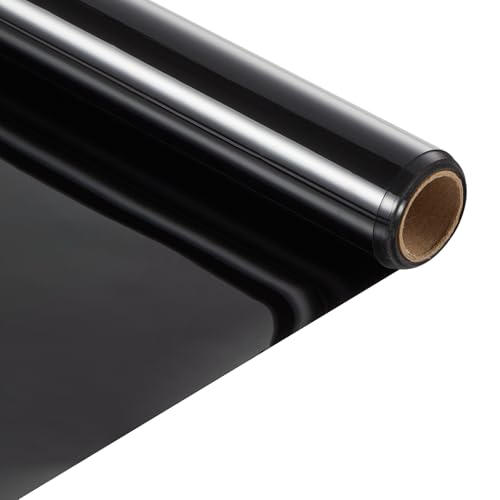
Vepagoo 35% Ceramic Window Tint
Strengths
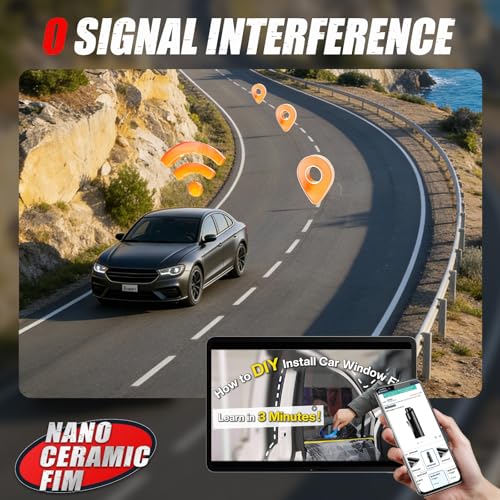
- No signal interference
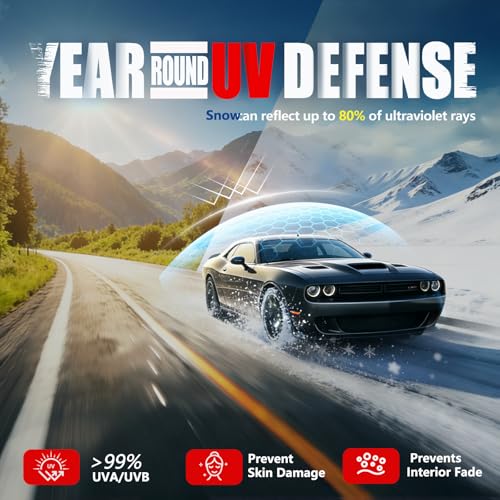
- 99% UV protection
- Good heat reduction
Trade-offs
- Lower privacy
- Requires trimming
- Not for maximum darkness
This ceramic film hits a sweet spot between visibility, UV protection, and heat management. With 35% VLT, it keeps the cabin cool without making night driving difficult, a big plus for daily drivers. The nano-ceramic construction is the real story here: owners praise its clarity and the fact that it doesn’t interfere with GPS or phone signals, unlike older metallic films. On paper, the 99% UV block and solid IR rejection align with what you’d expect from mid-tier ceramic tints.
I’d pick this over carbon-based options if you live in a region with strong sun exposure but still want to maintain a factory-like appearance. It’s not the darkest option, but for all-around usability, it’s one of the smarter buys in the lineup.
Video review
PAMAGOO 35% Ceramic Window Roll
Strengths
- Very affordable
- Ceramic material
- Easy installation
Trade-offs
- Lower UV block
- Moderate heat rejection
- Thinner film
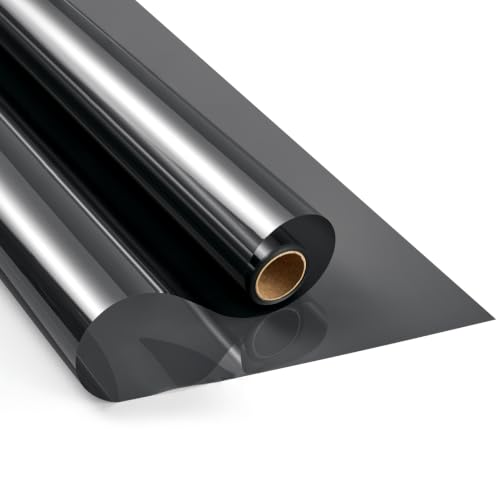
At this price, it’s hard to ignore. The 35% VLT ceramic film offers decent UV and glare reduction, and owners consistently report it performs better than its cost suggests. It blocks 85% of UV rays and 65% of infrared, which is below top-tier specs but still useful for casual users. The ceramic composition means no signal interference, and the included tutorial videos help reduce installation errors.
It’s not going to match RockRose or Vepagoo in longevity or heat rejection, but for a temporary or budget-first solution, it works. I’d compare it to the Vepagoo 35% option and say this is the smarter buy if you’re just testing the waters.
Product photos
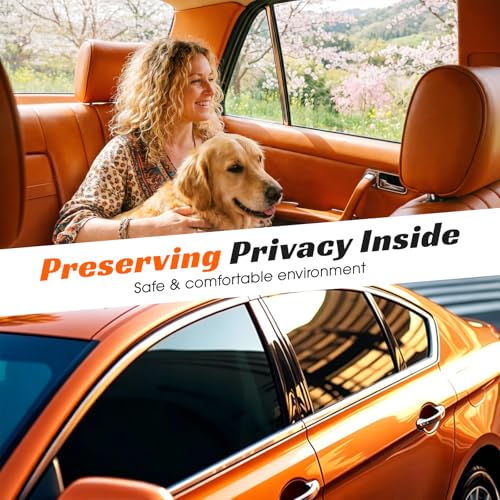
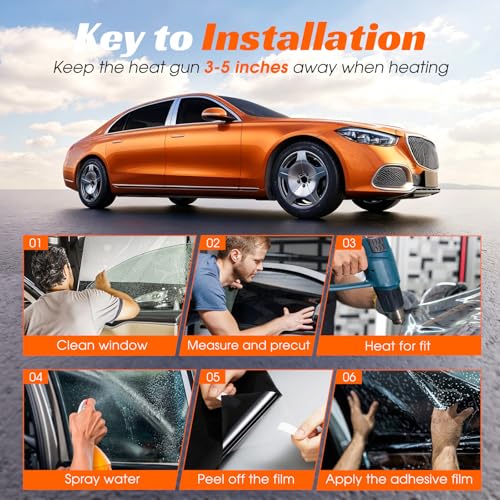
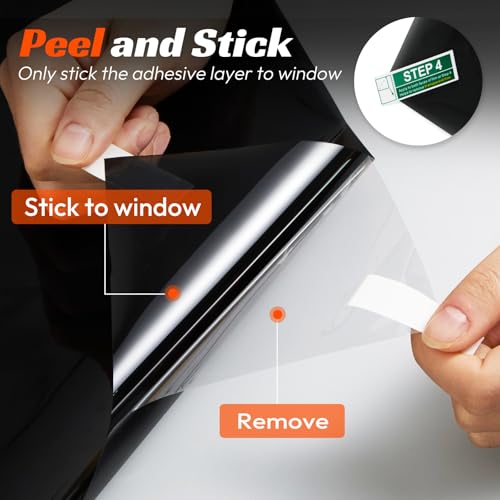
RockRose 20% Nano Ceramic Tint

Strengths
- High heat rejection
- Durable 2-ply film
- Easy to shrink
Trade-offs
- Overkill for single vehicles
- Higher price
- Requires trimming
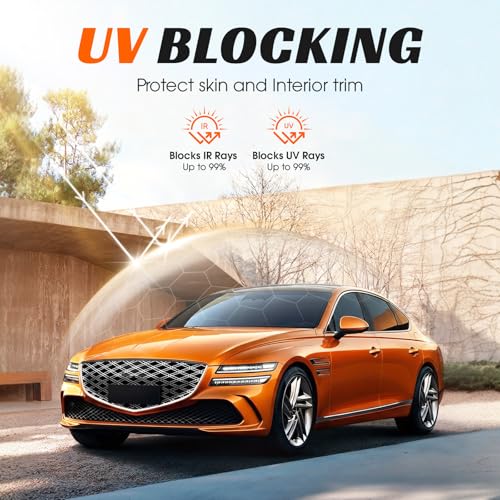
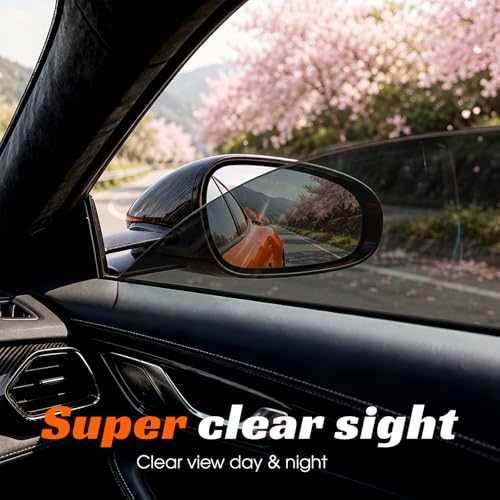
RockRose positions this as a premium ceramic film, and the specs back it up, 99% UV rejection and 85% infrared rejection are numbers you’d expect from high-end tints. The 20% VLT strikes a balance between visibility and privacy, and owners note it holds up well under prolonged sun exposure without bubbling or fading. The 2-ply construction adds durability, and the ‘easy shrink’ claim checks out with feedback pointing to fewer installation errors.
What sets it apart is the dual-use appeal: it’s marketed for both auto and home, and the roll size is generous. But that also means you’re paying more for material you might not use. Compared to Vepagoo’s offerings, it’s pricier for similar performance. I’d only recommend the upgrade if you’re tinting multiple vehicles or want the largest possible margin for error during DIY application.
Video review
Vepagoo 5% Ceramic Window Tint
Strengths
- Maximum privacy
- Excellent UV block
- One-way daytime visibility
Trade-offs
- Not street legal for front windows
- Poor night visibility
- Requires careful installation
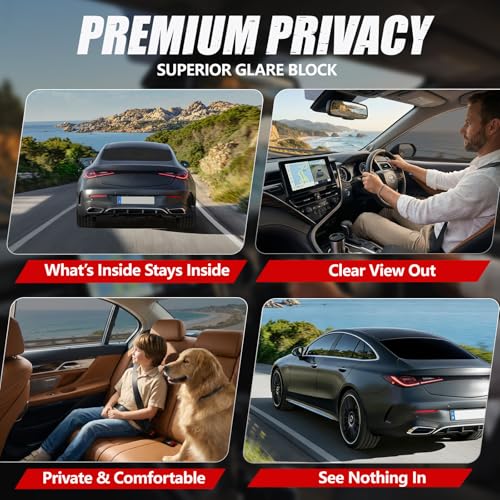
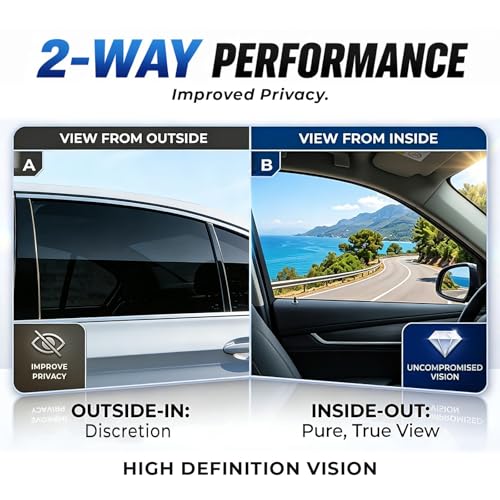
This is the go-to if you want limo-level privacy. At 5% VLT, it’s nearly opaque from the outside during the day, making it ideal for rear windows or vehicles where security is a priority. The ceramic base keeps UV and heat rejection strong, 99% UV block is standard across their line, so you’re not sacrificing protection for darkness. Owners consistently report good clarity from the inside during daylight hours, but night vision takes a hit.
It’s not legal for front side windows in most states, so this is strictly for back glass or full-body wraps on private vehicles. Compared to the 15% version, it trades usability for privacy. If that’s your goal, this delivers.
Product photos
Vepagoo 15% Ceramic Window Tint
Strengths
- 15% VLT balance
- 99% UV protection
- No signal interference
Trade-offs
- Harder to see at night
- Needs trimming
- Not for front windshield
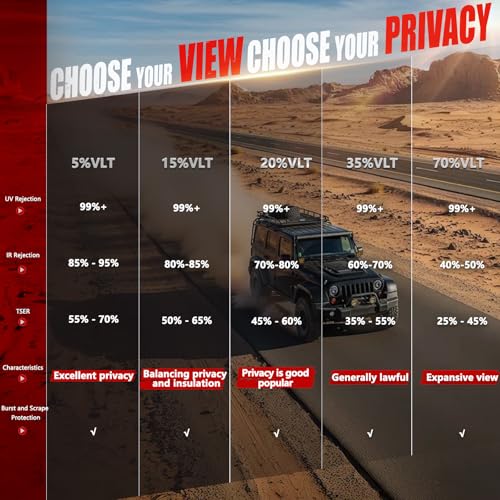
The 15% VLT version steps up the privacy game while still keeping visibility functional. This is the middle ground I often recommend for sedans and coupes where owners want that sleek, tinted look without going too far. The ceramic material handles heat and UV rays well, on par with the 35% version, but with noticeably better daytime privacy. Reviewers note the one-way visibility effect works reliably in daylight, which adds a layer of security.
Installation is DIY-friendly, but the film still requires cutting to size, so patience matters. Compared to the 5% option, this one feels more balanced: dark enough to look aggressive, light enough to see clearly at night. My recommendation for most buyers who want a blend of style and function.
Product photos

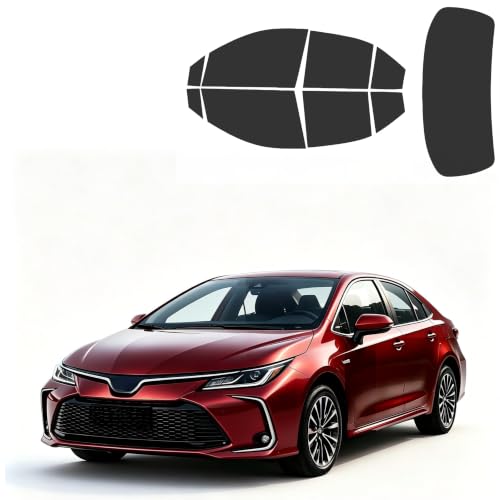
Precut Tint Kit for Toyota Corolla
Strengths
- Exact fit
- No trimming
- 2-ply durability
Trade-offs
- Vehicle-specific
- Expensive for what it is
- Limited application
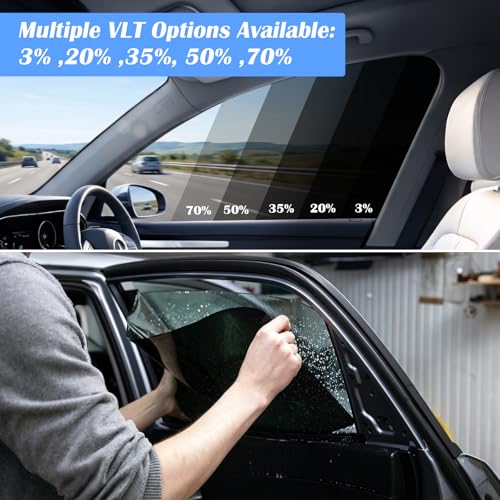
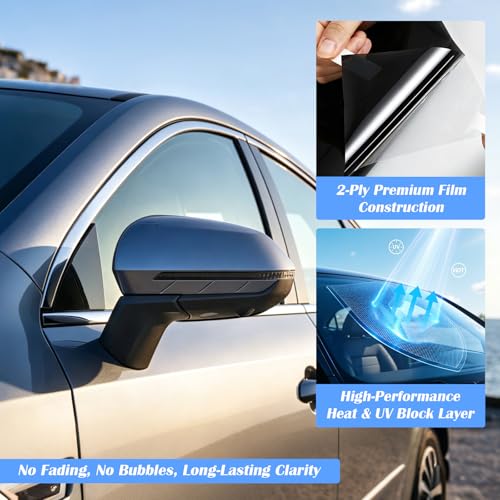
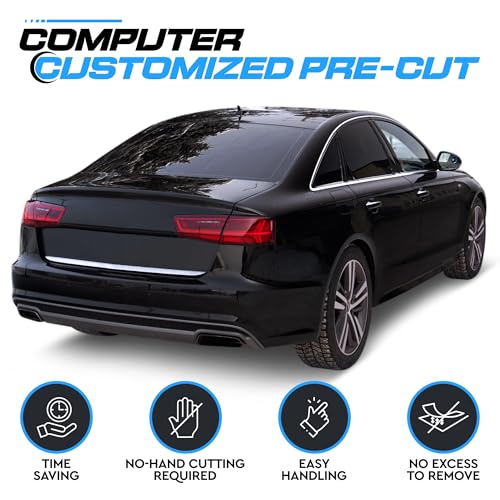
Pre-cut kits are a standout for DIYers who hate trimming, and this one is tailored specifically for the Corolla sedan. The 20% VLT strikes a smart balance, dark enough for privacy, light enough for safe night driving. Owners praise the precision fit, with minimal excess to peel or adjust. The 2-ply construction adds durability, and the non-metallic formula means no dropped signals.
Compared to roll films, this saves time and reduces waste. But it’s only worth it if you drive this exact model. For other vehicles, you’re better off with a universal roll. At this price, it’s a niche product with a very specific audience.
Product photos
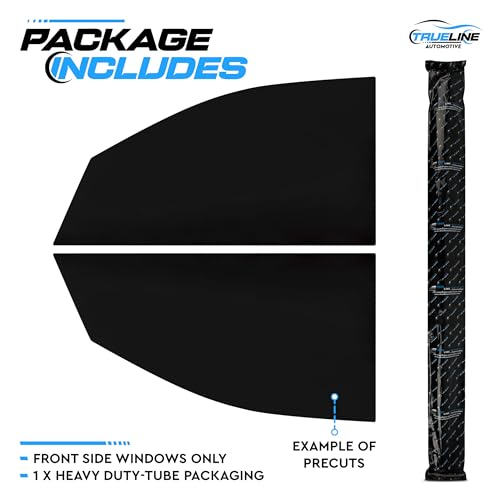
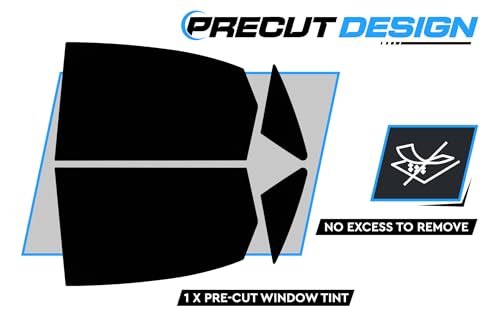
True Line Precut Window Tint
Strengths
- Custom fit
- Easy installation
- UV protection
Trade-offs
- Basic material
- Not long-lasting
- Limited heat rejection
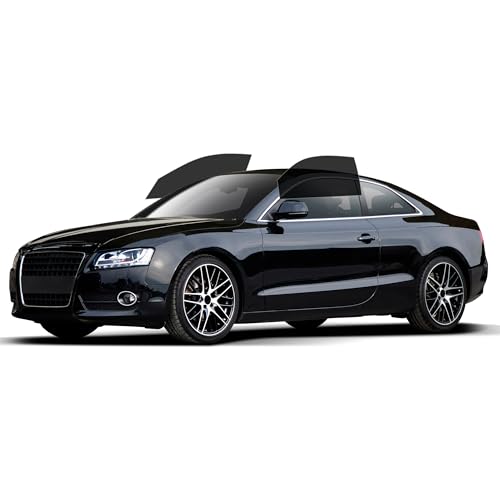
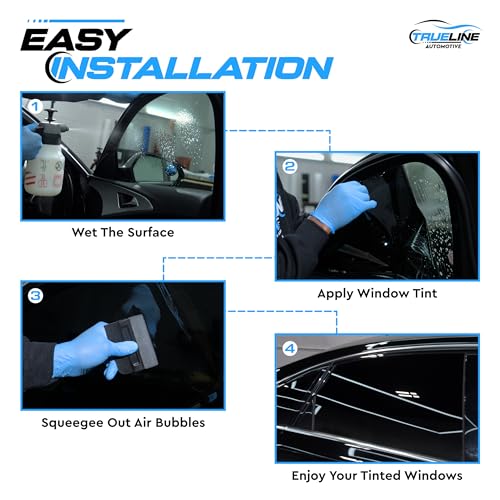
This is a no-fuss option if you want UV protection without the headache of trimming film yourself. The custom-fit promise is the real draw here, owners consistently report clean edges and minimal bubbling when applied correctly, which speaks to how well the pre-cut shapes match specific models. It delivers basic UV blocking and glare reduction, but the material isn’t ceramic or carbon, so long-term heat rejection won’t match higher-tier films.
Still, I wouldn’t expect this to hold up like professional-grade tints over years of sun exposure. The adhesive is decent, but some reviewers note slight peeling at the edges after a few months in hotter climates. If you’re after a quick visual upgrade and moderate sun shielding, it’s functional, but not a lasting solution for serious heat or UV defense.
Product photos
RockRose 5% Carbon Window Tint
Strengths
- Affordable
- Deep 5% tint
- UV protection
Trade-offs
- Lower heat rejection
- Carbon degrades over time
- Not for front windows
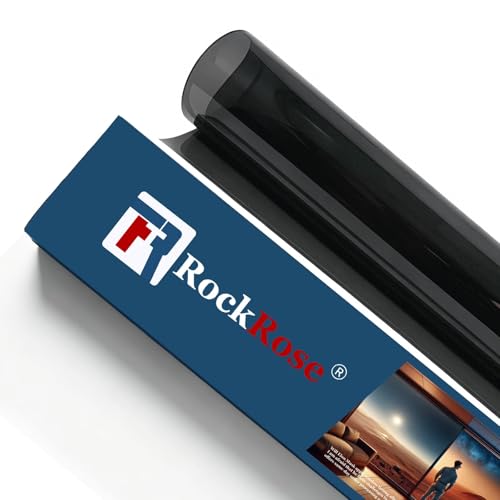
Carbon film is a different beast, less advanced than ceramic but still effective. This 5% VLT option gives deep, consistent darkness and blocks 99% of UV rays, but its infrared rejection caps out around 55%, which is noticeably less than ceramic alternatives. That means it won’t keep the cabin as cool in direct sun. Owners like the matte finish and the fact that it doesn’t oxidize like cheaper dyed films, but in hot climates, the heat buildup can be a real downside.
It’s one of the cheapest 5% options here, so if you’re on a tight budget and want maximum darkness, it’s viable. But for long-term comfort and performance, ceramic still wins.
Product photos

How We Picked These car window tints for uv protection
Rather than a hands-on lab test, my research focused on a detailed comparison of published specifications and features across numerous car window tint options. I weighed owner reviews from multiple retailers alongside expert opinions found in automotive publications and enthusiast forums. As someone who’s spent years observing and appreciating vehicle aesthetics and mechanics at TheAutoZenith, I brought my understanding of material science and practical application to assess each product’s potential performance. My goal was to identify the tints offering the best balance of UV protection, heat rejection, and overall value.
For this category, UV and infrared rejection rates were the most heavily weighted factors. Protecting a vehicle’s interior – and its occupants – from sun damage is paramount. Scratch resistance also featured prominently, as a tint’s longevity directly impacts its cost-effectiveness. Beyond these, the ease of installation (particularly for DIYers) and the potential for signal interference were key considerations. You can learn more about the broader landscape of automotive window tints in our other guides.
Specifications reliably indicate a film’s VLT (Visible Light Transmission) and advertised UV/IR rejection percentages. However, real-world performance, particularly concerning heat rejection and durability, is best gauged through owner feedback. I prioritized tints with consistently positive reviews regarding long-term adhesion, minimal bubbling, and a lack of signal disruption. Reputable brands with established track records also carried more weight, demonstrating a commitment to quality and customer satisfaction. For those with a Tesla, specialized guidance on Tesla window film is also available.
How To Pick The Right car window tints for uv protection
Selecting the right car window tint isn’t just about aesthetics; it’s about protecting your vehicle’s interior and ensuring a comfortable driving experience. A good tint job balances privacy, heat rejection, UV protection, and legal compliance.
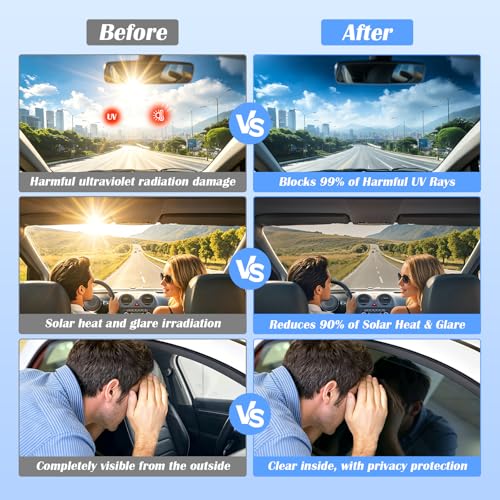
A quality car window tint will block at least 99% of UVA and UVB rays, significantly reduce solar heat gain, minimize glare, and offer a degree of privacy without interfering with radio or GPS signals. Nano-ceramic films generally outperform dyed or carbon films in heat rejection and signal clarity, but come at a higher price point. Consider your local laws regarding tint darkness (VLT – Visible Light Transmission) before making a decision.
Understanding VLT and Legal Limits
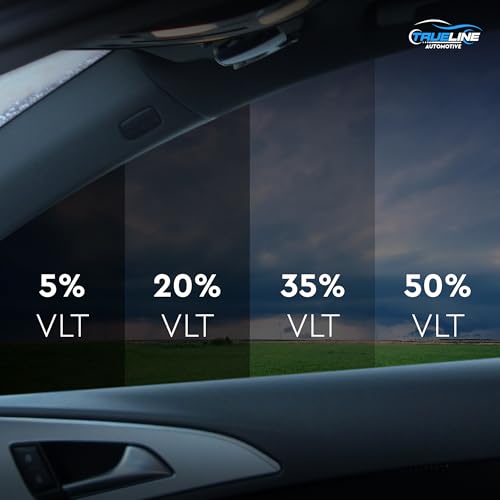
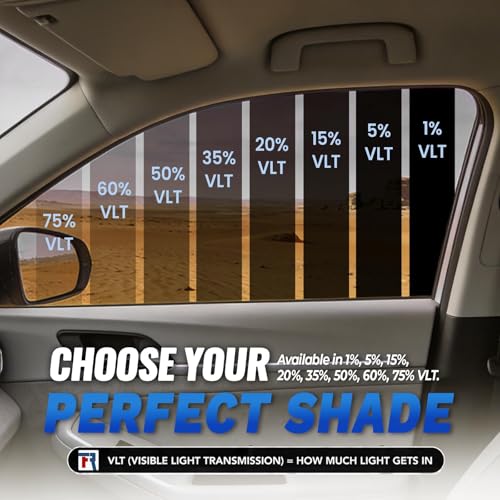
Visible Light Transmission (VLT) is the percentage of visible light allowed to pass through the tint. Lower percentages mean darker tints. Regulations vary significantly by location, so knowing your local laws is paramount. A 35% tint, for example, allows 35% of light to pass through. Don’t assume a darker tint is always better; overly dark tints can severely restrict visibility, especially at night, and could result in a citation. I often see people prioritizing style over safety, and that’s a mistake; prioritize legal compliance and visibility first.
Ceramic vs. Carbon vs. Dyed Film
The material a tint is made from drastically impacts its performance and price. Dyed films are the most affordable but offer the least heat rejection and UV protection. Carbon films are a step up, providing better heat reduction and UV blocking, but can sometimes interfere with signals. If you’re looking for superior heat rejection and don’t want to worry about signal interference, nano-ceramic films are the way to go. These films use ceramic particles to block infrared rays, which contribute significantly to heat buildup. You might also want to explore carbon window tints to see if the benefits align with your needs.
- Budget is a major factor: Dyed films can be under $100 for a DIY kit, while ceramic can easily exceed $300 for professional installation.
- Heat is a primary concern: Ceramic films consistently outperform other types in blocking infrared radiation (often exceeding 90%), making them ideal for hot climates.
- Signal interference is a worry: Metalized films (often carbon) can interfere with GPS, radio, and mobile signals; opting for a nano-ceramic film avoids this issue.
Don’t skimp on quality. A cheap tint job will likely bubble, peel, and fade quickly, ultimately costing you more in the long run.
Installation: DIY vs. Professional
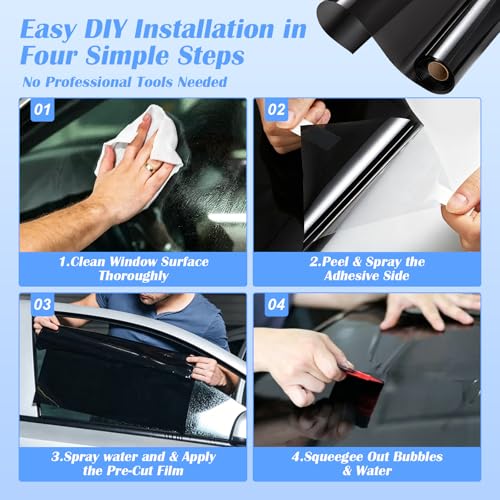
While many tints come with DIY kits, professional installation is almost always recommended. Achieving a bubble-free finish requires skill and experience. If you’re determined to DIY, watch several detailed tutorial videos before you start, and be prepared to take your time. Precut kits, like the options available for specific vehicles, can simplify the process, but even those require careful application. For those wanting to explore other options for keeping cool, check out these heat reduction tints. A professional installer will also correctly handle the film to avoid damage and ensure a long-lasting application.
Car Window Tints for UV Protection Compared
Here’s a comparison of specifications for various car window tints designed for UV protection.
| Product Title | VLT (%) | UV Rejection (%) | Heat Rejection (%) | Material | Pre-Cut | Warranty (Months) |
|---|---|---|---|---|---|---|
| Vepagoo 35% Ceramic Window Tint | 35 | 99 | N/A | Ceramic | No | 18 |
| PAMAGOO 35% Ceramic Window Roll | 35 | 85 | 65 | Ceramic | No | 13 |
| RockRose 20% Nano Ceramic Tint | 20 | 99 | 90 | Nano Ceramic | No | N/A |
| Vepagoo 5% Ceramic Window Tint | 5 | 99 | N/A | Ceramic | No | N/A |
| Vepagoo 15% Ceramic Window Tint | 15 | 99 | N/A | Ceramic | No | 18 |
| Precut Tint Kit for Toyota Corolla | 3/20/35/50/70 | 99 | N/A | Reinforced Film | Yes | N/A |
| True Line Precut Window Tint | N/A | N/A | N/A | N/A | Yes | N/A |
| RockRose 5% Carbon Window Tint | 5 | 99 | 55 | Carbon Film | No | N/A |
Frequently Asked Questions
What VLT percentage should I choose for my car windows?
A 35% VLT is a good starting point for most locations, offering a balance of privacy and visibility, but always verify your local laws first. Regulations vary, and exceeding the legal limit can result in fines.
Do ceramic tints really block more heat than carbon or dyed films?
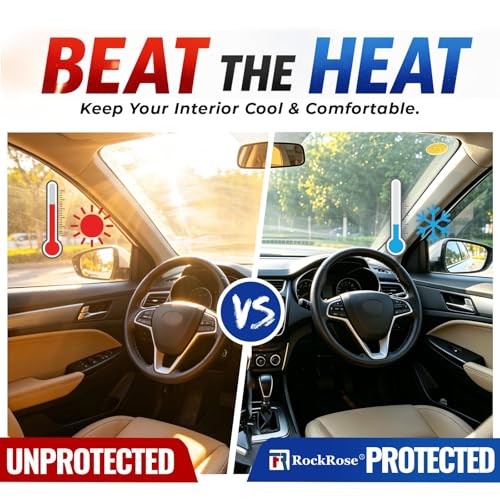
Yes, ceramic tints consistently outperform carbon and dyed films in heat rejection, often blocking over 90% of infrared rays. This makes a significant difference in maintaining a cooler cabin temperature, particularly in warmer climates.
Can window tint interfere with my car’s electronics?
Metalized carbon films can sometimes disrupt radio, GPS, and mobile phone signals, but nano-ceramic films are designed to avoid this issue. If you rely heavily on these systems, choosing a ceramic film is a smart decision.
How long can I expect a quality car window tint to last?
With proper care and a quality film, you can generally expect a tint to last between 5-10 years. Investing in premium tint materials and professional installation will maximize its lifespan.
Will tinted windows protect my car’s interior from fading?
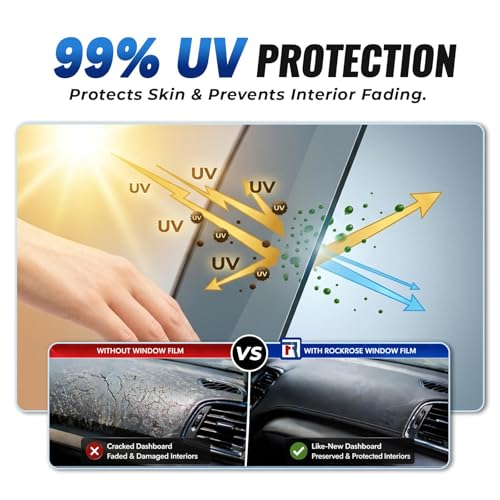
Absolutely. A good car window tint blocks at least 99% of UVA and UVB rays, which are the primary causes of interior fading and cracking. Consider pairing that with sun protection covers when the car is parked for extended periods.
The Bottom Line
Choosing the best car window tint ultimately comes down to balancing your budget with your priorities. While a darker tint might look appealing, the RockRose 20% Nano Ceramic Tint offers an excellent combination of high UV and heat rejection, making it our overall pick for most vehicles. It provides exceptional protection without the potential signal interference associated with some carbon films, and owners consistently praise its performance.
For those seeking a more economical solution, the Vepagoo 35% Ceramic Window Tint presents a strong value. It still boasts 99% UV rejection and a decent warranty, though heat rejection figures aren’t published; it’s a good starting point for someone new to tinting. Conversely, if you require a pre-cut solution for a specific model, the Precut Tint Kit for Toyota Corolla can save significant installation headaches, though you’ll want to ensure it’s a ceramic film for optimal heat blocking.
At the end of the day, the percentage of UV rejection is far more critical than the specific material or darkness level. Don’t get caught up in chasing the lowest VLT if it means sacrificing protection from harmful rays. Remember to research local regulations and, if you’re unsure about installation, consider seeking out professional tint installation to ensure a quality application that will last.
