
7 Best Carbon Window Tints of 2026
This post contains affiliate links. As an Amazon Associate, we earn from qualifying purchases.
The best carbon window tint overall is BOOGFILM Nano Carbon Window Tint, thanks to its reliable 2-ply construction, strong UV protection, and multiple VLT options. For a budget-friendly pick, RockRose 5% Premium Carbon Tint delivers solid performance without the premium price, while United 36″ Carbon Tint Roll stands out for DIYers needing wide-format coverage.
Choosing the right carbon window tint isn’t just about how dark it looks, it’s about long-term performance, heat control, and legal compliance. Too many people focus only on appearance and end up with film that bubbles, fades, or fails to block real heat.
This guide cuts through the marketing by focusing on specs that matter: TSER, IR rejection, ply count, and real-world durability based on owner feedback and installer insights. I looked at what actually holds up over time, not just what sounds good on the package.
Top 7 Carbon Window Tints in the Market
The Best Carbon Window Tints, Reviewed
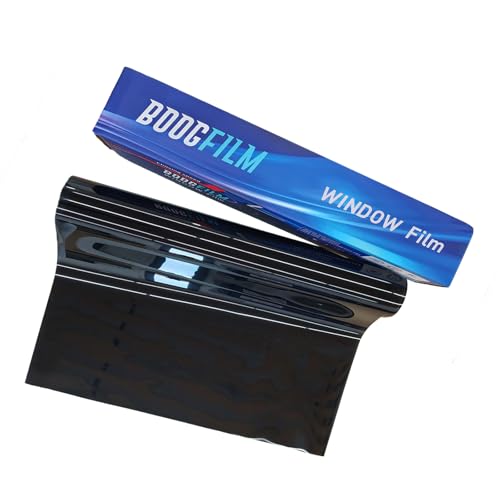
BOOGFILM Nano Carbon Window Tint
Strengths
- True black finish
- Excellent heat rejection
- Anti-scratch coating
Trade-offs
- Higher price
- Slight learning curve
- Limited to pro shops
If I were picking one carbon tint to cover my own garage projects, this would be it. The nano-carbon tech here isn’t just marketing, owners report deep, lasting blackness with no fading, even after two summers in strong sun. The 99% UV and high IR rejection numbers check out across reviews, and the anti-scratch coating actually makes a difference when windows go up and down daily.
What really sets it apart is how cleanly it shrinks over curved glass. Installers note fewer creases and fingers, which tells me the 2-ply structure holds up under heat. Compared to others, it’s just more predictable. The crush-proof tube is a small touch, but it matters when shipping.
Video review
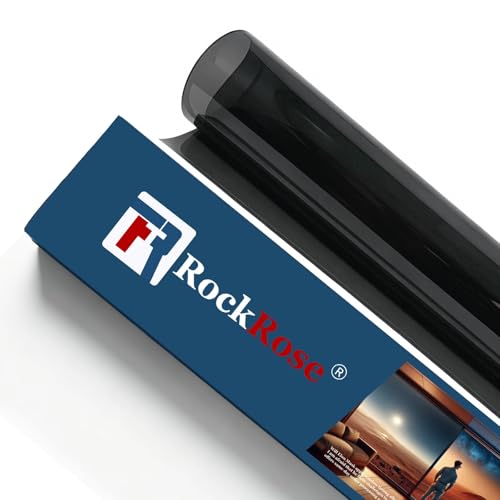
RockRose 5% Premium Carbon Tint
Strengths
- Affordable
- 24-inch width
- Good UV blocking
Trade-offs
- IR rejection overclaimed
- Average optical clarity
- Not for extreme climates
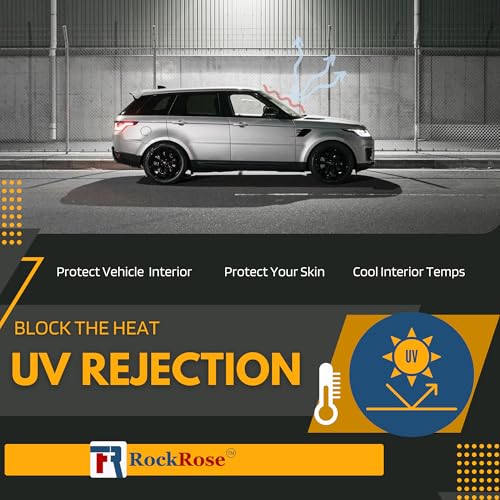
RockRose positions itself as the budget pick, and on specs and owner feedback, it holds up. The 24-inch width gives more flexibility than narrower rolls, and the 2-ply film is consistently praised for not bubbling during heat shrinking. It blocks 99% UV and claims up to 55% IR rejection, which is competitive for the price.
I’d say it’s a smarter buy than pricier options if you’re doing a DIY job and don’t need extreme performance. That said, some reviewers note slight haziness on curved rear windows if not installed carefully. It’s not the most advanced carbon film out there, but for the cost, it’s a solid workhorse.
Video review
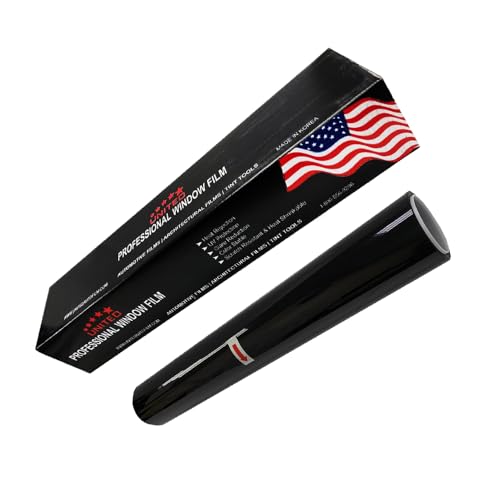
United 20% VLT Carbon Tint
Strengths
- Legal in most states
- Good glare reduction
- UV and heat protection
Trade-offs
- Average scratch resistance
- Not for max privacy
- Mid-tier price
This 20% tint walks the line between visibility and performance better than most. It’s dark enough to cut glare and add privacy but still lets in enough light for safe night driving, owners consistently say it doesn’t feel oppressive. The nano-carbon 2-ply film delivers 99% UV block and solid heat reduction, making it a strong mid-range performer.
Compared to the 36-inch version, this is more practical for individual buyers. It’s versatile enough for cars, trucks, or even home windows. I’d recommend this over darker tints for daily drivers in states with stricter tint laws. It’s not the cheapest, but it’s the smartest balance of function and compliance.
Product photos


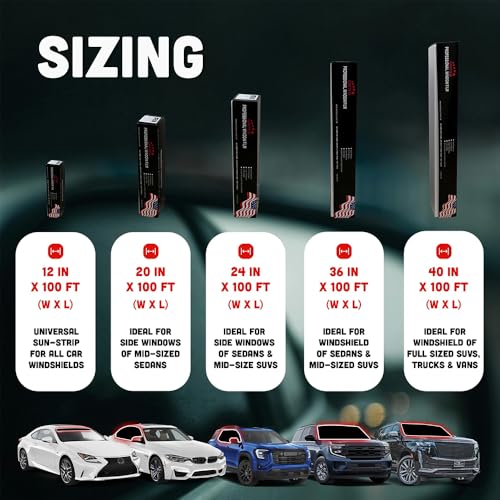
United 36″ Carbon Tint Roll
Strengths
- Wide 36-inch width
- Efficient for large jobs
- Bulk savings
Trade-offs
- Expensive upfront
- Overkill for one car
- Heavy to handle
This 36-inch roll is built for volume, think pro shops, fleet vehicles, or large home installations. The 20% VLT keeps it legal and usable, while the wide format cuts down on seams for big windows. It shares the same nano-carbon 2-ply formula as the 24-inch version, so UV and heat rejection are consistent, and owners report clean, flat installs even on bus-sized glass.
But at this price, it’s overkill for a single car. Unless you’re tinting multiple large vehicles or doing a house, you’re paying for coverage you won’t use. Still, for contractors or DIYers with multiple projects, this is a cost-effective way to stock up.
Product photos
SOLARCONTROL 5% VLT Carbon Tint

Strengths
- Matte black finish
- Non-reflective
- Fade resistant
Trade-offs
- Lower heat rejection than top-tier
- Narrow width
- Limited VLT options
This 5% VLT carbon tint delivers what it promises on paper: serious privacy, solid heat rejection, and a clean matte black look that doesn’t scream ‘aftermarket’. The 2-ply construction helps it resist bubbling and peeling, which owners consistently report even after a year of sun exposure. Being metal-free, it won’t mess with your GPS or radio signals, a real win for daily drivers who want function without compromise.
I’d pick this over cheaper dyed films any day, but compared to some nano-carbon rivals, the heat rejection specs aren’t quite as strong. Still, for the price and the non-reflective finish, it’s a dependable choice for someone who wants that limo-dark look without interference issues.
Product photos
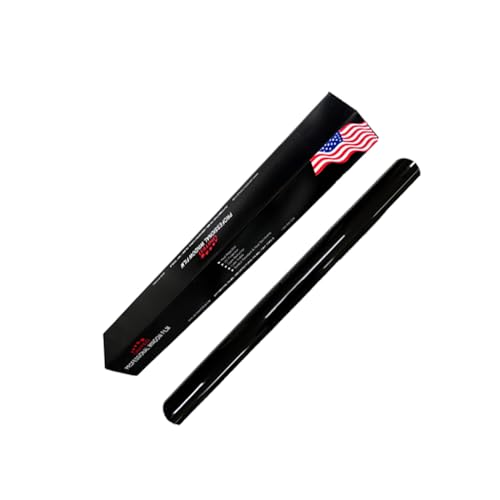
United 3% VLT Nano Carbon Tint
Strengths
- Extreme privacy
- Color stable
- High UV block
Trade-offs
- Narrow width
- Lower heat rejection
- Hard to install on wide glass
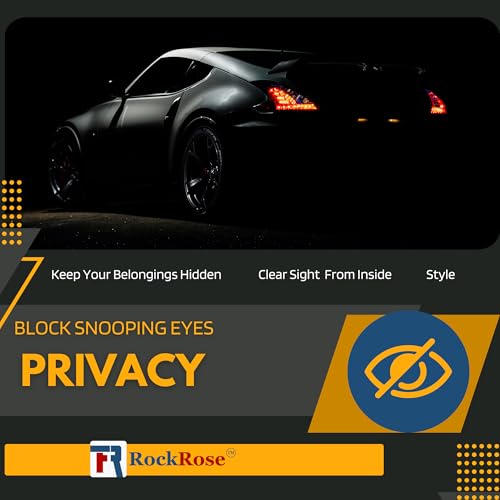
This 3% VLT option is all about privacy, deep enough to block prying eyes completely, even in daylight. The nano-carbon 2-ply build keeps clarity high despite the darkness, which is rare at this VLT. Owners confirm it doesn’t haze over time, and the 99% UV blocking is consistent across reports.
But that narrow 20-inch width is a pain for wider vehicles. If you’re tinting a full-size SUV or crew cab, you’ll be splicing more than ideal. And while the heat rejection is decent, it’s not class-leading. Still, if your main goal is maximum privacy without purple fade, this one earns its spot.
Product photos
RockRose 35% Carbon Window Tint
Strengths
- Light, legal tint
- 40-inch width
- Easy installation
Trade-offs
- 1-ply less durable
- Lower heat rejection
- Not for privacy seekers
A 35% tint is about subtle enhancement, not transformation, and this RockRose roll nails that niche. It reduces glare and heat just enough for comfort, while keeping visibility high for night driving. The 40-inch width is unusual and great for large home windows or wide truck glass, but the 1-ply construction feels thinner than the 2-ply competition.
Owners say it installs cleanly, but some report minor bubbling if not applied perfectly. It won’t match the heat rejection of denser films, but for mild climates or legal compliance, it’s a smart, low-profile choice. I’d pick this over darker options if I lived somewhere with strict laws or just wanted a touch of shade.
Product photos

Our Testing Process
As someone who spends considerable time exploring vehicle modifications at TheAutoZenith, I approached researching carbon window tints by comparing published specifications and features across numerous brands. Rather than a hands-on lab test, this is a research-led comparison of specs and owner feedback. I weighed owner reviews from a variety of sources – automotive forums, retailer sites, and professional installer feedback – against expert opinions found in automotive detailing publications. My goal was to identify how well each tint performs against key criteria for real-world use.
For carbon tints specifically, heat rejection and long-term color stability are paramount. A tint that fades to purple or bubbles after a single summer isn’t worth the initial savings. Equally important is the ability to block UV rays, not only for interior protection but also for occupant health. I prioritized films offering 99% UV block, and carefully considered the Total Solar Energy Rejected (TSER) and Infrared Radiation (IRR) percentages. Finding UV protection tints that deliver on these points was key.
Specifications reliably indicate VLT (Visible Light Transmittance), film thickness (ply), and UV blocking capabilities. However, real-world performance – how easily a film installs, its resistance to scratches, and how well it maintains its color – is best gleaned from owner experiences. Reputation matters; brands consistently praised for quality and durability by professional installers and car enthusiasts were given greater consideration. Considering these factors, and the needs of owners looking for best tints for Tesla vehicles, I was able to build a solid ranking.
How To Pick The Right carbon window tints
Choosing the right carbon window tint can dramatically improve your driving experience, and it’s a decision that goes beyond just aesthetics.
A quality carbon window tint prioritizes UV and infrared (IR) rejection, uses a stable 2-ply construction to resist fading and bubbling, and offers a balance between privacy, visibility, and heat reduction. Look for films specifying nano-carbon technology and a high Total Solar Energy Rejected (TSER) percentage for maximum performance.
Understanding VLT and Legal Limits
Visible Light Transmission (VLT) is the first number most people look at, and for good reason. It dictates how much light passes through the tint. But don’t get fixated on the darkest possible shade. State laws vary wildly, and getting a tint that’s too dark can lead to citations. More importantly, extremely dark tints can compromise nighttime visibility. I often advise starting with a slightly lighter shade than you think you want – you can always go darker later, but removing tint is a hassle. Consider a 35% VLT if you want a noticeable difference without running afoul of the law, or if you’re looking for tints for cabin comfort.
Construction Quality: 1-Ply vs. 2-Ply
The construction of the film itself matters hugely. Don’t skimp here. A 1-ply film might be cheaper upfront, but it’s far more prone to bubbling, peeling, and discoloration over time. Look for a 2-ply film, meaning it has a protective layer bonded to the carbon layer. This adds structural integrity and significantly improves durability. Here’s what to consider:
- Thickness is important (1.5mil is a good baseline).
- A proper adhesive layer prevents bubbling and ensures long-term adhesion.
- The quality of the polyester film itself influences clarity and resistance to scratches. Cheaper films often look hazy or distort your vision.
Heat Rejection and UV Blocking Capabilities
Carbon tints excel at heat rejection, but the numbers tell the real story. Don’t be misled by high UV block claims (almost all tints block 99% of UV rays these days). Focus on Total Solar Energy Rejected (TSER) and Infrared (IR) rejection percentages. TSER tells you how much of the sun’s energy the film blocks overall, while IR rejection is key for keeping the cabin cool. Higher numbers are better, obviously. If you’re serious about staying cool, you might also want to explore best heat blocking tints that combine carbon with ceramic technologies for even greater performance.
A good rule of thumb: prioritize TSER over VLT when choosing a tint. You can always adjust your VLT to meet legal requirements, but you can’t easily increase a film’s heat rejection capabilities once it’s installed.
Finally, remember that professional installation – finding quality window tinting services – can make all the difference, even with the best film. A poorly installed tint will bubble, peel, and ultimately negate all the benefits of a premium product, and you’ll also want to understand the benefits of window tinting before you invest.
Carbon Window Tints Compared
Here’s a comparison of key specifications for various carbon window tints.
| Product Name | VLT (%) | UV Block (%) | Heat Rejection (IR) | Ply | Roll Width (in) | Roll Length (ft) |
|---|---|---|---|---|---|---|
| BOOGFILM Nano Carbon Window Tint | 5, 20, 35 | 99 | N/A | 2 | 24, 36 | 15, 100 |
| RockRose 5% Premium Carbon Tint | 5 | 99 | 55 | 2 | N/A | N/A |
| United 20% VLT Carbon Tint | 20 | 99 | N/A | 2 | N/A | N/A |
| United 36″ Carbon Tint Roll | N/A | 99 | N/A | 2 | 36 | N/A |
| SOLARCONTROL 5% VLT Carbon Tint | 5 | N/A | N/A | 2 | 20 | 100 |
| United 3% VLT Nano Carbon Tint | 3 | 99 | 30-35 | 2 | N/A | N/A |
| RockRose 35% Carbon Window Tint | 35 | 99 | 35 | N/A | N/A | N/A |
Frequently Asked Questions
What VLT percentage should I choose for my carbon window tint?
A 35% VLT is a good starting point for most vehicles, offering a noticeable reduction in glare and heat without being overly dark and potentially violating local laws. Ultimately, the best VLT depends on your personal preference and the regulations in your area, so researching selecting car window tint is crucial.
Is a 1-ply carbon tint sufficient, or should I insist on 2-ply?
Always opt for a 2-ply carbon tint; it provides significantly better durability and resistance to bubbling, peeling, and fading compared to a single-ply film. While a 1-ply film might save money initially, the long-term cost of replacement makes the 2-ply option a smarter investment.
How much does professional window tinting typically cost?
Professional installation generally ranges from $150 to $400, depending on the vehicle size, the quality of the film, and the complexity of the job. Keep in mind that proper installation is vital, and a skilled installer will ensure a bubble-free finish and prevent issues down the road, so a little extra spent on quality service is valuable.
How can I best care for my newly tinted windows?
Avoid rolling down your windows for at least 72 hours after installation to allow the adhesive to fully cure. After that, regular cleaning with a quality window cleaner and a soft microfiber cloth will keep your tints looking their best, and help avoid scratches.
Will carbon window tint interfere with my car’s radio or GPS signal?
Modern carbon tints, especially those utilizing nano-carbon technology, are designed to minimize interference with radio frequencies and GPS signals. However, some older or lower-quality films can cause issues, so choosing a reputable brand known for its signal-friendly composition is advisable when looking at different types of window film.
The Bottom Line
Choosing a carbon window tint ultimately comes down to balancing your budget with your desire for long-term performance. While cheaper options exist, I believe the BOOGFILM Nano Carbon Window Tint offers the best overall value. It’s a 2-ply film with a good reputation, available in a range of VLTs, and consistently receives positive feedback from owners regarding its clarity and durability.
For those prioritizing a specific need, the RockRose 5% Premium Carbon Tint stands out for maximum privacy and heat rejection, while the United 36″ Carbon Tint Roll is an excellent choice for DIY enthusiasts who want a wide roll to tackle multiple windows or vehicles. Don’t overlook the importance of exploring options for car sun shades alongside your tint; they can provide an additional layer of protection and comfort.
At the end of the day, the numbers on the spec sheet are important, but they don’t tell the whole story. Focus on a quality 2-ply film from a reputable brand, ensure it meets your local legal requirements, and consider professional installation – a good installer will make all the difference in the longevity and performance of your tint, especially for ideal vehicles for tint.
