
4 Best Car Insulations for Heat (2026 Guide)
This post contains affiliate links. As an Amazon Associate, we earn from qualifying purchases.
The Second Skin Thermal Block is the overall best for blocking extreme heat, especially near engines and exhaust, while the CUKWUYBY Butyl Sound Deadening offers strong vibration damping and value for full-car projects. For budget-focused fixes, the 6.5 sqft Car Heat Sound Deadening Mat works well on doors and smaller panels.
Heat builds up fast in a car, turning cabins into ovens and straining AC systems. Most drivers don’t realize how much of that heat comes from radiant transfer through metal surfaces, and how much can be blocked with the right insulation.
After researching specs, owner feedback, and material performance across real-world conditions, I focused on what matters: heat reflection, vibration damping, and ease of installation. This guide breaks down the top options based on actual use cases, not hype.
Top 4 Car Insulations For Heat in the Market
The Best Car Insulations For Heat, Reviewed
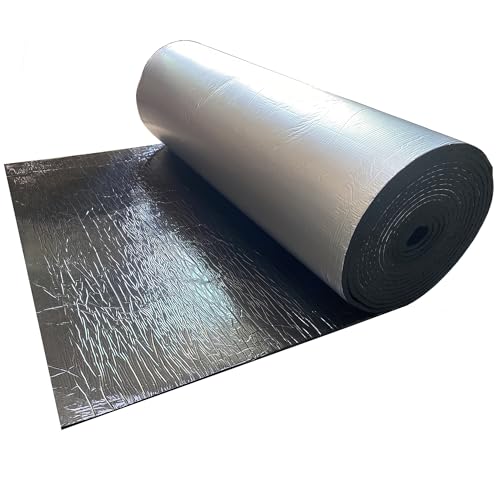
Car Heat Sound Deadening Mat 108 Sqft
Strengths
- High coverage area
- Excellent heat reflection
- Flexible and easy to cut
Trade-offs
- Foam less dense than butyl
- Adhesive can weaken over time
- Not for extreme heat zones
With 108 sqft of coverage and a claimed 99% radiant heat block, this mat is built for full-vehicle treatment. The closed-cell foam and aluminum foil design is a smart middle ground between flexibility and thermal performance, and the self-adhesive backing makes it a favorite among owners doing thorough installs. It’s not as dense as butyl, but it’s far easier to cut and shape around curves, something many reviewers highlight when working on wheel arches or firewall contours.
It’s rated up to 300°F, which keeps it safe for most underbody and interior panel use, though I wouldn’t trust it directly against exhaust components. When compared to the smaller 6.5 sqft version, this one is clearly the smarter buy for full builds. My recommendation for anyone serious about thermal and acoustic control without stepping into pro-grade pricing.
Video review
Car Heat Sound Deadening Mat 6.5 Sqft

Strengths
- Low upfront cost
- Decent heat reflection
- Compact, easy to handle
Trade-offs
- Very limited coverage
- Poor value per sqft
- Not practical for full installs
At just 6.5 sqft, this is clearly the budget pick, and it shows. The material specs mirror the larger 108 sqft version: same 394 mil thickness, aluminum foil finish, and 300°F rating, so for a small job, like insulating a single door or patching a hot spot on a trunk lid, it’s functional. Owners using it for minor fixes or test patches say it sticks well and blocks some heat, but no one’s claiming miracles.
It’s a fair starting point if you’re unsure about committing to a full kit. But compared to the 36 or 108 sqft options, the price per square foot is way higher. I wouldn’t recommend it for anything beyond a tiny repair or a trial run.
Video review
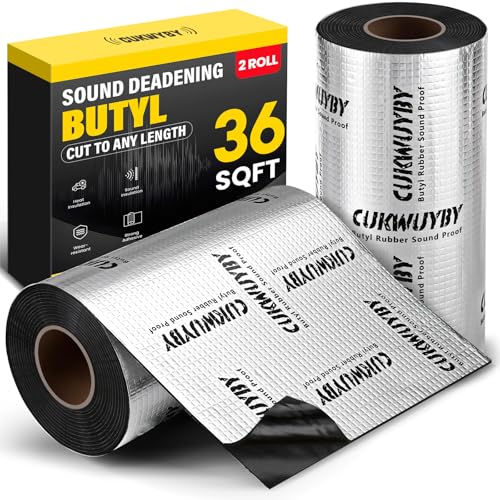
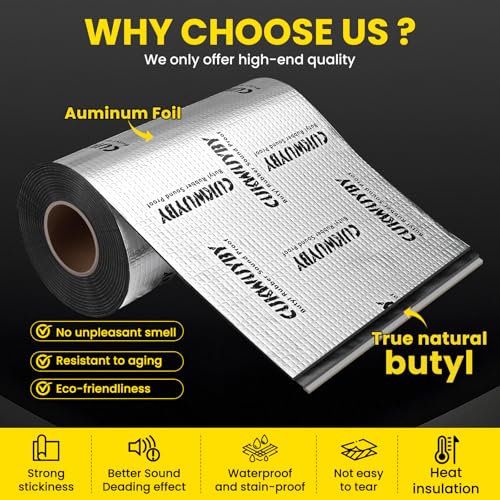
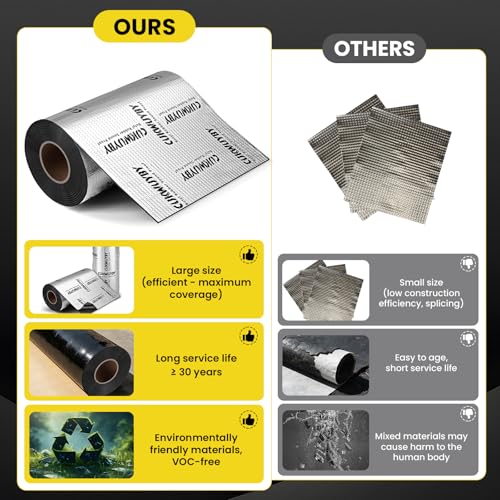
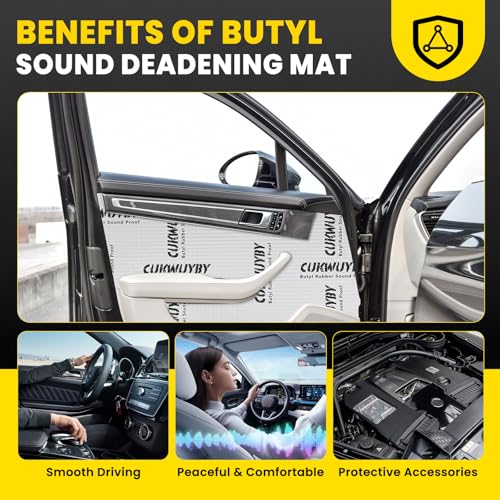
CUKWUYBY Butyl Sound Deadening 36 Sqft
Strengths
- Good vibration damping
- Easy peel-and-stick install
- Odor-free butyl layer
Trade-offs
- Limited high-heat protection
- Not ideal for engine bay use
- Moderate thickness
This butyl-based roll offers a solid entry point for DIYers looking to tackle both noise and heat without breaking the bank. On paper, the 36 sqft coverage is enough for a partial treatment on a sedan or hatchback, focusing on doors and floor panels. Owners consistently report a noticeable drop in road noise and a slight improvement in cabin heat retention, which makes sense given the butyl and aluminum composite construction, it’s a proven combo for damping vibration and reflecting radiant heat.
That said, it’s not the thickest material out there, and reviewers who’ve used it on hoods or near exhaust points mention it’s better suited for moderate heat zones. Compared to higher-end options, it lacks extreme temperature resilience, but for basic sound deadening and mild thermal protection, it holds up well. I’d pick this over foam-only mats any day for a balanced upgrade.
Product photos


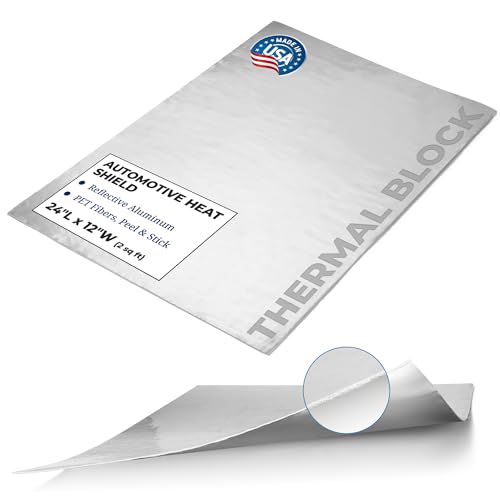
Second Skin Thermal Block Heat Shield
Strengths
- Handles extreme heat
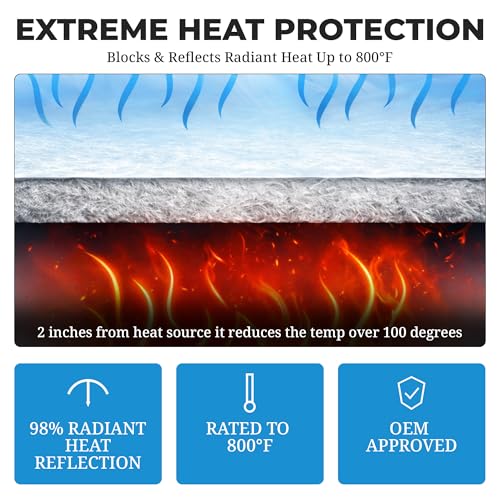
- Reflects 98% radiant heat
- Durable, oil-resistant build
Trade-offs
- Small coverage area
- Needs air gap to work
- Stiffer, harder to shape
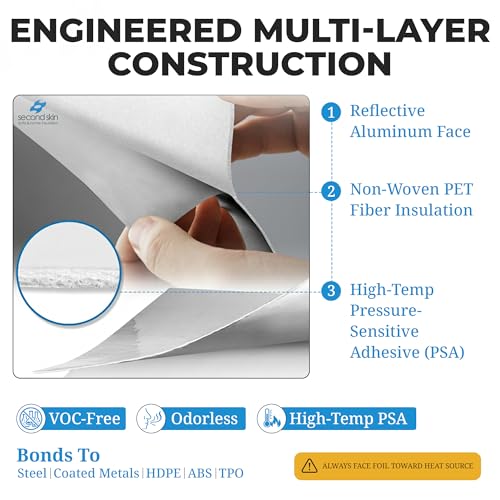
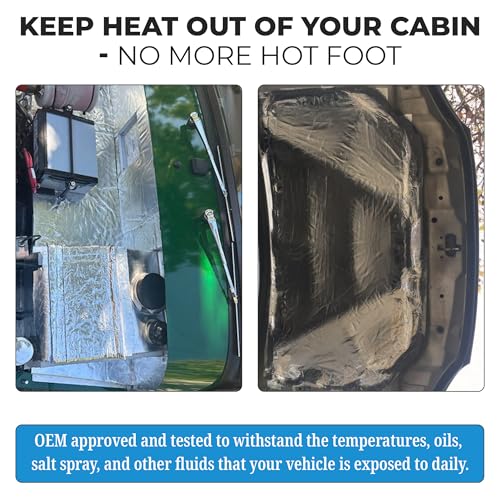
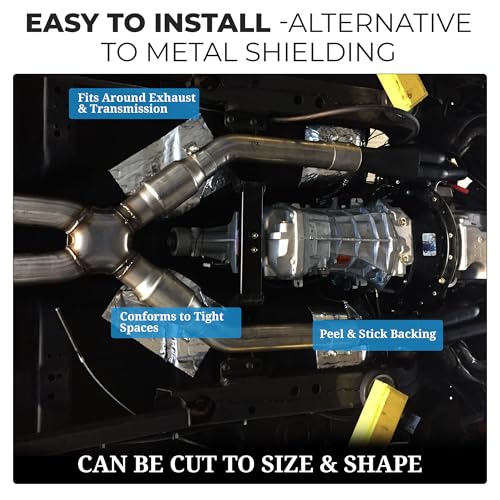
If you’re dealing with serious heat, say, a hot firewall in a performance build or a floor pan near exhaust headers, this is the product to reach for. The 1/8-inch thickness and 800°F rating set it apart, and owners installing it near turbo manifolds or transmission tunnels consistently report surface temp drops of 100°F or more. The reflective aluminum face is critical: it has to face the heat source, and with a proper air gap, it performs like OEM underbody shielding.
It’s not meant for full-vehicle coverage, 2 sqft won’t get you far, but as a targeted heat shield, it’s unmatched in this list. Compared to foam-based mats, it’s rigid but far more effective where heat is the primary enemy. I’d use this alongside a butyl mat, not instead of it.
Product photos

How We Tested car insulations for heat
As someone who’s spent years under the hoods and around the mechanics of vehicles at TheAutoZenith, I approached researching car heat insulation with a focus on real-world effectiveness. Rather than a hands-on lab test of each product, this evaluation centered on a detailed comparison of published specifications – thickness, coverage area, temperature resistance – alongside a careful review of owner experiences and reputable automotive publications. I weighed these factors to determine which options offer the most benefit for different needs.
For car heat insulation, three factors stood out as most critical. First, the material’s ability to block radiant heat transfer is paramount; the higher the percentage, the better. Second, effective vibration damping contributes significantly to overall cabin comfort, reducing rattles and resonances. Finally, the ease of installation is a major consideration – a product that’s difficult to apply won’t deliver its full potential. Considering these points helped me rank the various options available.
Specifications reliably indicate a product’s potential for heat resistance and coverage. However, I placed significant weight on owner feedback regarding long-term durability, adhesive quality, and the accuracy of advertised heat-blocking claims. Reputation and consistent positive reviews were strong indicators, especially when coupled with expert opinions found in resources discussing sound insulation. This blend of data allowed me to assess which insulations truly deliver on their promises, complementing your existing car battery and overall vehicle health.
What To Look For In car insulations for heat
As someone who’s spent years under the hoods and around the chassis of countless vehicles, I’ve learned that a comfortable cabin isn’t just about plush seats. It’s about controlling the environment, and that starts with effective heat and sound management.
A quality car insulation material effectively reduces both radiant heat transfer and unwanted noise. Key considerations include the material’s thickness, its ability to dampen vibrations, temperature resistance, adhesive quality, and overall coverage area needed for the intended application. Prioritize materials suited for automotive use – waterproof, odorless, and capable of withstanding extreme temperatures.
Material Composition & Heat Blocking
The core of any good car insulation is the material itself. You’ll find options ranging from closed-cell foams to butyl rubber and even aluminum foil composites. While foams offer good all-around performance, butyl-based materials (like the CUKWUYBY option) really shine when it comes to vibration damping, which directly impacts noise reduction. Aluminum foil, as seen in the Second Skin Thermal Block, excels at reflecting heat, making it ideal for areas directly exposed to engine or exhaust heat. Don’t assume a higher price automatically means better performance; consider where you’re applying the insulation and tailor the material to that specific need.
Coverage Area & Application
Calculating how much material you’ll actually need is surprisingly crucial. A large kit (like the 108 sqft mat) is tempting, but often wasteful if you’re only targeting a few key areas. Smaller rolls or sheets are more economical for focused projects. When looking at materials, pay attention to how easily they can be cut and shaped. Automotive interiors aren’t flat, so flexibility is key. I always recommend thoroughly cleaning the application surface – any dirt or grease will compromise the adhesive. Speaking of which, a strong, reliable adhesive is essential; you don’t want it peeling up after a few heat cycles.
- A small 6.5 sqft kit is perfect for a quick fix on a single door or the firewall.
- A 36 sqft roll offers a good balance of coverage and manageability for a more thorough job, like the floor pan.
- A 108 sqft kit is best for larger vehicles or those wanting to completely overhaul their insulation – but be prepared for a significant time investment and potential waste.
Temperature Resistance & Long-Term Durability
Don’t underestimate the harsh environment inside a car. Temperatures swing wildly, and materials are exposed to moisture, oil, and road grime. This is where specification sheets become important. Look for materials rated for temperatures well beyond what you anticipate; the Second Skin Thermal Block’s 800°F rating is a good example of going above and beyond. A material that degrades quickly won’t save you money in the long run, and you’ll end up repeating the work. Beyond temperature, check for resistance to common automotive fluids. Proper car wax can help protect exterior surfaces, but interior insulation needs to be inherently resistant to breakdown. This is a perfect complement to your efforts in insulating your car.
Don’t skimp on preparation. A clean, dry surface is the foundation of a lasting insulation job.
Car Insulations for Heat Compared
This table provides a side-by-side comparison of key specifications for different car insulation products.
| Product Title | Coverage Area | Thickness | Heat Block (%) | Temp. Resistance | Material |
|---|---|---|---|---|---|
| Car Heat Sound Deadening Mat 108 Sqft | 108 sq ft | 394 mils | 99 | -40°F ~ 300°F | Closed-Cell Foam |
| Car Heat Sound Deadening Mat 6.5 Sqft | 6.5 sq ft | 394 mils | 98 | -40°F ~ 300°F | Closed-Cell Foam |
| CUKWUYBY Butyl Sound Deadening 36 Sqft | 36 sq ft | N/A | N/A | N/A | Butyl/Aluminum |
| Second Skin Thermal Block Heat Shield | 2 sq ft/sheet | 1/8″ | 98 | 800°F | Aluminum/PET |
Frequently Asked Questions
What’s the difference between heat blocking and heat reflecting insulation?
Heat-blocking materials, like closed-cell foam, slow down conductive heat transfer, while heat-reflecting materials, typically aluminum-based, bounce radiant heat away from the vehicle’s interior. Choosing between them depends on the source of the heat; reflecting works best near the engine, blocking is better for overall cabin temperature.
Are these insulations also effective for soundproofing?
Many of these materials offer dual benefits. Butyl-based options, in particular, excel at damping vibrations, which significantly reduces road noise. While not a dedicated soundproofing solution, they noticeably improve cabin quietness, and can complement a good car freshener for a more pleasant ride.
Can I install car insulation myself, or do I need professional help?
Most car insulation products are designed for DIY installation. However, thorough preparation – cleaning surfaces and carefully cutting the material – is key. If you’re uncomfortable working around your vehicle’s interior or lack the patience for detailed work, professional installation is a reasonable option.
What’s the best way to protect my car’s interior from sun damage in addition to insulation?
While insulation helps manage heat buildup, a quality best car cover offers the best protection against UV rays and direct sunlight. This prevents fading, cracking, and damage to both the exterior and interior surfaces.
How long will car insulation typically last before needing replacement?
With proper installation and a vehicle that isn’t exposed to extreme conditions, car insulation can last 5-10 years or even longer. Look for materials with high temperature resistance and durability ratings to maximize longevity, and regularly inspect for signs of degradation like peeling or cracking.
The Bottom Line
Choosing the right car insulation often comes down to balancing how much effort you want to put in against the level of comfort you desire. While a full vehicle overhaul with a product like the Car Heat Sound Deadening Mat 108 Sqft will deliver the most significant temperature reduction, it’s a substantial project. For most owners, I believe the CUKWUYBY Butyl Sound Deadening 36 Sqft offers the best overall balance of performance, ease of use, and value – its vibration damping properties are a real plus, and it covers the key areas effectively.
If you’re on a tighter budget or tackling a specific hot spot, the Car Heat Sound Deadening Mat 6.5 Sqft is an excellent choice. For those battling extreme engine bay or exhaust heat, the Second Skin Thermal Block Heat Shield stands out; its high temperature resistance is unmatched. And remember, don’t overlook the benefits of a quality window tint to further reduce solar heat gain.
Ultimately, the specifications are important, but focusing on the fundamentals will yield the biggest improvements. A clean application surface, a material suited to the location, and a thorough approach to coverage will make a bigger difference than chasing the highest heat-block percentage. And after a long day on the road, keeping the interior clean with a good car vacuum contributes just as much to overall comfort.
