
4 Best Car Covers for Sun and Heat (2026 Guide)
This post contains affiliate links. As an Amazon Associate, we earn from qualifying purchases.
The best overall car cover for sun and heat is the EzyShade Car Cover, thanks to its multi-layer construction and full UV and waterproof protection. For a budget-friendly option that still cools the interior effectively, the Canchiing Silver Half Car Cover delivers solid performance at a lower price.
If you park under relentless sun, you know how quickly heat builds up inside your car, baking the dashboard, fading upholstery, and turning metal into burn hazards. Choosing the right cover isn’t just about shade, it’s about long-term protection backed by real materials science.
This guide cuts through the marketing noise by focusing on what owners actually report matters: reflective efficiency, secure fit, and durability under constant exposure. We compared specs and real-world feedback to find covers that consistently perform when it counts.
Top 4 Car Covers For Sun And Heat in the Market
The Best Car Covers For Sun And Heat, Reviewed
EzyShade Car Cover Waterproof All Weather

Strengths
- Custom-like fit
- Multi-layer protection
- Reflective safety strips
- Adjustable straps
- Warranty included
Trade-offs
- Requires correct sizing
- Slightly heavier
If you’re serious about protecting your car from relentless sun and heat, the EzyShade is one of the most complete solutions on paper. Its multi-layer construction and UV-protective, waterproof fabric stand out in owner feedback, with many noting it keeps interiors significantly cooler and prevents paint fading over time. The fit is where it really shines, engineered for specific vehicles and backed by a Great Fit Guarantee, it avoids the flapping and looseness that plague generic covers.
Owners consistently report that the reflective strips and three-point strap system make a real difference during windy days, keeping the cover locked down without constant readjustment. It’s not the cheapest, but the included storage bag, mirror pockets, and lock-compatible grommets suggest a thoughtful design meant for long-term use. Compared to half covers, this one offers full-body defense, which matters if you’re battling intense summer heat or extended outdoor parking.
Video review
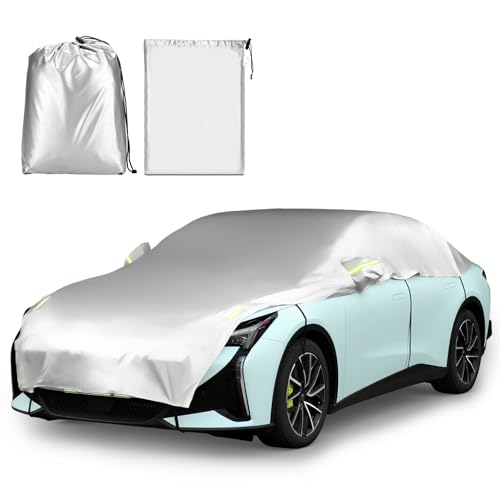
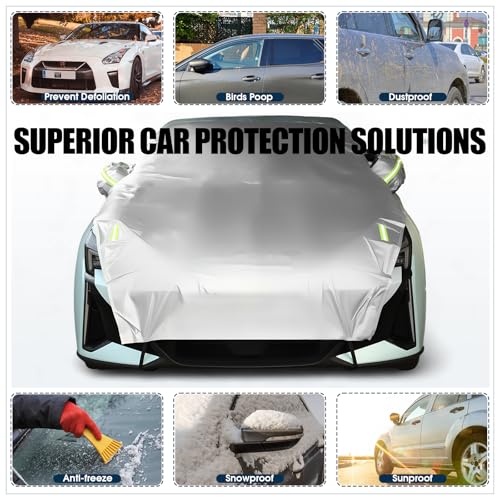
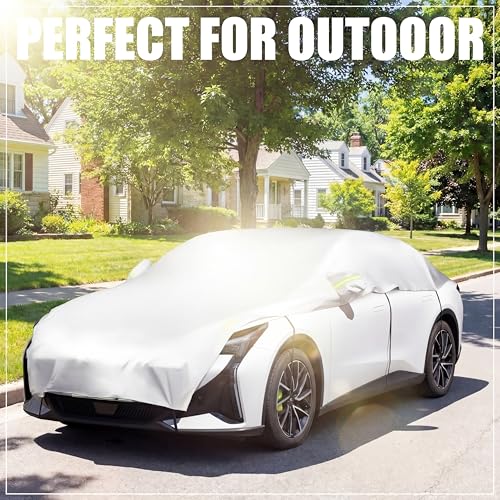
Canchiing Silver Half Car Cover
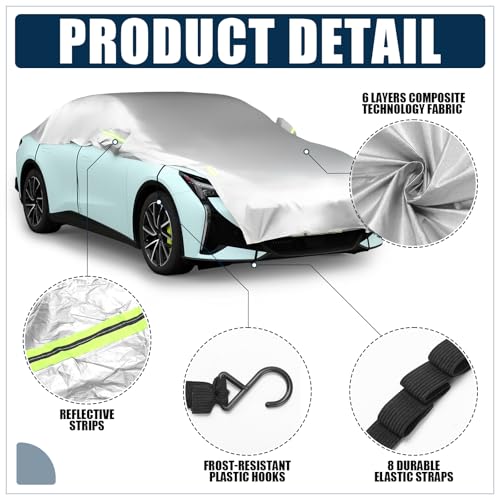
Strengths
- Strong UV and heat block
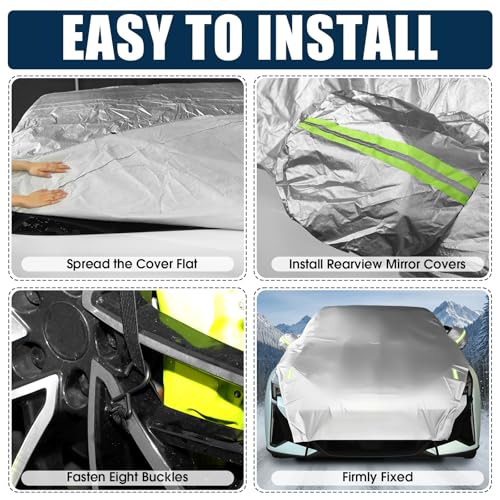
- Secure hook-and-strap system
- Reflective details
- Folds compactly
- Budget-friendly
Trade-offs
- Limited to front coverage
- Not vehicle-specific
- Material less durable long-term
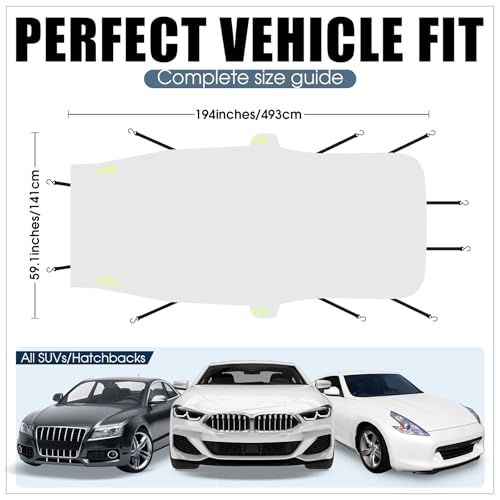
At this price, the Canchiing half cover is a no-brainer for basic heat defense. It’s built for the front end, and the silver polyester composite with foil coating delivers solid UV and heat reflection, just like the Shakas model. What sets it apart are the four metal hooks and elastic straps, which owners say provide a more secure hold than similar budget covers.
It’s not going to last years like a premium full cover, but for summer parkers or commuters tired of scorching seats, it works immediately and folds up small. The 194-inch length fits most midsize sedans and some SUVs, though longer hoods may see partial coverage. Compared to full covers, it’s faster to use and easier to store, ideal for people who value convenience over total protection.
Product photos
Motor Trend FlexCover Waterproof Car Cover

Strengths
- Durable all-weather build
- Elastic hem for better fit
- Lightweight and portable
- Affordable for full coverage
- Comes with storage bag
Trade-offs
- Universal fit less precise
- Less UV reflectivity
- Can flap in wind
The Motor Trend FlexCover leans into its all-weather claim with a rugged, multi-layered waterproof fabric that owners say handles sun, rain, and dust reliably. At this size, it fits a wide range of mid-to-large vehicles, from muscle cars to compact SUVs, but the trade-off is a looser fit compared to custom-sized options like the EzyShade. Still, the elastic hems and secure straps help it stay in place better than most universal covers.
It’s not the most breathable cover, so in humid climates, there’s a slight risk of trapped moisture, but most users don’t report issues with mildew when used intermittently. Where it wins is convenience, lightweight, easy to fold, and comes with a storage bag. For someone who needs solid sun and heat protection without overspending, this is a practical middle ground. It won’t match the tailored fit of a premium cover, but it’s tougher than most budget options.
Video review
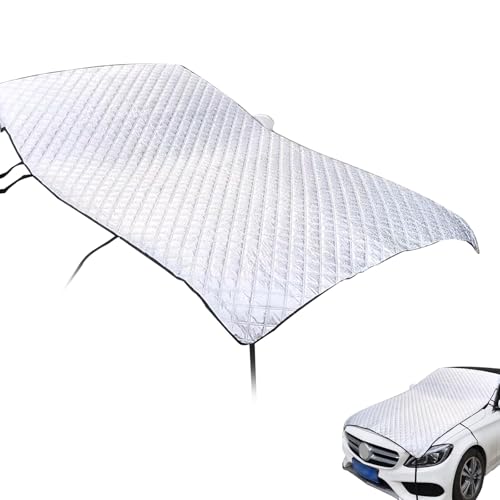
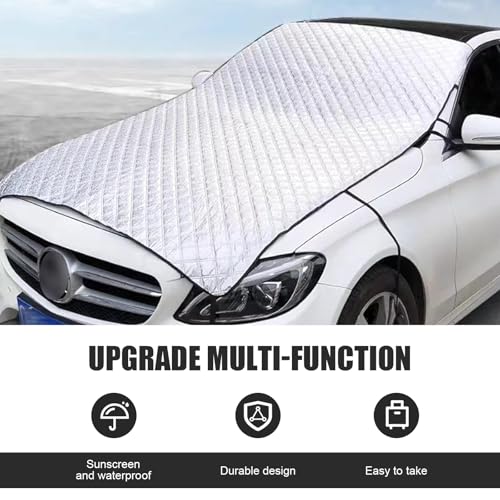
Shakas Thickened Half Car Cover
Strengths
- Excellent heat reflection
- Thick, durable material
- Wind-resistant straps
- Easy to deploy
- Good for all seasons
Trade-offs
- Half coverage only
- Fit varies by model
- No side protection
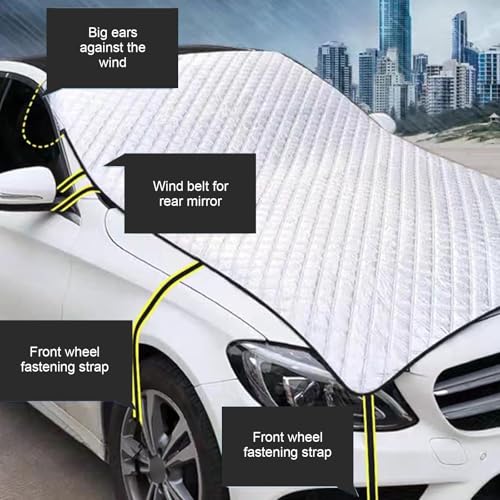
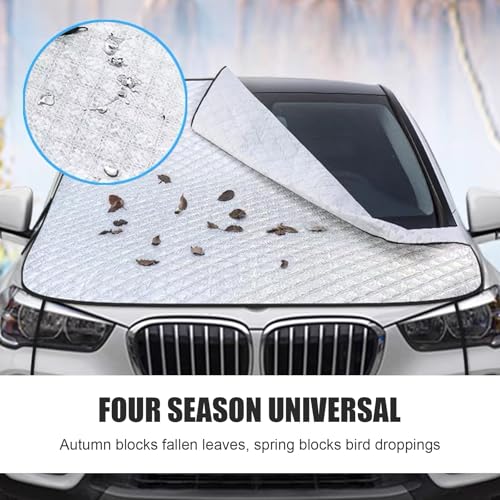
For beating the heat fast and affordably, the Shakas half cover makes a strong case. It’s not a full car cover, but it targets the biggest thermal weak point, the windshield and hood, where sunlight turns your cabin into an oven. The thickened silver material is consistently praised in reviews for cutting interior temperatures, and the reinforced straps help it stay put even in gusty conditions.
This is a no-frills, functional pick that delivers on its core promise: heat reduction and UV blocking for the front end. It won’t protect your paint or side panels, but if your main goal is a cooler dashboard and easier starts in summer, this does it well. Compared to pricier full covers, it’s a smarter choice for daily drivers parked under the sun for hours. The universal fit works for most sedans and SUVs, though some owners note minor gaps on wider hoods.
Product photos


How We Chose These car covers for sun and heat
As someone who’s spent years observing and appreciating automotive engineering at TheAutoZenith, I approached researching car covers with a focus on practical protection. Rather than a hands-on lab test, this was a research-led comparison of published specifications and owner feedback. I looked at materials, construction, and features across numerous models, and weighed those against what owners are saying about real-world performance. This involved analyzing professional reviews and, critically, sifting through thousands of user experiences to identify consistent strengths and weaknesses.
For car covers specifically aimed at sun and heat, three factors stood out as most important. First, the quality and type of material – specifically its UV resistance and reflective properties – directly impacts interior temperature and paint protection. Second, a secure fit is crucial; a loose cover offers little defense against wind and can cause scratching. Finally, durability is key. Owners need a cover that will withstand repeated use and exposure to the elements without falling apart. We focused heavily on these aspects when evaluating each option.
Specifications give a good indication of material quality and construction, but owner feedback proved invaluable in understanding how these covers perform over time. Specs tell you about a cover’s waterproof rating, but reviews reveal if it truly stays waterproof after months of use. Similarly, advertised features like reflective coatings or strap systems need to be validated by those who actually use them daily. For those looking for even more specific guidance, you can find additional information on covers for intense heat in our dedicated guide. We also considered options for reliable covers for outdoor elements when assessing overall value.
How To Pick The Right car covers for sun and heat
Finding the right car cover isn’t just about keeping your vehicle dry; it’s about preserving your investment, especially against the relentless sun. I’ve spent years observing what truly protects a vehicle’s finish and interior, and it comes down to understanding materials, fit, and the specific threats you face.
A quality car cover isn’t simply a fabric shell. It’s a multi-layered defense system against UV degradation, acid rain, tree sap, bird droppings, and physical impacts. Key considerations include the material’s weave density, reflective properties, water resistance, and breathability. Proper fit is crucial to prevent wind from getting underneath and causing damage, and secure fastening systems are vital for stability.
Material Matters
The material a car cover is made from dictates much of its performance. You’ll find everything from simple polyester to multi-layered fabrics with reflective coatings. While a basic polyester cover will offer some dust protection, it won’t hold up against prolonged sun exposure. Look for covers that incorporate UV inhibitors and reflective materials to deflect heat. For serious protection, especially if you live in an area with harsh weather, a multi-layered cover incorporating polypropylene or polyethylene is a good investment. These materials offer excellent water resistance and breathability, preventing moisture buildup that can lead to corrosion. If you’re looking for more information on keeping your car shielded, check out my guide to covers for sun protection.
Fit and Fastening Systems
A loose car cover is almost worse than no cover at all. Wind can get underneath, causing it to flap and potentially scratch the paint. A properly fitted cover should hug the contours of your vehicle. Many manufacturers, like EzyShade, offer vehicle-specific sizing charts, use them! Don’t assume a “one size fits all” approach will work. Beyond the fit, the fastening system is critical.
Here’s what I look for:
- Basic straps: These are the minimum; ensure they’re adjustable.
- Buckle systems: Click-tight buckles offer a more secure hold than simple straps.
- Grommet holes: These allow you to use a cable lock for added security, which is particularly useful if you park in a public area.
A car cover should fit like a glove, not a tent. A snug fit prevents flapping and minimizes the risk of scratches.
All-Weather vs. Specialized Covers
Think about your primary needs. Do you live in a sunny climate where heat and UV damage are the biggest concerns? Or do you need protection from rain, snow, and other elements? The Motor Trend FlexCover, for example, is marketed as an all-weather solution, but a dedicated half-cover like the Canchiing Silver model might be sufficient – and more affordable – if your main goal is interior cooling. If you primarily park outside and need thorough protection, investing in a higher-quality, multi-layered cover is worthwhile. Don’t underestimate the impact of UV rays; researching UV protection covers can significantly extend the life of your vehicle’s paint and interior.
Car Covers for Sun and Heat Compared
Here’s a comparison of features for several car covers designed to protect against sun and heat.
| Product Name | Coverage | Material | Waterproof | UV Protection | Wind Resistance |
|---|---|---|---|---|---|
| EzyShade Car Cover | Full | Multi-layer | Yes | Yes | Yes |
| Canchiing Silver Half Car Cover | Half | Polyester/Foil | N/A | Yes | Yes |
| Motor Trend FlexCover | Full | Multi-layer | Yes | Yes | Yes |
| Shakas Thickened Half Car Cover | Half | Thickened Sunscreen | N/A | Yes | Yes |
Frequently Asked Questions
What material offers the best UV protection?
Multi-layer fabrics incorporating polypropylene or polyethylene provide the strongest UV resistance. These materials are designed to block a higher percentage of harmful rays than basic polyester, preserving your car’s paint and interior for longer.
Are half car covers as effective as full covers for sun protection?
Half covers, particularly those with reflective coatings, are surprisingly effective at reducing interior temperatures and protecting against UV damage to the dashboard and seats. However, they don’t protect the entire vehicle’s exterior from potential damage like bird droppings or dust.
How important are the straps and fastening systems?
They’re crucial. Without secure straps, wind can lift the cover, causing scratches and reducing its effectiveness. Look for adjustable straps or buckle systems for a snug fit, and consider covers with grommet holes if you park in an area prone to theft – you can then use a cable lock for extra security.
Can a car cover trap moisture and cause rust?
A poorly designed car cover can, but breathable materials like polypropylene help prevent this. It’s also wise to avoid putting a cover on a wet car. If you need interior heat protection shades can help reduce condensation buildup under the cover.
What’s the difference between a sun cover and all-weather car covers?
Sun covers prioritize UV and heat reflection, often being lighter weight and easier to install. All-weather covers offer broader protection against rain, snow, wind, and debris, using heavier, more durable materials.
The Bottom Line
Choosing a car cover often comes down to balancing absolute protection with practicality and price. While a full, multi-layered cover like the EzyShade Car Cover offers the most thorough defense against sun, heat, and the elements, it’s also a bigger investment and takes more effort to install and store. For most owners, that level of all-around security is worth it, offering peace of mind and preserving your vehicle’s condition.
If your primary concern is interior heat buildup and you’re willing to trade some weather protection, the Canchiing Silver Half Car Cover is a fantastic, budget-friendly choice. Similarly, for those who require a versatile option that balances features and cost, the Motor Trend FlexCover delivers solid performance. And if you’re storing your vehicle long-term, investing in durable covers for outdoor storage is a smart move.
Ultimately, the best car cover isn’t about chasing the highest specs. It’s about a snug, secure fit, quality materials that block UV rays, and consistent use. Don’t get caught up in waterproofing if you live in a dry climate, or reflective coatings if you garage your vehicle. Focus on protecting your paint and interior from the sun’s damaging effects, and you’ll be well on your way to preserving your automotive investment for years to come.
