
7 Best Car Radio Receivers of 2026
This post contains affiliate links. As an Amazon Associate, we earn from qualifying purchases.
The Pioneer MVH-S230BT stands out as the overall best car radio receiver for its reliable Bluetooth 5.0, clean sound processing, and seamless integration with modern smartphones, while the Jensen MPR210 is a strong budget-friendly pick thanks to its 4-year warranty and voice assistant support. For those wanting more screen functionality, the Leadfan 7inch Double Din Radio offers solid versatility.
If your car’s audio system feels outdated, you’re not alone. Many factory radios lack proper Bluetooth, deliver flat sound, or make phone integration a hassle. As someone who’s dug into the specs and owner experiences across dozens of models, I know how frustrating a poor receiver can be.
This guide cuts through the noise, focusing on real-world performance, build quality, and features that matter, like stable Bluetooth, sound enhancement tech, and long-term reliability, so you can pick a receiver that truly fits your driving life.
Top 7 Car Radio Receivers in the Market
The Best Car Radio Receivers, Reviewed
Pioneer MVH-S230BT 1-Din Car Stereo

Strengths
- Advanced Sound Retriever
- AAC file support
- Compact 1-DIN design
- Reliable Bluetooth
- Clean audio output
Trade-offs
- No fast charging
- No EQ presets
- No app mirroring
This is the one I’d install in my own daily driver if I were upgrading today. The Pioneer MVH-S230BT earns its ‘Best Overall’ tag by balancing performance, features, and reliability. The Advanced Sound Retriever tech makes a real difference, compressed MP3s and AAC files sound fuller and less tinny than on budget units. Bluetooth pairing is consistent, USB playback supports AAC (which many cheaper models skip), and the build quality feels more refined than anything else in this list under $100.
It’s not flashy, no touchscreen, no RGB lighting, but it’s engineered like a proper car audio component, not a disposable gadget. Compared to the Jensen, it has better audio processing; compared to the REAKOSOUND, it’s more polished. For most people, this is the sweet spot between cost and quality.
Video review
Single Din Radio with Bluetooth
Strengths
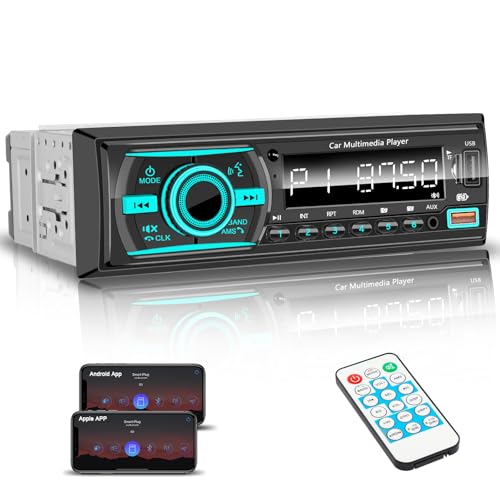
- Bluetooth 6.0
- 3.0A fast charging
- FLAC support
- Low price
- 200W peak output
Trade-offs
- Unknown brand reliability
- Basic interface
- No RDS
At under $18, this no-name Single DIN unit is the most aggressive budget play here, and surprisingly capable. It boasts Bluetooth 6.0, which theoretically means faster pairing and better stability, and owners report it holds connections well. The 3.0A fast charging port is a standout at this price, and the 200W peak output suggests strong amplification for basic speakers. It also supports FLAC, which is rare in this range.
But budget cuts show elsewhere. The brand has no real service footprint beyond Amazon support, and while the compatibility list is long, fitment isn’t guaranteed. Build quality is functional but not robust. I’d pick this only if you’re on a tight budget and working on a project car you don’t plan to keep long-term. For a daily driver, the risk of early failure isn’t worth the savings.
Video review
Pioneer MVH-S110BT 1-Din Stereo

Strengths
- MOSFET amplifier
- FLAC support
- Direct EQ controls
- Clean 50W x 4 output
- Compact chassis
Trade-offs
- No fast charging
- No voice assistant button
- Basic display
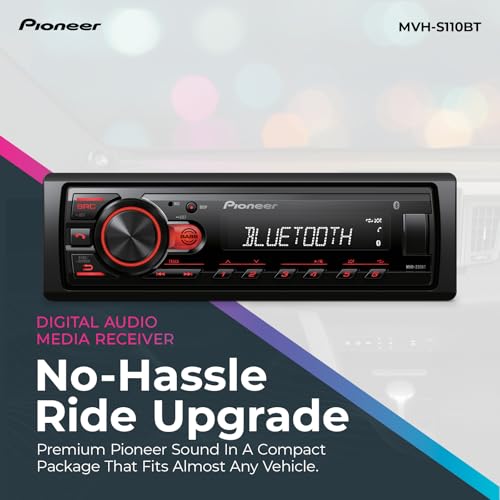
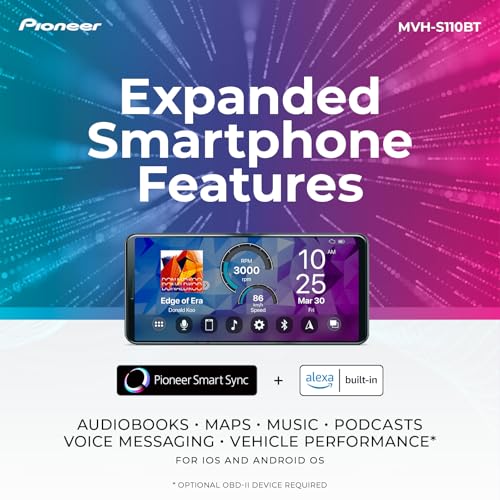
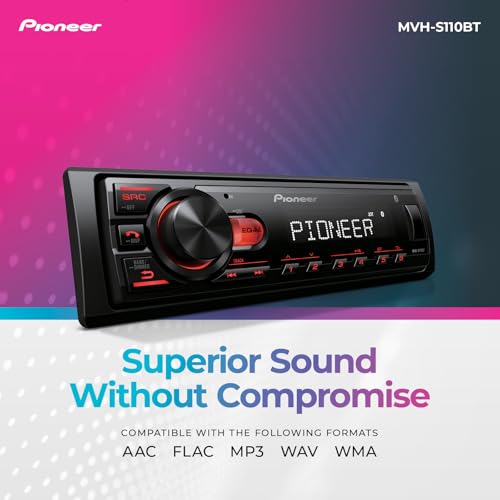
If sound quality is your top priority and you’re not chasing bells and whistles, the Pioneer MVH-S110BT is the clear winner. The MOSFET amplifier delivers clean 50W x 4 power, and owners consistently note richer bass and clearer highs compared to similarly priced units. FLAC support ensures lossless files are rendered faithfully, and the Direct EQ keys make on-the-fly tuning intuitive, no menu diving.
It’s minimalist by design: no USB fast charging, no voice assistant button, no flashy display. But that focus on audio integrity pays off. Against the BOSS Audio unit, it trades raw power claims for better sound clarity. For someone who values how music feels in the cabin, especially in a quiet classic car or a well-insulated sedan, this is the unit to get.
Product photos

Jensen MPR210 Single DIN Stereo

Strengths
- 4-year warranty
- Clear LCD display
- Voice assistant support
- Solid Bluetooth
- Simple interface
Trade-offs
- No fast charging
- Limited audio formats
- Basic sound customization
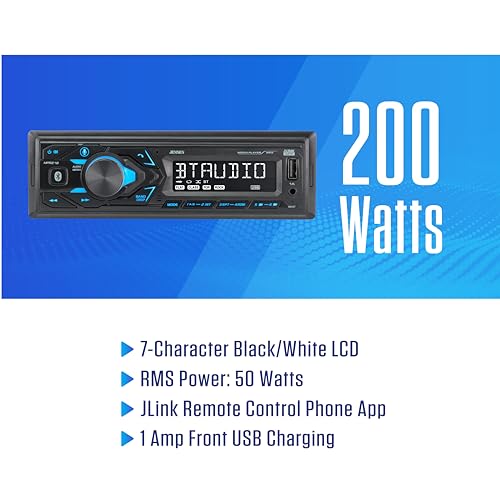
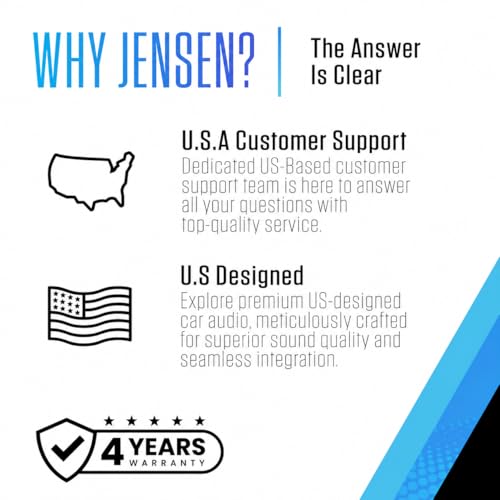
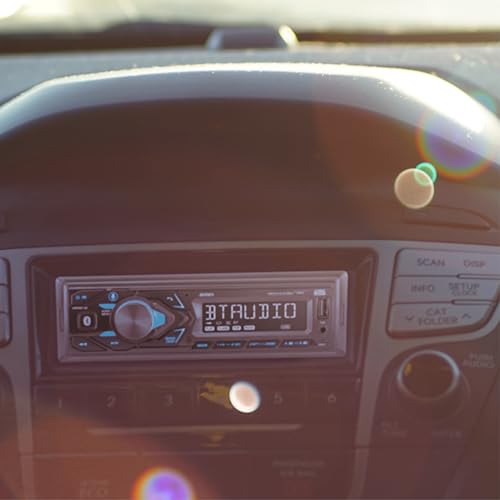
The Jensen MPR210 stands out not for raw performance, but for peace of mind, the 4-year warranty is rare at this price and signals real confidence in longevity. For someone like me who’s seen countless budget head units fail within a year, that extended coverage matters. The stereo itself is straightforward: Bluetooth streaming and calling work reliably, the LCD is sharp and readable in sunlight, and the 2-band EQ with four presets gives just enough control for most drivers.
It doesn’t wow on features, no USB fast charging, no app mirroring, no FLAC support, but it does the basics well. Compared to the REAKOSOUND, it’s less flashy but feels more durable in build. I’d recommend it over cheaper units for anyone who hates the idea of replacing a stereo every few years, especially in a daily driver or work vehicle.
Product photos
REAKOSOUND Single DIN Car Radio

Strengths
- Bluetooth 5.0
- Dual USB ports
- Fast charging
- FLAC support
- Wireless remote
Trade-offs
- Basic EQ controls
- No RDS
- Interface lags slightly
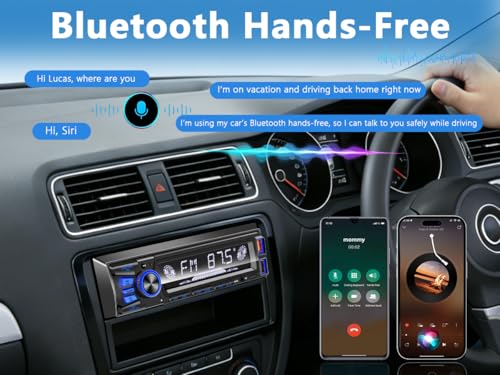
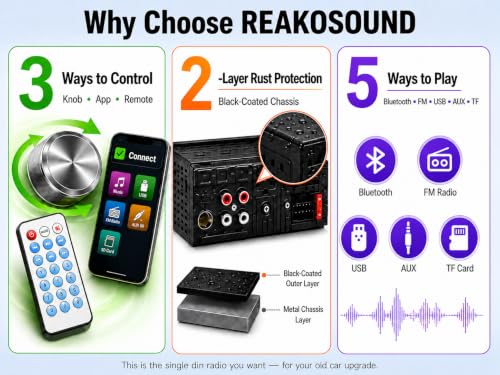
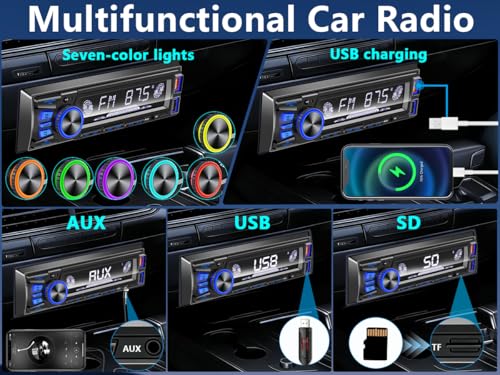
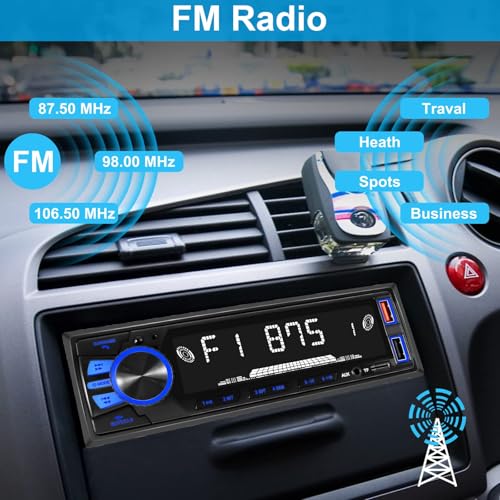
For budget-conscious drivers who still want a modern feature set, the REAKOSOUND Single DIN stereo punches above its price point. On paper, it’s loaded, Bluetooth 5.0 for hands-free calling and streaming, dual USB ports with fast charging, and support for lossless FLAC playback. Owners consistently report smooth pairing and solid sound clarity, especially for daily commutes. The 7-color LED backlight and included wireless remote add a nice touch of customization and convenience, particularly for older vehicles lacking factory infotainment.
Where it falls short is in refinement. While it supports app control, the interface isn’t as responsive as pricier units, and the EQ presets (Pop, Rock, Classic) are basic. Compared to the Pioneer models, it lacks advanced audio restoration tech, so compressed files don’t sound quite as full. But for a sub-$25 upgrade in a classic truck or beater car, it’s hard to beat the value.
Product photos

BOSS Audio 616UAB Single DIN
Strengths
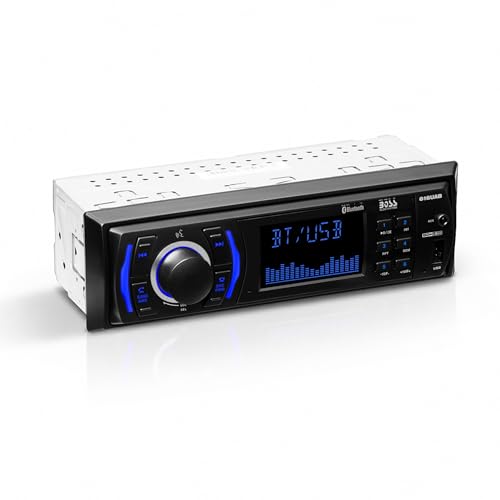
- 50W x 4 max power
- Preamp outputs
- Wireless remote
- Switchable tuner
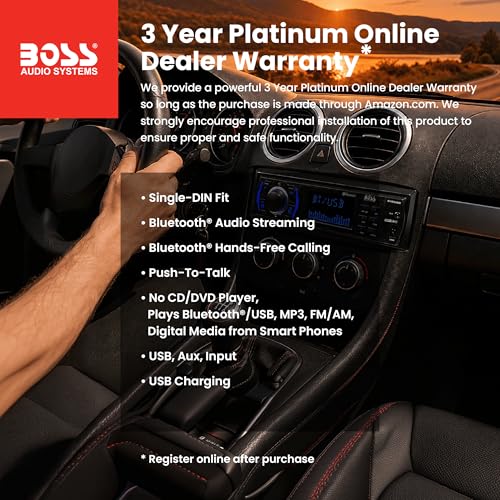
- 3-year warranty
Trade-offs
- Mediocre audio clarity
- Dated interface
- Bluetooth pairing issues
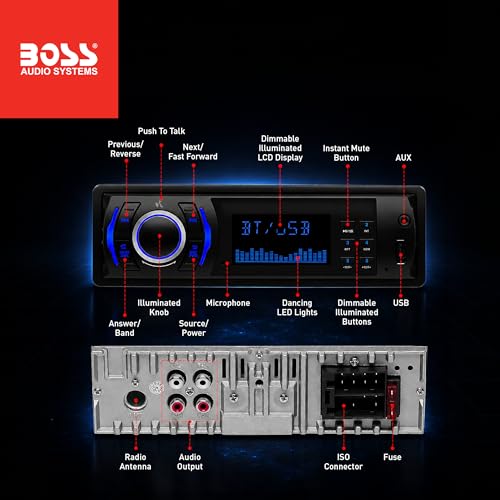
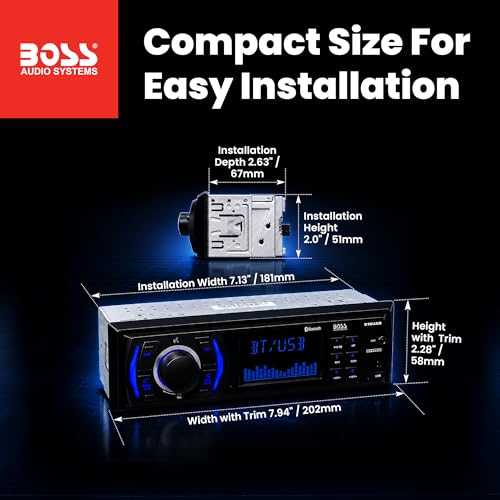
The BOSS 616UAB makes its case with raw power, 50W x 4 max output, and preamp outputs that let you expand to external amps and subs. For someone building a louder system in a truck, off-road rig, or older muscle car, that scalability matters. The wireless remote is a nice touch, letting you tweak bass and fader from outside the cab, and the switchable tuner is handy if you’ve imported a European vehicle.
But power doesn’t equal refinement. Audio quality on compressed files is muddy compared to the Pioneer units, and the interface feels dated. Owners note the Bluetooth can be finicky with newer phones. It’s a solid foundation for a high-volume setup, but not for nuanced listening. I’d pick the Pioneer for sound, but the BOSS if you’re chasing volume and expansion.
Product photos
Leadfan 7inch Double Din Radio
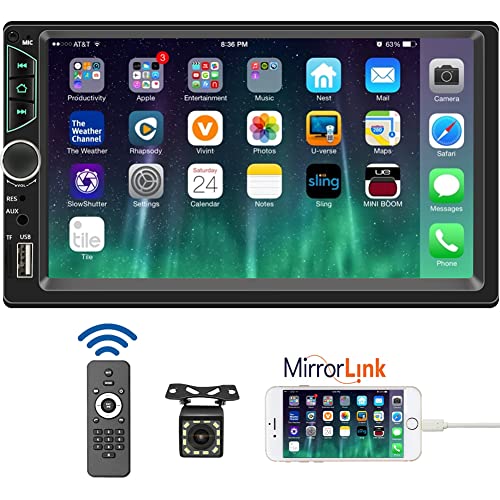
Strengths
- 7-inch HD touchscreen
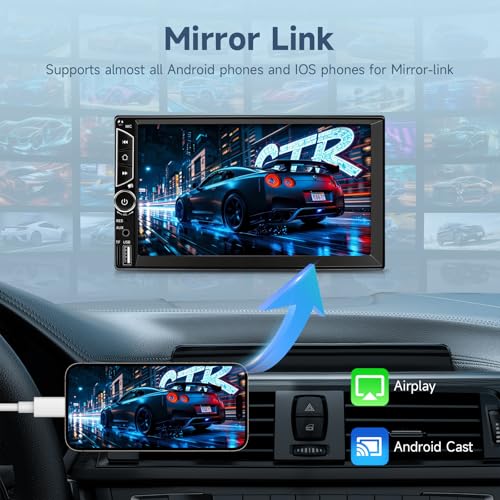
- MirrorLink support
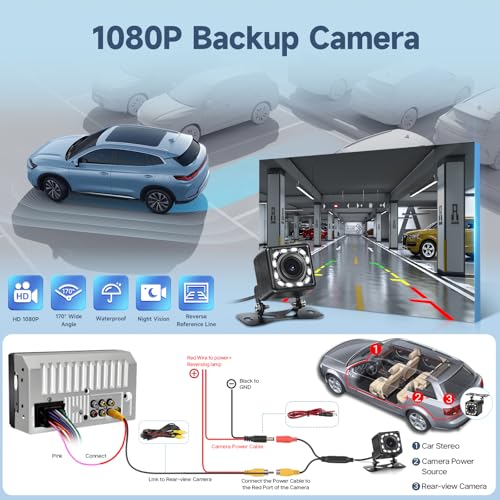
- Backup camera compatible
- RCA preamp outputs
- Supports video playback
Trade-offs
- Double DIN size limits fitment
- Occasional interface lag
- No built-in GPS
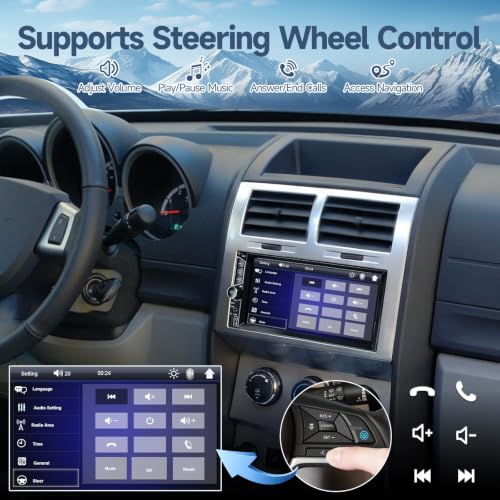
If your priority is turning your car into a rolling media hub, the Leadfan 7-inch touchscreen is the most capable option here. The Full HD display and MirrorLink support mean you can run Google Maps or Apple CarPlay-style navigation from your phone, which is a big leap over basic radios. Owners praise the responsiveness of the touch interface and the clarity of the backup camera feed when reversing. The ability to connect a subwoofer and amplifier via RCA outputs also makes it a solid foundation for a custom audio setup.
But that capability comes with trade-offs. It’s a double DIN unit, so it won’t fit in every dash, especially older or compact models. And while the screen is sharp, the processing isn’t as smooth as OEM systems; some users report lag when switching inputs. Still, for someone retrofitting a vintage car with modern convenience, or using a work van as a mobile command center, this delivers the most functionality for the money.
Product photos

How We Chose These car radio receivers
As someone who’s spent years immersed in the world of automotive technology at TheAutoZenith, I approached evaluating car radio receivers by combining published specifications, owner reviews, and my understanding of what truly matters to enthusiasts. Rather than a hands-on lab test, this is a research-led comparison of features and reported user experience. I looked at a wide range of models, noting key differences in connectivity, sound quality features, and overall usability. This process allowed me to identify units offering the best balance of performance and value.
For this category, three factors stood out as most important. First, reliable Bluetooth connectivity is critical – a frustrating connection renders many features useless. Second, sound quality enhancements, like the Advanced Sound Retriever found in some Pioneer models, can significantly improve the listening experience, especially with compressed audio. Finally, broad compatibility across different vehicle makes and models is essential, as a receiver that doesn’t fit is of no use. You’ll find more information about choosing the right option in our guide to best stereo receivers.
Specifications provide a solid baseline for comparing features like power output and supported audio formats. However, owner feedback proved invaluable in gauging real-world performance, particularly regarding Bluetooth stability and the ease of use of the interface. Reputation also played a role; established brands like Pioneer and Jensen tend to have better quality control and customer support. For those looking to upgrade their audio further, exploring car Bluetooth receivers can unlock additional features and convenience.
What To Look For In car radio receivers
Finding the right car radio receiver can dramatically improve your driving experience. It’s about more than just listening to the radio; it’s about connectivity, sound quality, and integrating technology into your vehicle.
A good car radio receiver prioritizes clear audio reproduction, reliable Bluetooth connectivity for hands-free calling and music streaming, and a user-friendly interface. Consider power output (watts per channel) to match your speakers, pre-amp outputs for future upgrades, and the presence of features like USB inputs and smartphone integration for maximum versatility. Don’t overlook build quality and warranty support as indicators of long-term reliability.
Understanding Power and Sound Quality
Many buyers focus on flashy features, but the core function of a car radio is, well, radio – and music! Don’t underestimate the importance of a receiver’s power output. While most factory speakers are fairly inefficient, matching the receiver’s wattage to your speakers (or planning for an amplifier) is crucial for clear sound at higher volumes. Look for a receiver with at least 20-25 watts RMS per channel for a noticeable improvement over basic factory systems. Beyond wattage, consider the receiver’s signal-to-noise ratio; a higher ratio means less background hiss and a cleaner audio signal. Pioneer, for example, often incorporates technologies like their Advanced Sound Retriever to help restore detail lost in compressed audio files. For those wanting a truly immersive experience, exploring options beyond basic receivers and looking into best car receivers is a smart move.
Bluetooth and Smartphone Integration
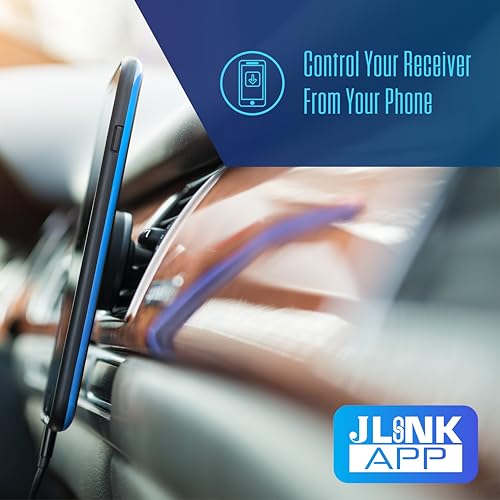
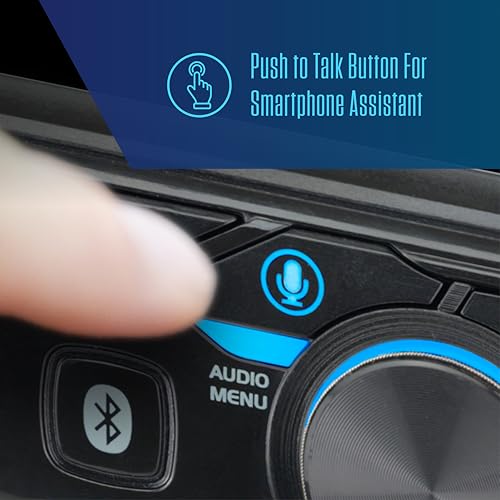
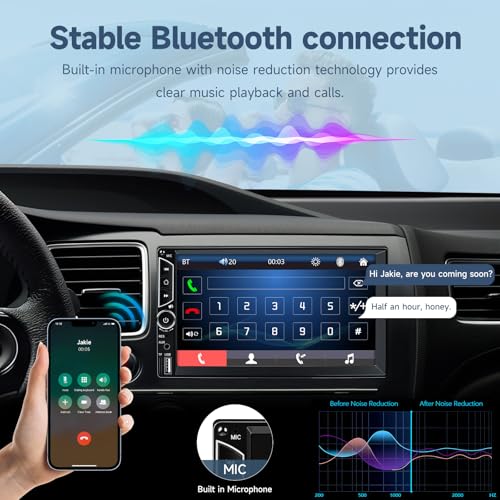
Bluetooth connectivity is almost a necessity these days. Not just for streaming music from your phone, but for safe, hands-free calling. However, Bluetooth versions matter. Older Bluetooth standards can be finicky and have limited range. Look for receivers with Bluetooth 5.0 or later for a more stable, reliable connection. Beyond basic Bluetooth pairing, some receivers offer deeper smartphone integration. Models like the Jensen MPR210 include voice assistant compatibility (Siri and Google Assistant), allowing you to control music and navigation with voice commands. If you’re looking to upgrade to something with more advanced features, you might want to consider modern car radio head units.
- Basic Bluetooth: Connects for audio streaming and calls. A good starting point, but can be prone to dropouts.
- Bluetooth with Voice Control: Adds hands-free operation via Siri or Google Assistant. Increases safety and convenience.
- Full Smartphone Integration: MirrorLink or Android Auto/Apple CarPlay allows you to project your phone’s screen onto the receiver, giving you access to navigation, apps, and more. This provides the most seamless experience, but requires compatibility with your phone.
A solid rule of thumb: if you spend more than 30 minutes a day in your car, invest in a receiver with robust Bluetooth and smartphone integration features.
Value, Warranty, and Future-Proofing
You don’t need to spend a fortune to get a good car radio receiver. Brands like REAKOSOUND and BOSS Audio offer excellent value for money, providing essential features at competitive prices. However, don’t solely focus on the lowest price. Consider the warranty offered by the manufacturer. Jensen, for example, stands out with a leading 4-year warranty, demonstrating confidence in their product’s reliability. Also, think about future upgrades. Does the receiver have pre-amp outputs for adding an amplifier and subwoofer later on? This can save you money in the long run by avoiding the need to replace the receiver again when you want to improve your sound system. If you’re considering a more thorough upgrade that includes navigation and enhanced visuals, exploring touchscreen car radio systems might be the right path. Ultimately, selecting the best receiver involves balancing your budget with your desired features and long-term needs.
Car Radio Receivers Compared
Here’s a comparison of key specifications for the car radio receivers described.
| Product Title | Bluetooth | USB Input | FM Radio | Max Power (Watts) | Screen Size | Warranty |
|---|---|---|---|---|---|---|
| Pioneer MVH-S230BT | Yes | Yes | N/A | N/A | N/A | N/A |
| Single Din Radio with Bluetooth | 6.0 | Yes | Yes | 200 | N/A | Lifetime |
| Pioneer MVH-S110BT | Yes | Yes | N/A | 50 | N/A | N/A |
| Jensen MPR210 | Yes | Yes | Yes | N/A | 7 Character | 4 Years |
| REAKOSOUND Single DIN Car Radio | Yes | Yes | Yes | N/A | N/A | N/A |
| BOSS Audio 616UAB | Yes | Yes | Yes | 50 | N/A | 3 Years |
| Leadfan 7inch Double Din Radio | 5.0 | Yes | Yes | N/A | 7.01″ | N/A |
Frequently Asked Questions
What Bluetooth version should I prioritize when buying a car radio?
Bluetooth 5.0 or later is best, as it offers a more stable and reliable connection than older versions. This translates to fewer dropouts during music streaming and clearer hands-free calls, improving the overall user experience.
Are more expensive car radios always better sounding?
Not necessarily. While higher-priced units often include advanced features, a receiver’s sound quality relies heavily on its power output and signal-to-noise ratio. Investing in quality speakers or an amplifier can often yield a more noticeable improvement than simply buying a more expensive head unit.
Can I easily install a car radio myself, or do I need professional help?
Many car radios are designed for DIY installation, but it depends on your vehicle and experience level. If you’re comfortable with basic car electrical work and have the right tools, you can likely handle it. Otherwise, professional installation is recommended to avoid damaging your vehicle’s electrical system.
What do “pre-amp outputs” on a car radio do?
Pre-amp outputs allow you to connect an external amplifier to boost the audio signal, providing more power to your speakers. This is essential if you plan to upgrade your sound system with subwoofers or higher-performance speakers, and allows for much greater control over your audio.
What should I do if my new car radio is experiencing interference?
First, check the antenna connection to ensure it’s secure. If the problem persists, a faulty ground connection or interference from other devices could be the cause. Considering an upgrade to car radio antennas might resolve the issue, especially if you live in an area with weak signal strength.
The Bottom Line
Choosing a car radio receiver often comes down to balancing immediate needs with potential future expansion. While a basic unit gets the job done, the Pioneer MVH-S230BT strikes a fantastic balance of features and reliability, making it our overall pick. It offers the connectivity most drivers want without unnecessary complexity, and benefits from Pioneer’s reputation for solid engineering.
For those on a tighter budget, the REAKOSOUND Single DIN Car Radio delivers essential functionality at a very attractive price. If smartphone integration is paramount, the Jensen MPR210 stands out with its voice assistant compatibility. And for those seeking a more thorough infotainment experience, the Leadfan 7inch Double Din Radio provides a large touchscreen and a wealth of features. Don’t forget to consider pairing any new receiver with quality car audio receivers to maximize your listening experience.
Ultimately, the best car radio receiver isn’t about chasing the highest number of watts or the most cutting-edge features. It’s about finding a unit that reliably delivers clear audio, connects easily to your devices, and enhances your time on the road. Focusing on these fundamentals – and ensuring compatibility with your existing or planned best car speakers – will yield a much more satisfying result than fixating on any single specification.
