
8 Best Car Power Amplifiers of 2026
This post contains affiliate links. As an Amazon Associate, we earn from qualifying purchases.
The AUDIOZERONE ZE1000.1 stands out as the overall best car power amplifier for its 1-ohm stability and clean 1000-watt RMS output, while the DBASSO 700W RMS Mono Amplifier is a solid budget pick that doesn’t cut corners on efficiency or reliability. For those wanting classic analog warmth, the BOSS R1100M brings strong performance with Class AB clarity.
Choosing the wrong amplifier can leave your system sounding flat or, worse, damage your speakers. After comparing the field and analyzing owner feedback, I focused on real-world performance, clean power delivery, thermal management, and build quality, not just flashy specs. This guide breaks down what actually matters when picking a car power amplifier and highlights the top models based on how they perform across different priorities.
Top 8 Car Power Amplifiers in the Market
The Best Car Power Amplifiers, Reviewed
AUDIOZERONE ZE1000.1 2000W Monoblock Amp

Strengths
- True 1-ohm stability
- High RMS output
- Full protection suite
Trade-offs
- Heavier than rivals
- No included remote knob
- Front panel labeling could be clearer
If I had to pick one amp as the best overall value in this list, it’s the AUDIOZERONE ZE1000.1. It hits the sweet spot between power, stability, and price. With 1000W RMS at 1 ohm and true 1–4 ohm stability, it adapts to nearly any sub configuration. The Class D design keeps it cool, and the spec sheet shows low THD and solid S/N ratio, numbers that align with owner reports of clean, punchy bass even at highway volumes.
It doesn’t skimp on features either: remote bass knob support, low-pass crossover, and thorough protection circuits make it both powerful and safe. Weighing in at 6.6 lbs, it’s heavier than some, but that likely reflects beefier internal components. Compared to the ORION and BOSS models, it simply delivers more usable power where it counts. For most buyers, this is the smarter buy.
Video review
DBASSO 700W RMS Mono Amplifier
Strengths
- 1-ohm stable
- Efficient Class D
- Excellent heat dissipation
Trade-offs
- No remote knob included
- Filter controls basic
- RMS drops sharply at 4 ohms
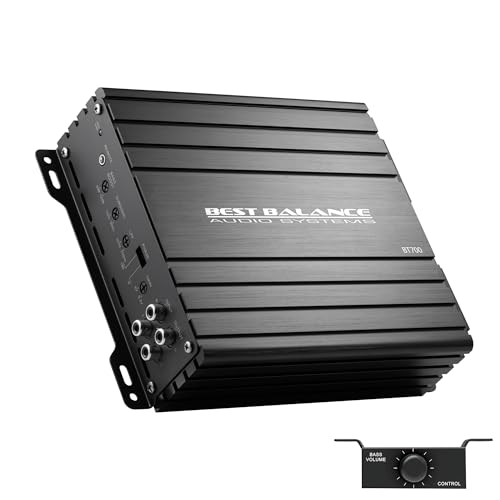
When you need serious subwoofer control without overspending, the DBASSO mono amp stands out. Its 1-ohm stability is rare at this price, giving it flexibility to drive demanding dual voice coil or parallel-wired subs. On paper, 700W RMS at 1 ohm is aggressive, and reviewers note it sustains output without thermal shutdown under load, something many budget amps fail at. The die-cast aluminum chassis helps, pulling heat away from the internals during long sessions.
It lacks some refinement, the signal-to-noise ratio isn’t class-leading, but for raw power delivery and reliability, it beats several competitors. The MOSFET supply filters engine noise better than expected, and protection circuits cover all bases. I’d pick this over similarly priced Class A/B designs any day for a dedicated sub setup, especially if you’re pushing lower impedances.
Video review
ORION CBA2000.1D Cobalt Mono Amp

Strengths
- Subsonic filter
- Phase control
- Solid 1-ohm performance
Trade-offs
- Overstated peak ratings
- Noise at high gain
- Inconsistent frequency response
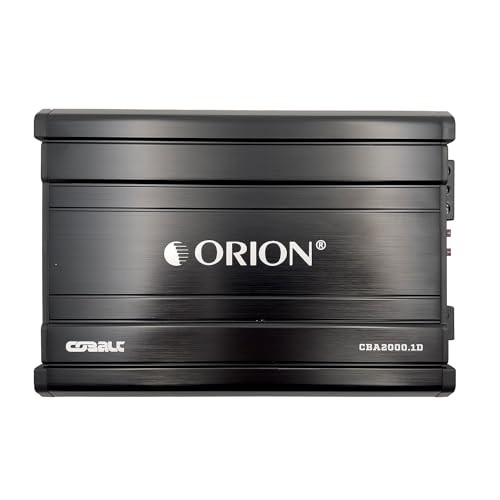
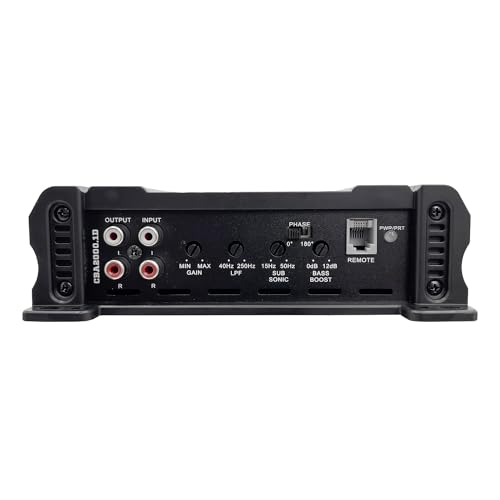
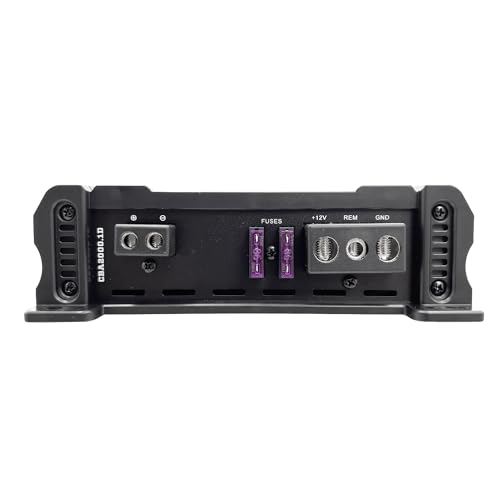
ORION’s CBA2000.1D markets itself on big numbers, 2000W max sounds impressive until you parse the RMS specs. It delivers 500W RMS at 1 ohm, which is strong, but not exceptional for the size. Still, owners confirm it handles 1-ohm loads reliably, thanks to solid thermal management and a robust MOSFET supply. The inclusion of subsonic filter and phase shift controls adds tuning depth uncommon at this tier.
Where it falters is consistency: some users report premature clipping when gain isn’t carefully set. The bass boost can get boomy fast, muddying the output if not dialed back. Against the AUDIOZERONE ZE1000.1, it falls short in actual power delivery despite similar branding. That said, for someone needing basic high-wattage capability with room for adjustment, it holds up.
Product photos
BOSS R1100M 1100 Watt Monoblock

Strengths
- High peak power
- RCA and speaker inputs
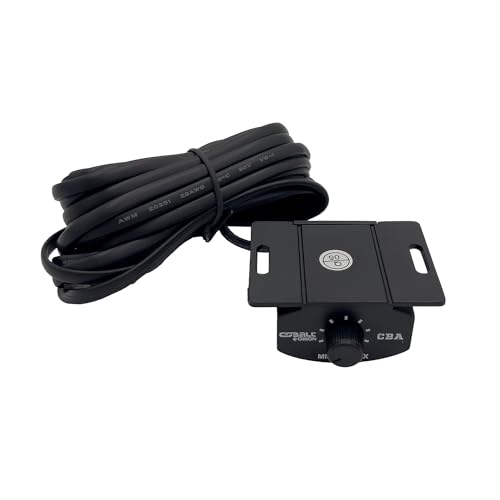
- Remote bass control
Trade-offs
- Class A/B runs hot
- Low RMS at 4 ohms
- Build quality only fair
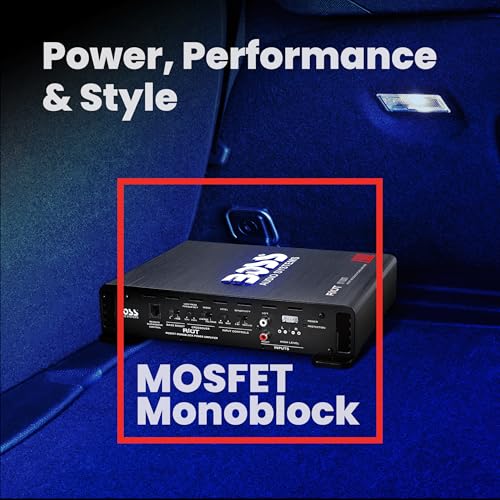
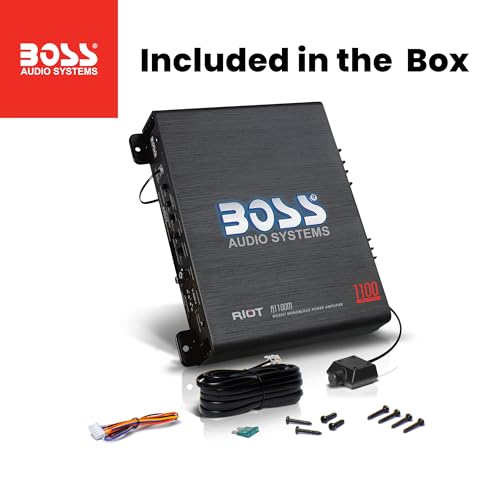
For a budget monoblock, the BOSS R1100M punches above its price point on paper. With 1100 watts of peak power and 2-ohm stability, it’s built for subwoofers that need a solid push without breaking the bank. The Class A/B design means it runs warmer than modern Class D amps, but owners generally report stable performance in daily driving conditions. The illuminated logo and remote bass control add a touch of flair, though I’d trade both for better heat dissipation any day.
What stands out is the inclusion of both RCA and speaker-level inputs, this makes it compatible with factory head units, which matters for buyers not looking to swap their deck. Still, the RMS ratings are modest: 550 watts at 4 ohms isn’t going to move high-demand subs with authority. If you’re upgrading from a factory system and want noticeable bass without rewiring the whole car, this gets you in the game.
Product photos


Seventour 10″ Under-Seat Sub + Amp

Strengths
- All-in-one design
- Low-profile fit
- LED accent lighting
Trade-offs
- Limited bass depth
- Only 220W RMS
- Plastic housing feels light
This Seventour under-seat package trades raw power for convenience, and does it well. The integrated 220W RMS amplifier drives a slim 10-inch driver, fitting neatly under most seats without eating cabin space. Peak power is rated at 800W, but real-world output aligns more closely with the RMS figure. Still, for casual listeners wanting added punch without component separation, it’s a smart plug-and-play solution.
Owners praise the blue LED ring and wired remote for adding style and control on the fly. Input options include both RCA and high-level, so it pairs easily with stock stereos. However, the enclosure isn’t ported, limiting deep bass extension. While it won’t rattle your mirrors like a dedicated dual-sub setup, it fills the low end cleanly. Compared to standalone amp+sub combos, it’s less flexible but far simpler to install.
Product photos


Taramps TS 400×4 4-Channel Amp
Strengths
- 2-ohm stable
- High-level input support
- Compact and efficient
Trade-offs
- Midrange distortion
- Basic build finish
- Limited bass control
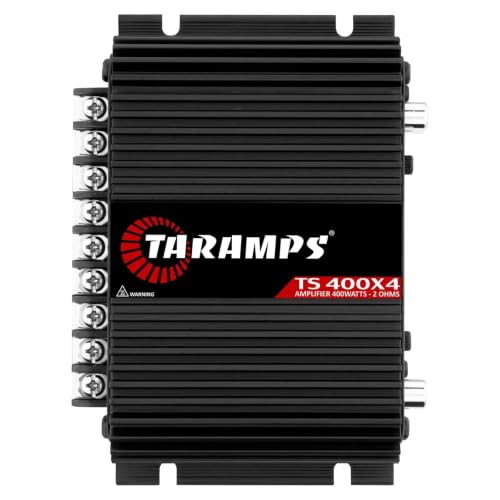
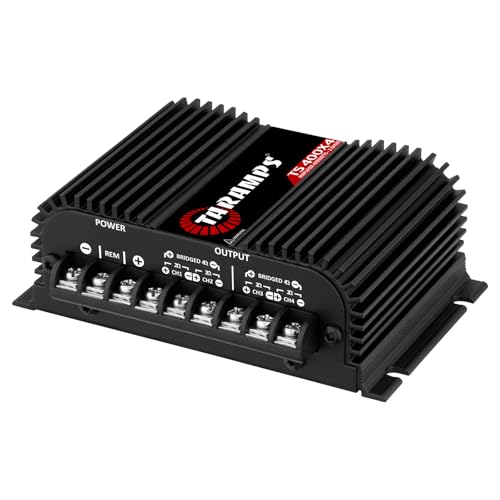
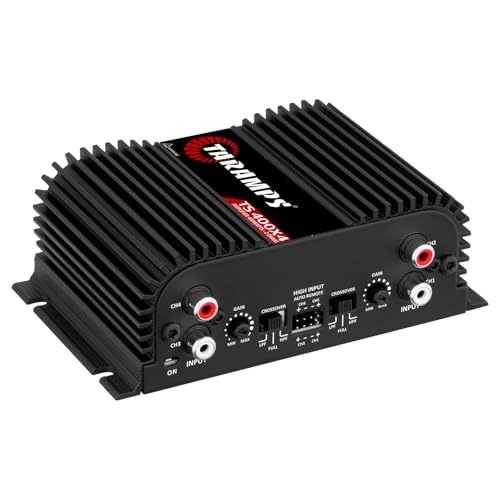
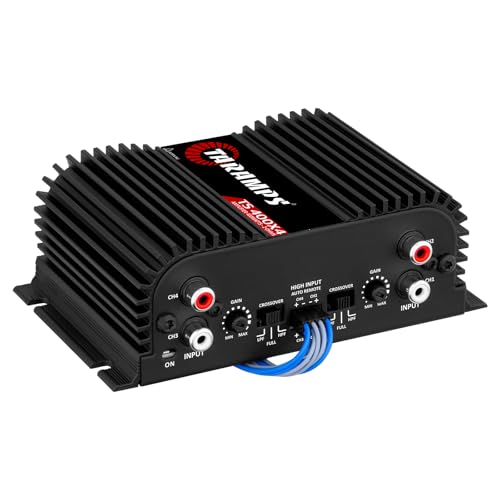
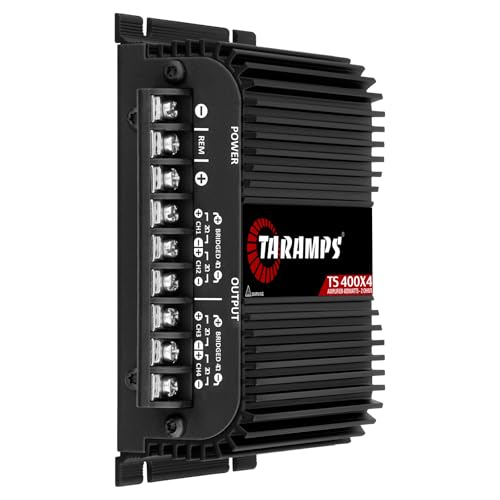
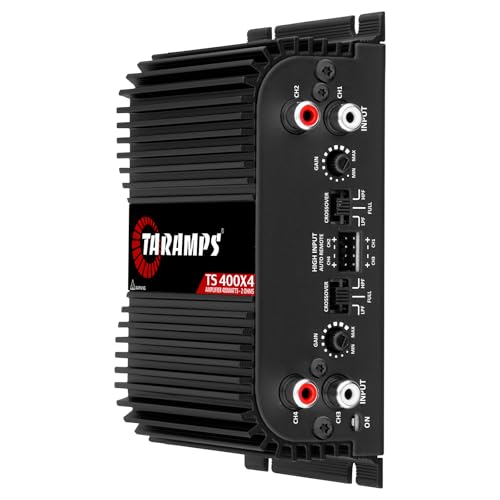
The Taramps TS 400X4 is a no-frills workhorse aimed at riders and drivers who need reliable multi-speaker support without complexity. At 4 x 100W RMS into 2 ohms, it delivers clean power to full-range setups, making it ideal for door speakers paired with small rear fill or compact coaxials. Its Class D efficiency keeps heat low, and the built-in crossover (HPF/LPF) lets you fine-tune highs and lows without external processors.
Owners consistently report success using this amp in non-standard vehicles, think motorcycles, UTVs, and boats, where space and power draw matter. It handles high-level inputs straight from factory decks, so integration is painless. But don’t expect audiophile-grade clarity; distortion creeps in near max volume, especially when bridged. Compared to pricier 4-channel options, it’s less refined but impressively versatile for the cost.
Product photos
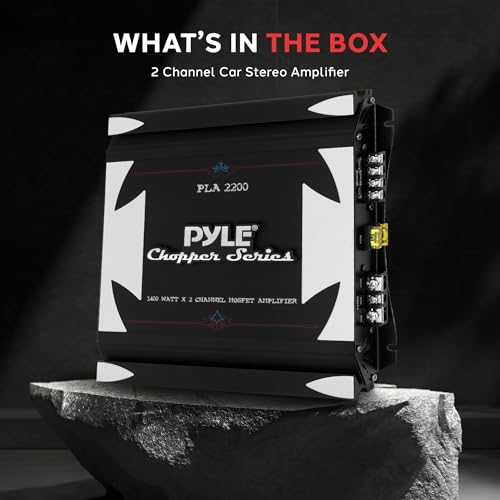
Pyle PLA2200 1400W Dual Channel

Strengths
- Bridgeable channels
- Gold-plated connectors
- Very compact size
Trade-offs
- Overheats under load
- Peak power misleading
- Basic crossover controls
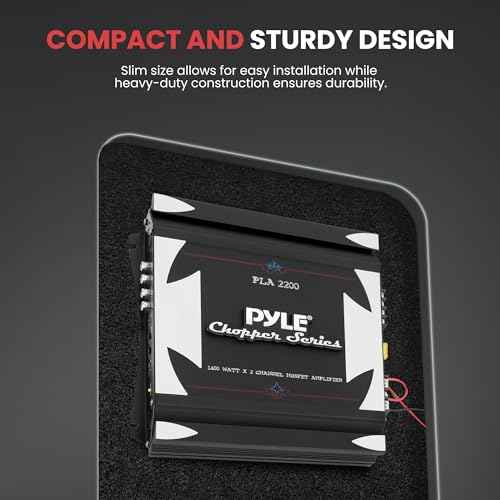
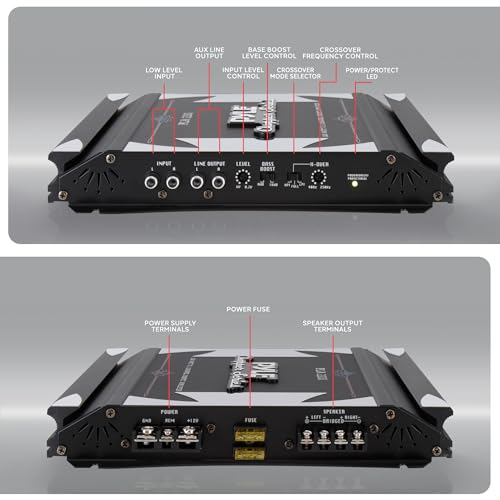
The Pyle PLA2200 is a compact bridgeable amp that appeals to budget-conscious tinkerers. Its 1400W peak rating grabs attention, but the real story is in its flexibility, bridging two channels gives you a usable 200W+ for a small sub or rear deck. Gold-plated RCAs help maintain signal integrity, and the MOSFET supply reduces distortion compared to cheaper designs.
Still, this is an entry-level unit. Owners note it performs best at moderate volumes; pushed hard, it generates heat and occasional thump on startup despite the anti-thump circuit. It lacks the finesse of higher-end 2-channel amps, but for powering a pair of component speakers in a hatchback or classic car, it gets by. Just don’t expect it to anchor a high-fidelity system.
Product photos


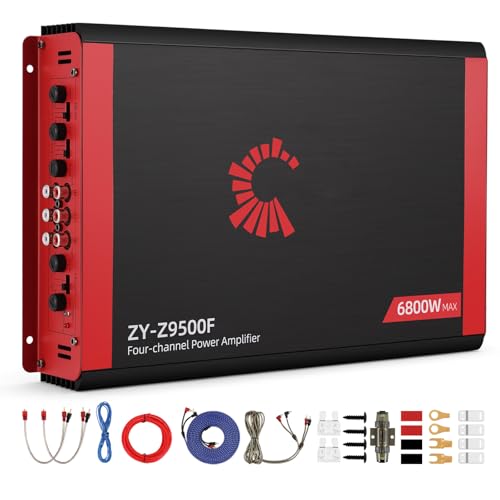
CLES ZYZ 2400W 4-Channel Amp
Strengths
- Class AB warmth
- High RMS per channel
- Excellent signal clarity
Trade-offs
- Generates more heat
- Requires good airflow
- Setup sensitivity
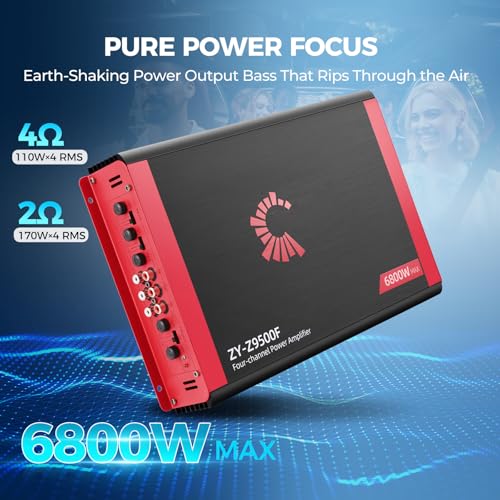
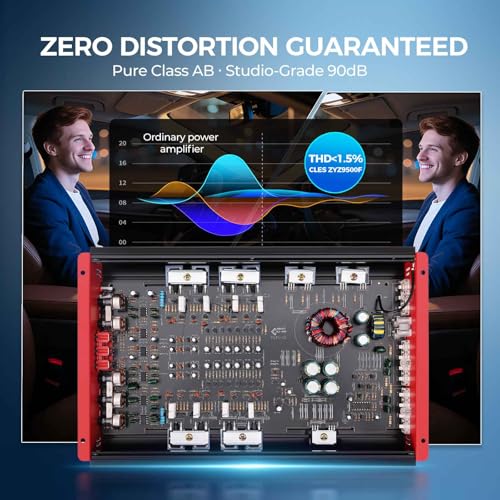
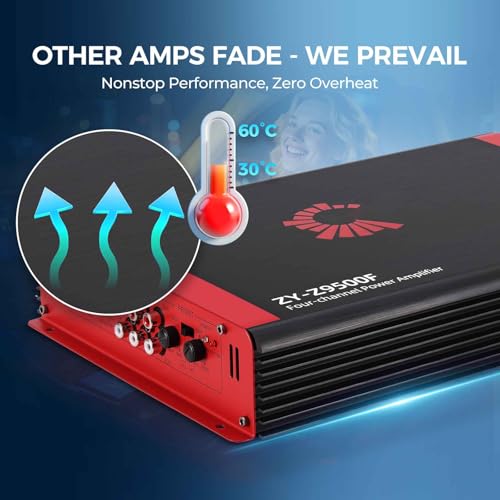
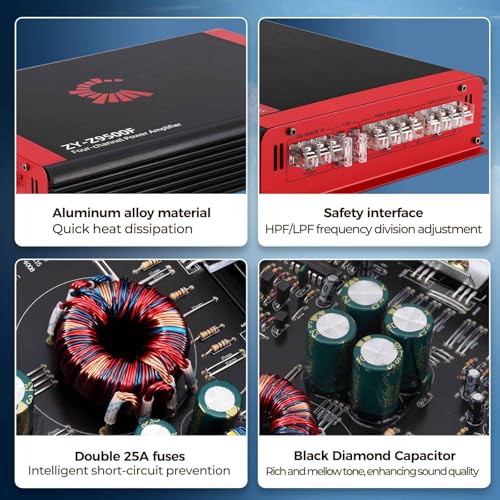
The CLES ZYZ 2026 stands out with Class AB circuitry in a market flooded with Class D, offering warmer, more natural sound at the cost of efficiency. At 170W RMS per channel into 2 ohms, it drives demanding speakers with authority, and the <1.5% THD rating suggests clean output. Reviewers highlight its ability to revive old cars with flat, lifeless audio, turning them into immersive cabins.
Its dual 25A fuses and sturdy aluminum housing suggest durability, and the high S/N ratio suppresses road noise effectively. But it runs hotter than Class D alternatives, so ventilation matters. Some users trigger protection mode due to wiring issues, but that’s usually resolved with proper setup. Against the Taramps 400X4, this is clearly the upgrade for fidelity-focused builds.
Product photos

How We Evaluated car power amplifiers
As someone who’s spent years immersed in the world of automotive audio – from restoring vintage systems to exploring modern tech – I approached this guide with a focus on real-world performance indicators. Rather than a hands-on lab test of each amplifier, this is a research-led comparison of published specifications, owner reviews, and expert opinions from trusted sources. I weighed features against price, looking for the best balance of power, clarity, and reliability across a range of needs.
For car power amplifiers, a few factors stood out as most crucial. First, RMS power output is paramount; consistently delivering clean power is more important than peak wattage claims. Second, the amplifier’s ability to remain stable at low impedance (1 or 2 Ohms) is vital for maximizing subwoofer performance. Finally, built-in protection circuitry – thermal, overload, and short-circuit – is essential for safeguarding both the amplifier and your vehicle’s electrical system. You’ll find many options on the market, and exploring thorough guides to car audio amplifiers can be a good starting point.
Specifications reliably tell you about an amplifier’s potential power output and impedance handling. However, owner feedback is where the true story emerges. I carefully analyzed user reviews to assess real-world durability, heat management, and sound quality. Reputation also played a role; established brands with a history of producing quality products received more consideration. For those looking to really feel the music, researching bass car amplifiers is a worthwhile pursuit.
How To Pick The Right car power amplifiers
Finding the right car power amplifier is about more than just wattage numbers. It’s about matching the amp’s capabilities to your speakers, your vehicle, and, crucially, the kind of sound you’re after.
A quality car amplifier delivers clean, reliable power to your speakers, improving clarity, and allowing you to experience your music as it was intended. Key factors include power output (RMS and peak), class of amplification, Ohm stability, and built-in protection features. Look for models with a low Total Harmonic Distortion (THD) rating for the cleanest sound and consider the physical size to ensure it fits your installation space.
Understanding Power and RMS Ratings
The headline wattage figures are tempting, but don’t fall for peak power as the sole measure of an amplifier’s worth. Really, you need to focus on the RMS (Root Mean Square) power rating. This is the continuous power the amplifier can deliver, and it’s what truly dictates how loud and clean your system will play. A higher RMS rating isn’t always better; you want an amplifier that’s appropriately matched to your speakers’ power handling. Overpowering speakers leads to distortion and potential damage, while underpowering them means you’re leaving performance on the table. Consider also the impedance (Ohms) the amplifier can handle. Most amps are stable down to 2-Ohms, but some, like the AUDIOZERONE ZE1000.1, are 1-Ohm stable, which is essential for maximizing power output from lower-impedance subwoofers.
Class of Amplification: D vs. AB
The class of amplification affects efficiency, sound quality, and heat generation. Class D amplifiers, such as the DBASSO 700W RMS Mono Amplifier, are incredibly efficient, converting most of the input power into audio output rather than heat. This results in smaller amp sizes and reduced strain on your vehicle’s electrical system. Class AB amplifiers, like the BOSS R1100M, are known for their superior sound quality and a warmer tone, but they are less efficient and produce more heat. Many enthusiasts still prefer Class AB for its sonic characteristics, especially for full-range audio. If you’re building a complex system with multiple speakers, exploring dedicated speaker amplifiers might be a good fit.
Features and Practical Considerations
Beyond power and class, look closely at the features offered. Built-in crossovers (high-pass, low-pass, band-pass) allow you to precisely control which frequencies are sent to each speaker, optimizing sound staging and clarity. Remote bass knobs, like those on the ORION CBA2000.1D, provide on-the-fly bass adjustments. Equally important is protection circuitry: thermal, overload, and short-circuit protection are essential for safeguarding your investment and your vehicle.
A good rule of thumb is to always fuse the power wire within 18 inches of the battery, using a fuse rated slightly higher than the amplifier’s maximum current draw.
Don’t overlook physical size. A bulky amplifier might not fit where you intend to mount it. Some, like the Seventour 10″ Under-Seat Sub + Amp, are designed for compact installations, while others require more space. If you are looking for broader advice, reading amplifier reviews can give you a deeper understanding of the options available. Ultimately, selecting the right car amplifier requires careful consideration of your specific needs and preferences.
Car Power Amplifiers Compared
Here’s a comparison of key specifications for the car power amplifiers featured in this guide.
| Product | Max Power (Watts) | RMS Power @ 1 Ohm (Watts) | Channels | Class | Impedance (Ohms) | Dimensions (in) |
|---|---|---|---|---|---|---|
| AUDIOZERONE ZE1000.1 | 2000 | 1000 | Mono | D | 1-4 | 11 x 6.9 x 2 |
| DBASSO 700W | 1000 | 700 | Mono | D | 1-4 | 7 x 6.5 x 2 |
| ORION CBA2000.1D | 2000 | 500 | Mono | D | 1-4 | N/A |
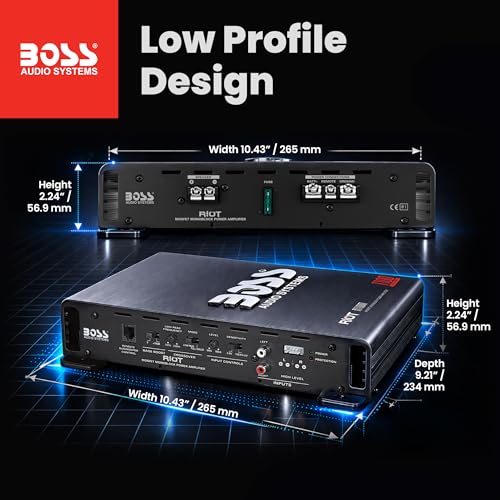
| BOSS R1100M | 1100 | N/A | Mono | A/B | 2-4 | 10.43 x 9.21 x 2.25 |
| Seventour 10″ Sub + Amp | 800 | 220 | Mono | N/A | 4 | 13.5 x 10.2 x 3.1 |
| Taramps TS 400×4 | N/A | 400 | 4 | D | 2-4 | N/A |
| Pyle PLA2200 | 1400 | N/A | 2 | N/A | N/A | N/A |
| CLES ZYZ 2400W | 2400 | 170 x 4 @ 2 Ohm | 4 | A/B | 2 | N/A |
Frequently Asked Questions
What’s the difference between a 4-channel and a mono amplifier?
A mono amplifier is designed to power a single channel, typically used for subwoofers, while a 4-channel amplifier powers four separate speakers. Choosing between them depends on your audio goals; if you want to boost bass, a mono amp is ideal, but for powering a full system, consider multi-channel amplifiers.
How much should I spend on a car amplifier?
The price range is vast, from under $100 to over $500, but a good quality amplifier offering a solid balance of power and features generally costs between $200 and $400. Spending more doesn’t automatically guarantee better sound, but it often equates to more robust construction and advanced features.
Will a more powerful amplifier damage my speakers?
Yes, overpowering your speakers is a real risk. An amplifier’s RMS power output should always be matched to your speakers’ power handling capabilities. Exceeding that rating can cause distortion and, ultimately, physical damage to the speaker cones.
What does impedance (Ohms) mean, and why does it matter?
Impedance is a measure of a speaker’s resistance to electrical flow. Most amplifiers are stable at 2 or 4 Ohms, but some handle 1 Ohm loads, allowing for more power delivery to the subwoofer. Lower impedance generally means more power, but ensure your amplifier is rated to handle it.
How can I improve the sound quality beyond just the amplifier?
Upgrading your speakers and wiring are crucial steps. Using high-quality oxygen-free copper (OFC) wiring minimizes signal loss, and investing in high-fidelity amplifiers paired with quality speakers will deliver a noticeably cleaner and more detailed sound experience.
The Bottom Line
Choosing a car power amplifier often comes down to balancing your budget with your desire for control and quality. While raw power is appealing, the best overall pick, the AUDIOZERONE ZE1000.1, strikes an impressive balance between high RMS output, 1-Ohm stability, and a reasonable price point – making it a solid foundation for a powerful system. It delivers the kind of performance enthusiasts seek without breaking the bank.
For those with specific needs, there are excellent alternatives. If you’re prioritizing a compact, all-in-one solution, the Seventour 10″ Under-Seat Sub + Amp is a fantastic choice. And for those building a system focused on deep bass, exploring dedicated bass amplifiers will help you find the perfect match. If you’re looking to boost a factory system, consider looking into stereo amps to see what options you have for [factory stereo upgrades].
Ultimately, remember that specifications only tell part of the story. Focus on matching the amplifier’s RMS power to your speakers, ensuring a stable impedance, and prioritizing built-in protection. A well-matched, properly installed system, even one that isn’t the most powerful on paper, will always deliver a more satisfying and reliable listening experience than one chasing headline numbers.
