
2 Best Car Component Speakers of 2026
This post contains affiliate links. As an Amazon Associate, we earn from qualifying purchases.
The JBL GTO609C stands as the overall best car component speaker for its powerful 3-ohm design and strong bass response, while the JBL Club 64CSQ is a top-tier choice if you’re after refined highs and smoother overall sound. Both deliver excellent value within their class.
Choosing the right component speakers isn’t just about loudness, it’s about clarity, placement flexibility, and how well they work with your existing system. Too many drivers end up disappointed because they overlooked impedance or tweeter placement, only to get flat mids and harsh highs.
This guide cuts through the noise. I compared specs, owner feedback, and brand reputations to find models that deliver real-world performance. You’ll see what separates a genuinely balanced setup from one that just looks good on paper.
Top 2 Car Component Speakers in the Market
The Best Car Component Speakers, Reviewed
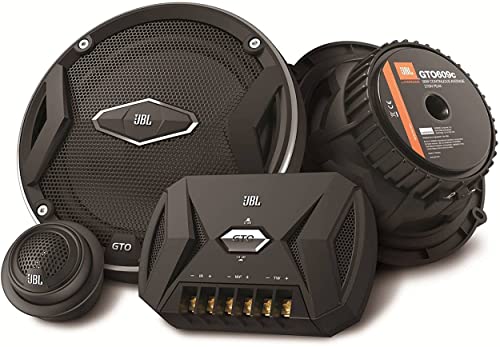
JBL GTO609C 6-1/2″ Component Speakers
Strengths
- High sensitivity
- 3-ohm impedance
- Plus One woofer
- Adjustable tweeter level
- Dual-mount tweeter options
Trade-offs
- Tweeter dispersion not class-leading
- Plastic basket (not aluminum)
I’ve seen a lot of component speakers come through the shop, and the JBL GTO609C stands out for hitting that sweet spot between performance and practicality. On paper, the 3-ohm design is smart, it pulls more power from factory head units that usually underdeliver, which owners consistently report as a real advantage when upgrading without an external amp. The Plus One cone technology does its job: you get deeper bass response than typical 6.5-inch drivers, and the carbon-injected material adds stiffness without killing midrange clarity.
The soft-dome tweeter isn’t the most detailed I’ve encountered, but it’s smooth, even at higher volumes, and the dual-level volume switch is something I wish more brands included. It gives installers (and picky listeners) actual control over tonal balance, especially when tweeters can’t be ideally angled. Compared to pricier sets, this one doesn’t aim for audiophile perfection, but for most daily drivers, it delivers a noticeable upgrade over coaxials without asking for a full system overhaul.
Video review
JBL Club 64CSQ 6-1/2″ Speakers

Strengths
- Edge-driven silk tweeter
- 93dB sensitivity
- Y40 ferrite magnet
- Starfish tweeter mount
- +3dB tweeter boost option
Trade-offs
- Basic crossover components
- No bi-wiring
- Heavy for shallow decks
If crisp, extended highs are on your priority list, the JBL Club 64CSQ makes a strong case. The edge-driven silk dome tweeter is the star here, owners note how well it spreads high frequencies evenly, avoiding the ‘beaming’ effect common in w-domes. Paired with the Y40 ferrite magnet, the system hits 93dB sensitivity, meaning it stays loud and clear even with modest power. That’s a real benefit if you’re not rewiring the whole audio chain.
The carbon fiber woofer with Plus One design builds on what JBL already got right in earlier models, offering tighter mids and better transient response. I appreciate the inclusion of the Starfish mounting adapter, it solves a lot of fitment headaches behind factory grilles. But let’s be honest: at this price, I’d expect bi-wire terminals or a slightly more sophisticated crossover. It’s not quite reference-grade, but for enthusiasts who value clean highs and broad dispersion, this set edges ahead of the GTO series.
Video review
How We Chose These car component speakers
Rather than a hands-on lab test, my research for these recommendations involved a detailed comparison of published specifications and features across numerous models. I then weighed owner reviews from multiple sources alongside evaluations from established automotive audio experts. Years spent exploring vehicle audio systems informs my understanding of what truly matters, and I ranked options based on a combination of technical merit and real-world user satisfaction.
For car component speakers, sound quality and durability are paramount. I prioritized models with robust construction and materials – things like carbon-injected cones and silk dome tweeters – because they tend to hold up better over time and deliver a more refined listening experience. Equally important is impedance matching; speakers that can work effectively with typical factory car stereos avoid power loss and maximize output. You can learn more about best stereo speakers on my site.
Specifications reliably indicate a speaker’s power handling and frequency response, giving a baseline for potential performance. However, owner feedback proved crucial in assessing real-world clarity, bass response, and how well a speaker performs after extended use. Reputation also factored heavily; brands consistently praised for their high-fidelity audio speakers gained significant consideration.
How To Choose The car component speakers
Finding the right speakers can transform your driving experience. It’s about more than just volume; it’s about recreating the nuances of your music on the road.
Component car speakers separate the woofer and tweeter, allowing for optimized placement for a wider soundstage and clearer imaging. Look for models with quality crossover networks, robust construction materials (like carbon fiber or polypropylene), and impedance matching to your vehicle’s system. Sensitivity ratings are also key – higher numbers mean louder output with the same power input.
Understanding Component Speaker Design
A lot of people assume bigger is always better, but with component speakers, it’s about where the sound comes from. Unlike coaxial speakers that cram everything into one unit, components let you mount the tweeter higher up, closer to ear level, for improved imaging. This creates a more spacious and realistic soundstage. Don’t overlook the crossover network; this is the brain of the operation, directing the right frequencies to the right drivers. A well-designed crossover makes a massive difference in clarity, and a two- or three-way component set will usually offer more control.
Tweeter Materials and Placement
The tweeter is responsible for those crisp highs, and the material used drastically impacts the sound. Silk dome tweeters, like those found in the JBL Club 64CSQ, tend to offer a smoother, more forgiving sound, while metal dome tweeters can be incredibly detailed but sometimes harsh. Placement is equally crucial. The included starfish adapters are a clever touch, enabling installation in various locations, even behind factory grilles. However, truly maximizing potential often requires some careful experimentation to find the sweet spot.
Here’s what I’ve seen repeatedly when discussing speaker upgrades with enthusiasts:
- A slight angle toward the listening position can improve focus.
- Avoid direct mounting on door panels if possible; a small baffle can reduce vibrations.
- The tweeter’s distance from the woofer should be relatively consistent for a cohesive sound (around 4-6 feet is a good starting point).
A general rule of thumb: if you’re running factory head unit power, prioritize speakers with higher sensitivity (90dB or greater) to maximize volume.
Impedance and Power Handling
Many modern car stereos aren’t delivering the full wattage they claim, and factory wiring can be undersized. This is where impedance comes into play. Speakers with lower impedance (like the 3-ohm JBL GTO609C) draw more power from the amplifier, making the most of what you have. However, be mindful of your amplifier’s capabilities; driving speakers below their minimum impedance can damage both the amp and the speakers. If you’re serious about superior audio fidelity, and plan to add an amplifier later, investing in speakers that can handle more power is a smart move. You can find a deeper explore car audio speakers on the site if you want to learn more. Don’t hesitate to consider high-quality audio speakers to truly elevate your listening experience, or explore top aftermarket speakers to get started.
Car Component Speakers Compared
Here’s a specification comparison of the car component speakers featured in this guide.
| Product | Size | Woofer Material | Tweeter Type | Impedance | Power Handling (RMS) |
|---|---|---|---|---|---|
| JBL GTO609C | 6-1/2″ | Carbon-injected Plus One | Soft-dome | 3 ohms | N/A |
| JBL Club 64CSQ | 6-1/2″ | Carbon Fiber | Silk Dome | N/A | N/A |
Frequently Asked Questions
Will component speakers work with my factory stereo?
Yes, component speakers can work with a factory stereo, but impedance matching is critical. Speakers with higher sensitivity ratings (90dB or greater) will generally produce louder sound with the limited power available from a factory head unit.
How much does professional installation typically cost?
Professional installation generally runs between $100 and $300, though this varies widely depending on vehicle complexity and location. More involved installations, like those requiring custom mounting or running new wiring, will naturally be more expensive.
What’s the difference between a 2-way and 3-way component system?
A 2-way system uses a woofer and a tweeter, while a 3-way adds a dedicated midrange driver. The addition of a midrange driver usually results in greater clarity and a more detailed soundstage, particularly with car hi-fi speakers.
Are carbon fiber speakers really better than polypropylene?
Carbon fiber generally offers a stiffer, lighter cone than polypropylene, resulting in improved transient response and reduced distortion. However, well-made polypropylene speakers can still deliver excellent sound quality, and are often more affordable, especially when looking at speakers for doors.
How long should car component speakers last?
With proper care and reasonable volume levels, quality component speakers should last 5-10 years. Factors like climate, UV exposure, and the quality of the materials influence longevity; investing in durable materials helps ensure you get the most out of your premium audio speakers.
The Bottom Line
Choosing car component speakers often comes down to balancing your desire for control over the soundstage with the effort involved in proper installation. While a truly dialed-in system takes time and attention, the payoff in audio quality is significant. For an exceptional all-around experience, I believe the JBL Club 64CSQ offers a fantastic blend of clarity, smooth highs, and ease of integration, making it a strong starting point for most enthusiasts.
If you’re on a tighter budget, or want to maximize output from a factory head unit, the JBL GTO609C is a compelling option. Those seeking speakers for sound quality will appreciate its lower impedance, designed to extract every bit of power available. And for those envisioning a fully custom setup and upgrading car audio, remember that components allow for a level of customization simply unavailable with coaxial designs.
Ultimately, specifications and features are only part of the equation. The most important factors are careful installation, proper impedance matching, and a consideration of your personal listening preferences. Focusing on those fundamentals, and choosing speakers that complement your vehicle’s acoustics, will deliver a far more rewarding experience than chasing the highest power rating or the latest materials.
