
8 Best Car HiFi Speakers of 2026
This post contains affiliate links. As an Amazon Associate, we earn from qualifying purchases.
The Pioneer TS-A1681F stands out as the best overall car hifi speaker, delivering balanced sound and solid sensitivity for most setups. For budget-minded drivers, the lii song 6.5 Inch Full Range offers surprising clarity at a low price, while the DS18 PRO-GM6B is ideal if you prioritize midrange detail for vocals and acoustic tracks.
Most drivers settle for tinny, lifeless audio that barely does justice to their music. It’s not just about cranking the volume, it’s about hearing every layer of the song with accuracy and depth, even on long commutes or noisy highways.
This guide cuts through the marketing hype. I looked at specs, owner feedback, and real-world performance to find speakers that actually improve your listening experience. Whether you’re upgrading from factory junk or building a high-fidelity system, I’ll help you pick the right match for your car and your ears.
Top 8 Car Hifi Speakers in the Market
The Best Car Hifi Speakers, Reviewed
Pioneer A-Series Plus TS-A1681F

Strengths
- 4-way frequency separation
- Wide 35 Hz–29 kHz response
- 91 dB sensitivity
Trade-offs
- Higher price point
- Still not true component clarity
- Adapters may not fit all doors
If you’re looking for the most balanced, technically competent coaxial speaker in this lineup, the Pioneer A-Series Plus is the one to beat. Its 4-way design, rare at any price, uses separate tweeter, midrange, and dual cone sections to cover a staggering 35 Hz to 29 kHz range. That kind of extension means you’re getting near-component speaker performance in a coaxial form. The 91 dB sensitivity ensures strong output from factory decks, and owners report a smooth, detailed sound that works across rock, classical, and hip-hop without fatigue.
Pioneer’s build quality also stands out: the multi-fit adapters make installation easier across vehicles, and the materials feel more premium than the CLES or BOSS models. While it costs more, the performance gap justifies it. I’d choose this over the Kenwood or lii song if you want a single-speaker solution that doesn’t compromise on range or clarity.
Video review
lii song 6.5 Inch Full Range
Strengths
- Full-range coherence
- Vocal clarity
- Plug-and-play kit included
Trade-offs
- Limited bass and treble
- Single driver limitations
- Narrow sweet spot
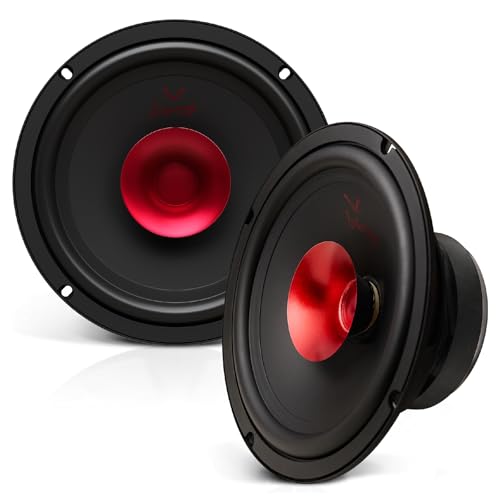
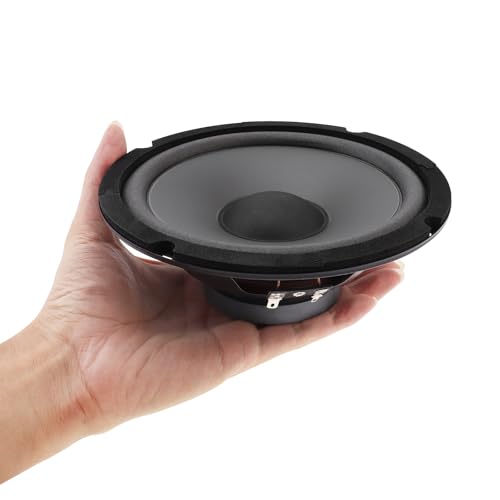
The lii song 6.5-inch speakers take a purist approach with a full-range single-driver design, no crossover, no phase issues, just a direct, coherent sound. The goal here is vocal realism, and on that front, owners say they deliver. With a frequency range starting at 55 Hz and a 90 dB sensitivity, they’re easy to drive and surprisingly detailed in the midrange. Adele, Sinatra, or spoken word content feels anchored and present, like the performer is in the cabin.
The included mounting hardware and wiring adapters make installation a breeze, especially for DIYers. But the trade-off is limited bass and treble extension compared to multi-driver coaxials like the Pioneer A-Series. I’d pick these over others if vocals are your priority, but not if you blast EDM or metal.
Video review
CLES ZYZ 6.5″ Glass Fiber
Strengths
- Glass fiber cone
- 90 dB sensitivity
- Easy push-terminal wiring
Trade-offs
- Bass lacks depth
- Packaging branding confusion
- Tweeter slightly rolled off
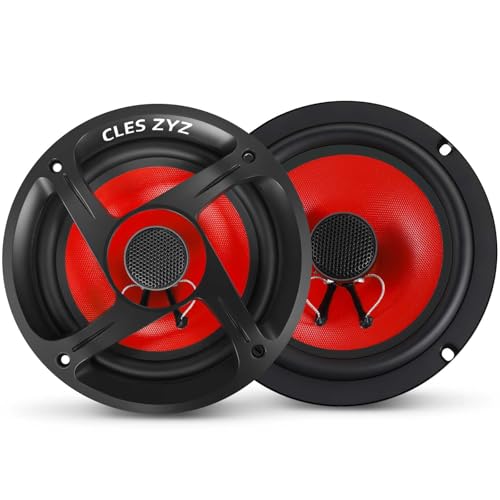
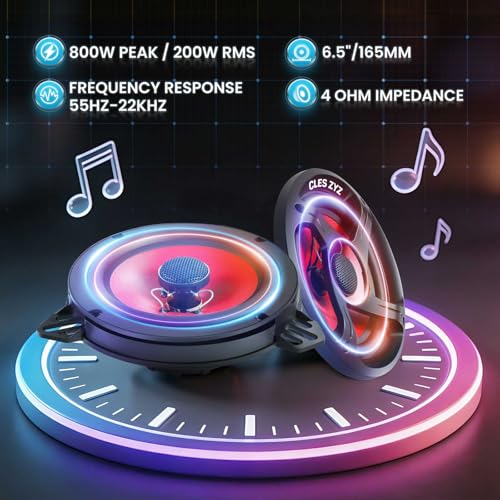
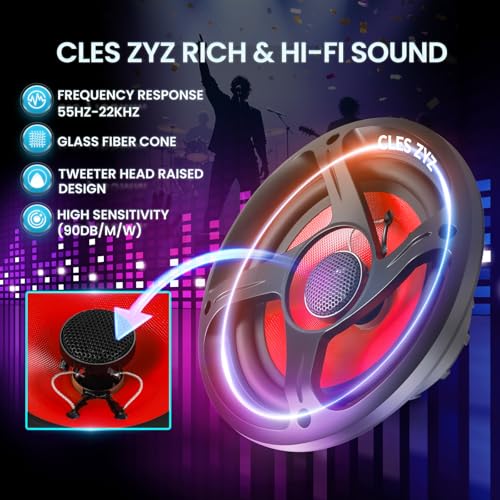
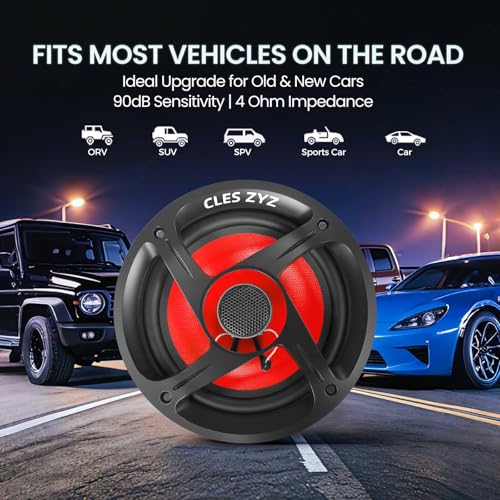
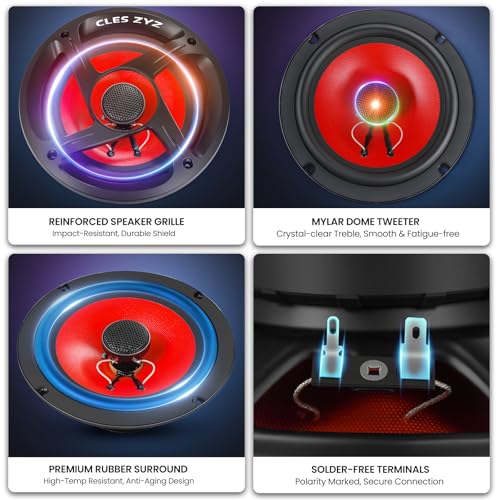
The CLES ZYZ speakers punch above their price with a glass fiber cone, 9.0 oz magnet, and 90 dB sensitivity, specs that suggest real attention to material quality. Owners praise the clean, balanced sound, especially the non-fatiguing Mylar tweeter that handles cymbals and vocals without the shrillness common in budget units. The 55 Hz low-end claim is optimistic, but in real use, the bass is tighter and more controlled than expected, likely due to the stiff cone and strong motor structure.
What really sets these apart is the plug-and-play design with polarity markings and push terminals, ideal for first-time upgraders. Compared to the DriSentri or BOSS models, they feel more refined and durable. For a sub-$30 pair, they deliver a genuinely Hi-Fi listening experience, especially for pop, podcasts, or vocal-centric playlists.
Product photos
Kenwood KFC-1666S 2-Way Coaxial

Strengths
- 92 dB sensitivity
- Natural sound signature
- PP cone durability
Trade-offs
- Low power handling
- Basic 2-way design
- Tweeter lacks sparkle
Kenwood has long been known for natural sound reproduction, and the KFC-1666S continues that tradition with a 6.5-inch PP cone and balanced 1-inch dome tweeter. The 92 dB sensitivity is among the highest here, meaning these speakers play loud and clean even with weak factory power. Owners consistently highlight the smooth, non-aggressive highs and cohesive mid-bass, ideal for long drives where fatigue matters more than punch.
While it only has a 30W RMS rating, the high sensitivity makes up for it in real-world volume. Compared to the Pioneer F-Series, it’s more refined; against the lii song, it’s less vocal-focused but more neutral. I’d recommend these for listeners who value a relaxed, natural soundstage over flashy dynamics.
Product photos


BOSS Audio CH6530 3-Way

Strengths
- 3-way design
- 90 dB sensitivity
- Shallow mounting depth
Trade-offs
- Limited bass response
- Basic build materials
- Piezo tweeter can sound harsh
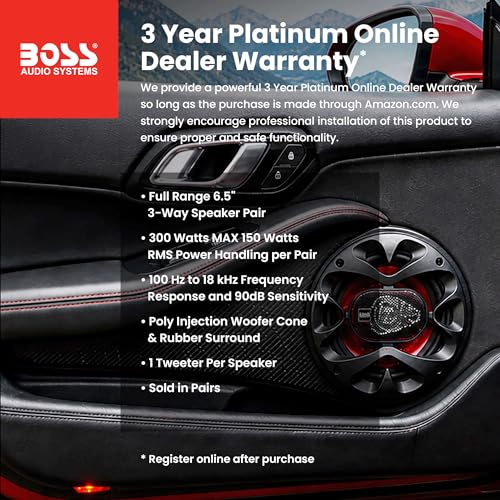
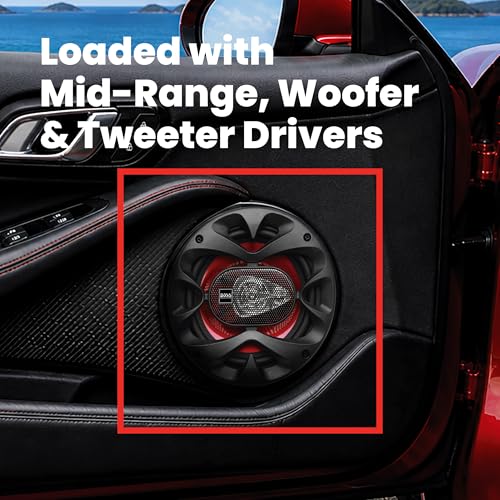
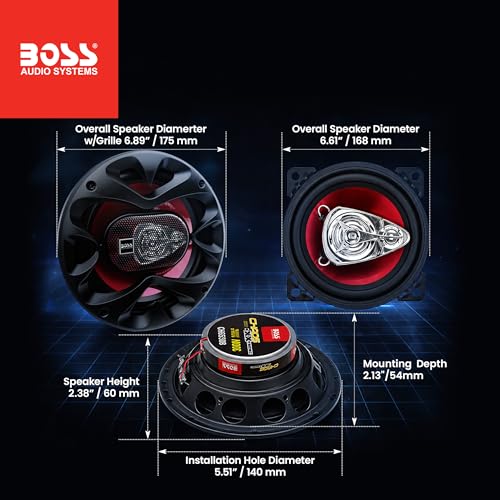
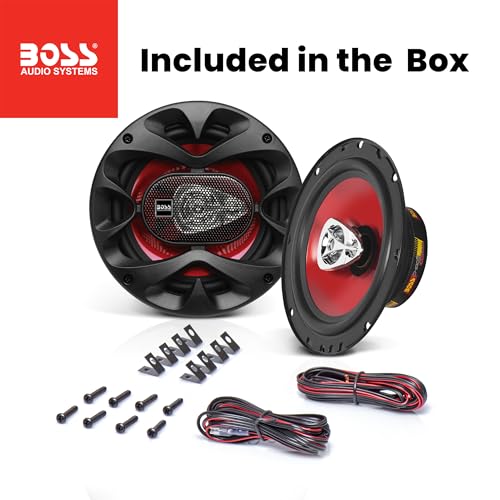
For budget buyers who want more than basic stereo sound without touching an amplifier, the BOSS CH6530 offers a surprisingly full 3-way design at a price that barely scratches $30. On paper, the inclusion of a separate piezo tweeter and polyimide midrange dome stands out in this range, suggesting better frequency separation than typical coaxials at this cost. Owners consistently report a noticeable upgrade over factory speakers, especially in vocal clarity and high-end presence, though the bass remains modest given the small 6.5-inch cone and 100 Hz lower limit.
Still, the 90 dB sensitivity and 4-ohm impedance make these easy to drive, and the shallow 2.1-inch mounting depth helps in tight spaces. The stamped basket and injection-molded cone won’t win any durability awards, but for casual listeners or city drivers, they deliver what they promise. I’d pick these over basic 2-ways if you want a fuller sound signature without rewiring your whole system.
Product photos
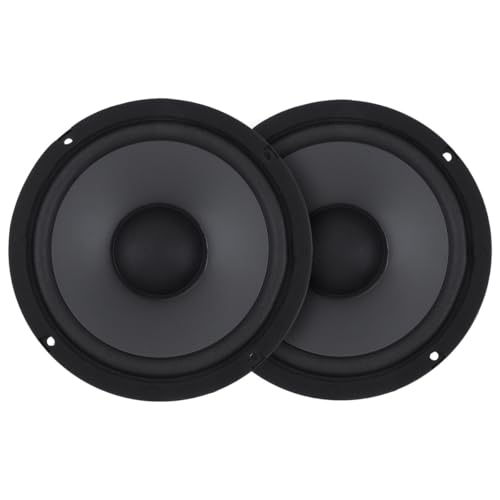
DriSentri 6.5 Inch 600W
Strengths
- 93 dB highest sensitivity
- Loud output on low power
- Affordable price
Trade-offs
- Harsh highs at volume
- Build quality inconsistent
- Overstated power ratings
The DriSentri 6.5-inch coaxials make their case with a standout 93 dB sensitivity, the highest in this group, making them incredibly efficient with factory head units. If your car’s stock stereo is weak but you still want volume, these will deliver. Owners report being able to crank the volume without distortion, and the 600W peak power, while largely marketing fluff, suggests a robust voice coil under the hood.
Sound-wise, it’s decent but not refined. The 60 Hz–20 kHz range is typical, and while the highs are clear, they can get edgy at volume. Build quality is average, but for pure loudness on a budget, it’s hard to ignore. I’d pick these over the Pioneer F-Series if volume is your top priority, but not if you care about tonal accuracy.
Product photos
Pioneer F-Series TS-F1634R

Strengths
- Affordable price
- Trusted Pioneer brand
- Balanced sound
Trade-offs
- Low 88 dB sensitivity
- Basic construction
- Limited volume output
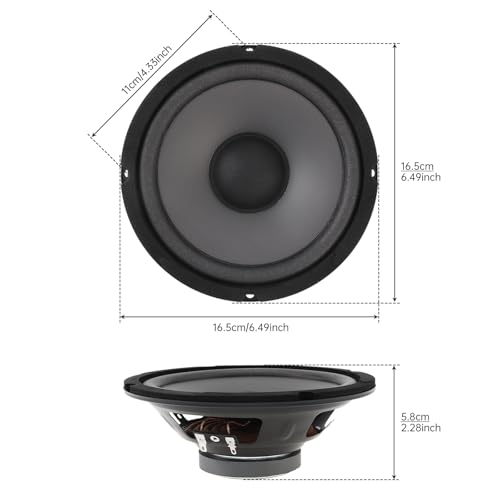
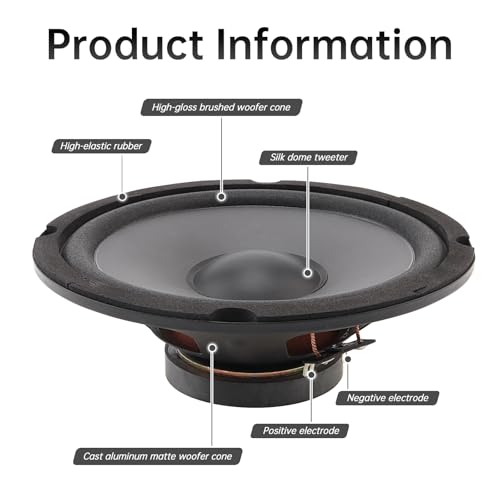
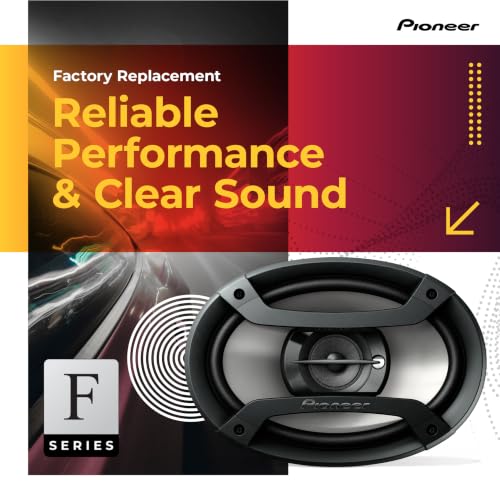
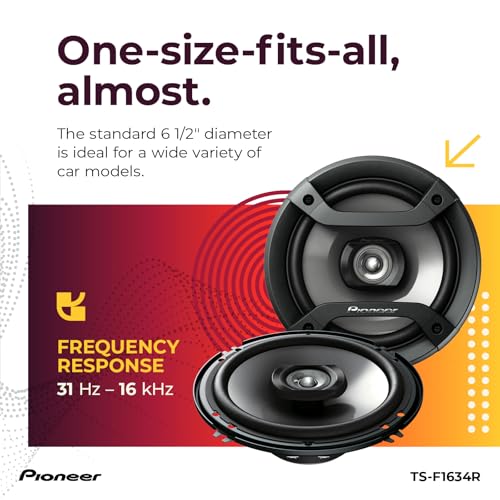
The Pioneer F-Series is the definition of a reliable, no-frills upgrade. At under $30, it’s one of the most affordable ways to step up from factory speakers, and it does so with predictable Pioneer quality. The 2-way design with 88 dB sensitivity won’t set the world on fire, but it delivers balanced sound across genres without harshness. Reviewers note it’s a safe, consistent performer, nothing flashy, but nothing broken either.
Where it falls short is in dynamics and volume headroom. Compared to the DriSentri or CLES models, it’s less sensitive and doesn’t play as loud on low power. But for a daily driver where reliability matters more than excitement, it’s a solid pick. If you want dependable sound without fuss, this is it.
Product photos



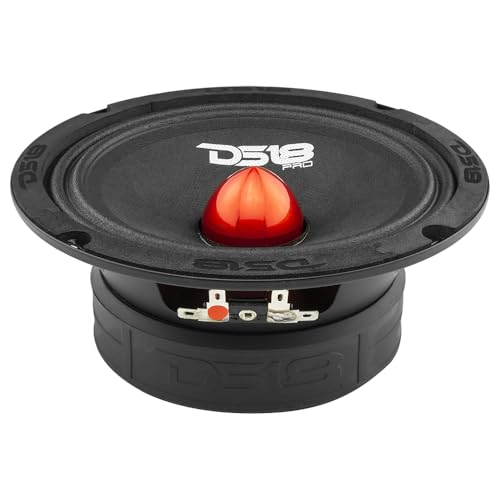
DS18 PRO-GM6B Midrange

Strengths
- Excellent midrange clarity
- High 8-ohm impedance
- Robust voice coil
Trade-offs
- Sold individually
- Harder to pair evenly
- Less bass output
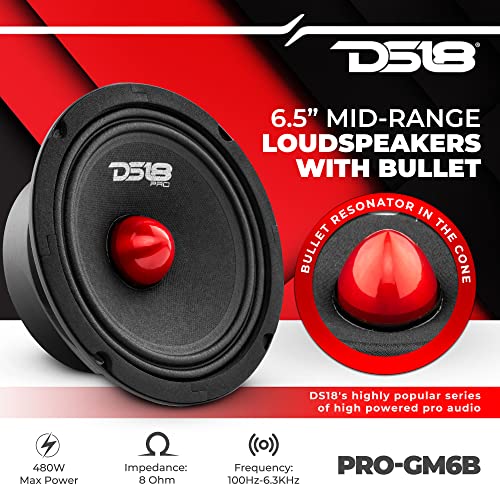
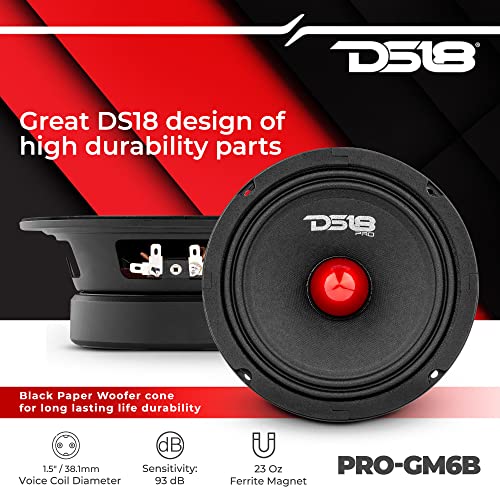
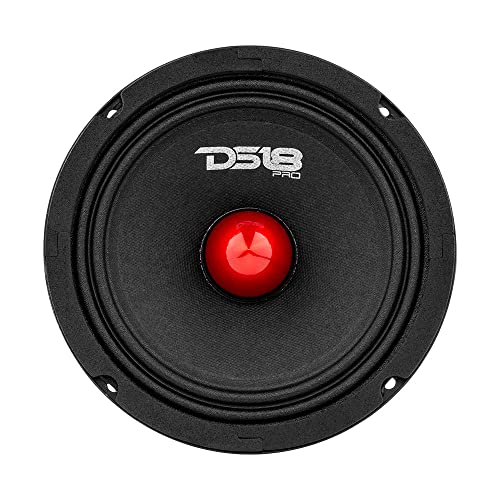
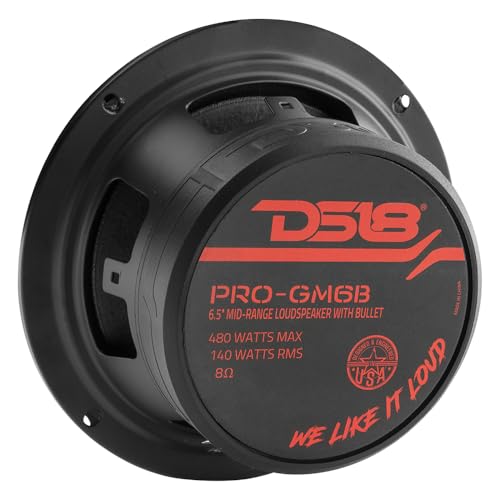
The DS18 PRO-GM6B stands out in a sea of budget coaxials by focusing on midrange performance, a smart move, since vocals and instruments live in that critical 500 Hz to 2 kHz range. With a 140W RMS rating at 8 ohms and a 1.5-inch Kapton voice coil, this single 6.5-inch driver is built to handle serious heat and power, making it a favorite among owners using aftermarket head units or low-powered amps. Reviewers note a smooth, natural vocal delivery that feels more refined than typical 4-ohm units in this price bracket.
It’s sold individually, so you’ll need to buy two and match them carefully, but the payoff is a midrange that doesn’t get lost at volume. Compared to the Kenwood or Pioneer 2-ways, it’s more specialized, less about full-range fun, more about tonal accuracy. If you listen to jazz, acoustic sets, or talk-heavy content, this speaker earns its keep.
Product photos
How We Evaluated car hifi speakers
Rather than a hands-on lab test, my approach to evaluating these car hifi speakers involved a detailed comparison of published specifications and features. I then weighed those against a broad spectrum of owner reviews and assessments from trusted audio publications. Years spent immersed in the world of automotive audio – from restorations to modern upgrades – informs my understanding of what truly matters in a car environment. Ultimately, I ranked each speaker based on how well its design and reported performance aligned with the needs of everyday drivers seeking to improve their in-car listening experience.
For car speakers, three factors stood out as most crucial: sensitivity, power handling, and frequency response. Sensitivity dictates how loud a speaker plays with a given amount of power, which is especially important if you’re sticking with your factory radio. Power handling speaks to the speaker’s durability and ability to reproduce dynamic sounds without distortion. Finally, a wide and accurate frequency response ensures you’ll hear a full range of tones, from deep bass to crisp highs. Finding the right balance between these elements is key to a satisfying listening experience, and influenced my choices significantly.
Specifications provide a solid foundation – wattage, impedance, and frequency range are all useful metrics. However, real-world performance often differs. I paid close attention to owner feedback regarding clarity, bass response, and overall sound quality. Reputation also played a role; brands known for consistent quality in high-quality car audio naturally carried more weight. I also considered how well each speaker suited its intended purpose, as detailed in many guides to choosing the right sound system speakers for your vehicle, whether it’s for enhanced vocals or a robust, full-range sound.
What To Look For In car hifi speakers
Finding the right car speakers can dramatically change your driving experience. It’s about more than just volume; it’s about clarity, soundstage, and truly enjoying your music on the road.
A good car speaker delivers balanced frequency response, durable construction to withstand vehicle vibrations and temperature swings, and sufficient sensitivity to work well with both factory and aftermarket head units. Consider power handling (RMS is more important than peak), impedance matching, and the speaker’s overall design – coaxial or component.
Understanding Speaker Configurations
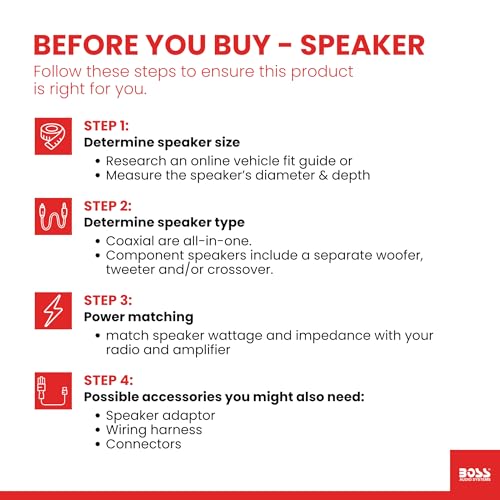
Many folks assume more power equals better sound, but that’s often misleading. The type of speaker configuration matters a lot. Coaxial speakers, like the Pioneer A-Series Plus TS-A1681F or BOSS Audio CH6530, bundle the tweeter and woofer into one unit. This makes installation simple, but can compromise imaging. If you’re really serious about sound quality, especially a detailed soundstage, you should be looking at component speakers. They separate the tweeter and woofer, letting you position them optimally for a more immersive experience.
Decoding Sensitivity and Impedance
Sensitivity, measured in dB, tells you how efficiently a speaker converts power into sound. A higher number means louder sound with the same amount of power. If you’re keeping your factory radio, look for speakers with at least 90dB sensitivity. Impedance, usually 4 ohms, needs to match your head unit’s output. Mismatched impedance can lead to distortion or even damage to your system. It’s something often overlooked when people are looking at upgrading car speakers.
Here’s a quick guide to sensitivity considerations:
- 85-89dB: Requires a powerful amplifier to reach satisfying volume.
- 90-92dB: A good match for factory radios and moderate aftermarket head units.
- 93dB+: Ideal for high-end systems and those seeking maximum volume with minimal distortion.
Don’t chase peak wattage numbers. RMS power handling is a more realistic indicator of a speaker’s sustained performance.
Prioritizing Your Sound Signature
What kind of music do you listen to? This is critical. If you’re a basshead, you’ll want speakers with a strong low-frequency response. For vocals and acoustic music, like the lii song 6.5 Inch Full Range is geared towards, clarity in the midrange is essential. The DS18 PRO-GM6B is specifically designed for midrange clarity, showcasing how focusing on a particular frequency range can elevate your listening experience. Don’t just read specs; dig into car speaker reviews and see what other owners say about the sound signature. You may find that focusing on the right speakers for your taste is more important than chasing the “best” overall option.
Car Hifi Speakers Compared
Here’s a comparison of key specifications for popular car hifi speakers to help you find the right fit.
| Product Title | Max Power (Watts) | RMS Power (Watts) | Sensitivity (dB) | Frequency Response (Hz-kHz) | Impedance (Ohms) | Design |
|---|---|---|---|---|---|---|
| Pioneer TS-A1681F | 350 | 80 | 91 | 35 – 29 | 4 | 4-Way |
| lii song 6.5 Inch | N/A | N/A | 90 | 55 – 18 | 4 | Full Range |
| CLES ZYZ 6.5″ Glass Fiber | 800 | 200 | 90 | 55 – 22 | 4 | Coaxial |
| Kenwood KFC-1666S | 300 | 30 | 92 | N/A | 4 | 2-Way |
| BOSS Audio CH6530 | N/A | N/A | 90 | 100 – 18 | 4 | 3-Way |
| DriSentri 6.5 Inch | 600 | N/A | 93 | 60 – 20 | 4 | 2-Way |
| Pioneer TS-F1634R | 200 | 25 | 88 | N/A | 4 | 2-Way |
| DS18 PRO-GM6B Midrange | 480 | 140 | N/A | N/A | 8 | Midrange |
Frequently Asked Questions
What speaker impedance should I match to my car’s stereo?
Generally, you should match a 4-ohm speaker to a 4-ohm stereo. Mismatched impedance can cause distortion or damage to your head unit, and while some stereos can handle 2-ohm speakers, it’s best to stick with the factory specification for optimal performance.
Are component speakers really that much better than coaxial ones?
Yes, component speakers offer a more defined soundstage and imaging. Separating the tweeter and woofer allows for precise positioning, creating a more immersive listening experience compared to the bundled design of coaxial speakers.
What does RMS power handling tell me that peak power doesn’t?
RMS power indicates the speaker’s sustained power handling capability, which is a more realistic measure of its performance than peak power. Peak power is a short burst, while RMS reflects what the speaker can handle continuously without distortion.
If I just want better bass, should I buy speakers with the highest frequency response in the lower range?
Not necessarily. While a lower frequency response is important for bass, it’s the quality of the driver and enclosure that truly determines bass performance. Look for speakers specifically designed for strong low-frequency reproduction, and read reviews on best sounding speakers to see what owners say about the bass response.
My factory radio isn’t very powerful. What sensitivity should I look for in new speakers?
If you plan on keeping your factory radio, prioritize speakers with a sensitivity of at least 90dB. Higher sensitivity means the speaker will produce more sound with the limited power available from your head unit, making speaker upgrades worthwhile.
The Bottom Line
Choosing car hifi speakers often comes down to balancing your budget with your desire for control over the listening experience. While a simple coaxial speaker like the Pioneer TS-A1681F offers convenience and good all-around performance, the overall best choice for most drivers seeking a noticeable improvement is the CLES ZYZ 6.5″ Glass Fiber, offering a strong combination of sensitivity, power handling, and a clear sound profile.
For those prioritizing specific needs, several options stand out. If you’re on a tighter budget, the BOSS Audio CH6530 delivers solid performance for the price. For those focused on midrange clarity, the DS18 PRO-GM6B is a standout. And for anyone looking into stereo speaker upgrades, the lii song 6.5 Inch Full Range is a strong contender.
Ultimately, remember that specifications tell only part of the story. Focus on finding speakers that deliver the sound you enjoy, and don’t underestimate the impact of proper installation and a well-matched system. Investing in speakers for sound quality is about more than just raw power; it’s about enjoying the journey.
