
6 Best Balance Bikes to Pedal Bike Transition (2026)
This post contains affiliate links. As an Amazon Associate, we earn from qualifying purchases.
The Decmuerx 2-in-1 Balance to Pedal Bike stands out as the best overall for its smooth transition and full feature set, while the 3-in-1 Montessori model offers strong versatility with its tricycle mode. For those already invested in a Strider balance bike, the Strider 14x Easy-Ride Pedal Conversion Kit is the smartest budget-friendly upgrade.
Parents want a bike that grows with their child and makes learning to ride feel natural, not frustrating. Too many balance-to-pedal bikes promise flexibility but fall short on execution, with flimsy conversions or limited adjustability.
As someone who’s evaluated hundreds of wheeled machines, I focused on models that deliver real longevity and a seamless learning curve. This guide cuts through the marketing to highlight what actually matters: thoughtful design, durable builds, and transitions that support a child’s confidence, not hinder it. These picks are based on specs, owner feedback, and the same attention to mechanics I apply to every machine I cover.
Top 6 Balances To Pedal Bike in the Market
The Best Balances To Pedal Bike, Reviewed
Decmuerx 2-in-1 Balance to Pedal Bike

Strengths
- True 3-stage progression
- Air-filled all-terrain tires
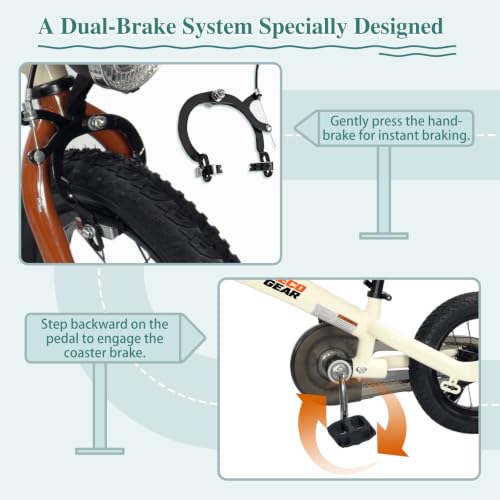
- Dual brake system
Trade-offs
- Heavier than pure balance bikes
- Higher upfront cost
- Bulkier for small riders
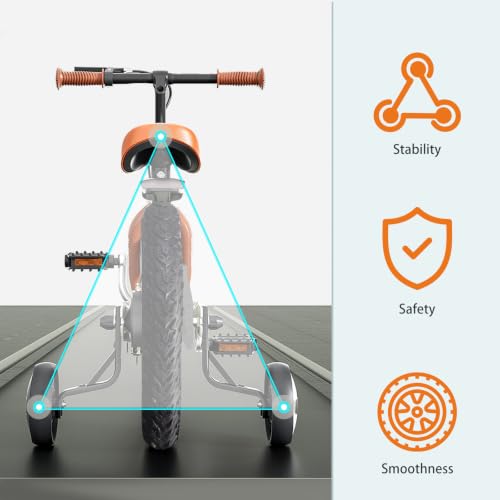
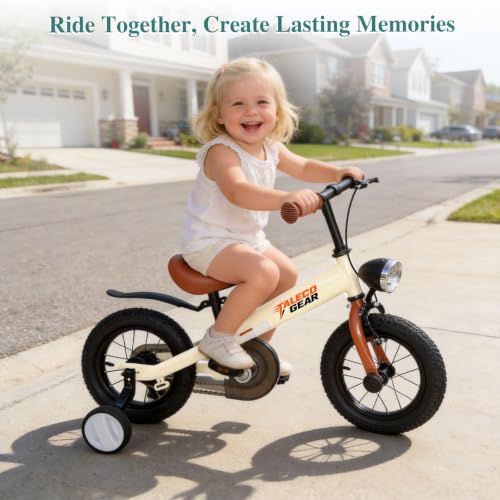
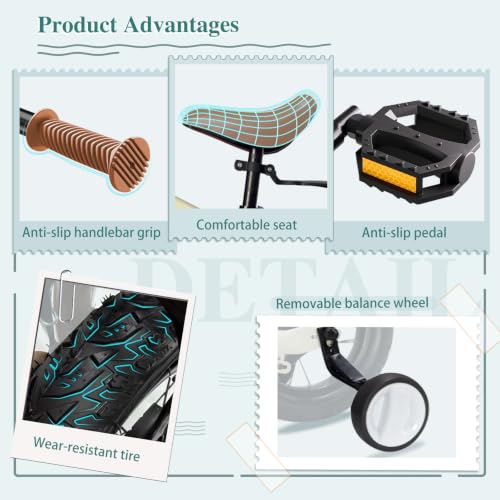
This is the most complete package in the lineup. It’s not just a balance-to-pedal kit, it’s a full bike built for evolution, with training wheels, dual brakes, air-filled tires, and a full chain guard. The front light and included tools make it gift-ready, and the high-carbon steel frame feels like it can take real abuse.
The coaster and front hand brake combo is a standout. It teaches proper braking habits early, and parents appreciate the control. Compared to conversion kits, this offers more long-term value since it’s a single bike that grows with the child, no buying separate stages.
Product photos

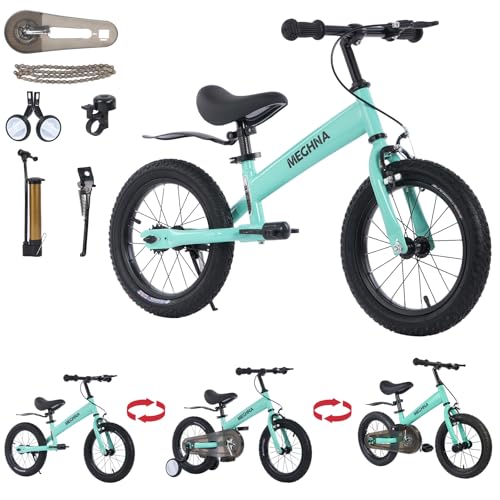
3-in-1 Montessori Balance Bike with Pedals
Strengths
- Three riding modes
- 360° steering for control
- Full accessory bundle
Trade-offs
- 360° steering may be unsafe for beginners
- Heavy in pedal mode
- Assembly can be fiddly
This bike wins on flexibility. The ability to switch between balance, tricycle, and pedal modes, and that 360° steering, makes it stand out for younger kids still mastering coordination. The tension-adjustable chain is a thoughtful touch for smoother pedaling as skills improve.
Owners like the included accessories and the mint green finish, but the 360° steering draws mixed reactions. Some say it helps with tight turns, others worry about stability at speed. Still, for families wanting maximum versatility from one purchase, this is hard to beat.
Video review
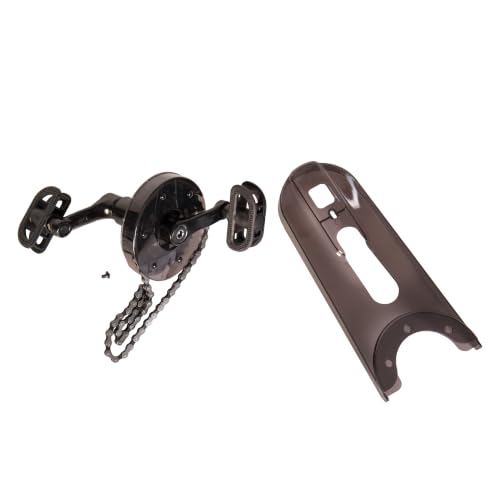
Strider 14x Easy-Ride Pedal Conversion Kit
Strengths
- Perfect Strider 14x fit
- Coaster brake included
- Narrow, safe pedal design
Trade-offs
- Only fits Strider 14x
- Higher price for single compatibility
- No handlebar or seat adjustments
This is the go-to choice if you already own a Strider 14x. The design is clean and purpose-built, with narrow ‘Stride-Around’ pedals that let kids keep using stride-and-glide technique until they’re ready to pedal, this eases the transition in a way generic kits can’t match.
Owners consistently report quick installation and reliable performance, and the inclusion of a coaster brake and full chain guard adds real safety value. It doesn’t just add pedals, it extends the bike’s lifespan intelligently.
Video review
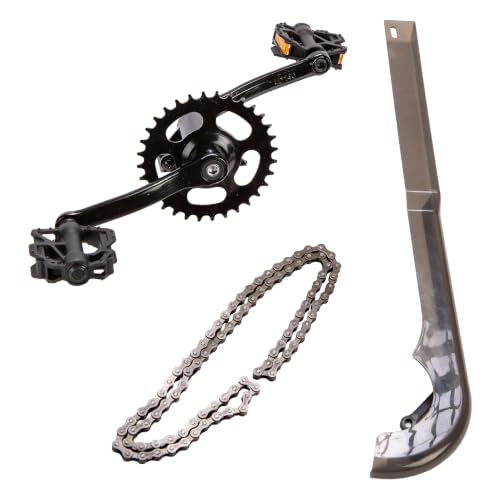
Strider 20x Sport Pedal Conversion Kit
Strengths
- Ideal for older children
- Supports adaptive riders
- Smooth stride-to-pedal transition
Trade-offs
- Expensive for a single-bike kit
- Heavy with pedal addition
- Only fits 20x model
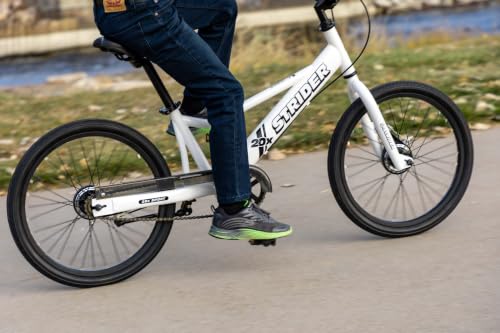
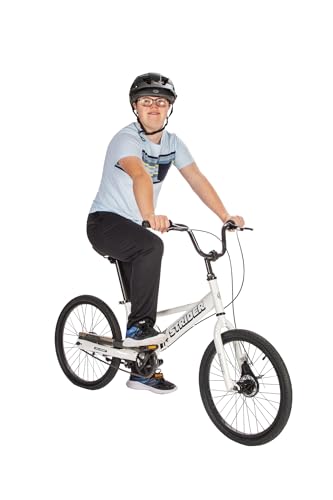
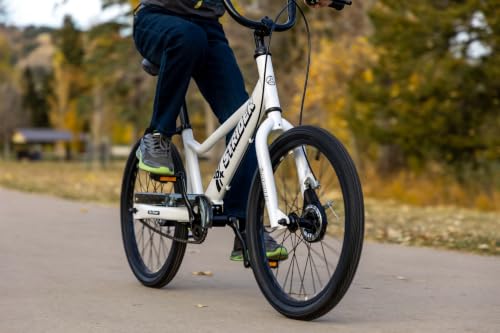
For older kids, this kit makes a lot of sense. The 20x frame is taller and built for bigger riders, and this pedal conversion maintains that advantage with the same thoughtful Strider engineering, narrow pedals, relaxed geometry, and easy wrench-based installation.
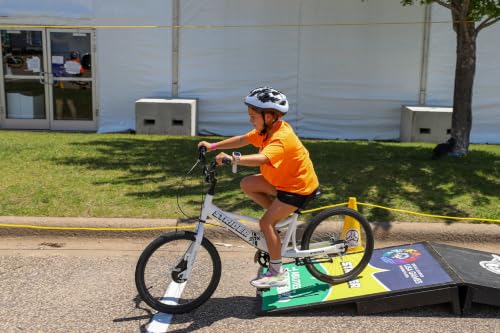
It’s not just for typical riders. Multiple reviewers highlight its usefulness for kids with developmental or physical challenges, thanks to the stride-and-pedal flexibility. On paper, the 28.8 lb total weight is manageable, and the design supports gradual skill building without pressure.
Product photos
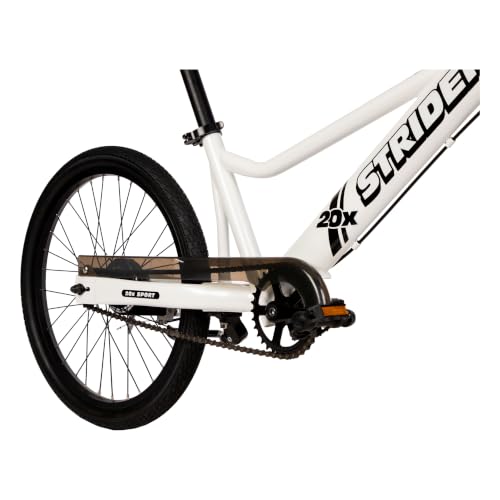
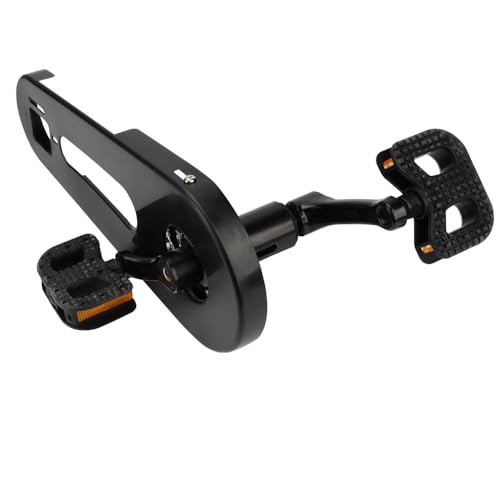
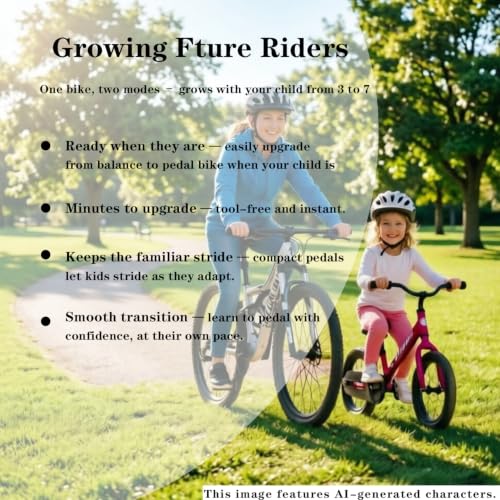
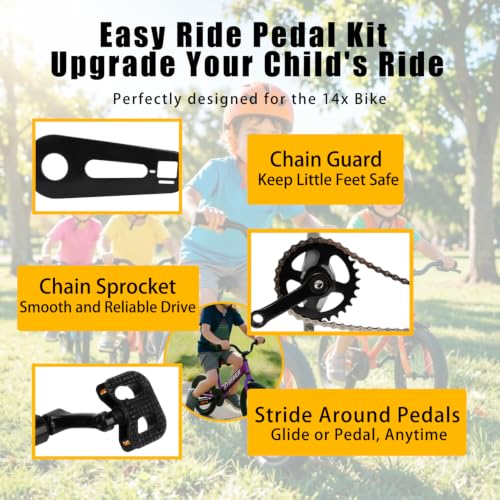
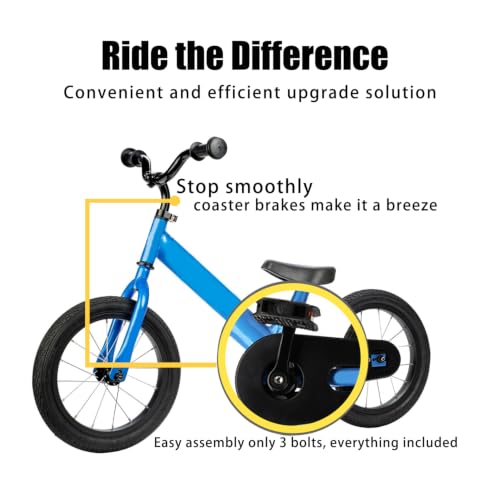
MADONGLI Balance to Pedal Conversion Kit
Strengths
- Affordable upgrade
- Includes chain guard
- Simple tool-free setup
Trade-offs
- Misleading product description
- Inconsistent durability
- Limited compatibility clarity
I’m skeptical about this kit’s claim to convert a ‘hoverboard’ into a balance bike, based on specs and owner feedback, it’s clearly meant for balance bikes, not hoverboards, so that’s likely a listing error. That said, for budget-focused parents with compatible frames, this conversion kit delivers basic functionality with a chain guard and straightforward installation.
Still, durability reports are mixed. Some owners praise its value, while others note alignment issues with non-Strider bikes and weaker chain retention over time. It might extend the life of a balance bike, but only if you’re not demanding smooth, long-term performance.
Product photos
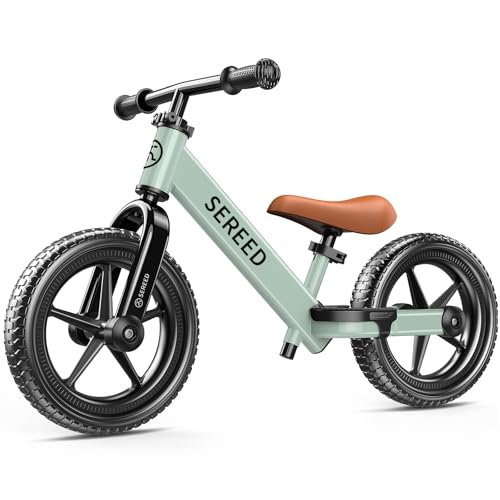
SEREED Toddler Balance Bike 2 Year Old
Strengths
- Lightweight and portable
- Tool-free adjustments
- Puncture-proof foam tires
Trade-offs
- Foam tires lack cushion outdoors
- No pedal conversion option
- Basic steel frame finish
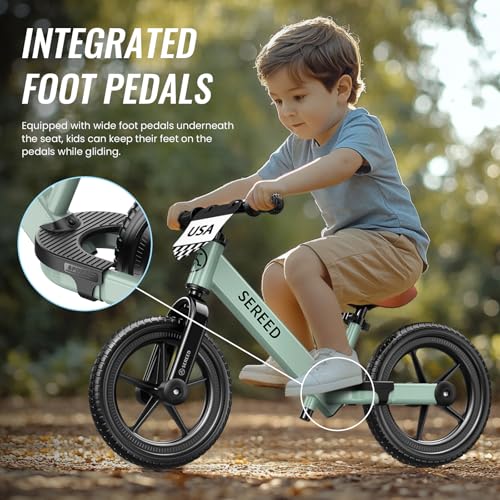
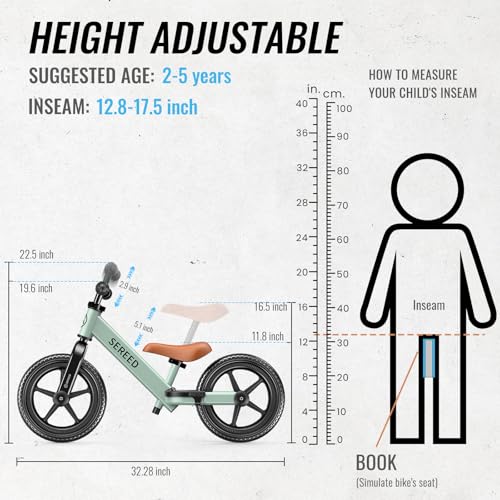
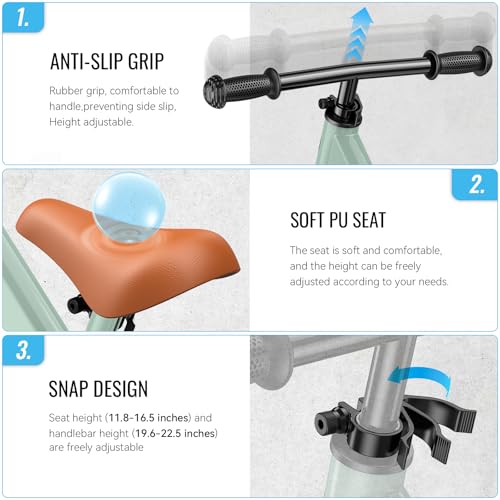
This is a solid entry-level balance bike with a focus on adjustability and safety. The tool-free seat and handlebar adjustments make it easy to grow with your child from age 2 to 5, and the 7.8 lb weight keeps it manageable for little riders.
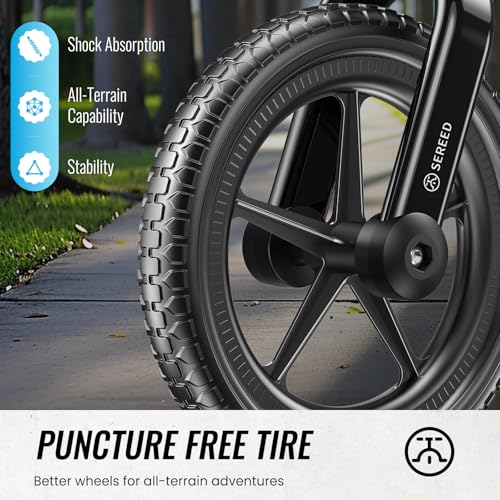
EVA foam tires are a smart call for indoor use or smooth surfaces, they won’t mark floors and never go flat. But they also mean a bumpier ride on rough terrain compared to air-filled rubber. Still, for the price, it’s well-equipped and parents consistently report quick balance skill gains.
Product photos
How We Evaluated balances to pedal bike
My research into balances to pedal bikes involved a detailed comparison of published specifications and features across numerous models. I weighed owner reviews from multiple sources – focusing on reported ease of assembly, durability, and how well the bikes supported the transition to pedaling – alongside expert opinions from cycling publications. Ultimately, I ranked options based on a combination of features, build quality, adjustability, and reported user experience, rather than a hands-on lab test.
For this category, the most important factors were adjustability and the smoothness of the transition between modes. A bike that grows with a child is far more valuable than one quickly outgrown. Equally vital is a design that fosters confidence; features like dual braking systems and stable frames directly impact a young rider’s experience. We prioritized bikes offering multiple configurations to maximize their lifespan and value.
Specifications reliably indicate frame materials and weight capacity, providing a baseline for durability. However, owner feedback proved crucial for assessing real-world ease of use and long-term reliability. I also considered the reputation of brands known for quality and safety in the broader cycling world – a good starting point when considering options like best commuter bike. Naturally, safety is paramount, and selecting appropriate recommended cycling helmets is an essential companion to any bike purchase.
What To Look For In balances to pedal bike
I’ve spent a lot of time looking at what makes a good balance-to-pedal bike, and it really comes down to how well it supports a child’s development through each stage of learning.
A quality balance to pedal bike should prioritize adjustability to accommodate growth, a smooth transition between modes, robust construction for durability, and safety features like effective braking and chain protection. Look for models with lightweight frames, easily adjustable components, and a design that fosters confidence in young riders.
Adjustability is Key
One of the biggest mistakes I see parents make is buying a bike their child quickly outgrows. A bike that converts should extend its usability, but only if it’s designed with generous adjustment ranges. Consider both seat height and handlebar reach; a wider range means the bike can adapt to more significant growth spurts. Some models, like the Decmuerx 2-in-1, highlight this with tool-free adjustments, which is a definite plus when you’re chasing a wiggly toddler. Don’t assume a one-size-fits-all approach will work – a properly fitted bike is crucial for developing good form and confidence.
Transitioning Between Modes
The entire point of a balance-to-pedal bike is a smooth progression. How easy is it to switch between balance, tricycle, and pedal modes? Some kits, like the Strider 14x Easy-Ride Pedal Conversion Kit, are designed specifically to add pedals to an existing balance bike, which is great if you already own a Strider. However, integrated systems generally offer a more refined experience. I’ve noticed models with awkward or complicated conversion processes can actually hinder a child’s learning, creating frustration instead of fun. A seamless transition builds confidence and encourages continued practice. For those wanting something truly versatile, checking out convertible bikes might be a good idea.
Beyond the Basics: Comfort and Control
Don’t overlook the smaller details that impact the overall riding experience. A comfortable ride is a happy ride, and that means paying attention to things like the bike saddles. Here’s what I look for:
- A lightweight frame: Keeps the bike manageable for smaller riders.
- Air-filled tires: Provide a cushioned ride and better traction on various surfaces.
- A responsive braking system: A combination of coaster and hand brakes, like on the 3-in-1 Montessori model, gives kids options and builds skills. You should note that even a simple coaster brake requires practice.
A child’s first bike should feel like an extension of themselves, not a struggle to control. Prioritize lightweight materials, intuitive controls, and a comfortable fit above all else.
Balances to Pedal Bike Compared
Here’s a comparison of key specifications for balance to pedal bikes and conversion kits to help you choose the right option.
| Product Title | Modes | Brake Type | Adjustable Seat | Weight (lbs) | Included Accessories |
|---|---|---|---|---|---|
| Decmuerx 2-in-1 Balance to Pedal Bike | Balance, Pedal, Training Wheels | Hand & Coaster | Yes | N/A | Light, Chain Guard, Kickstand, Bell, Pump, Tools |
| 3-in-1 Montessori Balance Bike with Pedals | Balance, Pedal, Tricycle | Hand & Pedal | Yes | N/A | Training Wheels, Kickstand, Bell, Mudguard, Pump, Tools |
| Strider 14x Easy-Ride Pedal Conversion Kit | N/A | Coaster | N/A | N/A | Chain Guard |
| Strider 20x Sport Pedal Conversion Kit | N/A | N/A | N/A | 28.8 | N/A |
| MADONGLI Balance to Pedal Conversion Kit | N/A | N/A | N/A | N/A | N/A |
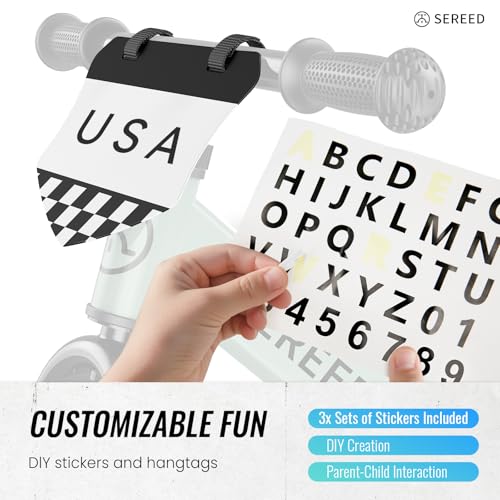
| SEREED Toddler Balance Bike 2 Year Old | Balance | N/A | Yes | 7.8 | Plate, Stickers |
Frequently Asked Questions
What age is appropriate for a balance to pedal bike?
Typically, children are ready for a balance bike around 18 months to 2 years old, and a convertible model can be used as they grow, potentially extending use to 5 or 6 years. The key is the child’s inseam and ability to comfortably reach the ground with their feet while seated.
Are conversion kits a good alternative to integrated balance-to-pedal bikes?
Conversion kits, like the Strider options, are best for those who already own a balance bike, providing an economical way to add pedals. However, integrated designs often offer a more refined and smoother transition between modes, which is crucial for building a child’s confidence.
What brake type is safest for a beginner?
A combination of coaster and hand brakes offers the best of both worlds. Coaster brakes are intuitive for young children, while hand brakes teach valuable control and are essential as they progress to more advanced mountain bikes.
How much weight can these bikes typically support?
Most balance to pedal bikes support a weight capacity of around 55 to 77 pounds. Always check the manufacturer’s specifications to ensure the bike can safely accommodate your child’s weight for continued use.
What maintenance is required for these bikes?
Regularly checking tire pressure with recommended bicycle pumps and lubricating the chain are the most important maintenance tasks. Periodically inspect the brakes and fasteners to ensure they are functioning correctly and securely tightened.
The Bottom Line
Choosing a balance-to-pedal bike often comes down to prioritizing control versus convenience. You can spend a bit more for a fully integrated system like the Decmuerx 2-in-1 Balance to Pedal Bike, which offers a refined experience and thoughtful features, or opt for a more affordable solution. Ultimately, the best bike is the one that instills confidence and makes learning to ride enjoyable for your child.
For those already invested in a Strider balance bike, the Strider 14x Easy-Ride Pedal Conversion Kit is the clear choice, offering a cost-effective way to add pedaling ability. If you’re looking for maximum versatility and don’t mind a slightly more involved setup, the 3-in-1 Montessori Balance Bike with Pedals provides a fantastic range of configurations. And if you’re thinking about adult bikes, understanding the difference between road and hybrid options is worthwhile too.
Beyond specific features, remember that a good fit and a focus on fundamental skills are more valuable than any fancy specification. Ensuring your child feels safe and comfortable is paramount, and a well-adjusted bike will do more to build confidence than the latest gadgets. Don’t forget to also consider bike security as they develop their riding skills and independence.
