
8 Best Bike Helmets of 2026
This post contains affiliate links. As an Amazon Associate, we earn from qualifying purchases.
The best bike helmet overall is the Giro Isode MIPS II, thanks to its strong safety tech, smart ventilation, and secure fit. For a solid budget pick, the Zacro Adult Bike Helmet delivers reliable protection and adjustability without breaking the bank. If you’re after something versatile with extra visibility, the Retrospec Lennon LED Helmet stands out with built-in lights and a comfortable design.
Riding without a proper helmet is a risk no cyclist should take, yet so many settle for ill-fitting or outdated gear that offers minimal real-world protection. I’ve seen firsthand how poor design can compromise safety, even when a helmet meets basic standards.
In this guide, I break down the top options based on safety certifications, impact protection tech like MIPS, ventilation, and fit, drawing from specs, owner experiences, and years of evaluating gear for all kinds of riders. These picks balance performance, comfort, and value for your next ride.
Top 8 Bike Helmets in the Market
The Best Bike Helmets, Reviewed
Giro Isode MIPS II Helmet
Strengths
- MIPS protection
- Superior ventilation
- Precise Roc Loc fit
Trade-offs
- Higher price point
- No removable visor
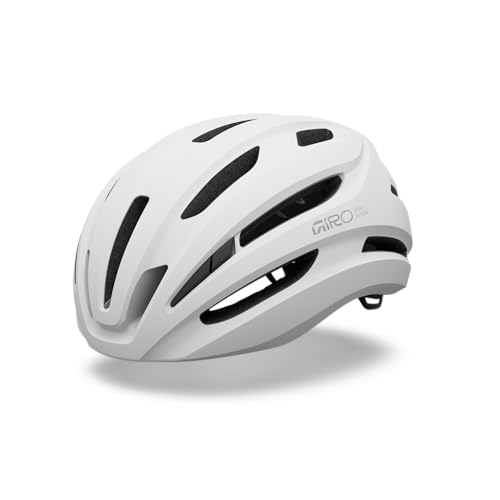
The Giro Isode MIPS II is where performance meets practicality. It packs Giro’s Mips Evolve Core, which I consider a must-have for any serious cyclist, as it helps reduce rotational forces in angled impacts. The Roc Loc Sport fit system is a standout, smooth, precise, and compatible with ponytails, which many riders appreciate.
With deep internal channeling and large vents, it’s one of the best-ventilated helmets in the $75 range. Owners praise its secure, rattle-free fit and consistent cooling on hot climbs. Compared to non-MIPS models like the BELL or Zacro, this one is clearly in a higher safety and comfort tier. For that reason, it’s my top recommendation for road riders and commuters who want proven tech without stepping into triple-digit pricing.
Video review
Bell Reflex Helmet
Strengths
- Affordable
- CPSC certified
- Good venting
Trade-offs
- Basic fit system
- No MIPS or advanced safety tech
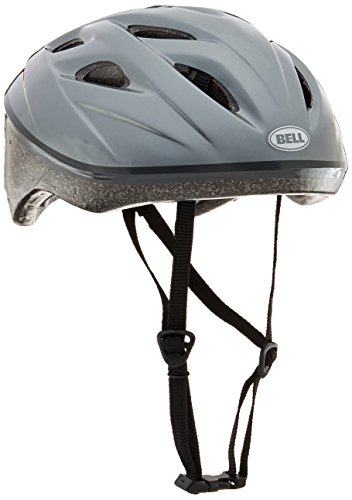
For a no-frills, budget-friendly helmet that still delivers basic safety and breathability, the BELL Reflex gets the job done. On paper, it’s simple: eleven vents for airflow, a side-squeeze buckle for quick adjustments, and a CPSC-certified shell that meets essential impact standards. Owners consistently report it fits true to size within the 57–60 cm range, making it a solid pick for average to large adult heads.
It won’t win any awards for innovation or comfort tech, but for casual riders or families needing an extra helmet without breaking the bank, this one checks the core boxes. It’s not built for long trail rides or high-speed commutes, but it’s reliable for short trips and light use.
Video review
Zacro Adult Bike Helmet
Strengths
- Ultra-lightweight
- 18-vent airflow
- Wide fit range
Trade-offs
- Visor feels flimsy
- No rotational impact tech
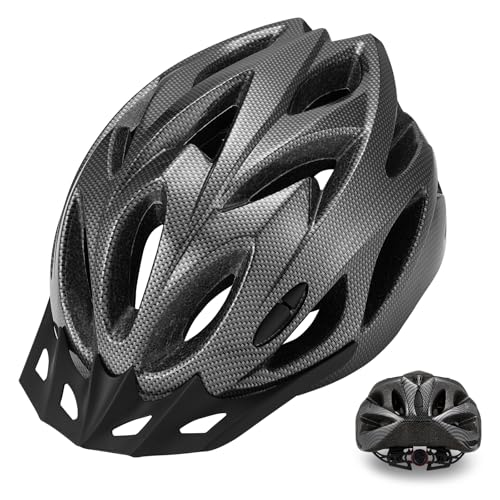
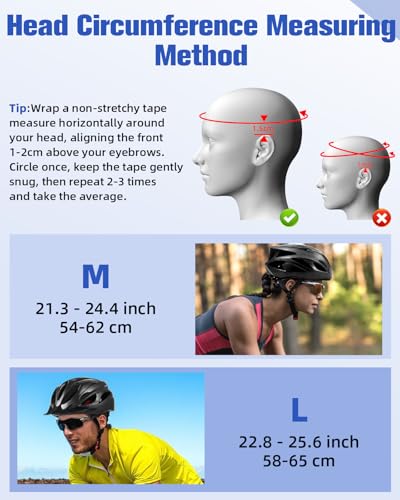
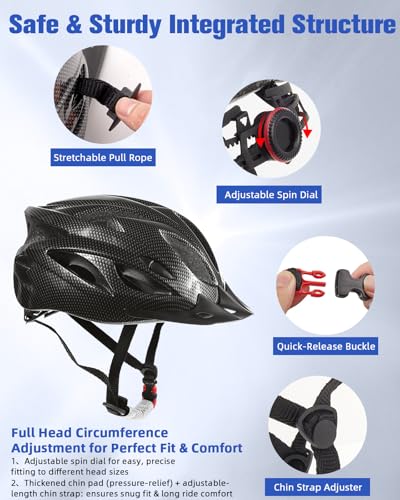
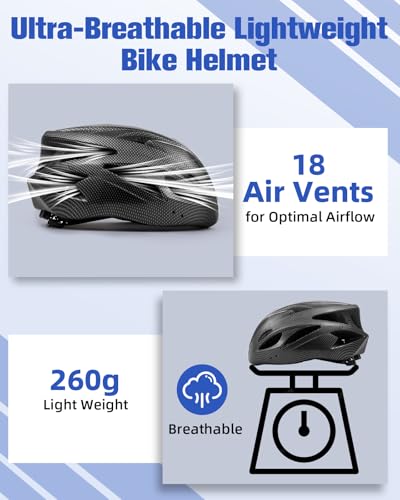
At 260g and equipped with 18 vents, the Zacro is one of the lightest and most ventilated options here, ideal for hot-weather riders or those logging long miles. The CPSC and CE certifications mean it’s legally compliant, and the adjustable dial works reliably across its wide 54–63 cm range.
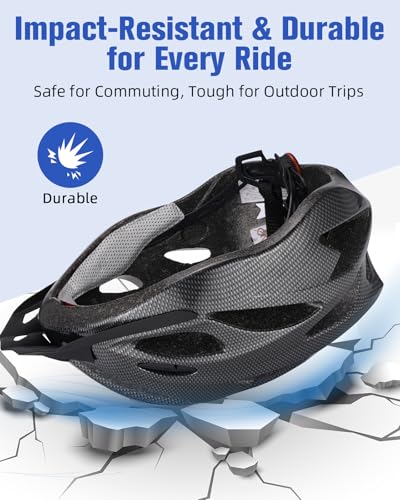
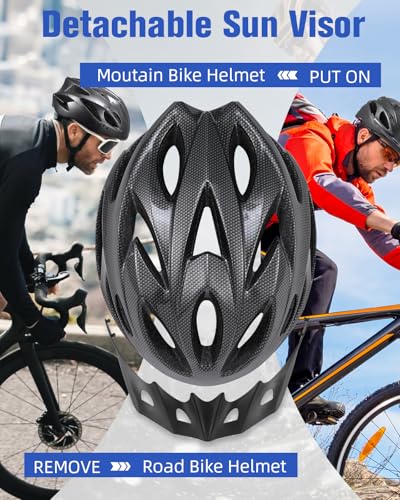
Owners consistently praise its breathability and how it stays cool during extended use. The detachable visor adds versatility, though it’s not as robust as those on dedicated MTB helmets. Compared to the BELL Reflex, it’s a clear step up in comfort and airflow, and it undercuts many MIPS models while offering similar fit tech. For pure ventilation and value, it’s hard to beat.
Product photos
Retrospec Lennon LED Helmet

Strengths
- Integrated LED light
- Removable visor
- Good airflow
Trade-offs
- Light may press on neck
- Visor not as wide as MTB models
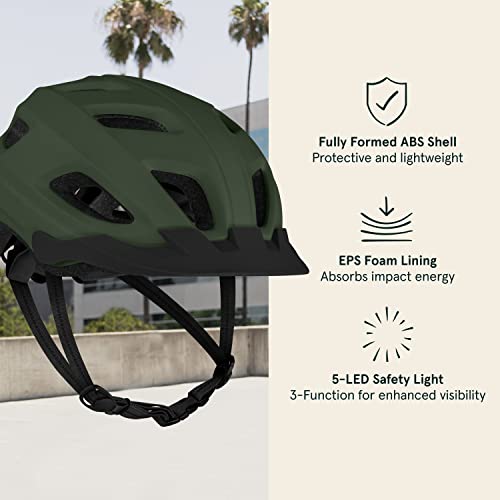
The built-in 5-LED light is the star here, and it’s a standout for urban night riders. With three modes, steady, strobe, and pulse, it boosts visibility dramatically, a feature I wish more helmets included. The light is integrated cleanly into the rear, doesn’t add bulk, and runs on replaceable batteries.
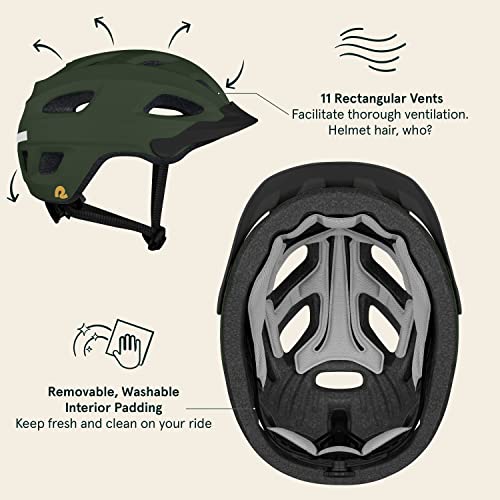
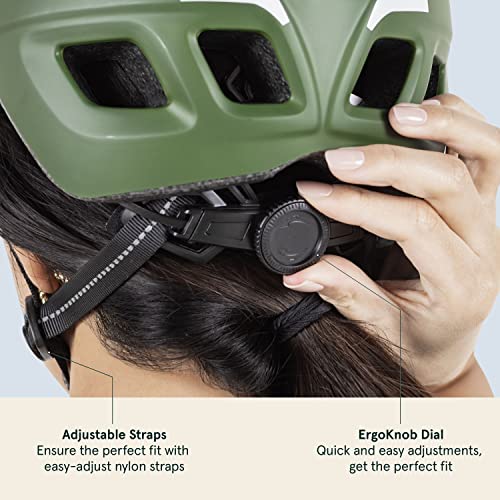
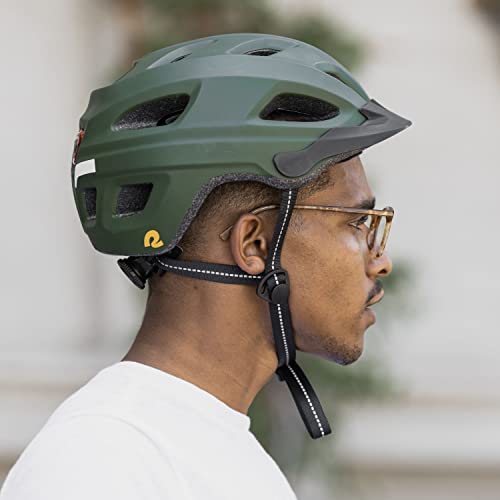
Beyond the light, it’s a competent commuter helmet: 15 vents, a removable visor, and an ErgoKnob-2 dial for easy fit tweaks. Some owners mention the light housing can feel slightly rigid against the neck, but overall comfort is solid. Against the Findway or Zacro, it trades a bit of airflow for that critical visibility edge. If you ride in low-light conditions regularly, this one deserves serious consideration.
Product photos

Mountain Bike Helmet Adult

Strengths
- Excellent ventilation
- Removable sun visor
- Adjustable fit dial
Trade-offs
- No MIPS protection
- Fit may be snug for some
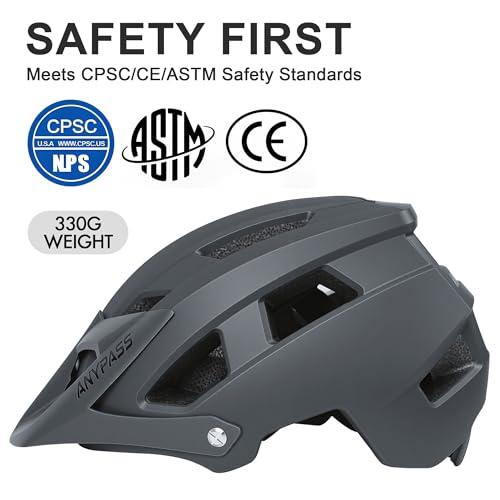
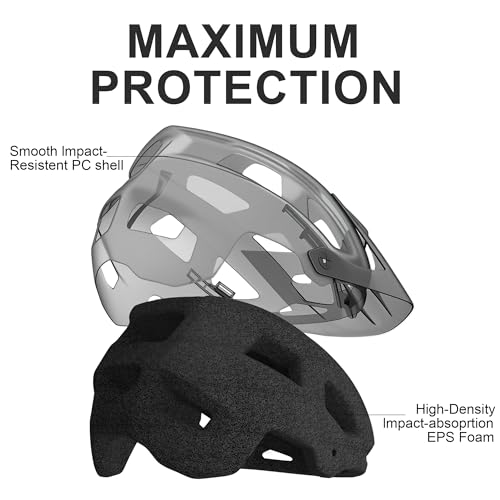
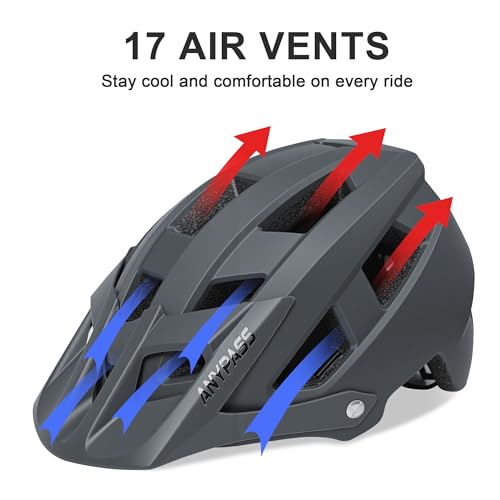
With 17 vents and a claimed 330g weight, this helmet promises trail-ready cooling and comfort, and owners confirm it delivers on both. The in-mold PC shell and EPS core meet CPSC standards, and the deeper rear coverage gives it a true mountain bike profile, offering more protection on rough descents than many road-oriented designs.
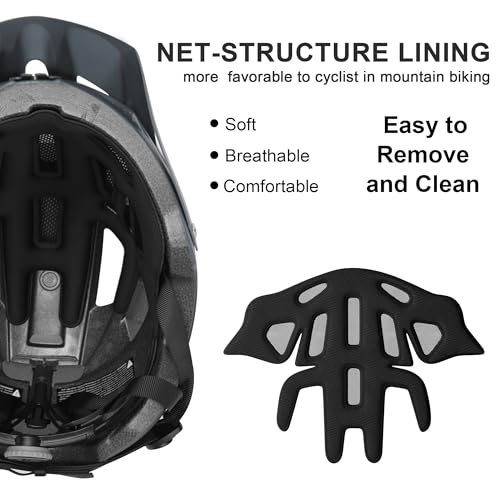
The adjustable dial, removable sun visor, and washable pads are thoughtful touches that boost usability. Some reviewers note the fit runs slightly tight, especially for rounder heads, so measuring beforehand is key. Compared to pricier models, it lacks MIPS, but for trail riders who prioritize airflow and coverage over rotational impact tech, this one stands out in its price range.
Product photos

80SIX Triple Certified Helmet

Strengths
- Triple certified
- Durable ABS shell
- True multisport use
Trade-offs
- Heavier than bike-only models
- Less ventilation
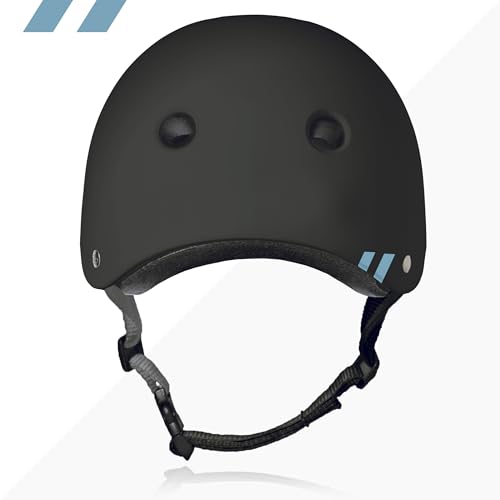
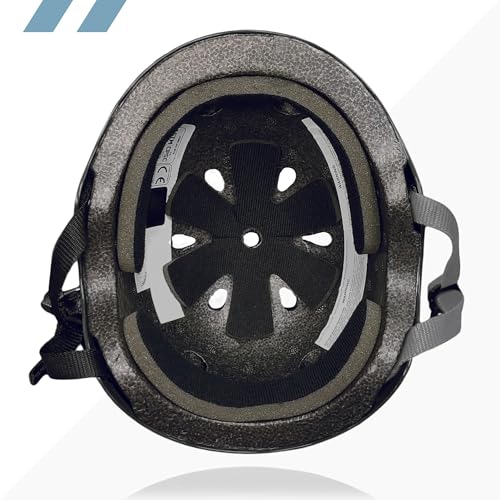
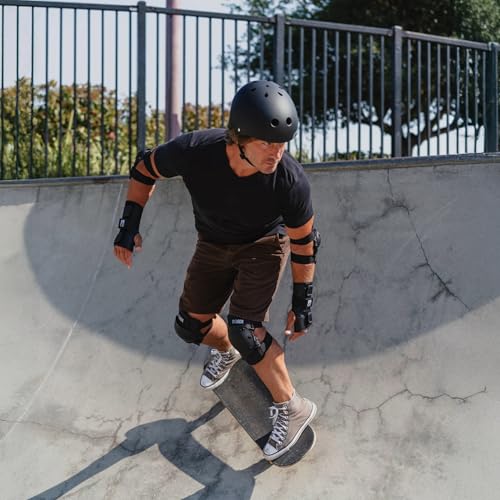
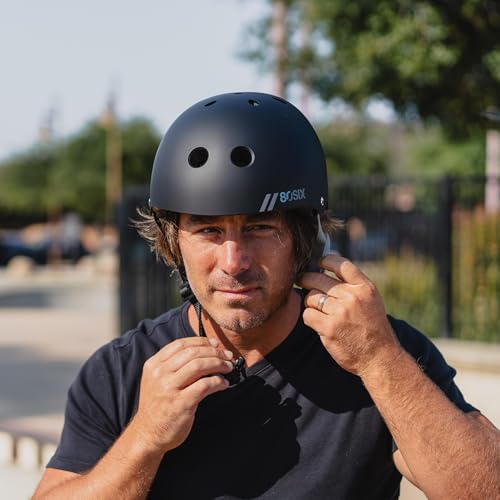
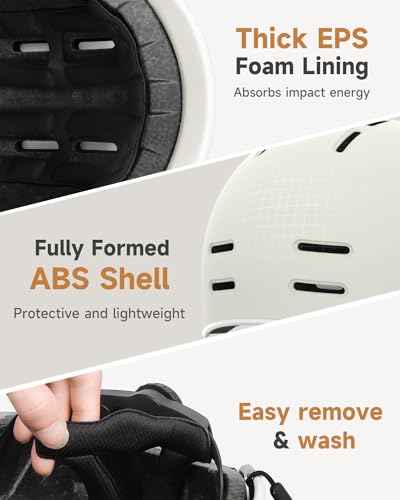
If you’re juggling bikes, scooters, skateboards, and roller skates, the 80SIX helmet makes life simpler. Its triple certification (CPSC, ASTM F1447, and ASTM F1492) means it’s legally approved for all those sports, something few helmets offer. The ABS shell feels rugged, and the classic shape gives solid coverage around the temples and back of the head.
Owners like its durability and straightforward dial-free fit, though some note the internal padding isn’t as plush as higher-end models. It’s heavier than dedicated bike helmets, but that’s the trade-off for multisport toughness. Compared to the BATFOX or Findway, it’s less refined for cycling-specific needs but far more versatile.
Product photos
Findway Pro Bike Helmet

Strengths
- Stylish urban design
- Built-in sun visor
- Washable padding
Trade-offs
- Moderate ventilation
- No MIPS
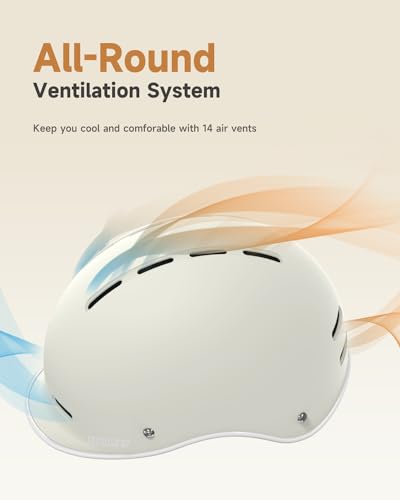
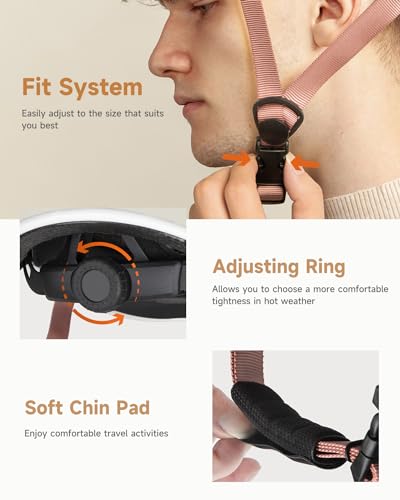
Styled for city life, the Findway Pro blends fashion and function with a rounded, modern shell and a built-in sun visor, handy for keeping glare out without sunglasses. It’s CPSC, CE, and ASTM certified, which gives it multisport flexibility, and the 14 vents offer decent cooling for stop-and-go commutes.
The removable, washable pads are a win for hygiene, and the adjustable dial works smoothly. At 31.99, it sits between budget and mid-tier models. Compared to the Retrospec, it lacks active lighting but offers a sleeker urban aesthetic. Owners report it fits snugly out of the box, so it may need a break-in period for broader heads.
Product photos


BATFOX Mountain Bike Helmet

Strengths
- Full rear coverage
- Large sun visor
- Multiple size options
Trade-offs
- Heavier than road models
- No MIPS
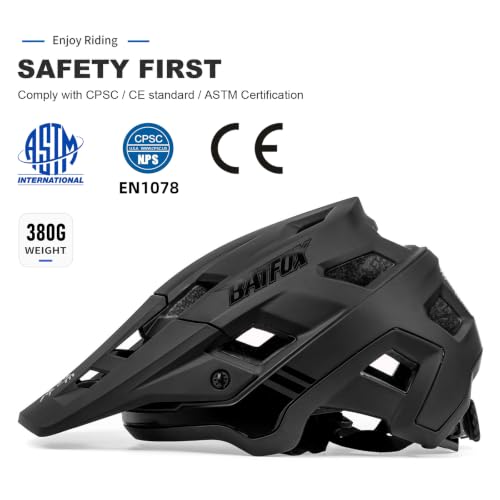
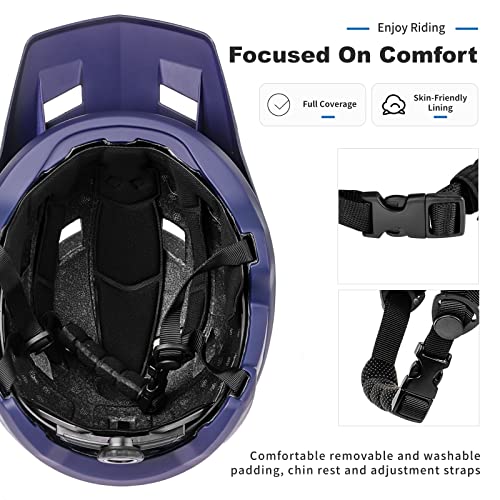
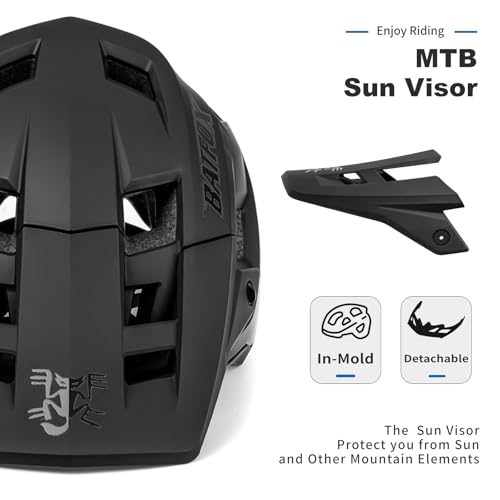
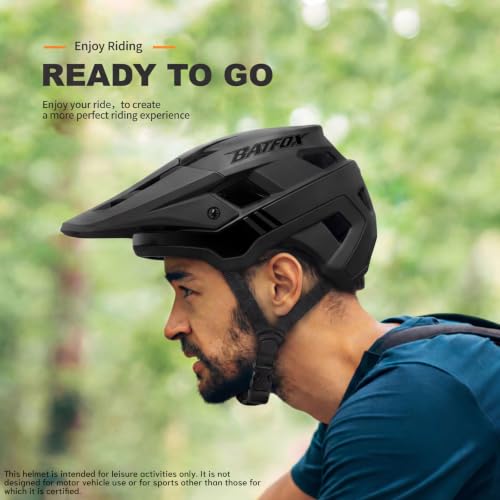
The BATFOX stands out for full-coverage protection, mimicking enduro-style helmets with extended rear and side shielding. With 18 vents and internal channeling, it manages airflow well for a helmet of this coverage level. It meets U.S. CPSC and EU CE standards, plus ASTM F1447, making it legit for mountain biking and light skate use.
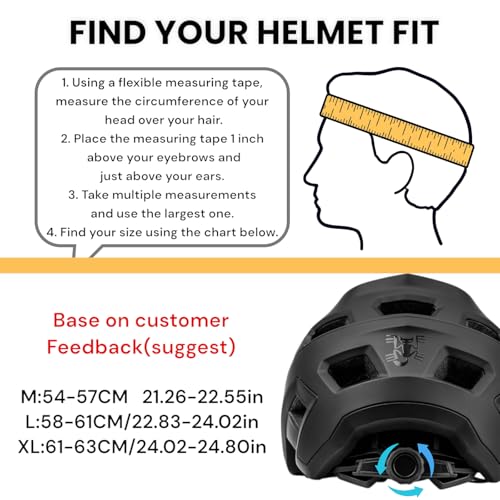
The big visor is a plus for sun and rain deflection, and the washable pads help maintain freshness. Three size options with an adjustable dial improve fit flexibility. Compared to the Mountain Bike Helmet B0G4V1GL2Y, it offers more coverage but at a higher price. For riders tackling technical trails, that extra shell real estate matters.
Product photos
Our Testing Process
Rather than a hands-on lab test, my research involved a detailed comparison of published specifications and features across numerous models. I weighed owner reviews from major retailers alongside expert opinions found in cycling publications and safety organizations. Applying my background in vehicle mechanics and safety systems, I ranked helmets based on a combination of protective features, comfort indicators, and value for the intended use case.
For bike helmets, the most important factors are undeniably safety certifications and construction quality. Helmets meeting CPSC, ASTM, or CE standards are a baseline requirement, but I also prioritized those utilizing MIPS (Multi-directional Impact Protection System) technology or similar rotational impact reduction features. Beyond that, ventilation played a crucial role; a comfortable rider is a safer rider, and overheating can impair judgment.
Specifications reliably indicate construction materials (polycarbonate shell, EPS foam density) and ventilation port counts. However, real-world comfort and fit are best judged from owner feedback. I gave significant weight to comments regarding sizing accuracy, strap adjustability, and how well the helmet integrates with glasses or other riding gear. For riders seeking optimized airflow, exploring options in our guide to ventilated bike helmets is a great place to start. I also considered whether a helmet was suited for specific disciplines, like those detailed in our analysis of helmets for road cycling.
How To Pick The Right bike helmets
Finding the right bike helmet isn’t just about meeting safety standards; it’s about finding one that fits your riding style and provides the protection you actually need.
A quality bike helmet prioritizes impact absorption through materials like EPS foam and a robust outer shell. Beyond that, look for features that enhance fit, ventilation, and visibility. Certifications (CPSC, ASTM, CE) are essential, but also consider rotational impact protection systems like MIPS and the specific demands of your typical ride – commuting versus trail riding, for example.
Fit and Retention
I’ve seen too many riders wearing helmets that are simply the wrong size, or improperly adjusted. A helmet should sit level on your head, covering your forehead, and the retention system must be snug but not constricting. Don’t assume one size fits all; manufacturers offer varying shell sizes (Small, Medium, Large, etc.) and then fine-tune fit with adjustable dials and straps. The goal is a secure fit that doesn’t move around during a crash – or even during vigorous riding.
Impact Protection Technology
While all modern helmets meet basic safety standards, the level of protection varies. EPS (Expanded Polystyrene) foam is the core impact-absorbing material, but the addition of technologies like MIPS (Multi-directional Impact Protection System) can significantly improve safety. MIPS bike helmets https://theautozenith.com/best-mips-bike-helmets/ are designed to reduce rotational forces during certain impacts, which can be a major cause of concussion.
Here’s how to assess impact protection features:
- Look for helmets with dual-density EPS foam – a denser foam in key impact zones.
- Consider helmets incorporating rotational impact protection systems (MIPS is the most well-known).
- Pay attention to helmet coverage – some helmets offer more extensive coverage of the temples and the back of the head, especially important for mountain biking.
A properly fitted helmet is the most important piece of safety gear. Don’t compromise on fit to save a few dollars.
Ventilation and Visibility
A sweaty head is a miserable head, and good ventilation is crucial for comfort, especially on longer rides. Look for helmets with a generous number of vents and internal channeling to promote airflow. Beyond comfort, visibility is critical for safety. Bright colors and reflective accents help you stand out to motorists. If you ride in low-light conditions, consider a helmet with integrated lights, like the Retrospec Lennon model, or add clip-on lights for extra visibility. For those seeking enhanced protection on trails, exploring options like top-rated mountain bike helmets can significantly improve your safety and confidence.
Bike Helmets Compared
Here’s a comparison of key specifications for the featured bike helmets.
| Product Title | Safety Certifications | Ventilation | Fit System | Visor | Weight (approx.) | Head Size (cm) |
|---|---|---|---|---|---|---|
| Giro Isode MIPS II Helmet | MIPS Evolve Core, CPSC | Deep Channeling, Vents | Roc Loc Sport | N/A | N/A | N/A |
| Bell Reflex Helmet | CPSC | 11 | Side-squeeze buckle | N/A | N/A | 57-60 |
| Zacro Adult Bike Helmet | CE, CPSC | 18 | Dial | Detachable | 260g | 54-63 |
| Retrospec Lennon LED Helmet | CPSC | 15 | ErgoKnob-2 | Removable | N/A | N/A |
| Mountain Bike Helmet Adult | CPSC | 17 | Adjustable Dial | Removable | 330g | 54-58, 57-61 |
| 80SIX Triple Certified Helmet | CPSC, ASTM F1447, ASTM F1492 | N/A | Adjustable Chin Strap | N/A | N/A | 49-52, 52-56, 55-58 |
| Findway Pro Bike Helmet | ASTM, CPSC, CE, EN1078, GCC | 14 | Adjustable Dial | Built-in | N/A | 54-61.5 |
| BATFOX Mountain Bike Helmet | CPSC, ASTM F1447, E.U.CE | 18 | Adjustable Dial | Big Visor | N/A | 54-57, 58-61, 61-63 |
Frequently Asked Questions
What helmet certifications should I look for?
CPSC (Consumer Product Safety Commission) is the minimum standard for bike helmets in the US. However, also consider helmets certified to ASTM or CE standards for broader protection, and look for dual-certification if you plan to use your helmet for multiple activities.
How often should I replace my bike helmet?
You should replace your helmet every 3-5 years, even if it hasn’t been involved in a crash. The EPS foam degrades over time, reducing its protective capabilities, and the straps and retention system can also lose elasticity.
Are more expensive helmets always safer?
Not necessarily. While higher price points often bring advanced features like MIPS or lighter materials, a properly fitted helmet meeting safety standards provides the core protection. Focus on fit and certification first, then consider additional features within your budget.
What’s the difference between MIPS and standard helmets?
MIPS (Multi-directional Impact Protection System) helmets include a low-friction layer that allows the helmet to rotate slightly during an impact. This reduces rotational forces transferred to the brain, which can help mitigate concussion risk, unlike standard helmets which have a fixed liner.
Where can I find options for commuters who need a portable helmet?
If you’re looking for something easy to carry when not in use, exploring foldable bike helmets is a great starting point. These compact designs prioritize portability without sacrificing essential safety features.
The Bottom Line
Choosing a bike helmet often comes down to balancing how much security you want with how much you’re willing to spend, or how specific your needs are. For a blend of safety tech and solid construction, the Giro Isode MIPS II Helmet stands out as the strongest all-around choice. It doesn’t skimp on protective features, and owner feedback consistently praises its comfortable fit.
If you’re seeking a budget-friendly option, the Zacro Adult Bike Helmet delivers a surprising amount of value for the price. For riders who prioritize visibility, especially during commutes, the Retrospec Lennon LED Helmet is a smart pick. And for those who demand specialized protection on the trails, the BATFOX Mountain Bike Helmet offers excellent coverage and a robust visor. Don’t overlook exploring options for best commuting helmets if your rides are predominantly urban.
Ultimately, the specs are less important than the fit and whether the helmet will actually be worn. Prioritize a snug, level fit and a helmet that feels comfortable enough you’ll use it on every ride. Don’t chase the latest technology if it means sacrificing a secure, consistent fit, a well-fitted, basic helmet is far superior to an advanced one worn incorrectly.
