
8 Best Extra Wide Bike Seats of 2026
This post contains affiliate links. As an Amazon Associate, we earn from qualifying purchases.
The Twomaples Patent Wide Concave Seat stands out as the best overall extra wide bike seat for its exceptional 650-pound capacity and smart shock absorption, while the Extra Wide 14.5″ Bike Saddle is a solid budget-friendly pick that still delivers serious width and comfort. For riders wanting back support, the BLUEWIND Oversized Bike Seat Backrest offers stability without sacrificing weather resistance.
If you’ve ever finished a ride with numbness, chafing, or soreness, you know how much your seat matters. Too many riders assume a wider seat automatically means more comfort, but without proper support and pressure relief, it can make things worse.
This guide cuts through the marketing by focusing on what actually works, based on specs, long-term owner feedback, and an understanding of how different bodies interact with different saddle designs. We looked at width, suspension quality, materials, and real-world durability to find seats that deliver lasting comfort, especially for heavier riders or those prioritizing upright riding positions.
Top 6 Extra Wide Bike Seats in the Market
The Best Extra Wide Bike Seats, Reviewed
2026 Ultra-Wide Oversized Bike Seat

Strengths
- Thick memory foam
- Triple shock absorption
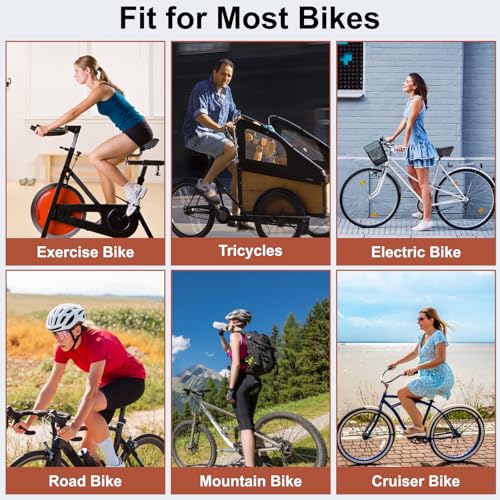
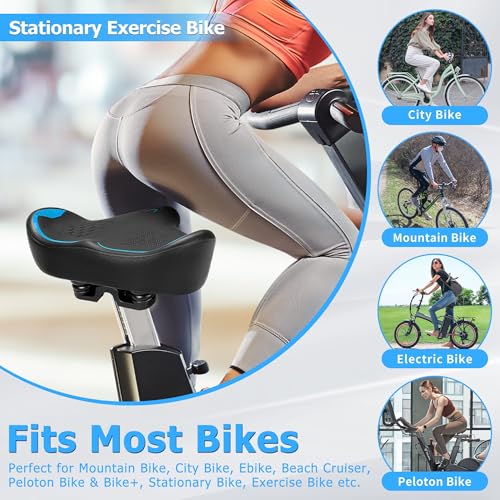
- Universal fit
- Waterproof surface
- Supports 330 lbs
Trade-offs
- Long nose may rub thighs on small frames
- Heavier than standard saddles
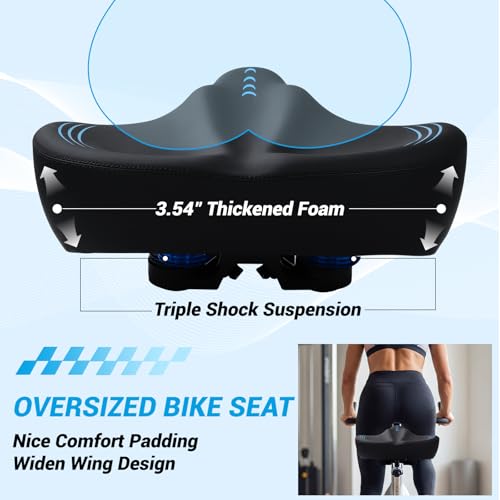
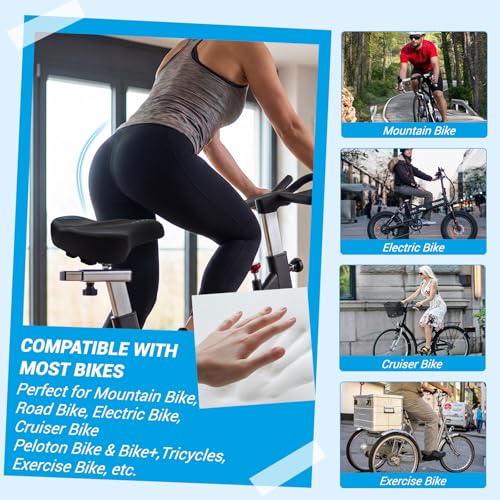
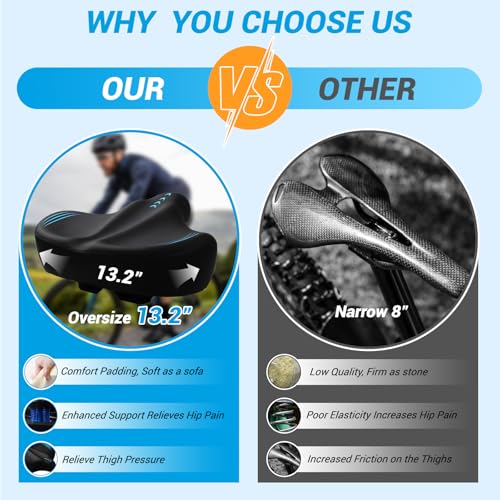
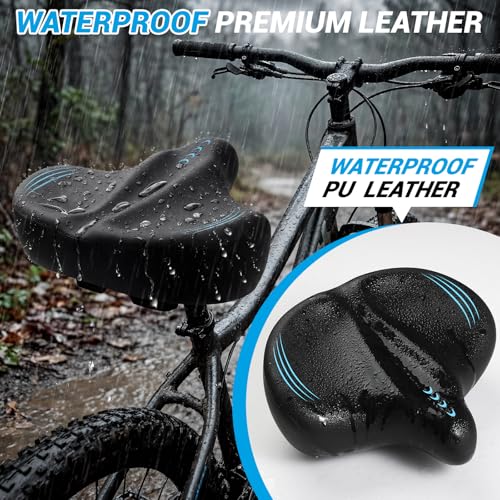
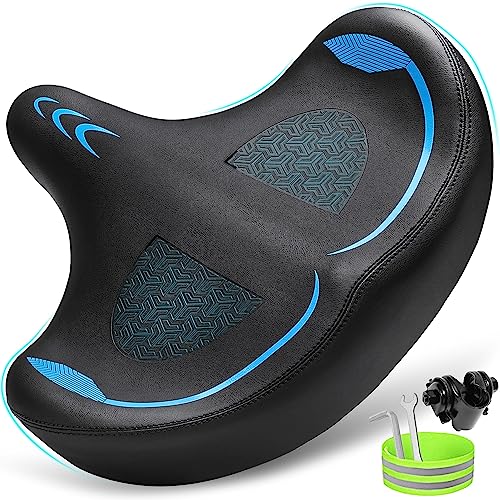
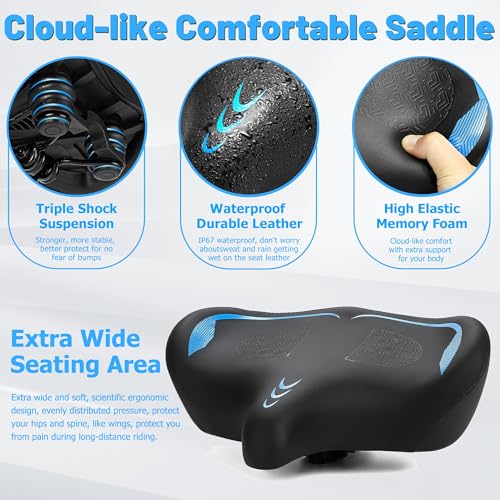
This seat makes a strong first impression with its 3.54 inches of memory foam and a deep concave shape that promises real pressure relief. On paper, it’s built for long hauls, especially on stiff bikes like Pelotons or hardtail mountain bikes where every bump gets transmitted straight to your sit bones. Owners consistently report less numbness and better weight distribution, which tracks with the long-nose ergonomic design meant to support pelvic stability without restricting leg motion.
The triple shock suspension stands out in this class, where most competitors rely on just springs or basic padding. It’s not full suspension, but paired with the thick foam, it does a convincing job smoothing out sidewalk seams or indoor bike vibrations. I’d pick this over flatter, thinner saddles any day if you’re logging serious miles at home or on city streets.
Product photos
Extra Wide 14.5″ Bike Saddle
Strengths
- Superior ventilation
- Hollow pressure-relief channel
- Short nose design
- Dual gel absorbers
- Quick-drying surface
Trade-offs
- Less padding for bony sits
- Plastic base feels rigid
- Limited color options
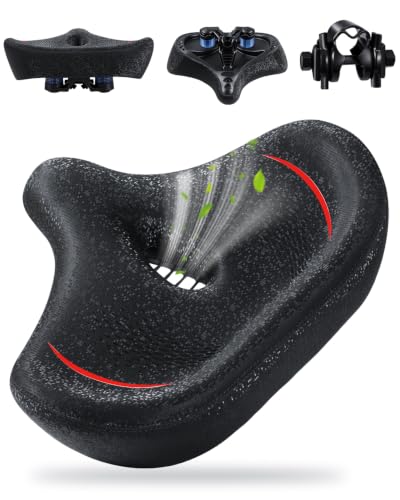
If breathability is your top concern, this one’s engineered for it. The deep central hollow channel runs front to back, creating a continuous airflow path that keeps things cool in a way solid foam can’t match. Combined with the short-nose ergonomic shape, it gives thigh muscles room to fire without chafing, ideal for larger riders or anyone whose legs rub on wider saddles.
The dual gel balls offer decent bump absorption, though not quite as plush as the 3.5-inch foam models. But where it wins is in wet conditions: owners note it dries fast and resists water pooling, thanks to the drainage-friendly structure and rain-resistant PU leather. For hot climates or sweaty gym sessions, this stays comfortable longer than most.
Video review
BLUEWIND Oversized Bike Seat Backrest
Strengths
- Integrated backrest
- Wide seating area
- Durable microfiber
- Double shock absorption
- Reflective safety tape
Trade-offs
- Round adapter only
- Backrest adds bulk
- Not for high-intensity rides
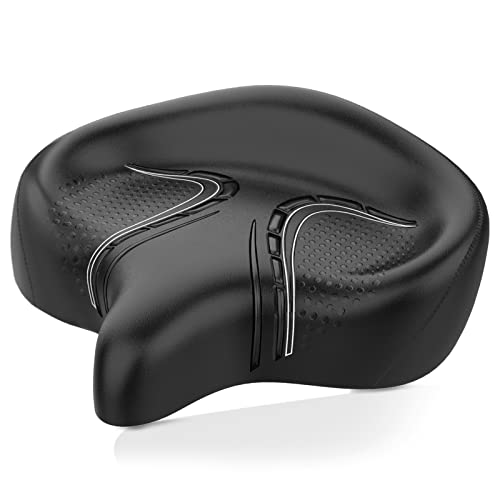
The standout here is the backrest design, a rare feature in mainstream bike seats, that shifts this from pure saddle upgrade to semi-reclined comfort solution. At 13.8 inches wide with a 7cm-thick foam base, it spreads load impressively, and reviewers on longer stationary sessions say it feels closer to a recumbent setup. The backrest doesn’t replace core engagement, but it does help stabilize your lower back during upright or slightly leaned postures, especially on electric bikes or tricycles.
I’d recommend this only if your frame allows rearward lean without compromising control. The round 22mm adapter limits compatibility, some Peloton users had to pass due to triangular rails, so measure before buying. Still, for commuters or casual riders wanting lumbar ease, this hits a sweet spot between support and practicality.
Video review
Upgrade Noseless Extra Wide Seat
Strengths
- True noseless design
- Excellent ventilation
- High-density memory foam
- Dual gel shock balls
- Fits round and dual-rail posts
Trade-offs
- Less forward stability
- Slightly firmer ride
- Higher price point
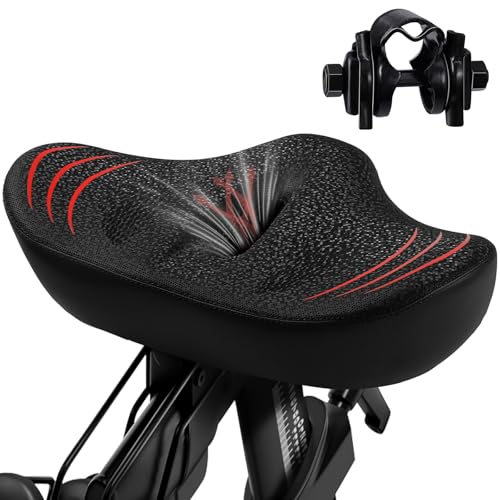
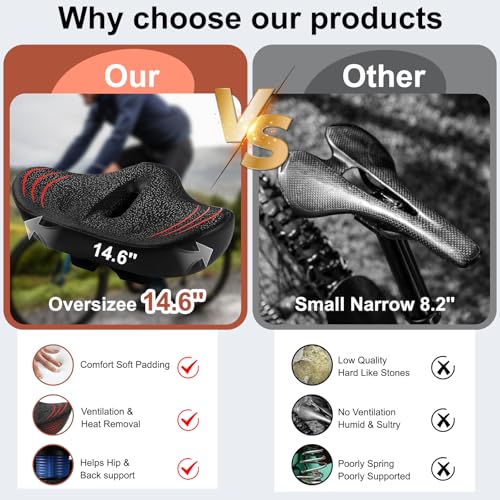
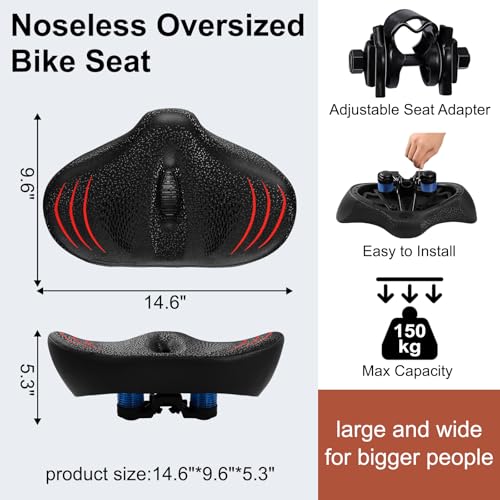
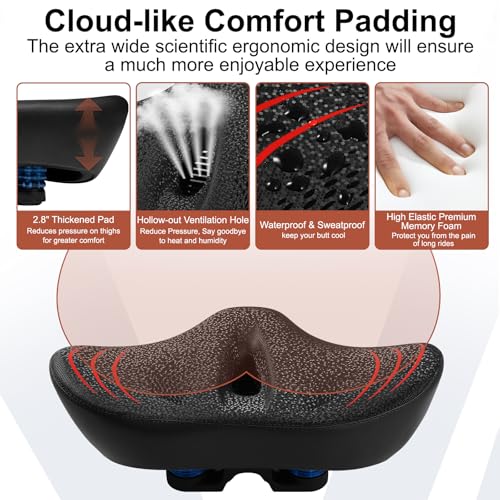
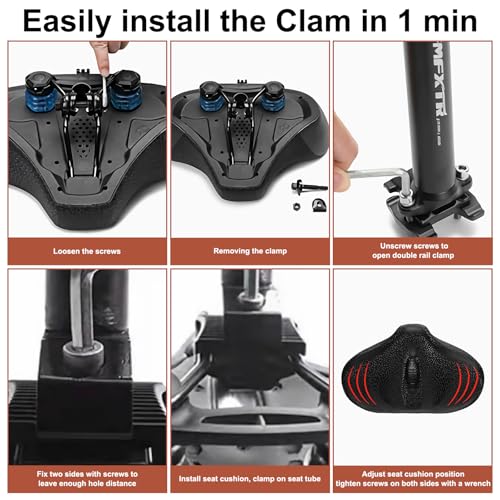
Going noseless is a standout for many, and this model leans into that with a bold wing-shaped cutout that removes soft-tissue pressure entirely. That’s critical for long indoor rides or riders dealing with urogenital discomfort, reviewers with prostate or pudendal nerve concerns frequently cite this style as a relief. The hollow center and double gel balls do more than look good; they create a float-like effect over bumps while letting air move freely underneath.
It’s not the softest on impact compared to deeper foam models, but the ventilation edge is real, no sweaty backsides after an hour on a spinning bike. If you’ve tried traditional wide saddles and still felt pinched up front, this is the smarter buy. Just make sure your riding position lets you balance without a nose for steering use.
Product photos
CDYWD Extra Wide Wing Padded Seat
Strengths
- Wide wing design
- Raised pressure dispersion
- Durable PU leather
- Non-slip surface
- Universal mount
Trade-offs
- No cutout or gel inserts
- Minimal shock absorption
- Bulkier profile
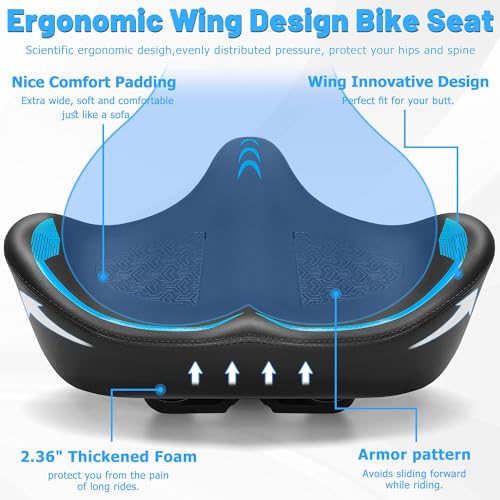
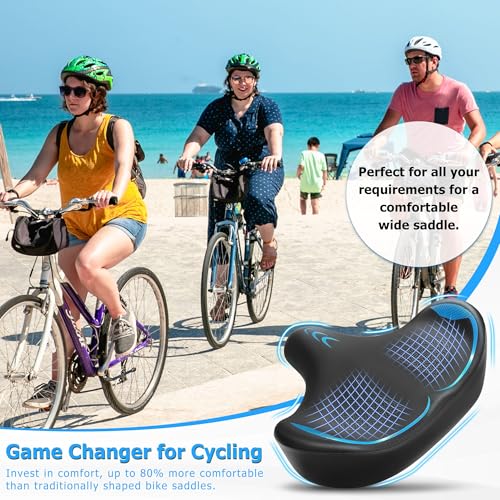
The wing-shaped foam extensions here aren’t just cosmetic, they actively cradle your sit bones and outer glutes in a way most flat saddles don’t. At 14 inches wide, it’s one of the broadest options listed, and owners with wider builds consistently say it finally stops the “perch” feeling common on narrow stock seats. The 2.36-inch raised wings disperse pressure laterally, which helps on upright city or cruiser bikes where you’re sitting more than pedaling hard.
It lacks advanced suspension or a cutout, so don’t expect miracles on pothole-heavy routes. But as a pure wide-support solution, it delivers. The waterproof surface holds up well to daily use, and installation is straightforward across clamp and rail setups. For sheer width and anatomical fit, it’s among the best values here.
Product photos

YLG Adjustable Backrest Bike Seat

Strengths
- Adjustable backrest
- Removable support
- Thick supportive foam
- Sturdy steel frame
- Full installation kit
Trade-offs
- Very bulky setup
- Risk of misuse
- Highest price in class
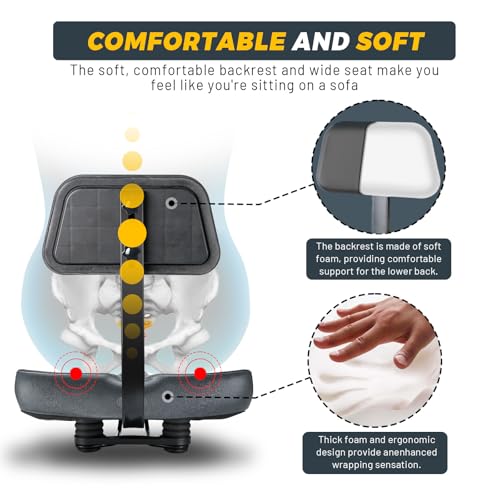
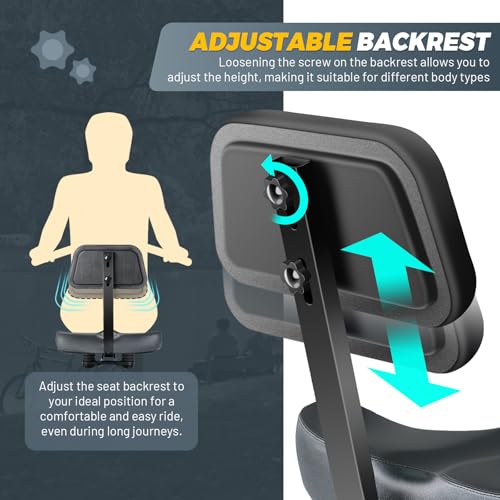
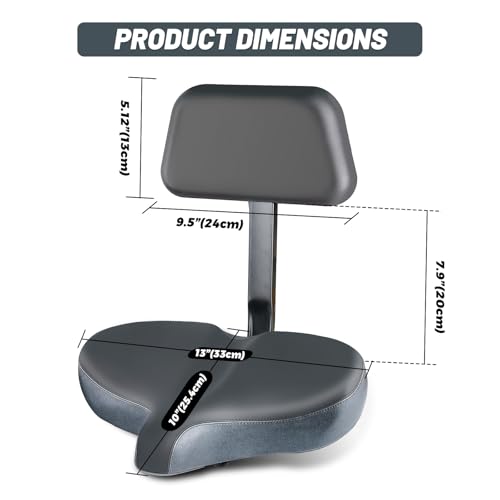
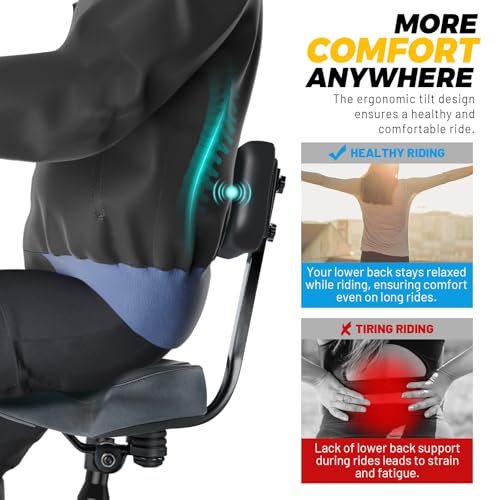
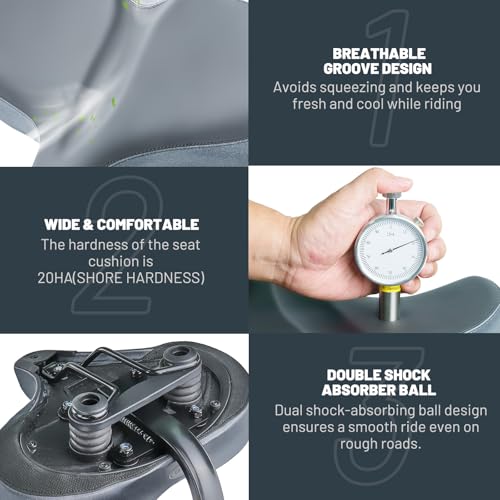
This is the most ambitious design here, not just a seat, but a semi-reclined support system with an adjustable backrest that tilts and detaches based on preference. The 8.5 x 5 inch back pad offers real lumbar contact, and when paired with the 2.5-inch thick foam cushion, it mimics the comfort of a trike or mobility bike. Owners using it on e-tricycles or beach cruisers praise the ability to truly relax into the ride without straining their core.
But there’s a real caveat: the warning against full reclining is serious. This isn’t a lounge chair, it’s waist-level stabilization only. Misuse could bend the steel connector, and several reviews mention creaking under heavy lean. Still, for seniors or those with back fatigue, the adjustability makes it worth the premium, if used correctly.
Product photos
How We Chose These extra wide bike seats
As someone who’s spent years immersed in the world of two wheels at TheAutoZenith, I approached researching extra wide bike seats by focusing on a blend of published specifications, owner experiences, and my understanding of cycling biomechanics. Rather than a hands-on lab test, this is a research-led comparison of features and owner feedback gathered from numerous sources. I compared dimensions, materials, suspension systems, and weight limits across dozens of models, then weighed that against what riders are actually saying about long-term comfort and durability.
The most important factors for an extra wide seat, in my experience, are shock absorption and pressure relief. A wider seat alone isn’t enough; it needs to distribute weight effectively to avoid creating new pressure points. Beyond that, the quality of materials and construction significantly impacts how well a seat holds up to regular use and all-weather conditions. I also prioritized designs that offered universal fitment, recognizing that many cyclists want a simple upgrade process. You can find more options for specific needs in our guide to the best bike seats.
Specifications reliably tell you about dimensions, materials used, and weight capacity. However, true comfort is subjective. I placed a great deal of emphasis on owner reviews to understand how these seats perform during actual rides – particularly regarding long-distance comfort and how well they address issues for seats for larger cyclists. Reputable expert reviews from cycling publications also helped validate claims about build quality and durability, ensuring I focused on options likely to be durable bike seats for heavy riders.
How To Choose The extra wide bike seats
Finding the right bike seat is crucial; it’s the contact point between you and your ride, and getting it wrong can quickly ruin even the most scenic route. It’s about more than just padding – it’s about support, pressure distribution, and how well the seat complements your riding style.
A good bike seat prioritizes pressure relief on sit bones, uses durable and weather-resistant materials, and offers a fit appropriate for the rider’s anatomy and preferred cycling position. Shock absorption is also key, especially for longer rides or rough terrain. Consider seat width, shape, and features like ventilation or back support.
Width and Your Anatomy
The most common mistake I see folks make is choosing a seat that’s simply the wrong width. It’s tempting to go for the widest option, assuming more padding equals more comfort, but that isn’t always the case. Seat width needs to match your sit bone width. Too narrow, and you’ll feel pressure on soft tissues. Too wide, and the seat will rub, causing chafing. Measuring your sit bones (you can find guides online) is the ideal starting point, but as a rule of thumb, wider seats are generally better for more upright riding positions and shorter rides, while narrower seats suit aggressive, forward-leaning postures. If you’re exploring different options, consider looking at reviews for comfortable bike seats to see what other riders with similar builds have found successful.
Suspension and Material Choices
The quality of a seat’s suspension system is a big differentiator. Many seats advertise “shock absorption,” but the implementation varies wildly. Gel inserts are common, but their effectiveness diminishes over time. Spring-based systems can be good, but some can introduce a bouncy, inefficient feel. The best systems, like those found in the Twomaples Patent Wide Concave Seat, employ layered composite materials designed to dissipate energy rather than simply absorbing it. Beyond suspension, material choice plays a huge role. Leather (or leather-look) is classic and durable, but can get hot. Synthetic materials offer better breathability, and waterproof options like those in the Oversized Waterproof Bike Saddle are essential for all-weather riders.
- Consider the ride duration: A short commute needs less sophisticated cushioning than a multi-day tour.
- Think about your riding surface: Smooth pavement requires less shock absorption than gravel or mountain trails.
- Don’t underestimate the importance of ventilation: A hollowed-out center, like in the Extra Wide 14.5″ Bike Saddle, can dramatically improve comfort in warm weather.
A seat that feels amazing in the shop might not feel amazing after an hour in the saddle. Prioritize a seat that adequately supports your sit bones and minimizes pressure points.
Back Support and Special Features
For riders with back pain or those who prefer a more relaxed posture, a seat with back support can be a godsend. The BLUEWIND Oversized Bike Seat Backrest is a good example, but it’s important to understand these aren’t for everyone. A backrest can hinder pedaling efficiency and isn’t ideal for aggressive riding. Beyond backrests, look at features like cutouts (to relieve pressure on the perineum) and wing-shaped designs (like the CDYWD Extra Wide Wing Padded Seat) which offer additional support. There are also unusual designs like noseless seats, which, as explored in types of bike seats, redistribute pressure in a completely different way.
Extra Wide Bike Seats Compared
Here’s a comparison of key specifications for several extra wide bike seats to help you make an informed decision.
| Product Title | Width (in) | Length (in) | Weight Capacity (lbs) | Shock Absorption | Backrest | Waterproof |
|---|---|---|---|---|---|---|
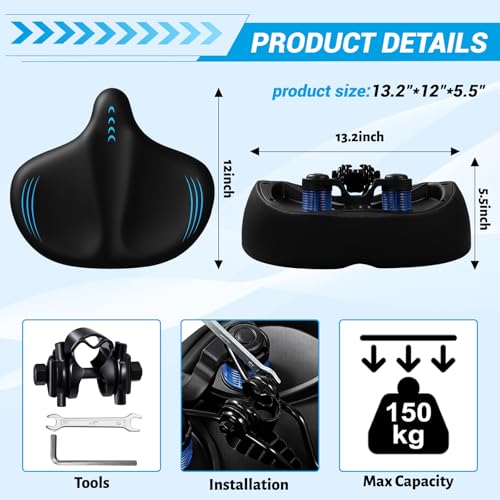
| 2026 Ultra-Wide Oversized Bike Seat | 13.2 | 12 | 330 | Triple | No | Yes |
| Extra Wide 14.5″ Bike Saddle | 14.5 | 11.4 | 330 | Gel Balls | No | Yes |
| BLUEWIND Oversized Bike Seat Backrest | 11.8 | 13.8 | 350 | Double | Yes | Yes |
| Upgrade Noseless Extra Wide Seat | N/A | N/A | 330 | Gel Balls | No | Yes |
| Oversized Waterproof Bike Saddle | 11 | 10.5 | N/A | Double Balls | No | Yes |
| CDYWD Extra Wide Wing Padded Seat | 12 | 14 | N/A | Powerful | No | Yes |
| Twomaples Patent Wide Concave Seat | N/A | N/A | 650 | Spring Balls | No | Yes |
| YLG Adjustable Backrest Bike Seat | 13 | 10.5 | N/A | N/A | Yes | Yes |
Frequently Asked Questions
What width of seat is truly “extra wide”?
Generally, anything over 11 inches wide is considered an extra wide bike seat. However, the ideal width depends on your sit bone measurement, so don’t just assume bigger is better; consider bike seats for plus-size men as a starting point for finding the right fit.
Do spring suspensions in bike seats actually work well?
Spring suspensions can offer some cushioning, but often at the cost of pedaling efficiency. While better than nothing, many riders find layered composite materials, as seen in higher-end models, provide a more effective and comfortable shock absorption experience.
Are waterproof bike seats necessary even if I don’t ride in the rain?
Yes, waterproof materials offer more than just rain protection. They prevent sweat absorption, which can lead to bacterial growth and a less hygienic seat over time, and also resist damage from cleaning products.
How important is a cutout in an extra wide seat?
A cutout, or channel, is quite important for many riders; it reduces pressure on the perineum, potentially preventing numbness or discomfort. However, some prefer the full support of a solid seat, so it really comes down to personal preference and anatomy.
Will a seat with a backrest significantly impact my pedaling?
A backrest can definitely alter your riding position and reduce pedaling efficiency. These seats are best suited for relaxed, upright riding styles and are often favored by those needing additional back support, but aren’t ideal for long-distance bike seats.
The Bottom Line
Choosing an extra wide bike seat often comes down to balancing immediate comfort with long-term support. While a super-padded seat might feel great initially, the best overall pick, the 2026 Ultra-Wide Oversized Bike Seat, provides a robust combination of width, durable waterproofing, and effective shock absorption that will hold up ride after ride. It’s a solid choice for a wide range of riders and terrains.
For those prioritizing a specific need, there are excellent alternatives. Riders seeking back support will appreciate the BLUEWIND Oversized Bike Seat Backrest, and for anyone needing a seat designed for bike seats for plus-size women, the CDYWD Extra Wide Wing Padded Seat offers exceptional support. And if you’re planning extended journeys, exploring options designed for comfortable seats for long rides will be well worth your time.
Ultimately, remember that specifications are only part of the story. The most crucial factors are ensuring a proper fit – matching seat width to your sit bone measurement – and prioritizing pressure relief. Don’t chase the highest number on a spec sheet; focus on how the seat feels under you and how well it supports your individual riding style.
