
8 Best Bike Seats for Long Rides 2026
This post contains affiliate links. As an Amazon Associate, we earn from qualifying purchases.
The WTB Volt Bike Seat Saddle is the best overall for long rides, offering reliable support and smart pressure relief, while the Twomaples Oversized Comfort Seat is a solid budget-friendly pick for riders with wider hips, and the VELMIA German-Design Memory Foam saddle stands out for superior pressure distribution.
Long rides shouldn’t mean long suffering, but a bad saddle can turn miles into misery. Numbness, chafing, and soreness aren’t just annoyances, they’re signs your seat isn’t working for your body.
In this guide, I break down the top-performing bike seats based on specs, owner experiences, and the core needs of endurance riding. These picks reflect what matters most: sit bone alignment, pressure relief, and materials that hold up over distance.
Top 8 Bike Seats For Long Rides in the Market
The Best Bike Seats For Long Rides, Reviewed
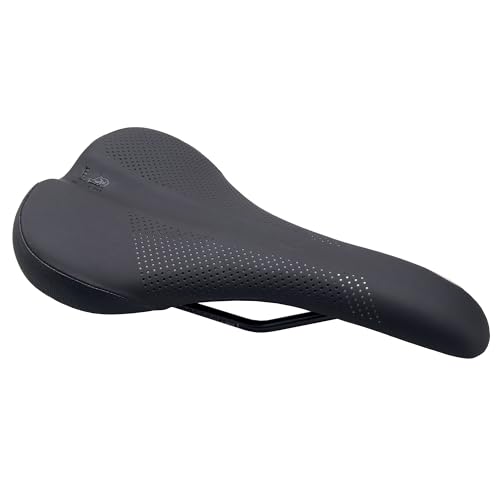
WTB Volt Bike Seat Saddle
Strengths
- Multiple width options
- Effective pressure relief cutout
- Durable steel rails
Trade-offs
- Higher price point
- Break-in period for some
The WTB Volt is the gold standard for a reason. It’s not the softest or widest seat out there, but it hits the sweet spot between support and comfort with three width options and a deeply contoured shape that actually cradles the pelvis. The Love Channel and Comfort Zone cutouts are engineered precisely, not gimmicky, and reviewers with numbness issues consistently say this saddle fixes what others couldn’t.
I’d pick this over any generic wide seat for long rides because it supports proper pelvic alignment, reducing fatigue over hours in the saddle. It’s also a favorite among gravel and e-bike riders who need stability without mushy padding. Yes, it’s pricier than budget models, but the steel rails and durable cover mean it lasts. If you’re serious about comfort beyond just “soft,” this is the smarter buy.
Video review
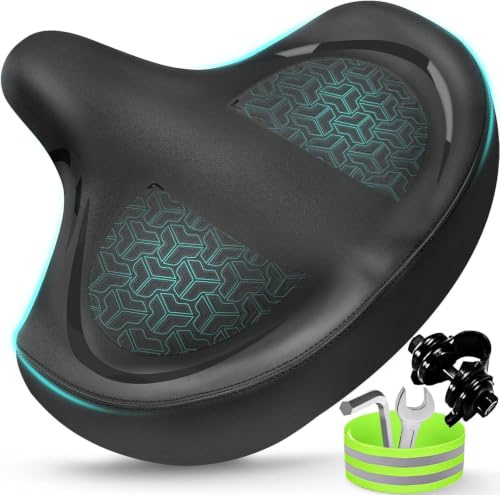
Twomaples Oversized Comfort Bike Seat
Strengths
- Extra wide design
- Dual shock absorption
- Cooling gel memory foam
Trade-offs
- Adapter needed for some exercise bikes
- Damping not class-leading
This Twomaples seat screams comfort on paper, and from owner feedback, it delivers, especially for riders with wider hips or those who’ve suffered through rock-hard stock saddles. The patented widened base and concave wing design set it apart from generic wide seats, offering real pelvic stability instead of just padding. Reviewers consistently report relief from tailbone pain, and the dual shock spring balls do seem to make a noticeable difference on bumpy commutes or long indoor sessions.
The memory foam and cooling gel combo feels like a premium upgrade over basic foam, and the breathable PU leather holds up well in humid conditions. That said, the rubber ring damping tech sounds impressive, but some users note the vibration reduction isn’t as dramatic as advertised, especially compared to high-end elastomer suspensions. Still, for the price, it’s a solid performer across multiple bike types, though indoor riders with non-standard mounts may need to buy an extra adapter.
Video review
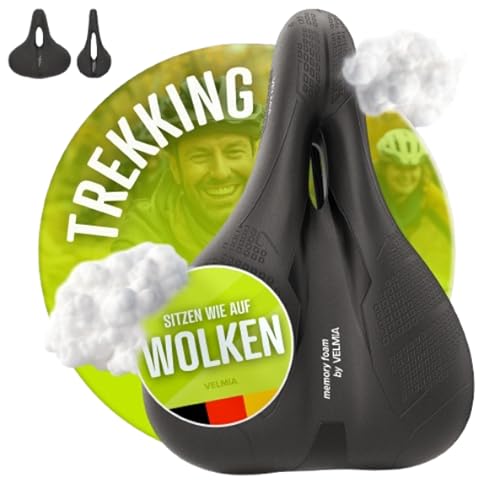
VELMIA German-Design Memory Foam Saddle
Strengths
- Waterproof with welded seams
- Smart pressure relief zone
- Good width balance
Trade-offs
- No shock absorption
- No cutout design
The VELMIA saddle stands out for its Smart Zone-Concept and 100% waterproofing with welded seams, a detail that shows thoughtful design. The 7.3-inch width is a sweet spot for many riders, offering support without thigh rub, and the air ventilation slot gets consistent praise for reducing moisture. Owners using it on exercise bikes or city commuters say it’s a major upgrade over stock padding.
It doesn’t have springs or cutouts, but the memory foam layer does a solid job of pressure redistribution. The German design cues are clear: functional, clean, and rider-focused. While it won’t match the WTB Volt in pelvic support, it’s a strong mid-tier pick for those prioritizing pressure relief and weather resistance over suspension.
Product photos

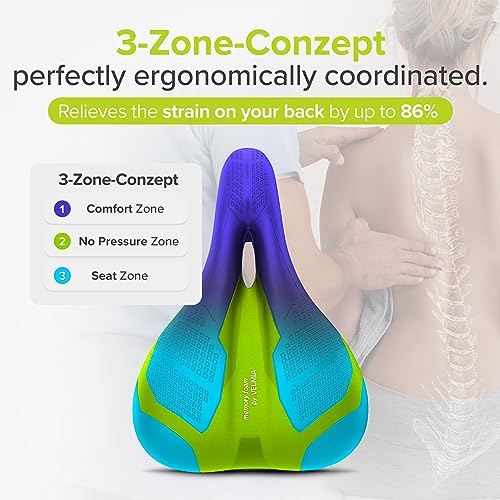


ROCKBROS Peloton Comfort Bike Seat

Strengths
- 3-zone pressure relief
- Hollow breathable core
- Includes safety handle
Trade-offs
- Too wide for performance riding
- Foam may soften over time
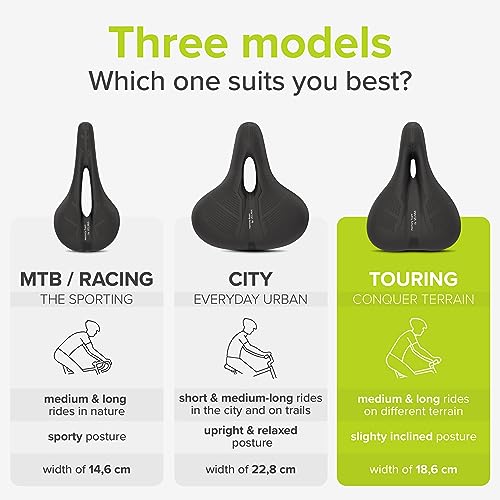
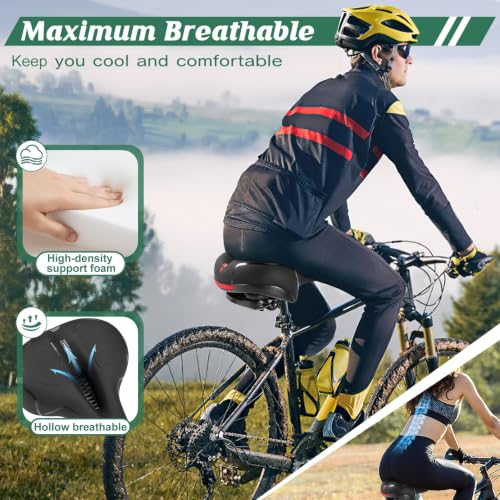
ROCKBROS clearly designed this for indoor riders, and it shows. The 3-zone pressure relief system and hollow-core breathable design are perfect for Spin class warriors who’ve endured numbness on a Peloton. Owners upgrading from the stock Peloton saddle almost universally say this is a standout, cooling, cushioned, and stable during high-cadence workouts.
The dual shock balls help outdoors, but the real win is the integrated handle and reflectivity, which add utility for e-bike users or night riders. It’s wider than most road saddles, so it’s not for aggressive riders, but for comfort-focused indoor or casual outdoor use, it’s a top pick. If your goal is to survive a 45-minute HIIT session without discomfort, this one’s built for it.
Product photos
Wittkop 5-Zone Waterproof Bike Seat
Strengths
- Fully waterproof
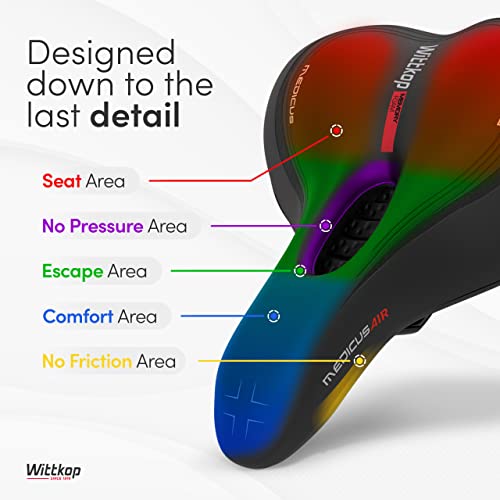
- 5-zone ergonomic design
- Good airflow
Trade-offs
- Heavier than average
- Shape not universally comfortable
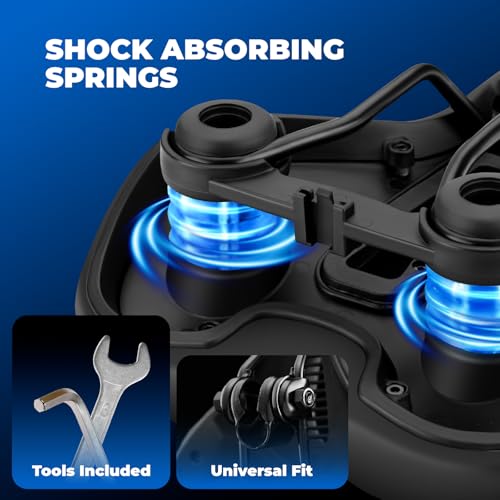
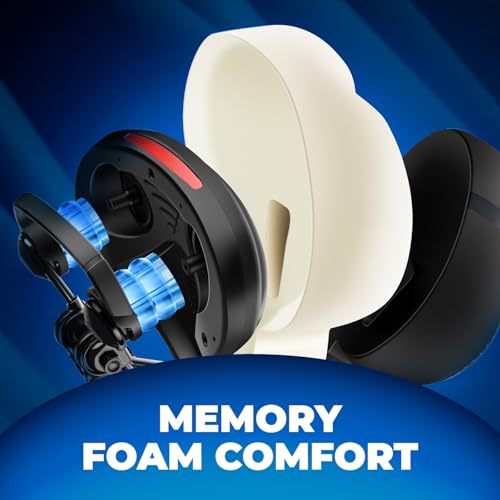
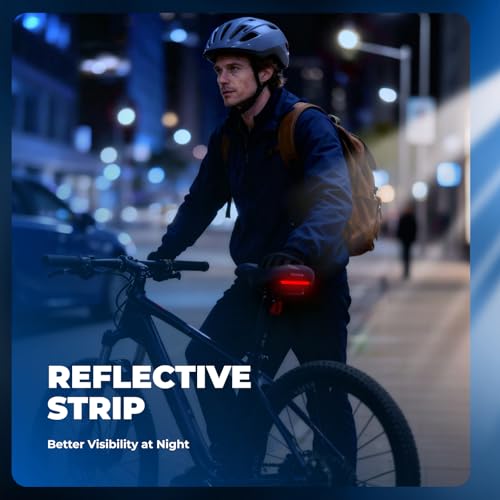
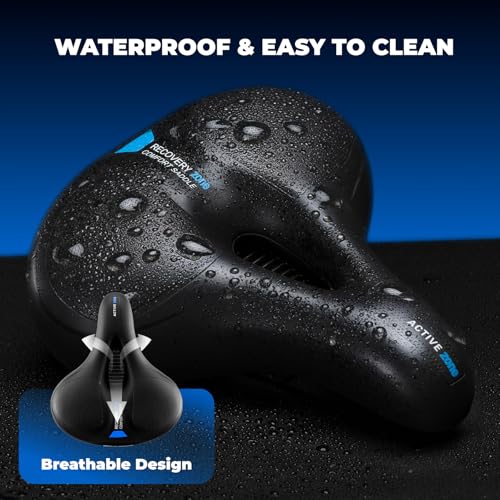
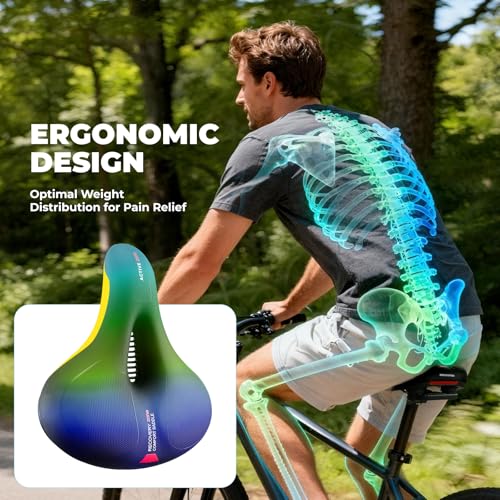
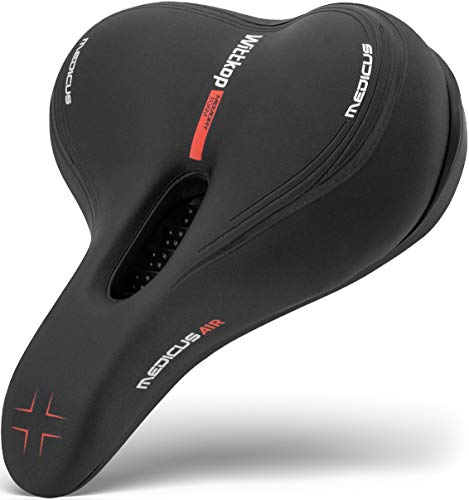
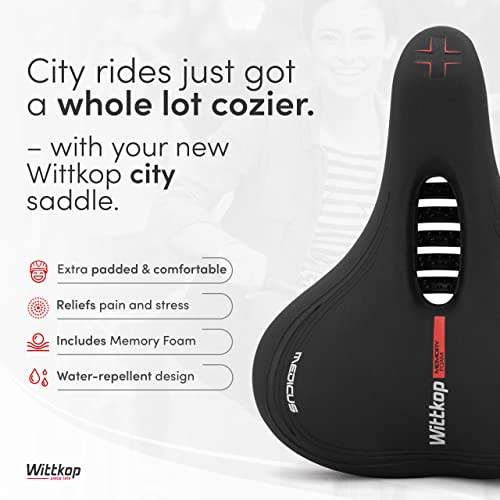
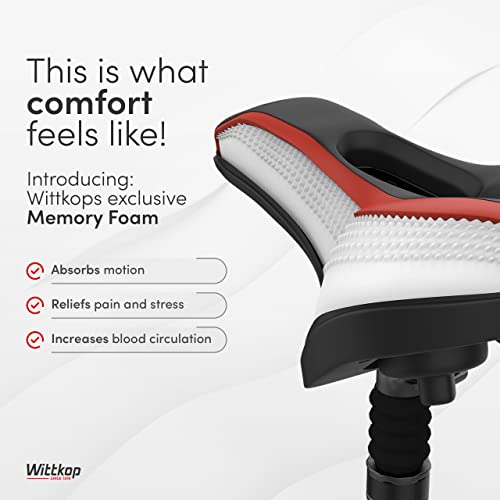
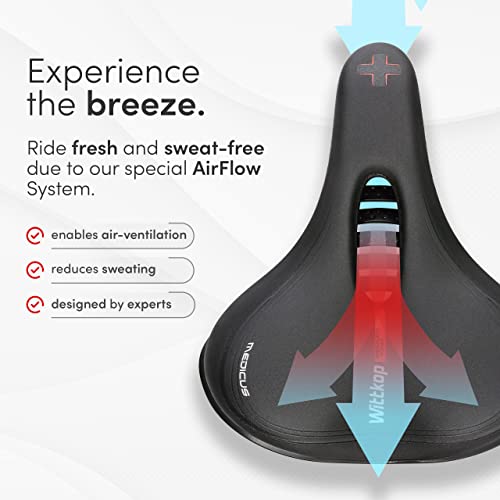
Wittkop leans into its heritage, and the 5-Zone-Concept suggests serious ergonomic intent. On paper, it’s a strong all-rounder, especially the 100% waterproof construction, which is rare and valuable for commuters or riders in rainy climates. The memory foam molds well over time, and the airflow system gets positive nods from owners who log hours on hybrids or touring bikes.
But while the tech sounds advanced, some riders note the shape doesn’t suit everyone, the zones don’t replace the need for proper sit bone matching. It’s also heavier than performance saddles, so it’s not ideal for racing. Still, if you ride in all weather and want a durable, comfortable seat that won’t degrade in the rain, this one makes sense. It’s a niche win for all-weather reliability.
Product photos

Topcrown Oversized Wide Bike Seat

Strengths
- Very affordable
- Large surface area
- Reflective safety strip
Trade-offs
- Foam not long-lasting
- No ventilation channel
At this price, the oversized design and dual shock balls make this a compelling budget play. It’s big, soft, and visible at night thanks to the red reflective strip, exactly what a cruiser or comfort rider needs. The 11×10.5-inch footprint spreads weight well, and owners with wider hips say it’s a noticeable upgrade from narrow stock saddles.
But “budget” means compromises: the foam isn’t high-density, so it may pack down faster, and there’s no cutout or advanced airflow. It’s not going to impress a long-distance rider, but for a city bike or weekend cruiser, it delivers comfort without breaking the bank. I’d recommend it as a short-term fix or for shared bikes where multiple riders need a soft seat.
Product photos


Gincleey Memory Foam Bike Saddle

Strengths
- Dual shock absorption
- Hollow ventilation design
- Includes reflectivity
Trade-offs
- Foam may compress over time
- No cutout for soft tissue relief
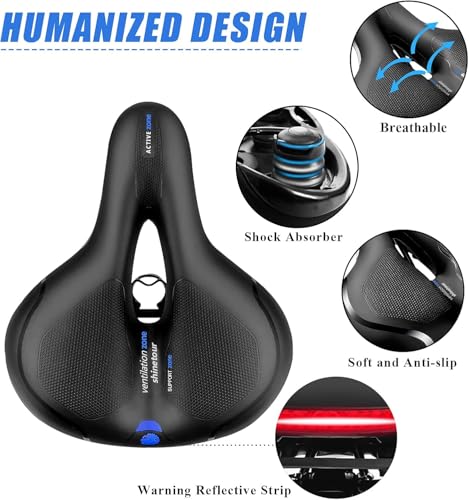
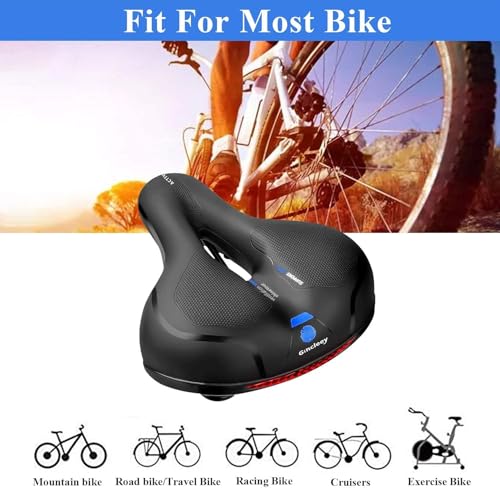
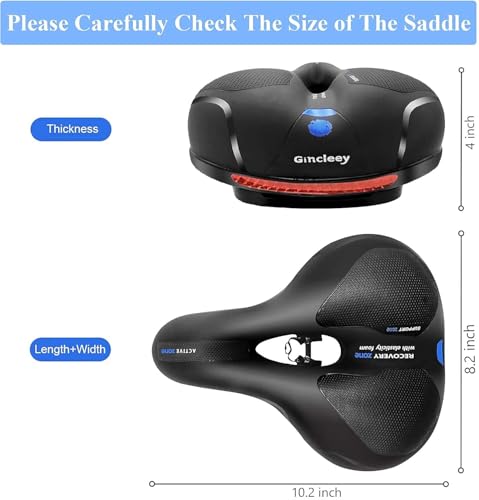
If you’re hunting for shock absorption on a budget, the Gincleey saddle punches above its weight. The dual rubber ball suspension stands out in this price range, and owners riding on cracked sidewalks or gravel trails say it smooths out jolts better than expected. The hollow center and airflow design help reduce heat buildup, a real win for summer riders who’ve dealt with sticky backsides.
It’s wider than average, which helps distribute weight, but the foam isn’t as dense as higher-end models, some heavier riders report it compresses too quickly over time. Still, for the price, it’s a strong contender, especially paired with the red reflective strip for night safety. It won’t replace a premium ergonomic saddle, but as a value-focused comfort upgrade, it’s hard to beat.
Product photos
Universal Comfort Bike Seat Saddle
Strengths
- Affordable price
- Easy installation
- Good basic padding
Trade-offs
- No cutout for pressure relief
- Basic materials
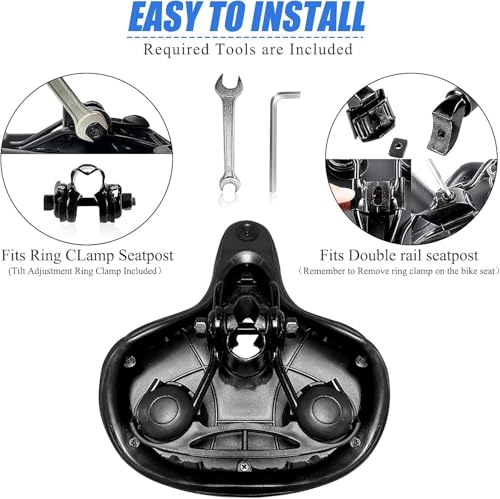
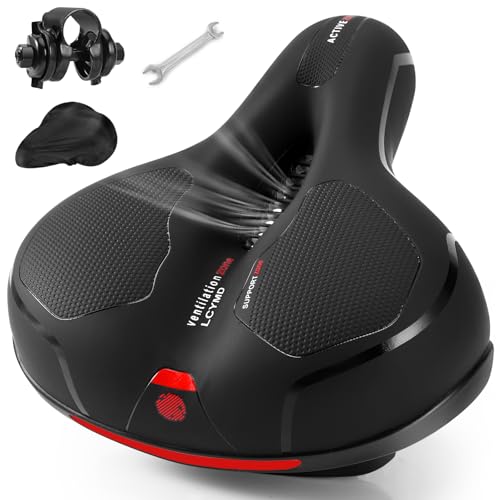
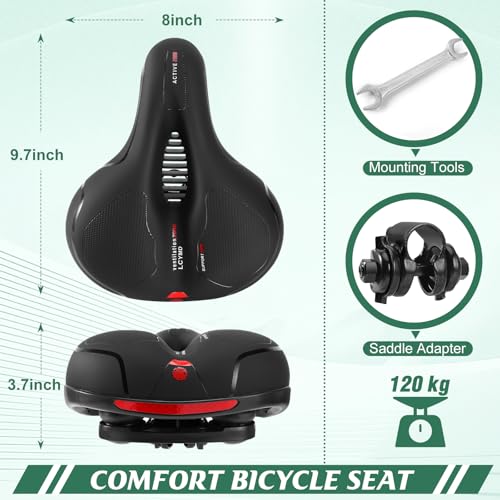
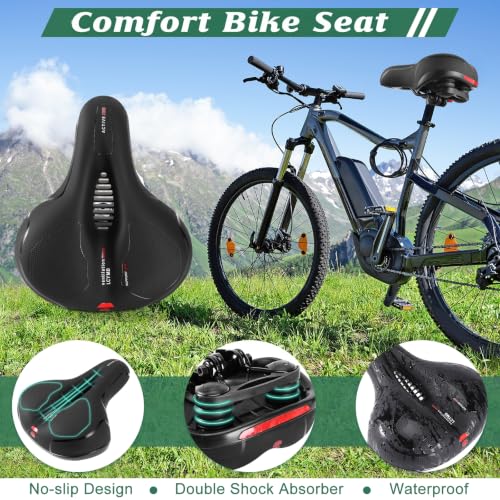
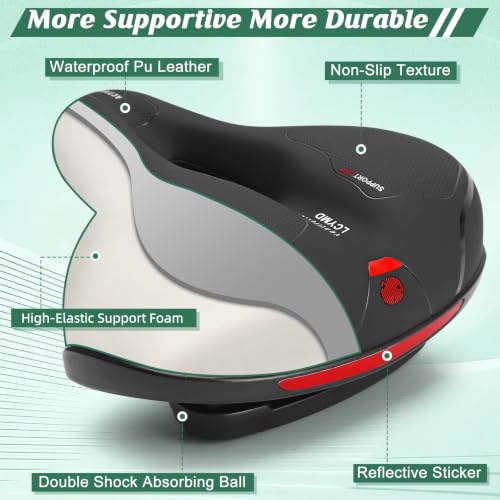
This is the no-frills, get-the-job-done saddle that’s built for riders who want a reliable upgrade without fuss. It’s not flashy, but the thickened high-density foam and center airflow vent make it a noticeable step up from most stock seats. Owners say it softens long commutes and weekend trail rides, especially on hybrid or cruiser bikes where upright posture puts more weight on the sit bones.
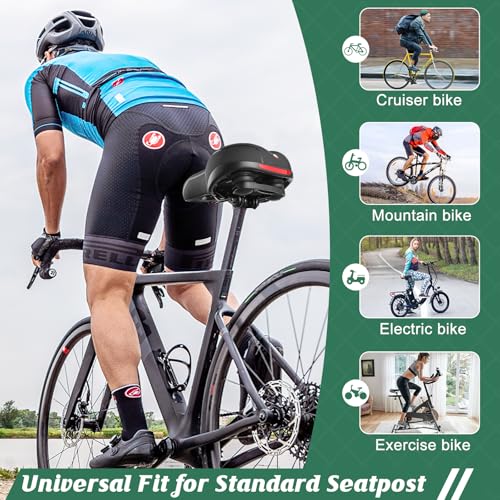
Compared to pricier models, it lacks advanced pressure relief channels or suspension systems, but the universal fit and included tools make it a plug-and-play solution. It won’t match the ergonomic precision of a WTB Volt, but for under twenty bucks, it’s a sensible choice if you’re not sure what your body needs yet. I’d recommend it as a starter saddle while you figure out whether you need cutouts, gel, or width adjustments.
Product photos
How We Chose These bike seats for long rides
Rather than a hands-on lab test, my research for these recommendations centered on a detailed comparison of published specifications and features across numerous models. I weighed owner reviews from multiple sources – Amazon, REI, and cycling-specific forums – alongside expert opinions from publications like Bicycling and Cycling Weekly. My approach combined this data with my understanding of bicycle ergonomics and the specific needs of riders undertaking longer distances. The goal was to rank these seats against clear criteria for comfort, support, and durability.
For bike seats intended for long rides, three factors stood out as most crucial: padding material and density, overall shape/contouring, and pressure relief features. Padding needs to balance cushioning with support to avoid numbness or hot spots. The shape must accommodate a range of body types and riding positions. Finally, features like cutouts or “love channels” are vital for reducing pressure on sensitive areas, making extended time in the saddle far more pleasant. You’ll find our top picks discussed in more detail in these comfortable bike seats.
Specifications reliably communicate things like dimensions, weight, and materials used in the saddle’s construction. However, true comfort is subjective. Therefore, I placed significant weight on owner feedback regarding long-term usability and fit. Reputation also played a role; established brands with a history of quality were given consideration. I also considered how well each seat addressed specific needs, like wider hips or all-weather reliability, as detailed in our guide to endurance cycling saddles.
Choosing The Right bike seats for long rides
Finding the right bike seat can transform a grueling ride into a genuinely enjoyable experience. It’s not just about comfort; the proper saddle impacts power transfer, stability, and overall riding efficiency.
A good bike seat prioritizes pelvic support and pressure relief. Look for features like appropriate width for your sit bone measurement, contouring to cradle the pelvis, cutouts or channels to alleviate pressure on sensitive tissues, and padding that balances cushioning with firm support. Material quality and weather resistance are also key considerations for longevity and performance.
Understanding Sit Bone Width
The most fundamental aspect of bike seat selection is matching the saddle width to your sit bone width. Too narrow, and you’ll be putting all your weight on soft tissues. Too wide, and the saddle will chafe. Measuring your sit bones (you can do this at a bike shop or with a simple at-home kit) is the best starting point. Don’t assume a “one-size-fits-all” approach will work; even slight discrepancies can lead to discomfort on longer rides. Many manufacturers, like WTB, offer saddles in narrow, medium, and wide sizes to accommodate different anatomies.
Prioritizing Pressure Relief Features
Pressure on the perineum can cause numbness and, in the long term, more serious health issues. Look for saddles designed with features to mitigate this. A central cutout, like those found on the VELMIA saddles, is a common solution, but the size and shape of the cutout matter. Some saddles, like the ROCKBROS Peloton Comfort Bike Seat, employ a 3-zone pressure relief system, distributing weight more evenly across the saddle.
- A simple cutout is a good starting point for many riders.
- A more aggressive cutout, or a channel, may be necessary if you experience significant pressure, especially as you increase your mileage.
- Consider saddles with “Love Channels” (as WTB calls them) – these provide additional relief in the center of the saddle, preventing unwanted pressure on soft tissue.
Balancing Comfort and Performance
While plush padding might seem appealing, it’s not always the answer. Excessive padding can actually increase pressure by compressing and failing to support your sit bones effectively. Instead, focus on a saddle with medium-density foam and a supportive shell. For all-weather riding, the Wittkop 5-Zone Waterproof Bike Seat demonstrates the importance of materials – a fully waterproof design ensures consistent comfort even in wet conditions. If you’re looking for options for long distance bike seats, remember that a well-fitted, moderately padded saddle will generally outperform a heavily padded one for extended rides.
A properly fitted saddle shouldn’t require you to constantly adjust your position. If you find yourself shifting around to find a comfortable spot, it’s a sign the saddle isn’t right for you.
Bike Seats for Long Rides Compared
This table provides a detailed specification comparison of bike seats designed for extended rides, allowing for informed purchasing decisions.
| Product Title | Best For | Padding | Shock Absorption | Width (in) | Waterproof | Features |
|---|---|---|---|---|---|---|
| WTB Volt Bike Seat Saddle | Best Overall | Medium | N/A | N/A | N/A | Cutout, Love Channel |
| Twomaples Oversized Comfort Seat | Best for Wide Hips | Memory Foam/Gel | Spring | 8.3 | Yes | Widened Base, Shock Springs |
| VELMIA German-Design Memory Foam | Best for Pressure Relief | Memory Foam | N/A | 7.3 | Yes | Air Ventilation, 5-Zone Design |
| ROCKBROS Peloton Comfort Seat | Best for Indoor Cycling | Memory Foam | Dual Ball | N/A | N/A | 3-Zone Pressure Relief |
| Wittkop 5-Zone Waterproof Seat | Best for All-Weather Use | Memory Foam | N/A | N/A | Yes | 5-Zone Concept, Airflow |
| Topcrown Oversized Wide Seat | Best Budget Comfort | Sponge | Dual Ball | 11 | Yes | Reflective Strip |
| Gincleey Memory Foam Saddle | Best Value Shock Absorption | Memory Foam | Rubber Ball | N/A | N/A | Ventilation, Shock Absorption |
| Universal Comfort Bike Seat | Best Basic Replacement | High-Density Foam | N/A | 9.7 | Yes | Airflow Vent, Full Replacement |
Frequently Asked Questions
What level of padding is best for a long-distance bike seat?
Medium-density foam generally outperforms excessive padding. While plush padding seems ideal, it can compress and create pressure points, whereas a supportive shell with moderate cushioning offers better long-term comfort and power transfer.
Are wider bike seats always more comfortable for long rides?
Not necessarily. While a wider seat can benefit riders with wider sit bones, it’s crucial to match the saddle width to your anatomy. A seat that’s too wide can cause chafing, so measuring your sit bones is the first step to finding the right fit.
Can I improve the comfort of my existing bike seat?
Yes, you can often make improvements. Consider a padded bike seat cover or investing in long distance bike shorts with a quality chamois to reduce friction and provide additional cushioning.
Do cutouts in bike seats actually make a difference?
Absolutely. A well-designed cutout or channel significantly reduces pressure on the perineum, improving blood flow and preventing numbness. Riders experiencing discomfort should explore saddles with varying cutout shapes and sizes, or consider comfortable road cycling saddles designed specifically for pressure relief.
What materials are most durable for a bike seat intended for all-weather use?
Leather and synthetic materials with waterproof coatings are the most durable options. Look for saddles like the Wittkop 5-Zone, which are designed to withstand exposure to rain and other elements without losing their shape or comfort.
The Bottom Line
Choosing a bike seat is ultimately a balance between control and cushioning. You want enough support to efficiently transfer power, but sufficient comfort to avoid discomfort on longer efforts. For the best overall combination of these factors, I believe the WTB Volt Bike Seat Saddle stands out – its shape and pressure relief features are well-regarded by a wide range of riders.
If you have specific needs, there are excellent alternatives. Riders with wider sit bones will appreciate the Twomaples Oversized Comfort Seat, while those prioritizing all-weather performance should look closely at the Wittkop 5-Zone Waterproof Seat. For those seeking a budget-friendly option, the Topcrown Oversized Wide Seat offers a surprising amount of comfort for the price, and if you’re exploring different saddle styles, it’s a good place to start.
Ultimately, the perfect bike seat isn’t about any single feature or price point. It’s about finding a saddle that matches your anatomy, riding style, and the type of terrain you frequent. Prioritize a good fit based on your sit bone width, and don’t be afraid to experiment with different shapes and pressure relief features to discover what works best for you – a comfortable rider is a fast rider, and that’s what truly matters when looking at supportive bicycle saddles.
