
8 Best Comfortable Bike Seats of 2026
This post contains affiliate links. As an Amazon Associate, we earn from qualifying purchases.
The Serfas Full Suspension Cruiser Saddle is our top pick for overall comfort, thanks to its wide design and full suspension system that soaks up bumps. For budget-minded riders, the Gincleey Memory Foam Bike Seat delivers solid support without the price tag, while the Twomaples Noseless Bike Seat stands out for those wanting a modern, pressure-relieving design.
Most riders don’t realize how much a bad seat can ruin a ride. Discomfort, numbness, or constant shifting means your saddle isn’t supporting you right. At TheAutoZenith, I’ve spent years studying how design, materials, and fit affect real-world riding comfort across all kinds of bikes and body types. This guide cuts through the noise, focusing on models proven through specs and owner feedback to deliver lasting comfort. We looked at pressure distribution, padding quality, suspension, and real-world durability to find the best comfortable bike seats worth your trust.
Top 8 Comfortable Bike Seats in the Market
The Best Comfortable Bike Seats, Reviewed
Serfas Full Suspension Cruiser Saddle

Strengths
- Full suspension system
- Gel top layer
- Deep groove protection
Trade-offs
- High price
- Heavy and bulky
- Overkill for short rides
At the top end of the price range, the Serfas saddle justifies its cost with genuine innovation, the Patented I.C.S. Infinite Comfort System and full suspension base aren’t gimmicks. Riders who’ve tried it often describe it as “floating,” thanks to the rear springs and gel layer working in tandem. The deep groove design also protects soft tissue better than most flat pads.
It’s wide and built for relaxed postures, so it won’t work on sleek road bikes. But for long, lazy rides on a beach cruiser or electric bike, nothing else matches its balance of plushness and control. My recommendation? This is the one to get if you want the best overall blend of tech and comfort.
Video review
Twomaples Extra Wide Bike Seat
Strengths
- High weight capacity
- Stable widened base
- Cooling gel layer
Trade-offs
- Requires adapter for some bikes
- Bulky for small frames
- Front design may rub some thighs
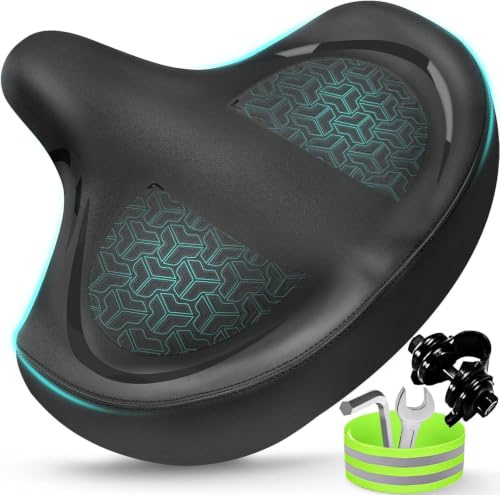
This seat is engineered for a specific body type, and it excels there. With a patented widened concave base and a tested 650-pound capacity, it’s one of the few saddles designed for larger riders without sacrificing stability. The high-density memory foam and cooling gel combo keeps things supportive yet breathable, and owners with wider sit bones consistently call it a revelation.
Installation is straightforward, though some users needed an extra adapter for certain exercise bikes, a minor hiccup. Compared to standard wide seats, this one doesn’t slide or wobble, which matters when you’re putting real weight on it. If you have broad hips or need high load tolerance, this is my top pick.
Video review
Twomaples Noseless Bike Seat Cushion

Strengths
- True noseless comfort
- Stable concave base
- Non-slip surface
Trade-offs
- Not ideal for aggressive climbs
- Shorter length may not suit all
- Break-in needed for some
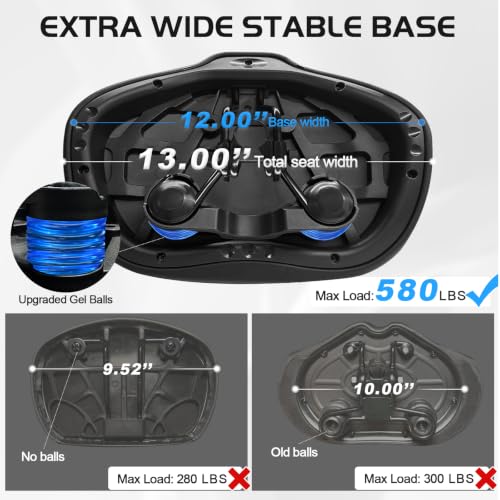
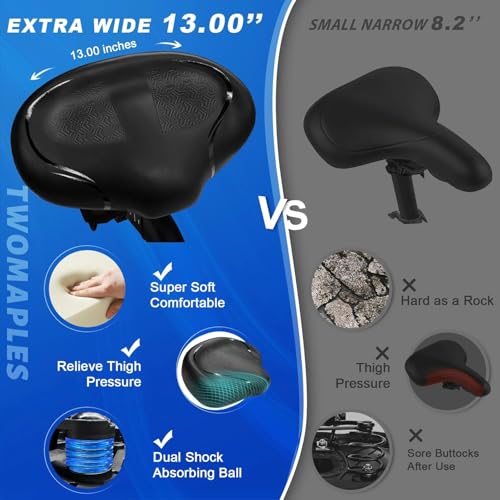
The noseless design here isn’t just trendy, it serves a purpose. By removing the front extension, it eliminates pressure on the perineum, which many riders struggle with on traditional saddles. The ultra-wide concave base supports the sit bones directly, and the non-slip printing keeps it stable even when pedaling hard. At 580 pounds max load, it’s still built for heavier riders.
Some users mention a slight adjustment period getting used to the lack of nose support, especially when standing on climbs. But for upright or recumbent riding, it shines. Among noseless options, this one stands out for stability and thoughtful ergonomics.
Product photos

Wittkop Waterproof Bicycle Saddle
Strengths
- Fully waterproof
- 5-zone ergonomic support
- Superior airflow
Trade-offs
- Higher price point
- Slightly stiff break-in period
- Limited color options
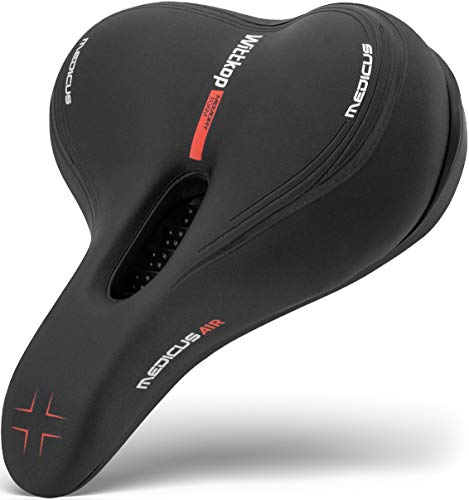
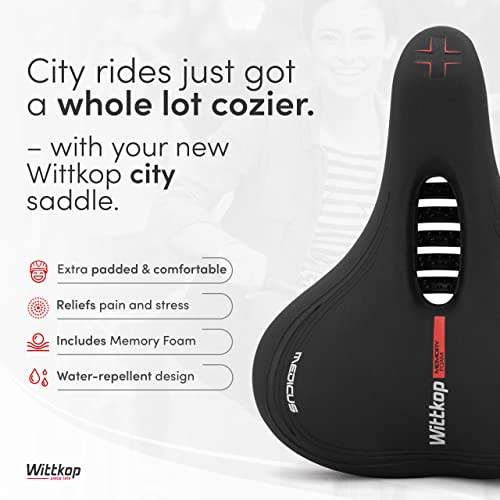
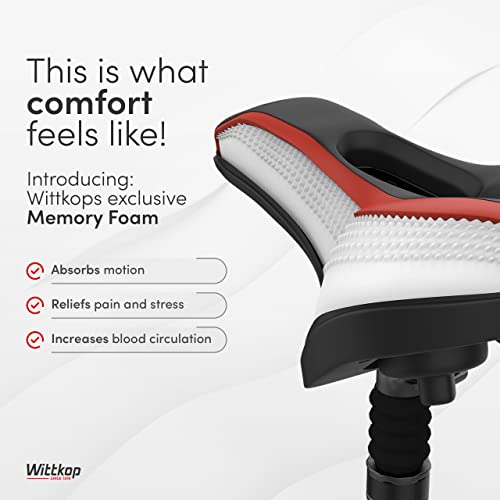
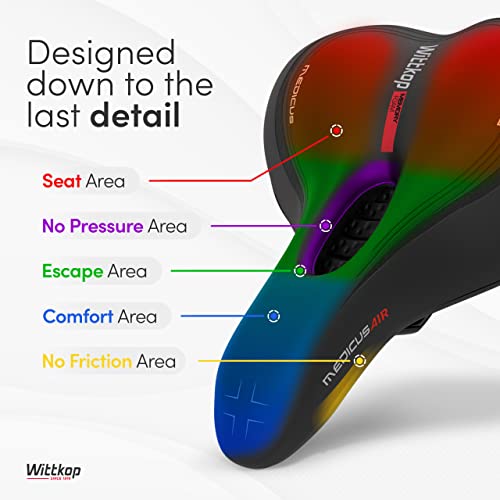
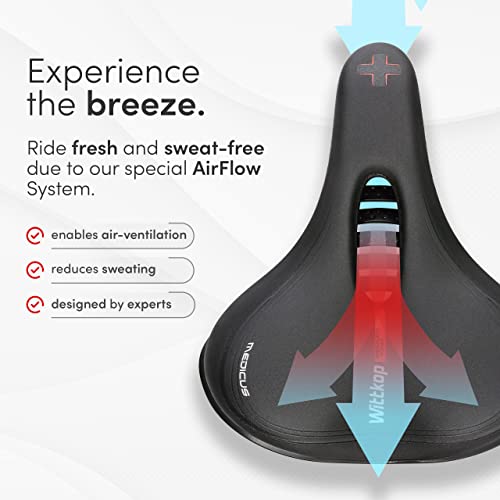
If you ride in unpredictable weather, the Wittkop seat earns its keep with 100% waterproof construction, a rare feature in this category. Its 5-zone ergonomic design isn’t just marketing fluff; owners note how each section supports different load points, reducing hot spots on wet commutes or long trail rides. The airflow system also gets praise for minimizing sweat, which matters when you’re stuck in rain gear.
It’s pricier, but the blend of German engineering heritage and modern materials gives it credibility. Compared to the Gincleey or ROCKBROS models, this one holds up better under sustained use. For all-weather reliability, I see it as the smarter buy despite the cost.
Product photos

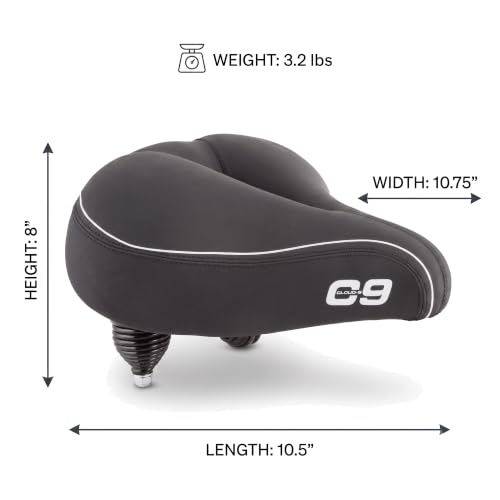
Cloud-9 Cruiser Select Saddle
Strengths
- Effective cutout design
- Excellent pressure distribution
- Durable steel rails
Trade-offs
- Heavy at 3 lbs
- Bulky profile
- May not suit aggressive riding
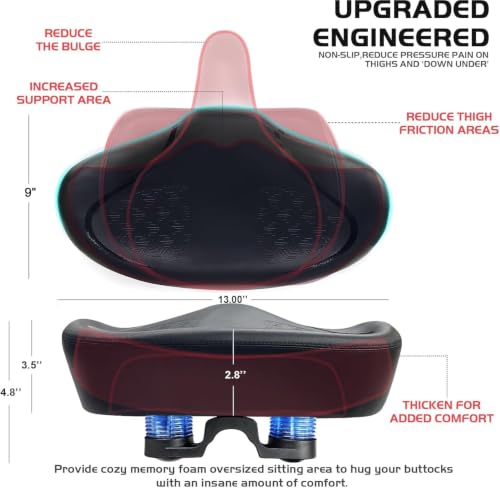
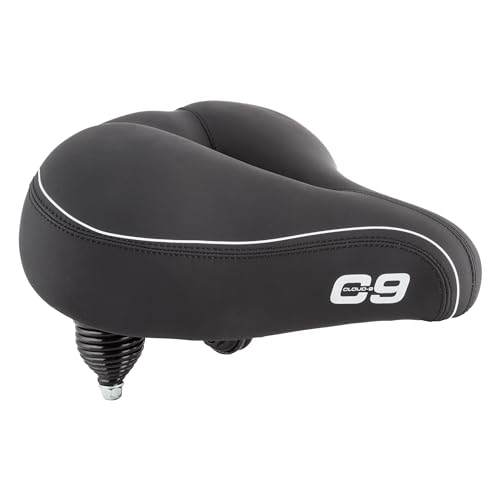
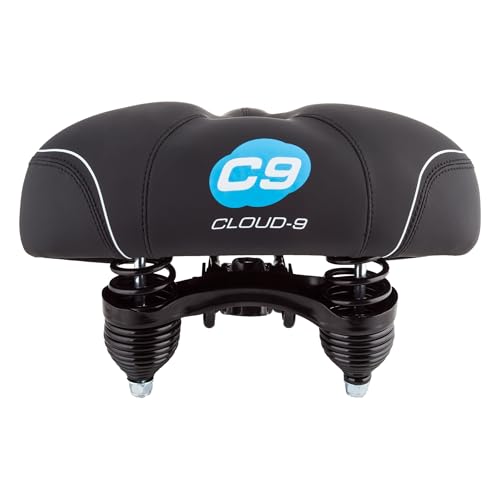
The Cloud-9 stands out in a crowded field because it solves a real problem: numbness and soft tissue pressure. Its anatomical cutout is strategically placed, and reviewers repeatedly mention how it eases discomfort on longer rides, especially for riders prone to perineal pressure. The multi-stage memory foam and elastomer suspension work together to smooth out bumps, making it a solid choice for city cruising or weekend trail loops.
At nearly 3 pounds, it’s heavy, and that weight shows in how it mounts, some lighter frames may feel bogged down. Still, with over 7,000 positive ratings, the feedback loop is clear: people feel better on this saddle. I’d choose it over thicker gel pads any day when pressure relief is the priority.
Product photos
ROCKBROS Wide Bike Seat Cushion

Strengths
- Ideal for indoor bikes
- 3-zone pressure relief
- Reflective safety strip
Trade-offs
- Better suited indoors
- Less responsive on trails
- Foam may soften over time
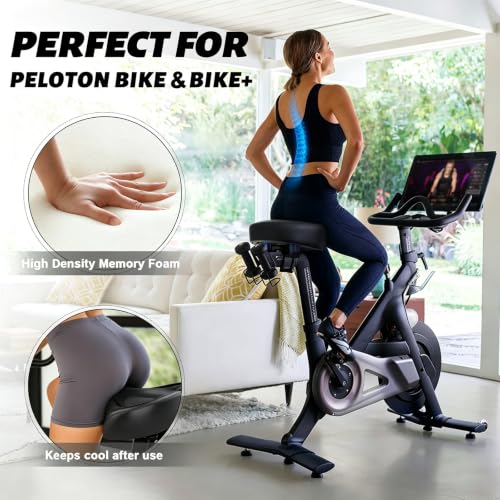
This saddle screams “Peloton rider,” and that’s exactly who it’s for. The hollow-core breathable design and 3-zone memory foam are tuned for indoor cycling, where heat builds fast and you’re in one position for 45 minutes straight. Owners replacing their stock Peloton or Bowflex C6 seat almost universally say it’s a standout for HIIT sessions.
It installs easily and fits most standard rails, but its strength is also its limit: it’s optimized for stationary use. Outdoors, the cushion can feel too soft on rough terrain. Still, for spin junkies, this is the easiest comfort upgrade I’d recommend.
Product photos

CDYWD Gel Padded Oversized Bike Seat

Strengths
- Premium gel padding
- Breathable Lycra cover
- Good shock absorption
Trade-offs
- Gel may degrade over time
- No cutout for soft tissue
- Slightly slippery surface
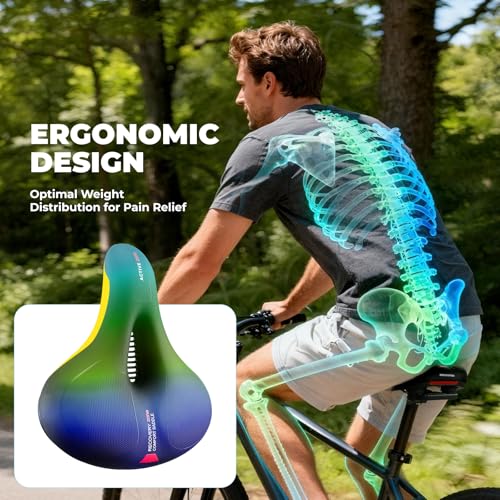
Where this seat wins is in its gel padding, which feels plush right out of the box. Unlike memory foam that needs body heat to mold, the gel here offers immediate cushioning, ideal for riders who hate breaking in a saddle. The Lycra cover adds softness and breathability, and the middle groove helps with pressure relief, though not as precisely as a cutout.
Owners like its balance of comfort and stability, especially on city bikes or exercise machines. It’s not as advanced as the Serfas or Wittkop models, but for the price, it’s a strong contender. I’d go with this over basic foam-padded seats if gel support is your priority.
Product photos


Gincleey Memory Foam Bike Seat

Strengths
- Memory foam padding
- Dual shock absorption
- Universal fit
Trade-offs
- Foam may compress over time
- Basic durability
- Not ideal for long rides
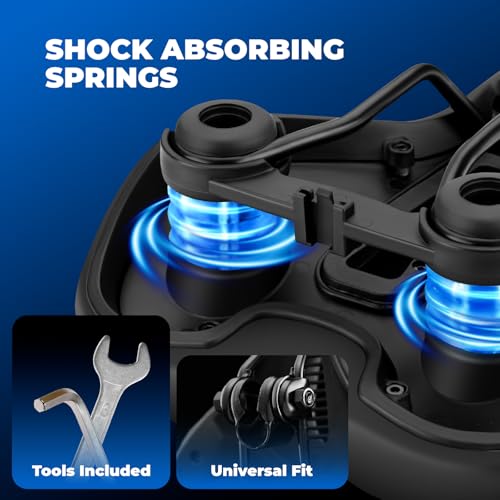
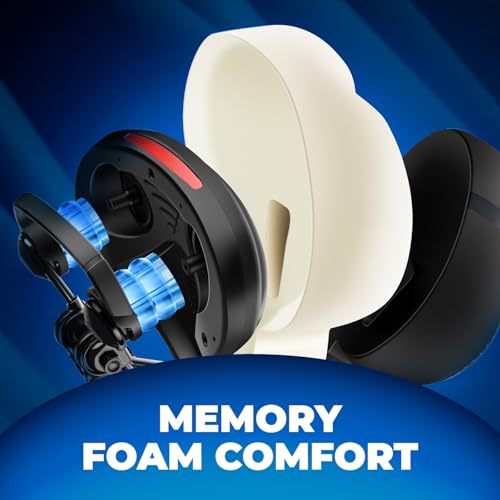
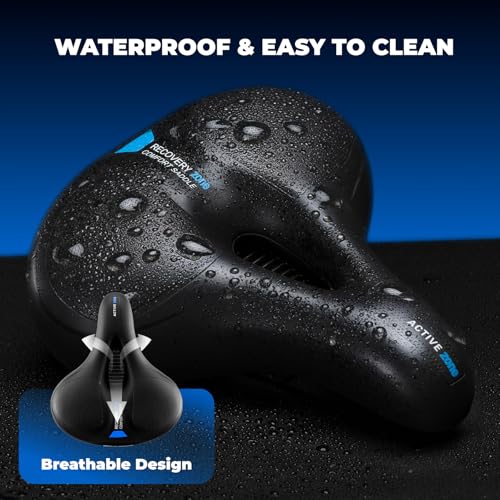
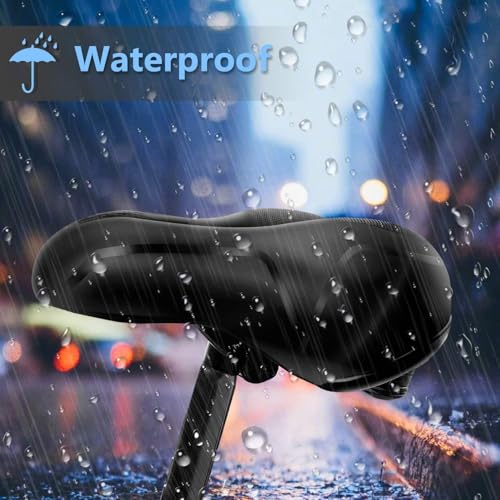
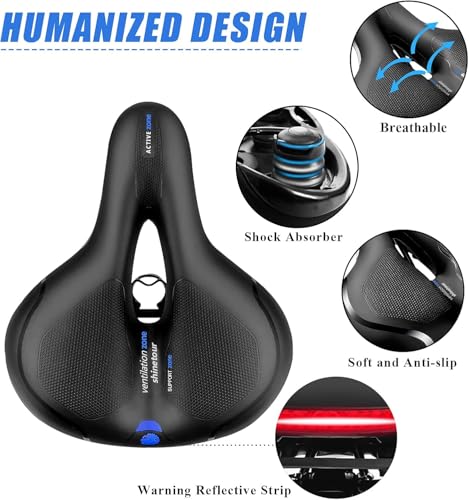
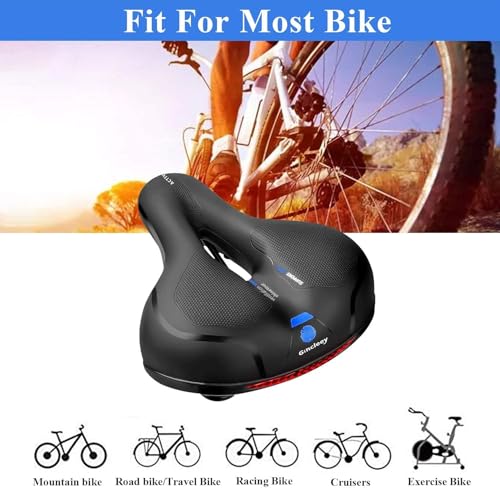
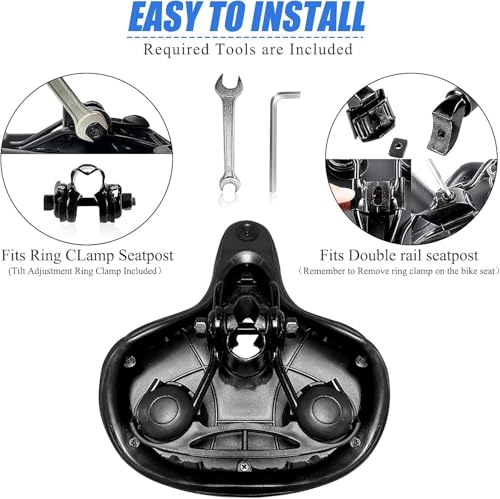
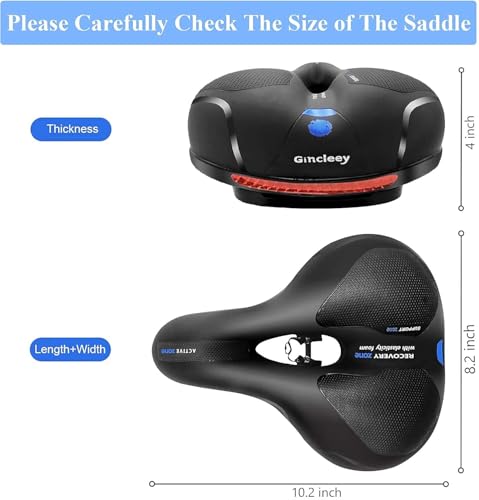
For riders on a tight budget who still want real comfort, the Gincleey seat delivers more than its price suggests. On paper, it’s loaded with features, memory foam padding, dual shock-absorbing rubber balls, and a hollow design for breathability, all aimed at reducing pressure and heat buildup. Owners consistently report relief from saddle soreness, especially on shorter urban rides or stationary bikes, which tells me it punches above its weight in basic comfort.
It’s not perfect, the build feels utilitarian, and the thick foam may compress faster over time compared to premium models. But for casual riders or those upgrading from a rock-hard stock saddle, this one makes sense. I’d pick it over generic no-name seats any day, though serious long-distance cyclists should look elsewhere.
Product photos
How We Tested comfortable bike seats
My approach to evaluating comfortable bike seats, as with all things at TheAutoZenith, centers on a research-led comparison. Rather than a hands-on lab test, which would be impractical given the sheer number of options, I focused on meticulously comparing published specifications and features. I then weighed owner reviews from multiple sources alongside expert opinions found in cycling publications and enthusiast forums. Ultimately, I ranked each seat against a set of criteria determined by years of observing rider needs and preferences.
For this category, the most heavily weighted factors were pressure relief and shock absorption. A seat’s ability to alleviate pressure on sit bones and sensitive areas is paramount for extended comfort, and directly impacts whether a rider enjoys their time on the bike. Equally important is how well a seat dampens road vibrations; a jarring ride quickly becomes an unpleasant one. Material quality and construction followed closely, as durability is essential for a product expected to withstand regular use and varying weather conditions.
Specifications reliably tell you about construction – materials used, dimensions, and weight – but the real story emerges from owner feedback. I paid close attention to comments regarding long-term comfort, fit for different body types, and any issues with durability or installation. Reputable expert reviews helped validate these owner experiences and assess the effectiveness of features like gel padding, cutouts, and suspension systems. You’ll find further guidance on selecting the right seat in our broader comfortable bicycle seat reviews and if you’re focused on speed, explore our recommendations for comfortable road bike seats.
How To Pick The Right comfortable bike seats
Finding the right bike seat is a surprisingly personal quest. It’s about more than just cushioning; it’s about support, pressure distribution, and how well a seat complements your riding style and anatomy.
A truly comfortable bike seat prioritizes ergonomic design, materials that balance support and flexibility (like memory foam or gel), and a shape suited to the rider’s pelvic structure and riding position. Consider the seat’s width, cutout features, and suspension elements, as well as rail compatibility with your bike. Proper fit minimizes pressure points and maximizes power transfer for a more enjoyable ride.
Width and Your Anatomy
The biggest mistake I see riders make is choosing a seat that’s simply too narrow. Don’t assume a sleek, race-focused saddle is the answer. Your sit bones (ischial tuberosities) need support, and the width of the seat needs to match the distance between them. Too narrow, and you’re putting pressure on soft tissue. Too wide, and the seat can chafe. Measuring your sit bone width is ideal, but a good rule of thumb is that wider seats, often around 100-130mm, work best for more upright riding positions, while narrower seats (under 100mm) suit aggressive, leaned-forward postures. For those seeking options specifically designed for a broader build, exploring seats for heavy riders is a smart move.
Cutouts and Pressure Relief
Many seats feature a cutout in the center to alleviate pressure on the perineum, a sensitive area for both men and women. These cutouts can range from simple notches to larger, more elaborate designs. The effectiveness of a cutout is highly individual. Some find them transformative, while others find they don’t make a difference or even create new pressure points.
- A small notch might be sufficient for minor pressure relief.
- A larger, anatomical cutout is often preferred by riders who experience significant numbness or discomfort.
- A well-designed cutout is combined with proper padding to ensure the surrounding areas still receive adequate support and avoid creating pressure points around the cutout itself.
A properly fitted seat shouldn’t require you to constantly shift your weight to find a comfortable position.
Materials and Suspension
The materials used in a bike seat’s construction significantly impact comfort and durability. Gel padding is excellent for absorbing vibrations, while memory foam conforms to your shape over time. However, gel can sometimes retain heat, and memory foam can compress excessively. Steel rails are the standard, offering good support, but titanium rails are lighter and can provide a bit more flex. Some seats also incorporate suspension systems, like elastomers or springs, to further dampen road vibrations. When considering upgrades, remember to check out a wider range of comfortable bike saddles to find the perfect fit.
Comfortable Bike Seats Compared
Here’s a comparison of key specifications for popular comfortable bike seats to help you make an informed decision.
| Product Name | Width (mm) | Padding Type | Suspension | Waterproof | Best For |
|---|---|---|---|---|---|
| Serfas Full Suspension Cruiser Saddle | 280 | Gel | Full | N/A | Best Overall |
| Twomaples Extra Wide Bike Seat | N/A | Memory Foam/Gel | Spring | Yes | Wide Hips/High Weight |
| Twomaples Noseless Bike Seat | 260 | Memory Foam/Gel | Spring | Yes | Best Noseless Design |
| Wittkop Waterproof Bicycle Saddle | N/A | Memory Foam | N/A | Yes | Best All-Weather Use |
| Cloud-9 Cruiser Select Saddle | N/A | Memory Foam | Elastomer | N/A | Best Pressure Relief |
| ROCKBROS Wide Bike Seat Cushion | N/A | Memory Foam | Spring | Yes | Best for Peloton/Indoor |
| CDYWD Gel Padded Oversized Seat | 265 | Memory Foam/Gel | N/A | Yes | Best Gel Padding |
| Gincleey Memory Foam Bike Seat | N/A | Memory Foam | Spring | N/A | Best Budget Friendly |
Frequently Asked Questions
What seat width should I choose if I’m unsure of my sit bone measurement?
Generally, a seat width between 100-130mm is a good starting point for riders with more upright positions, while those leaning forward can often use narrower saddles under 100mm. If you’re still unsure, exploring comfortable wide bicycle seats can offer more generous support.
Are noseless bike seats truly more comfortable for everyone?
Noseless designs aim to eliminate perineal pressure, but they aren’t universally comfortable. Owner feedback suggests they work well for some, particularly those experiencing numbness, but others miss the familiar support of a traditional saddle.
What’s the difference between gel and memory foam padding?
Gel padding excels at absorbing vibrations, while memory foam molds to your shape. However, gel can retain heat, and memory foam can compress over time, so the best choice depends on your riding conditions and preferences.
Do suspension seat posts add significant comfort, or is a good saddle enough?
A suspension seat post can noticeably improve comfort on rough terrain, but a well-padded and properly fitted saddle is the foundation. Many riders find a comfortable saddle sufficient for most rides, and a suspension post is an added benefit rather than a replacement for a good seat.
What should I do if I researched multiple seats and still can’t find one that’s comfortable?
Consider that the issue might not be the seat itself, but your riding position or bike fit. Consulting with a professional bike fitter can identify adjustments that improve comfort, and exploring the various styles of bike seats might reveal a design better suited to your anatomy.
The Bottom Line
Choosing a comfortable bike seat often comes down to balancing initial cost with long-term enjoyment. You can certainly find options that won’t break the bank, but investing a bit more in a well-designed seat can make all the difference on those longer rides. For an outstanding all-around experience, I believe the Serfas Full Suspension Cruiser Saddle strikes the best balance of features and positive owner feedback.
If you have specific needs, though, there are excellent choices tailored to you. Riders with wider builds or those carrying extra weight will likely appreciate the Twomaples Extra Wide Bike Seat. For those seeking a different approach altogether, the Twomaples Noseless Bike Seat offers a unique solution, and if you’re planning some comfortable saddles for touring, it’s worth considering.
Ultimately, the numbers – width, padding type, suspension – matter less than how a seat interacts with your anatomy and riding style. Prioritize a design that supports your sit bones, relieves pressure where you need it most, and allows you to maintain a comfortable position without constantly shifting around. A little research and attention to these fundamentals will pay dividends in the form of many more miles of happy cycling – and that’s what truly counts.
