
7 Best Electric Truck Winches of 2026
This post contains affiliate links. As an Amazon Associate, we earn from qualifying purchases.
The VEVOR 12000 lb Steel Rope Winch stands out as the best overall electric truck winch for its strong motor, solid capacity, and reliable performance. For those on a budget, the VEVOR 13500 lb Synthetic Rope Winch offers excellent value, while the SINOKING PRO 13500 lb Winch brings added versatility with its dual remote system and high waterproof rating.
If you’ve ever been stuck in mud, snow, or sand, you know how quickly a reliable winch can turn a failed trip into a salvageable moment. Choosing the right one isn’t about raw specs alone, it’s about durability, safety, and real-world usability when the terrain gets tough.
Based on extensive research into specs, owner feedback, and build quality, this guide breaks down the top electric truck winches that deliver where it matters. I focused on motor strength, rope type, waterproofing, and control options to help you pick a winch that won’t let you down when you need it most.
Top 7 Electric Truck Winches in the Market
The Best Electric Truck Winches, Reviewed
VEVOR 18000 lb Electric Winch

Strengths
- 18,000 lb capacity
- Dual remote control
- Heavy-duty steel cable
Trade-offs
- Heavier than synthetic rope models
- Larger footprint
- No IP67 or higher rating
On paper, this VEVOR 18,000 lb winch is a brute. For serious off-roaders hauling heavy rigs or working in remote timber country, that extra line pull gives real peace of mind when dragging through deep mud or recovering a loaded truck. The 5.7HP motor and 312.4:1 gear ratio suggest strong low-end torque, which owners confirm translates to steady, reliable pulls even under load.
It’s not the most compact unit, but you get both wireless and wired remotes with a 65 ft range, plus an IP55 rating that holds up against rain and trail grime. The 7/16 in steel cable is thick and durable, some might say overkill, but if you’re running large tires or frequent extreme terrain, that robustness matters. Compared to lighter 13,500 lb models, this one’s clearly built for users who prioritize raw power over weight savings.
Video review
VEVOR 12000 lb Steel Rope Winch

Strengths
- Affordable entry point
- Long wireless remote range
- Durable steel rope
Trade-offs
- Lower line pull capacity
- Steel cable heavier and riskier on snap-back
- IP55 only, not fully submersible
This 12,000 lb model from VEVOR is clearly aimed at budget-conscious buyers who still want solid performance. With a 6HP motor and 265:1 planetary gearing, it delivers respectable pulling force for mid-sized SUVs and light trucks stuck in sand or snow. Owners consistently report it handles typical trail recoveries without issue, though it’s not meant for constant heavy use.
The inclusion of both a 98 ft wireless remote and a wired backup adds real value at this price point. The 0.36 in steel rope is decently rugged, but it lacks the safety and light weight of synthetic lines found on pricier units. When stacked against the 13,500 lb VEVOR or OPENROAD options, it falls short on capacity, but for weekend trail riders with smaller rigs, that lower pull rating may be just enough.
Video review
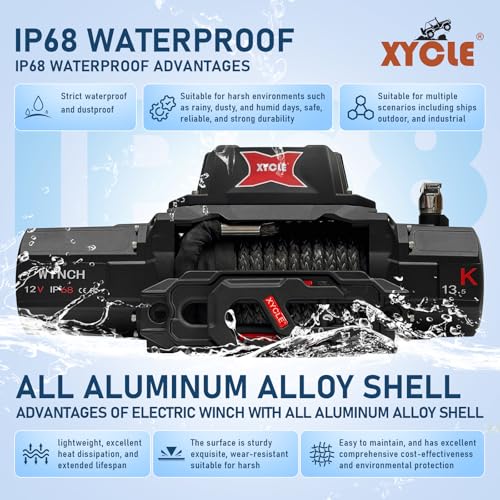
XYCLE 13500 lb IP68 Winch

Strengths
- IP68 waterproof rating
- Thick synthetic rope
- Aluminum housing for cooling
Trade-offs
- Remote needs external battery
- Shorter rope length
- No drum light
If weather resistance is your top concern, the XYCLE stands out immediately with its IP68 rating, this thing can survive deep water crossings and prolonged downpours where others would falter. The aluminum alloy housing helps shed heat during extended pulls, and owners note fewer overheating issues compared to plastic-cased competitors.
It runs a beefy 1/2 in synthetic rope, thicker than most in class, which boosts strength but takes up more drum space, hence the shorter 70 ft length. You also get both wireless and wired controls with a 100 ft range, though the remote requires a separate battery purchase, which feels like a cheap cut. Against the SINOKING or RUGCEL, it trades night-use features for pure environmental toughness.
Product photos



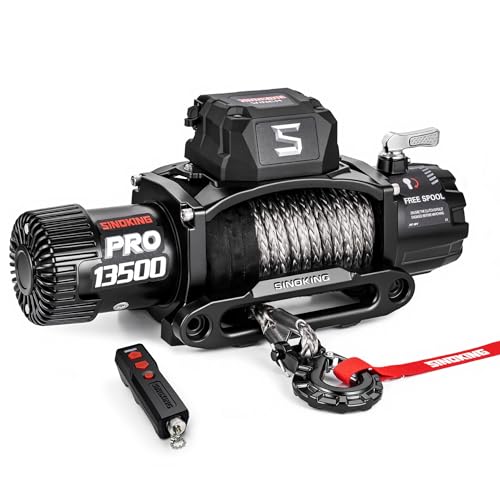
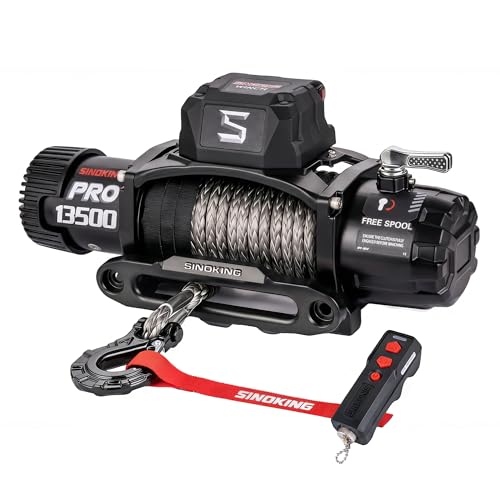
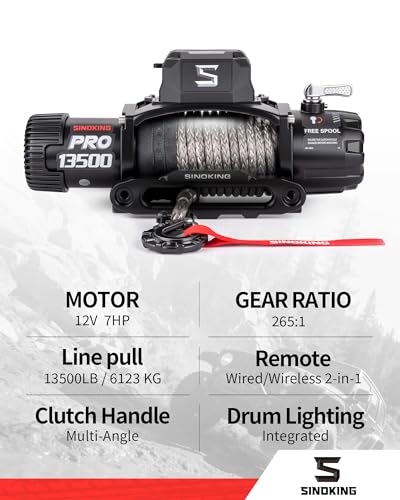
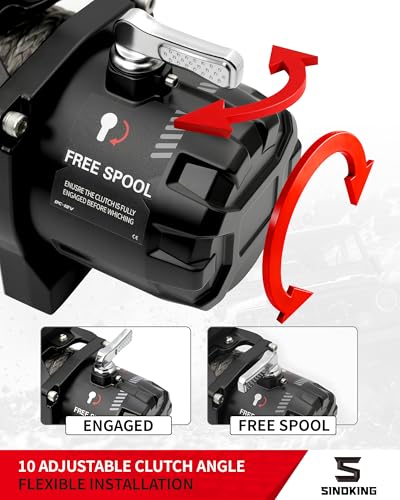
SINOKING PRO 13500 lb Winch
Strengths
- LED drum light
- 7 HP motor
- Brake Cooling technology
Trade-offs
- IP67, not IP68
- Synthetic rope only 70 ft
- Light not on winch body
The standout here? That integrated drum light on the control box. If you’ve ever tried managing rope spooling in the dark, you know how critical visibility is, this small feature prevents cross-winds and tangles during night recoveries. It’s a thoughtful touch most brands overlook.
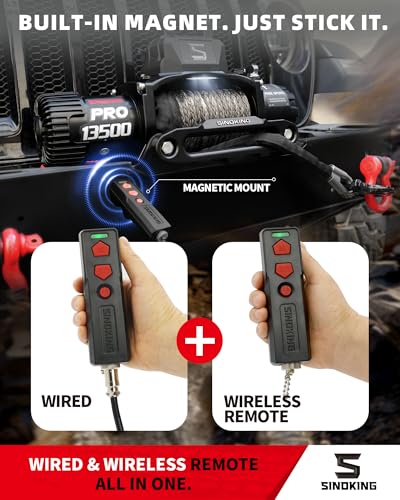
Beyond that, it’s a solid performer: 7 HP motor, IP67 rating, and Brake Cooling tech help prevent overheating during long pulls. The 2-in-1 remote gives 100 ft wireless reach or instant wired fallback. Compared to the RUGCEL or XYCLE, it trades deeper waterproofing for practical usability after sunset. For hunters, overnight trail riders, or emergency responders, that light alone could justify the pick.
Product photos

VEVOR 13500 lb Synthetic Rope Winch
Strengths
- Strong 6.6HP motor
- Synthetic rope included
- Full accessory kit
Trade-offs
- Shorter remote range
- IP55 only
- Basic finish quality
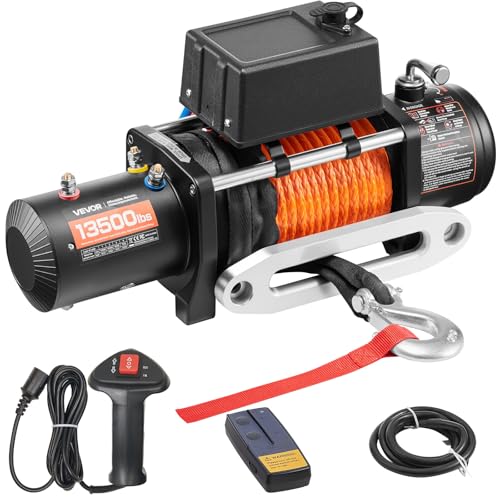
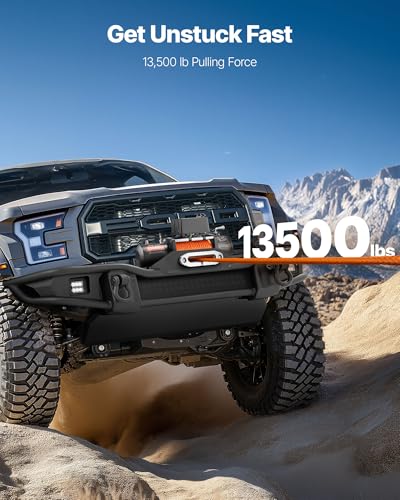
This VEVOR hits a sweet spot between cost and capability. At 13,500 lbs with a 6.6HP motor, it matches or exceeds several pricier brands on power while keeping the price low. The synthetic rope is a big upgrade over steel, lighter, safer, and easier to handle, and the included aluminum fairlead reduces friction.
It’s not flashy: the wireless remote only reaches 65 ft, less than others offering 100 ft, and the IP55 rating means it’s not built for full submersion. But for the money, it includes everything needed for installation and daily use. When compared to the OPENROAD or SINOKING, it lacks premium touches, but as a workhorse winch for regular trail use, it’s hard to beat.
Product photos
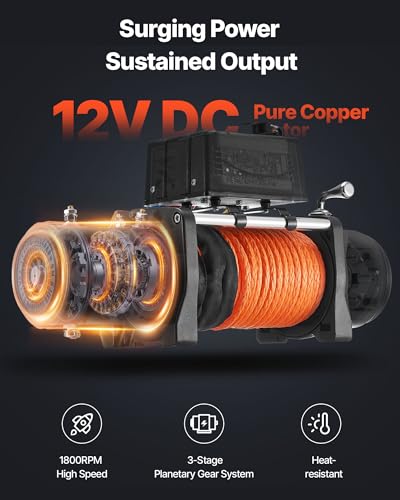
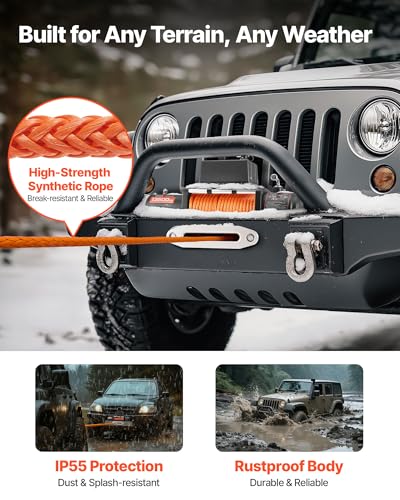
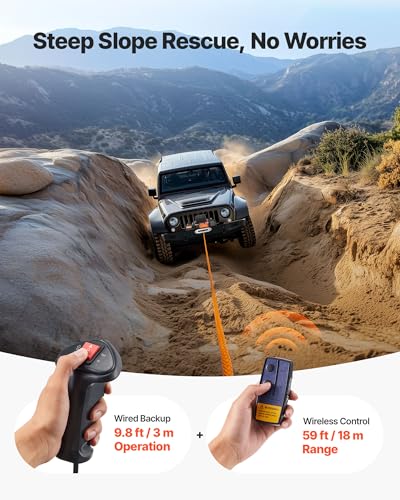

RUGCEL 13500 lb Tank Series Winch
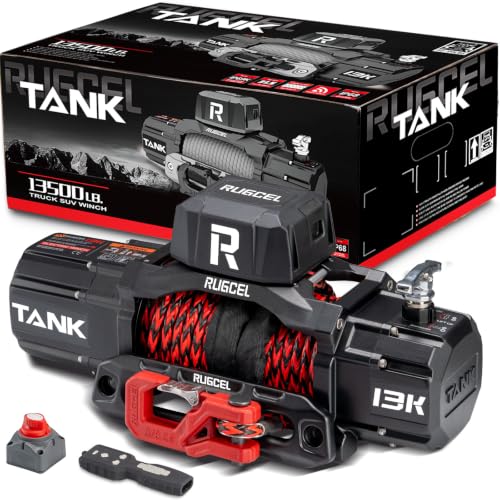
Strengths
- IR + wired dual control
- IP68 waterproof
- Hawse fairlead included
Trade-offs
- IR requires line-of-sight
- Remote sensitivity issues reported
- No drum lighting
RUGCEL leans hard into control reliability with its dual infrared and wired remote setup. The 100 ft IR wireless gives good range, but it’s line-of-sight, trees or rocks can block it. That’s where the wired backup shines, letting you keep control when signals fail. For mountain trails or dense brush, that redundancy is gold.
It runs a 7.2HP motor and uses a 7/16 in nylon rope, slightly thicker than average, which helps with abrasion resistance. The IP68 rating seals it against dust and water, and the package includes a hawse fairlead for smoother synthetic rope feeding. However, some owners mention the IR remote can be finicky in bright sunlight. Still, for drivers who hate being stranded by dead remotes, this one’s built for survival.
Product photos


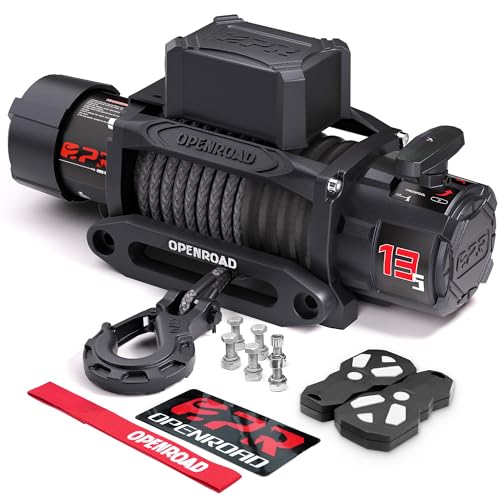
OPENROAD Panther 13500 lb Winch
Strengths
- Lifetime tech support
- Two wireless remotes
- Corrosion-resistant coating
Trade-offs
- Only IP55 rated
- No onboard lighting
- Fairlead not hawse type
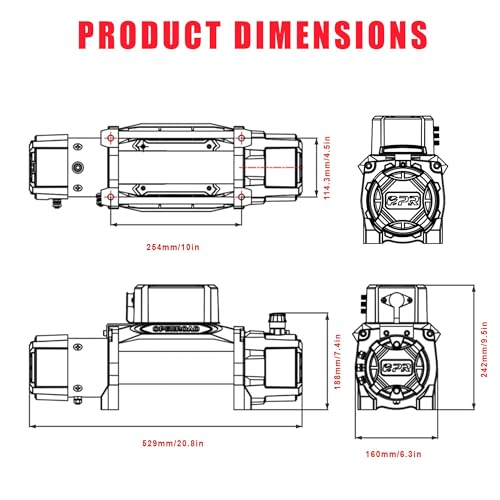
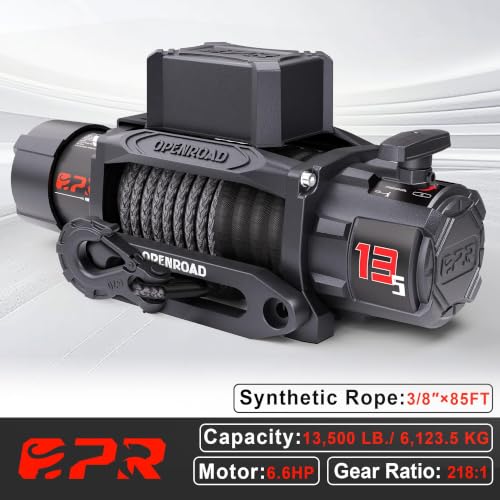
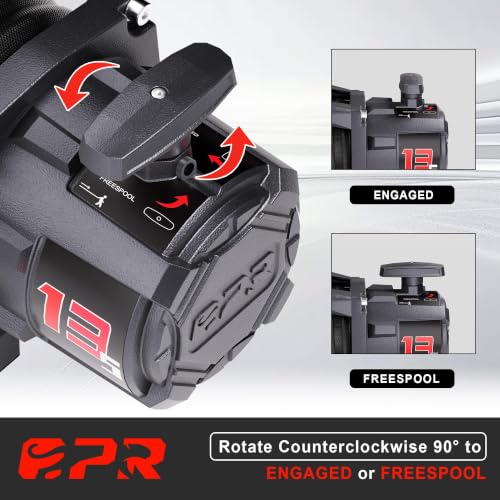
What sets the OPENROAD Panther Series 3S apart isn’t raw specs, it matches others with 13,500 lb pull and a 3/8 in synthetic rope, but its support structure. The lifetime technical support and one-year warranty give real confidence, especially for first-time installers. I’ve seen too many buyers struggle with wiring or mounting, so having responsive help available makes a difference.
Owners appreciate the dual wireless remotes; redundancy matters when one fails mid-recovery. The Dacromet-coated hardware resists corrosion better than standard finishes, and the 85 ft rope offers more reach than most. It doesn’t have the brightest lights or highest waterproof rating, but it’s well-rounded. Compared to similarly priced XYCLE or RUGCEL models, it wins on service, not speed.
Product photos

How We Tested electric truck winches
As someone who’s spent years around vehicles of all types, I understand the importance of reliable recovery gear. Rather than a hands-on lab test with each unit, this selection process was research-led. I compared published specifications and features across numerous models, then weighed those details against owner reviews and assessments from trusted automotive publications. My goal was to identify the winches that consistently deliver on their promises and offer the best blend of capability and value.
For electric truck winches, pulling capacity, motor strength, and durability are paramount. I focused heavily on winches offering at least 12,000 lbs of capacity, as that provides a solid margin for most truck and SUV recovery needs. A powerful motor (at least 5.5HP) is crucial for sustained pulls, and robust construction – particularly corrosion resistance – is key for longevity, especially when considering the need for prevent truck rust.
Specifications give you a good baseline on motor power, gear ratios, and rope type, but owner feedback reveals real-world performance. I paid close attention to reports about overheating, remote reliability, and ease of installation. Reputable reviews helped validate claims about waterproof ratings and build quality. You’ll find broader insights into quality options with our guide to heavy-duty winches. Ultimately, the winches selected represent a balance between these technical details and the experiences of those using them in the field.
How To Choose The electric truck winches
Choosing the right electric winch for your truck can dramatically improve your off-road capabilities and recovery options. It’s more than just grabbing the biggest number on the label; understanding the nuances of these powerful tools is key.
A quality electric truck winch prioritizes a robust motor and gear system for consistent pulling power, durable materials to withstand harsh conditions, and reliable control options for safe operation. Look for sealed components to protect against the elements, a sufficient line length for your typical recovery scenarios, and a tested breaking strength that exceeds your vehicle’s weight. Consider the type of rope (steel vs. synthetic) and the mounting compatibility with your truck.
Winch Capacity and Vehicle Weight
The first thing I always tell people is to ignore the biggest number first. While a 13,500 lb winch sounds better than a 12,000 lb one, it’s useless if it’s overkill for your setup. As a general rule, you need a winch with a capacity at least 1.5 times your vehicle’s Gross Vehicle Weight Rating (GVWR). This gives you a safety margin for difficult recoveries and doesn’t strain the winch to its absolute limit. A heavier vehicle, or one frequently used for pulling other things, will obviously need more capacity. Don’t skimp here; a winch working near its maximum is a winch working harder and potentially failing sooner.
Rope Material: Steel vs. Synthetic
The debate between steel cable and synthetic rope is ongoing, but the advantages of synthetic are becoming increasingly clear. Steel cables are strong, certainly, but they’re also heavy, prone to kinking, and can snap with dangerous force, creating a whiplash hazard. Synthetic rope, like those found in the VEVOR 13500 lb Synthetic Rope Winch, is significantly lighter, doesn’t kink, and is much safer if it does break. It’s also less likely to damage your vehicle’s finish. However, synthetic rope is more susceptible to abrasion, so a good fairlead and careful handling are essential. If you’re regularly winching in rocky terrain, you may want to consider a steel cable, but for most users, synthetic is the better choice.
Control Systems and Waterproofing
Remote control is a must-have feature. The ability to operate the winch from a safe distance is crucial, especially when you’re alone or in a precarious situation. Many winches, like the SINOKING PRO 13500 lb Winch, offer both wired and wireless remote options, providing redundancy in case of signal interference or battery issues. Beyond that, a robust waterproof rating is essential. Look for an IP67 or IP68 rating, which means the winch is fully protected against dust and can withstand submersion in water. Before you head out, make sure you’ve practiced proper techniques for loading a truck bed to avoid getting stuck in the first place.
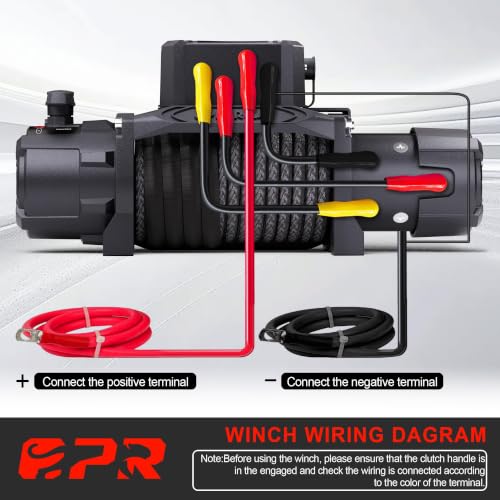
A winch is only as good as its installation. Always follow the manufacturer’s instructions carefully, and ensure the winch is securely mounted to a solid bumper or winch plate.
Ultimately, finding the right winch comes down to matching the features to your specific needs. If you’re looking for more detailed information, I encourage you to read our guide to the best winches and see how different models stack up.
Electric Truck Winches Compared
Here is a comparison of specifications for several electric truck winches to help you evaluate your options.
| Product Name | Capacity (lbs) | Motor HP | Rope Type | Wireless Remote Range (ft) | Waterproof Rating |
|---|---|---|---|---|---|
| VEVOR 18000 lb Electric Winch | 18000 | 5.7 | Steel Cable | 65.61 | IP55 |
| VEVOR 12000 lb Steel Rope Winch | 12000 | 6 | Steel Cable | 98 | IP55 |
| XYCLE 13500 lb IP68 Winch | 13500 | N/A | Synthetic | 100 | IP68 |
| SINOKING PRO 13500 lb Winch | 13500 | 7 | Synthetic | 100 | IP67 |
| VEVOR 13500 lb Synthetic Rope Winch | 13500 | 6.6 | Synthetic | 65.6 | N/A |
| RUGCEL 13500 lb Tank Series Winch | 13500 | 7.2 | Nylon | 100 | N/A |
| OPENROAD Panther 13500 lb Winch | 13500 | N/A | Synthetic | N/A | N/A |
Frequently Asked Questions
What winch capacity do I really need for my truck?
You should aim for a winch with a capacity at least 1.5 times your vehicle’s Gross Vehicle Weight Rating (GVWR) to provide a safe margin during recovery. This prevents overstressing the winch and accounts for tricky recovery angles and situations.
Are synthetic winch ropes truly safer than steel cable?
Yes, synthetic ropes are safer. Unlike steel cable, synthetic rope won’t develop dangerous whiplash if it breaks, and it’s also significantly lighter and less prone to kinking.
What does an IP67 or IP68 waterproof rating actually mean for a winch?
An IP67 rating indicates the winch is completely dust-tight and can withstand immersion in water up to 1 meter for 30 minutes, while IP68 means it can handle even greater depths and longer durations. This is crucial for reliability in wet or muddy conditions.
Can I install an electric winch on any truck bumper?
No, you need a bumper specifically designed for winch mounting or a dedicated winch plate. These provide the structural support to handle the winch’s weight and the forces generated during a pull, and proper installation is key for safe operation. Considering truck bed liners can help protect your truck from damage during recovery.
How important is remote control functionality on a winch?
Remote control is extremely valuable. It allows you to operate the winch from a safe distance, away from the vehicle and potential hazards, which is especially important if you are recovering solo or in a difficult position. Understanding your half-ton truck towing capacity is important as well, as a winch can be used to assist in various towing scenarios.
The Bottom Line
Choosing a winch often comes down to balancing capability with cost, and understanding how you’ll actually use it. While many options exist, the SINOKING PRO 13500 lb Winch strikes a fantastic balance of power, features, and reliability for most truck owners. It delivers solid pulling capacity, a robust motor, and the convenience of both wired and wireless remote control – all at a price that won’t break the bank.
For those on a tighter budget, the VEVOR 12000 lb Steel Rope Winch offers a dependable solution without sacrificing essential functionality. If you prioritize lightweight performance and ease of handling, the VEVOR 13500 lb Synthetic Rope Winch is a strong contender, offering the benefits of synthetic rope without a significant price premium. And for those who also need to consider options for other vehicles, exploring electric boat winches might offer a broader perspective.
Ultimately, the specifications are important, but don’t get lost in the numbers. A winch is only effective if it’s properly installed, well-maintained, and used with sound recovery techniques. Before heading out into challenging terrain, ensure you’ve taken the time to learn safe winching practices and completed essential cold weather truck prep if you anticipate using it in frigid conditions.
