
7 Best Electric Scooters of 2026
This post contains affiliate links. As an Amazon Associate, we earn from qualifying purchases.
The NAVEE GT3 stands out as the best overall electric scooter, combining strong motor power, solid range, and reliable brakes. For a more budget-friendly option, the WAWSCOTE 500W delivers decent performance without breaking the bank, while the Gyroor C1S with Seat adds versatility for riders wanting extra comfort on longer trips.
Choosing the right electric scooter can be frustrating. Too many models promise great range and power but fall short in real-world use, especially when hills, bumps, or sudden stops come into play. As someone who’s spent years working with all kinds of wheeled machines, I know how important it is to separate marketing hype from actual performance.
This guide cuts through the noise. I compared specs, analyzed owner feedback, and prioritized key factors like motor reliability, braking safety, and real-world usability to find scooters that deliver where it matters most.
Top 7 Electic Scooters in the Market
The Best Electic Scooters, Reviewed
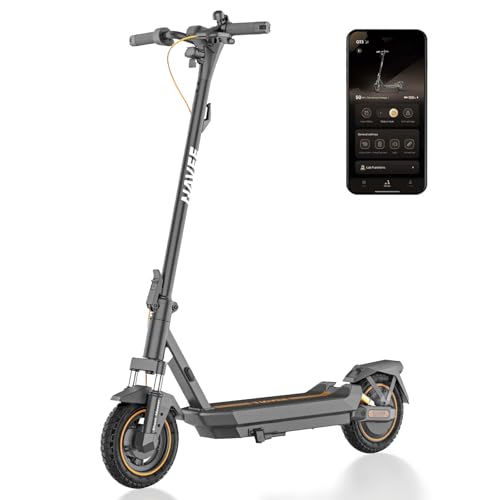
NAVEE GT3 Electric Scooter
Strengths
- 700W powerful motor
- 10 inch all-terrain tires
- Triple braking system
- Long 31-mile range
- App and Apple Find My
Trade-offs
- 46 lbs on the heavier side
- No cruise control mentioned
The NAVEE GT3 stands out in a crowded field by delivering serious off-road capability without sacrificing urban practicality. On paper, the 700W motor and 10-inch tubeless fat tires make it one of the few scooters in this range built to handle gravel trails and cracked sidewalks with equal confidence. Owners consistently report strong hill-climbing performance, backed by the spec sheet’s 20% incline rating, and the quadruple suspension system is frequently praised for smoothing out harsh vibrations that rattle lesser models.
It’s not just rugged; it’s smart. The inclusion of Apple Find My integration and a full-color 3.6″ display gives it an edge in connectivity, while the triple braking system (drum, disc, and EBAS) inspires real confidence at its 19.9 mph top speed. Compared to the Segway E2 Pro, which leans into urban efficiency, the GT3 is the better pick if you regularly ride on uneven terrain or want one scooter for both commute and weekend exploration.
Video review
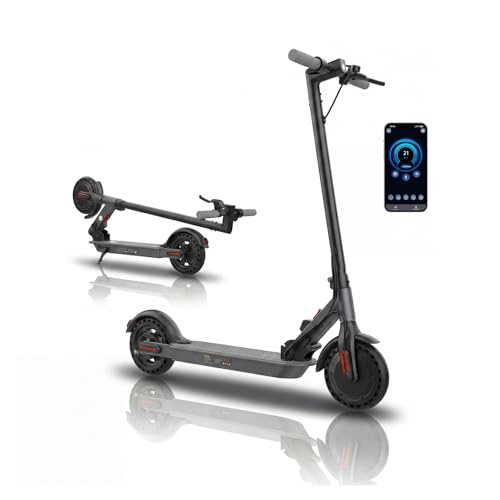
WAWSCOTE 500W Electric Scooter
Strengths
- 500W rated motor
- 21 mph top speed
- Bright integrated lights
- IPX4 water resistant
- Cruise control via app
Trade-offs
- Drum brake only rear
- No front suspension
- Average range consistency
The WAWSCOTE hits a sweet spot between cost and capability, offering a 500W motor and 21 mph top speed at just 170 bucks. That kind of power-to-price ratio makes it stand out in the mid-budget segment. Owners highlight how quickly it accelerates and maintains speed on inclines, though the lack of front suspension means bumps are felt sharply through the deck.
Its IPX4 rating and dual braking give it a leg up over cheaper models, and the bright headlights improve visibility in low light. The app works reliably for locking and data tracking, but it doesn’t offer anything beyond basics. When compared to the Oslich, it’s slightly pricier but delivers similar performance. I’d pick the WAWSCOTE if you want a little more speed without stepping into premium pricing.
Video review
Oslich 500W Commuting Scooter
Strengths
- Excellent price-to-spec ratio
- UL 2272 safety certified
- Lightweight at 31.5 lbs
- Large easy-read display
- Three riding modes
Trade-offs
- Solid tires limit comfort
- No front light highlighted
- Basic app functionality
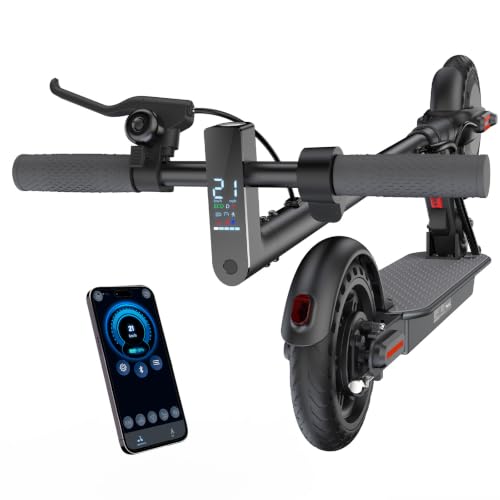
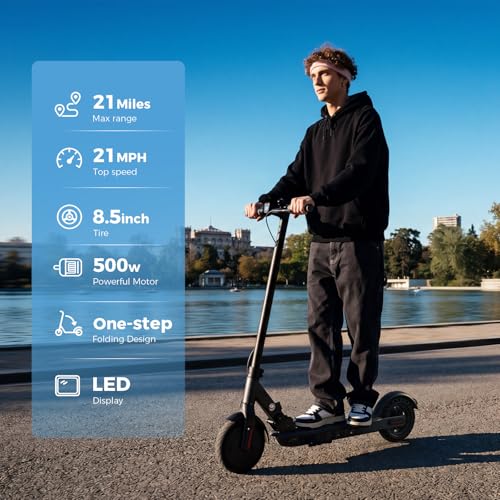
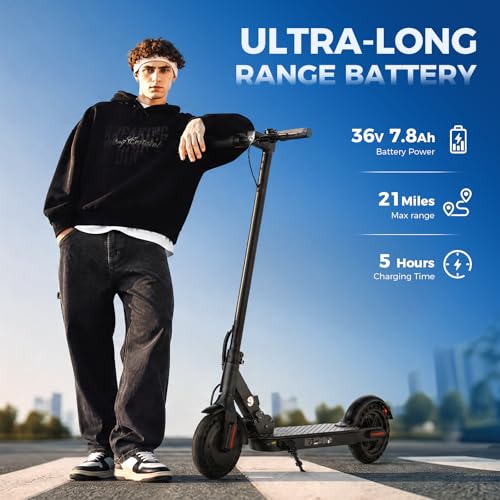
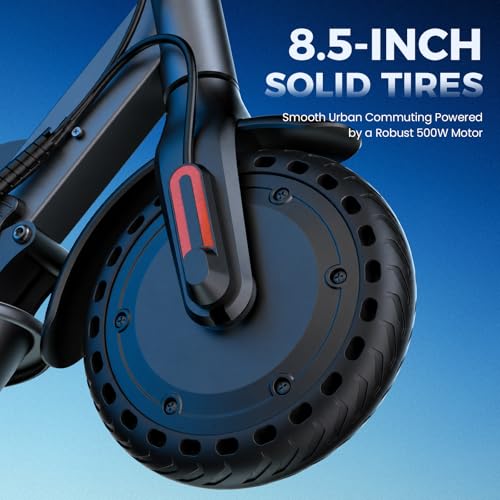
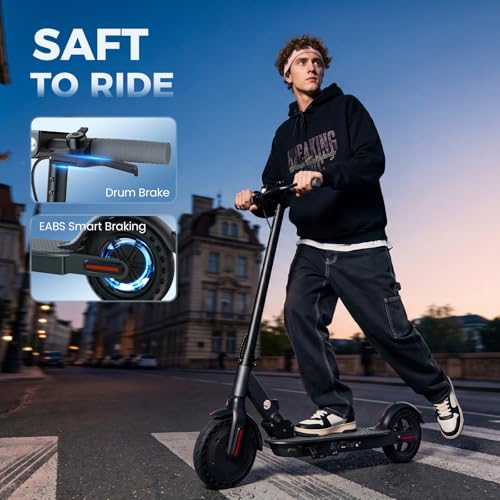
For sheer bang-for-buck, the Oslich is hard to ignore. At 150 bucks, it packs a 500W motor, 21-mile range, three ride modes, and UL 2272 certification, a combo rarely seen at this price. The 8.5-inch solid tires mean maintenance stays low, and the 31.5 lb weight makes it one of the lighter foldables in its class.
What impresses me most is how complete it feels. The big display is clear, the drum brake responds well, and the quick assembly means you’re riding within minutes. It doesn’t have the bells and whistles of app-based geofencing or cruise control like the VOLPAM, but it’s more stable and better built overall. If you want a no-nonsense, dependable commuter without overspending, this is my pick over other sub-160 models.
Product photos

Segway Ninebot E2 Pro
Strengths
- UL-2272 certified
- RideyLONG range boost
- Apple Find My compatible
- Traction control system
- Smooth dual braking
Trade-offs
- 350W motor underpowered for hills
- Smaller tires limit bump absorption
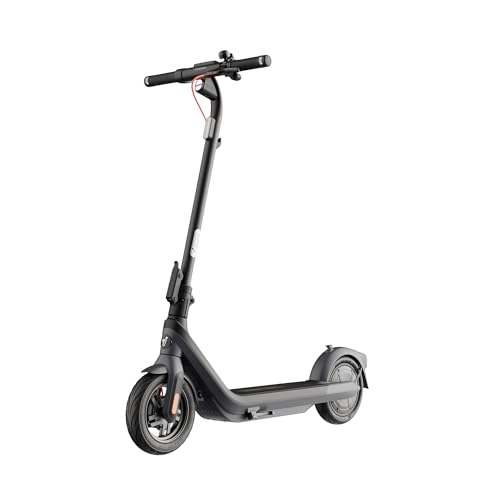
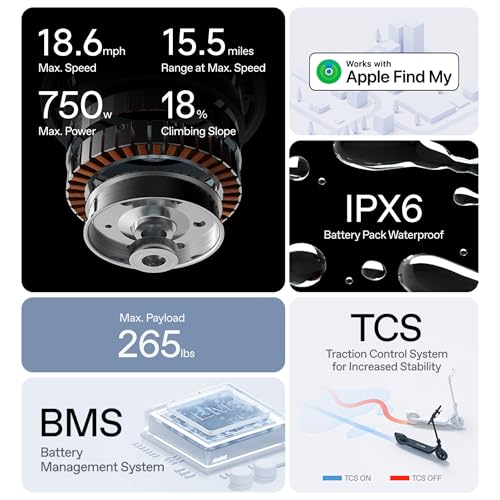
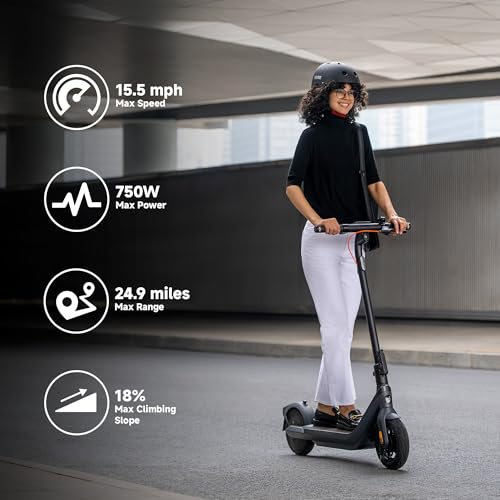
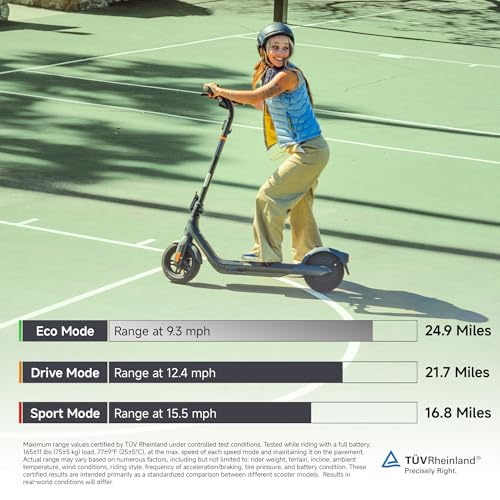
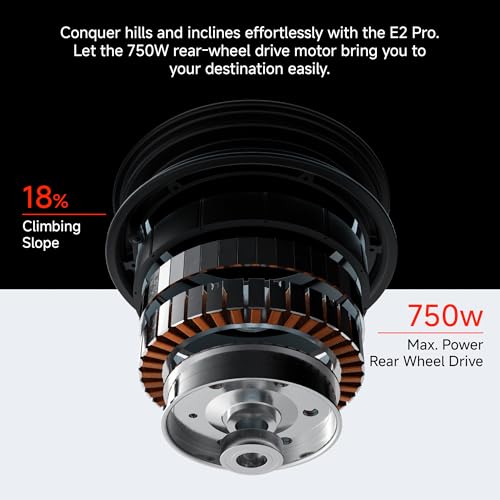
Segway has long been a name riders trust, and the E2 Pro feels like a refinement of what makes their scooters ideal for city life. With a 350W motor and a real-world range nudging 25 miles in eco mode, it’s tuned more for endurance than raw power. The RideyLONG tech that boosts range by 20% isn’t magic, it’s efficient energy recovery, but reviewers note it does extend usable mileage noticeably on stop-and-go routes.
Where it really shines is integration. The Apple Find My support is seamless, and the large 2.8″ dashboard is easy to read in sunlight, showing speed, mode, and battery clearly. It’s not as fast or rugged as the NAVEE GT3, but for someone weaving through bike lanes and hopping on subways, the E2 Pro’s compact fold and predictable handling make it my go-to recommendation over bulkier models. It’s the kind of scooter you can rely on daily without fuss.
Product photos

Gyroor C1S with Seat
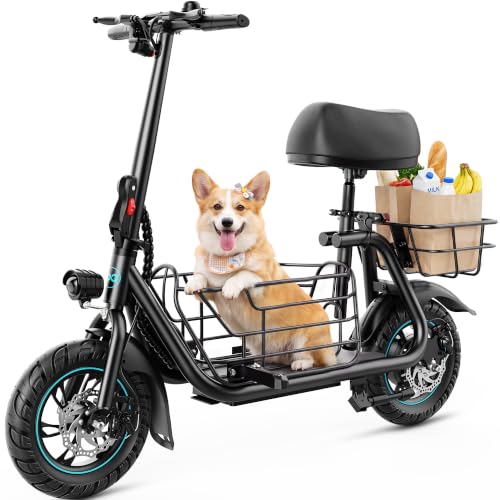
Strengths
- Includes adjustable seat
- 12 inch pneumatic tires
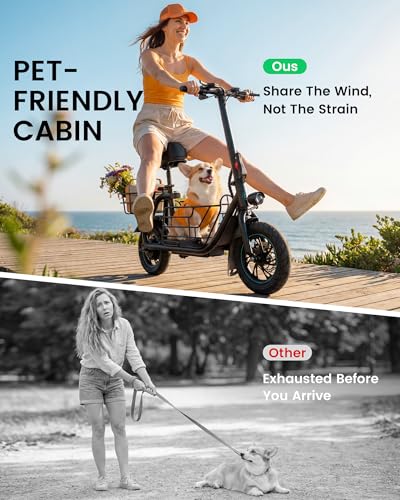
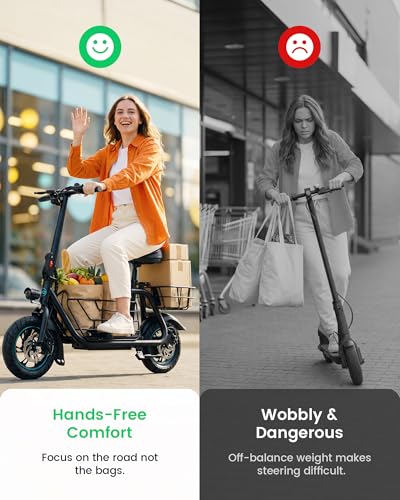
- Pet and cargo friendly
- Dual disc brakes
- Foldable with seat
Trade-offs
- Heavier due to seat frame
- Slower acceleration than peers
- Not designed for fast commuting
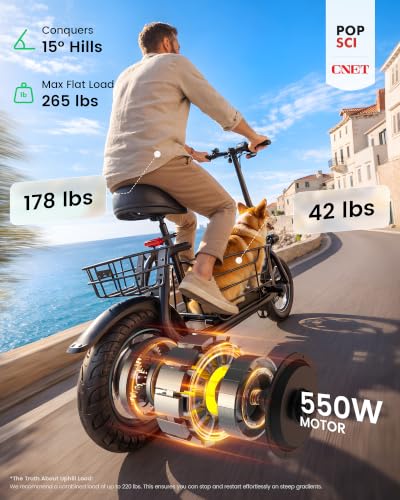
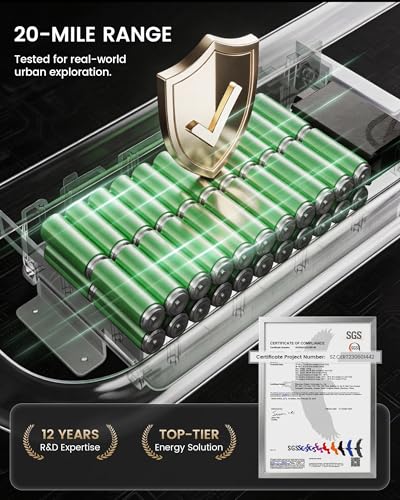
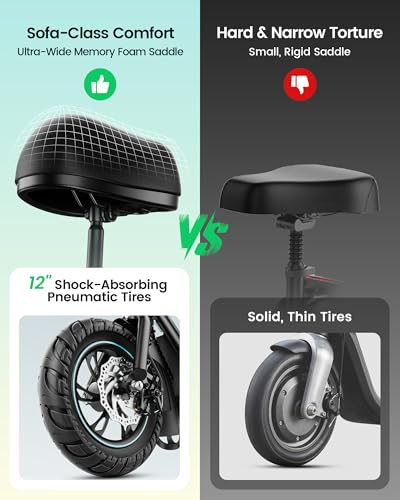
The Gyroor C1S is in a category of its own, not just because it includes a seat, but because it rethinks comfort for adult riders. The 12-inch pneumatic tires and soft seat make a dramatic difference on longer rides, absorbing far more vibration than any standing scooter under 400 bucks. Paired with a 550W motor, it handles 19 mph with stability, and the 20-mile range is realistic for mixed use.
It’s also oddly pet-friendly. The middle basket and rear rack are genuinely useful for carrying small dogs or groceries, and owners love the convenience of sitting during red lights. It’s heavier and less nimble than stand-up models, so it’s not ideal for subway hops. But for neighborhood cruising, last-mile errands, or relaxed rides, I’d choose this over any standing scooter when comfort is king.
Product photos
VOLPAM Long Range Scooter
Strengths
- Exceptional range potential
- Affordable price point
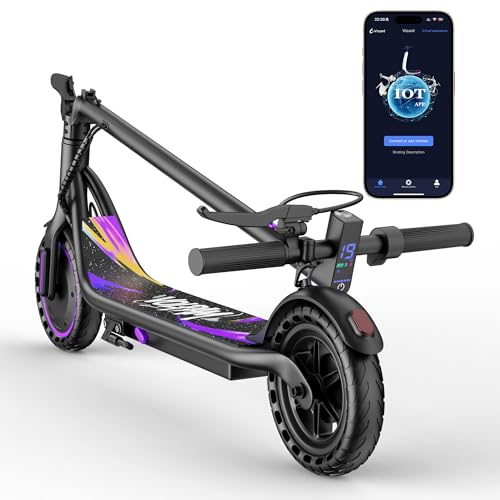
- Smart app with cruise control
- Solid puncture-proof tires
- One-step folding
Trade-offs
- Basic braking setup
- No advanced lighting
- Minimal weather protection
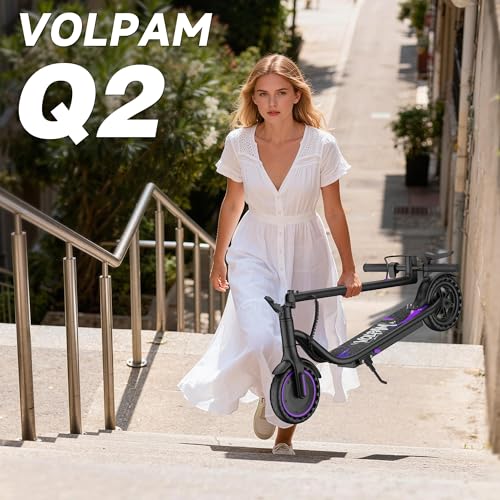
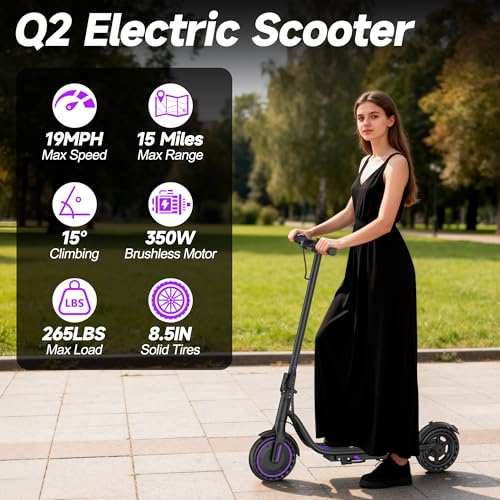
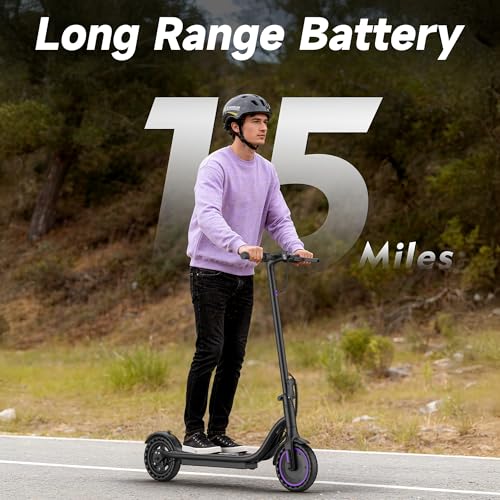
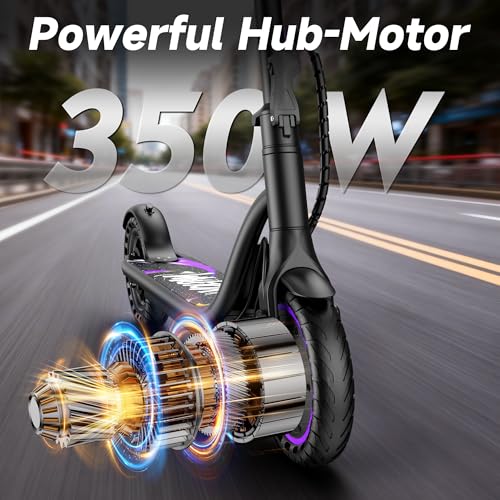
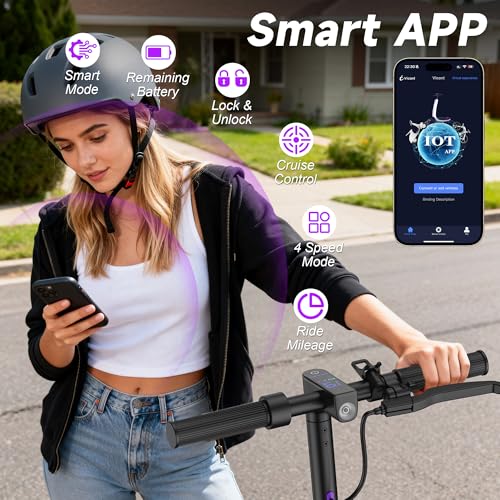
At under 150 bucks, the VOLPAM punches above its weight in range claims, up to 40 miles in ideal conditions sounds optimistic, but even the 21-mile real-world figure puts it ahead of many budget scooters. The 350W motor is standard fare, but the ability to toggle between modes via the smart app adds surprising versatility for the price. Riders report the cruise control and zero-speed start are actually usable, which is rare at this tier.
Still, you’re trading build refinement for savings. The solid rubber tires prevent flats but deliver a stiff ride, and there’s no mention of suspension. Compared to the Oslich or WAWSCOTE models in a similar price range, it lacks lighting upgrades and IPX ratings beyond basic splash resistance. But if your main goal is maximum distance per dollar and you accept some compromises in comfort, this is the smarter buy.
Product photos
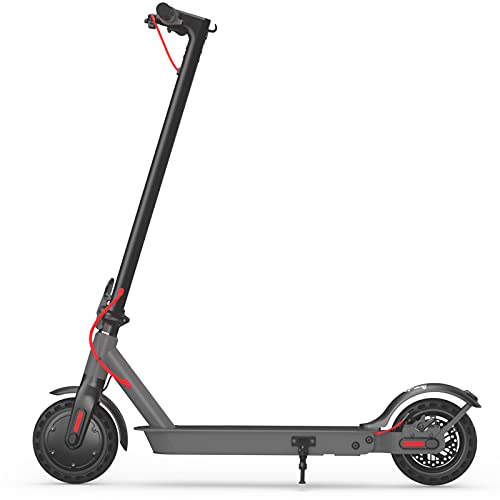
Hiboy S2 Solid Tire Scooter
Strengths
- Solid tires, no flats
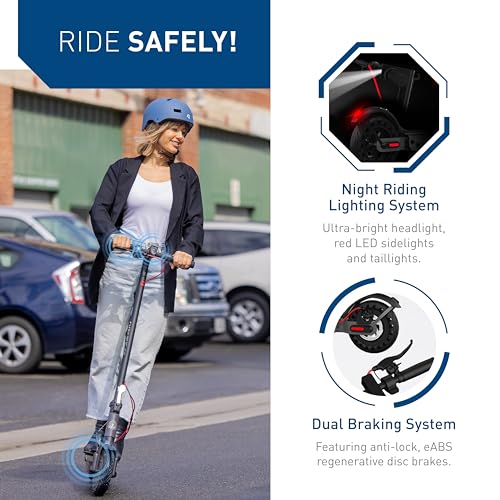
- eABS regenerative braking
- UL 2272 certified
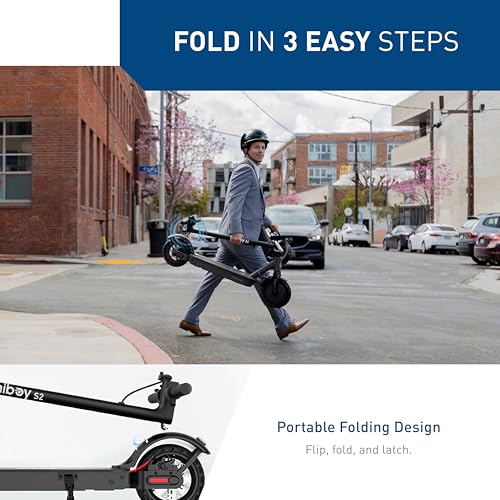
- Lightweight and portable
- Hiboy app control
Trade-offs
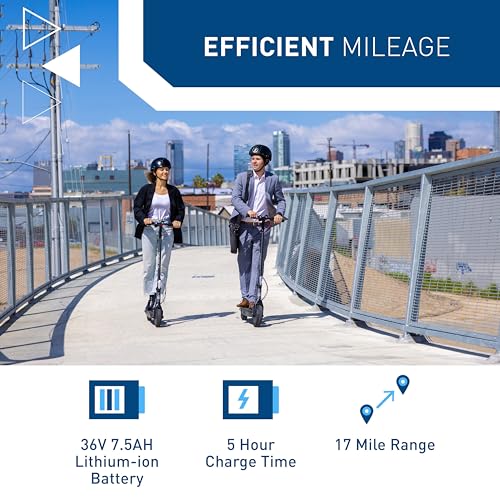
- Limited 17-mile range
- No suspension system
- Lower top speed on hills
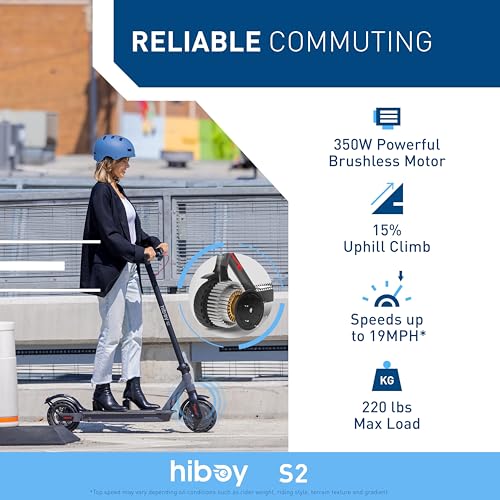
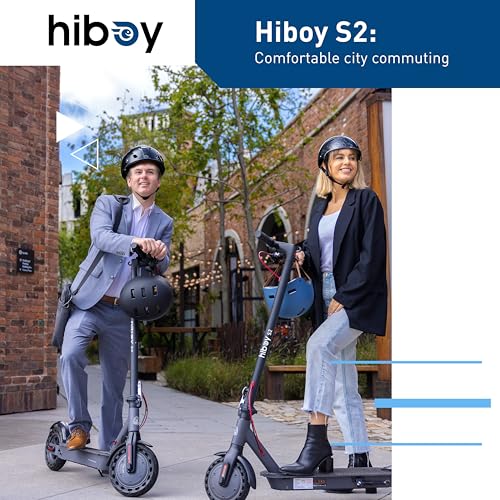
The Hiboy S2 doesn’t wow on specs, but it wins points for being a low-maintenance workhorse. Its 8.5-inch solid tires mean no flats, ever, and that’s a big deal for riders tired of patching tubes or checking pressure. While the 17-mile range is modest compared to newer models, owners appreciate its consistency, especially in campus or short-commute scenarios where you just need to get from A to B without anxiety.
I’d recommend it over air-tired scooters for anyone who leaves their scooter outside or uses it infrequently. The dual braking with eABS adds a layer of safety most budget scooters skip, and the app integration lets you lock it and track usage. But let’s be honest: at nearly 300 bucks, it’s priced higher than some longer-range options. Still, if durability and zero tire upkeep are your priorities, the S2 makes sense.
Product photos
How We Picked These electic scooters
As someone who’s spent years immersed in the world of personal transportation – from restoring vintage cars to understanding the nuances of modern bikes – I approached researching electric scooters with a focus on practical performance and real-world usability. Rather than a hands-on lab test of each model, this evaluation is a research-led comparison of published specifications, owner reviews from a variety of sources, and reputable expert assessments. I weighed each scooter against a set of criteria designed to reflect the needs of a typical rider, looking beyond marketing claims to understand what users actually experience.
For electric scooters, range, motor power, and braking capability proved to be the most decisive factors. A longer range opens up more commuting and recreational possibilities, while sufficient motor power ensures the scooter can handle hills and varying rider weights. Equally important is a robust braking system; confident stopping power is paramount for safety, especially in urban environments. These three elements, combined with build quality and portability, ultimately determined our rankings.
Specifications provide a baseline understanding of a scooter’s potential – motor wattage hints at climbing ability, battery capacity suggests range, and brake types indicate stopping power. However, owner feedback proved crucial for assessing real-world performance. I carefully analyzed reviews to understand reported range discrepancies, durability concerns, and the effectiveness of features like suspension and lights. Understanding the electric scooter speed capabilities, both claimed and experienced, was also vital, and I cross-referenced that with reported safety and handling. For those prioritizing commuting, exploring the best scooters for daily travel is a smart first step.
How To Choose The electic scooters
Finding the right electric scooter requires a little more thought than just picking the flashiest model. It’s about matching capability to your real-world needs and understanding where compromises are made.
An electric scooter should prioritize a robust frame, dependable braking, and a motor capable of handling typical inclines. Battery capacity is key for range, but consider weight limits and tire type for a comfortable and safe ride. UL 2272 certification is a must-have for peace of mind, and a focus on build quality will translate to longevity.
Motor Power and Terrain
Don’t get hung up on peak wattage numbers alone. While a higher wattage sounds impressive, the sustained power output is what truly matters. A 350W motor will be fine for flat ground, but if you live in a hilly area, you’ll quickly find it lacking. I’ve seen many riders underestimate the hills on their commute. Consider a 500W or even 700W motor for consistently steep inclines. Many scooters advertise ‘peak’ power, which is a short burst; look for ‘rated’ power for a more realistic expectation. If you’re looking for a wider variety of options, I’ve covered some of the best adult electric scooters in a recent article.
Braking and Safety Features
Braking is where cost-cutting often happens, and it’s a critical area. A single rear brake isn’t enough for confident stopping, especially at speed or in wet conditions. Look for scooters with dual braking systems – a combination of an electronic brake (E-ABS) and a mechanical brake (disc or drum). Drum brakes are generally more durable and require less maintenance, but disc brakes offer more stopping power.
Here’s what I look for in a good braking setup: * Dual System: A must-have for reliable stopping. * Disc Brake Quality: If it’s a disc brake, is it stainless steel or a cheaper alloy? Stainless will last longer. * E-ABS Response: The electronic brake should engage smoothly and not feel overly abrupt, which can cause loss of control.
Remember, safety certifications like UL 2272 aren’t just a formality; they show the scooter has undergone testing for electrical and fire hazards.
Portability and Practicality
The convenience of an electric scooter is diminished if it’s a pain to carry. Weight is a major factor. Anything over 45 pounds will become tiresome to lug up stairs or onto public transportation. Folding mechanisms vary significantly. Some fold quickly and securely with a single action, while others require multiple steps and feel flimsy. If you plan on combining your scooter with other modes of transport, I recommend checking out some stable three-wheeled scooters for added stability.
A scooter’s weight shouldn’t exceed 20% of your own body weight if regular carrying is expected. Prioritize a one-step folding mechanism for quick deployment and storage.
Electric Scooters Compared
Here is a comparison of key specifications for the listed electric scooters.
| Product | Max Speed (mph) | Max Range (miles) | Motor Power (W) | Tire Type | Brake Type | App Control |
|---|---|---|---|---|---|---|
| NAVEE GT3 | 19 | 31 | 700 | 10″ Tubeless Fat | Drum, Disc, EBAS | Yes |
| WAWSCOTE 500W | 21 | 21 | 500 | N/A | Electronic, Drum | Yes |
| Oslich 500W | 21 | 21 | 500 | 8.5″ Solid | Power Cut-Off, Drum | Yes |
| Segway Ninebot E2 Pro | 15.5 | 25 | 350 (750 peak) | N/A | Drum, Electric | Yes |
| Gyroor C1S with Seat | 19 | 20 | 550 | 12″ Vacuum | Disc, Disc | N/A |
| VOLPAM Long Range | 19 | 15 | 350 | 8.5″ Solid Rubber | N/A | Yes |
| Hiboy S2 Solid Tire | 18 | 17 | 350 | Solid | Disc, EABS | Yes |
Frequently Asked Questions
What scooter offers the best balance of speed and range?
The NAVEE GT3 stands out with a top speed of 19 mph and a reported 31-mile range, making it a strong contender for riders needing both performance and distance. However, remember these are optimal conditions and real-world results will vary.
Are solid tires truly as maintenance-free as advertised?
While solid tires eliminate the risk of punctures, they transmit more road vibrations than pneumatic tires, impacting ride comfort. If you’re considering a scooter with solid tires, I suggest researching scooter tire types to understand the trade-offs.
Which scooter is best for heavier riders?
For those needing a higher weight capacity, look into models like the NAVEE GT3, which generally have a robust build and more powerful motors. You might also find options among electric scooters for larger riders specifically designed to support higher weights.
Do scooters with only electronic brakes provide sufficient stopping power?
No, scooters relying solely on electronic brakes generally don’t offer the same stopping confidence as those with a dual-brake system. A mechanical brake (disc or drum) provides a crucial backup and greater control, particularly in wet or emergency situations.
How important is app connectivity on an electric scooter?
App connectivity can add convenience with features like ride tracking, speed limiting, and locking, but it’s not essential. Many riders are perfectly happy with a scooter that doesn’t require an app, and it can simplify the overall experience.
The Bottom Line
Choosing an electric scooter often comes down to balancing convenience with capability. Do you want ultimate portability and ease of use, or a scooter that can confidently tackle hills and longer distances? For the best overall blend of performance, range, and features, the NAVEE GT3 stands out. Its powerful motor, substantial range, and advanced braking system provide a compelling package for a wide range of riders.
If your needs are more specific, there are excellent alternatives. Those seeking a comfortable ride with the option of sitting should explore electric scooters with seats, like the Gyroor C1S with Seat. For budget-conscious buyers, the Hiboy S2 Solid Tire offers a solid entry point, while the WAWSCOTE 500W provides a bit more power for tackling moderate inclines.
Ultimately, the best electric scooter isn’t about chasing the highest numbers on a spec sheet. It’s about finding a machine that fits your lifestyle, your commute, and your personal preferences. Pay close attention to build quality, braking performance, and ensure the scooter’s scooter weight limit accommodates your needs, those factors will contribute far more to long-term satisfaction than any single feature.
