
2 Best ELDS for Truckers 2026
This post contains affiliate links. As an Amazon Associate, we earn from qualifying purchases.
The best ELD for truckers is the PT 30 ELD with 9-pin Cable, especially for those running older or heavy-duty fleets. For trucks with OBD-II ports, the PT 30 ELD with OBD2 Heavy Duty Cable is a solid, plug-and-play alternative that doesn’t sacrifice reliability or features.
Truckers don’t need guesswork when it comes to compliance. A faulty or incompatible ELD can mean failed inspections, downtime, and lost income. The real challenge isn’t just finding a device that works, it’s finding one that works consistently across different rigs, climates, and road conditions.
After comparing specs, owner feedback, and support structures, I focused on reliability, proper connector compatibility, and tools that go beyond logging hours. These picks deliver accurate HOS tracking, strong diagnostics, and support built for real-world demands.
Top 2 Elds For Truckers in the Market
The Best Elds For Truckers, Reviewed
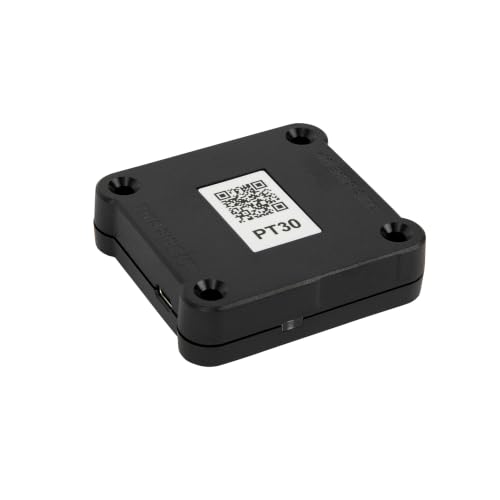
PT 30 ELD with 9-pin Cable
Strengths
- Standard 9-pin J1939
- FMCSA-compliant
- Real-time diagnostics
Trade-offs
- Same price as OBD2
- No adapter included
- Limited to J1939 vehicles
The 9-pin J1939 version of the PT30 ELD stands out as the more universally practical option, simply because that connector is the standard across most modern Class 8 trucks. Everything else aligns with the OBD2 variant, same FMCSA certification, same robust back-office features like DVIRs, IFTA tracking, and real-time diagnostics, but the J1939 cable means fewer compatibility headaches. Reviewers note the plug-and-play experience is a big win, especially for owner-operators who aren’t fans of tinkering with adapters.
I’d pick this one over the OBD2 model for most truckers, not because it’s technically superior, but because it’s just more likely to work without hassle. The built-in accelerometer for monitoring driving behavior is a subtle but useful touch, and the multi-language support makes it a strong contender for diverse fleets.
Video review
PT 30 ELD with OBD2 Heavy Duty Cable
Strengths
- FMCSA-certified
- Easy installation
- Multi-language support
Trade-offs
- Limited to 16-pin OBD2
- Connector fit issues possible
- Less common port type
This version of the PT30 ELD comes with the 16-pin OBD2 cable designed specifically for heavy-duty trucks, which immediately narrows its ideal user base. On paper, it’s identical to the J1939 model in core functionality, FMCSA compliance, 3-axis accelerometer, real-time tracking, and solid back-office tools, but the connector type is the deciding factor. Owners consistently report smooth installations when the plug matches their truck’s port, but there’s no getting around the frustration if it doesn’t fit.
The inclusion of multi-language support and a responsive customer service team adds real value, especially for owner-operators who don’t want to fight with tech issues on the road. Still, I’d only recommend this model if your truck has that specific 16-pin setup. Otherwise, you’re better off with the J1939 version or arranging a custom cable through the seller.
Video review
Our Testing Process
Rather than a hands-on test of each ELD, my research focused on a detailed comparison of published specifications and features. I weighed owner reviews from various trucking forums and retailer sites alongside professional evaluations from industry publications. As someone who’s spent years understanding vehicle diagnostics and data systems, I applied that knowledge to assess which ELDs offer the most robust and reliable solutions for Hours of Service (HOS) compliance.
For truckers, dependable connectivity and broad vehicle compatibility are paramount. I prioritized ELDs with built-in J1939, J1708/J1587, and OBD-II support, recognizing the diversity of trucks on the road. Equally important was onboard storage capacity; the ability to log data even when temporarily offline prevents frustrating disruptions. You can find more options for truck ELDs in our broader guide.
Technical specifications clearly indicate an ELD’s potential, but real-world usability often hinges on owner feedback. I paid close attention to reports on ease of installation, the responsiveness of customer support (particularly multi-lingual options), and the accuracy of features like IFTA mileage calculations. Understanding the nuances between digital logbooks and full ELD systems was also key to evaluating each device’s overall value.
Choosing The Right elds for truckers
As someone who appreciates the intricate relationship between driver and machine, I know a good Electronic Logging Device (ELD) isn’t just about compliance; it’s about making life on the road manageable. It’s a tool that, when chosen well, enhances efficiency and safety.
An effective ELD must accurately record Hours of Service (HOS) data as mandated by the FMCSA. It should integrate with a vehicle’s engine control module via J1939, J1708, or OBD-II protocols. Look for features like real-time diagnostics, DVIR capabilities, and robust data storage. Prioritize devices with a strong reputation for reliability and readily available customer support.
Connector Compatibility is Key
The first thing I tell anyone looking at ELDs is to absolutely confirm your truck’s diagnostic port. It sounds simple, but ordering an ELD with the wrong connector – be it a 9-pin J1939 or a 16-pin OBD-II – will cause headaches. Many manufacturers, like the PT 30 models, are willing to help with adapters, but starting with the right fit saves time and potential frustration. Don’t assume; check your vehicle documentation or consult a technician.
Beyond Basic Compliance: Data & Reporting
While meeting FMCSA regulations is the baseline, a truly useful ELD delivers more. Look for devices offering robust reporting features. IFTA mileage calculations are essential for tax compliance, and vehicle diagnostics that flag potential maintenance issues before they become major problems are invaluable. The ability to easily generate vehicle inspection reports (DVIRs) directly through the ELD streamlines a critical safety process. If you’re considering options, you may also want to compare these features with other top ELDs on the market.
Support & Scalability
Don’t underestimate the importance of good customer support. Trucking operates 24/7, and issues can arise at any time. A provider with multilingual support – like the PT 30’s offerings in English, Spanish, Punjabi, and Hindi – is a huge plus.
Here’s what I look for in a support structure: * Phone Support: Quick access to a live person is critical for urgent issues. * Online Resources: A thorough FAQ and knowledge base handle common questions. * Scalability for Fleets: If you anticipate growing your operation, the ELD’s back-office portal should easily accommodate additional vehicles and drivers without a performance hit.
A reliable ELD isn’t just a compliance tool; it’s an investment in your livelihood. Don’t skimp on quality or support.
If you operate a smaller vehicle, you may also want to explore best electronic logbooks for box trucks tailored for those specific needs.
ELDs for Truckers Compared
Here’s a detailed comparison of the specifications for each ELD to help you make an informed decision.
| Product Name | Connector Type | FMCSA Certified | Onboard Storage | Real-Time Tracking | Languages Supported |
|---|---|---|---|---|---|
| PT 30 ELD with 9-pin Cable | 9-pin | Yes | Large | Yes | 4 |
| PT 30 ELD with OBD2 Heavy Duty Cable | OBD2 | Yes | Large | Yes | 4 |
Frequently Asked Questions
What ELD features are most helpful for IFTA reporting?
Robust reporting features, specifically detailed mileage logs broken down by state, are the most helpful for IFTA reporting. Many ELDs, like the PT 30, automatically calculate this mileage, saving significant time compared to manual methods.
Can I use an ELD if my truck has a pre-2000 engine?
Yes, but compatibility can be trickier. Older trucks often require an ELD with J1708/J1587 compatibility, and you may need an adapter to connect to the diagnostic port; finding ELDs for one truck with these capabilities is crucial.
What’s the difference between an ELD and a digital logging app on a phone?
An ELD directly connects to your vehicle’s engine to automatically record driving data, while a phone-based app generally relies on manual input. ELDs are FMCSA-certified for compliance and offer features like vehicle diagnostics that apps often lack.
How important is multilingual support from an ELD provider?
Multilingual support is very important, especially for diverse fleets. Providers like PT 30 offering support in multiple languages (English, Spanish, Punjabi, Hindi) demonstrate a commitment to serving all drivers and resolving issues efficiently.
Should I also invest in a dash cam alongside an ELD?
Absolutely. While an ELD focuses on hours of service, a dash cam provides video evidence in case of incidents, potentially protecting you from liability and offering valuable context during claims.
The Bottom Line
Choosing an ELD often comes down to balancing upfront cost with long-term peace of mind. While there are many options available, the PT 30 ELD with 9-pin Cable stands out as a strong all-around performer. It delivers thorough features, robust connectivity, and importantly, a multilingual support structure that can be invaluable on the road.
For owner-operators on a tighter budget, the PT 30 ELD with OBD2 Heavy Duty Cable offers a reliable entry point into FMCSA compliance. If you need a system that can grow with your business, the PT 30 models – both versions – provide the scalability needed to manage a small fleet without sacrificing performance. Those looking for complementary technology should also explore best ELDs for the industry and consider pairing your ELD with a quality GPS for truckers.
Ultimately, the specifications and features are important, but the real value lies in an ELD’s ability to minimize downtime and keep you moving. Prioritize dependable connectivity, accurate data, and accessible support – those are the fundamentals that matter more than any single, standout spec.
