
3 Best ELDS for Truck Drivers (2026 Guide)
This post contains affiliate links. As an Amazon Associate, we earn from qualifying purchases.
The Garmin eLog ELD stands out as the best overall choice for truck drivers, combining reliable FMCSA compliance with a one-time purchase that avoids ongoing fees. For those watching their budget, the My20 ELD offers solid performance with an annual subscription, while the Bluestar ELD PT30+Cable delivers unmatched versatility across different truck types and apps.
If you’re like me and spend more time behind the wheel than off it, you know an ELD shouldn’t add stress to your run. Too many drivers end up with devices that glitch, cost more than expected, or just don’t talk to their rig properly. After comparing the field and digging into specs and owner experiences, I focused on what actually matters: compatibility, true cost, and ease of use.
This guide cuts through the noise to show you which ELDs deliver dependable logging without surprises. We looked at port types, subscription traps, and real-world reliability so you can pick one that works with your truck, and your life on the road.
Top 3 Elds For Truck Drivers in the Market
The Best Elds For Truck Drivers, Reviewed
Garmin eLog ELD

Strengths
- No subscription fees
- Trusted brand name
- Secure log storage
Trade-offs
- No OBD-II support
- J1962 cable sold separately
- Limited app ecosystem
The Garmin eLog is the one I’d go with if I were outfitting my own rig, assuming my truck uses J1939 or J1708. Its biggest advantage? No subscription, ever. That’s a major win for long-haul drivers tired of recurring fees. The device stores logs securely and syncs via Bluetooth or USB, and owners report solid reliability during roadside inspections. The free Garmin eLog app is clean and intuitive, and being from a trusted name in navigation adds peace of mind.
But, and it’s a real limitation, it doesn’t support OBD-II (SAE J1979), so if you’re in a newer or non-standard vehicle, you’ll be out of luck without additional cables. And if you’re running a Volvo with a 16-pin J1962 port, you’ll need to buy that cable separately. Still, for the right truck, this is the most dependable, cost-efficient ELD you can buy. I’d rank it above the others for overall value and reliability.
Video review
My20 ELD
Strengths
- Low upfront cost
- Bluetooth connectivity
- Works with smartphone app
Trade-offs
- Annual subscription required
- Adapter needed for OBD-II
- Limited post-purchase support
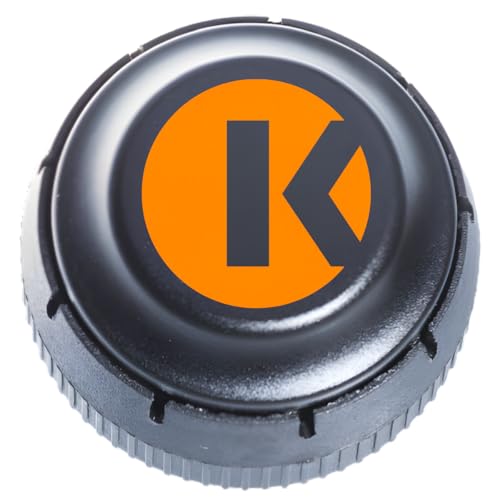
For budget-focused owner-operators who want to get compliant without breaking the bank, the My20 ELD stands out on paper as one of the most affordable entry points. It uses your existing smartphone and the free app, which keeps the upfront cost low, and the Bluetooth pairing process is straightforward based on what most drivers report. The catch, and it’s a consistent one across owner feedback, is the mandatory annual subscription, which adds ongoing cost despite the low sticker price.
I’d recommend this only if you’re comfortable locking into a service plan and don’t mind managing renewals. It’s compatible with J1939, J1708, and OBD-II via adapter, which adds flexibility, but the adapter requirement for non-9-pin setups can be a minor hassle. Compared to no-subscription models, this one trades long-term value for short-term savings.
Video review
Bluestar ELD PT30+Cable
Strengths
- Supports multiple ELD apps
- Works with any Bluetooth device
- Includes OBD-II cable for Volvo
Trade-offs
- Slightly higher initial cost
- Cable management can be fiddly
- Occasional app pairing delays
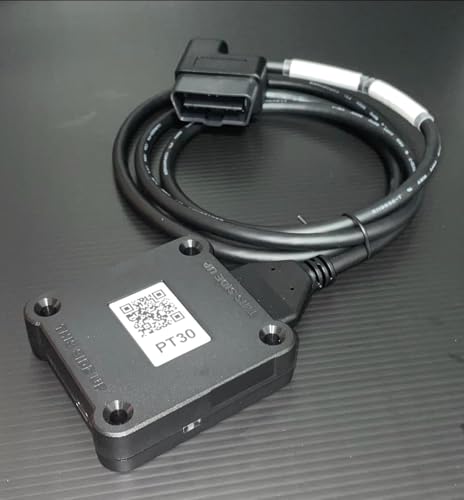
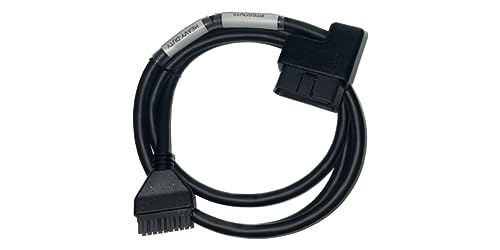
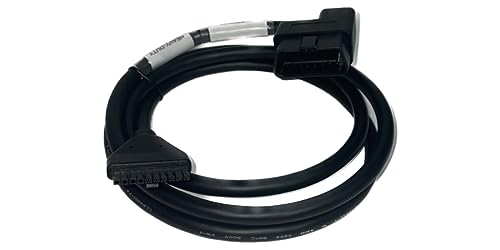
If you’re running a Volvo or another heavy-duty truck with OBD-II compliance, the PT30+Cable Bundle is a strong contender thanks to its broad protocol support and plug-and-play design. Owners consistently praise its reliability with multiple ELD apps, which gives you freedom to choose your preferred HOS software, something not all devices offer. The ability to work with any Bluetooth-enabled phone or tablet is a big plus, especially for drivers who don’t want to be locked into a single ecosystem.
It’s also one of the few that handles J1939, J1708/J1587, and OBD-II natively or through included cabling, making it unusually versatile. While it’s pricier than the My20, it doesn’t saddle you with a mandatory subscription, which makes it a smarter long-term buy in my view. I’d pick this over the My20 if you value flexibility and future-proofing.
Product photos
How We Tested elds for truck drivers
Rather than a hands-on test with each ELD, I approached this research by carefully comparing published specifications, focusing on compatibility with various truck makes and engine types. I then weighed owner reviews and insights from established trucking publications to understand real-world performance and ease of use. My background in vehicle mechanics informs my understanding of these systems, and I prioritized features crucial for compliance and daily practicality.
For ELDs, straightforward compatibility and ongoing cost are paramount. A device offering broad connectivity – J1939, J1708, and OBD-II – immediately scored higher because it reduces frustration for a wider range of drivers. I also heavily favored options with transparent pricing; subscription models versus one-time purchases significantly impacted rankings, alongside reported customer service experiences. You’ll also find information on essential truck accessories helpful for your overall setup.
Specifications clearly define port compatibility and data reading capabilities, but owner feedback revealed a lot about app usability and Bluetooth connection reliability. While specs tell you what an ELD can do, reviews showed how well it performs in challenging conditions. Reliable communication is key, so checking out trucking headsets is also a good idea to improve your experience on the road.
How To Pick The Right elds for truck drivers
As someone who’s spent years understanding the interplay between drivers and their rigs, I know that Electronic Logging Devices (ELDs) can seem like a necessary evil. But choosing the right one doesn’t have to be a headache. It’s about finding a system that minimizes disruption and maximizes compliance, and that means looking beyond just the initial price tag.
A quality ELD accurately records Hours of Service (HOS) as mandated by the FMCSA, integrates with vehicle diagnostics, offers secure data storage, and prioritizes a driver-friendly interface. Compatibility with your specific truck’s engine and diagnostic port is paramount, as is understanding the total cost of ownership beyond the device itself.
Understanding Your Truck’s Connectivity
The biggest headache I see with ELDs is incompatibility. Not all trucks are created equal when it comes to diagnostic ports. While many use the standard 9-pin J1939 or 6-pin J1708 connections, a significant number, particularly newer models and Volvos, require different adapters or even entirely different hardware. Don’t assume a universal fit; verify compatibility before you buy. If you’re unsure, consulting your truck’s manual or a trusted mechanic is a smart move. Many of the best ELD devices offer compatibility charts, but double-checking is always wise.
Decoding the Cost Structure
The upfront cost of an ELD is only part of the equation. Some, like the Garmin eLog, offer a simple one-time purchase, which appeals to those who dislike subscription models. Others, like My20 ELD, require an annual subscription. These subscriptions can add up over time, so calculating the total cost of ownership over several years is crucial. Don’t focus solely on the initial price; consider the long-term financial implications.
Here’s a breakdown of what to consider:
- Initial Hardware Cost: This is straightforward, but remember adapter cables can add to this.
- Subscription Fees: Annual or monthly costs can vary widely.
- Data Plan: Some ELDs require a separate data plan for full functionality, adding another recurring expense. This is especially true if you rely on a top tablet models for your ELD app.
Don’t pay for features you won’t use. A simple, compliant ELD is often better than one loaded with bells and whistles you’ll never touch.
Prioritizing Usability and Integration
An ELD is only as good as its usability. A clunky interface or a system that’s difficult to understand will create frustration and potentially lead to errors. Look for ELDs with intuitive apps and clear displays. Integration with other tools, like fleet management software or trucker tablets, can also streamline your operations. The Bluestar ELD PT30, for example, boasts compatibility with a wide range of apps, which is a definite plus if you already have a preferred suite of software. Ultimately, the best ELD is one you can rely on without adding extra stress to your already demanding job.
ELDs for Truck Drivers Compared
Here’s a specification comparison of ELDs to help you choose the right one for your needs.
| Product Name | Price/Subscription | Compatibility | Port Types | App Required | Data Storage |
|---|---|---|---|---|---|
| Garmin eLog ELD | One-Time Purchase | FMCSA ELD Mandate | 9-pin J1939, 6-pin J1708 | Yes | Smartphone, USB |
| My20 ELD | Annual Subscription | Apple/Android | 9-pin J1939 | Yes | Smartphone |
| Bluestar ELD PT30+Cable | N/A | Any ELD/HOS App | J1939, J1708/J1587, OBD-II | Yes | Bluetooth |
Frequently Asked Questions
What ELD features are most valuable for owner-operators?
Beyond basic compliance, owner-operators benefit most from ELDs offering detailed reporting and vehicle diagnostics; these features help manage maintenance and identify potential issues before they become costly repairs. A simple, easy-to-understand interface is also critical, as you’re often handling all aspects of your business.
Are there ELDs that work with older trucks lacking modern ports?
Yes, several ELDs like the Bluestar ELD PT30+Cable offer broad compatibility, including support for J1708 and even older OBD-II protocols via adapters. However, remember that adapter quality varies, so reading reviews specifically about adapter performance is important.
How does ELD data storage work, and is it secure?
Most ELDs store data either on the device itself, via Bluetooth to a smartphone, or in the cloud. Cloud storage is generally considered more secure, as providers employ encryption and backups, but always verify the provider’s data security policies before committing.
What should I do if my ELD malfunctions during a trip?
The FMCSA allows for limited driving time with a malfunctioning ELD while you arrange for repair or replacement. You must document the malfunction and keep a paper log during this period, and the ELD must be brought back into compliance within a specified timeframe. Consider also investing in truck dash cams as a secondary recording method.
Can an ELD help me improve my fuel efficiency?
While not a primary function, some ELDs integrate with vehicle diagnostics to provide data on driving habits like idling and speed. Analyzing this data can help identify areas for improvement, potentially leading to better fuel economy. Pairing this with reliable CB radios can also help you find the best routes for efficiency.
The Bottom Line
Choosing an ELD often comes down to balancing upfront cost with ongoing expenses and how much control you want over your data. While subscription-based systems like My20 ELD offer convenience and automatic updates, the Garmin eLog stands out as a strong overall pick for drivers who prefer a one-time purchase and direct ownership of their device. It provides solid compliance without the recurring fees, appealing to those who value simplicity and long-term cost savings.
For drivers needing broad compatibility or already invested in a specific app ecosystem, the Bluestar ELD PT30+Cable is an excellent choice. If you frequently travel in areas with spotty cell service, a reliable truck WiFi setup is crucial to ensure your ELD can transmit data effectively. And for those long hauls where staying on course is vital, don’t underestimate the value of a quality best truck GPS.
Ultimately, the best ELD isn’t about the fanciest features or the lowest initial price. It’s about reliable compliance, ease of use, and knowing your system will work when you need it. Focus on compatibility with your truck, understand the total cost of ownership, and prioritize a device that minimizes frustration so you can focus on what matters most – safe and efficient driving.
