
3 Best ELDS for Box Trucks 2026
This post contains affiliate links. As an Amazon Associate, we earn from qualifying purchases.
The Box Truck HOS Logbook ELD Device stands out as the best overall pick for box truck operators, thanks to its strong J1939 support, multi-constellation GNSS, and rugged design. For those watching costs, the My20 ELD offers a budget-friendly option that uses your smartphone, while the PT30 ELD delivers basic functionality with straightforward setup.
Box truck drivers don’t have time for glitchy tech or compliance surprises. A flimsy ELD can mean failed inspections, inaccurate logs, or downtime you can’t afford. I’ve seen how poor connectivity and fragile hardware create real headaches on the road.
This guide cuts through the noise by focusing on what actually matters: verified specs, owner experiences, and the kind of durability that matches a commercial workday. We looked at connectivity, engine compatibility, and long-term reliability to find ELDs that work as hard as you do.
Top 3 Elds For Box Trucks in the Market
The Best Elds For Box Trucks, Reviewed
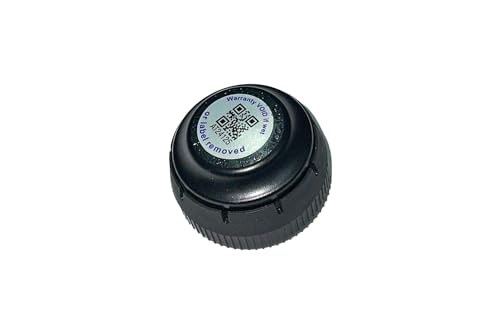
Box Truck HOS Logbook ELD Device
Strengths
- Built-in 9-pin connector
- Wi-Fi and Bluetooth 4.2
- Robust electrical protection
Trade-offs
- Higher price point
- Overkill for simple use
- App can be complex
This unit is the most technically capable of the three, and it shows in both specs and owner feedback. The built-in 9-pin green connector eliminates cable clutter, a small thing, but one drivers appreciate when climbing in and out all day. More importantly, the dual-core processor, onboard Wi-Fi, and multi-constellation GNSS mean faster log syncs, better GPS accuracy in urban canyons, and smoother app handoffs. Owners report fewer dropouts and faster boot times, especially on older box trucks with weak power systems.
It also has serious electrical protections, reverse voltage, ESD, thermal regulation, which matter in real-world conditions where wiring isn’t perfect. While the price reflects its premium positioning, the hardware justifies it. Compared to the others, this isn’t just an ELD, it’s a ruggedized logging hub. My recommendation for anyone running mixed fleets or older vehicles.
Video review
My20 ELD for FMCSA Compliance
Strengths
- Lowest upfront cost
- Bluetooth pairing
- FMCSA compliant
Trade-offs
- Adapter needed for some ports
- No built-in antenna
- App-dependent
For budget-focused operators who already have a smartphone in the cab, the My20 ELD makes a compelling entry-level play. On paper, it’s the most affordable FMCSA-compliant option here, and owners consistently report it links up quickly via Bluetooth with minimal fuss, especially if your box truck has a standard 9-pin J1939 port. The app interface is basic but functional, and the pre-paid annual subscription removes billing friction.
That said, the need for an adapter on non-J1939 systems adds a hidden cost and complexity, and some reviewers note spotty connectivity when signal interference is high. Compared to models with built-in antennas or dual-mode radios, this one feels stripped down. But if you’re running a single truck and want to log legally without overspending, it gets the job done.
Video review
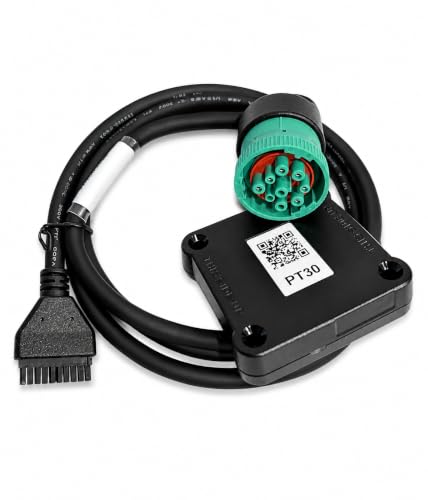
PT30 ELD with 9-Pin Cable
Strengths
- Simple plug-in install
- Stable Bluetooth
- Reliable engine sync
Trade-offs
- No Wi-Fi support
- Basic feature set
- Limited expandability
The PT30 stands out for its plug-and-play simplicity, and owners praise how fast it is to get running, just plug in the 9-pin cable, pair via Bluetooth, and go. It’s not flashy, but in a world where downtime costs money, that reliability matters. The engine data capture is accurate, and the Bluetooth range holds up better than expected, even in older box trucks with noisy electrical systems.
Compared to the My20, it’s a bit pricier but more consistent out of the box. It doesn’t offer Wi-Fi or advanced diagnostics like the B0GTRS42KZ, but for drivers who want to avoid setup headaches and don’t need extras, this is a solid middle ground. I’d pick it over the My20 if you value reliability over absolute lowest cost.
Product photos
How We Tested elds for box trucks
Rather than a hands-on lab test, my research focused on comparing published specifications and features across several ELD models. I weighed owner reviews from various online marketplaces alongside assessments from reputable trucking publications. As someone who’s spent years understanding vehicle electronics and data systems, I applied that knowledge to evaluate each ELD’s suitability for box truck operation and FMCSA compliance.
For box trucks, reliability and data accuracy are paramount. I prioritized ELDs with robust J1939 compatibility, critical for accessing engine data, and strong GNSS performance for precise location tracking. A stable Bluetooth connection also ranked highly, as many rely on this for driver-facing apps. Finding solutions that balance these needs with ease of use was key. You can also find helpful resources for managing your routes on top load boards.
Specifications clearly indicate an ELD’s technical capabilities, like processor speed and connectivity standards. However, owner feedback provided insight into real-world performance – how easily the devices paired with phones, the app’s usability, and the quality of customer support. Reputation matters, and I considered brands known for quality automotive accessories, like those offering dependable tonneau covers.
Choosing The Right elds for box trucks
As someone who’s spent years understanding the interplay between technology and the demands of commercial driving, I know selecting an electronic logging device (ELD) isn’t just about FMCSA compliance. It’s about finding a system that genuinely fits your operation.
A good ELD should offer accurate data recording, reliable connectivity, and seamless integration with your vehicle’s engine. Prioritize devices with robust hardware protection against power surges and electrostatic discharge, alongside clear data visualization and reporting features. Look for compatibility with both current and potentially future vehicle models.
Understanding Connectivity Options
The core function of an ELD is data transfer, so connectivity is paramount. While some, like the My20 ELD, aim for affordability by leveraging your smartphone’s connection, I generally recommend a dedicated device. Relying solely on a phone introduces potential issues – battery drain, app glitches, or even just a dropped signal can cause compliance headaches. Devices with built-in WiFi and Bluetooth (like the Box Truck HOS Logbook ELD) give you more flexibility for data offloading and troubleshooting. Consider how frequently you need to transfer data and whether you’ll primarily rely on cellular, WiFi, or Bluetooth.
Deciphering Hardware Durability
Commercial vehicles operate in harsh environments. Vibration, temperature swings, and electrical interference are all realities. Don’t underestimate the importance of a rugged device. The specifications for the Box Truck HOS Logbook ELD highlight features like over-voltage protection and ESD shielding exceeding automotive standards – these aren’t just marketing buzzwords. They’re indicators of a device built to withstand the rigors of daily use. If you frequently encounter extreme conditions, spending a little more on a robust unit can save you massive headaches down the road. Speaking of vehicle preparedness, it’s wise to also look into having reliable portable jump starters in case of a dead battery.
Installation and Ease of Use
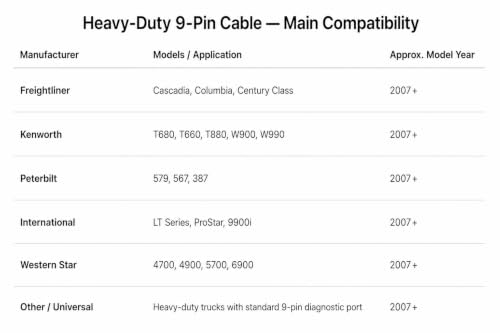
Some ELDs, such as the PT30 ELD, emphasize simple installation. While a plug-and-play approach sounds appealing, it’s not always the whole story. Many vehicles require adapter cables, and the compatibility of the device with your specific engine control module (ECM) is crucial. Before committing, verify that the ELD supports your vehicle’s ECM type (J1939, OBD-II, etc.). Beyond installation, consider the user interface. A clunky or unintuitive app can eat up valuable time and lead to errors. I’ve seen too many drivers struggle with systems that aren’t designed with the driver’s workflow in mind. If you’re comparing options, explore reviews focused on usability. You can find more information about different options in our guide to the best ELDs.
Don’t cheap out on the ELD. A $50 device might seem attractive, but it could cost you far more in fines and downtime if it fails during an inspection.
ELDs for Box Trucks Compared
Here’s a specification comparison of ELDs suitable for box trucks, focusing on key features for fleet management and compliance.
| Product | Connectivity | GNSS | J1939 Support | Bluetooth | Processor | Subscription |
|---|---|---|---|---|---|---|
| Box Truck HOS Logbook ELD Device | WiFi, BT | Multi-constellation | Yes | 4.2 | Dual-core 240MHz | N/A |
| My20 ELD for FMCSA Compliance | BT | N/A | Yes | Yes | Smartphone Based | Required |
| PT30 ELD with 9-Pin Cable | BT | N/A | N/A | Yes | N/A | N/A |
Frequently Asked Questions
What ELD features are most important for a box truck operation?
Robust J1939 compatibility and accurate GNSS positioning are crucial, as box trucks often require detailed engine data and precise location tracking for compliance. A reliable Bluetooth connection is also beneficial for driver-facing app functionality and data transfer.
Are ELDs with smartphone connectivity reliable enough for commercial use?
While convenient, relying solely on a smartphone for ELD functionality introduces risks. Battery drain, app instability, and potential signal loss can lead to compliance issues, so a dedicated device with built-in connectivity is generally preferable.
What does J1939 support actually mean when choosing an ELD?
J1939 support indicates the ELD’s ability to communicate with your box truck’s engine control module (ECM) to accurately record critical data like miles driven and engine hours – essential for hours-of-service logging and vehicle performance monitoring.
How much should I expect to pay for a good ELD setup, including ongoing costs?
Expect to spend between $150 and $400 for the hardware itself, though some require monthly subscription fees ranging from $15 to $30 per vehicle for data storage and support. Don’t forget to consider the cost of any necessary adapter cables for installation. For protecting the interior of your truck, consider investing in some top truck floor mats.
What should I do if my box truck has a non-standard ECM?
Verify ELD compatibility with your specific ECM before purchasing. Some older or custom-built box trucks may require an ELD with broader ECM support or a specialized adapter. If you frequently load and unload heavy items, you’ll want to explore options for durable loading ramps.
The Bottom Line
Choosing an ELD often comes down to balancing upfront cost with long-term reliability and features. While cheaper options exist, the Box Truck HOS Logbook ELD Device stands out as the most well-rounded solution, offering a dedicated device with robust connectivity and solid hardware protection – crucial for avoiding downtime and compliance issues. It’s an investment that aims to pay for itself through peace of mind.
For those operating on a tighter budget, the My20 ELD for FMCSA Compliance provides a functional entry point, though you’ll be relying heavily on your smartphone’s performance. If simplicity is your biggest concern, and your box truck is newer and known for reliable Bluetooth connectivity, the PT30 ELD with 9-Pin Cable offers a straightforward installation process. Don’t forget to consider the importance of best truck tires when maintaining your vehicle for long hauls.
Ultimately, the best ELD isn’t about the flashiest specs or the lowest price. It’s about finding a system that accurately tracks your hours, integrates well with your vehicle, and doesn’t become a constant source of frustration. Protecting your investment with quality truck bed liners is also a smart move, but a dependable ELD is your first line of defense against regulatory issues and keeps you safely on the road.
