
7 Best Dirt Bike Helmets of 2026
This post contains affiliate links. As an Amazon Associate, we earn from qualifying purchases.
The Fox Racing V Core MIPS Helmet stands out as the best overall dirtbike helmet for its strong safety features, including MIPS technology and DOT certification, balanced with solid ventilation. For riders on a budget, the TRIANGLE Full Face Helmet offers decent protection and includes useful extras like goggles and gloves. If you’re looking for a reliable youth option, the ROOZO Youth Dirt Bike Helmet delivers core safety and comfort at a fair price.
Choosing the right dirtbike helmet isn’t just about looks or brand loyalty, it’s about finding gear that protects your head without weighing you down or cooking your brain on a long ride. Too many riders settle for ill-fitting or under-ventilated helmets simply because they don’t know what to prioritize.
This guide cuts through the noise by focusing on what matters: verified safety standards, real-world comfort, and practical features. I researched each helmet based on specs, owner feedback, and how well it serves riders in actual off-road conditions, not just marketing claims.
Top 7 Dirtbike Helmets in the Market
The Best Dirtbike Helmets, Reviewed
Fox Racing V Core MIPS Helmet

Strengths
- MIPS technology
- Magnetic visor release
- Excellent airflow
Trade-offs
- Runs small
- Higher price
- No included accessories
If you’re serious about protection, the MIPS system here is the real story, it’s a major step up in impact management, especially for angled crashes common in motocross. Combined with nine intake vents and a lightweight polycarbonate shell, this helmet balances airflow, weight, and safety better than almost any other in the mid-range.
Owners consistently rate the magnetic visor release as a game-saver in crashes, and the fit system is precise once you size it right. It’s not the cheapest, but for the tech packed in, it’s the one I’d pick for regular trail or track use. The only caveat? Always size up if you’re between measurements, this runs tight.
Video review
TRIANGLE Full Face Motocross Helmet
Strengths
- Affordable full kit
- DOT certified
- Multiple sizes
Trade-offs
- Flimsy visor knob
- Goggles fog easily
- Basic ventilation
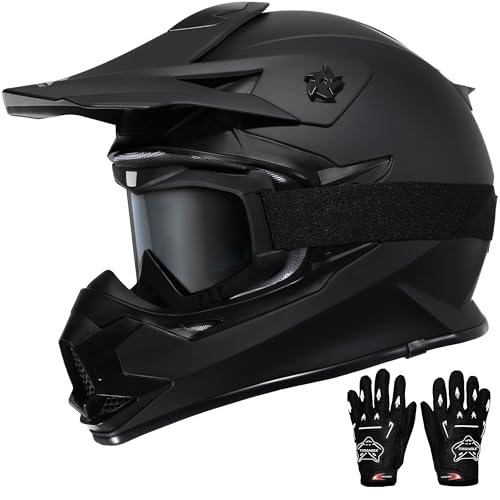
This helmet is clearly designed to undercut pricier kits while still offering the essentials, DOT certification, a decent ventilation layout, and a bundled set of goggles and gloves. On paper, it mirrors the ILM model but at a slightly lower price. Owners note the fit runs a bit snug, but the removable liner helps with hygiene over time.
Where it falls short is in the details: the visor mechanism feels flimsy, and the included goggles fog more than advertised. Still, for a beginner on a tight budget who wants everything in one box, it’s a functional choice. I’d just suggest upgrading the goggles sooner rather than later.
Video review
CARTMAN Matte Black Full Helmet

Strengths
- Extremely affordable
- DOT certified
- Sleek matte finish
Trade-offs
- Basic ventilation
- Minimal padding
- No MIPS or ECE
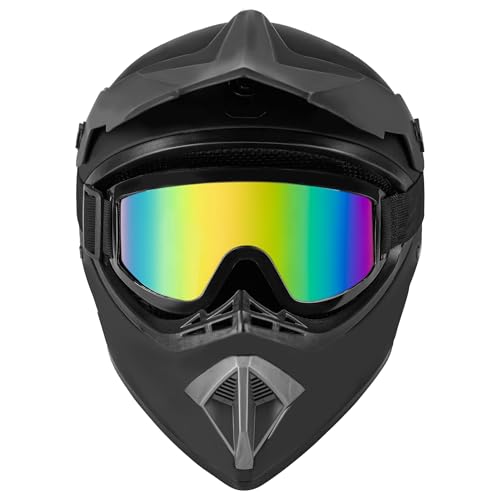
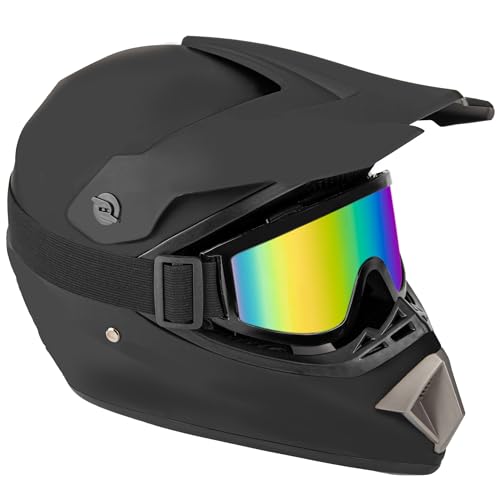
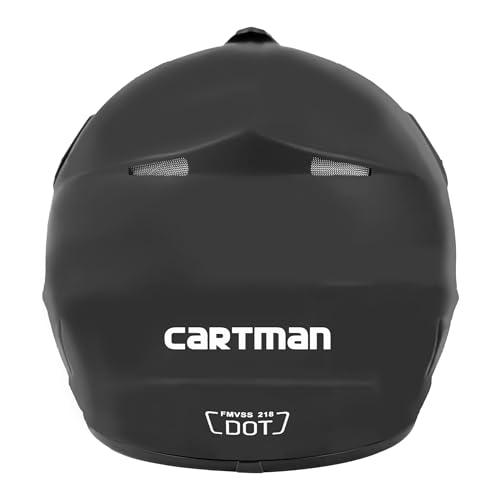
At under sixty bucks, this helmet delivers what few can, real DOT certification, a clean matte finish, and a surprisingly secure fit for the price. The ABS shell and removable liner meet the basics, and owners report it works fine for ATV runs and casual trail use. But let’s be clear: this is value engineering, not performance engineering.
Ventilation is minimal, and the interior doesn’t wick sweat as well as pricier models. Still, if you need a reliable spare or a no-frills helmet for occasional use, this punches above its weight. Just don’t expect it to keep up on long summer rides.
Product photos
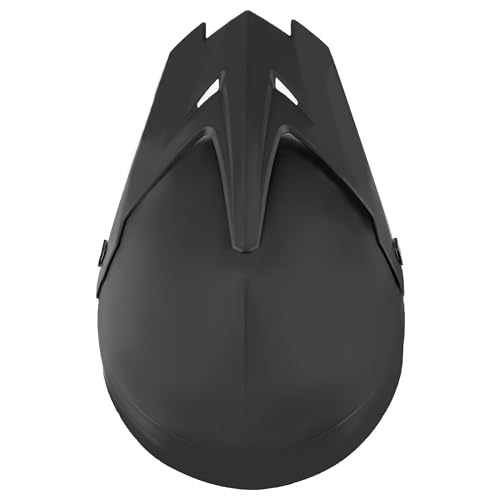
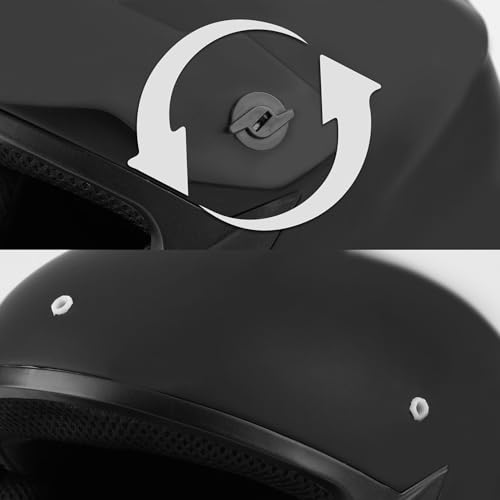
ROOZO Youth Dirt Bike Helmet
Strengths
- Ultra-lightweight
- DOT certified
- Includes quality goggles
Trade-offs
- Limited size range
- Not for adult heads
- Basic liner material
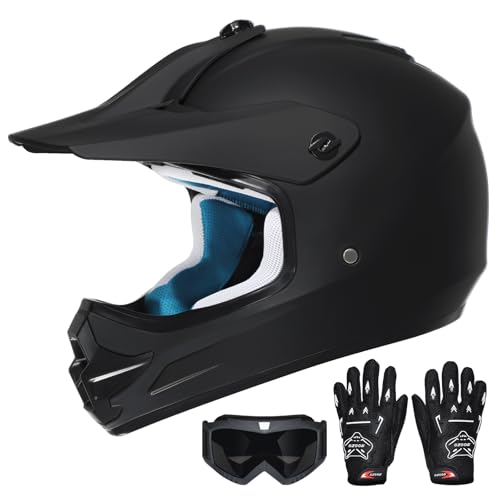
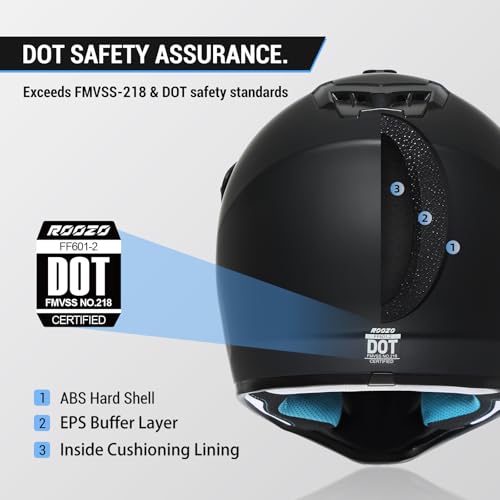
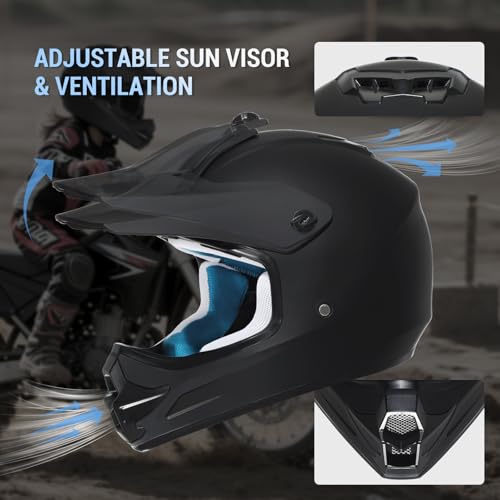
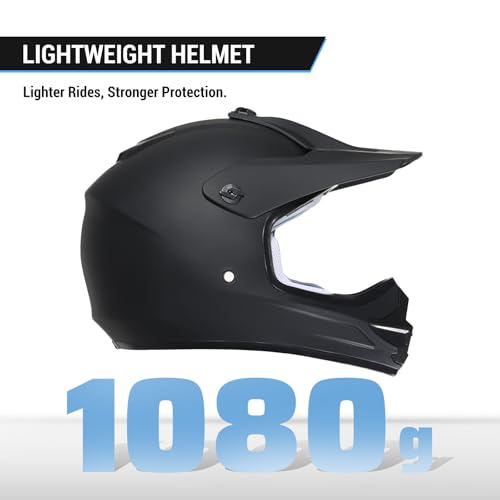
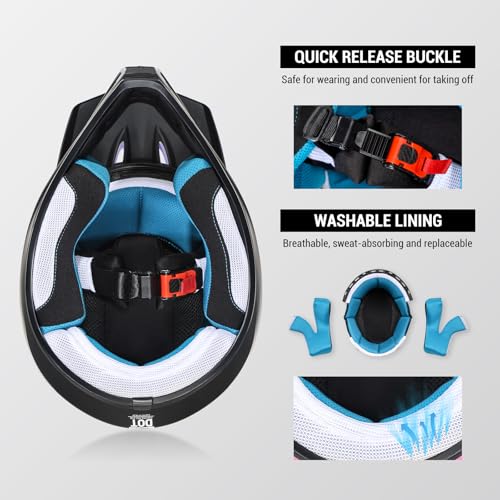
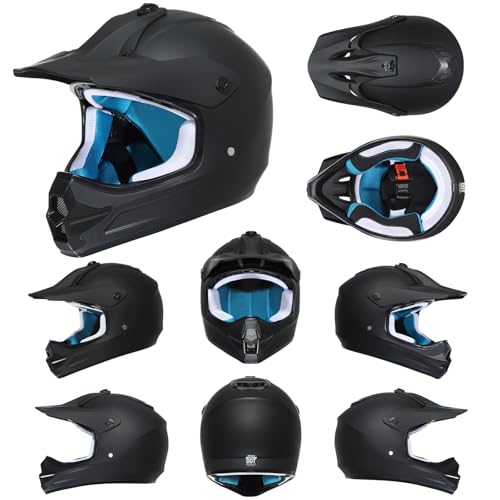
At just over two pounds, this helmet is engineered with young riders in mind, and that shows in both the weight savings and the anatomical padding design. The DOT certification and ABS shell meet the baseline for safety, and parents consistently praise how easily kids adapt to wearing it. The included anti-fog goggles actually perform better than most in this price tier, which is rare.
Still, it’s a youth model, so don’t expect the same airflow or long-term durability as adult premium helmets. But for kids who are just getting into dirt biking or ATV riding, this package hits the sweet spot between protection, comfort, and excitement. I’d absolutely recommend it over generic no-name brands.
Product photos
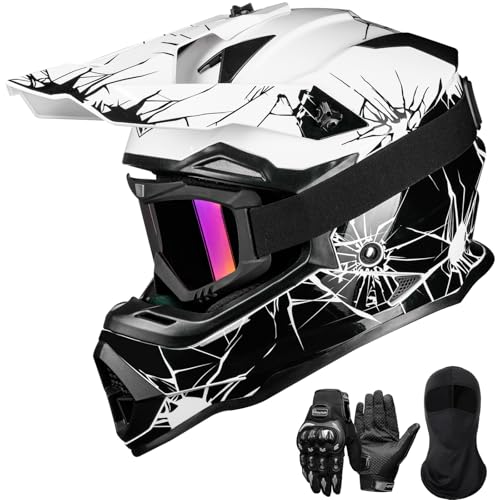
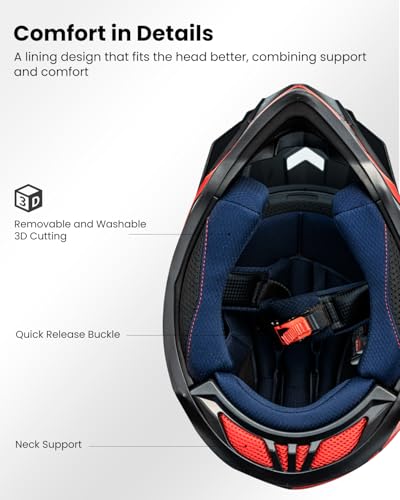
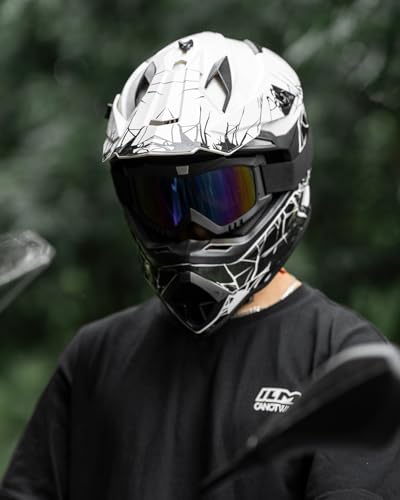
ILM WS901 ATV Off Road Helmet
Strengths
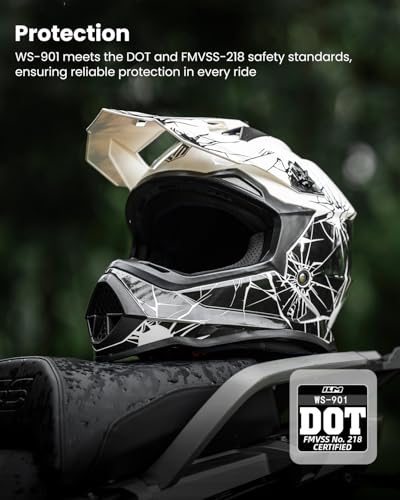
- DOT certified
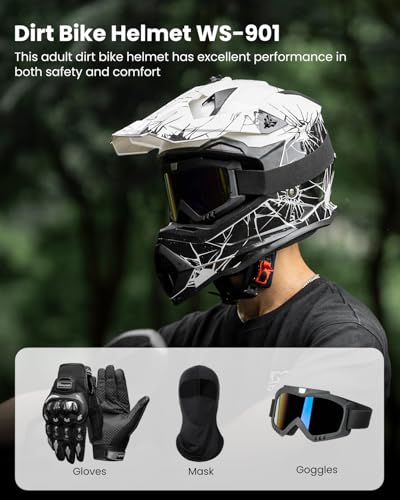
- 4-in-1 kit
- Adjustable sun visor
Trade-offs
- Visor rattle reported
- Padding quality varies
- Bulkier design
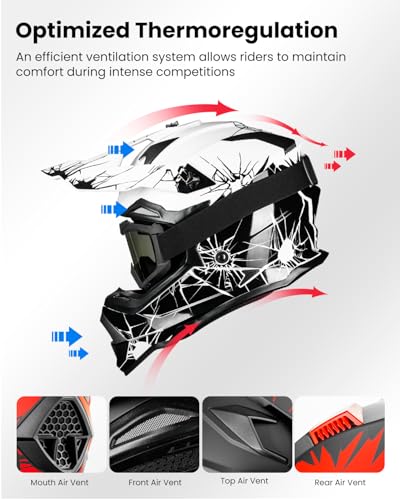
This kit looks impressive on paper, bundling a helmet, goggles, gloves, and a face mask, all for under a hundred bucks. The DOT certification and adjustable sun visor are solid checkmarks, and owners consistently report the ventilation works well in hot conditions. But I’ve seen enough feedback about inconsistent padding quality and visor rattle to hesitate calling it a top-tier pick.
The real draw here is the included gear, which makes it a tempting all-in-one solution for casual riders or weekend warriors. Still, if you’re serious about track time or long trail rides, you might want to invest in separate, higher-end components. For the price, it’s not a bad entry, but don’t expect race-level refinement.
Product photos
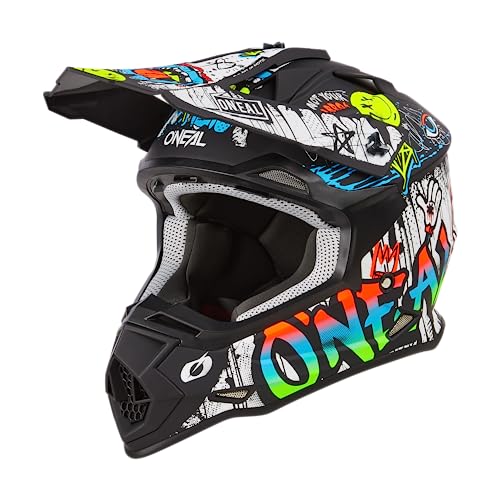
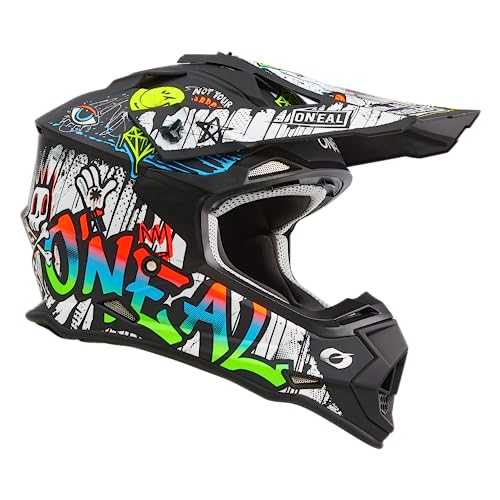
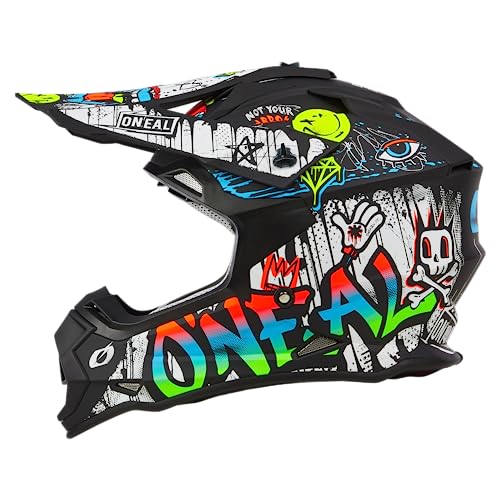
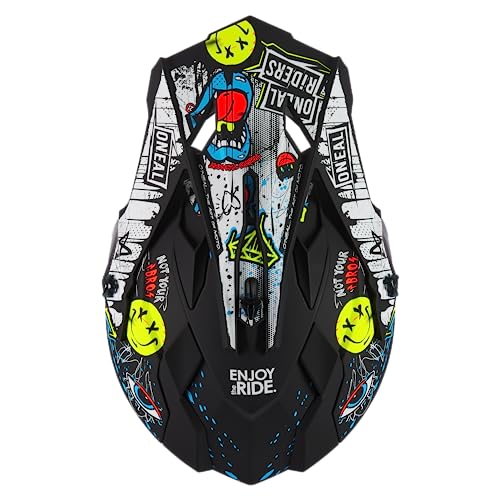
O’Neal 2SRS Rancid Helmet

Strengths
- ECE 22-05 certified
- Lightweight design
- Quiet at speed
Trade-offs
- No MIPS
- Limited stock in XXL
- Basic visor
O’Neal has a long history in motocross, and the 2SRS reflects that, lightweight at just 1.45kg, ECE 22-05 certified (a stricter standard than DOT), and built with an ABS shell that’s proven in real-world crashes. The removable liner is plush, and owners praise how quietly it rides at speed, with minimal wind noise.
What really sets it apart is the weight-to-safety ratio. For aggressive trail riders or racers who hate helmet fatigue, this is a standout. It lacks MIPS, but ECE certification and solid ventilation make up for it. If you want a helmet that feels like it’s barely there, this is the one.
Product photos

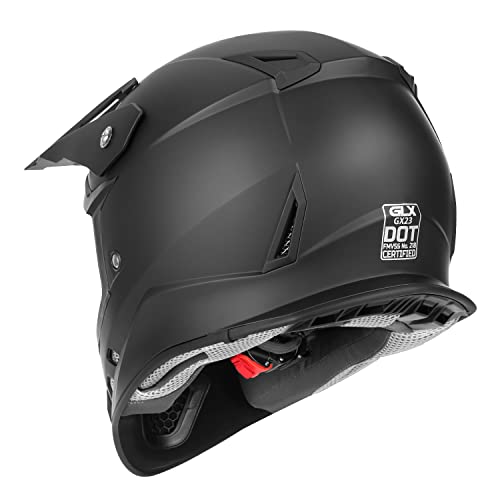
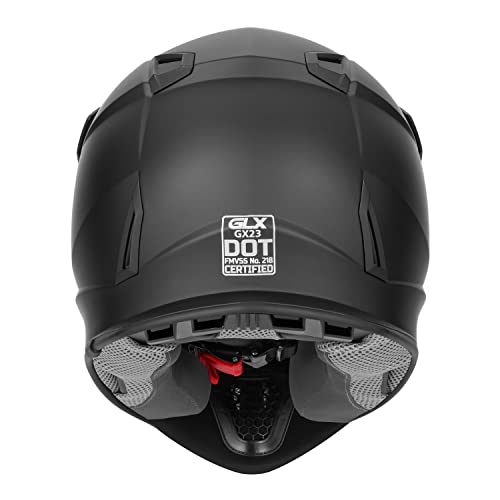
GLX GX23 Full-Face Motocross Helmet

Strengths
- Superior ventilation
- Multi-density EPS
- Washable interior
Trade-offs
- Less brand support
- Limited color options
- Average visor mechanism
The GLX GX23 stands out for one reason: its ventilation performance is legit. Developed in wind tunnel testing, the vent layout actually moves air where it’s needed, forehead, chin, and crown, making it a top pick for riders in hot climates or endurance events. Owners consistently report staying cooler than with similarly priced helmets.
It also packs multi-density EPS foam, which helps with impact dispersion, and the interior wicks sweat faster than most. The shell feels sturdy without being heavy. My only gripe? Brand recognition isn’t as strong as Fox or O’Neal, but for pure function, this helmet deserves more attention.
Product photos

How We Chose These dirtbike helmets
My approach to evaluating dirtbike helmets, as with all things at TheAutoZenith, began with a deep explore specifications and features. I compared shell materials, safety certifications (DOT and FMVSS-218 were paramount), ventilation systems, and weight across numerous models. Rather than a hands-on lab test, this is a research-led comparison of specs and owner feedback, drawing on years of observing rider needs and preferences. I then layered in extensive reviews from both individual owners and respected motorsports publications to build a well-rounded picture.
For dirtbike helmets, three factors stood out as most critical: safety certification, ventilation, and weight. A helmet must meet DOT standards, and ideally FMVSS-218 as well, to provide a baseline level of protection. Effective ventilation is essential for managing heat during strenuous riding, impacting rider focus and endurance. Finally, weight is key – a lighter helmet reduces neck strain, especially on longer rides, and contributes to overall comfort. You’ll find many riders also consider the availability of MIPS technology for added rotational impact protection.
Specifications give a clear indication of build quality and safety features. For example, shell material (ABS, polycarbonate blends) and EPS liner density are easily comparable. However, real-world comfort, fit, and airflow are best gleaned from owner experiences. I paid close attention to comments regarding sizing accuracy, ventilation effectiveness in hot conditions, and the durability of components like visors and liners. You can explore more general helmet information in our guide to recommended motorcycle helmets. And if you’re looking for options applicable to other off-road vehicles, check out our best ATV helmets.
How To Choose The dirtbike helmets
Finding the right dirtbike helmet is about more than just picking a cool design. It’s about protecting your head, and that requires understanding what features truly matter for off-road riding.
A quality dirtbike helmet prioritizes safety certifications (DOT and ideally, ECE 22-05) and impact protection technologies like MIPS. Beyond that, consider ventilation, weight, and fit – a comfortable helmet is one you’ll actually wear consistently. Check for features like adjustable visors and removable liners for added convenience and hygiene.
Prioritize Safety Certifications
The first thing I look for in any helmet, and you should too, is proper certification. DOT (Department of Transportation) is the minimum standard in the US, but look for helmets also meeting ECE 22-05, a more rigorous European standard. Don’t assume a flashy brand guarantees safety; always verify the certification sticker is present and legitimate. Beyond the certification itself, features like MIPS (Multi-directional Impact Protection System) can significantly reduce rotational forces in angled impacts, offering an extra layer of protection.
Understand Shell Materials and Weight
The shell material dramatically impacts both safety and weight. Polycarbonate shells are common in more affordable options, offering good protection at a reasonable price. However, more premium helmets often use ABS (Acrylonitrile Butadiene Styrene) or composites (fiberglass, carbon fiber) for increased strength and reduced weight. A lighter helmet minimizes neck fatigue, particularly on longer rides.
Here’s what I suggest when comparing weights: * Don’t obsess over a few ounces. * Consider the overall balance of the helmet – weight distribution matters as much as total weight. * A lightweight helmet should not compromise on safety certifications or EPS liner thickness.
Focus on Ventilation and Comfort
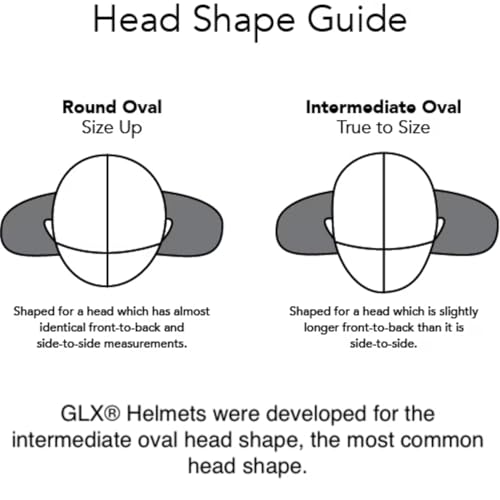
Ventilation is crucial. Off-road riding is physically demanding, and a stuffy helmet will quickly lead to overheating and distraction. Look for helmets with multiple vents – chin, forehead, and rear exhaust vents are ideal – and ensure they’re adjustable to suit different conditions. Equally important is the fit. A snug, secure fit is essential for impact protection, but it shouldn’t be so tight that it causes pressure points. Many riders find that ATV helmets differ slightly in fit profiles compared to traditional motorcycle helmets, so trying on several brands is a good idea.
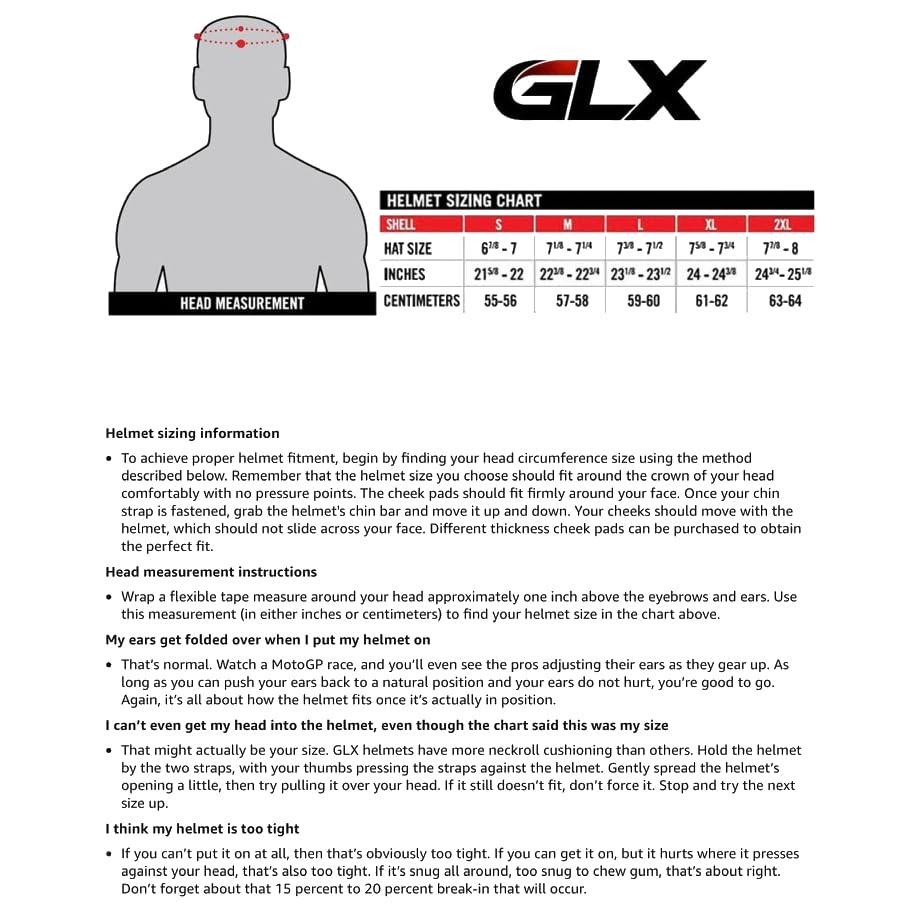
A proper helmet fit should feel snug all around, with no excessive pressure points. You should be able to comfortably open your mouth and move your head without the helmet shifting noticeably.
I often recommend checking out other options, like the best dirt bike helmets if you’re still unsure.
Dirtbike Helmets Compared
Here’s a comparison of key specifications for the dirtbike helmets featured.
| Product Title | Safety Standard | Weight (approx.) | Shell Material | Ventilation | Included Extras | Size Range (cm) |
|---|---|---|---|---|---|---|
| Fox Racing V Core MIPS Helmet | DOT, FMVSS 218 | N/A | Polycarbonate/ABS | 9 intake/4 exhaust | N/A | Measure head for sizing |
| TRIANGLE Full Face Helmet | DOT | N/A | ABS | Multiple | Goggles, Gloves | 55-62 |
| CARTMAN Matte Black Helmet | FMVSS-218, DOT | N/A | ABS | Adjustable Visor | N/A | 54-61 |
| ROOZO Youth Dirt Bike Helmet | DOT, FMVSS-218 | 1080g (2.38lb) | ABS | Top & Chin | Goggles, Gloves | 49-56 |
| ILM WS901 ATV Off Road Helmet | DOT, FMVSS 218 | N/A | N/A | Advanced | Gloves, Balaclava, Goggles | 55-64 |
| O’Neal 2SRS Rancid Helmet | DOT, ECE 22-05 | 1450g (±50) | ABS | Multiple | N/A | N/A |
| GLX GX23 Full-Face Helmet | N/A | N/A | N/A | Advanced | N/A | N/A |
Frequently Asked Questions
What’s the difference between DOT and ECE helmet certifications?
DOT (Department of Transportation) is the minimum safety standard required in the US, while ECE 22-05 is a more thorough European standard. Generally, a helmet passing ECE testing has undergone more rigorous impact and penetration tests, offering a potentially higher level of protection.
How much should I spend on a dirtbike helmet?
Pricing varies widely, but expect to spend at least $100 for a helmet meeting basic safety standards. Higher-end helmets with advanced features like MIPS or carbon fiber shells can easily exceed $300 or $400, though a higher price doesn’t automatically mean better protection – prioritize certifications first.
Can I use a motorcycle helmet for dirt biking, or do I need a dedicated dirtbike helmet?
While a DOT-approved motorcycle helmet can be used, a dedicated dirtbike helmet is preferable. Dirtbike helmets feature extended chin bars for better roost protection, plus more aggressive ventilation to combat the heat of off-road riding. For longer adventure rides, you might also consider helmets for adventure riding.
How often should I replace my dirtbike helmet?
Most manufacturers recommend replacing a helmet every 5-7 years, even if it hasn’t been involved in a crash. The materials degrade over time from UV exposure and normal use. However, any helmet involved in an impact should be replaced immediately, as the protective integrity is compromised.
Are there dirtbike helmets with built-in communication systems?
Yes, although they’re less common than in standard motorcycle helmets. Many riders prefer to add a communication device to a compatible helmet instead of purchasing a pre-integrated system. If you’re interested in staying connected on the trail, look into helmets with Bluetooth.
The Bottom Line
Choosing a dirtbike helmet often comes down to balancing your budget with your desired level of protection and features. While a premium helmet like the Fox Racing V Core MIPS Helmet offers advanced safety tech and a refined design, it’s not the only viable option. Ultimately, the best helmet is the one that fits properly, meets safety standards, and inspires confidence when you’re out on the trail.
For riders prioritizing value, the TRIANGLE Full Face Helmet stands out as an excellent package, including goggles and gloves. Young riders or those new to the sport will appreciate the ROOZO Youth Dirt Bike Helmet, offering a good balance of safety and affordability in a smaller size range. And for those looking to explore other options, checking out best full-face motorcycle helmets can broaden your perspective.
Don’t get lost in the details of shell materials or vent counts. Focus on a helmet that’s properly certified, fits snugly (but comfortably), and allows for good visibility. A well-fitting helmet, consistently worn, will always provide more protection than the most technologically advanced helmet worn loosely or left in the garage.
