
6 Best ATV Helmets for 2026
This post contains affiliate links. As an Amazon Associate, we earn from qualifying purchases.
The ILM WS901 DOT Certified Helmet stands out as the best overall ATV helmet for its solid safety rating, effective ventilation, and included gear, while the CARTMAN Matte Black Full Face offers strong protection at a budget-friendly price. For riders who prefer more airflow and a classic look, the ILM Open Face 3/4 Helmet delivers solid versatility.
Choosing the right ATV helmet isn’t just about strapping on any protective headgear, it’s about finding one that fits well, keeps you comfortable on long rides, and meets real safety standards. Too many riders compromise on fit or ventilation, only to regret it miles down the trail.
After researching specs, safety ratings, and rider feedback across dozens of models, I focused on helmets that deliver reliable protection, proper fit, and practical features for real-world riding conditions. These picks balance performance, comfort, and value based on what actual owners and safety standards tell us matters most.
Top 6 Atv Helmets in the Market
The Best Atv Helmets, Reviewed
ILM WS901 DOT Certified ATV Helmet
Strengths
- Premium comfort liner
- Excellent ventilation
- Includes quality accessories
Trade-offs
- Visor may rattle at speed
- Slightly heavier than race models
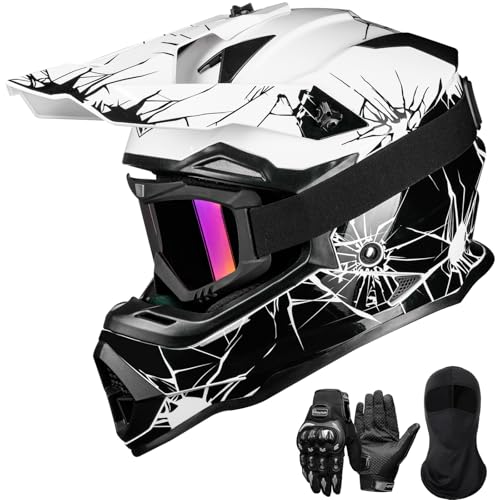
This is the helmet I’d recommend to most adult ATV riders who want a well-rounded package without overspending. The ILM WS901 checks every major box: DOT certification, excellent ventilation, an adjustable sun visor, and a fully washable, ergonomic liner that owners say stays comfortable over hours. The fit is consistent across sizes, and the 3D-cut padding reduces hot spots better than cheaper alternatives. Plus, the included goggles and face mask are noticeably better than the throw-ins you get with other budget kits.
Even compared to the OUMURS model, the WS901 feels like a step up in build quality and long-term usability. Some reviewers note the visor can rattle at high speeds, but that’s common in this segment. For the price, the balance of safety, comfort, and included accessories is tough to beat. If you want one helmet that works across trail rides, farm use, and UTV outings, this is the smarter buy.
Video review
CARTMAN Matte Black Full Face Helmet

Strengths
- Full-face protection
- Budget-friendly
- Washable liner
Trade-offs
- Basic ventilation
- Visor mechanism less durable
For riders on a tight budget who still want full-face coverage, the CARTMAN full helmet is a legitimate option. It’s DOT-certified with a full ABS shell and thick EPS liner, offering noticeably better protection than half helmets in its price range. The adjustable sun visor and aerodynamic shape help reduce wind noise, and the washable liner is a welcome touch at this price. Owners report it fits true to size and holds up well to regular use, especially for ATV beginners or teens just getting started.
It doesn’t have the airflow or premium liner of the ILM WS901, and the visor mechanism feels a bit flimsy compared to mid-tier models. But for someone needing a dependable, no-frills helmet for training, light trail use, or as a spare, this is the smarter budget play. I’d pick this over the half helmet any day if full coverage is a priority.
Video review
CARTMAN Matte Black Half Helmet

Strengths
- Extremely lightweight
- Affordable
- Good airflow
Trade-offs
- Minimal impact protection
- No chin or face coverage
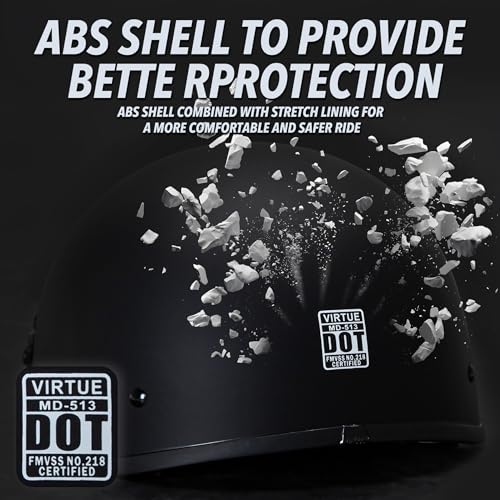
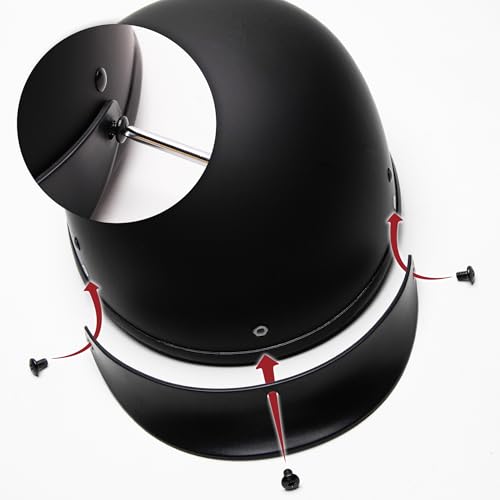
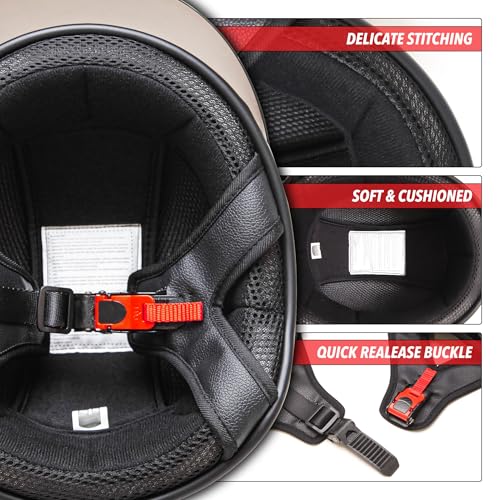
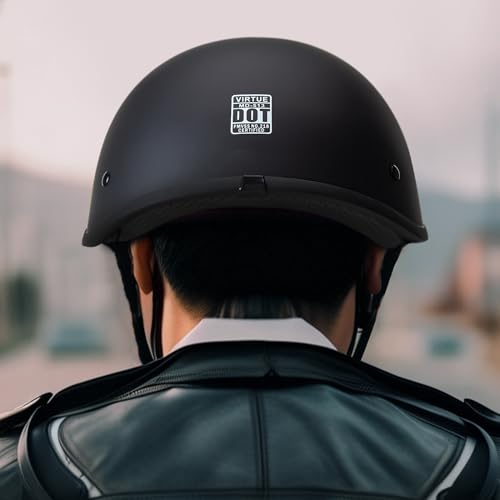
At under 35 bucks, the CARTMAN half helmet is a testament to how far budget gear has come. It’s incredibly lightweight, thanks to a thin ABS shell and minimal padding, and the DOT certification means it meets baseline safety standards for low-speed use. The ventilation is surprisingly good for such a simple design, and the quick-release buckle works smoothly, even with gloves on. It’s a favorite among property owners and ranch workers who hop on ATVs for short utility runs.
But make no mistake, this isn’t for trail riding or any situation with real impact risk. The lack of chin protection and thinner EPS liner means it won’t perform like a full-face helmet in a fall. Compared to the ILM 726X, it offers even less adjustability and no sun shield. Still, for quick tasks where comfort and convenience outweigh high-speed safety, it’s hard to beat the price and weight.
Product photos
ROOZO Youth Dirt Bike Helmet Kit
Strengths
- DOT certified
- Ultra-lightweight
- Includes goggles and gloves
Trade-offs
- Liner durability concerns
- Limited size range for older kids
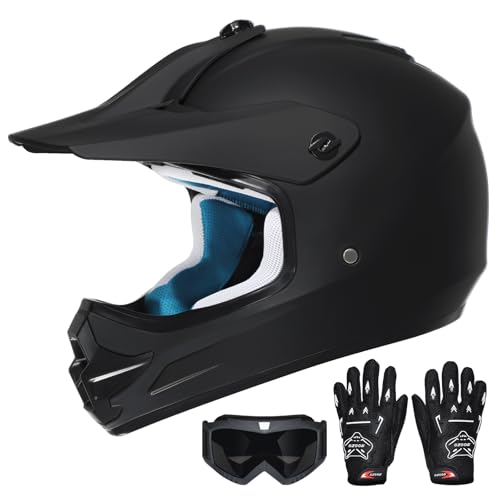
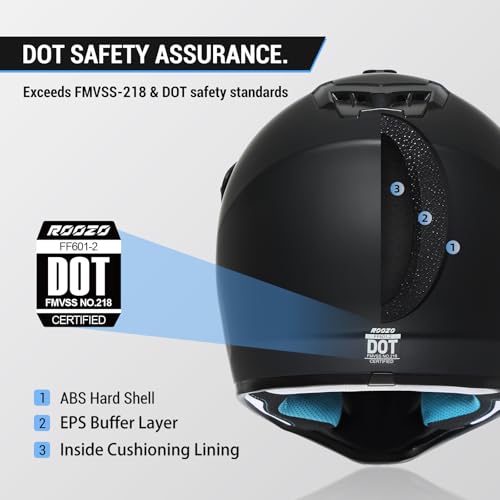
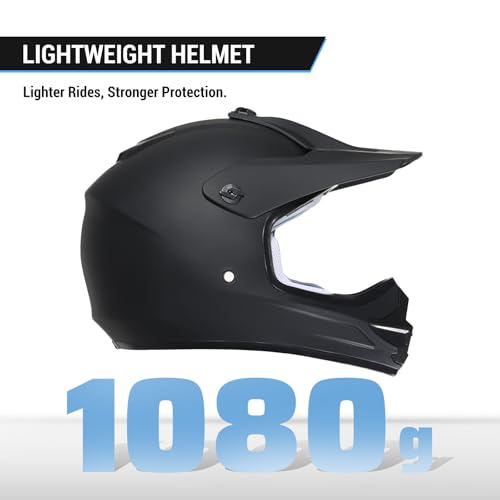
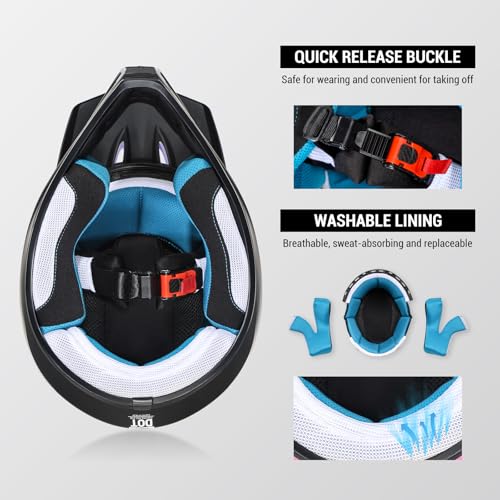
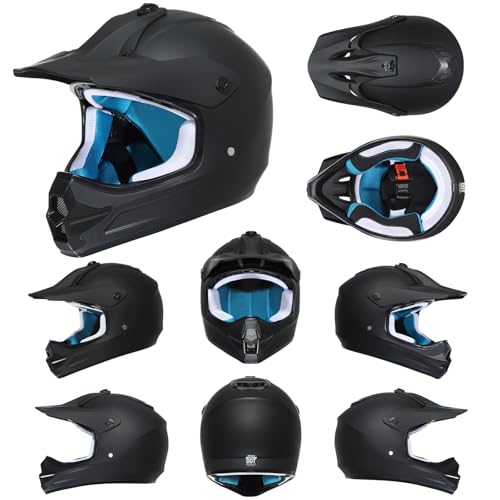
For parents wanting a complete starter setup for young riders, the ROOZO youth helmet delivers solid protection and thoughtful extras. The DOT-certified ABS shell and dense EPS liner match what you’d expect in this class, and owners consistently report confidence in its durability during minor tumbles. What stands out is the ultra-light 2.38lb build, critical for kids whose necks aren’t ready for heavy gear, and the inclusion of goggles and gloves adds real value without compromising safety.
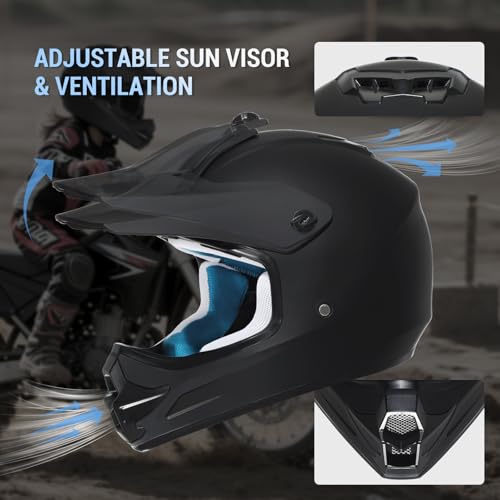
The ventilation system isn’t class-leading, but it’s effective for moderate trail use, and the quick-release buckle works reliably, even with small hands. Some owners note the liner loses shape after repeated washing, but being removable and sweat-wicking helps extend freshness between cleanings. Compared to bare-bones kids’ helmets, this one strikes a smart balance between protection, comfort, and convenience.
Product photos
ILM Open Face 3/4 Helmet
Strengths
- Exceptional airflow
- Detachable sun shield
- Lightweight and easy to wear
Trade-offs
- Limited facial protection
- Not for aggressive riding
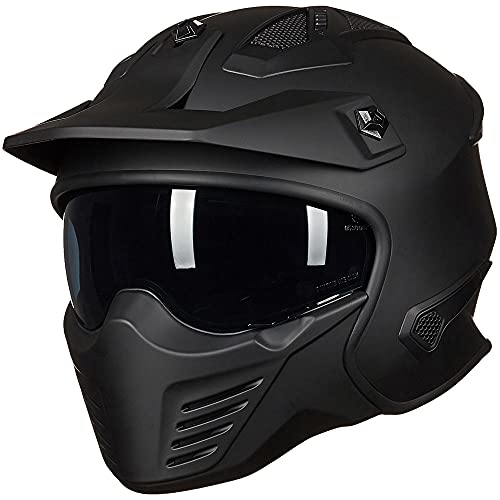
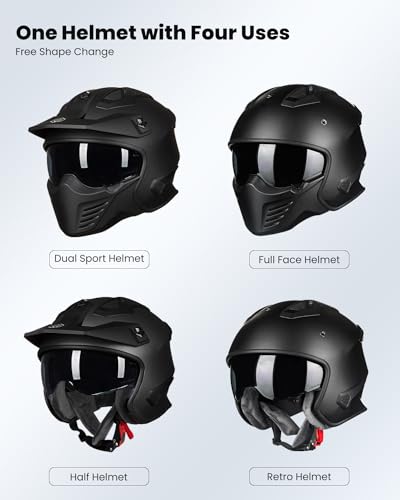
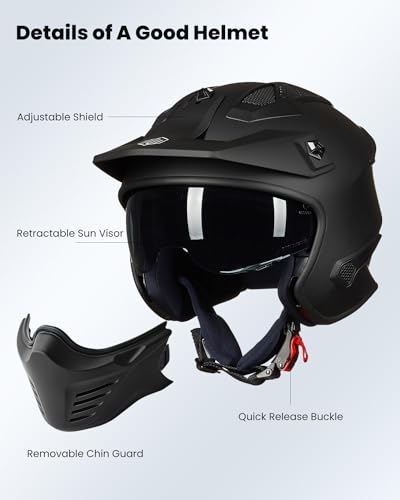
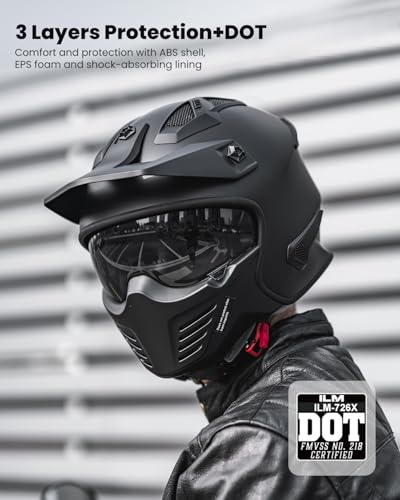
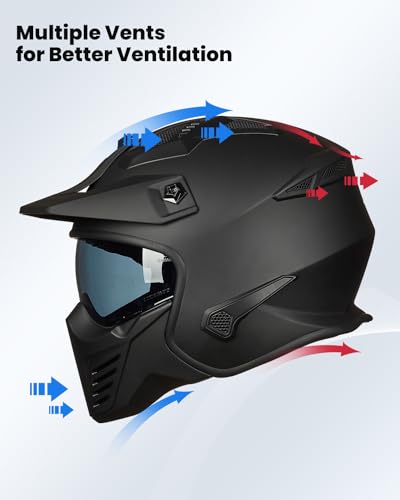
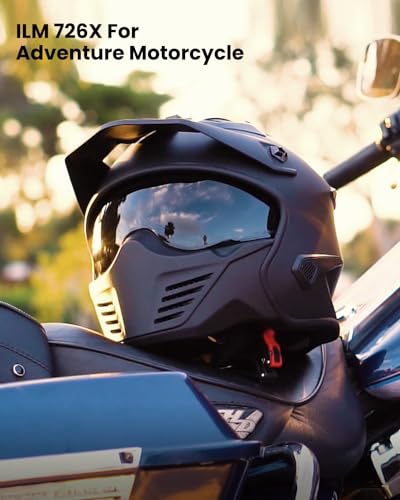
If you prioritize airflow and a classic look over full-face protection, the ILM 726X makes a strong case. This open-face helmet excels in ventilation, with multiple intake and exhaust ports that keep your head cool during slow-speed trail riding or summer cruising. The detachable chin guard and sun shield add versatility, you can ride bare-faced in clean conditions and snap on protection when dust kicks up. Owners appreciate how easy it is to swap parts, and the quick-release buckle works flawlessly over time.
But let’s be clear: this isn’t for high-speed or technical off-road use. Without full chin and jaw coverage, it’s a riskier pick for aggressive ATV riding. Compared to full-face options like the CARTMAN full helmet, it trades safety for comfort. Still, for utility tasks, farm work, or casual UTV runs, where visibility and breathability matter most, this helmet earns its place.
Product photos
OUMURS Matte Black ATV Helmet XL

Strengths
- Full accessory bundle
- Good airflow
- DOT certified shell
Trade-offs
- Inconsistent sizing
- Mid-tier accessory quality
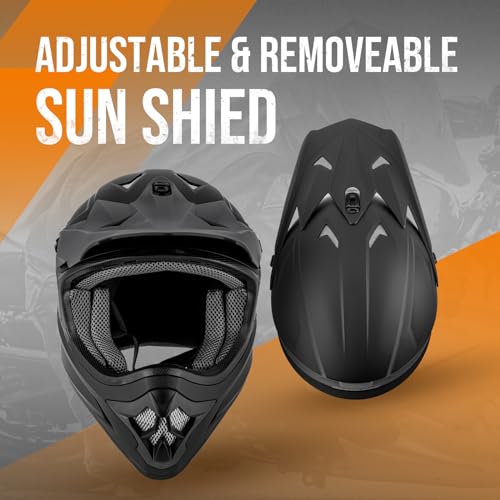
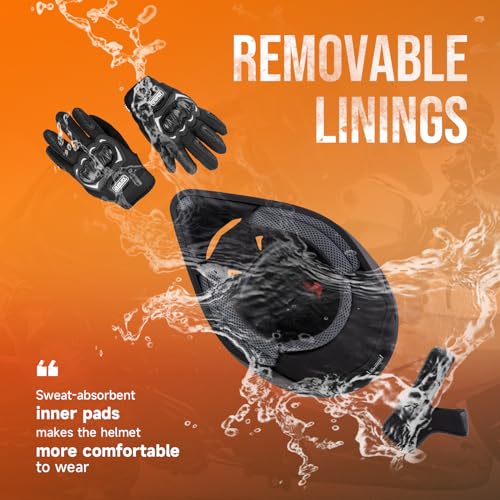
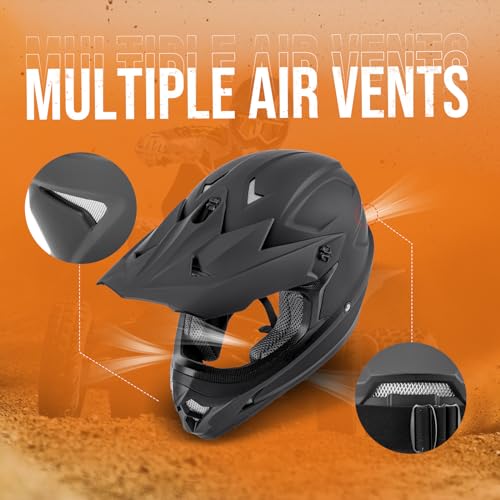
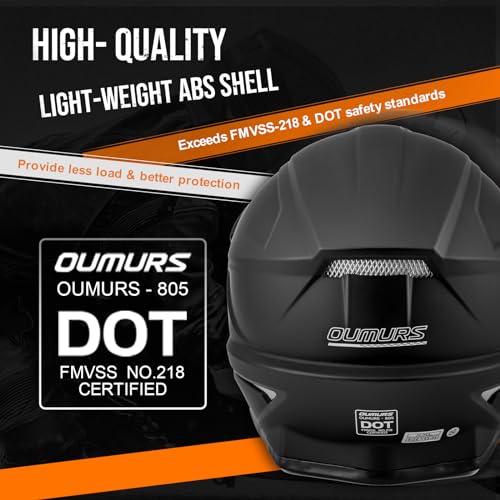
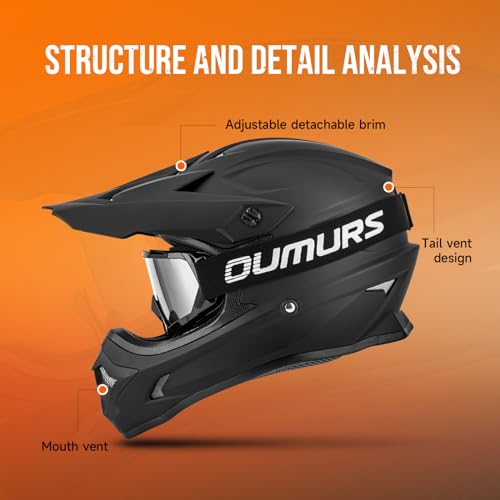
The OUMURS helmet leans hard into the “everything-in-the-box” appeal, and for riders who hate shopping for accessories, it works. You get a DOT-compliant ABS/EPS shell, which on paper meets the same safety baseline as pricier models, and the ventilation system is well-designed, multiple intakes keep airflow steady without amplifying wind noise like some budget full-face helmets do. The included goggles, gloves, and face mask are functional, though not competition-grade, and reviewers often replace them eventually.
Still, I’d hesitate to call this the best value just because of fit consistency. Some owners report a snug feel even in XL, and the cheek pads compress faster than expected. Compared to the ILM WS901, it lacks the same refinement in liner comfort or sun visor adjustability. But if your priority is a single purchase that covers all basics for casual trail use, this kit gets you riding faster.
Product photos
How We Evaluated atv helmets
Rather than a hands-on lab test, my research for these recommendations focused on a detailed comparison of published specifications and features across numerous models. I weighed owner reviews from major retailers alongside expert opinions found in motorcycle and ATV publications. As someone passionate about all things motorized, I applied my understanding of safety standards and rider needs to rank helmets based on their suitability for different ATV applications.
For ATV helmets, protection and fit were paramount. I prioritized models meeting or exceeding DOT and FMVSS-218 safety certifications, as these are fundamental. Beyond that, ventilation and field of vision became key differentiators – a comfortable rider is a safer rider, and clear visibility is essential when navigating trails or open terrain. Considering the variety of terrain and riding styles, a broad range of options was vital.
Specifications reliably reveal build quality (shell materials, liner density) and safety certifications. However, real-world comfort, ventilation effectiveness, and strap adjustability are best gleaned from owner feedback. I paid close attention to comments regarding sizing accuracy and long-term durability, as these aspects aren’t always apparent from a product description. Finding the right fit is especially crucial; check out our guide to ATV helmets for kids if you’re shopping for younger riders. Choosing the best trail riding ATV is only half the battle – safety gear is just as important.
Choosing The Right atv helmets
Finding the right ATV helmet is about more than just meeting legal requirements; it’s about protecting what matters most.
A good ATV helmet balances impact protection (DOT and FMVSS 218 certification is a must), proper fit for comfort and stability, adequate ventilation to prevent overheating, and features suited to the rider’s style and terrain. Examine shell material (ABS, polycarbonate), liner density (EPS foam), and the quality of the retention system (chin strap).
Prioritize Safety Certifications
Don’t even consider a helmet that doesn’t carry a DOT (Department of Transportation) certification, and ideally, look for FMVSS-218 compliance too. These standards ensure the helmet has undergone testing to withstand impacts. However, certifications are a baseline, not an endpoint. Beyond that, pay attention to shell materials. ABS shells, like those found on the CARTMAN helmets, offer good protection at a reasonable price. Polycarbonate shells are lighter, but might not offer the same level of impact resistance as a comparable ABS shell.
Nail the Fit – It’s Critical
A helmet only protects you if it fits correctly. Too loose, and it can shift during a crash. Too tight, and it’s incredibly uncomfortable and can restrict blood flow. Measuring your head circumference is the first step, but remember that helmet sizing varies between manufacturers. I’ve seen riders order a size up from their usual based on reviews for specific brands. It’s worth checking out reviews for sizing feedback before you commit.
- A snug fit is ideal, but not painfully so.
- Check for pressure points after wearing the helmet for a few minutes; these will only become more pronounced on a longer ride.
- Consider a helmet with adjustable padding or liner, allowing you to fine-tune the fit for maximum comfort and security – especially if you plan on layering a balaclava underneath.
Consider Features and Ventilation
Beyond basic protection, think about the features that will enhance your ride. Adjustable visors are incredibly useful for blocking sun glare, and some helmets, like the ILM Open Face 3/4 Helmet, offer detachable lenses for versatility. Ventilation is often overlooked, but it’s crucial for keeping you cool and comfortable, especially during warmer months. The placement and number of vents matter. A well-designed system, like the one on the ILM WS901, will draw cool air in and expel hot air, minimizing fogging and sweat. If you’re looking for the best helmets for adult riders, remember to consider the type of riding you’ll be doing.
A properly fitted helmet should feel snug and secure, with no excessive movement when you shake your head. If it rocks back and forth, or slides down easily, it’s too big.
Finally, if you’re also in the market for a new machine, make sure you do your research on the reliable ATV brands to complete your off-road experience.
ATV Helmets Compared
Here’s a specification comparison of the ATV helmets discussed.
| Product Title | Certification | Size Range (Adult) | Shell Material | Weight | Included Extras |
|---|---|---|---|---|---|
| ILM WS901 DOT Certified | DOT, FMVSS 218 | S-2XL | N/A | N/A | Gloves, Balaclava, Goggles |
| CARTMAN Matte Black Full Face | DOT, FMVSS-218 | S, M, L, XL | ABS | N/A | N/A |
| CARTMAN Matte Black Half | DOT FMVSS 218 | N/A | ABS | Lightweight | N/A |
| ROOZO Youth Dirt Bike Kit | DOT FMVSS-218 | S, M, L, XL (Youth) | ABS | 1080g | Goggles, Gloves |
| ILM Open Face 3/4 | DOT, FMVSS-218 | N/A | N/A | N/A | Lens, Sun Shield, Chin Guard |
| OUMURS Matte Black ATV | DOT FMVSS-218 | M-XXL | ABS | N/A | Goggles, Gloves, Mask |
Frequently Asked Questions
What’s the difference between DOT and FMVSS-218 certification?
Both DOT and FMVSS-218 certifications indicate a helmet meets minimum safety standards, but FMVSS-218 is the more rigorous of the two. It’s a U.S. standard specifically for motorcycle and ATV helmets, requiring more extensive testing than the basic DOT standard.
Can I use a motorcycle helmet for ATV riding?
Yes, you can, provided it meets DOT or FMVSS-218 certification. However, ATV-specific helmets often prioritize wider fields of vision and ventilation suited for slower speeds and varied terrain, and you might find a better fit for the demands of ATV riding in a dedicated model.
How often should I replace my ATV helmet?
I recommend replacing your helmet every five years, even if it hasn’t been involved in a crash. The materials degrade over time, and a helmet’s protective capabilities diminish. Also, replace it immediately after any impact, even a minor one.
What size helmet should I buy if I wear a balaclava?
Generally, order a helmet one size larger than you normally would if you plan to wear a balaclava. A balaclava adds a layer of padding and can significantly affect the fit, reducing comfort and potentially compromising safety if the helmet is too small.
Where can I learn more about keeping my ATV in top condition?
For information on maintaining your ATV, including ATV brake maintenance, you can find helpful resources online. Regular maintenance is crucial for safe and enjoyable riding, just like choosing the right safety gear.
The Bottom Line
Choosing an ATV helmet often comes down to balancing your budget with the level of protection and features you desire. While a higher price tag doesn’t automatically equate to superior safety, the ILM WS901 DOT Certified stands out as the strongest overall choice; it provides a solid set of features, including DOT and FMVSS-218 certification, and comes bundled with useful accessories, offering excellent value for the money.
For those on a tighter budget, the CARTMAN Matte Black Full Face helmet delivers essential protection at an accessible price point. Riders who prioritize versatility and prefer an open-face design will appreciate the ILM Open Face 3/4; its detachable lenses and adjustable features make it adaptable to changing conditions and riding styles. Knowing your ATV size for adults is important, but a well-fitting helmet is equally so.
Ultimately, the most expensive helmet isn’t necessarily the best. Focus on a proper fit, a robust shell, and verified safety certifications. Don’t compromise on these fundamentals – they’re far more critical than fancy graphics or extra features when it comes to protecting yourself on the trail, and understanding the key differences in helmets will help you make the smartest choice.
