
8 Best Dirt Bike Tires of 2026
This post contains affiliate links. As an Amazon Associate, we earn from qualifying purchases.
The Pirelli Scorpion MX Extra X stands out as the best overall dirt bike tire for its balanced performance across conditions, while the Tusk EMEX T-35 is a strong budget pick that delivers reliable grip in soft terrain. For riders needing versatility, the Pirelli MX 32 Mid Soft offers excellent traction in varied track conditions.
Choosing the wrong dirt bike tire can turn a fun ride into a sketchy slog, no matter how well-tuned your machine is. As someone who’s spent years deep in the mechanics of two-wheeled performance, I know how much tires affect handling, confidence, and safety.
This guide cuts through the noise by focusing on real-world specs, rider feedback, and design details that matter, tread, compound, and construction, so you can pick the right tire for your terrain and riding style.
Top 8 Dirt Bike Tires in the Market
The Best Dirt Bike Tires, Reviewed
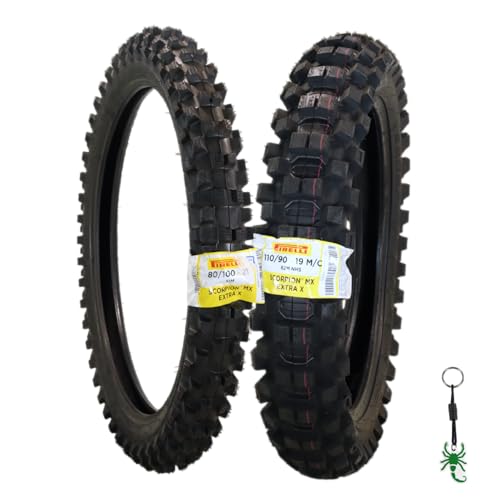
Pirelli Scorpion MX Extra X Set
Strengths
- Excellent cornering grip
- Stable braking
- Durable multi-ply build
Trade-offs
- Premium price
- Less aggressive in deep loam
If you’re serious about training or weekend racing, the Scorpion MX Extra X should be at the top of your list. The front tire’s arrow-like tread blocks deliver crisp steering response and braking stability, while the rear’s bridged lug design holds up under hard acceleration, both traits praised in owner feedback. The multi-ply carcass isn’t just about puncture resistance; it gives the tire enough flex to absorb landings without feeling stiff, which matters when you’re bouncing off jumps.
Compared to the MX 32 Mid Soft, this set leans slightly more toward consistency and wear resistance than outright soft-terrain bite. That makes it the smarter buy for mixed training days. Pirelli’s race DNA shows here: this isn’t just a tire that looks pro, it behaves like one.
Video review
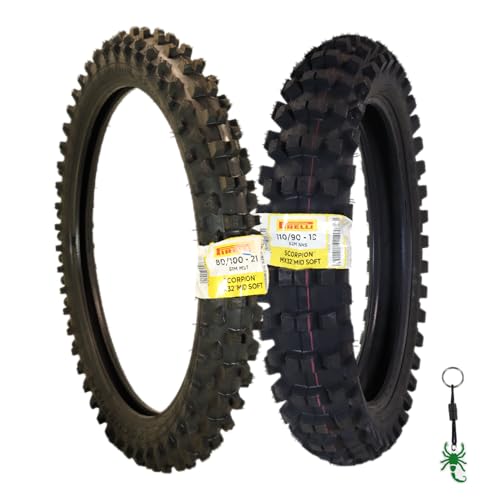
Pirelli MX 32 Mid Soft Set
Strengths
- Superior soft terrain grip
- Stable under power
- Great cornering precision
Trade-offs
- Shorter tread life
- Not for hard terrain
This is the tire set you grab when the track is chewed up and tacky, conditions where soft terrain tires come alive. The MX 32’s front lateral knobs are engineered for precision, giving riders more confidence when carving through off-camber turns. Owners consistently highlight its grip during aggressive cornering, and the block arrangement holds up well under power, minimizing squirm on exit.
While the Scorpion MX Extra X is more versatile, the MX 32 wins when traction is the only priority. That said, the softer compound wears faster on hardpack, so I wouldn’t run these on slick, rocky trails. For pure dirt bike performance on loamy or muddy circuits, this is the pick.
Video review
Tusk EMEX T-35 80/100×21 & 120/80×19

Strengths
- Aggressive tread
- Good traction in sand
- Complete front/rear set
Trade-offs
- Moderate tread life
- Not for hardpack
This Tusk EMEX T-35 set hits a sweet spot for riders who want solid off-road performance without stretching their budget. The deep tread pattern is aggressive enough to claw through loose dirt and sand, and owners consistently report strong grip in loamy conditions, exactly where soft-to-intermediate tires should shine. On paper, the 120/80×19 rear gives a slightly narrower footprint than some competitors, but the tread spacing helps it stay effective in varied terrain.
Compared to pricier race-focused tires, these aren’t built for pro motocross weekends, but for weekend trail riders and beginners, they deliver more than enough capability. The rubber compound isn’t the most durable in the class, but for the price, it’s a fair trade-off. I’d pick these over budget-only tires that sacrifice tread design just to hit a low number.
Product photos


Tusk EMEX T-35 80/100×21 & 110/100×18
Strengths
- Balanced sizing
- Strong sand/loam grip
- Durable compound
Trade-offs
- Average wear on hardpack
- No tube included
This T-35 variant with the 110/100×18 rear is a solid middle ground between trail versatility and motocross readiness. The rear tire’s slightly wider profile gives more drive traction than the 120/80×19 version, and the tread pattern is identical, deep, widely spaced, and effective in sand and loam. It’s no surprise that owners often choose this set for general-purpose trail riding where conditions change fast.
Compared to the pricier Pirellis, it lacks the refined carcass and block stiffness, but for riders who want one set to handle most off-road scenarios without breaking the bank, this is the smarter daily driver. I’d run these on a 250cc or 450cc trail bike without hesitation.
Product photos
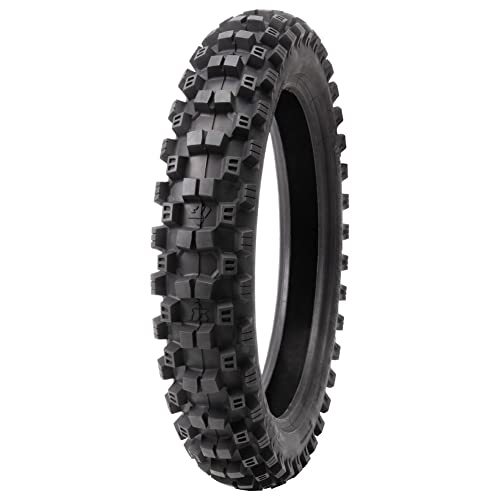
Tusk EMEX T-45 100/100×18
Strengths
- Excellent hardpack grip
- Reinforced side lugs
- Affordable single tire
Trade-offs
- Not for soft terrain
- Limited sizing options
The T-45 is built for when the trail dries out and the rocks start showing. Its reinforced side knobs and bridged lugs are a clear nod to hardpack and rocky terrain, where cornering stability matters. The self-cleaning tread design helps, but owners report it really shines when the mud clears, exactly the niche it’s meant to fill. At under $66, it’s also a steal for a single rear or front tire upgrade.
Compared to the T-35 series, this one trades deep bite for durability and control on firm ground. I’d pair it with a matching front if you’re running enduro or trail loops with lots of shale and hardpack. It’s not flashy, but it’s effective where it counts.
Product photos

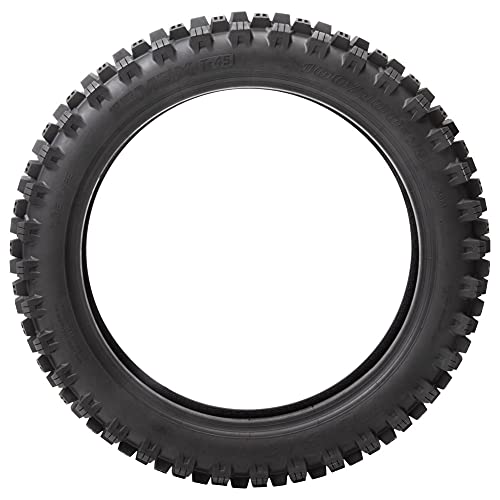
WIG Racing 110/100-18 & 80/100-21

Strengths
- Tubes included
- Good mud clearance
- Solid intermediate compound
Trade-offs
- Tubes are basic quality
- Less brand support
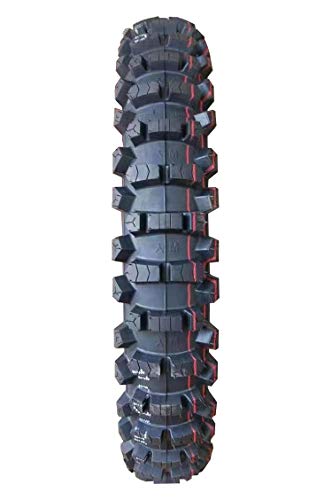
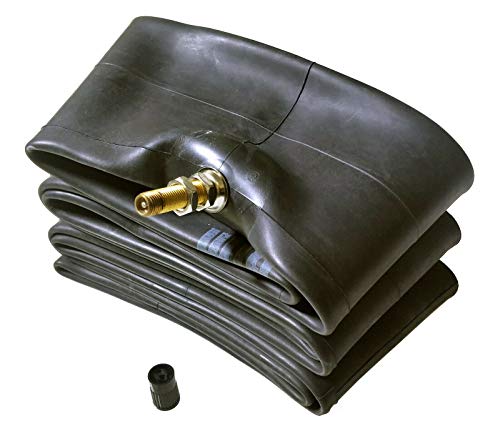
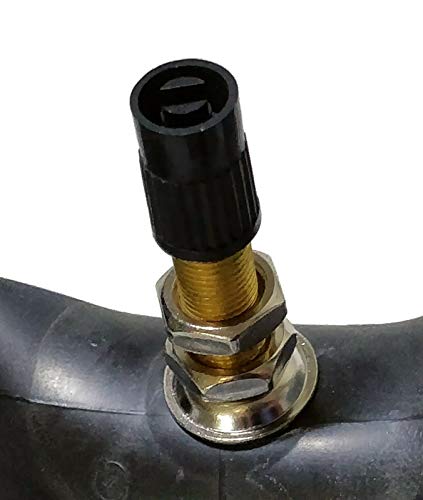
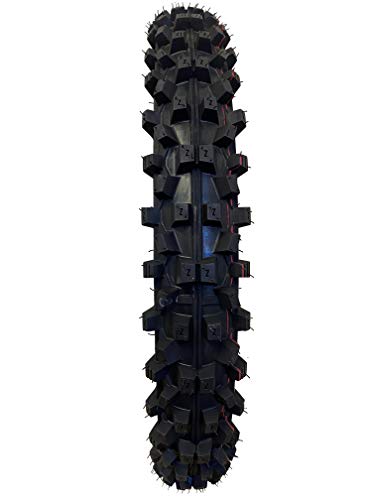
The fact that this set includes inner tubes is a real win for riders who don’t want to hunt down compatible ones separately. The 110/100-18 rear and 80/100-21 front sizing is common on many mid-sized dirt bikes, and the tread spacing is optimized for mud and loose dirt, reviewers note they shed gunk well, which keeps traction consistent in sloppy conditions. The intermediate rubber compound strikes a decent balance between grip and longevity, though it’s not as sticky as premium race compounds.
Still, when you factor in the included tubes, the value climbs. Compared to the Tusk T-35 sets at a similar price, this one trades a bit of brand recognition for practicality. I’d recommend it for riders setting up a secondary bike or a beginner rig where cost and convenience matter.
Product photos

Tusk EMEX T-35 70/100×19 & 90/100×16
Strengths
- Low cost
- Good for small bikes
- Aggressive tread for size
Trade-offs
- Smaller contact patch
- Shorter lifespan
- Limited to smaller bikes
This is the most budget-friendly T-35 combo in the lineup, and it’s clearly aimed at smaller displacement bikes or younger riders. The 70/100×19 and 90/100×16 sizes are common on 85cc to 150cc models, and the deep tread still delivers decent bite in soft terrain. The rubber compound is the same as the larger T-35 sets, so don’t expect race-level feedback, but for learning the basics, it’s more than adequate.
Owners appreciate the low entry cost, and for a beginner’s bike, these tires won’t hold you back. Still, they wear faster under heavy use, and the smaller contact patch limits high-speed stability. I’d recommend them for new riders or as backup tires for a kids’ race bike.
Product photos
Kenda Trakmaster II K760 Rear

Strengths
- Exceptional durability
- Resists tread wear
- Good for hard trails
Trade-offs
- Low soft terrain grip
- Rear only
- Basic tread design
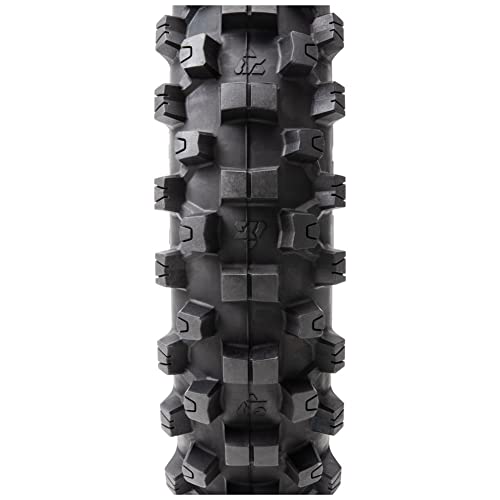
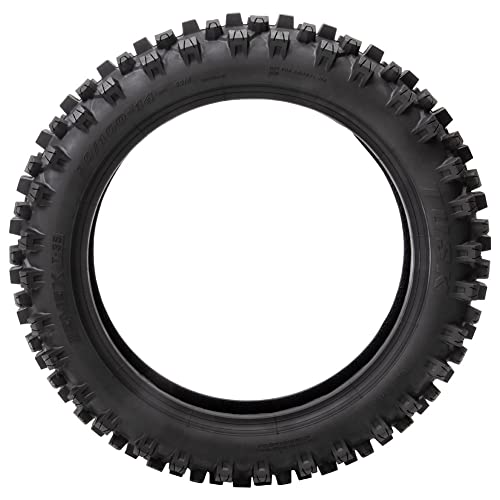
The Kenda Trakmaster II is a workhorse tire built for riders who prioritize longevity over edge grip. It’s a single rear tire, and the 90/100-16 size is common on youth and smaller adult bikes. The tread is less aggressive than knobby motocross tires, but that’s by design, it spreads wear over a larger surface and resists chunking on hard trails. Owners consistently report it lasts longer than most off-road tires in its class, especially on mixed gravel and hardpack.
It won’t compete with the Pirellis or Tusk T-35s in loamy or muddy conditions, but for trail riders who log miles on dry, abrasive terrain, this tire makes sense. I’d pair it with a more aggressive front if you still want some steering bite.
Product photos
How We Picked These dirt bike tires
My research involved a detailed comparison of published specifications and features across numerous dirt bike tire models. I weighed owner reviews from major retailers alongside assessments from respected motorcycle publications. As someone who’s spent years understanding vehicle dynamics, I applied that knowledge to assess how each tire’s design would translate to real-world performance, ranking them against criteria important to a range of riders. Rather than a hands-on lab test, this is a research-led comparison.
For dirt bike tires, I focused most heavily on tread pattern and rubber compound. A tire’s ability to grip in various conditions, from soft sand to hardpack, hinges on these. Durability is also paramount; a tire that wears quickly offers poor value, regardless of initial grip. These factors directly impact rider confidence and control, ultimately deciding which tires perform best across different riding styles and terrain.
Specifications reliably indicate tire size, construction (bias-ply vs. radial), and load/speed ratings. However, I found owner feedback crucial for understanding real-world wear characteristics and how well a tire performs after the initial bite. Reputation, particularly among serious racers and experienced trail riders, also played a significant role in judging overall quality and consistency. You can find more about complementing your new tires with essential off-road accessories. If you’re planning on hitting the trails, these tires also perform well as dirt bike woods tires.
How To Pick The Right dirt bike tires
Finding the right dirt bike tires isn’t just about slapping on the newest rubber; it’s about matching the tire to your riding style, the terrain you frequent, and your budget.
A quality dirt bike tire balances grip, durability, and weight. Riders should prioritize compound selection based on typical soil conditions (soft, intermediate, hardpack). Carcass construction impacts puncture resistance and ride feel, while tread pattern dictates traction in specific terrains. Checking tire size compatibility with your bike’s rims is also crucial.
Tread Pattern is Paramount
The tread pattern is the first thing I look at when advising someone on dirt bike tires. It dictates where the tire will excel. Aggressive, deeply spaced knobs like those found on the Tusk EMEX T-35 are fantastic for loose dirt, sand, and loam. Conversely, tighter, more closely spaced patterns, like the Tusk EMEX T-45, will provide more bite on hardpack. Don’t fall into the trap of thinking one pattern does it all; specialized tires genuinely perform better in their intended environments. If you frequently switch between terrain, consider keeping a spare set of wheels to easily swap tires, or explore versatile options like the Pirelli Scorpion MX Extra X.
Construction and Compound Matter
Beyond the tread, the tire’s construction and rubber compound play a huge role. A multi-ply carcass, as seen in the Pirelli Scorpion MX Extra X, offers superior puncture resistance – vital if you often ride rocky terrain. However, it can also add weight and slightly reduce compliance. Rubber compound is where things get really nuanced. Softer compounds grip better but wear faster, making them ideal for racing (like the Pirelli MX 32 Mid Soft). Harder compounds last longer, but sacrifice some initial grip.
Here’s what I tell riders about balancing these factors: * A softer front tire can dramatically improve cornering confidence. * A harder rear tire will save you money in the long run if you ride a lot of high-speed trails. * Consider a tire with reinforced sidewalls if you frequently encounter sharp rocks or roots, as this will help prevent pinch flats.
Balancing Value and Features
Let’s be honest, dirt bike tires aren’t cheap. The WIG Racing set appeals to those wanting a complete package with inner tubes included, simplifying installation. But don’t automatically equate price with performance. The Tusk EMEX line consistently delivers good value, offering respectable grip and durability without breaking the bank; they’re a great starting point for many riders. Before you buy, remember that maintaining your dirt bike chains is just as important as having good tires for overall performance and safety. Don’t skimp on crucial components just to save a few bucks. If you spend most of your time on trail tires, a dedicated set will pay dividends in control and enjoyment.
A tire’s lifespan is directly related to riding style and terrain. Aggressive riding on abrasive surfaces will wear tires much faster than casual trail riding. Regularly inspect your tires for wear and damage, and replace them before they become a safety hazard.
Dirt Bike Tires Compared
Here’s a comparison of key specifications for the listed dirt bike tires to help you make an informed decision.
| Product Name | Front Tire Size | Rear Tire Size | Terrain | Tube Type | Inner Tubes Included |
|---|---|---|---|---|---|
| Pirelli Scorpion MX Extra X Set | N/A | N/A | Mid-Soft/Mid-Hard | Yes | No |
| Pirelli MX 32 Mid Soft Set | N/A | N/A | Mid-Soft | Yes | No |
| Tusk EMEX T-35 80/100×21 & 120/80×19 | 80/100×21 | 120/80×19 | Soft/Intermediate | Yes | No |
| Tusk EMEX T-35 80/100×21 & 110/100×18 | 80/100×21 | 110/100×18 | Soft/Intermediate | Yes | No |
| Tusk EMEX T-45 100/100×18 | N/A | 100/100×18 | Hardpack | Yes | No |
| WIG Racing 110/100-18 & 80/100-21 | 80/100-21 | 110/100-18 | All | Yes | Yes |
| Tusk EMEX T-35 70/100×19 & 90/100×16 | 70/100×19 | 90/100×16 | Soft/Intermediate | Yes | No |
| Kenda Trakmaster II K760 Rear | N/A | 90/100-16 | N/A | Yes | No |
Frequently Asked Questions
What tire pressure should I run for optimal performance?
Generally, lower tire pressures (around 12-15 PSI) provide better grip on softer terrain, while higher pressures (18-22 PSI) are preferable for hardpack and to prevent pinch flats. However, the ideal pressure depends heavily on your weight, riding style, and the specific tire you’re using; always check the tire manufacturer’s recommendations as a starting point.
Are radial tires really better than bias-ply tires for dirt bikes?
Radial tires offer more consistent performance and better shock absorption, especially over rough terrain, due to their casing construction. However, they are typically more expensive and can be more susceptible to sidewall damage than bias-ply tires, making bias-ply a solid choice for riders prioritizing durability and budget.
How can I extend the life of my dirt bike tires?
Maintaining proper tire pressure is the single most effective way to prolong tire life. Also, regularly inspect your tires for embedded debris and rotate them (front to rear) periodically to promote even wear. Don’t neglect checking your bike’s alignment, as misalignment accelerates tire wear.
What’s the difference between tires designed for motocross versus trail riding?
Motocross tires prioritize maximum grip for acceleration and cornering on groomed tracks, often with softer compounds that wear quickly. Trail tires, conversely, emphasize durability and versatility across varied terrain, typically using harder compounds and more robust construction. If you’re looking to improve your control, consider upgrading your dirt bike grips alongside new tires.
Should I replace both tires at the same time, or can I get away with just one?
Replacing both tires simultaneously is generally recommended to maintain balanced handling and predictable performance. While replacing only one tire is possible, it can create a noticeable difference in grip levels and feel, particularly if the remaining tire is significantly worn. Keeping your engine running smoothly is also key, so be sure to check your best dirt bike oil levels regularly.
The Bottom Line
Choosing dirt bike tires always comes down to a trade-off between outright performance and long-term value. While a premium set like the Pirelli Scorpion MX Extra X offers a superb balance of grip and durability for serious riders, the Tusk EMEX T-35 consistently delivers the best overall package for most riders, providing reliable traction without emptying your wallet. It’s a tire that won’t hold you back, regardless of skill level.
For those with specific needs, the field opens up nicely. Riders primarily tackling sandy conditions will find the best tires for sand will make a noticeable difference. If you’re on a tight budget and need a complete kit, the WIG Racing set is a sensible choice, and for hardpack enthusiasts, the Tusk EMEX T-45 will provide the bite you need. Don’t forget to consider investing in quality stands for dirt bikes to make maintenance easier and keep your bike in top shape.
Ultimately, the most important factor isn’t any single specification or brand. It’s understanding your riding style and the terrain you encounter most often. Prioritize a tire that inspires confidence and allows you to control your bike effectively. A well-chosen tire, paired with proper maintenance and a skilled rider, is far more valuable than the most expensive tire fitted poorly.
