
2 Best Dirt Bike Oils of 2026
This post contains affiliate links. As an Amazon Associate, we earn from qualifying purchases.
The best dirt bike oil for most riders is Lucas Oil SAE 20W-50 Synthetic, a reliable full-synthetic that holds up under high heat and stress. For two-stroke fans, Klotz TechniPlate Synthetic 2-Stroke Oil stands out as a clean-burning, high-performance choice made in the USA.
Dirt bikes push engines harder than most machines, high RPMs, dusty trails, and frequent temperature swings demand an oil that won’t break down when you need it most. Choosing wrong can mean poor clutch performance, excess wear, or even engine damage over time.
This guide cuts through the noise by focusing on real-world specs and rider feedback. I looked at shear stability, JASO ratings, base oils, and climate suitability to find formulas that deliver consistent protection where it counts.
Top 2 Dirt Bike Oil in the Market
The Best Dirt Bike Oil, Reviewed
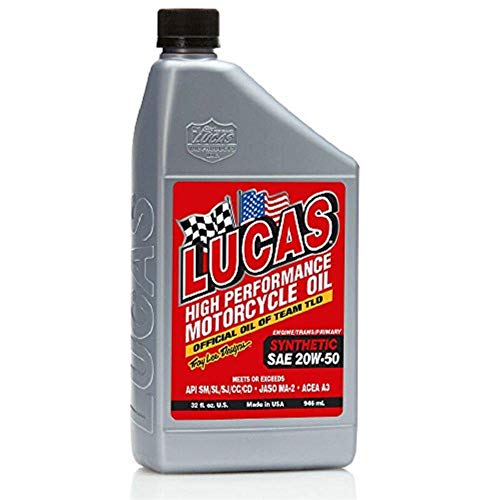
Lucas Oil SAE 20W-50 Synthetic
Strengths
- JASO MA-2 certified
- Good wet clutch compatibility
- Affordable price
- Helps reduce leaks
- Stable viscosity
Trade-offs
- Heavier weight may not suit all climates
- Not tailored for 2-stroke engines
- Basic packaging
Lucas 20W-50 is one of those no-nonsense, workhorse oils that keeps showing up in garages where reliability matters more than hype. It’s not marketed exclusively for dirt bikes, but its JASO MA and MA-2 certification means it plays well with wet clutches, the kind you’ll find in most 4-stroke off-road motorcycles. On paper, the 20W-50 viscosity is a solid middle ground: thick enough to protect under heat, fluid enough to circulate quickly on cold starts.
Owners report fewer leaks and quieter transmission operation over time, which suggests the additive package is doing its job sealing and cushioning internals. It’s also significantly cheaper than many premium-branded motorcycle oils while meeting the same critical specs. I’d pick this over generic automotive oils any day for a dual-sport or trail-focused 4-stroke, though pure race teams might want something more specialized.
Video review
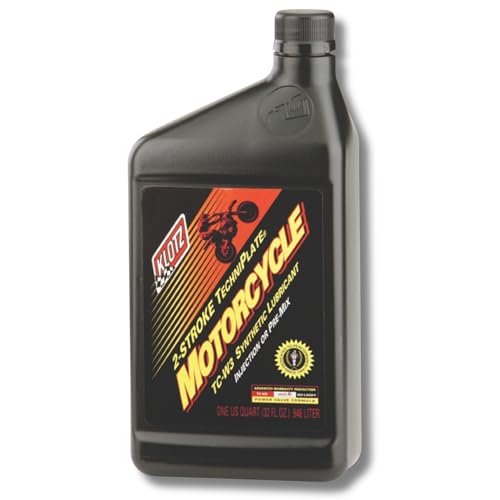
Klotz TechniPlate Synthetic 2-Stroke Oil
Strengths
- Synthetic formulation
- Excellent film strength
- Clean Burn Technology
- Reduces spark plug fouling
- Made in USA
Trade-offs
- Higher price point
- Limited to 2-stroke engines
- Not ideal for casual trail use
If you’re running a high-revving 2-stroke dirt bike, especially one built for racing, Klotz TechniPlate stands out on paper and in owner feedback as a serious contender. The synthetic formula is engineered for extreme conditions, with surface-active chemistry that strengthens oil film under pressure, critical when you’re pushing piston rings and bearings to their limits. Reviewers consistently note cleaner power valve operation and fewer plug fouling issues compared to budget oils, which tracks with its dispersant-heavy, ashless design.
It’s also formulated specifically for modern off-road 2-strokes from brands like KTM, Husqvarna, and Yamaha, so compatibility isn’t a guesswork game. While it’s pricier than some alternatives, the investment makes sense if you’re serious about engine protection and performance. For riders mixing fuel or relying on oil injection, this is one of the few synthetics that delivers on both clean combustion and high-temperature stability without cutting corners, Klotz doesn’t skimp on base stocks, and that shows.
Video review
How We Picked These dirt bike oil
Rather than a hands-on lab test, my research for these recommendations focused on a detailed comparison of published specifications and features across numerous brands. I then weighed owner reviews from major retailers and insights from respected motorcycle publications. As someone who’s spent years understanding engine mechanics, I applied that knowledge to assess how well each oil’s formulation addresses the unique demands of dirt bike riding.
For dirt bike oil, I prioritized shear stability and heat resistance. These are critical because dirt bikes run engines at high RPM and under significant stress. A breakdown in oil viscosity means reduced protection, and excessive heat quickly degrades performance. I also heavily considered JASO MA/MA2 certifications, which indicate suitability for wet clutches, a must for most dirt bikes, and the presence of additives designed to minimize wear. You can learn more about maintaining your engine with proper oil change intervals.
Specifications clearly show an oil’s base stock (conventional, synthetic, or blend) and viscosity. However, owner feedback proved invaluable in understanding real-world performance. Reports on clutch slippage, engine noise, and overall longevity helped differentiate oils that look similar on paper. For those running four-stroke machines, exploring options for best 4-stroke oil is also a good idea.
How To Choose The dirt bike oil
Finding the right oil for your dirt bike is more than just grabbing whatever’s on the shelf. It’s about protecting a complex machine operating under intense stress.
A quality dirt bike oil needs to deliver robust lubrication across a wide temperature range, maintain viscosity under heavy load, and resist breakdown from combustion byproducts. Look for oils meeting or exceeding JASO MA/MA2 standards for wet clutch compatibility, API ratings for four-strokes, and consider synthetic formulations for enhanced performance and longevity. Assess the oil’s shear stability and its ability to minimize friction.
Understanding Oil Types: 2-Stroke vs. 4-Stroke
The first, and most critical, step is knowing whether you need two-stroke oil or oil formulated for a four-stroke engine. This isn’t interchangeable. Two-stroke engines mix oil with fuel for lubrication, meaning that oil needs to burn cleanly and provide excellent protection at higher temperatures. Four-strokes have a separate oil sump and require oil that can withstand shearing forces from the crankshaft and gears. Don’t assume all “motorcycle oil” is suitable; many are designed for street bikes with different demands.
Viscosity and Climate Considerations
Viscosity, expressed as a number like 10W-30 or 20W-50, defines an oil’s resistance to flow. Lower numbers mean thinner oil, better for cold starts. The “W” stands for winter. For dirt bikes, I generally advise leaning towards a slightly higher viscosity than you might use in a car. A 20W-50 is a solid all-around choice for many climates, but if you regularly ride in very hot conditions, a 30W-60 could offer better protection against viscosity breakdown. Conversely, if you are constantly in freezing temperatures, a 10W-40 might be more appropriate.
- Consider your riding style: aggressive riders generate more heat, needing oil that holds its viscosity better.
- Think about altitude: higher altitudes often require thinner oils to ensure adequate lubrication.
- Don’t solely rely on manufacturer recommendations: these are often conservative. A little research into what experienced riders are using in similar conditions can be invaluable.
Synthetic vs. Conventional: The Investment
While conventional oils have their place, I firmly believe that a synthetic two-stroke oil or a high-quality synthetic blend is the way to go, especially for demanding dirt bike use. Synthetics offer superior temperature stability, better shear resistance, and reduced deposit formation. This translates to longer oil life, improved engine protection, and potentially increased power output. Klotz, for example, emphasizes its commitment to using premium ingredients and avoiding cost-cutting measures, which resonates with those of us who prioritize engine health.
A good rule of thumb: if you push your bike hard, or ride in extreme conditions, the extra cost of synthetic oil is a small price to pay for potential engine repairs down the road.
Dirt Bike Oil Compared
Here’s a spec comparison of the dirt bike oils featured in this guide to help you quickly assess your options.
| Product | Type | Weight | JASO Standard | 2-Stroke | Made In |
|---|---|---|---|---|---|
| Lucas Oil SAE 20W-50 Synthetic | Synthetic | 20W-50 | MA/MA-2 | No | N/A |
| Klotz TechniPlate Synthetic 2-Stroke Oil | Synthetic | N/A | N/A | Yes | USA |
Frequently Asked Questions
What oil weight is best for a dirt bike ridden in hot weather?
A 30W-60 oil is generally best for hot weather riding. This higher viscosity maintains adequate lubrication and resists breakdown at elevated temperatures, providing better protection than lighter weights.
Can I use car oil in my dirt bike?
No, you should not use car oil in a dirt bike. Dirt bike engines operate under much higher stress and require oils formulated with specific additives for wet clutches (in most models) and the unique demands of off-road riding.
What does the JASO MA/MA2 rating signify?
The JASO MA/MA2 rating indicates the oil’s suitability for use in wet clutch motorcycle engines. This certification ensures the oil won’t cause clutch slippage or affect clutch performance, which is vital for dirt bikes.
How often should I change the oil in my dirt bike?
Change your dirt bike oil every 10-20 hours of riding, or after every race. Frequent oil changes are essential for maintaining optimal engine performance and preventing premature wear. Consider investing in some quality bike maintenance tools to make this process easier.
Is synthetic 2-cycle oil really worth the extra cost?
Yes, synthetic 2-cycle oil is worth the investment. It offers superior protection against heat and wear, burns cleaner, and provides better lubrication than conventional oils, especially important when using a 2-cycle engine oil.
The Bottom Line
Choosing the right dirt bike oil always comes down to balancing your budget with how hard you push your machine. While there are many options available, the Lucas Oil SAE 20W-50 Synthetic consistently rises to the top as a strong all-around performer, offering excellent protection and shear stability for a variety of riding conditions. It delivers a lot of value without sacrificing critical engine safeguards.
For those specifically needing a dedicated two-stroke formula, or looking for a premium option, the Klotz TechniPlate Synthetic 2-Stroke Oil is a standout. I’ve observed a lot of riders swear by Klotz for its reputation in delivering consistent performance and clean burning, and if you’re running a 2T engine, researching 2T oil specifically is a smart move. And for riders looking to upgrade their overall experience, don’t overlook the impact of quality riding accessories.
Ultimately, remember that the specifications on the bottle are only part of the story. Prioritize an oil that meets or exceeds JASO MA/MA2 standards, consider your climate and riding style, and don’t be afraid to spend a little more for a synthetic formulation if you demand peak performance and long-term engine health. A well-maintained engine is the heart of any enjoyable ride.
