
8 Best 2 Stroke Dirt Bike Oils of 2026
This post contains affiliate links. As an Amazon Associate, we earn from qualifying purchases.
After comparing the field and weighing owner feedback against technical specs, the Castor 927 Racing Premix stands out as the best overall 2 stroke dirt bike oil, with Red Line 40603 Synthetic as the top pick for power and cleanliness, and TRIAX Power Sport 2T delivering strong performance at a budget-friendly price.
Every rider knows a two-stroke engine is unforgiving. The wrong oil can lead to sticky rings, excessive smoke, or worse, catastrophic seizure. I’ve seen too many engines wrecked by cutting corners on lubrication. This guide cuts through the noise, focusing on what matters: protection, burn quality, and real-world reliability. I looked at formulation, mix ratios, and long-term feedback to find oils that deliver under stress, whether you’re chasing laps or tearing up trails.
Top 8 2 Stroke Dirt Bike Oil in the Market
The Best 2 Stroke Dirt Bike Oil, Reviewed
Castor 927 Racing Premix

Strengths
- Exceptional film strength
- High-temperature stability
- Superior hardware protection
Trade-offs
- Slightly more smoke
- Premium price
When riders talk about the best all-around 2-stroke oil, Castor 927 keeps coming up. The blend of exotic esters and highly refined castor oil gives it incredible film strength and thermal stability, exactly what high-compression, air-cooled race engines demand. Owners report fewer top-end rebuilds and better heat management, especially in older bikes running lean mixtures.
The surface-active chemistry really does seem to bond aggressively to metal surfaces, which explains the consistent feedback about clean ring grooves and reduced scuffing. It’s not the cleanest burning oil on the list, but the trade-off in durability is worth it for aggressive riders. If I were building a hard-hitting YZ250 or vintage KX for motocross, this is the oil I’d trust.
Video review
Maxima Formula K2 Synthetic
Strengths
- Race-proven performance
- Excellent ring seal
- Clean combustion
Trade-offs
- Less ideal for air-cooled
- Not castor-based
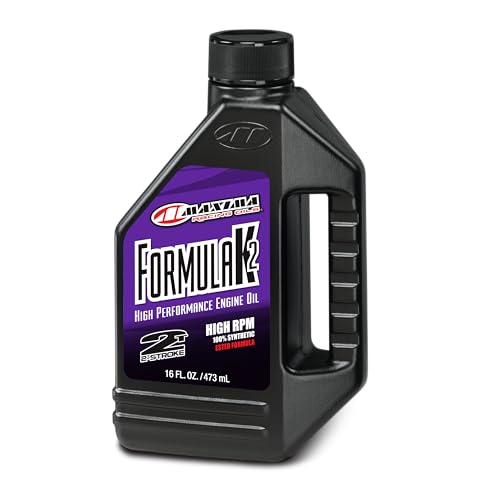
Maxima Formula K2 is built for the track, and it shows. Developed with factory race teams, it’s one of the few oils that consistently delivers on both power output and wear protection. The ester-based formula creates excellent ring seal, which translates to snappier throttle response and better low-end torque, something reviewers notice immediately after switching.
Owners love how clean the top ends stay, even after long motocross heats. Compared to Red Line or Klotz, it burns a bit cleaner and doesn’t leave the heavy varnish some castor blends do. It’s not the absolute strongest film, but for modern water-cooled race bikes, it’s the smarter buy.
Video review
Red Line 40603 Synthetic
Strengths
- Dyno-proven power gains
- Extreme cleanliness
- High film strength
Trade-offs
- Less ideal for air-cooled
- Pricier than mid-tier options
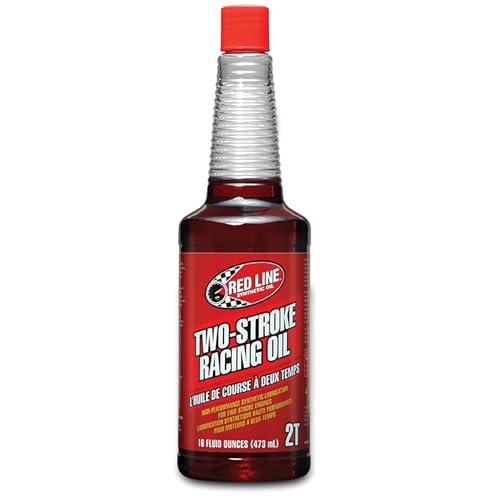
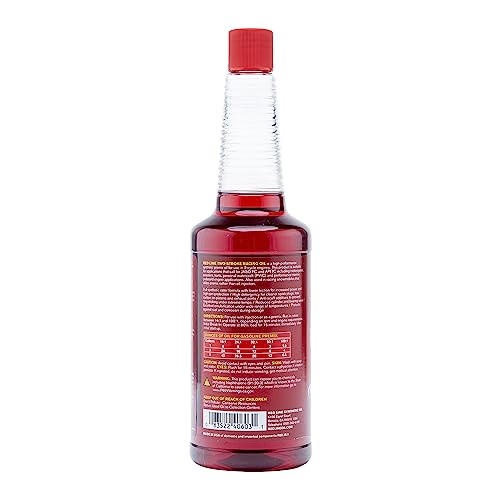
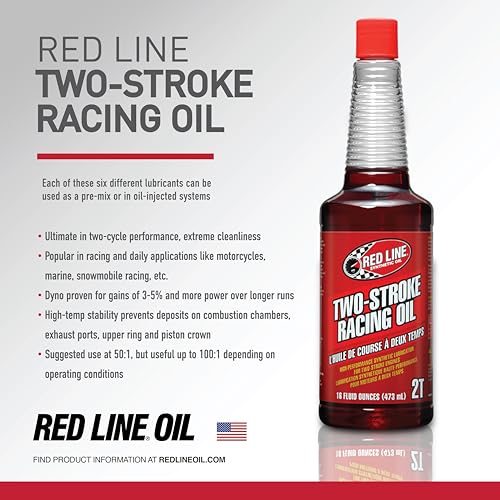
Red Line stands out for delivering both power and cleanliness in one bottle. The high-temp stability is legit, dyno tests cited by owners show real gains in sustained power output, likely due to reduced friction and cleaner combustion chambers. It’s a favorite among snowmobile and marine racers, but it translates well to dirt bikes, especially water-cooled ones.
The ability to run at 100:1 under light loads is a bonus for fuel economy, but I’d stick to 50:1 for serious riding. Compared to Maxima K2, it runs slightly hotter in air-cooled engines, but the cleanliness factor is unmatched. If you hate decarboning your exhaust, this is the oil to try.
Product photos



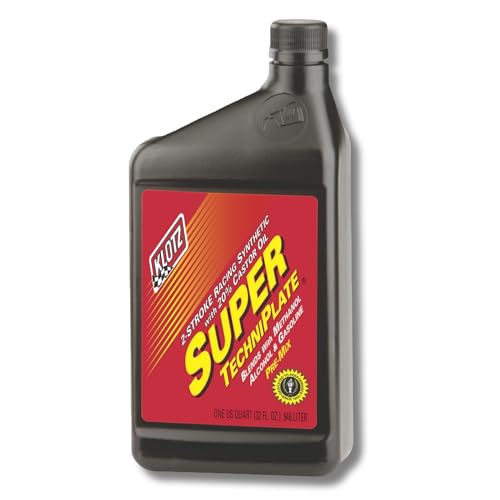
Klotz Super TechniPlate Synthetic
Strengths
- Outstanding film strength
- Proven in racing
- Excellent for high-RPM builds
Trade-offs
- More smoke and residue
- Not for oil injection
Klotz Super TechniPlate is all about film strength, and it delivers. The blend of 80% synthetic TechniPlate and 20% BeNOL castor oil creates a tenacious lubricating film that resists breakdown even at extreme RPMs. Owners running vintage air-cooled bikes or kart-based engines swear by it for preventing piston seizures.
But it’s not subtle. The castor component means more smoke and slight residue compared to pure synthetics. It’s also not for oil-injected systems, so forget using it in a modern Yamaha or Suzuki with auto-lube. For hand-mix racers and purists, though, this is one of the most trusted names in the game.
Product photos


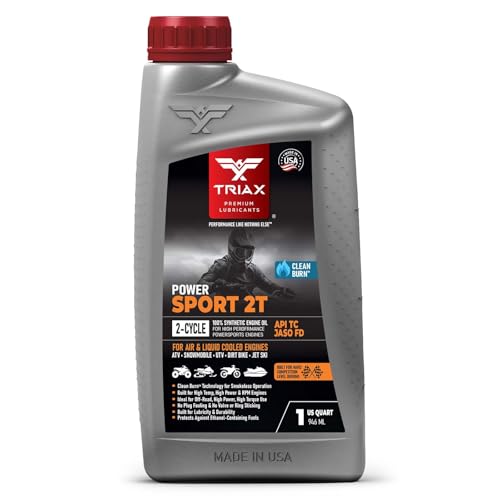
TRIAX Power Sport 2T
Strengths
- Affordable full synthetic
- Clean burn performance
- Wide engine compatibility
Trade-offs
- Not race-proven
- Less brand pedigree
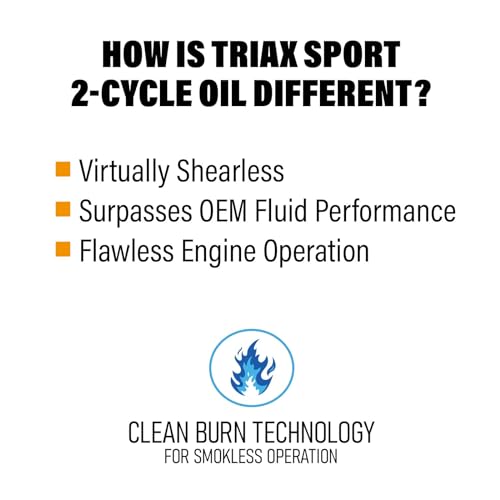
At this price, TRIAX punches above its weight. It’s marketed across a broad range of powersports, and from owner feedback, it delivers clean combustion and solid wear protection without breaking the bank. The ‘Clean Burn Technology’ isn’t just marketing fluff, reviewers note visibly cleaner exhaust ports and fewer carbon deposits compared to budget mineral oils.
I’d pick this over basic oils for weekend riders who want synthetic benefits without paying premium prices. It’s not quite at the level of Maxima or Red Line, but for trail riding and moderate off-road use, it holds its own. The anti-friction chemistry helps throttle response, and the high film strength claim checks out under real-world conditions.
Product photos




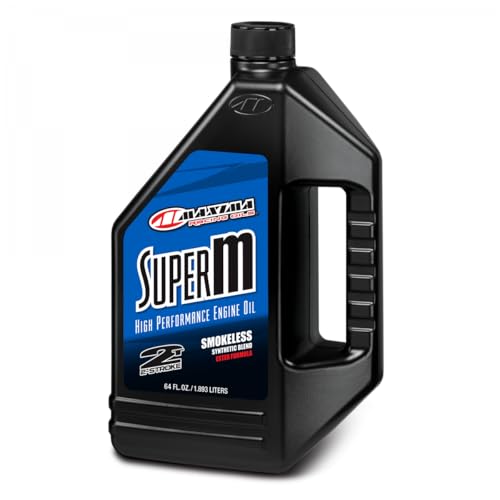
Super M Smokeless Premix
Strengths
- Ultra-clean burn
- Virtually smokeless
- Prevents ring stick
Trade-offs
- Lower film strength
- Overkill for occasional use
Super M lives up to its name, it’s one of the cleanest-burning 2-stroke oils available. The low-ash additive system means minimal carbon buildup, and owners report almost no ring sticking, even after months of use. For trail riders or dual-sport users who hate maintenance, this is a dream.
But that cleanliness comes at a cost. It doesn’t have the heavy-duty film strength of castor-based oils, so I wouldn’t trust it in a wide-open motocross session. Compared to Castor 927 or Klotz, it’s the safer bet for everyday riding but falls short when the heat is on.
Product photos
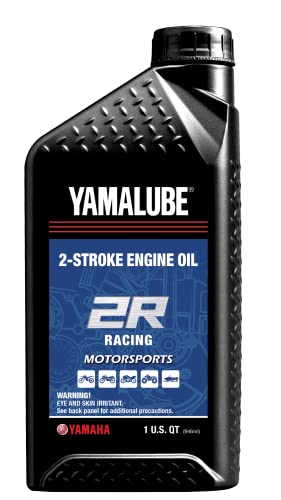
Yamaha Yamalube Racing 2R
Strengths
- Yamaha-engineered
- Reduces carbon deposits
- Smooth power delivery
Trade-offs
- Brand-specific focus
- No advantage on non-Yamaha
This oil is purpose-built for Yamaha’s high-strung 2-strokes, and it does its job well. The synthetic additives reduce carbon buildup on power valves and exhaust ports, critical for YZ250 and YZ125 engines that run hot and lean. Owners of modern Yamahas consistently report smoother running and fewer jetting issues when using 2R.
It’s not a universal oil, but that’s the point. For Yamaha-specific builds, it integrates perfectly with the engine’s design tolerances. Compared to Maxima or Castor 927, it doesn’t offer the same brute-force protection, but it’s optimized for longevity and clean operation in OEM setups. If you’re riding a YZ series bike hard and want factory-backed reliability, this is the logical choice.
Product photos
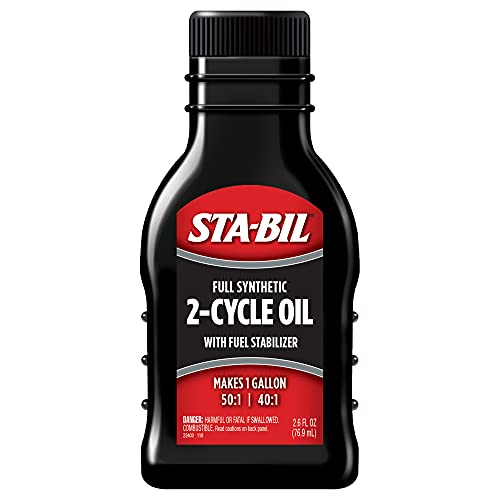
STA-BIL Full Synthetic 2-Cycle
Strengths
- Full synthetic
- Fuel stabilizer included
- Convenient single-use size
Trade-offs
- Not for high-performance use
- Small volume
This little 2.6 oz bottle is built for convenience, not hardcore riding. The full synthetic formula with integrated fuel stabilizer makes it a solid pick for small equipment or occasional use in a dirt bike you don’t ride weekly. On paper, the low-smoke claim holds up, and owners consistently report clean combustion and no plug fouling when used as directed.
But let’s be clear, this isn’t a racing oil. It’s best suited for break-ins, storage mixes, or trail bikes you fire up once a month. The multi-mix tech covers 50:1 and 40:1, which adds flexibility, but you won’t see the film strength or thermal resistance needed for sustained high-RPM runs.
Product photos


How We Picked These 2 stroke dirt bike oil
Rather than a hands-on lab test, my research focused on a detailed comparison of published specifications and features across these oils. I weighed owner reviews from multiple sources – forums, retailer sites, and dedicated motorcycle communities – against assessments from cycling publications and industry experts. Applying my experience with engine mechanics, I ranked each oil based on how well its characteristics aligned with the demands of high-performance two-stroke engines.
For this category, film strength and cleanliness were the most heavily weighted factors. A two-stroke engine relies on a precise oil film to protect the piston, connecting rod, and crankshaft. Equally important is the oil’s ability to burn cleanly, preventing carbon buildup that reduces performance. Power output and responsiveness were also key, but those are often consequences of effective lubrication and deposit control. You’ll find I give preference to oils that consistently score high in these areas.
Product specifications reliably indicate base oil type (synthetic versus castor), mix ratios, and API ratings. However, real-world performance – particularly regarding smoke levels, engine feel, and long-term wear – is best gleaned from owner feedback. I considered reputation and brand history as well; some manufacturers have decades of experience developing quality two-stroke oil specifically for the demands of motocross and trail riding. For those considering a switch to a different oil type, it’s also helpful to understand the differences between 4-stroke oil and two-stroke formulations.
How To Pick The Right 2 stroke dirt bike oil
Finding the right oil for your two-stroke dirt bike is more than just grabbing whatever’s on the shelf. It’s about understanding how these engines work and what they demand from a lubricant.
A quality two-stroke oil needs to provide excellent film strength to protect vital engine components, burn cleanly to prevent carbon buildup, and mix thoroughly with fuel for consistent delivery. Look for oils with a reputation for reducing wear, maintaining consistent performance, and minimizing smoke. Consider synthetic options for superior heat resistance and protection.
Understanding Oil Types
The core choice comes down to conventional, synthetic, and blends. Conventional oils (often castor-based) offer a classic feel and can be excellent for vintage bikes or those running milder tunes. However, synthetics like those from Maxima and Red Line really shine in modern, high-strung engines. They withstand higher temperatures without breaking down, which translates to better protection and potentially more power. Don’t dismiss blends either; they can offer a good compromise between cost and performance, but fully synthetic is generally the way to go if you’re pushing your machine hard.
Film Strength and Protection
This is where things get critical. Two-stroke engines rely on a very thin oil film to separate moving parts. Klotz Super TechniPlate, for example, is specifically formulated for enhanced film strength. A weak film means metal-on-metal contact and premature wear. Here’s how to think about it:
- A basic mineral oil might be okay for light trail riding.
- A synthetic blend offers a noticeable step up in protection for more aggressive use.
- A full synthetic with a reputation for high film strength (and additives designed to stick to metal surfaces) is essential for racing or sustained hard riding, as it provides the greatest margin of safety.
Mix Ratio and Usability
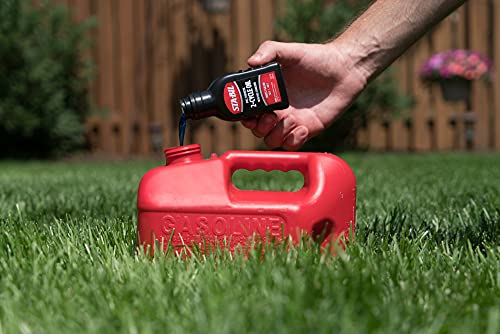
While many oils can be run at a 50:1 ratio, some, like Red Line, suggest they can be pushed to 100:1 under certain conditions. This flexibility is nice, but it’s vital to follow your engine manufacturer’s recommendations first. Also, consider how you’ll use the oil. If you only ride occasionally, a smaller container like the STA-BIL Full Synthetic 2-Cycle might be ideal. For frequent riders, a gallon jug is more practical. Don’t underestimate the convenience of pre-mixed options if you’re constantly swapping between fuels. Finding the best 2-stroke oil often comes down to how well it fits your riding style and schedule.
Never compromise on oil quality to save a few dollars. The cost of engine repairs far outweighs the price of a good lubricant.
Finally, remember that selecting the correct motorcycle lubricant is a key part of maintaining peak performance and preventing costly repairs.
2 Stroke Dirt Bike Oil Compared
Here’s a comparison of key specifications for popular 2-stroke dirt bike oils to help you make an informed decision.
| Product Title | Best For | Formulation | Mix Ratio (Typical) | Key Features | Size |
|---|---|---|---|---|---|
| Castor 927 Racing Premix | Best Overall | Castor Blend | N/A | Hardware Protection, Power | N/A |
| Maxima Formula K2 Synthetic | Best Racing Performance | Synthetic | N/A | Racing Developed, Ring Seal | N/A |
| Red Line 40603 Synthetic | Best Power & Cleanliness | Synthetic | 50:1 to 100:1 | Power Gains, Cleanliness | N/A |
| Klotz Super TechniPlate Synthetic | Best Film Strength | Synthetic/Castor | 16:1 to 50:1 | Film Strength, Clean Burn | 1 Quart |
| TRIAX Power Sport 2T | Best Budget Friendly | Synthetic Blend | N/A | Clean Burn, Wide Application | N/A |
| Super M Smokeless Premix | Best Low Smoke Formula | Synthetic Blend | N/A | Low Smoke, Clean Burning | N/A |
| Yamaha Yamalube Racing 2R | Best for Yamaha Dirt Bikes | N/A | N/A | Yamaha Specific, High Temp | N/A |
| STA-BIL Full Synthetic 2-Cycle | Best Small Mix Use | Synthetic | 40:1/50:1 | Fuel Stabilizer, Low Smoke | 2.6 oz |
Frequently Asked Questions
What oil mix ratio should I use?
Generally, you should always follow the dirt bike manufacturer’s recommendation for the oil mix ratio. However, some synthetic oils like Red Line can be run at leaner ratios (up to 100:1) under certain conditions, but confirm compatibility with your engine first.
Can I use automotive two-stroke oil in my dirt bike?
No, you should avoid using automotive two-stroke oil in your dirt bike. Dirt bike engines operate under higher stress and temperatures, requiring oils specifically formulated for those demands, and automotive oils often lack the necessary additives for optimal performance.
Is synthetic oil always better than conventional oil?
Not always, but for modern high-performance two-stroke dirt bikes, synthetic oil generally provides superior protection. Conventional oils (often castor-based) can be suitable for vintage bikes or less demanding riding, but synthetics handle heat and stress much better.
How does oil affect the smoke produced by my bike?
The quality of the oil directly impacts smoke levels. Oils with a good combustion profile, like those formulated to be low-smoke, will burn more cleanly and reduce exhaust smoke. Understanding the differences between a 2-stroke vs 4-stroke engine can also help understand smoke characteristics.
How often do I need to change the oil in my two-stroke dirt bike?
Unlike four-stroke engines, two-stroke bikes don’t have traditional oil changes. Instead, you’re constantly replenishing the oil with each fuel mixture. However, it’s still crucial to follow a recommended oil change schedule for the transmission oil, typically every 10-20 hours of riding depending on conditions.
What Actually Matters
Ultimately, choosing the right two-stroke oil comes down to balancing your budget with your ambitions. If you’re a serious racer or ride aggressively, spending a bit more for top-tier protection is a wise investment – and in that arena, Castor 927 Racing Premix stands out as the strongest overall performer. It delivers a blend of classic feel and modern protection that’s hard to beat.
However, there are excellent options for specific needs. For riders seeking maximum power and exceptionally clean combustion, Red Line 40603 Synthetic is a fantastic choice. If you’re looking to save money without sacrificing too much performance, the TRIAX Power Sport 2T offers a compelling value. And for those needing a smaller quantity for occasional use, the STA-BIL Full Synthetic 2-Cycle is a convenient option. Don’t forget to explore other dirt bike accessories to complete your riding setup.
Forget chasing the highest synthetic content or the most complex additive package. What truly matters is finding a 2-cycle oil that provides adequate film strength for your riding style, mixes thoroughly with your fuel, and consistently protects your engine from wear. Prioritize those fundamentals, and you’ll enjoy more time on the trail and fewer worries in the garage.
