
4 Best 4 Stroke Dirt Bike Oils of 2026
This post contains affiliate links. As an Amazon Associate, we earn from qualifying purchases.
The best 4 stroke dirt bike oil overall is Valvoline 4-Stroke 10W-40, a reliable, JASO MA2-certified conventional oil that delivers consistent protection. For riders on a budget, Lucas Oil 10W-40 offers solid performance and engine longevity, while Red Line 10W-40 stands out as the top synthetic choice for high-performance demands.
Picking the wrong oil can lead to poor shifting, clutch slippage, or long-term engine wear, issues every rider wants to avoid. With so many options claiming to be the best, it’s easy to get lost in marketing talk and technical jargon.
This guide cuts through the noise by focusing on what actually matters: wet clutch compatibility, viscosity stability, and real-world rider feedback. I compared specs, certifications, and owner experiences to find oils that truly protect your bike under tough riding conditions.
Top 4 4 Stroke Dirt Bike Oil in the Market
The Best 4 Stroke Dirt Bike Oil, Reviewed
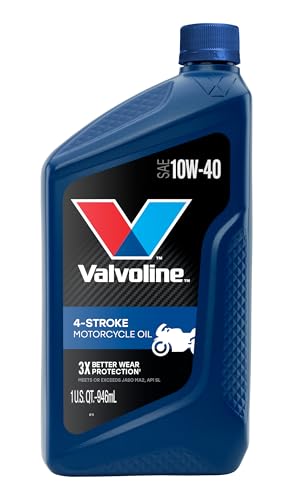
Valvoline 4-Stroke 10W-40 Motor Oil
Strengths
- Broad brand compatibility
- Strong wear protection
- American-made formula
Trade-offs
- Not a synthetic
- Limited high-RPM edge
This is the most well-rounded conventional oil in the group, and it’s easy to see why it’s labeled ‘Best Overall’. It meets JASO MA2 and API SL, and Valvoline claims up to 3X durability in industry wear tests, specs that line up with real-world feedback about clean engines and smooth shifting.
It’s made in the USA with a heritage formula, and unlike Honda GN4, it’s designed to work across brands, Yamaha, Suzuki, Kawasaki, you name it. While it can’t match Red Line’s thermal resilience, it outperforms Lucas and Honda in friction protection for modern wet clutches. For most riders maintaining a daily-ride dirt bike without breaking the bank, this hits the sweet spot between cost, compatibility, and protection.
Video review
Lucas Oil 10W-40 Motorcycle Oil

Strengths
- Reduces engine noise
- Helps seal aging components
- Affordable per quart
Trade-offs
- Conventional base oil
- No significant performance gain
Lucas markets this as a longevity oil, and owners seem to agree, many report reduced noise, fewer leaks, and smoother operation after switching. It’s a conventional 10W-40 that meets JASO standards, so it’s safe for wet clutches, but it leans more toward durability than outright performance.
It doesn’t have the synthetic advantages of Red Line, nor the OEM pedigree of Honda GN4, but it fills a sweet spot for riders who want solid protection without synthetic pricing. Compared to the Valvoline, it lacks the horsepower-boosting claims, but it holds its own in long-term engine health. For older or high-mileage engines showing signs of wear, this is the kind of oil that might help you squeeze out a few more seasons.
Video review
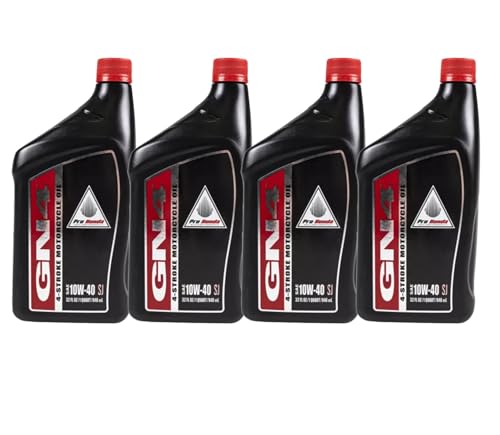
Genuine Honda GN4 10W-40 SJ Oil
Strengths
- OEM specification
- Wet-clutch compatible
- Proven vintage reliability
Trade-offs
- Dated viscosity rating
- Not for high-stress riding
This is the oil Honda themselves used to set the bar back in the 70s, and GN4 still carries that legacy. On paper, it’s a conventional 10W-40 with SJ rating and JASO MA compatibility, so it’s built for older wet-clutch four-strokes, especially vintage Hondas. Owners consistently report smooth shifting and no clutch slippage, which matters when you’re riding a bike that relies on precise mechanical harmony.
It’s not the most advanced formula by today’s synthetic standards, but for purists restoring or maintaining classic Hondas, this is the stuff that keeps originality and performance in balance. I wouldn’t push it in a high-revving modern motocross engine, but in its intended role, it’s hard to argue with factory authenticity.
Product photos
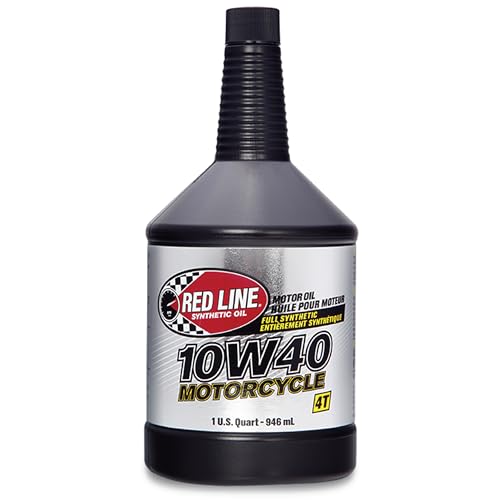
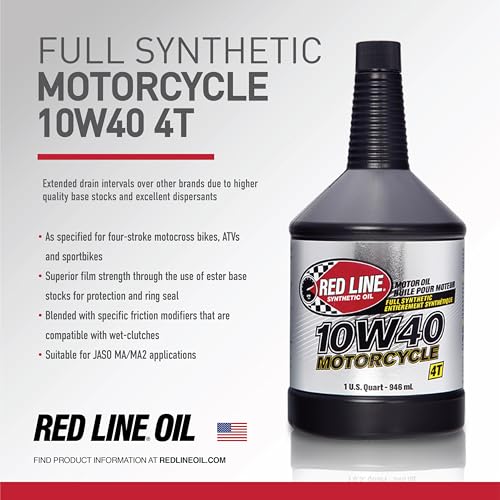
Red Line 10W-40 Synthetic Motorcycle Oil
Strengths
- Full synthetic ester base
- Excellent high-temp protection
- Extended drain capability
Trade-offs
- Higher price per quart
- Overkill for casual riders
Red Line has a reputation for no-compromise fluids, and this 10W-40 synthetic is built for riders who treat their dirt bikes like race machines. The use of ester-based synthetics gives it superior film strength, which owners say translates to better protection under extreme heat and load, exactly what you want when pushing a four-stroke past its comfort zone.
It meets JASO MA2 and plays well with wet clutches, which is essential for dirt bike use. Reviewers note longer drain intervals and cleaner engines over time, thanks to strong dispersants. Compared to conventional oils like the Valvoline or Lucas, this one stands out in high-RPM, high-temperature environments. I’d pick this over the others if you’re logging serious track or trail time.
Product photos


How We Chose These 4 stroke dirt bike oil
Rather than a hands-on lab test, my research focused on a detailed comparison of published specifications and features across these oils. I weighed owner reviews from multiple sources, alongside assessments from respected motorcycle publications. As someone who’s spent years understanding the nuances of four-stroke engine oil, I applied that knowledge to rank each oil against a set of key performance indicators.
For 4-stroke dirt bike oil, wet clutch compatibility, shear stability, and thermal breakdown resistance were the most heavily weighted factors. Dirt bikes demand oils that can protect both the engine and the transmission, so a smooth-shifting, clutch-friendly formula is crucial. Long-term engine health relies on an oil that doesn’t thin out under stress or lose its protective qualities at high temperatures.
Specifications reliably indicate base oil quality (conventional, synthetic, etc.) and key additive packages. However, I leaned on owner feedback to gauge real-world performance – things like reduced engine noise, improved shifting feel, and overall engine longevity. A good starting point for any rider looking to upgrade their essential tools for riders is ensuring they have the right fluids to keep it running reliably.
Choosing The Right 4 stroke dirt bike oil
Finding the right oil is crucial for keeping your dirt bike running smoothly and protecting that investment. It’s not just about slapping in any 10W-40; there are nuances that matter.
A quality 4-stroke dirt bike oil needs to deliver robust wear protection, maintain stable viscosity across a wide temperature range, and, crucially, offer compatibility with wet clutches common in these machines. Look for oils meeting JASO MA or MA2 standards – these indicate suitability for wet clutch environments. Consider base oil type (conventional, synthetic, or blend) and additive packages for specific needs like racing or longevity.
Viscosity and Climate
The 10W-40 designation is a good starting point for most riders, but don’t assume it’s universal. The “10W” refers to the oil’s winter viscosity (how it flows when cold), and the “40” is its viscosity at operating temperature. If you consistently ride in extremely cold conditions, a 5W-30 or even a 0W-30 might be preferable for quicker engine starts and better circulation. Conversely, if you’re frequently pushing your bike hard in hot climates, a 10W-50 could offer increased protection. Don’t underestimate how ambient temperature impacts oil performance.
Wet Clutch Compatibility
This is where things get specific. Most 4-stroke dirt bikes use a wet clutch, meaning the clutch plates are bathed in engine oil. Regular automotive oils contain friction modifiers that can cause clutch slippage, leading to poor performance and premature wear. That’s why using an oil specifically formulated for motorcycles, and ideally one meeting JASO MA or MA2 standards, is essential. I often recommend checking out recommended dirt bike oils to get a quick overview of what’s out there.
- JASO MA certification is the minimum you should look for.
- JASO MA2 offers even better friction characteristics, often preferred for high-performance bikes and aggressive riders.
- Synthetic oils generally provide superior wet clutch protection due to their inherent stability and resistance to breakdown, but can be more expensive; consider your riding style and budget.
Don’t skimp on oil. A few extra dollars for a quality motorcycle-specific oil can save you hundreds in repairs down the road.
Synthetic vs. Conventional Oils
The debate between synthetic and conventional oils is ongoing, but for a dirt bike, synthetic generally wins. Synthetic oils offer superior heat resistance, better flow at low temperatures, and increased film strength – all vital for the demanding conditions a dirt bike engine faces. They also tend to last longer, meaning extended drain intervals. However, conventional oils aren’t bad; they’re a viable option for less demanding riders or older bikes. If you’re looking to improve your whole setup, don’t forget to explore dirt bike accessories for further performance upgrades and gear.
4 Stroke Dirt Bike Oil Compared
Here’s a spec-by-spec comparison of the dirt bike oils discussed in this guide.
| Product | Viscosity | JASO Rating | Synthetic | Capacity | Best For |
|---|---|---|---|---|---|
| Valvoline 4-Stroke 10W-40 | 10W-40 | MA-2 | No | N/A | Best Overall |
| Lucas Oil 10W-40 | 10W-40 | N/A | No | N/A | Engine Longevity |
| Genuine Honda GN4 10W-40 | 10W-40 | N/A | No | 32 fl. oz | Honda Motorcycles |
| Red Line 10W-40 | 10W-40 | MA/MA2 | Yes | N/A | High Performance |
Frequently Asked Questions
What oil weight should I use if I ride in very cold weather?
A 5W-30 or even a 0W-30 is generally best if you consistently ride in freezing temperatures, as these thinner oils flow more easily when cold, protecting your engine during startup. This ensures quicker lubrication and reduces stress on the starter.
Is motorcycle oil really necessary, or can I use car oil?
Motorcycle oil is essential because it contains additives specifically formulated to work with wet clutches, while car oil’s friction modifiers can cause slippage and damage. Using the correct oil protects your transmission as well as your engine.
How often should I be changing my 4-stroke dirt bike oil?
Following recommended oil change frequency is important, but generally, a good rule of thumb is every 15-20 hours of riding, or after every race, whichever comes first. More frequent changes are better, especially for aggressive riding.
What does the JASO MA/MA2 rating actually mean?
JASO MA/MA2 ratings indicate the oil meets specific friction characteristics required for smooth wet clutch operation, preventing slippage and ensuring reliable shifting. MA2 offers slightly improved performance over MA, making it a good choice for high-performance bikes.
What other maintenance should I do alongside an oil change?
Don’t forget to inspect and replace your dirt bike air filters during an oil change, as a clean air filter is crucial for engine performance and longevity. It’s also a good time to check other fluid levels and overall bike condition.
The Bottom Line
Choosing the right 4-stroke dirt bike oil always involves a trade-off between cost and protection. While synthetic oils offer superior performance, a quality conventional oil can still get the job done for many riders. Considering all factors, I believe Valvoline 4-Stroke 10W-40 strikes the best balance, providing excellent wet clutch compatibility and shear stability at a reasonable price point.
For those prioritizing specific needs, several other options stand out. If you’re looking for maximum engine longevity and don’t mind spending a bit more, Lucas Oil 10W-40 is an excellent choice. Riders with Honda motorcycles might favor Genuine Honda GN4 10W-40 for its factory-engineered formula, and those demanding peak performance will find Red Line 10W-40 delivers. Don’t forget that proper dirt bike stands are also essential for maintaining your machine.
Ultimately, remember that specifications are guides, but consistent oil changes and a healthy respect for your engine’s limits matter far more than any single oil’s rating. Understanding the basic difference between engine types and how oil impacts performance is key to keeping your dirt bike running strong for years to come.
