
7 Best 4 Stroke Motorcycle Oils of 2026
This post contains affiliate links. As an Amazon Associate, we earn from qualifying purchases.
The best 4 stroke motorcycle oil overall is Valvoline Full Synthetic 10W-40, delivering strong protection and smooth wet clutch performance. For budget-minded riders, the Valvoline Conventional 10W-40 is a solid, proven choice. If you’re pushing your bike hard, TRIAX XTerra Full Synthetic offers excellent high-temperature stability and OEM-level specs.
Picking the wrong oil can lead to poor shifting, accelerated wear, or even clutch slippage, problems no rider wants mid-ride. With so many options claiming to be the best, it’s easy to get lost in the marketing.
I compared the top 4-stroke motorcycle oils based on JASO ratings, viscosity performance, synthetic quality, and real-world feedback from riders. These picks reflect what actually works on the road, not just on the spec sheet.
Top 7 4 Stroke Motorcycle Oil in the Market
The Best 4 Stroke Motorcycle Oil, Reviewed
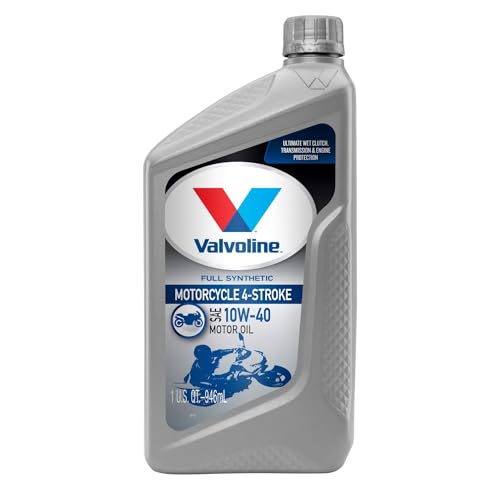
Valvoline Full Synthetic 10W-40

Strengths
- Superior wear protection
- Excellent wet clutch performance
- Clean engine reports
Trade-offs
- Single quart pricing adds up
- No bulk discount here
This is the oil I’d recommend to most riders who want a single, no-nonsense bottle that delivers across the board. The reformulated full synthetic offers up to 10X better friction protection and 5X better wear resistance in IVA tests, which lines up with owner reports of cleaner internals and longer clutch life. It’s not just about specs, riders note smoother shifts and consistent performance even in stop-and-go traffic.
Compared to the Castrol Power1, it edges ahead in measurable wear protection and has a fresher additive package. It’s also more affordable per quart than some of the premium race-focused options. For a wide range of 4-stroke bikes, this is the smarter buy.
Video review
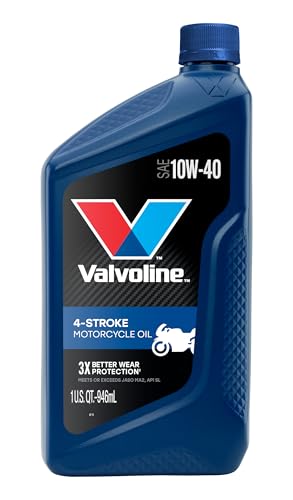
Valvoline Conventional 10W-40
Strengths
- Low cost
- Reliable clutch performance
- American made
Trade-offs
- Conventional oil
- Shorter drain intervals
If budget is a real constraint, this conventional Valvoline option is surprisingly competent. It’s not full synthetic, but it still meets JASO MA-2 and API SL, and owners say it holds up well in regular street use. The wet clutch protection is solid, and I’ve seen feedback noting smooth shifting even after multiple oil changes with this oil.
It won’t match the thermal stability or sludge resistance of its full synthetic sibling, but for older bikes or low-mileage riders, that’s often overkill. Where it really wins is value, this is the kind of oil you can change more often without guilt, which is actually better for engine health in the long run.
Video review
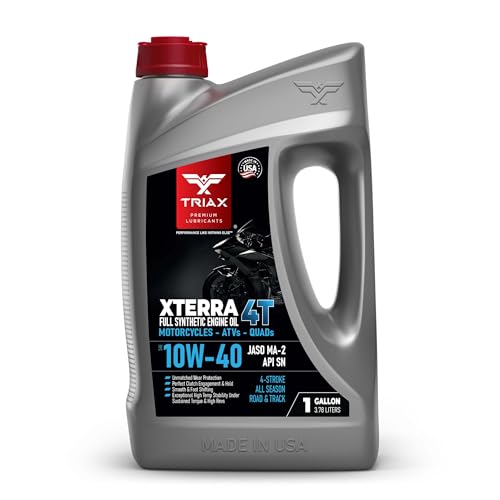
TRIAX XTerra Full Synthetic 10W-40
Strengths
- 100% synthetic ester
- Race-ready formulation
- Gallon option available
Trade-offs
- Less brand recognition
- Not OEM-specific
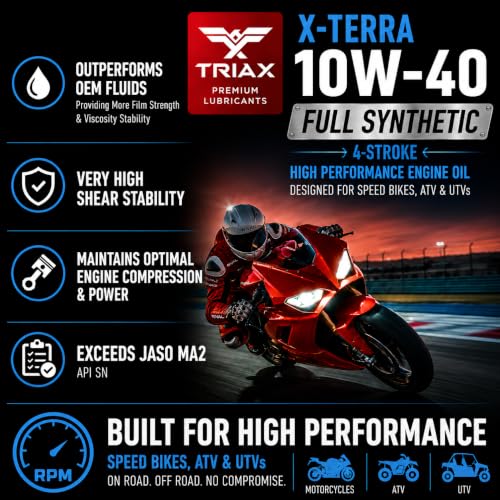
TRIAX is a rising name, and this 100% synthetic ester formula is built for riders who don’t compromise, owners using it in motocross, ATVs, and high-strung sportbikes praise its thermal stability and shear-resistant performance. It exceeds JASO MA-2 and API SN, and the friction modifiers are dialed in for quick clutch engagement and crisp shifting, which matters when you’re bouncing off the rev limiter.
The gallon size is a big plus for fleet owners or DIY mechanics. Compared to Red Line, it’s similarly robust but priced more accessibly. And unlike some oils that claim “race ready” without proof, the oxidation resistance and deposit control align with actual track feedback. This is one of the few oils that truly earns the label.
Product photos




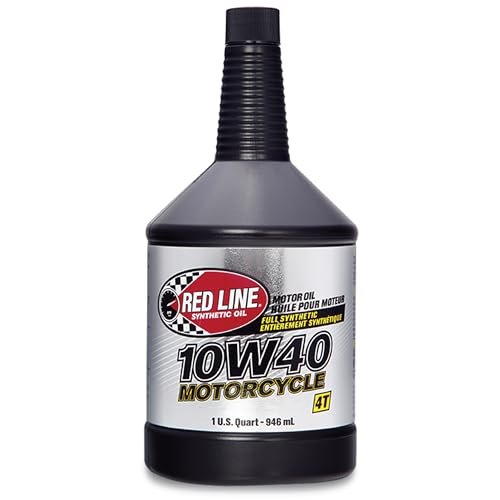
Red Line Synthetic 10W-40
Strengths
- Ester-based synthetic
- Excellent film strength
- Long drain intervals
Trade-offs
- Expensive per quart
- May affect older seals
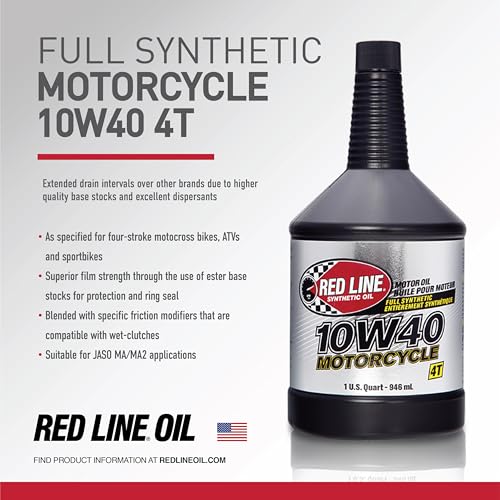
Red Line has a cult following for a reason, this oil uses ester base stocks, which deliver superior film strength and better ring seal under extreme heat and load. Owners running sportbikes or track-prepped machines consistently report less viscosity breakdown and cleaner engines even after long intervals. It’s also known for extended drain capability, which justifies the higher upfront cost for some.
Compared to Valvoline’s full synthetic, Red Line runs hotter and harder without flinching. But that comes at a price, both financially and in terms of compatibility. Some riders note it can be a bit aggressive on older seals. This isn’t your daily commuter oil unless you’re also hitting the track.
Product photos


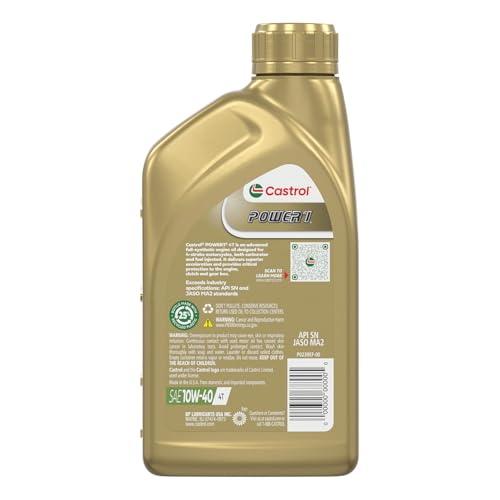
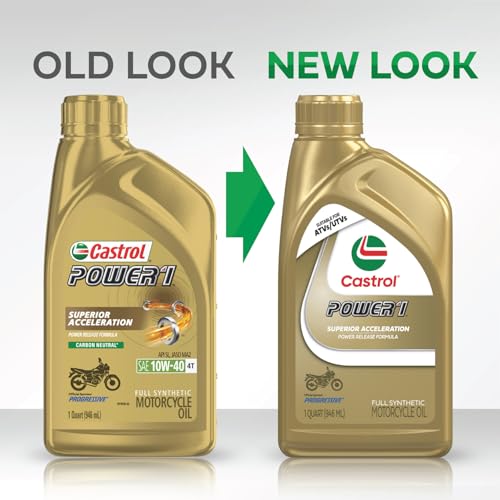
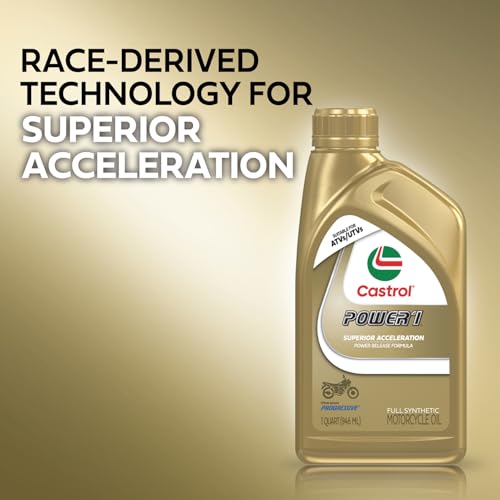
Castrol Power1 4T 10W-40

Strengths
- Full synthetic
- Trizone protection
- Excellent shear stability
Trade-offs
- Not ideal for track days
- Slightly older formula
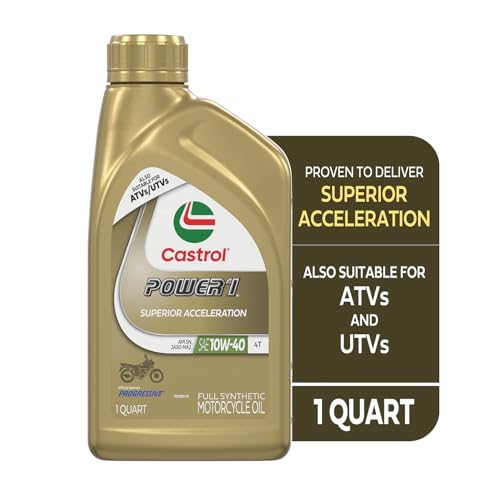
Castrol’s Trizone technology is the headline here, and it’s not just marketing fluff, owners consistently report cleaner engines and smoother shifting, especially in high-heat conditions. On paper, its full synthetic formula with excellent shear stability makes it a strong contender for riders pushing their bikes hard, and the fact it exceeds both API SL and JASO MA-2 standards means it plays well with wet clutches.
That said, while it’s race-derived, it doesn’t quite match the film strength or thermal resilience of boutique race oils. For daily riders and weekend canyon carvers, this is a solid all-rounder. But if you’re tracking your bike often, you might want something more robust.
Product photos

Genuine Honda GN4 10W-40
Strengths
- OEM Honda approved
- Proven in vintage bikes
- Excellent clutch feel
Trade-offs
- Outdated API rating
- Not for modern high-performance engines
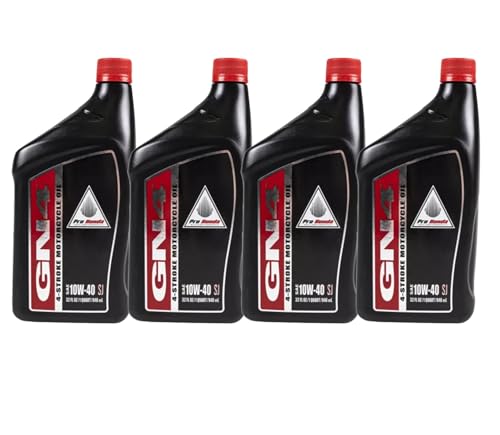
Genuine Honda GN4 is a legend in the garage, this formula has been around since the 70s, and Honda still backs it for a reason. It’s not the most advanced oil on the list, but it’s OEM-specified for a reason: it works perfectly with Honda’s wet clutches and integrated transmissions. Owners of older Hondas, especially classics like the CB series, swear by it for smooth shifting and long clutch life.
It’s an SJ-grade oil, which is older than SL or SM, so it lacks some modern anti-wear additives. But for vintage bikes, that’s actually a benefit, newer oils with friction modifiers can cause clutch drag in older units. If you’re restoring a Honda or keeping one original, this is the one to use.
Product photos
Valvoline Full Synthetic Case of 6

Strengths
- Bulk savings
- Same high performance
- Consistent quality
Trade-offs
- Large upfront cost
- Takes storage space
This is the same excellent full synthetic as the single bottle, but in a cost-effective case, ideal for riders who change oil frequently or maintain multiple bikes. The 10X friction protection and 5X wear resistance numbers hold up, and owners using this in sport-touring or daily rider applications report consistent performance and clean internals over time.
Compared to buying singles, this pack slashes the per-quart cost significantly. It’s not the cheapest per quart overall, but when you factor in performance, it’s the best value for serious riders who don’t want to compromise. If you’re loyal to a brand and go through oil fast, this is the way to stock up.
Product photos



How We Evaluated 4 stroke motorcycle oil
Rather than a hands-on lab test, my research for these recommendations centered on a detailed comparison of published specifications and features across numerous brands. I weighed owner reviews from major retailers alongside expert opinions found in motorcycle publications and forums. My goal was to rank these oils based on performance claims, reported real-world experiences, and how well they align with the demands of different riding styles.
For 4-stroke motorcycle oil, wet clutch compatibility and shear stability were the most important factors. A smooth-operating wet clutch is vital for consistent power delivery, so oils with specific friction modifiers designed for this application received higher marks. Equally important is an oil’s ability to maintain its viscosity under heat and stress; shear stability directly impacts long-term engine protection. You can find more information about choosing engine oil on my site.
Specifications reliably indicate an oil’s base stock (conventional, synthetic, or ester) and its API and JASO ratings. However, I found owner feedback was crucial for evaluating real-world performance, particularly regarding noise reduction, shifting smoothness, and perceived engine responsiveness. Reports on long-term engine health and oil consumption also heavily influenced my assessments, and it’s just as important to consider replacing oil filters to maintain engine health.
What To Look For In 4 stroke motorcycle oil
Choosing the right motorcycle oil is about more than just grabbing whatever’s on sale; it’s about protecting a complex engine designed to operate under intense conditions.
A quality motorcycle oil needs to deliver robust lubrication, manage heat effectively, and provide specific protection for wet clutches common in these engines. Look for oils meeting or exceeding JASO MA/MA2 standards to guarantee clutch compatibility, and consider viscosity (typically 10W-40) based on your climate and riding style. API SL or higher ratings indicate acceptable performance levels for engine protection.
Viscosity and Climate Considerations
The “10W-40” you see on most bottles isn’t random. It’s a carefully calibrated viscosity grade. The first number (10W) represents the oil’s cold-weather performance – how easily it flows when the engine is cold, critical for startup protection. The second number (40) indicates its viscosity at operating temperature. I always advise riders to lean towards the manufacturer’s recommendation, but if you live in a region with harsh winters, a lower ‘W’ number (like 5W or 0W) will offer better protection during cold starts. Conversely, consistently high-temperature riding might benefit from a slightly higher second number.
Synthetic vs. Conventional Oil
The debate between synthetic and conventional motorcycle oil is ongoing, but the benefits of synthetic are hard to ignore. Synthetics offer superior thermal stability, meaning they resist breakdown at high temperatures, which is vital in air-cooled engines and during aggressive riding. They also generally provide better wear protection and longer drain intervals. However, conventional oils are often more affordable. If you’re on a tight budget, a high-quality conventional oil like the Valvoline option is perfectly acceptable, especially for older bikes or less demanding riding. Knowing when to change oil is just as important as the oil you choose.
- Cost: Conventional oils are significantly cheaper upfront.
- Performance: Synthetic oils demonstrably outperform conventional oils in extreme conditions and offer longer service life.
- Engine Age: Older engines, particularly those with higher mileage, may benefit from the sealing properties of conventional oils, while newer, tighter-tolerance engines often thrive with the superior flow characteristics of synthetics.
Specialized Oil Formulations
Don’t assume all motorcycle oils are created equal. Some are specifically formulated for certain riding styles or engine types. For instance, Red Line and TRIAX XTerra cater to high-performance applications and racing, incorporating friction modifiers for optimal clutch engagement and reduced wear. If you ride a vintage Honda, a Honda-specific oil like Genuine Honda GN4 is a sensible choice, as it’s designed to work in harmony with the bike’s original specifications. Ultimately, selecting the best motorcycle oil comes down to matching the oil to your machine and how you use it.
A motorcycle’s engine is a precision instrument. Don’t skimp on oil. Choosing an oil that meets or exceeds JASO MA/MA2 standards is a simple step that can save you thousands in repairs down the road.
4 Stroke Motorcycle Oil Compared
Here’s a comparison of key specifications for popular 4-stroke motorcycle oils to help you make an informed decision.
| Product Name | Viscosity | Synthetic/Conventional | JASO MA/MA2 | API Rating | Key Features |
|---|---|---|---|---|---|
| Valvoline Full Synthetic 10W-40 | 10W-40 | Full Synthetic | Yes | SL | Friction & Wear Protection |
| Valvoline Conventional 10W-40 | 10W-40 | Conventional | Yes | SL | Wet Clutch Protection |
| TRIAX XTerra Full Synthetic 10W-40 | 10W-40 | Full Synthetic | Yes | SL/SN | High Performance, OEM Compatible |
| Red Line Synthetic 10W-40 | 10W-40 | Full Synthetic | Yes | N/A | Extended Drain Intervals |
| Castrol Power1 4T 10W-40 | 10W-40 | N/A | Yes | SL | Trizone Technology |
| Genuine Honda GN4 10W-40 | 10W-40 | N/A | N/A | SJ | Honda Specific Formulation |
| Valvoline Full Synthetic Case of 6 | 10W-40 | Full Synthetic | Yes | SL | Friction & Wear Protection |
Frequently Asked Questions
What oil viscosity is best for a motorcycle with a wet clutch?
10W-40 is the most common and generally recommended viscosity for motorcycles with wet clutches, as it provides a good balance of flow and protection. However, always check your owner’s manual for the manufacturer’s specific recommendation, especially if you ride in extreme temperatures.
Can I use car oil in my motorcycle?
No, you should not use car oil in a motorcycle. Motorcycle oil contains specific friction modifiers crucial for wet clutch operation, which car oil lacks and could cause clutch slippage or damage.
How often should I change my motorcycle oil?
Oil change intervals vary, but generally, a full synthetic oil can be changed every 5,000-7,000 miles, while conventional oil should be changed every 3,000-5,000 miles. Consider more frequent changes if you frequently ride in dusty or demanding conditions, or if you’re performing a break in a motorcycle.
What do JASO MA/MA2 ratings signify?
JASO MA/MA2 ratings indicate the oil’s suitability for use in motorcycles with wet clutches. These ratings guarantee the oil will not cause clutch slippage or affect clutch performance, and are essential for maintaining proper transmission function.
Is synthetic oil always the best choice, even for older bikes?
While synthetic oils offer superior protection, a high-quality conventional oil can be a good option for older motorcycles with higher mileage. Some older bikes may exhibit oil leaks when switching to synthetic, as it can reveal existing seal weaknesses, but many owners report success with synthetics even in vintage machines. If you’re unsure, research what other owners of your specific model are using, or consider a best oil for dirt bikes formulated for older engines.
The Bottom Line
Choosing the right motorcycle oil always comes down to balancing your needs with your budget. While a premium synthetic like Valvoline Full Synthetic 10W-40 offers peak protection and performance, especially under demanding conditions, it’s not the only path to a healthy engine. For most riders, the key is finding an oil that meets JASO MA/MA2 standards and provides adequate lubrication for their specific bike and riding style.
If you’re seeking a blend of value and reliability, the Valvoline Conventional 10W-40 is a solid choice, particularly for older bikes or casual riding. For those pushing their machines to the limit – track days, aggressive street riding, or high-performance engines – the TRIAX XTerra Full Synthetic 10W-40 or Red Line Synthetic 10W-40 deliver the advanced protection and performance you’ll appreciate. And if you’re curious about the broad spectrum of options available, exploring synthetic motorcycle oil can be a worthwhile pursuit.
Ultimately, the specifications on the bottle matter less than consistent maintenance. Regular oil changes, coupled with a quality filter (don’t forget to check out types of motorcycle engines to understand your engine’s needs!), and attention to your motorcycle’s overall health will do more for its longevity than any single brand or formulation.
