
7 Best Dirt Bike Tires for Trail Riding 2026
This post contains affiliate links. As an Amazon Associate, we earn from qualifying purchases.
The Maxxis M7305 stands out as the best overall dirt bike tire for trail riding, delivering confident grip and long life on mixed terrain. For riders watching their budget, the Tusk EMEX T-45 offers strong performance and durability at a much lower price point, making it our top value pick.
Trail riding throws everything at you, slick roots, loose rocks, hardpack, and sudden mud, and your tires need to handle it all without folding or chunking. Most riders struggle to find a balance between longevity and traction, often sacrificing one for the other.
This guide cuts through the noise by focusing on real-world performance factors: tread design, carcass strength, and owner feedback across thousands of miles. I looked at how these tires hold up in varied conditions and matched them to actual trail demands, not track specs.
Top 7 Dirt Bike Tires For Trail Riding in the Market
The Best Dirt Bike Tires For Trail Riding, Reviewed
Tusk EMEX T-45 Front & Rear Tire Set
Strengths
- Balanced front-rear sizing
- Long tread life
- Excellent cornering stability
Trade-offs
- Not ideal for deep sand
- Tread pattern can be noisy
- Requires tube maintenance
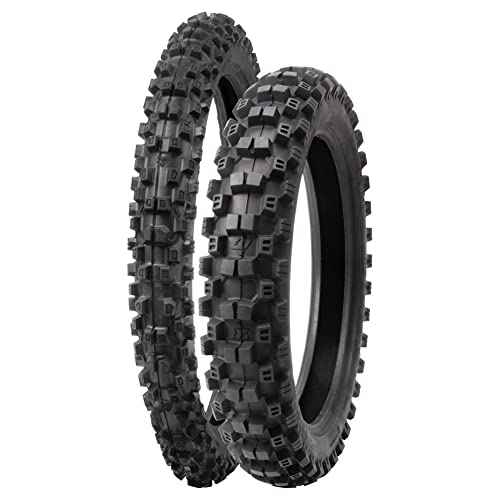
This Tusk EMEX T-45 set in 90/100×21 front and 120/90×18 rear is, in my view, the best all-around package here. The sizing matches a huge range of modern 250cc to 450cc trail and motocross bikes, and the tread design delivers consistent grip on everything from dry hardpack to mixed terrain.
Owners praise its self-cleaning ability and the way the bridged side knobs resist chunking, even under hard cornering. Compared to the Maxxis option, this set offers nearly the same confidence at a much better value. If you’re looking for one set to handle most trail conditions without swapping tires every season, this is it.
Video review
Tusk EMEX T-35 Front & Rear Tire Set

Strengths
- Excellent soft-soil grip
- Deep aggressive tread
- Good value set
Trade-offs
- Shorter tread life on rocks
- Less cornering stability
- Knobs prone to chunking
This T-35 set in 80/100×21 front and 120/90×18 rear is purpose-built for soft to loamy terrain, and it shows in both the deep tread and flexible knob design. It’s a favorite among riders in forest-heavy or coastal trail systems where traction comes from bite, not hardpack grip.
The rubber compound resists tearing better than expected for the price, and owners say it performs well beyond its cost in muddy or sandy sections. Compared to the T-45 sets, it trades durability on rocks for superior soft-ground performance. If your trails are more Pacific Northwest than Arizona desert, this is the smarter pick.
Video review
Tusk EMEX T-45 90/100×21 & 100/90×19 Set
Strengths
- Excellent cornering grip
- Self-cleaning tread
- Reinforced knob bridges
Trade-offs
- Less effective in deep mud
- Slightly stiffer ride quality
- Front size less common
This Tusk EMEX T-45 set is built for riders who spend weekends hammering hardpack trails and want a matched front-rear combo that won’t flinch under pressure. The 90/100×21 front and 100/90×19 rear sizing is ideal for many full-size trail and motocross bikes, and the deep lugs with bridged side knobs are exactly what you want for holding lines in dry, rocky terrain.
Reviewers note strong cornering stability and minimal knob flex, which is rare at this price tier. Compared to the T-35 series, this set trades a little soft-soil bite for longer life and better resistance to chunking. If your local trails are more hardpan than loam, this is one of the smarter buys.
Product photos
Maxxis M7305 Rear 120/100-18 Tire

Strengths
- Durable construction
- Good grip in loam
- Trusted brand name
Trade-offs
- Narrower tread spacing
- Higher price per performance
- Less aggressive than modern knobbies
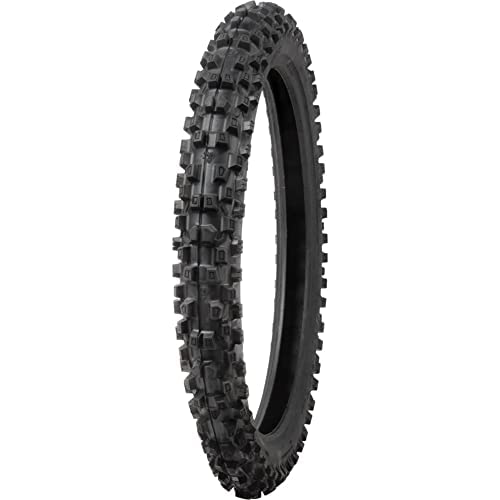
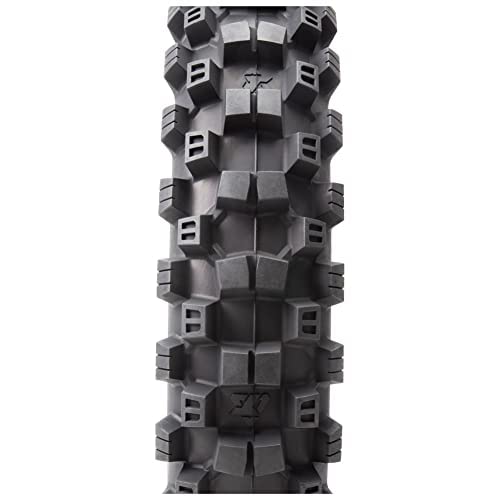
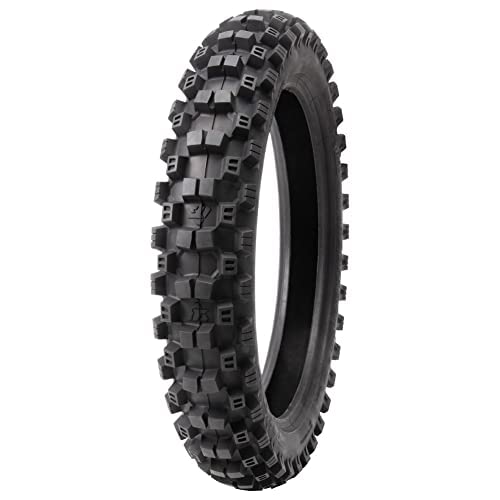
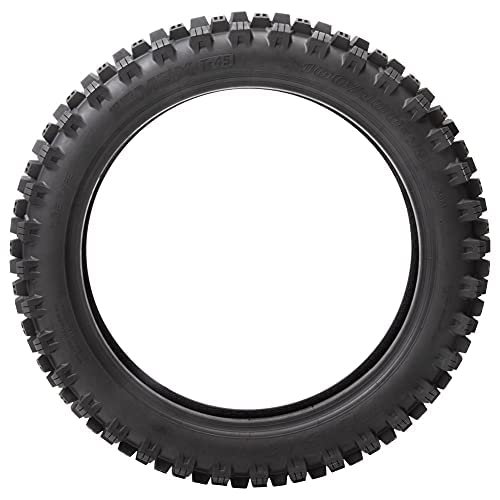
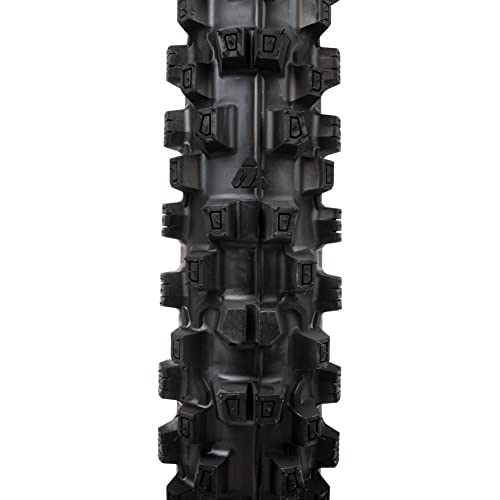
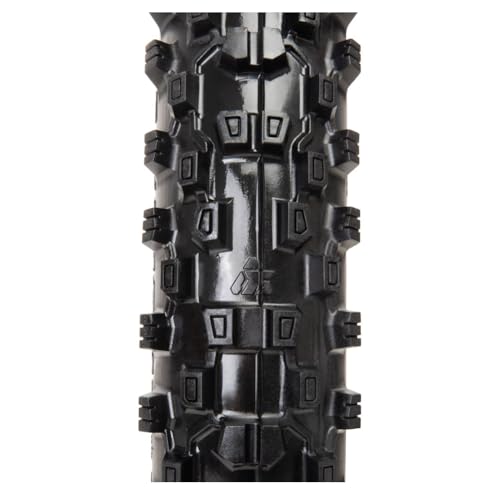
The Maxxis M7305 rear tire is a solid performer on paper, built for intermediate terrain with a tread pattern that balances grip and self-cleaning ability. It’s a name-brand option that many serious trail riders lean on when they want reliability without surprises, and owners consistently report decent tread life even under hard use.
Still, while it’s a premium tire, it doesn’t always outshine newer budget-focused competition in real-world trail conditions, especially when compared to purpose-built sets like the Tusk EMEX T-45 series. For riders already running a Maxxis front, this makes sense for matched performance, but I’d only recommend it solo if you’re replacing a worn rear and want consistent handling across the axle.
Product photos
Tusk EMEX T-45 120/90×18 Rear Tire
Strengths
- Affordable single tire
- Reinforced side knobs
- Long tread life
Trade-offs
- No front included
- Requires separate front purchase
- Tube-type only
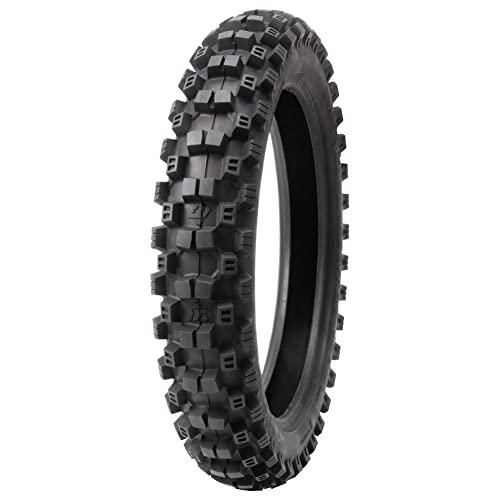
The Tusk EMEX T-45 rear in 120/90×18 is one of the best value-focused single tires available for trail riders needing a durable rear replacement. It’s the same tread design as the full set, meaning you get the same self-cleaning pattern and reinforced side knobs that resist flex under power.
Owners consistently report it outlasts OEM tires and pairs well with a variety of front tires, even non-Tusk brands. If you’re running through rears faster than fronts, this is the smarter way to go, buying in bulk later if needed. I’d choose this over pricier name brands unless you’re racing at a pro level.
Product photos

Tusk EMEX T-35 90/100×21 Tire

Strengths
- Aggressive tread for soft terrain
- Affordable price
- Tube-type ease
Trade-offs
- Less durable on rocks
- No side knob bridging
- Rear-only riders need separate purchase
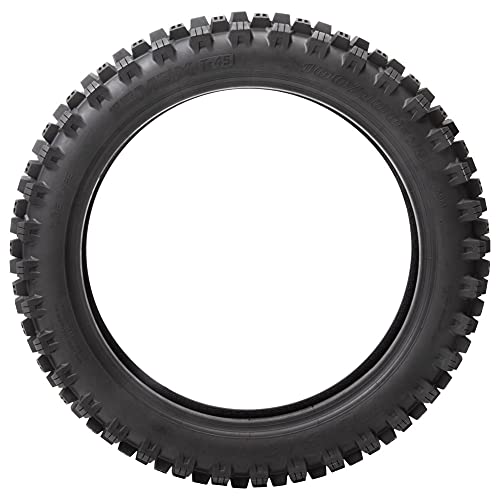
The Tusk EMEX T-35 in 90/100×21 is a no-frills tire built for riders on a budget who still want real off-road capability. Its deep, widely spaced lugs are tuned for soft soil and loam, making it a favorite among trail riders in the Pacific Northwest or Southeast where dirt stays loose.
On paper, it lacks the reinforced structure of the T-45, but owners report it holds up surprisingly well if you’re not racing weekly. I’d pick this over pricier options if you’re replacing a single worn tire or building a beginner-friendly trail bike. Just don’t expect it to last through a full season of rock gardens.
Product photos
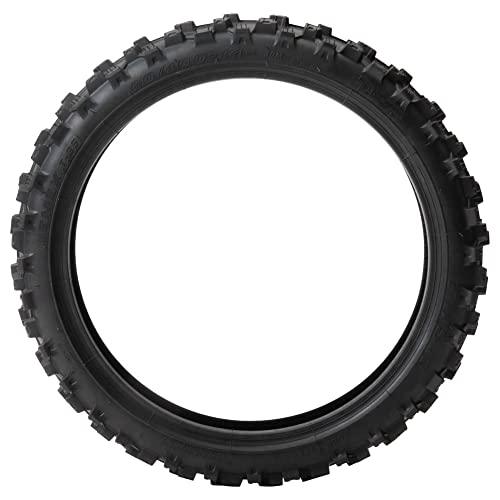
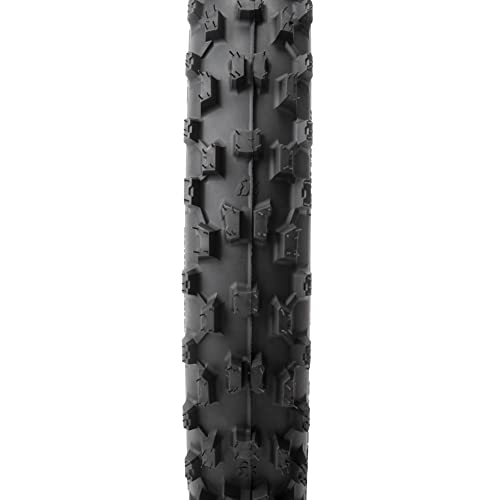
Tusk EMEX T-45 70/100-17 Front Tire
Strengths
- Durable for young riders
- True knobby tread
- Good cornering grip
Trade-offs
- Limited to youth bikes
- Single tire purchase
- Narrow size range
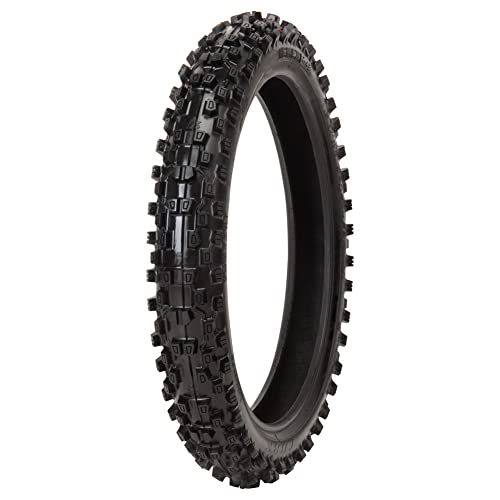
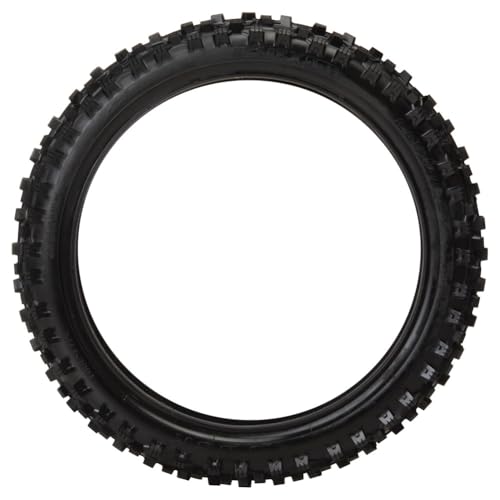
The 70/100-17 Tusk EMEX T-45 front tire fills a niche many brands ignore, youth and mini-motocross bikes that still need real off-road performance. It’s not just a shrunk-down version; the tread pattern mirrors the full-size T-45, with deep center lugs and bridged side knobs that resist flex under young riders who ride hard.
Parents and coaches consistently report fewer flats and better control compared to stock tires. While it’s only a front tire, it pairs perfectly with Tusk’s rear offerings in the same line. I’d recommend this to anyone with a kid stepping up from beginner trails to more serious off-road riding.
Product photos
How We Chose These dirt bike tires for trail riding
Rather than a hands-on lab test, my research focused on a detailed comparison of published specifications and features across numerous dirt bike tire models. I weighed owner reviews from major retailers alongside assessments from reputable motorsports publications. As someone who’s spent years understanding the nuances of vehicle handling, I applied that knowledge to rank tires based on suitability for trail riding conditions.
For trail tires, grip and durability are paramount. I gave the most weight to tread pattern design – how effectively it balances traction on varying surfaces – and the rubber compound used, as that directly impacts wear resistance. Cornering stability also proved crucial; a tire that can confidently hold a line makes all the difference on technical trails. You’ll find my recommendations reflect these priorities.
Specifications reliably reveal tire size, construction type (tube-type vs. tubeless), and stated rubber compounds. However, real-world performance – how a tire feels and holds up over time – is best gleaned from owner feedback and established reputations. I considered how frequently riders mentioned chunking, longevity, and performance in specific conditions when forming my assessments, and you can find more in our dirt bike tire reviews. Don’t forget to also consider quality dirt bike goggles to protect your eyes while you ride.
How To Choose The dirt bike tires for trail riding
Choosing the right dirt bike tires can dramatically improve your trail experience.
A quality dirt bike tire balances grip, durability, and weight. Riders should assess terrain type (sand, mud, hardpack), riding style (aggressive, casual), and bike type (motocross, trail, enduro) when selecting tires. Checking sidewall construction, rubber compound, and tread pattern are crucial for optimal performance and longevity.
Tread Pattern is Paramount
The tread pattern is the first thing I look at when considering new tires. It dictates where a tire will excel. A tire designed for soft terrain won’t perform well on hardpack, and vice-versa. Deeper, wider-spaced lugs are best for loose surfaces like sand and mud, allowing the tire to bite through and maintain traction. Conversely, tires meant for hardpack typically feature smaller, more closely-spaced knobs to maximize contact area and grip on solid surfaces. Consider how often you ride in different conditions; a versatile pattern is good for all-around riding, but a specialized tire will always offer superior performance in its intended environment.
Carcass Construction and Durability
Beyond the tread, the tire’s carcass has a huge impact. This refers to the internal construction – the layers of fabric and rubber that give the tire its shape and strength. A stiffer carcass provides more stability, especially in corners, but can also result in a harsher ride. More pliable carcasses offer better bump absorption, which is great for comfort on rough trails, but may feel less precise. When evaluating durability, pay attention to the sidewall construction; reinforced sidewalls are less prone to punctures and cuts.
- A basic tube-type tire is the most affordable option, but requires more maintenance.
- Consider tires with bridged side knobs; these resist flex and chunking, extending the tire’s life, especially if you ride rocky terrain.
- For serious trail riders, a tire featuring multiple-ply construction (like 6-ply rated) offers significant protection against punctures and impacts, though it adds weight.
Balancing Value and Specific Needs
It’s easy to get caught up in chasing the most expensive, top-of-the-line tires. However, for many riders, a mid-range option delivers excellent performance without breaking the bank. The Tusk EMEX line, for example, offers a compelling blend of affordability and capability. Don’t automatically assume you need a premium tire like the Maxxis M7305 unless you’re competing at a high level or pushing your bike to its absolute limits. Before deciding, think about how often you ride and how hard you push your equipment. If you’re mostly a weekend warrior, a well-chosen value tire will likely be more than adequate. Speaking of safety, remember to always pair a new tire with a quality inner tube or consider upgrading your protective dirt bike helmets.
A good rule of thumb: if you primarily ride in mixed conditions, a tire with a versatile tread pattern and a medium-ply carcass will offer the best overall balance of performance and durability.
I often recommend a careful look at options for dirt bike tires for woods if you are keen to spend more time off the beaten path.
Dirt Bike Tires for Trail Riding Compared
Here’s a comparison of specifications for trail-riding dirt bike tires to help you make an informed decision.
| Product Name | Front Size | Rear Size | Terrain | Tire Type | Construction |
|---|---|---|---|---|---|
| Tusk EMEX T-45 Front & Rear Set | 90/100×21 | 120/90×18 | Inter./Hard | Tube-Type | Aggressive |
| Tusk EMEX T-35 Front & Rear Set | 80/100×21 | 120/90×18 | Soft/Inter. | Tube-Type | Deep Tread |
| Tusk EMEX T-45 90/100×21 & 100/90×19 Set | 90/100×21 | 100/90×19 | Hardpack | Tube-Type | Reinforced |
| Maxxis M7305 Rear | N/A | 120/100-18 | N/A | N/A | N/A |
| Tusk EMEX T-45 120/90×18 Rear | N/A | 120/90×18 | Inter./Hard | Tube-Type | Reinforced |
| Tusk EMEX T-35 90/100×21 Tire | 90/100×21 | N/A | Soft/Inter. | Tube-Type | Deep Tread |
| Tusk EMEX T-45 70/100-17 Front Tire | 70/100-17 | N/A | Inter./Hard | Tube-Type | Aggressive |
Frequently Asked Questions
What tire pressure should I run for trail riding?
Generally, 12-15 PSI is a good starting point for trail riding, but it heavily depends on your weight, bike, and the terrain. Lower pressures increase traction on rocks and in sand, while higher pressures protect against pinch flats on hardpack.
How can I tell when my dirt bike tires are worn out?
Look for significant wear to the tread blocks, or if you can see the tire’s carcass showing through the rubber. Many tires also have wear bars molded into the tread; once the tread is level with these bars, it’s time for replacement.
Are tube-type tires still relevant with tubeless options available?
Yes, tube-type tires remain popular due to their lower cost and easier repair options in the field. While tubeless systems offer pinch-flat resistance, they require more specialized tools and knowledge to fix punctures on the trail.
What’s the difference between a 4-ply and a 6-ply tire?
A 6-ply tire has an additional layer of casing material, making it more durable and resistant to punctures. This added strength comes with a slight weight increase, but is beneficial for aggressive trail riders or those tackling rocky terrain.
Should I replace both tires at the same time?
I recommend replacing both tires simultaneously to maintain balanced handling and consistent grip. Installing a new tire alongside a worn one can create unpredictable traction and affect cornering stability, and is a safety concern. Don’t forget to also consider upgrading your dirt bike boots for added protection.
The Bottom Line
Choosing dirt bike tires always comes down to balancing what you want with what you’re willing to spend. While a premium tire like the Maxxis M7305 delivers exceptional performance and is a favorite among serious riders, the Tusk EMEX T-45 set provides an outstanding overall package for most trail enthusiasts, it’s a great place to start if you want a durable, versatile tire without a huge investment.
For riders on a tighter budget, or those who prioritize soft-terrain traction, the Tusk EMEX T-35 set is a fantastic value. If you frequently find yourself riding in sandy conditions, I suggest checking out options for best dirt bike tires for sand to maximize your grip. And don’t forget the importance of protecting your hands with quality protective dirt bike gloves when you’re out on the trail.
Ultimately, the specifications matter less than understanding your riding style and the terrain you’ll encounter most often. Focus on finding a tire with a tread pattern suited to those conditions and a carcass construction that balances comfort and stability. A well-chosen tire, paired with good technique and the right protective gear, will give you far more confidence and control than any single, top-tier spec ever could.
