
9 Best Kids Electric Scooters 2026
This post contains affiliate links. As an Amazon Associate, we earn from qualifying purchases.
The Segway C2 Pro is the overall best children’s electric scooter for its smart safety features and smooth ride, while the LINGTENG Adjustable Height Electric Scooter stands out as a solid budget-friendly pick that doesn’t skimp on key essentials like adjustability and stability.
Parents want their kids to have fun, but handing them a fast electric scooter without thinking through safety and fit is a recipe for worry. Too many models focus on flashy lights or top speed while ignoring the basics like balance, braking, and age-appropriate controls. This guide cuts through the noise, focusing on what matters most: stability, safety certifications, and scooters that grow with your child. I looked at specs, real-world feedback, and design details to find the best options across different needs and budgets.
Top 7 Childrens Electric Scooters in the Market
The Best Childrens Electric Scooters, Reviewed
Segway C2 Pro Kids Electric Scooter

Strengths
- 9.3-mile range
- 12.4 mph top speed
- UL2272 certified
Trade-offs
- Higher price point
- 132 lb weight limit
- No seat option
This is the one I’d pick if I were buying for a serious young rider. The 9.3-mile range and 4-hour charge time are class-leading, and the 12.4 mph top speed means it keeps up with older kids who’ve outgrown beginner models. The three ride modes and adjustable handlebar make it grow with the child, which owners confirm, they’re still using it years later.
The Bluetooth speaker and voice assistant are more than just flair; they add real engagement, and the UL2272 certification backs up the safety claims. Compared to the C2 Lite, this is a full upgrade, faster, smarter, and built to last. It’s not the cheapest, but in this category, you really do get what you pay for.
Video review
Segway Ninebot C2 Lite Electric Scooter

Strengths
- Kick-to-start safety
- IPX4 water resistance
- Solid tires
Trade-offs
- 5% hill climb limit
- 70-minute max ride time
- Average battery life
The Segway Ninebot C2 Lite stands out in the kids’ scooter space by balancing safety and real-world usability. The kick-to-start feature isn’t just a gimmick, it’s a smart design choice that prevents sudden lurches, which parents consistently report as a major concern with younger riders. With a top speed of 9.9 mph and three ride modes, it’s built for kids who are past training wheels but not quite ready for full-throttle action.
Its IPX4 rating means light rain won’t kill the fun, and the solid tires are a win for durability, no flats from sidewalk glass. Compared to the flashier but less rugged budget models, this one feels like it’s engineered with actual riding conditions in mind. The RGB lighting is more than just show; it boosts visibility after dark, which I appreciate from a safety standpoint.
Video review
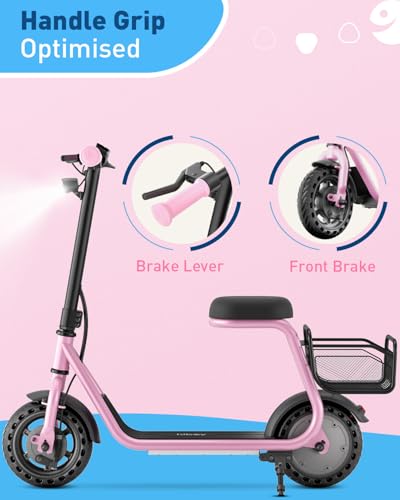
Hiboy Q2 Lite Electric Scooter with Seat

Strengths
- Integrated seat
- Solid rubber tires
- 3 speed modes
Trade-offs
- Heavier than average
- Pink-only color option
- Slower top speed
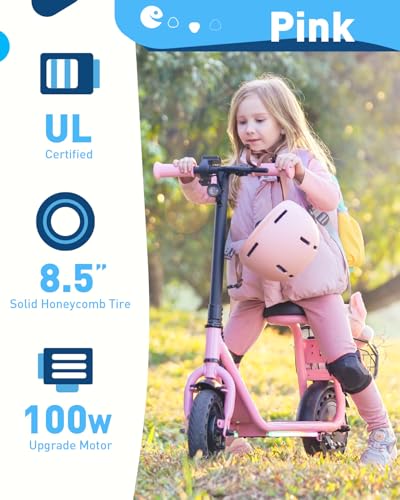
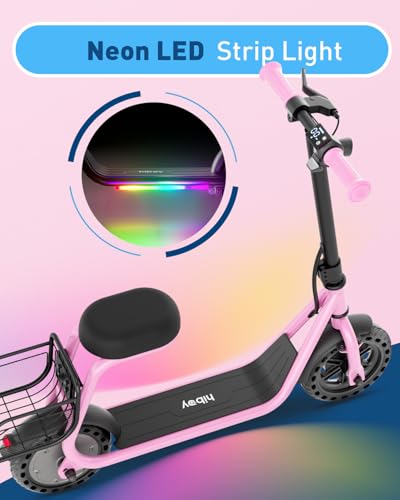
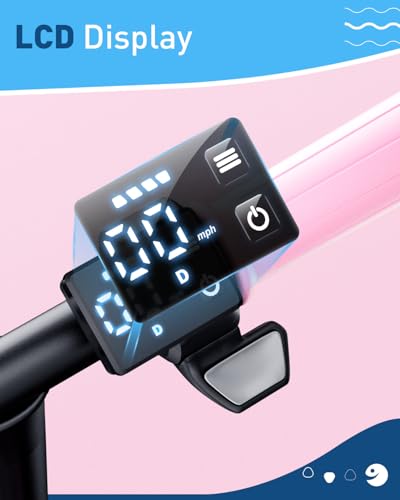
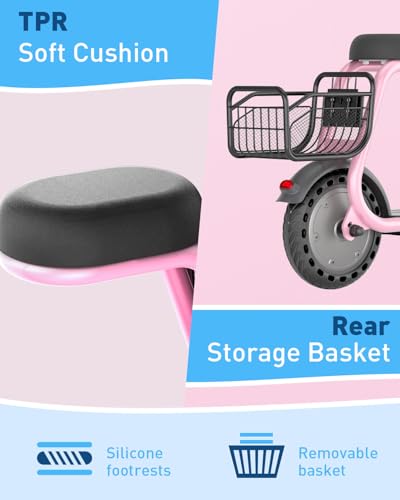
The seat changes everything. Most kids’ scooters assume standing is the only way, but the Hiboy Q2 Lite gets that younger riders tire quickly. The cushioned TPR seat turns short bursts into longer adventures, and parents report their kids ride twice as far with it. The 8.5-inch solid tires handle cracks and curbs better than most, and the three speed modes make it adaptable as skills grow.
It’s not the fastest, tops out at 9.3 mph, but it’s consistent, and the UL2272 certification means it’s not cutting corners on safety. Compared to the Segway C2 Lite, it’s heavier but more comfortable. For kids who want to ride to the park and back, that comfort matters.
Product photos
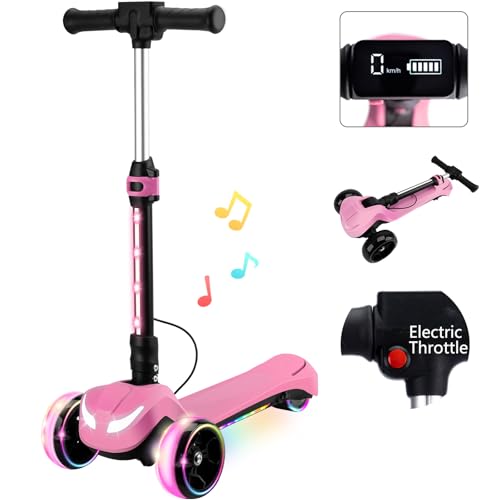
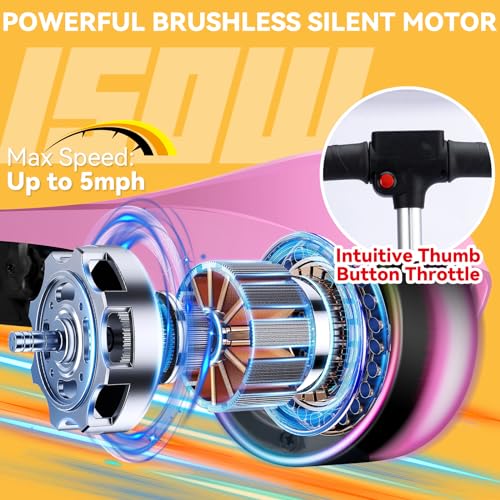
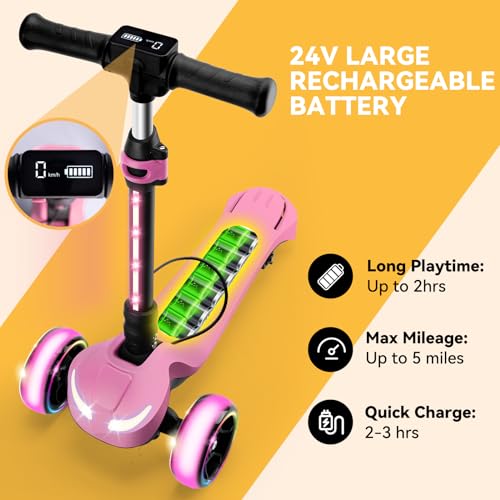
3-Wheel Electric Scooter with Bluetooth
Strengths
- No assembly needed
- Triangular 3-wheel stability
- Thumb throttle control
Trade-offs
- Limited to 5 mph
- Plastic-heavy build
- Shorter handlebar range
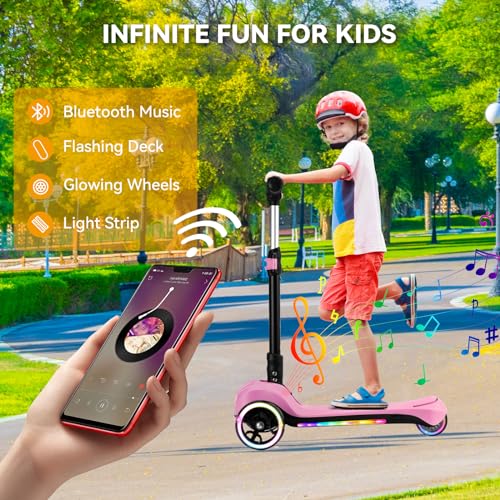
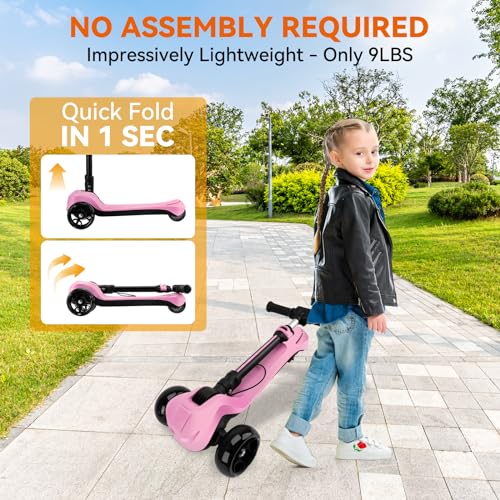
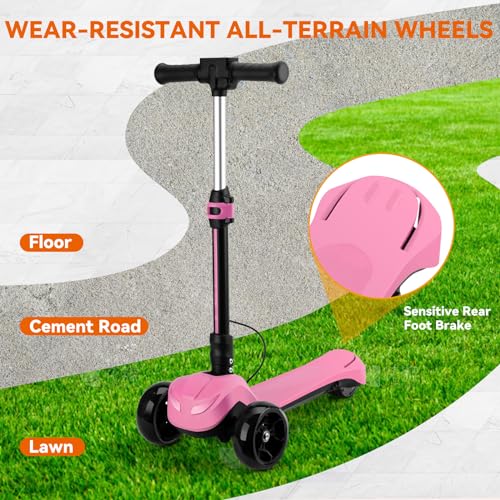
This three-wheeled scooter leans hard into stability and simplicity, and for younger kids just finding their balance, that’s a smart play. The triangular base and lean-to-steer system make it nearly impossible to tip over, which aligns with what parents say in reviews, fewer spills, less fear. At 5 mph, it’s not fast, but that’s the point: it’s meant for ages 3 and up, where confidence matters more than speed.
I like that it’s nearly plug-and-play, no tools, no frustration. The Bluetooth speaker and light-up wheels are pure fun, and while they don’t add performance, they do keep kids engaged. Compared to the Segway C2 Lite, it’s less about performance and more about gentle onboarding. But that’s okay. For a first ride, I’d often pick stability over specs.
Product photos
Gyroor H30Max Kids Electric Scooter
Strengths
- Bluetooth speaker
- 10 mph max speed
- Adjustable handlebar
Trade-offs
- 132 lb weight limit
- Lightweight frame
- No seat option
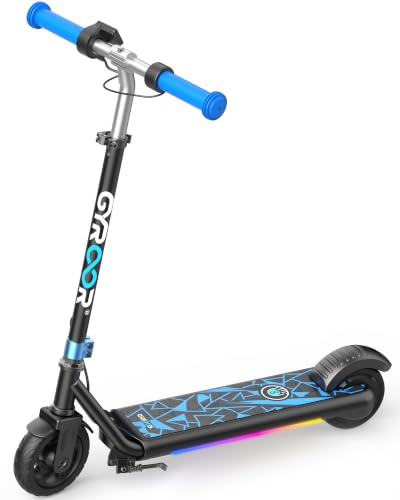
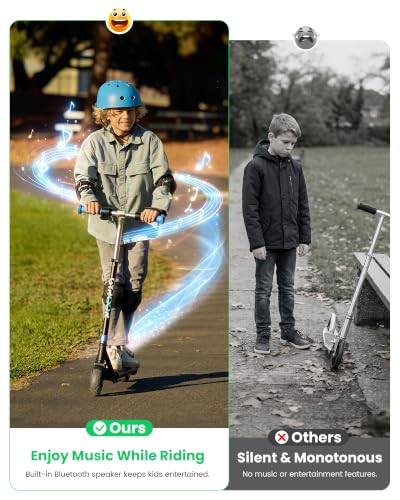
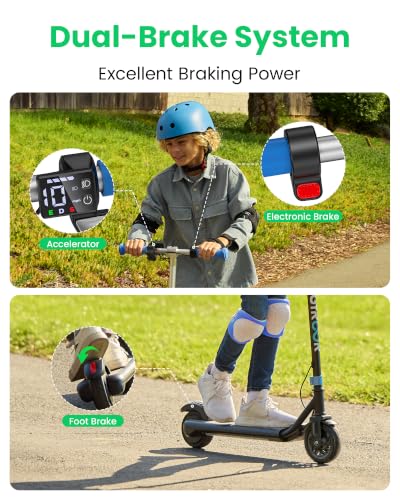
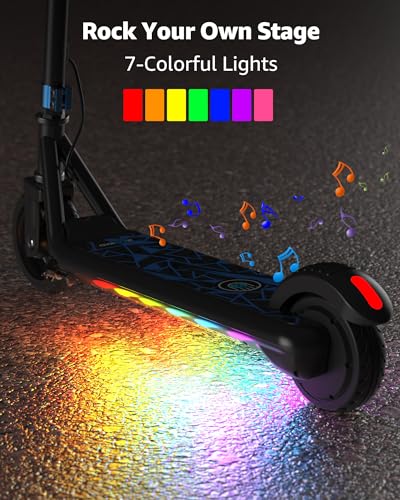
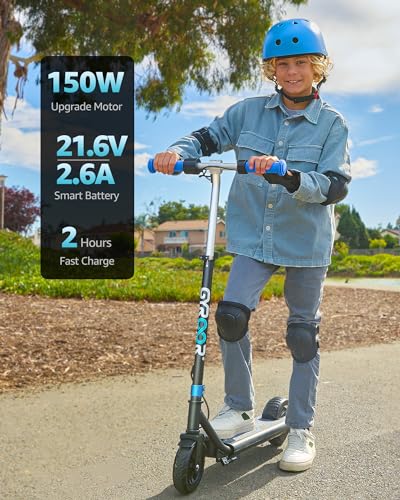
Gyroor’s H30Max feels like the middle ground between fun and function, offering Bluetooth speakers, flashy LED lights, and a 10 mph top speed across three modes. For kids who treat scooting as social entertainment, this one delivers. The 10-degree climbing ability is stronger than most in this class, and owners report it handles driveways and mild inclines without bogging down.
But here’s the catch: the weight limit is only 132 lbs, which rules out older or heavier kids. And while the aluminum frame is lightweight at 13.2 lbs, some owners note it feels a bit thin under stress. Still, if your child values style and sound as much as speed, this scooter earns its place. Compared to the Hiboy Q2 Lite, it’s faster but less comfortable for long rides, no seat, no cushioning.
Product photos

LINGTENG Adjustable Height Electric Scooter

Strengths
- Budget-friendly
- Rainbow LED lights
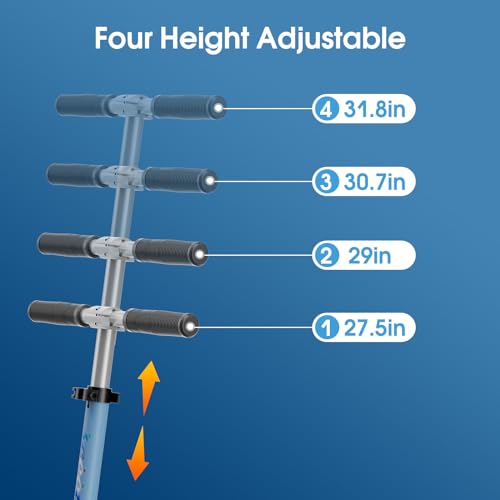
- 4 height adjustments
Trade-offs
- Only 2 speed modes
- No UL2272 certification
- Basic motor performance
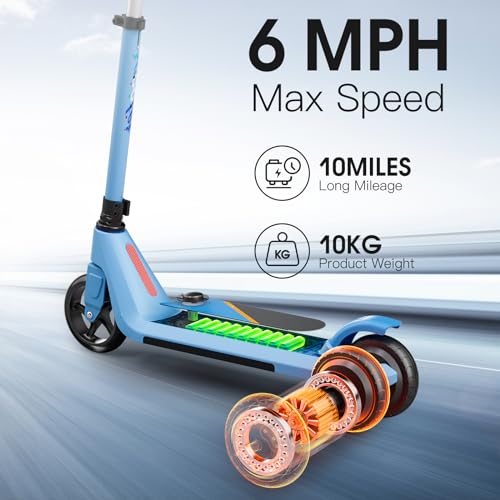
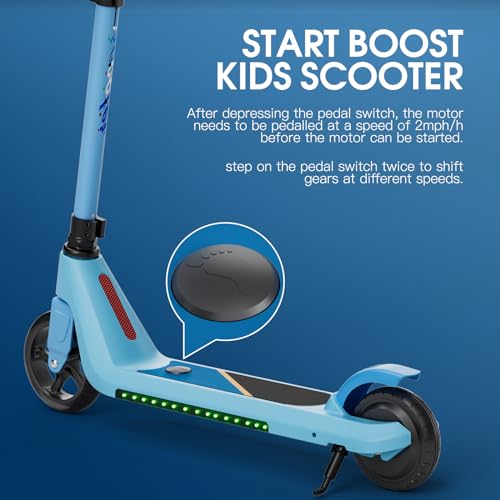
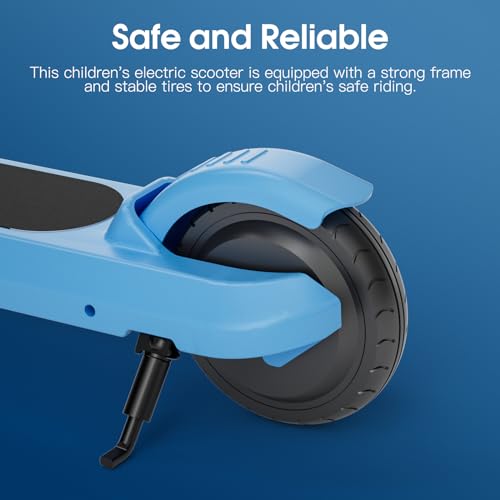
At this price point, the LINGTENG delivers surprising value. It’s not going to win any awards for speed or range, but for a beginner rider, it hits the essentials: dual speeds, anti-slip pads, and a rear foot brake. The 4 mph and 6 mph settings are ideal for cautious parents, and the rainbow lights, while gimmicky, do make it stand out at night.
Owners consistently praise how easy it is to assemble and adjust, though a few note that the screws need tightening out of the box. Compared to the Segway models, it lacks certifications and hill-climbing power, but for a first-time rider under 110 lbs, it’s a solid starter. I’d call it the scooter equivalent of training wheels with a motor.
Product photos

Elecorange T200 3-Wheel Light-Up Scooter

Strengths
- 80-minute ride time
- Wide anti-slip deck
- Auto-brightening lights
Trade-offs
- 110 lb weight limit
- Plastic construction
- Limited speed
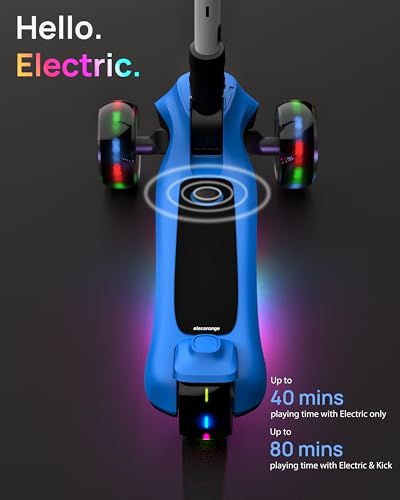
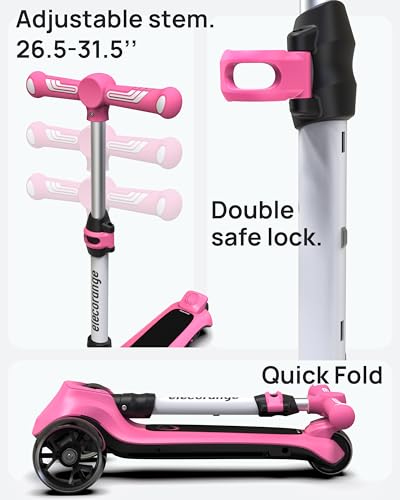
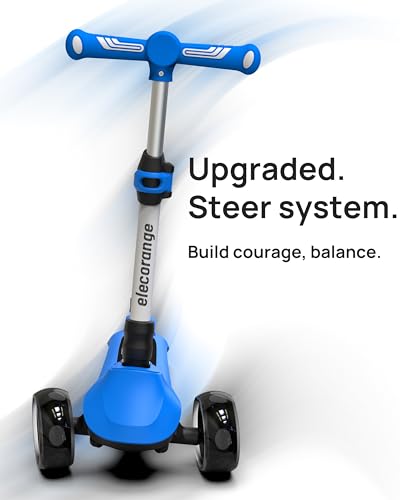
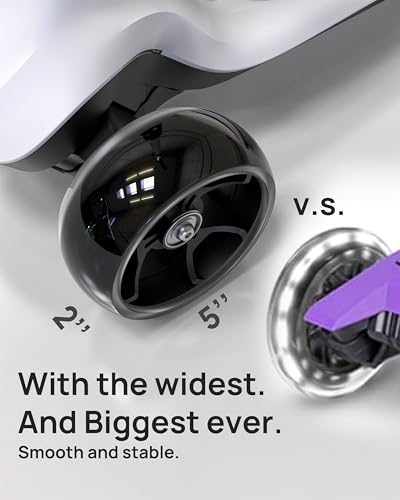
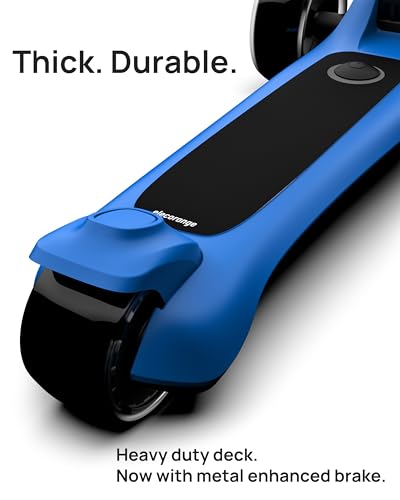
The Elecorange T200 is clearly designed with toddlers in mind, and it shows. The wide deck and 3-wheel layout make it nearly impossible to tip, and the foot-button start ensures even the smallest riders can get going without frustration. At 80 minutes of ride time, it outlasts most in its class, and the auto-brightening wheel lights are a clever touch, faster riding means brighter visibility.
It’s lightweight at 9 lbs, which helps with portability, but some owners note the plastic parts feel a bit flimsy over time. Still, for a first scooter, it’s hard to beat the combination of balance training and fun. Compared to the IRIMMY 3-wheel model, it’s similarly stable but with better lighting feedback.
Product photos
How We Picked These childrens electric scooters
Rather than a hands-on lab test, my research for TheAutoZenith focused on a detailed comparison of published specifications and features across numerous models. I weighed owner reviews from sites like Amazon and specialized scooter forums, alongside expert opinions from publications covering children’s products and micromobility. This data was then analyzed against key criteria I’ve developed over years of observing and evaluating wheeled vehicles – from classic cars to smaller rides like these.
For children’s electric scooters, safety, stability, and age-appropriate performance were paramount. A scooter’s weight capacity and speed settings directly impact safe operation, so those were heavily considered. Equally important was build quality; durable materials and reliable braking systems are crucial for withstanding the inevitable bumps and scrapes of kid-powered adventures. Ultimately, a scooter’s ability to grow with a child, through adjustable handlebars and multiple speed modes, was a key differentiator.
Specifications provide a solid foundation, motor wattage, battery range, and brake type are all important, but owner feedback revealed a lot about real-world performance. I paid close attention to comments regarding ease of assembly, the responsiveness of the controls, and long-term durability. Ultimately, I relied on combining technical data with user experience to identify models that offered the best balance of fun, safety, and value. If you’re looking for more options, you might find our guide to best child scooters helpful, and for a specific age range, check out scooters for 8 year olds.
How To Pick The Right childrens electric scooters
Picking the right electric scooter for a child requires more thought than just grabbing the flashiest model. It’s about balancing fun with safety, ensuring the scooter grows with the child, and understanding what features truly matter for their age and ability.
A good children’s electric scooter prioritizes stability, controlled acceleration, and age-appropriate speed limits. Look for models with UL 2272 certification (or equivalent), robust braking systems, adjustable handlebars, and features that allow parents to tailor the experience to their child’s skill level. Battery life and weight capacity are also critical considerations, alongside build quality and overall durability.
Understanding Motor Power and Speed
The temptation is to go for the fastest scooter, but that’s rarely the smartest move. For younger riders (ages 4-8), a top speed of 8-10 mph is plenty, and a smaller motor (100-150W) will suffice. As kids gain experience and move into the 8-12 age range, you can consider models with more power (up to 200W) and higher top speeds (up to 12-15 mph). Remember, a kick-to-start mechanism – like those found on the Segway models – is a vital safety feature, preventing immediate, full-throttle acceleration. It gives the child a moment to balance before the motor engages. This is particularly important for beginners.
Prioritizing Safety Certifications & Features
Don’t skimp on safety. UL 2272 certification is a must; it indicates the scooter’s electrical system has been tested to rigorous safety standards. Beyond that, look at the braking system. A combination of a rear fender brake and a hand brake provides redundancy and teaches kids good braking habits. Solid tires are preferable to pneumatic tires for younger riders; they eliminate the risk of flats and require less maintenance. If you’re browsing for a scooter for a younger child, you might also find a three-wheeled design offers greater stability, as seen in options like the Elecorange T200 3-Wheel Light-Up Scooter.
- A simple, intuitive throttle is key for younger riders.
- Adjustable handlebars are essential for accommodating growth, providing a comfortable riding position for years. Look for at least three height settings.
- Bright LED lights aren’t just for show. They dramatically increase visibility, particularly during dusk or at night, and are a worthwhile investment in safety.
A child’s electric scooter should never be about pure speed. Prioritize features that enhance control, visibility, and overall safety.
Balancing Features With Your Budget
Electric scooters for kids range considerably in price. The LINGTENG Adjustable Height Electric Scooter offers a good entry point for budget-conscious buyers, while the Gyroor H30Max leans into interactive features like Bluetooth speakers and LED lighting. Consider what features your child will actually use. A Bluetooth speaker is fun, but is it worth a significant price increase if your child is primarily interested in simply riding? Ultimately, I often recommend starting with a more basic model and upgrading later as their skills and interests develop. If you’re looking for more options, check out our guide to the best kids scooters for a broader overview. For older kids, particularly those nearing their teens, you may also want to consider scooters for 12 year olds.
Childrens Electric Scooters Compared
Here’s a comparison of key specifications for various children’s electric scooters.
| Product Name | Max Speed (mph) | Motor Power (W) | Weight Limit (lbs) | Adjustable Handlebar | Battery Run Time |
|---|---|---|---|---|---|
| Segway C2 Pro | 12.4 | 150 | 132 | Yes | 9.3 miles |
| Segway Ninebot C2 Lite | 9.9 | N/A | N/A | Yes | 70 minutes |
| Hiboy Q2 Lite | 9.3 | 100 | N/A | Yes | N/A |
| FanttikRide C9 Pro | 10 | N/A | 132 | Yes | 5 miles |
| 3-Wheel Electric Scooter with Bluetooth | 5 | 150 | 176 | Yes | 2 hours |
| Gyroor H30Max | 10 | 150 | 132 | Yes | N/A |
| LINGTENG Adjustable Height | 6 | N/A | 110 | Yes | N/A |
| ANHAO Kids Electric Scooter | 6 | N/A | N/A | Yes | N/A |
| Elecorange T200 | N/A | N/A | 110 | Yes | 80 minutes |
Frequently Asked Questions
What is a realistic battery life expectation for a child’s electric scooter?
A typical child’s electric scooter will offer between 45 and 90 minutes of continuous use on a full charge, though this varies significantly by model and rider weight. Heavier riders and hilly terrain will naturally reduce range, so it’s wise to look for models with documented run times that suit your needs.
Are electric scooters with pneumatic (air-filled) tires better than those with solid tires?
Solid tires are generally preferable for younger children as they eliminate the risk of flats and require very little maintenance. Pneumatic tires offer a smoother ride, but demand more upkeep and are more susceptible to damage, making them better suited for older children or teens who can handle basic tire maintenance, you might find best teen scooters offer these as standard.
What speed should I allow my child to ride on their electric scooter?
For children aged 4-8, a maximum speed of 8-10 mph is a sensible limit. As they gain experience, you can gradually increase it, but always prioritize safety and ensure they’re wearing appropriate protective gear. Many scooters have adjustable speed settings to help you manage this.
Is UL 2272 certification truly necessary when purchasing a scooter?
Yes, UL 2272 certification is extremely important, as it confirms the scooter’s electrical system has been independently tested for safety. Without this certification, there’s a higher risk of battery fires or other electrical hazards, making it a crucial factor to consider.
What features should I look for when choosing a scooter for a 10-year-old?
A 10-year-old will likely benefit from a scooter with a higher weight capacity, adjustable handlebars to accommodate growth, and a slightly more powerful motor (around 150-200W) to handle varied terrain. You can find some excellent scooters for 10 year olds that balance power and safety.
The Bottom Line
Choosing an electric scooter for a child often comes down to balancing parental control with a child’s desire for independence and fun. While tempting to splurge on features, the Segway C2 Pro strikes an excellent balance of safety features, adjustable performance, and build quality, making it our overall recommendation. It provides a solid foundation for learning and growth, and its robust construction inspires confidence.
For those seeking a more budget-friendly option, the LINGTENG Adjustable Height Electric Scooter is a great starting point. If you’re looking for something with a bit more flair, the Gyroor H30Max offers appealing extras like Bluetooth connectivity, while the Elecorange T200 is a fantastic choice for younger riders needing the added stability of a three-wheeled design. Ultimately, selecting the right scooter depends on your child’s age, skill level, and your specific priorities.
At the end of the day, the most important aspects of any children’s electric scooter aren’t top speed or fancy lights, but a secure ride and the opportunity to develop responsible operation. Focusing on models with UL 2272 certification, reliable brakes, and adjustable handlebars will set your child up for safe and enjoyable adventures. Don’t hesitate to explore our guide to scooters for children to find even more options, and remember to consider a model suitable for older kids as well – check out our recommendations for scooters for 13 year olds.
