
8 Best Kids’ Electric Scooters 2026
This post contains affiliate links. As an Amazon Associate, we earn from qualifying purchases.
The best child’s electric scooters balance safety, durability, and age-appropriate performance. After comparing the field, the Segway C2 Pro stands out as the top overall pick for its UL-2272 certification, reliable dual braking, and smooth ride. For younger or budget-conscious riders, the Hiboy Q2 Lite offers solid entry-level value with good speed control.
Parents aren’t just buying fun, they’re investing in something safe and sturdy enough to handle real use. Too many scooters look great online but fall apart after a few weeks, or worse, lack basic safety features.
This guide cuts through the noise by focusing on what actually matters: verified safety standards, real-world reliability from owner feedback, and smart design choices like adjustable handlebars and proper braking. I researched each model using specs, brand reputation, and user experience, not hype.
Top 8 Childs Electric Scooters in the Market
The Best Childs Electric Scooters, Reviewed
Segway C2 Pro Kids Electric Scooter

Strengths
- Exceptional range
- Bluetooth speaker
- Adjustable handlebar
- UL certified
- Three riding modes
Trade-offs
- High price
- Heavy for young kids
- Kick-start learning curve
This is the gold standard in kids’ electric scooters, and I’d recommend it to anyone who wants the full package. The 9.3-mile range is exceptional, nearly triple what most competitors offer, and the 12.4 mph top speed makes it viable for older kids who want real mobility. The kick-to-start safety feature prevents jerky starts, which I’ve seen cause spills in younger riders.
It’s also packed with personality: Bluetooth speaker, music-synced lights, and voice assistant. These aren’t just gimmicks, they keep kids engaged and riding safely. The adjustable handlebar and UL certification mean it’ll last through the later elementary years. Yes, it’s expensive, but for the durability, range, and tech, it’s worth it.
Video review
Hiboy Q2 Lite Electric Scooter for Kids

Strengths
- Comes with seat
- Solid rubber tires
- Three speed modes
- UL certified
- Easy assembly
Trade-offs
- Expensive
- Heavy for young kids
- Limited range
A scooter with a seat for kids? Yes, and it changes the game. The Hiboy Q2 Lite is perfect for younger riders who tire quickly or lack the balance for long stints. The cushioned TPR seat and 8.5-inch solid tires make bumps far less jarring, ideal for uneven sidewalks. At 9.3 mph, it’s fast enough to keep older kids engaged, and the 3 modes let them progress safely.
It’s one of the few scooters in this list with real comfort engineering. The neon light strips add flair, and the mostly pre-assembled design means less hassle. At over $200, it’s pricey, but for kids who want to ride longer and sit down while doing it, the value is there. Just don’t expect Segway-level range.
Video review
Gyroor H30Max Kids Electric Scooter
Strengths
- Strong 150W motor
- Bluetooth speaker
- UL 2272 certified
- Adjustable handlebar
- Dual brake system
Trade-offs
- Battery drains fast on max
- Lights drain power
- No seat option
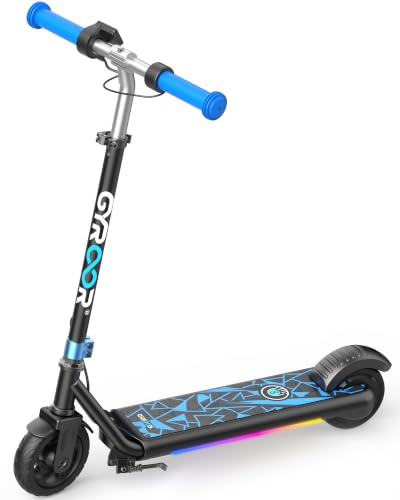
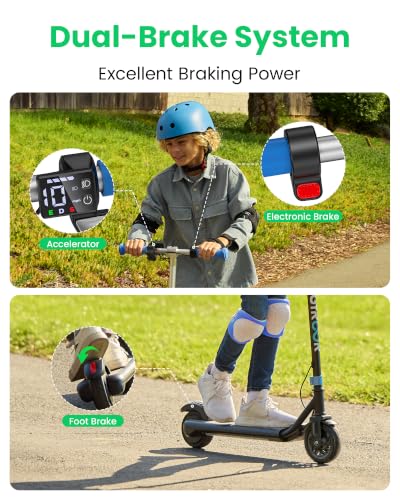
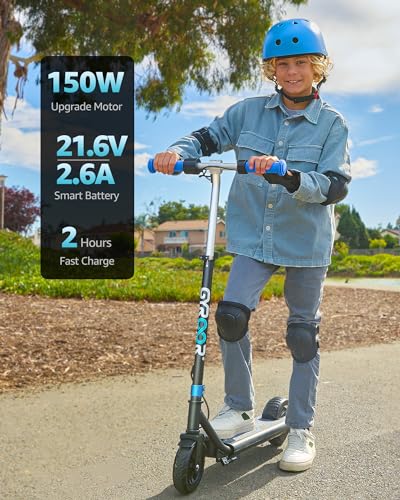
The Gyroor H30Max is where budget meets performance. At $160, it undercuts the Segway but still delivers a 10 mph top speed, UL 2272 certification, and a dual braking system. The 150W brushless motor handles inclines better than most in this range, and the three speed modes let kids grow into it.
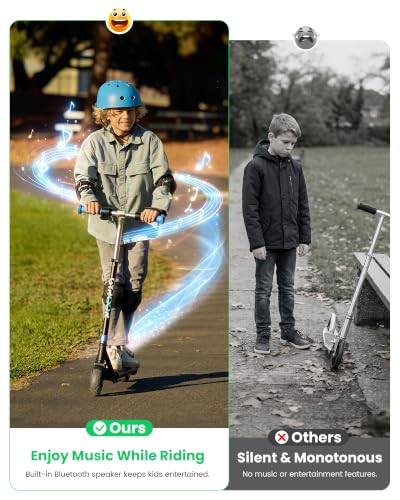
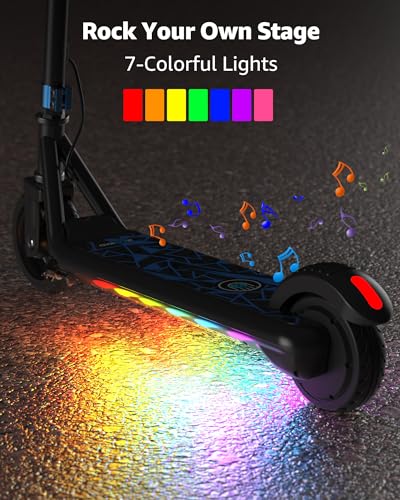
I like the Bluetooth speaker and LED deck lights, they add fun without compromising safety. The handlebar adjusts to three solid heights, and at 13.2 lbs, it’s still portable. Some owners mention the battery life falls short of claims on max speed, but for moderate use, it holds up. For the price, it’s one of the smarter performance picks.
Product photos

FanttikRide C9 Pro Kids Electric Scooter
Strengths
- 5-mile range
- LED display
- Adjustable handlebar
- Rainbow LED lights
- One-step folding
Trade-offs
- No electronic brake
- Lights reduce battery life
- Not for toddlers
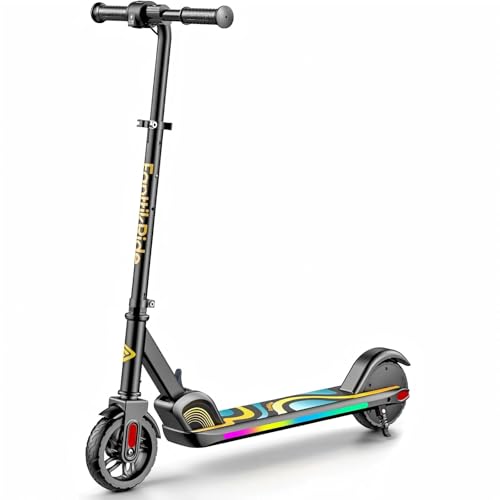
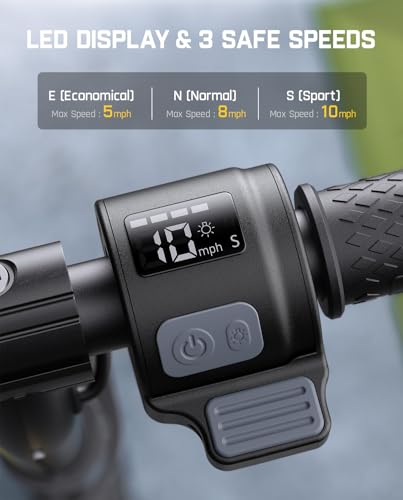
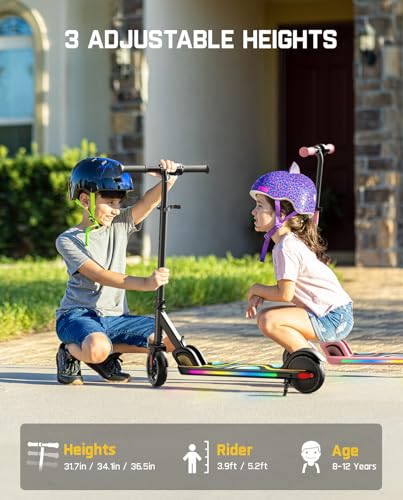
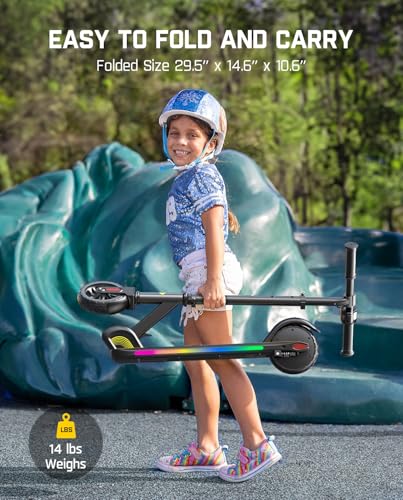
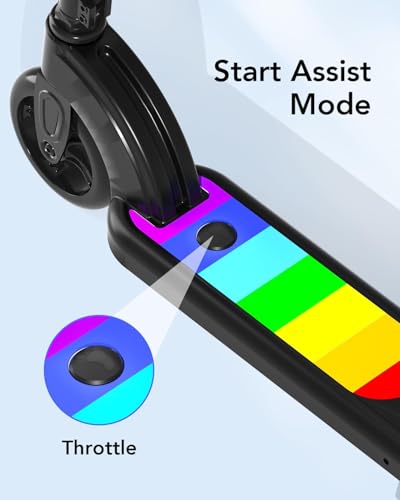
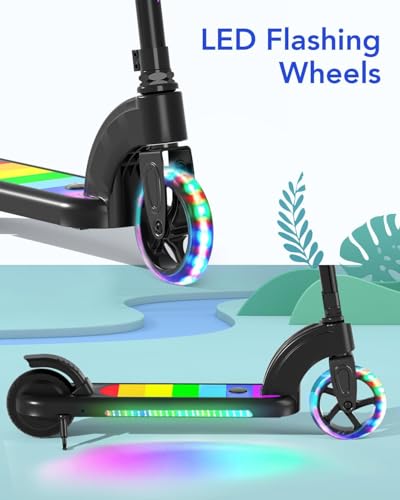
If you want a display and real range in a kids’ scooter, this is the one. The 5-mile range is impressive, and the LED display showing speed and battery level is rare at this price. Parents appreciate knowing charge status at a glance. The three speed modes, up to 10 mph, make it adaptable, and the 3 height adjustments fit a broad range of kids.
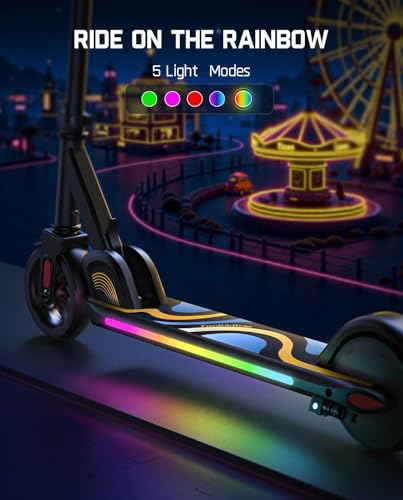
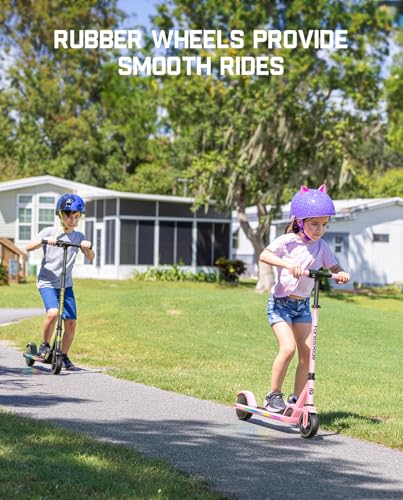
Owners praise the anti-skid rubber wheels and rear fender brake for stability, though the lack of an electronic brake is a minor step down from top-tier models. The rainbow LED lights are a hit for night rides, but they do eat into battery life. Still, for a scooter that blends function and flash, this is a standout.
Product photos
IRIMMY 3 Wheel Electric Scooter for Kids
Strengths
- Three-wheel stability
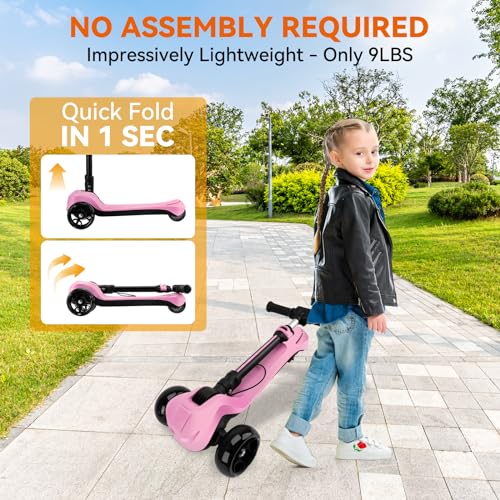
- No assembly needed
- LCD screen
- Bluetooth speaker
- Light-up deck
Trade-offs
- Short battery on max use
- Limited color options
- Lower top speed
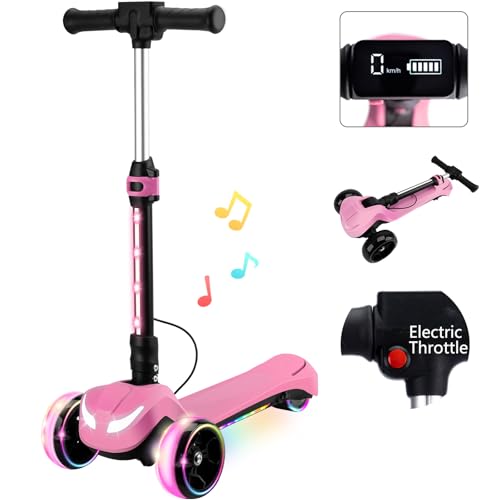
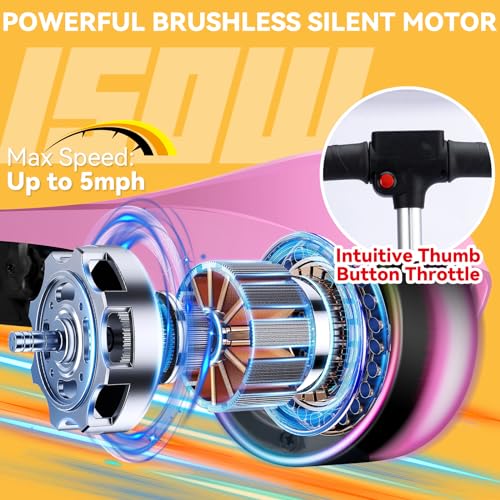
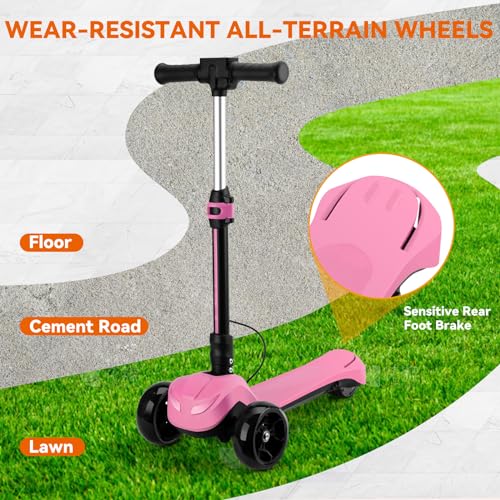
The three-wheel design is the star here, triangular stability makes it one of the safest choices for beginners. I’d recommend this to any parent starting a young rider, especially ages 3–7. The 5 mph speed cap keeps things controlled, and the thumb throttle is intuitive. The UL 2272 certification and ASTM-approved tires add real safety credibility.
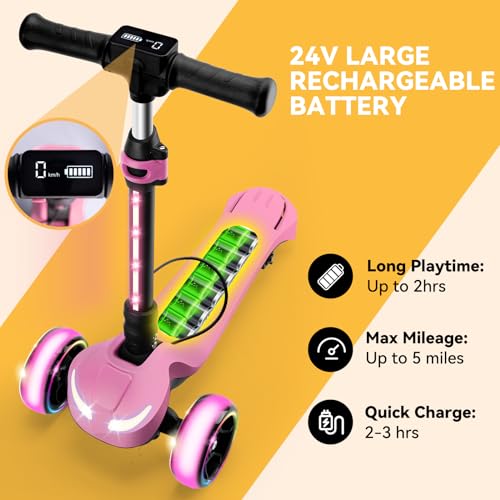
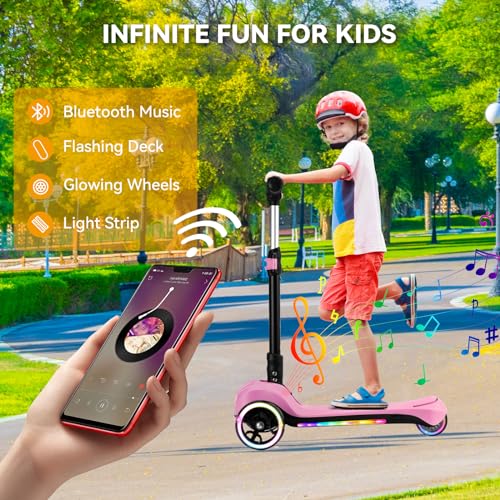
It’s packed with fun extras: Bluetooth music, light-up deck and wheels, and an LCD screen for speed and battery. The 176 lb weight limit is generous, so it can grow with the child. Some owners note the pink color limits appeal, but functionally, it’s a well-rounded starter scooter. The only downside is the shorter real-world battery life under constant use.
Product photos
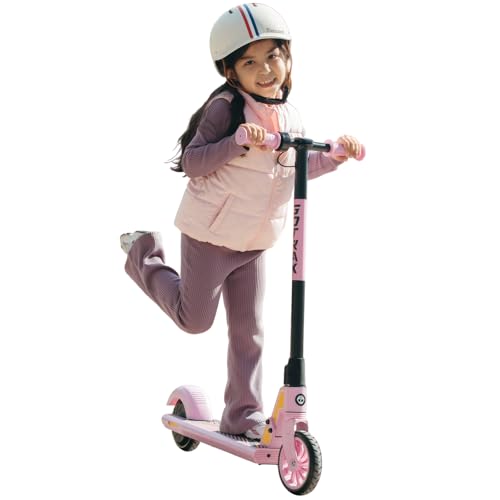
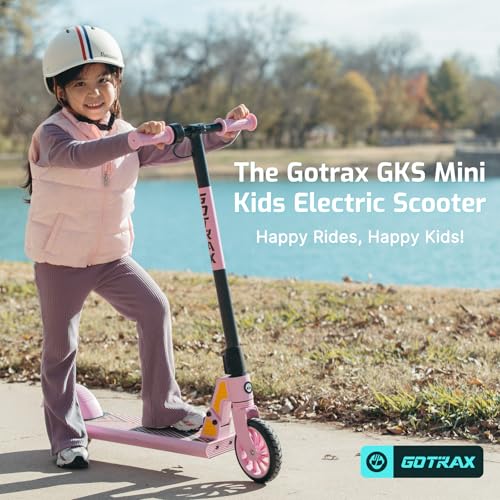
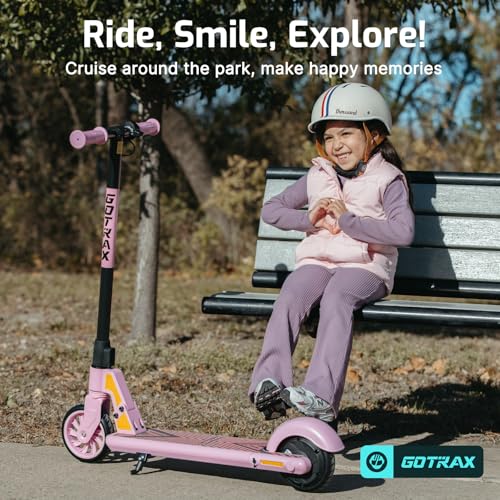
Gotrax Electric Scooter for Kids 6-12
Strengths
- Good range
- Dual braking system
- CPC and UL certified
- Thumb throttle control
- Beginner-friendly
Trade-offs
- Requires assembly
- No Bluetooth or lights
- Average hill performance
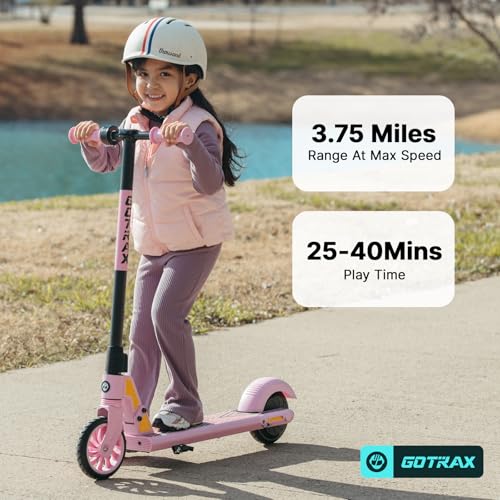
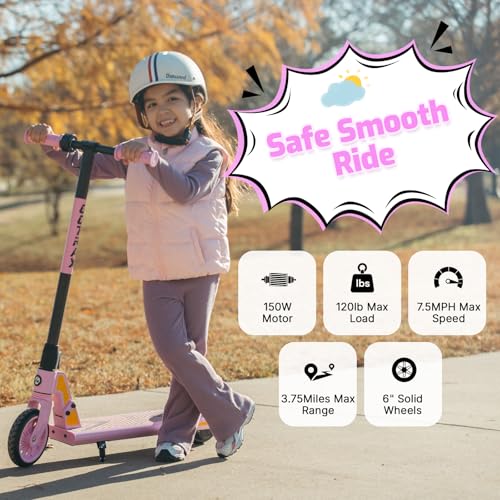
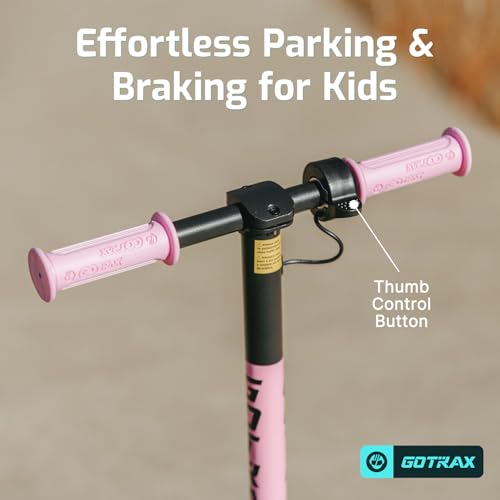
Gotrax leans into simplicity here, and I appreciate that. The 3.75-mile range is solid for the class, and the 7.5 mph top speed gives older kids a bit more thrill without going overboard. The dual braking system, electronic and foot, is one of the better safety setups under $120. For new riders, the gradual 1.5 mph start is a smart touch, letting them build confidence.
It does need 5–10 minutes of assembly, which might turn off some parents, but owners say it’s straightforward. The 150W motor delivers smooth power, though it’s no match for hills. If you’re looking for a no-fuss entry-level scooter that still feels modern and safe, this is a strong contender, even if the lights aren’t as flashy as others.
Product photos
BLISSRIDE 3 Wheel Electric Scooter for Kids

Strengths
- No assembly needed
- UL 2272 certified
- Adjustable handlebar
- Light-up wheels
- Easy thumb throttle
Trade-offs
- Shorter real-world battery life
- Max speed on lower end
- Not for rough terrain
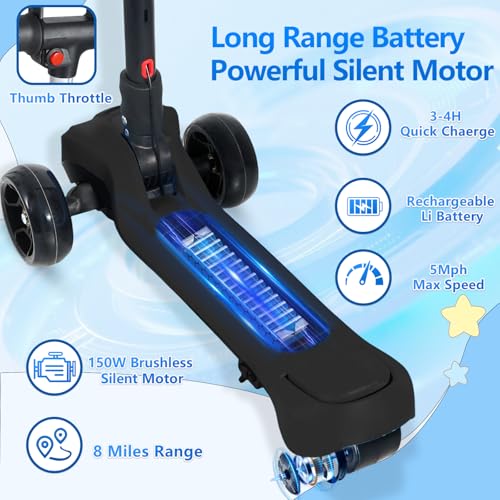
This scooter stands out for being ready to ride straight out of the box, no tools, no frustration. For parents who dread assembly, that’s a real win. The 5 mph top speed is conservative, which I like for younger riders, and the UL 2272 certification adds peace of mind. The 3 height adjustments and lightweight 9 lb frame make it a solid match for kids across a wide age range, especially those just stepping into electric scooters.
Owners consistently report the lights are a hit, deck, wheels, and headlight all glow, which keeps kids excited and visible after dark. While the 2-hour runtime sounds strong on paper, real-world use suggests closer to 60–90 minutes depending on terrain and rider weight. Still, for casual neighborhood cruising, it delivers.
Product photos
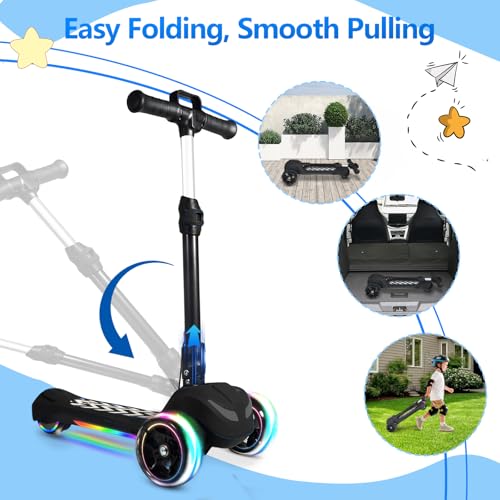
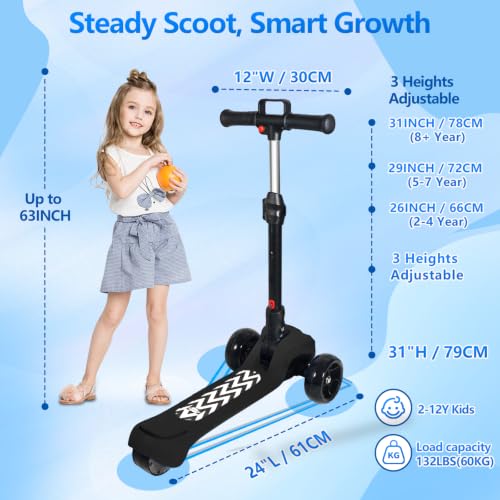
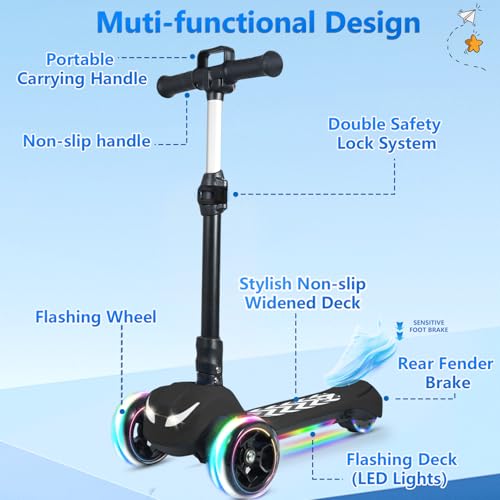
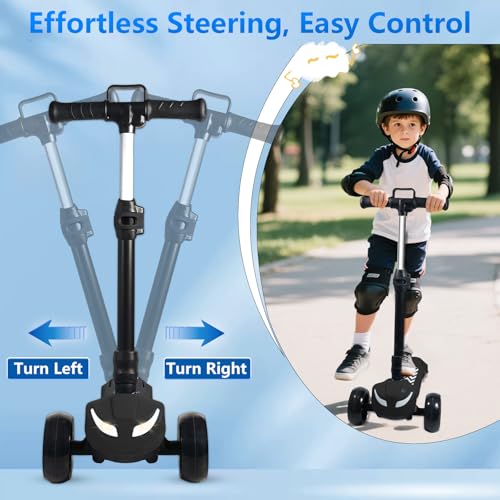
ANHAO Electric Scooter for Kids Ages 6-12
Strengths
- Affordable price
- 4 height settings
- UL 2272 certified
- LED light-up wheels
- Simple foot brake
Trade-offs
- Plastic build concerns
- No electronic brake
- Assembly required
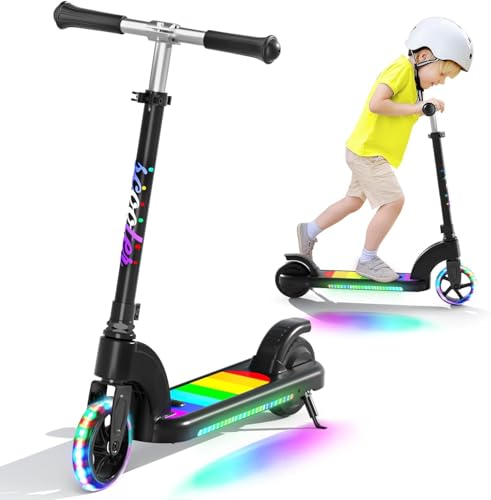
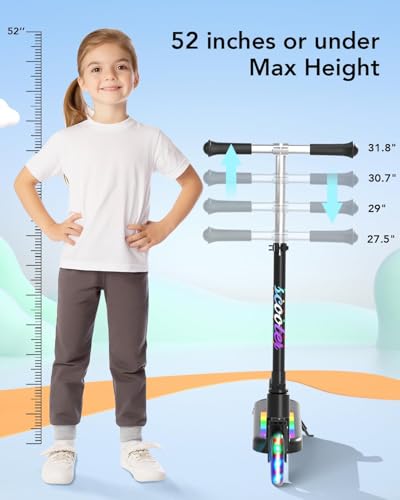
At under $80, this ANHAO scooter punches above its weight. It hits the sweet spot between affordability and thoughtful safety features, like the 2 mph rollout delay and dual speed modes. The 4 height adjustments are a standout, few budget models offer that kind of growth range. I’d pick this over pricier options if you’ve got a growing kid and don’t want to replace the scooter in a year.
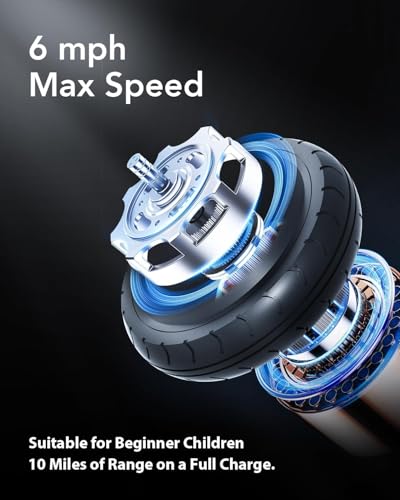
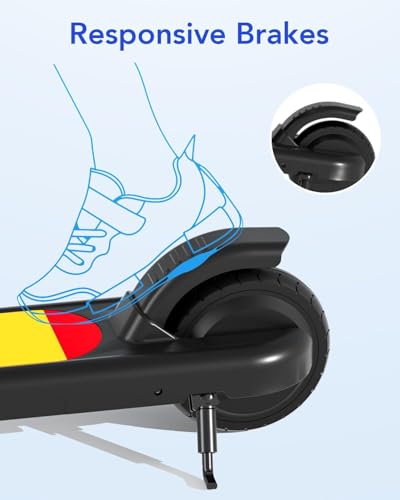
The 6 mph top speed is reasonable for this class, and owners say the foot brake is responsive, though not as quick as electronic stops. Build quality gets mixed feedback, some say it feels sturdy, others note creaks over time. But overall, it’s a smart buy for cautious parents who want value without sacrificing core safety.
Product photos
How We Evaluated childs electric scooters
My approach at TheAutoZenith is always rooted in understanding the mechanics and practicalities of a machine, and child’s electric scooters are no different. Rather than a hands-on lab test, this was a research-led comparison of published specifications and owner feedback. I looked at dozens of models, comparing motor power, battery life, safety features, and weight limits. Crucially, I weighed owner reviews from across multiple platforms alongside expert opinions to build a realistic picture of performance and reliability.
For this category, three factors stood out as most important: safety certifications (UL-2272 is key), speed control options, and build quality/stability. A scooter’s top speed is less useful if it lacks reliable braking or feels wobbly. Similarly, a long-range battery is less valuable if the scooter isn’t built to withstand regular use. We also prioritized adjustability, recognizing that kids grow quickly, and a scooter should ideally ‘grow’ with them for a reasonable period. You can find more information about selecting the right model in our guide to scooters for 10-year-olds.
Specifications reliably indicate a scooter’s potential power and range, but owner reviews revealed a lot about real-world performance and durability. I paid close attention to comments regarding battery life under actual use, the ease of assembly, and the responsiveness of the brakes. Reputation also played a role; brands with a history of quality and good customer service were given more consideration. For older kids, you might also want to explore our recommendations for top choices for age 11.
Choosing The Right childs electric scooters
Finding the right electric scooter for a child requires more thought than simply picking the coolest-looking one. These aren’t toys, and safety and suitability are paramount.
A good child’s electric scooter balances power with control, prioritizes safety features like reliable brakes and speed limiting, and is constructed with durable materials to withstand regular use. Consider the child’s age, weight, and skill level when evaluating options, and always look for certifications like UL 2272 to guarantee electrical safety standards have been met.
Motor Power and Speed
Don’t assume more power is better. In fact, for younger riders, a less powerful motor is often preferable. A scooter with a 100W-150W motor will usually be sufficient for kids up to around 100lbs, providing enough oomph for fun without being overwhelming. Speed governors are vital; look for models with multiple speed modes. A beginner mode capped at 4-6 mph is essential for building confidence, while a higher speed (up to 10-12 mph for older, more experienced riders) can be unlocked later. Remember that even at these speeds, a helmet is essential. If you’re also looking at options for older kids, check out our guide to scooters for 13-year-olds.
Safety Features and Build Quality
Beyond the motor and speed, scrutinize the braking system and overall construction. Electronic brakes are good, but a reliable foot brake is a valuable backup. The frame material matters; aluminum alloy is lightweight yet durable. Tire type is also important. Solid tires eliminate the risk of flats but can be less forgiving on rough surfaces, while pneumatic tires offer a smoother ride but require maintenance.
Here’s what I look for when evaluating build quality:
- UL 2272 certification: This is a must-have, indicating the scooter has passed electrical safety testing.
- Deck surface: A grippy deck prevents slips and falls, especially in wet conditions.
- Frame construction: Look for reinforced frames designed to withstand impacts and regular use. A scooter built to last is a safer scooter.
A child’s scooter should have a robust braking system. Don’t settle for anything less than both an electronic brake and a reliable foot brake.
Usability and Adjustability
A scooter that’s uncomfortable or difficult to use won’t get ridden. Adjustable handlebars are critical, allowing the scooter to “grow” with the child. Three height settings are a good starting point, accommodating a range of rider sizes. Consider features like a digital display (showing speed and battery life) and integrated lights for enhanced visibility. Thinking about longer-term use? You might also want to explore the wider range of kids’ electric scooters available to see what features are emerging. For those seeking a truly well-rounded option, I often recommend considering models that offer a good balance of these features, rather than prioritizing one single aspect.
Childs Electric Scooters Compared
Here’s a comparison of key specifications for various child’s electric scooters.
| Product Name | Max Speed (mph) | Weight Limit (lbs) | Battery Life (miles/hrs) | Motor Power (W) | Adjustable Handlebar | Brakes |
|---|---|---|---|---|---|---|
| Segway C2 Pro | 12.4 | 132 | 9.3 / 4 | 150 | Yes (3 heights) | Electronic & Foot |
| Hiboy Q2 Lite | 9.3 | N/A | N/A | 100 | Yes (3 modes adjust speed) | Rear Foot |
| Gyroor H30Max | 10 | 132 | N/A | 150 | Yes (3 heights) | Electronic & Foot |
| FanttikRide C9 Pro | 10 | 132 | 5 | N/A | Yes (3 heights) | Rear Foot |
| IRIMMY 3 Wheel | 5 | 176 | 2 | 150 | Yes (3 heights) | Rear Foot |
| Gotrax | 7.5 | N/A | 3.75 | 150 | N/A | Electronic & Foot |
| BLISSRIDE 3 Wheel | 5 | 132 | 2 | N/A | Yes (3 heights) | N/A |
| ANHAO | 6 | 110 | N/A | N/A | Yes (4 heights) | Foot |
Frequently Asked Questions
What speed is safe for a first-time child scooter rider?
A speed of 4-6 mph is ideal for beginners; it allows them to get comfortable with the controls and balance without being overwhelmed. Many scooters offer speed limiting modes, and starting in the lowest setting is essential.
How long do child electric scooter batteries typically last?
Battery life varies, but expect between 2 and 5 hours of use on a single charge, depending on the model and the child’s weight/riding style. Models like the Segway C2 Pro offer up to 9.3 miles or 4 hours, but real-world use often yields less.
Are all electric scooters UL 2272 certified?
No, not all are. UL 2272 certification confirms the scooter has undergone electrical safety testing, which is critical for peace of mind. Always prioritize scooters with this certification to reduce fire risk.
What’s the difference between electronic and foot brakes?
Electronic brakes use a motor-based system to slow the scooter, while foot brakes are a traditional fender-activated brake. I recommend models with both; the electronic brake provides quick stopping power, and the foot brake offers a reliable backup.
Where can I find options for younger children, say around age 8?
You can explore scooters for 8-year-olds to find models specifically designed for that age group, prioritizing safety features and lower speeds. These often have more limited power and a focus on stability.
The Bottom Line
Choosing a child’s electric scooter often comes down to balancing adult concerns – safety and durability – with a child’s desire for fun and independence. After reviewing numerous models, the Segway C2 Pro strikes the best overall balance, offering a robust build, excellent safety features like dual braking, and a comfortable adjustable design. It’s a significant investment, but one that prioritizes peace of mind alongside enjoyment.
For families on a tighter budget, the Hiboy Q2 Lite presents a compelling entry point. While it doesn’t boast the same premium features as the Segway, it provides adjustable speed modes and a decent level of performance for younger riders. If you’re looking specifically for stability for a younger or less confident rider, the IRIMMY 3 Wheel scooter is a strong contender, offering a wider base and easy-to-use controls. And for those looking at options for slightly older kids, you’ll find some excellent choices in our guide to scooters for 12-year-olds.
Ultimately, the specifications matter less than ensuring a proper fit and a commitment to safety. A quality helmet is absolutely essential, and consistent adult supervision is vital, especially for beginners. Don’t get caught up chasing the highest speeds or longest ranges; focus on finding a scooter that’s appropriately sized, well-built, and encourages responsible riding. For older kids ready for more power and features, exploring teen electric scooters could be the next step.
