
6 Best Car AV Receivers of 2026
This post contains affiliate links. As an Amazon Associate, we earn from qualifying purchases.
The Deaf Bonce Gemini 760DSP stands out as the overall best car AV receiver for its clean 4×25 RMS power and robust built-in DSP, ideal for audiophiles. For budget-conscious buyers, the Pioneer MVH-S110BT delivers reliable Bluetooth and solid performance, while the 9″ Double Din Car Stereo offers strong versatility with wireless CarPlay and a large display.
Choosing the right car AV receiver isn’t just about flashy screens or big wattage numbers. Too many drivers end up with clunky interfaces, poor sound quality, or unreliable smartphone connections that make driving more frustrating than fun.
This guide cuts through the noise. Based on specs, owner feedback, and years of tracking car audio trends, I focused on real-world usability, audio fidelity, and dependable integration. These picks balance what matters most, sound, connectivity, and value, so you can drive smarter and sound better.
Top 6 Car Av Receivers in the Market
The Best Car Av Receivers, Reviewed
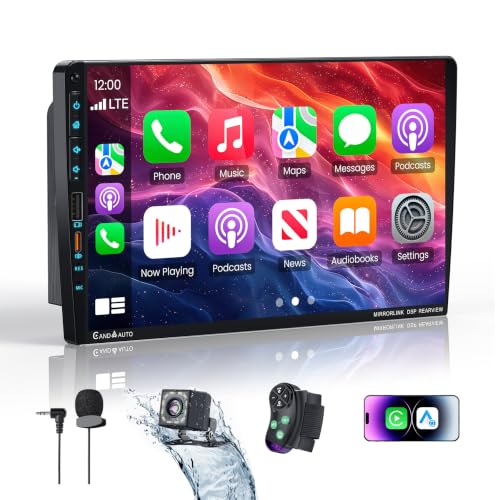
9″ Double Din Car Stereo
Strengths
- Wireless CarPlay/Android Auto
- 9-inch IPS display
- Fast charging port
Trade-offs
- Basic audio tuning
- Bulky fitment
- No DSP
This unit hits a sweet spot for drivers wanting modern connectivity without breaking the bank. The wireless CarPlay and Android Auto work smoothly, and owners report reliable daily use, no constant reconnecting like some budget units. The 9-inch IPS screen is bright and wide-viewing, making navigation far easier than squinting at a phone, especially in sunlight. It’s not the highest resolution, but it’s effective.
The 38W fast-charging port is a thoughtful touch, and Bluetooth 6.0 brings real improvements in call clarity and connection stability. The 1080P backup camera is a solid inclusion, with decent night vision. Sound customization is basic, just a 5-band EQ, but it’s enough for most. Against the PLZ model, it offers a bigger screen and faster charging, though less audio tuning depth.
Video review
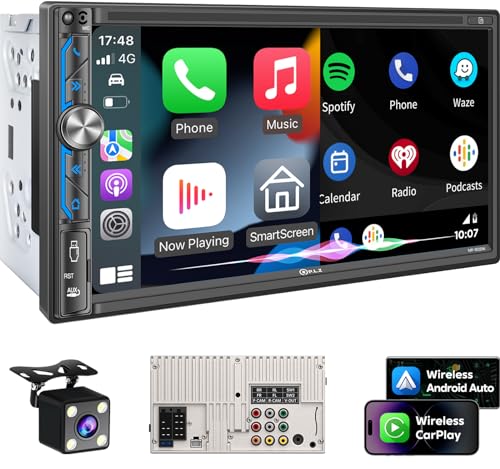
7″ Wireless Double Din Car Stereo
Strengths
- Built-in 240W DSP
- Wireless CarPlay/AA
- Dual sub outputs
Trade-offs
- No Wi-Fi
- Average screen brightness
- Heat management concerns
The PLZ unit stands out by blending wireless CarPlay/Android Auto with a built-in 240W DSP-equipped preamp, a rare combo in this range. The 10-band EQ and dual sub outputs make it appealing for users planning to add amplification without relying on factory audio. Owners note the Bluetooth 5.3 module is stable, and the external antenna helps with signal clarity, especially in urban areas.
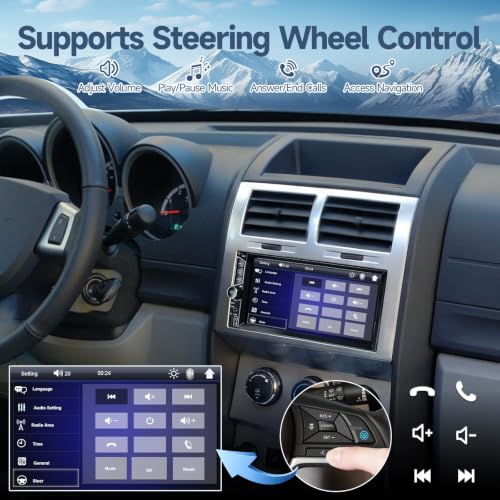
The 7-inch IPS screen is sharp enough, though not as large as the 9-inch alternative. It lacks Wi-Fi hotspot capability, which is fine, but it’s worth noting for streamers. Steering wheel control support adds real convenience. Compared to the Deaf Bonce models, it trades raw DSP precision for broader smartphone integration. If you want strong sound shaping and seamless phone mirroring, this hits a nice middle ground.
Video review
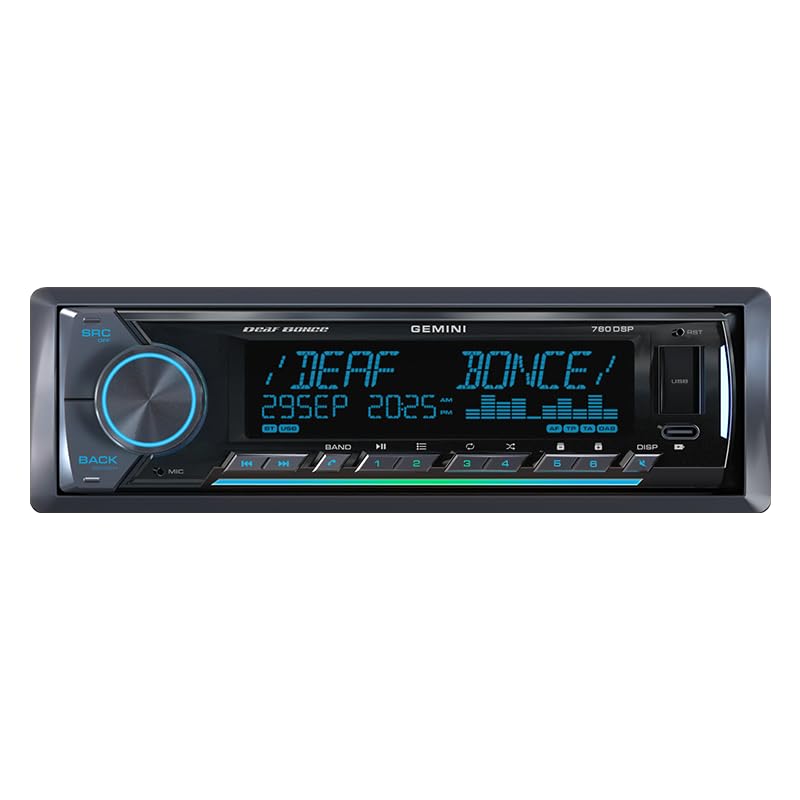
Deaf Bonce Gemini 760DSP
Strengths
- 5.5V RCA outputs
- Hi-res audio support
- Stable 10–17V operation
Trade-offs
- No touchscreen
- No CarPlay/AA
- Higher price
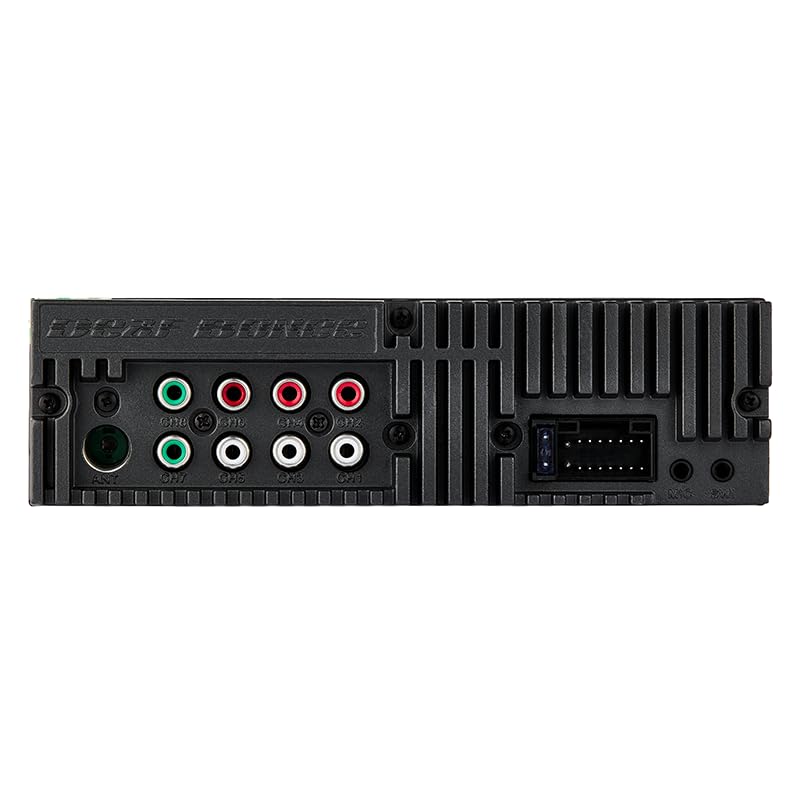
This is the pick for sound purists who want the highest fidelity in this list. The Gemini 760DSP goes beyond basic DSP with 5.5V preamp outputs, critical for driving long RCA runs without noise, and supports true hi-res audio via USB. Owners consistently report cleaner signal delivery and tighter bass control compared to other units in this class. The 28-band EQ and crossover settings are robust, and Bluetooth 5.3 ensures stable streaming.
The RGB lighting is a gimmick, but the 10–17V operating range is not, it means stability in modified electrical systems, a real plus for car audio builds. It lacks a screen and smartphone mirroring, so it’s not for tech-first users. But if you’re routing audio to multiple amps and want precision, this outperforms the DB-530DSP with better voltage headroom and cleaner output.
Product photos
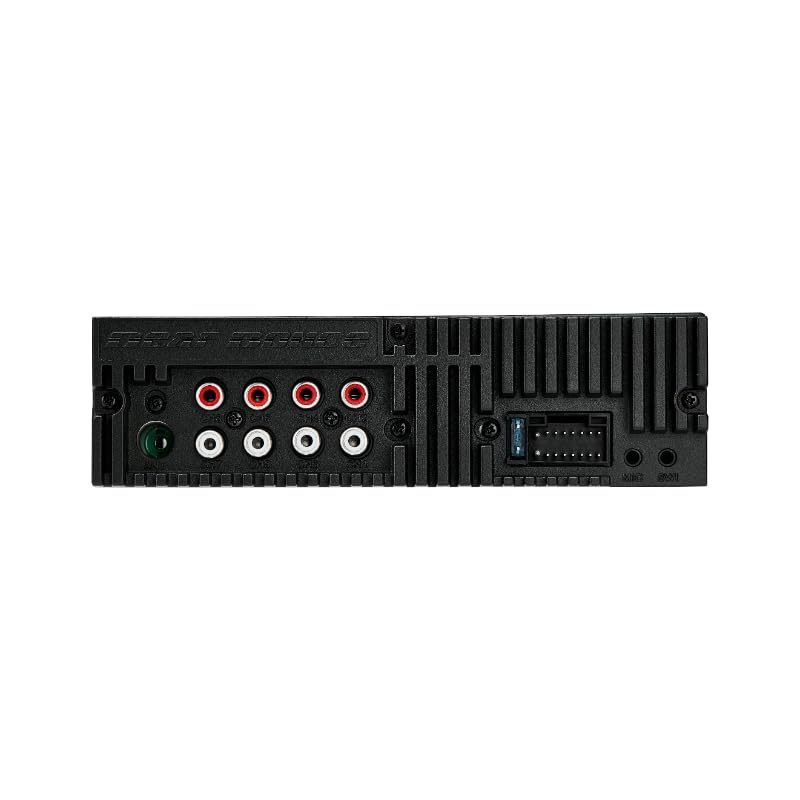
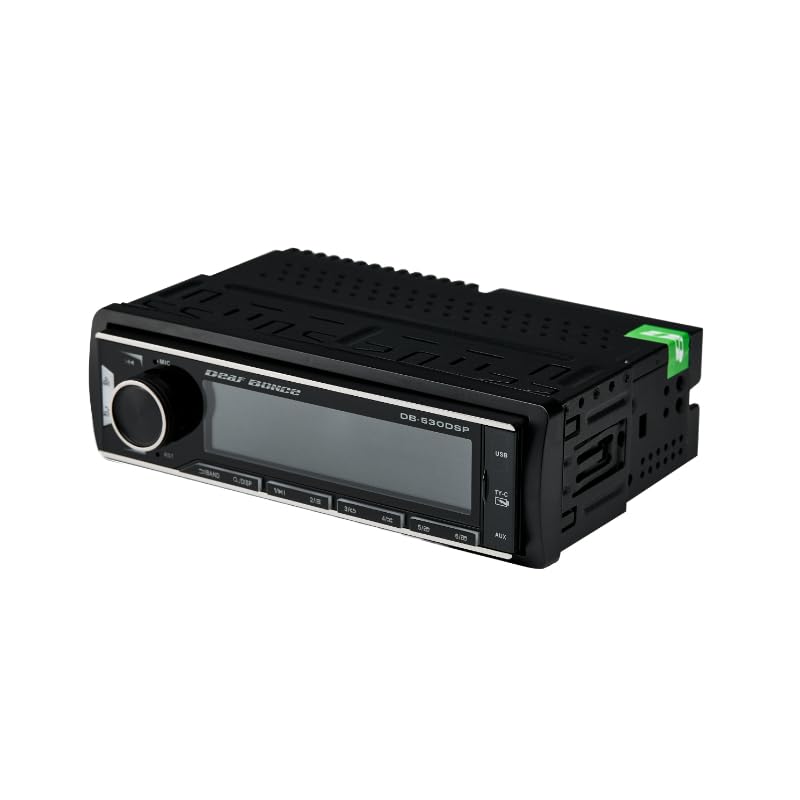
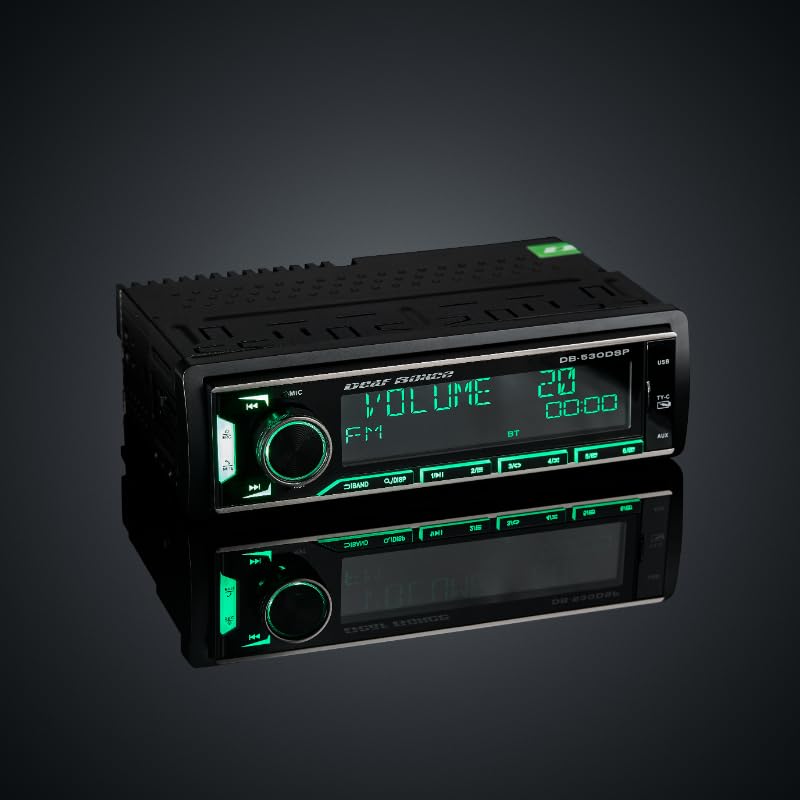
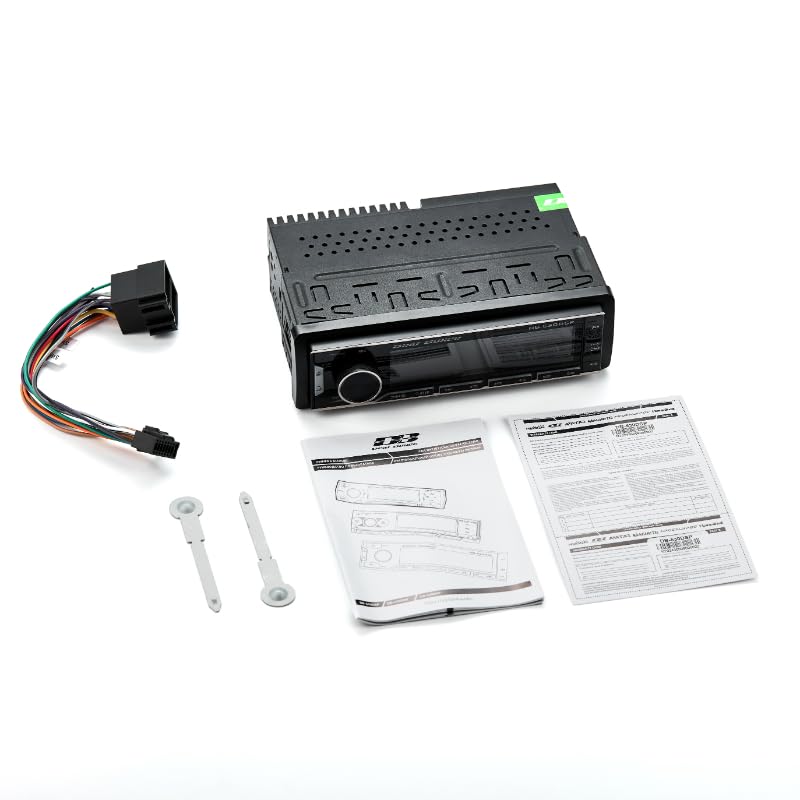
Deaf Bonce DB-530DSP Head Unit

Strengths
- 31-band EQ
- 8 RCA outputs
- App-based DSP tuning
Trade-offs
- Lower signal voltage
- Basic display
- App dependency
If you’re building a serious audio system without immediately adding an external DSP, the DB-530DSP makes a strong case on paper. The inclusion of a full 31-band EQ, time alignment, and crossovers via a smartphone app is rare at this price, and owners consistently praise the level of tuning control it offers. For enthusiasts who want pro-level sound shaping without a separate processor, this unit delivers real capability.
The built-in 4×25W amplifier is decent for factory speakers, but don’t expect headroom with demanding setups. Still, the 8 RCA outputs are a standout, few head units in this range offer that many, giving you flexibility for multi-amp builds. App control works reliably according to feedback, though some note a slight learning curve. Compared to the Gemini 760DSP, it’s a step down in output voltage and refinement, but it’s also significantly cheaper.
Product photos
Pioneer MVH-S110BT 1-DIN Stereo

Strengths
- MOSFET 50W x 4
- FLAC support
- Compact 1-DIN fit
Trade-offs
- No screen
- No CarPlay/AA
- Basic feature set
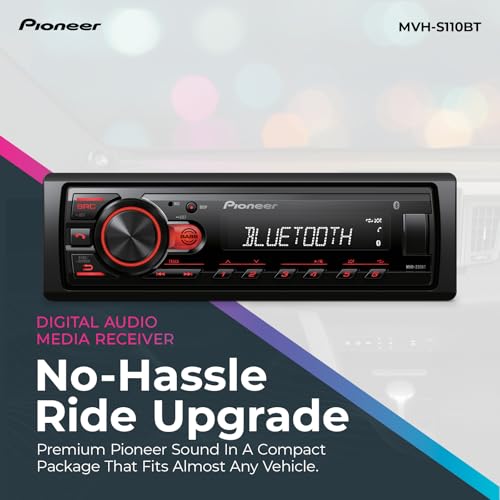
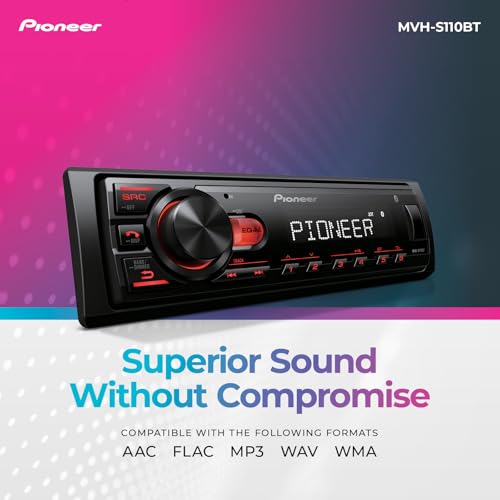
Pioneer keeps delivering where it counts: reliability and clean sound in a compact form. The MVH-S110BT is a no-frills, 1-DIN unit that punches above its price with a 50W MOSFET amp and FLAC support, something even some pricier units skip. It’s ideal for classic car restorations or minimalist builds where space is tight.
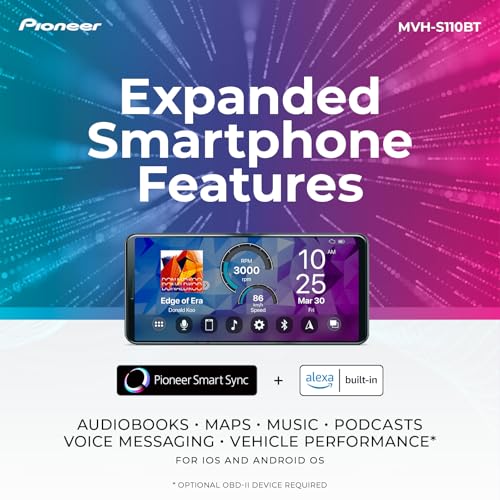
Owners appreciate the straightforward interface and solid Bluetooth performance. The lack of a screen or smartphone integration is expected at this tier, but the Direct EQ buttons are a nice touch for quick tuning. Compared to the Leadfan, it offers better audio quality and build, though fewer features. If you want pure audio performance without distractions, this is the smarter buy.
Product photos

Leadfan 7″ Double Din Car Stereo
Strengths
- Very low price
- Backup camera support
- RCA outputs included
Trade-offs
- No CarPlay/Android Auto
- Laggy interface
- Limited compatibility
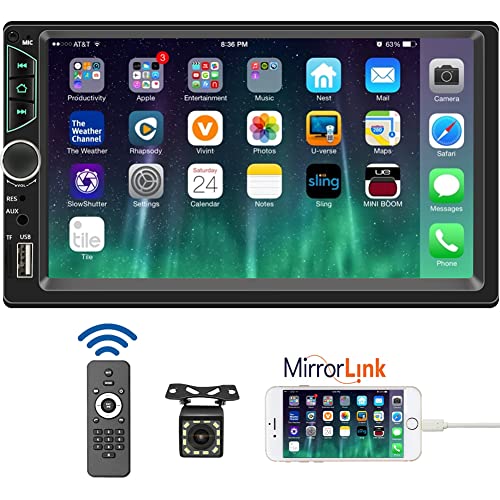
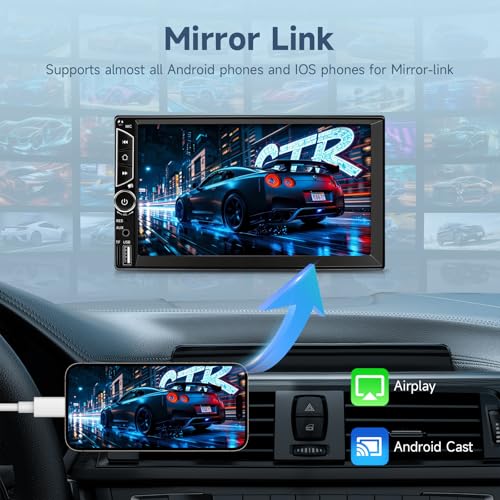
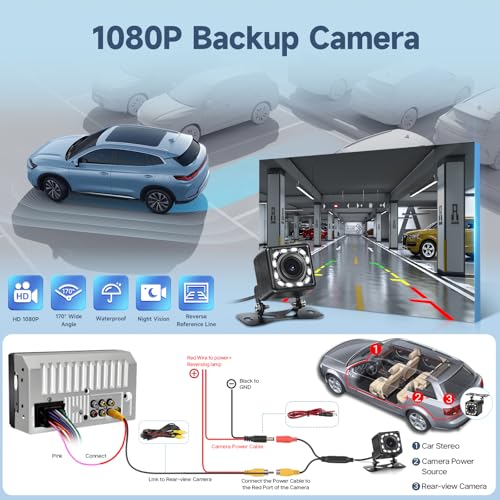
At this price, the Leadfan unit does more than expected, supporting Mirror Link, backup cameras, and multiple audio inputs. It’s clearly built for budget-conscious buyers who still want a touchscreen and basic modern features. The 7-inch display is serviceable, and the inclusion of RCA outputs for an amp or subwoofer adds unexpected value. However, don’t expect refinement.
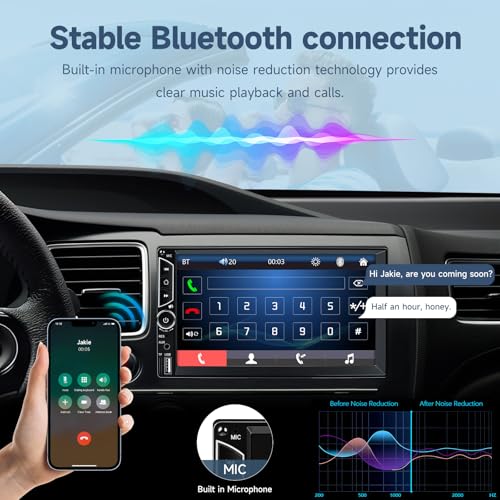
Owners report it works fine for music and calls, but Bluetooth 5.0 can be hit-or-miss with some phones, and the interface feels sluggish compared to pricier models. It lacks CarPlay and Android Auto, relying instead on wired mirroring, which is less reliable. Compared to the Pioneer, it offers a bigger screen and camera support but far less audio quality and build confidence.
Product photos

Our Testing Process
My approach at TheAutoZenith, as with any automotive technology, begins with a deep look at specifications and features. Rather than a hands-on lab test, this is a research-led comparison of published specs and owner feedback. I compiled data from manufacturer websites, technical documentation, and a wide range of owner reviews across multiple retail platforms. This data was then weighed against expert reviews from established audio and automotive publications to build a holistic picture of each unit’s capabilities and real-world performance.
For car AV receivers, several factors were most important in determining rankings. Audio quality, particularly clean output and DSP capabilities, was paramount. Equally crucial was smartphone integration – the effectiveness and reliability of Apple CarPlay and Android Auto are now central to the user experience. Finally, I heavily considered build quality and feature sets relevant to everyday driving needs, like Bluetooth connectivity and ease of use. You can find more about these considerations in our detailed reviews of car stereo receivers.
Specifications reliably indicate power output, display resolution, and connectivity options (like Bluetooth version and USB standards). However, owner feedback proved vital for assessing the consistency of those features. Things like Bluetooth pairing stability, the responsiveness of the touchscreen, and the true usability of the DSP controls were best understood through user experiences. I also looked to reputation for long-term reliability, and whether a unit was known for requiring frequent firmware updates; these insights aren’t usually found in spec sheets, and are best gleaned from reviews of car Bluetooth receivers.
What To Look For In car av receivers
Finding the right car AV receiver can dramatically improve your driving experience. It’s not just about sound; modern units are hubs for connectivity and driver assistance.
A good car AV receiver balances audio quality with modern features like smartphone integration, a user-friendly interface, and reliable connectivity. Look for units offering ample power output (RMS), a clear display resolution, and support for the latest Bluetooth standards. Consider expansion options like preamp outputs if you plan to add amplifiers or subwoofers.
Understanding Display & Integration
The display is arguably the most-used interface. A larger, high-resolution screen makes navigating menus and using smartphone integration features, like Apple CarPlay and Android Auto, much easier and safer. I’ve seen too many drivers squinting at tiny screens, which is a distraction. Beyond size, IPS (In-Plane Switching) technology is crucial; it provides wider viewing angles, so the display remains clear even if you’re not directly in front of it. Don’t underestimate the convenience of wireless CarPlay/Android Auto, but be aware that wired connections often offer more stability. If your vehicle lacks modern features, exploring Bluetooth adapters for older stereos can be a cost-effective way to add wireless connectivity.
Decoding Audio Power & DSP Features
Raw wattage numbers are often inflated, so focus on RMS (Root Mean Square) power. This is a realistic measure of sustained power output. For most factory speaker setups, 20-25 watts RMS per channel is sufficient, but if you’re upgrading speakers or adding an amplifier, you’ll want a head unit with higher preamp outputs (4V or 5V is preferable). The Deaf Bonce Gemini 760DSP, for example, prioritizes audio quality with a built-in amplifier and substantial preamp outputs.
Here’s what to consider when it comes to Digital Signal Processing (DSP):
- Basic EQ: A simple bass/treble control is fine for casual listeners.
- Multi-Band EQ: A 5-band or greater EQ allows for much more precise sound shaping.
- Full DSP Suite: Features like time alignment, crossovers, and parametric EQ provide professional-level control over your soundstage and are ideal for audiophiles and those with complex audio systems.
Don’t chase the highest wattage number; focus on clean power and the ability to tailor the sound to your ears.
Balancing Features With Your Budget
It’s easy to get caught up in the latest features, but consider what you actually need. A basic Pioneer MVH-S110BT offers reliable Bluetooth connectivity and decent sound quality at a very affordable price. For those wanting more, units like the Leadfan 7″ Double Din offer a good blend of features – mirroring, Bluetooth, and camera input – without breaking the bank. If you’re looking for a more in-depth look at options across the price spectrum, I recommend checking out our guide to the best car audio receivers. Ultimately, the best AV receiver is the one that fits your budget and provides the features you’ll actually use.
Car AV Receivers Compared
Here’s a comparison of key specifications for several car AV receivers to help you make an informed decision.
| Product Title | Display Size | Bluetooth Version | DSP Included | Max Output Power (Watts) | Apple CarPlay/Android Auto | Backup Camera |
|---|---|---|---|---|---|---|
| 9″ Double Din Car Stereo | 9″ | 6.0 | No | N/A | Wired & Wireless | Yes (1080P) |
| 7″ Wireless Double Din Car Stereo | 7″ | 5.3 | Yes | 240 | Wired & Wireless | N/A |
| Deaf Bonce Gemini 760DSP | N/A | 5.3 | Yes | 4×25 | N/A | N/A |
| Deaf Bonce DB-530DSP Head Unit | N/A | N/A | Yes | 4×25 | N/A | N/A |
| Pioneer MVH-S110BT 1-DIN Stereo | N/A | N/A | No | 50 | N/A | N/A |
| Leadfan 7″ Double Din Car Stereo | 7.01″ | 5.0 | No | N/A | Wired (Mirrorlink) | Yes |
Frequently Asked Questions
What’s the biggest benefit of upgrading to a modern car AV receiver?
Beyond improved sound quality, a modern receiver provides smartphone integration with Apple CarPlay and Android Auto, offering safer access to navigation, music, and communication while driving. This is a significant upgrade over older systems, especially if you rely on your phone for these functions.
Are expensive car AV receivers always better?
Not necessarily. While high-end units offer advanced features like extensive DSP and higher power output, a more affordable option like the Pioneer MVH-S110BT can deliver excellent sound and reliable Bluetooth connectivity for basic needs. Consider what features you’ll actually use before spending extra.
What does “RMS power” tell me about a receiver’s audio performance?
RMS power indicates the continuous power output a receiver can sustain, offering a more realistic measure than peak wattage. A higher RMS rating generally translates to cleaner sound at louder volumes, particularly important if you plan to upgrade your car’s speakers.
Can I add a subwoofer to any car AV receiver?
Most double-DIN and many single-DIN receivers feature preamp outputs, allowing you to connect an external amplifier to power a subwoofer. However, it’s important to check the specific receiver’s specifications to confirm the presence and voltage of these outputs; 4V or 5V outputs are preferable for a stronger signal. If you’re looking to keep the interior clean, don’t forget to check out our guide to the best car vacuums to help maintain your vehicle.
What should I do if my new receiver’s Bluetooth keeps disconnecting?
First, ensure your phone’s software is up to date. If the problem persists, try a different Bluetooth cable (if using a wired connection) or move your phone closer to the receiver. You might also explore our reviews of top-rated car radio receivers to see if other owners have reported similar issues with that model.
The Bottom Line
Choosing a car AV receiver often comes down to balancing how much control you want over your audio versus how much fuss you’re willing to deal with. For the driver who wants a quality experience without getting lost in settings, the 9″ Double Din Car Stereo stands out. It provides a large, clear display, wireless smartphone integration, and a backup camera – all features that enhance convenience and safety on the road.
However, if you have specific needs, there are excellent alternatives. For those on a tighter budget, the Pioneer MVH-S110BT delivers reliable Bluetooth and solid sound. If you’re building a more elaborate audio system and demand precise control, the Deaf Bonce Gemini 760DSP, with its built-in DSP and preamp outputs, is a strong contender. And don’t forget to check out our guide to best car receivers for a broader range of options.
Ultimately, the most impressive specifications won’t matter if the receiver doesn’t suit your driving style or vehicle. Prioritize a clear display, reliable smartphone integration, and, most importantly, sound quality that you enjoy. A secure car phone mount is also essential for safely utilizing your smartphone’s features while driving, completing the connected experience.
