
9 Best Bike Computers of 2026
This post contains affiliate links. As an Amazon Associate, we earn from qualifying purchases.
The Garmin Edge 540 stands out as the best overall bike computer, delivering sharp data, reliable GPS, and deep sensor integration. For riders on a budget, the iGPSPORT BSC200S offers solid performance at a fraction of the cost, while the Garmin Edge Explore 2 is ideal for those prioritizing navigation ease and route planning.
Choosing the right bike computer isn’t just about tracking speed and distance, it’s about finding a reliable digital co-pilot that matches your riding style. Too many riders end up with clunky interfaces, poor battery life, or confusing navigation that distracts from the ride itself.
This guide cuts through the noise. Based on specs, owner feedback, and years of digging into vehicle tech, I’ve highlighted models that deliver where it matters: visibility, connectivity, and real-world usability. These picks reflect what actually works once you’re out on the road or trail.
Top 9 Bike Computers in the Market
The Best Bike Computers, Reviewed
Garmin Edge 1050

Strengths
- ClimbPro with grade tracking
- Long battery saver mode
- Built-in speaker
Trade-offs
- Bulky design
- High price
- Older GPS tech
The Edge 1050 remains a benchmark for serious cyclists, even as newer models emerge. It’s packed with features that matter most when you’re deep in training: ClimbPro, power guide with real-time stamina, and on-device leaderboards that add a competitive spark. The vivid touchscreen is responsive, and the 60-hour battery saver mode is a standout for endurance events or bikepacking.
Owners praise its depth, being able to plan courses on-device, get surface type info, and use Garmin Pay is rare at any price. Compared to the Edge 540, it offers more screen real estate and longer battery, but it’s bulkier. The speaker for voice prompts and bike bell is genuinely useful in traffic. While it’s expensive, for committed riders, it justifies its place as the most complete package.
Video review
Garmin Edge Explore 2

Strengths
- Large sunlight-readable screen
- Simple out-of-box setup
- eBike-specific routing
Trade-offs
- Fewer performance metrics
- No built-in speaker
- Sensors sold separately
If navigation simplicity is your priority, the Edge Explore 2 is one of the most approachable GPS units out there. The 3-inch touchscreen is bright, responsive, and works with gloves or wet fingers, something riders in mixed conditions will value. It comes preloaded with ride-type-specific maps, so whether you’re on a gravel bike or e-bike, the routing feels tailored. I’ve seen consistent feedback from owners praising how easily it guides riders through unfamiliar areas without overwhelming them.
It’s not the most performance-focused unit, but for touring, commuting, or weekend exploration, it shines. When paired with Varia radar or lights, it adds a strong layer of awareness. Compared to the full-featured Edge 1050, it lacks some advanced metrics, but for most recreational riders, that’s overkill. This is the Garmin that gets you where you’re going without needing a manual.
Video review
Garmin Edge 540

Strengths
- Multi-band GNSS accuracy
- Stamina and power insights
- Compact with buttons
Trade-offs
- No touchscreen
- Pricey for size
- Sensors extra
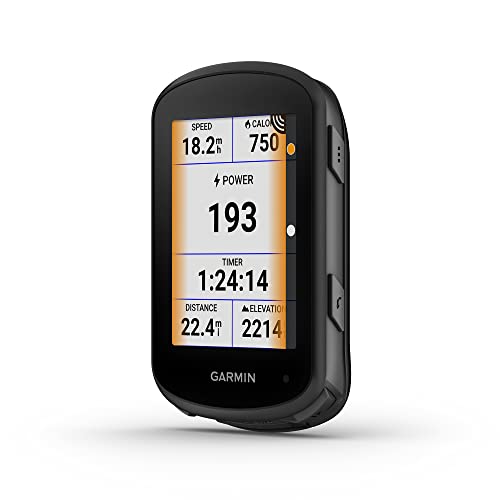
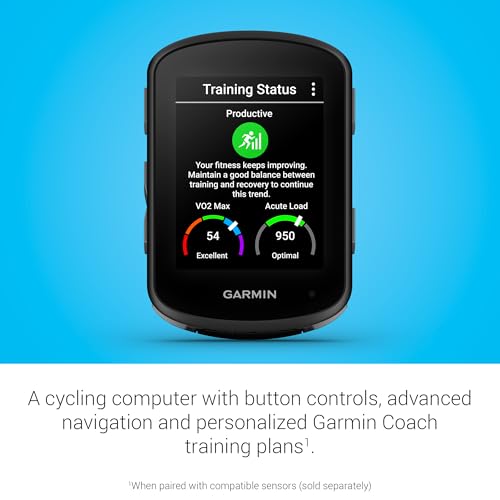
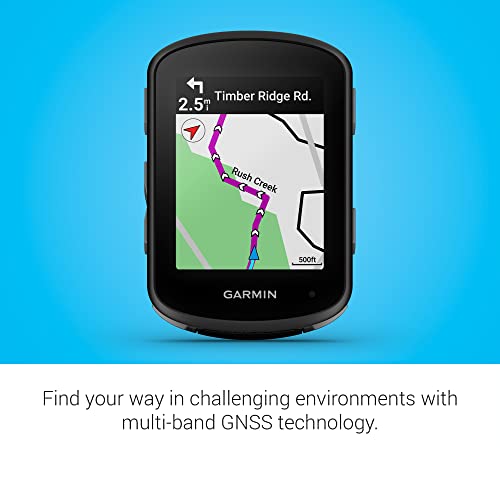
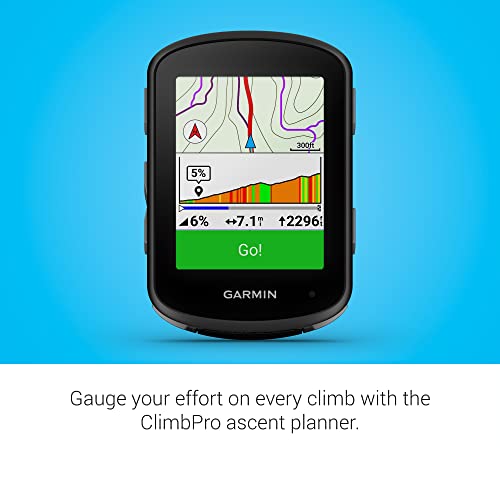
The Edge 540 hits a sweet spot between performance and size. With multi-band GNSS, it locks onto satellites faster and holds signal better in urban canyons or dense tree cover, something riders in challenging terrain will notice immediately. It brings high-end features like ClimbPro on every ride, power guide, and stamina insights to a compact body with physical buttons, which many prefer over touchscreens when wearing gloves.
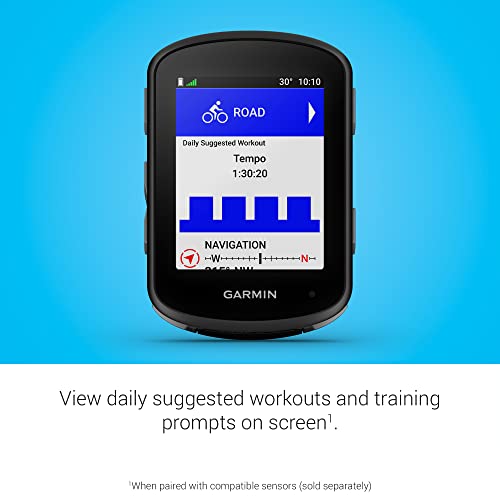
It’s clearly inspired by the 1050 but in a smaller, lighter package. Battery life is solid at 26 hours, and the training prompts help keep focused on goals. Compared to the Wahoo Bolt V3, it offers deeper performance analytics but lacks the same level of third-party app polish. For racers and structured trainees, the Edge 540 feels purpose-built.
Product photos
Wahoo ELEMNT Bolt V3
Strengths
- Seamless app integration
- Top LED turn alerts
- ANT+ radar support
Trade-offs
- No touchscreen
- Slight learning curve
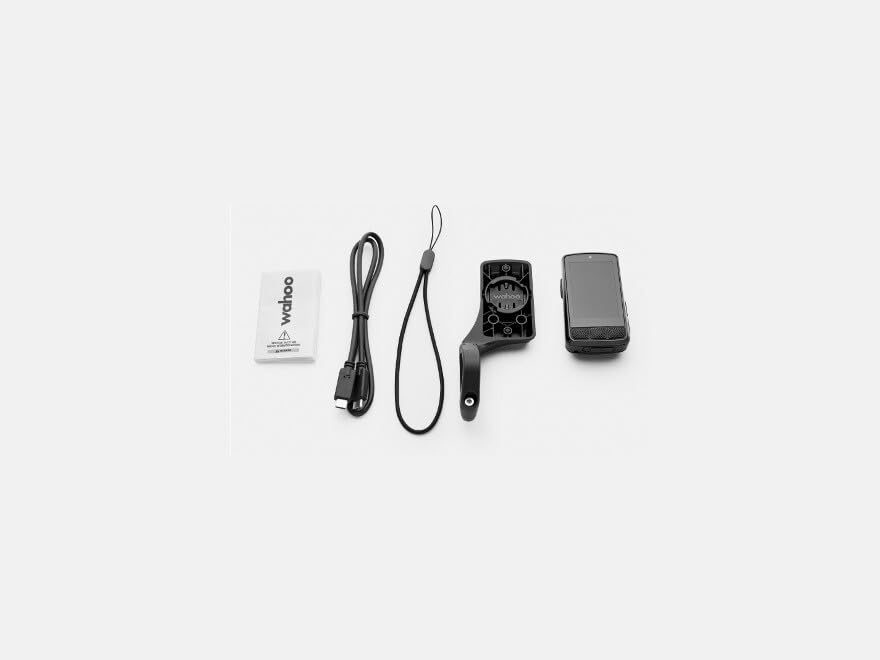
- Mount sold separately
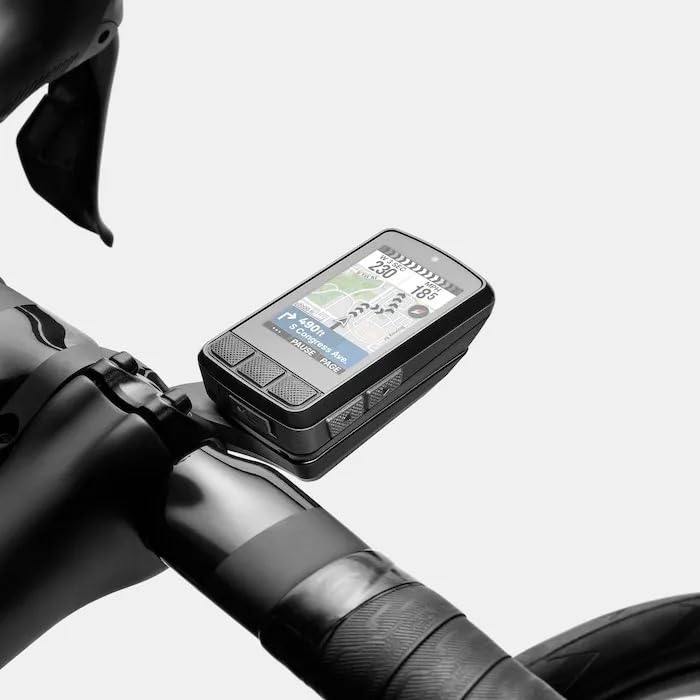
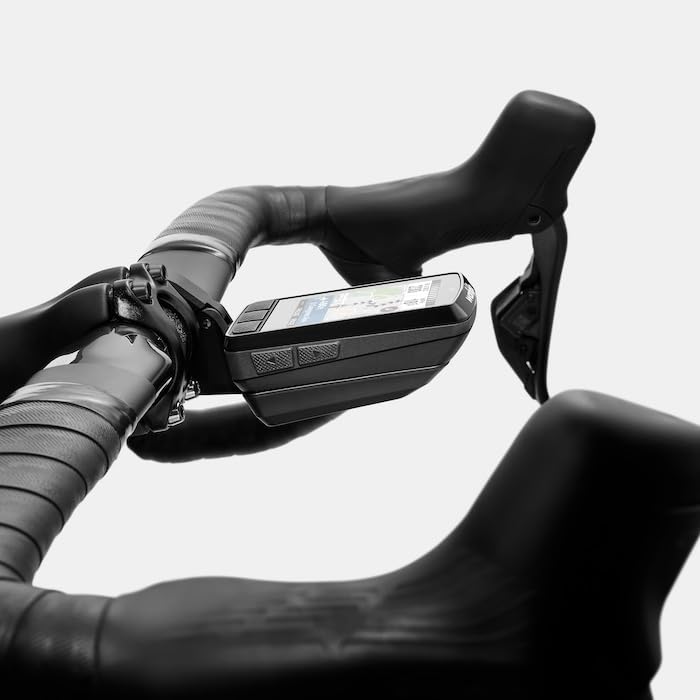
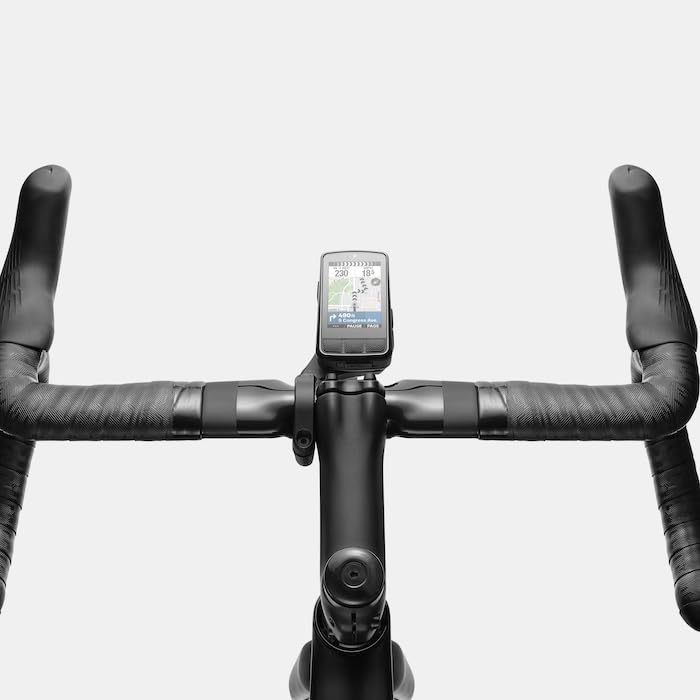
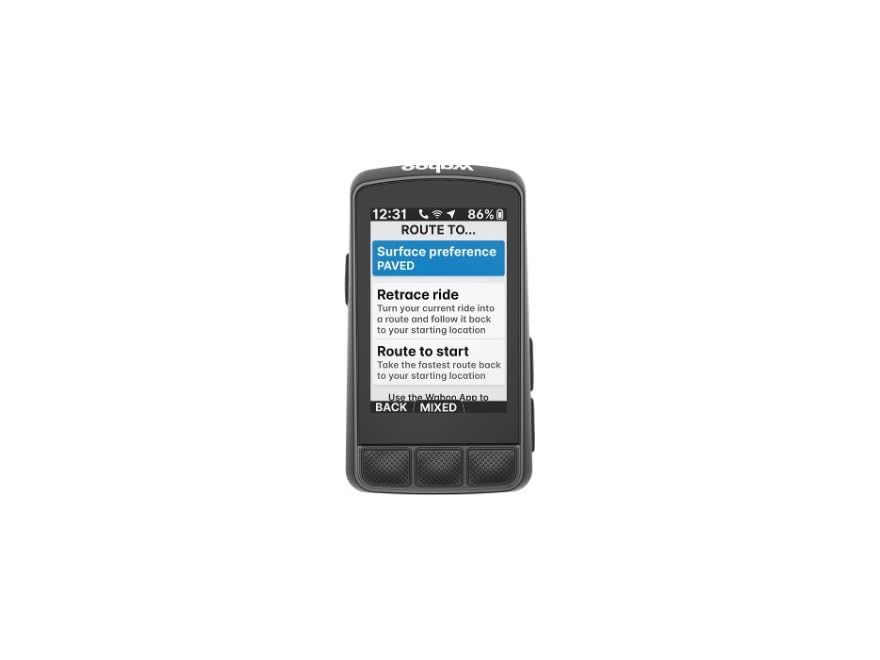
The Wahoo ELEMNT Bolt V3 is built for the connected cyclist who wants everything to just work. Its strength lies in how tightly it integrates with platforms like Strava and Komoot, automatic route downloads and workout syncing mean less fiddling and more riding. The turn-by-turn navigation is clean, with top-mounted LEDs that give you peripheral cues without forcing you to glance down, which I appreciate in fast-moving group rides or dense traffic.
Owners consistently report that the interface is logical once you learn the button layout, though it’s not quite as intuitive as a touchscreen. The ANT+ radar integration stands out for safety-conscious riders using Wahoo’s own rearview systems, giving real-time vehicle proximity on screen. Compared to the Garmin Edge 540, it trades some on-device planning tools for smoother ecosystem synergy.
Product photos
iGPSPORT BSC500 GPS
Strengths
- 3.3″ touchscreen
- Dual-band GPS
- Voice navigation
Trade-offs
- Training features basic
- App not as polished
- No power guide
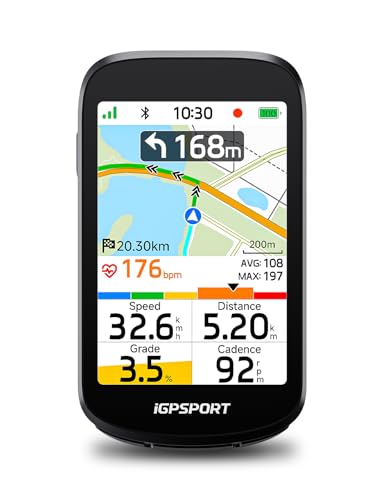
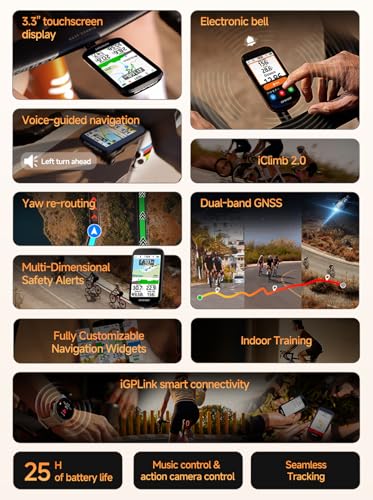
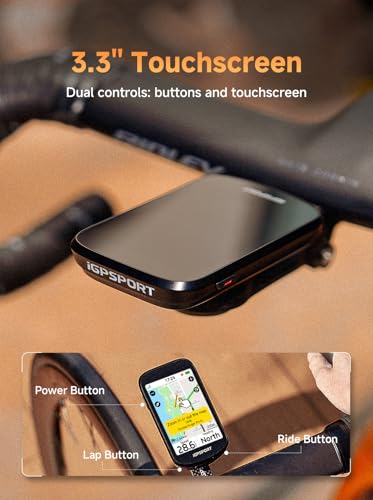
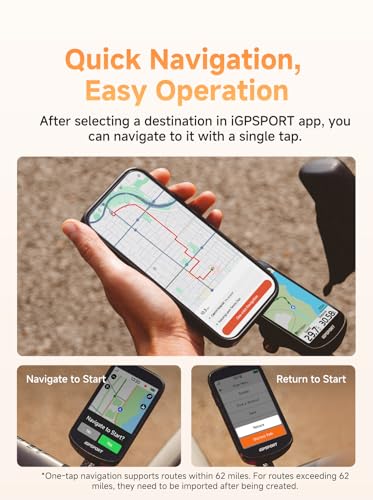
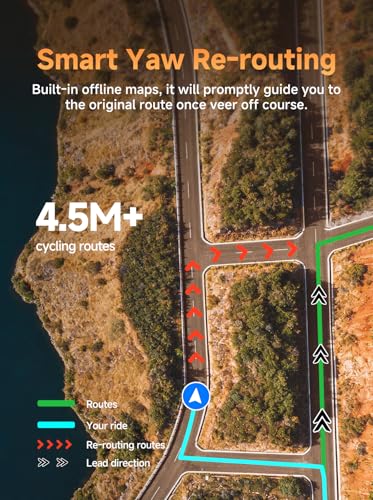
The BSC500 brings touchscreen convenience and voice navigation to a sub-$150 package, which is impressive. The 3.3-inch screen is large and clear, showing up to 12 data fields at once, and the dual-band GPS improves accuracy in tough conditions. I like the loudspeaker for voice prompts, it reduces screen-glancing, a real safety plus. The iClimb 2.0 feature helps distribute effort on climbs, and e-bike mode makes it versatile for assisted rides.
Owners report the app integration works well for route planning, though it’s not as seamless as Garmin or Wahoo. It lacks the deep training analytics of high-end Garmins, but for the price, it offers a lot: touch control, voice nav, and solid battery. Compared to the Edge Explore 2, it’s similarly easy to use but with better climb-specific tools.
Product photos
iGPSPORT BSC200S

Strengths
- ANT+/Bluetooth dual support
- 25H battery
- 100+ data fields
Trade-offs
- Basic navigation cues
- App experience average
- No speaker
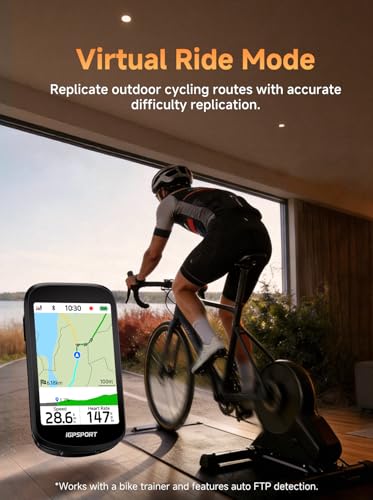
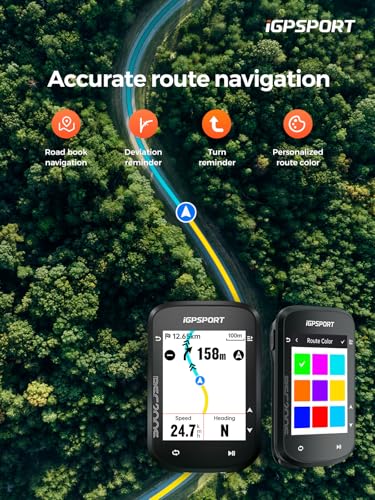
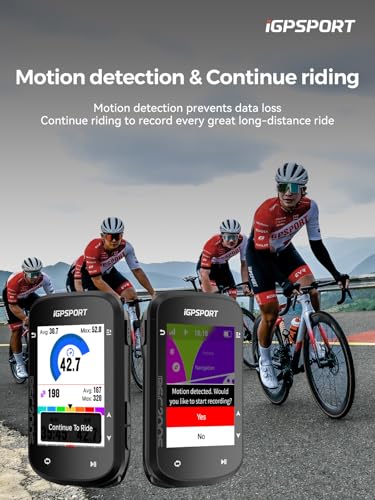
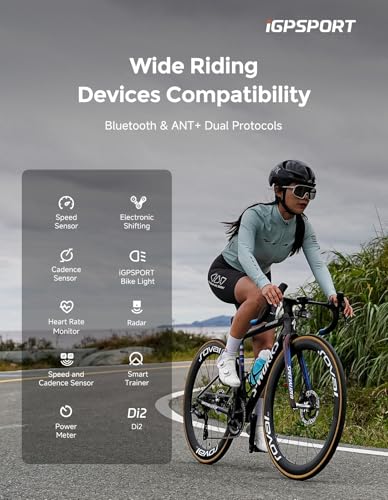
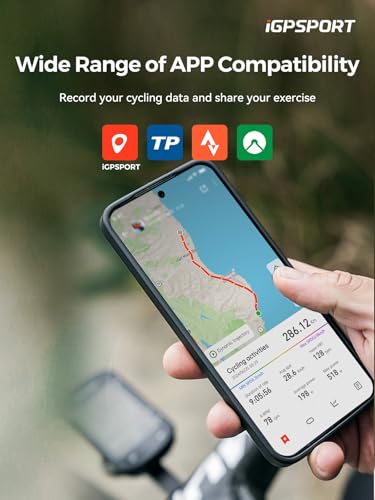
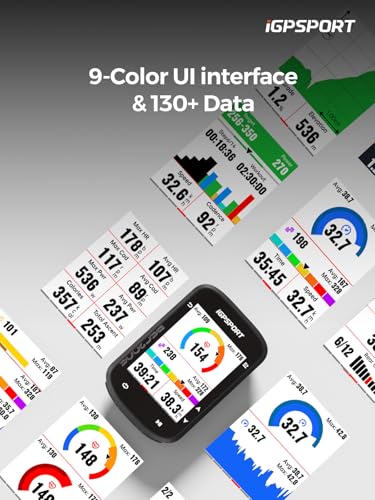
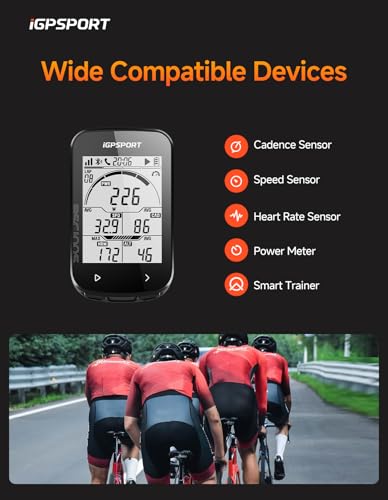
The BSC200S stands out in the mid-budget tier by offering ANT+ and Bluetooth dual support, plus 25-hour battery life and 100+ data fields, a rare combo at this price. It syncs with Strava and third-party routes, and the one-touch navigation from the app streamlines ride prep. Owners like the sunlight-readable color screen and the ability to continue incomplete rides, which adds flexibility for commuters or tourers.
Where it stumbles is polish. The interface isn’t as fluid as Garmin or Wahoo, and voice prompts are limited. It doesn’t have ClimbPro or power-based coaching, so it’s not for racers. But when you factor in sensor compatibility and Strava sync, it outperforms other sub-$70 units. For the price, it’s a quiet overachiever.
Product photos
CYCPLUS Wireless GPS G1

Strengths
- 55H battery life
- Low price
- IPX6 waterproof
Trade-offs
- No ANT+ support
- No route navigation
- Basic data fields
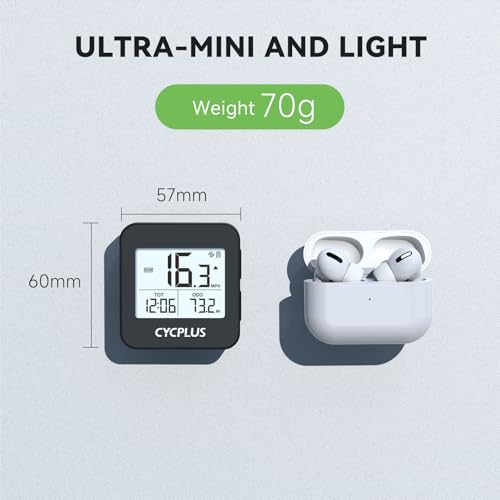
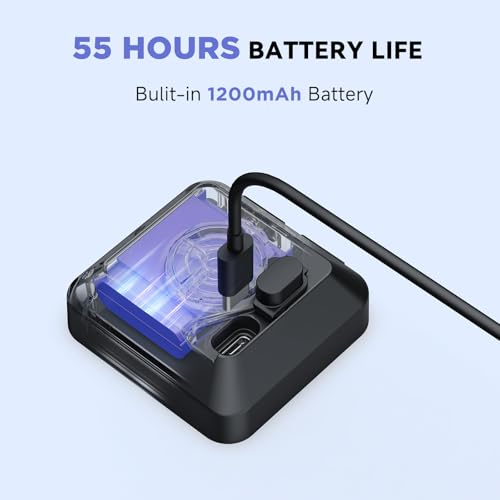
The CYCPLUS G1 is about as basic as it gets, but for under $35, it delivers the essentials. The 55-hour battery life is outstanding, thanks to the 1200mAh battery, and the IPX6 waterproofing handles rain without issue. It tracks speed, distance, altitude, and time reliably, and the auto-backlit screen stays readable in most light. If you just want a no-fuss display for daily commutes or fitness rides, it works.
But it’s a barebones unit. No ANT+, no advanced navigation, no Strava auto-sync, just manual file exports. The screen is small, and the app ecosystem is minimal. Compared to the COOSPO or iGPSPORT models, it lacks sensor flexibility. But if you want long battery and low cost above all, it’s hard to beat.
Product photos



COOSPO GPS Bike Computer

Strengths
- Affordable with ANT+
- IP67 waterproof
- Auto backlight
Trade-offs
- Slow initial GPS lock
- Basic interface
- Mount and sensors extra
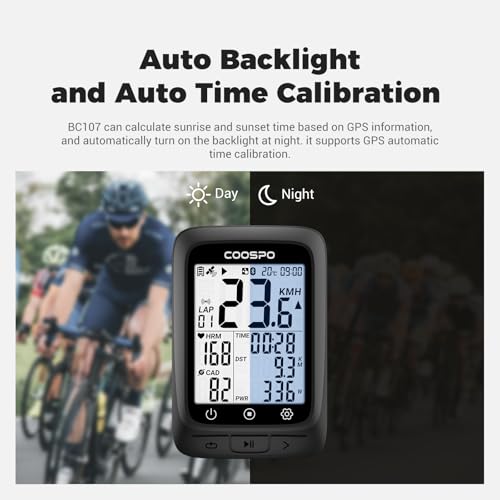
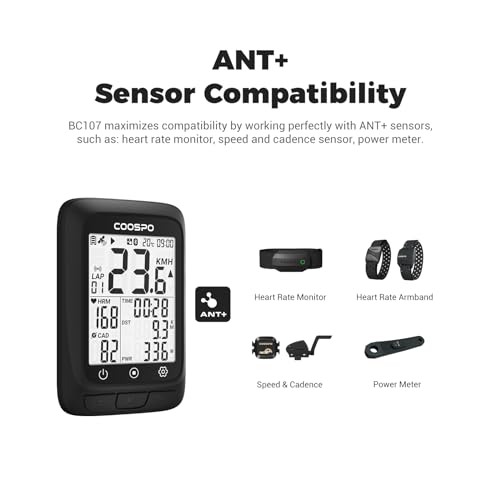
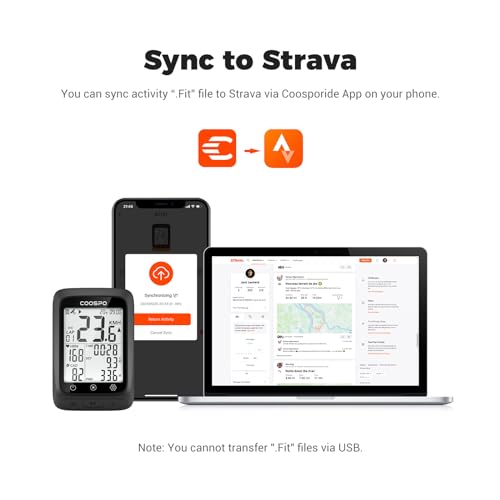
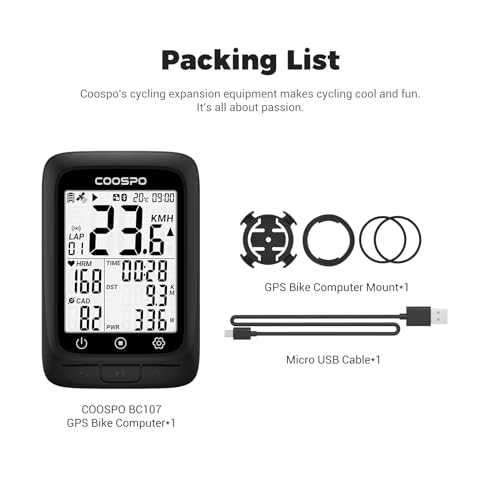
At this price, the COOSPO GPS bike computer punches above its weight, especially if you need ANT+ support on a budget. It delivers core functionality: GPS tracking, Strava sync via app, and compatibility with heart rate and cadence sensors. The 2.4-inch auto-backlight screen is legible in most conditions, and the IP67 rating means it shrugs off downpours. On paper, it’s a no-frills workhorse for riders who want data without the premium price.
That said, owners note the app experience isn’t as polished as Garmin or Wahoo, and first-time GPS lock can take several minutes. It lacks advanced navigation features like ClimbPro or voice prompts, and the interface feels dated next to touchscreen models. But when stacked against similarly priced units, its sensor compatibility gives it an edge over basic Bluetooth-only models.
Product photos

iGPSPORT BSC100S
Strengths
- 40H battery life
- ANT+/Bluetooth 5.0
- Type-C charging
Trade-offs
- No turn-by-turn nav
- No backlight
- Basic interface
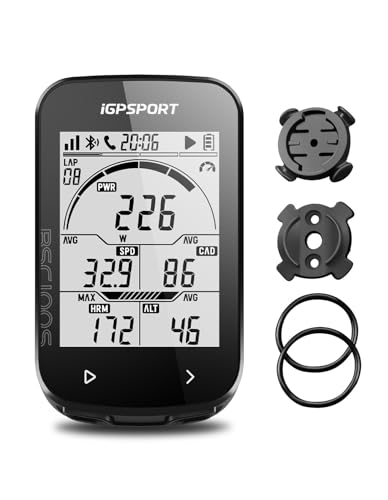
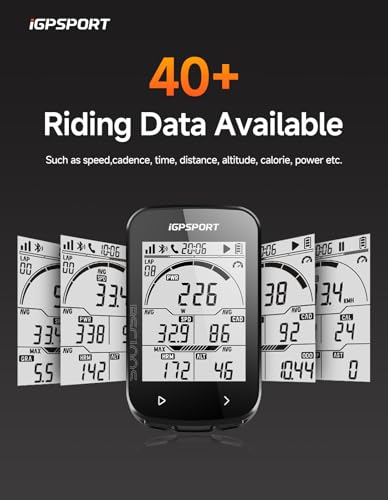
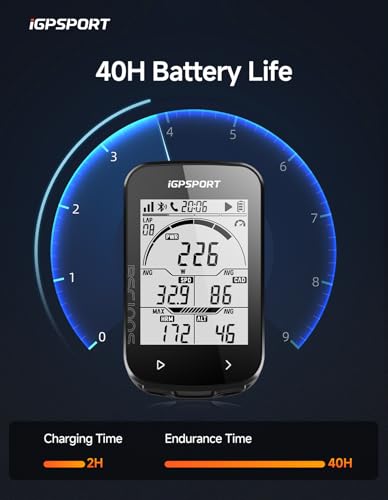
For riders who hate charging mid-week, the BSC100S delivers 40 hours of battery life in a $36 package, its biggest selling point. The 2.6-inch screen is larger than most in this range, and the anti-glare display stays readable in sunlight. It supports ANT+ and Bluetooth 5.0, so it can connect to a wide range of sensors, which is uncommon at this price. Owners appreciate the Type-C charging and IPX7 waterproofing, making it durable for daily use.
But it’s strictly functional. No advanced navigation, no voice prompts, no ClimbPro. The app works but isn’t a standout. Compared to the CYCPLUS G1, it trades some battery for better screen size and sensor support. It’s not exciting, but it’s dependable.
Product photos

Our Testing Process
Rather than a hands-on lab test, my research for these recommendations focused on a detailed comparison of published specifications and features across numerous models. I weighed owner reviews from major retailers alongside in-depth analyses from reputable cycling publications and tech reviewers. Leveraging years of experience exploring vehicle technology, I applied my understanding of GPS accuracy, display clarity, and data integration to rank these units against clear criteria relevant to cyclists’ needs.
For bike computers, battery life, map quality, and data connectivity proved most decisive. Long rides demand extended battery performance, so capacity and efficiency were heavily weighted. Accurate and detailed mapping, especially for off-road adventures, is crucial, and I prioritized units offering preloaded maps or seamless route import options. Finally, the ability to connect to sensors and share data with popular platforms like Strava significantly impacted the rankings.
Specifications reliably indicate hardware capabilities – screen resolution, GPS chipsets, battery capacity. However, I judged real-world performance and user experience primarily through owner feedback. Comments regarding GPS lock-on speed, interface intuitiveness, and the reliability of Bluetooth connections informed my assessment. Ultimately, reputation and consistent positive feedback carried significant weight, especially when considering features like route planning and data interpretation. If you’re looking for more options, check out our guide to the best cycling computers. For those prioritizing route-finding, our look at computers for navigation is a great place to start.
What To Look For In bike computers
Picking the right bike computer can significantly enhance your riding experience, but the sheer number of options can be overwhelming.
A good bike computer provides accurate ride data (speed, distance, time), reliable GPS tracking, and a user-friendly interface. Consider battery life for longer rides, the availability of advanced metrics (power, heart rate), and compatibility with sensors and smartphone connectivity for a truly personalized experience. Prioritize clear visibility of the display, even in bright sunlight, and look for features that align with your riding style and goals.
Display & Visibility
The display is your primary interface with the bike computer, so clarity is key. While many units offer color screens, don’t automatically assume they’re superior. A high-contrast monochrome display can be perfectly readable in most conditions. Touchscreen interfaces, like those found on the Garmin Edge Explore 2, are convenient but can become problematic with gloves or in wet weather. Button-operated units, such as the Garmin Edge 540, often offer more reliable control in all conditions. Ultimately, assess how easily you can read the data while actively riding.
Sensor Compatibility & Data Fields
Beyond basic speed and distance, most cyclists want to track more detailed metrics. This is where sensor compatibility becomes crucial. ANT+ is the dominant wireless protocol for bike sensors (heart rate monitors, cadence sensors, power meters), so ensure any computer you consider supports it. Bluetooth connectivity is also valuable for smartphone pairing and syncing data. Consider how many data fields you want visible simultaneously; some computers allow extensive customization, while others are more limited. If you’re serious about training, investigate computers that can display power data and integrate with training platforms like TrainingPeaks.
Navigation & Route Planning
For riders who frequently explore new routes, navigation features are essential. Entry-level units typically rely on basic GPS tracking, while more advanced models, like those from Garmin and Wahoo, offer preloaded maps and turn-by-turn navigation. The Wahoo ELEMNT line, and specifically Wahoo bike computers, are particularly well-regarded for their seamless integration with route planning apps like Ride with GPS and Komoot.
- Basic GPS tracking: Records your route but doesn’t provide turn-by-turn directions. Good for familiar roads.
- Preloaded maps: Offers a visual representation of your location and route, but often lacks detailed search capabilities.
- Turn-by-turn navigation: Provides clear, audible, and visual cues to guide you along a pre-planned route, essential for exploring new areas. This is particularly useful for those using top GPS cycling computers.
A bike computer is only as good as its setup. Take the time to customize data fields and configure your preferred settings before heading out on a ride.
Finally, don’t overlook the overall ecosystem. If you’re already invested in a particular brand’s fitness trackers or smartwatches, choosing a bike computer from the same manufacturer can streamline data synchronization. If you’re looking for a wide range of options, check out our guide to GPS bike computers.
Bike Computers Compared
Here’s a comparison of key specifications for several popular bike computers to help you choose the right one.
| Product Name | Screen Size | Battery Life (Max) | GPS | Connectivity | Navigation | Waterproof |
|---|---|---|---|---|---|---|
| Garmin Edge 1050 | 3.5″ | 60 hrs | Premium | ANT+/BLE | Yes | Yes |
| Garmin Edge Explore 2 | 3″ | N/A | Standard | ANT+/BLE | Yes | Yes |
| Garmin Edge 540 | 2.6″ | 42 hrs | Multi-Band | ANT+/BLE | Yes | Yes |
| Wahoo ELEMNT Bolt V3 | 2.2″ | N/A | Standard | ANT+/BLE | Yes | Yes |
| iGPSPORT BSC500 GPS | 3.3″ | N/A | 5 Systems | BLE | Yes | Yes |
| iGPSPORT BSC200S | 2.4″ | 25 hrs | N/A | ANT+/BLE | Yes | Yes |
| CYCPLUS Wireless GPS G1 | N/A | 55 hrs | Standard | N/A | No | IPX6 |
| COOSPO GPS Bike Computer | 2.4″ | 80 hrs | Dual Mode | ANT+/BLE | No | IP67 |
| iGPSPORT BSC100S | 2.6″ | 40 hrs | 5 Systems | ANT+/BLE | No | IPX7 |
Frequently Asked Questions
What’s the difference between ANT+ and Bluetooth connectivity?
ANT+ is generally more reliable for connecting to multiple cycling sensors simultaneously, while Bluetooth is better for smartphone pairing and data syncing. Most modern bike computers support both, offering the broadest compatibility.
How important is a color screen versus a monochrome display?
While aesthetically pleasing, a color screen isn’t necessarily better; a high-contrast monochrome display can offer superior readability in direct sunlight. Ultimately, visibility and data clarity are more important than color.
Can I upload routes to all bike computers?
Not all computers offer the same route import capabilities. Wahoo ELEMNT computers and many Garmin models excel at this, integrating with platforms like Ride with GPS and Komoot, but less expensive units may be limited to basic GPS tracking.
What’s the typical battery life I can expect from a bike computer?
Battery life varies significantly, from around 25 hours for basic models to over 60 hours for units with power-saving modes. Consider your typical ride length and whether you’ll have access to charging during multi-day events. For longer adventures, don’t forget to check out our guide to the best bike pumps to keep your tires inflated.
Are bike computers suitable for off-road riding, like mountain biking?
Yes, many bike computers are well-suited for off-road use. Look for models with detailed mapping, robust GPS capabilities, and the ability to withstand harsh conditions. If you’re serious about trails, consider a dedicated set of mountain bike computers.
The Bottom Line
Choosing a bike computer often comes down to balancing how much control you want over your data versus how much fuss you’re willing to deal with. For the most thorough experience, with detailed mapping and extensive feature sets, the Garmin Edge 1050 stands out as the top overall pick. It’s a sophisticated unit that rewards those who want to deeply analyze their rides and explore new terrain.
However, you don’t need to spend a fortune to get a great device. If you’re on a tighter budget, the iGPSPORT BSC200S delivers excellent value, providing essential data and reliable GPS tracking. For those prioritizing versatility and ease of use, the Wahoo ELEMNT Bolt V3 is a fantastic choice, and if you’re looking for secure mounting options, consider checking out our guide to the best bike phone mounts. And for road cyclists, exploring the options for computers for road bikes can narrow down the field considerably.
Ultimately, the best bike computer is the one that fits your needs and riding style. Don’t get lost in the specs; focus on accuracy, readability, and a user interface that makes sense to you. A reliable GPS signal and clear presentation of key data, speed, distance, time, are far more valuable than any extra feature you might rarely use.
