
6 Best Balance Bikes for 5-Year-Olds 2026
This post contains affiliate links. As an Amazon Associate, we earn from qualifying purchases.
The bicystar 16 Inch Balance Bike stands out as the best overall choice for 5-year-olds, offering excellent adjustability and air tires for real-road confidence. For younger or smaller kids, the Ridego 14 Inch Balance Bike is a smart budget-friendly pick, while the bicystar 14 Inch model brings solid versatility with its lightweight frame and growth-friendly design.
At this age, many kids are on the cusp of ditching training wheels, but a poorly fitting or heavy balance bike can slow them down instead of helping. Too often, parents end up with a bike that’s either too small, too stiff, or too hard to steer, killing motivation before real riding begins.
This guide cuts through the noise by focusing on what actually matters: adjustable fit, low weight, and tires that handle real terrain. I’ve ranked these models based on specs, owner feedback, and my years of evaluating how two-wheeled machines perform across different stages of learning and growth.
Top 6 Balance Bikes For 5 Year Old in the Market
The Best Balance Bikes For 5 Year Old, Reviewed
bicystar 16 Inch Balance Bike

Strengths
- Large 16-inch size
- Real air tires
- Long warranty
Trade-offs
- Heavier than others
- Higher seat minimum
If you’re getting a balance bike for a 5-year-old who’s on the taller side or likely to skip training wheels entirely, this 16-inch bicystar is the one to beat. The real air tires and 17–24 inch seat range mean it fits kids up to around 8 years old, making it a true grow-with-them investment. Owners praise the smooth roll and stability, especially when transitioning to a pedal bike, many say their kids were ready within months.
The 8-year frame warranty says a lot about build confidence, and the pre-assembly means it’s ride-ready fast, a big plus for gift-giving. At nearly 12 lbs, it’s not the lightest, but the welds and compliance certifications back its durability. Compared to the 14-inch models, this one feels more like a real bike, which boosts kid confidence. My pick if you want one bike to cover years of growth.
Video review
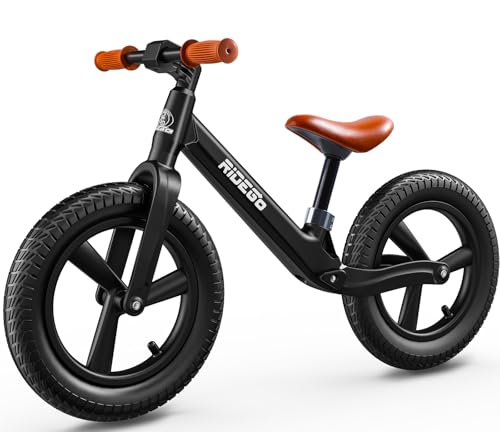
Ridego 14 Inch Balance Bike
Strengths
- Air rubber tires
- Lightweight frame
- Adjustable seat
Trade-offs
- Frame feels less rigid
- No handlebar adjustment
This Ridego hits a sweet spot for parents wanting real tires without paying premium prices. The air-filled rubber tires stand out in this class, offering far better grip and cushioning than foam, owners consistently report smooth rides over gravel and sidewalk cracks. On paper, the glass-reinforced nylon frame is intriguing, claiming steel-like strength at just 8.16 lbs, though some reviewers note it feels a bit hollow under hard use. Still, for a 5-year-old who’s just learning, it’s more than sufficient.
The adjustable seat and padded saddle add comfort, and the footrest is a nice touch for coasting. Compared to heavier steel bikes, this one’s easy for kids to manage on their own. It won’t last through multiple siblings like a top-tier model, but for the price, it’s a solid entry into real-tire performance.
Video review
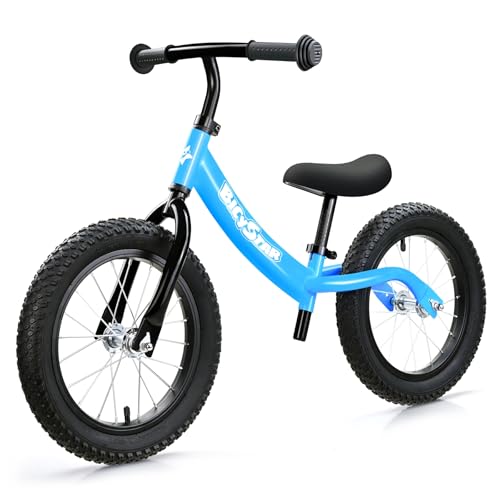
bicystar 14 Inch Balance Bike
Strengths
- Air rubber tires
- Lightweight steel frame
- Coasting footrest
Trade-offs
- Slightly pricier
- Handlebar grip wear noted
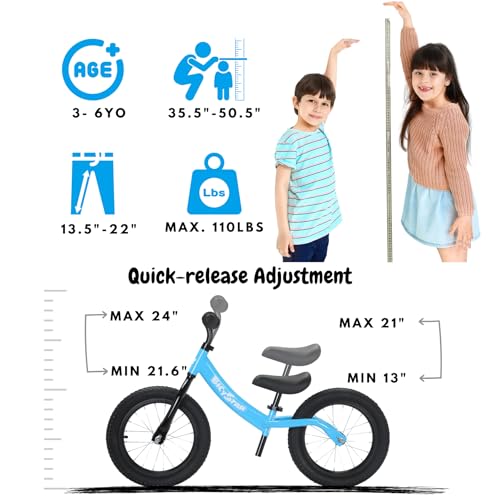
This 14-inch model from bicystar is nearly identical in build to the 16-inch but scaled down for younger riders. It shares the same air tires, strong steel frame, and excellent warranty package, which gives it serious value for the price. The seat adjusts low enough for a smaller 5-year-old but still reaches high enough to delay outgrowing it too quickly.
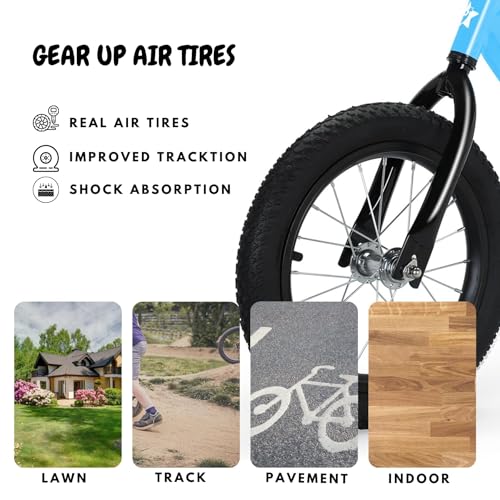
Owners highlight how well the pneumatic tires handle both indoor tile and outdoor gravel, a rare combo in this range. The footrest and padded seat add comfort, and the 8.5 lb weight keeps it manageable. Compared to the Ridego, it feels a bit more refined in frame finish and adjustability. For a 5-year-old who’s just starting, this is the smarter buy over the larger 16-inch if they’re not yet tall enough.
Product photos
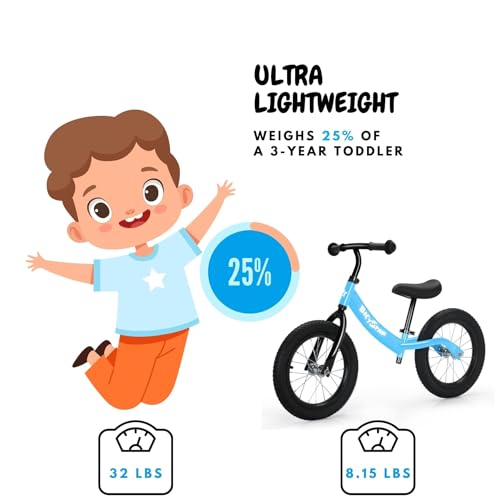
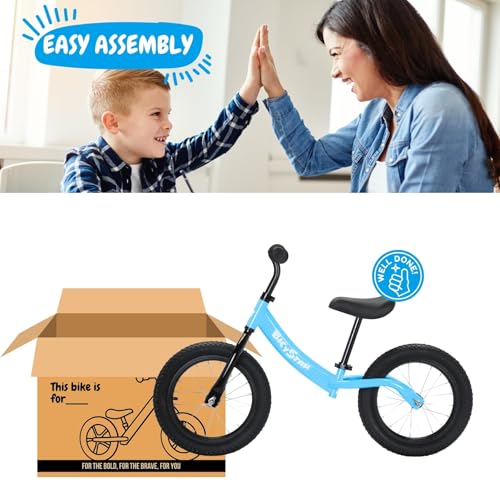
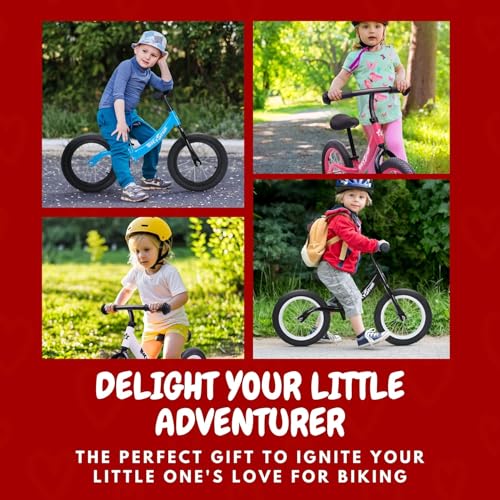
Toddler Balance Bike with Light-Up Wheels
Strengths
- Light-up wheels
- Fender included
- No-flat tires
Trade-offs
- Foam tires
- Firmer ride
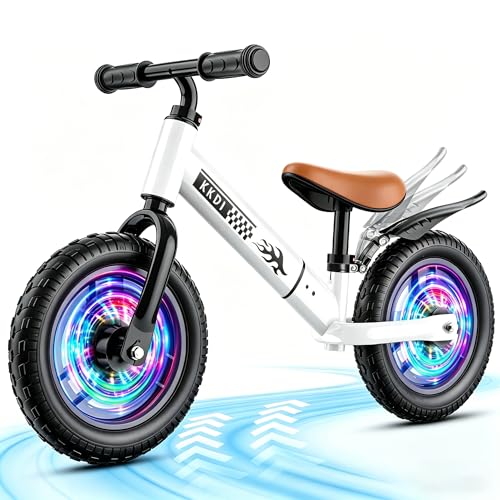
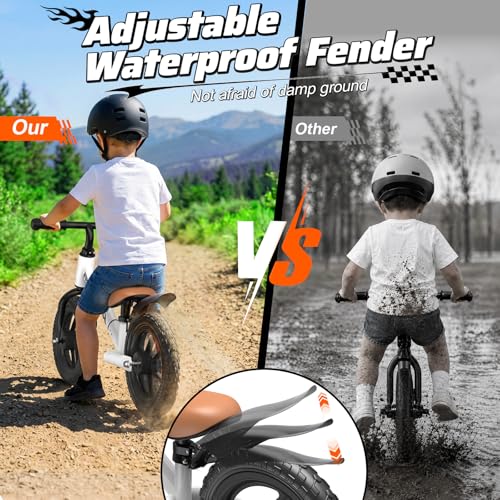
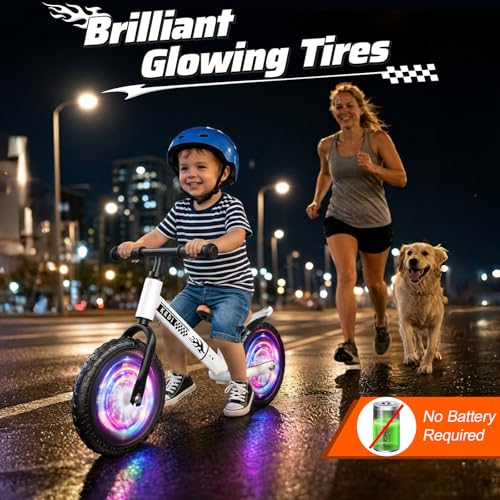
The light-up wheels and fender make this bike stand out for safety and fun, especially in wet or muddy conditions. The fender actually works, owners say it keeps backs clean after puddle jumps, which is a win for post-ride cleanups. The EVA foam tires are a trade-off: no flats, ever, but they don’t absorb bumps as well as air tires. On pavement, it’s fine, but on gravel or cracked sidewalks, the ride gets jarring.
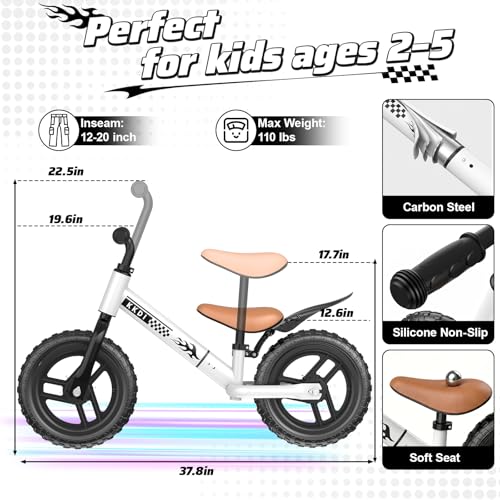
Still, the 9 lb weight and adjustable seat/handlebar make it easy for a 5-year-old to manage. The steering limiter and wide steel frame add safety, and the quick 10-minute setup is a plus. But without real tires, it won’t prepare kids as effectively for pedal bikes. For a child who rides mostly on smooth surfaces or in wet climates, it’s a solid, low-maintenance pick.
Product photos

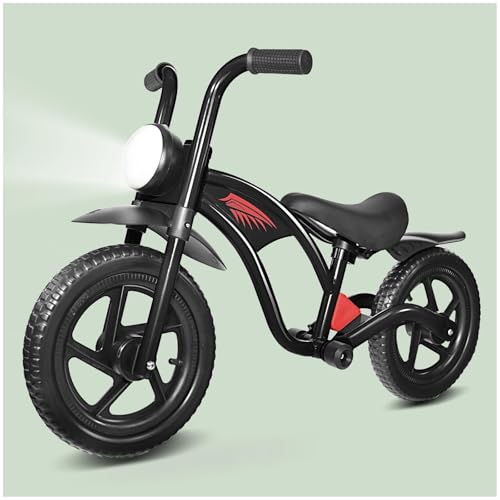
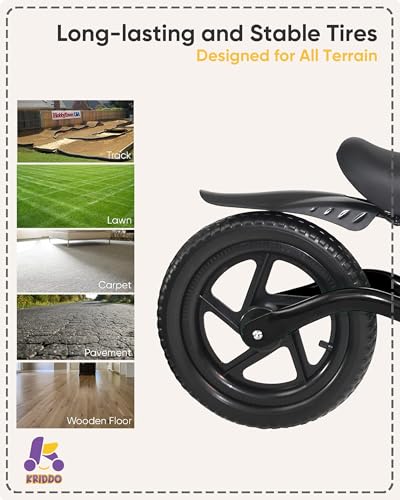
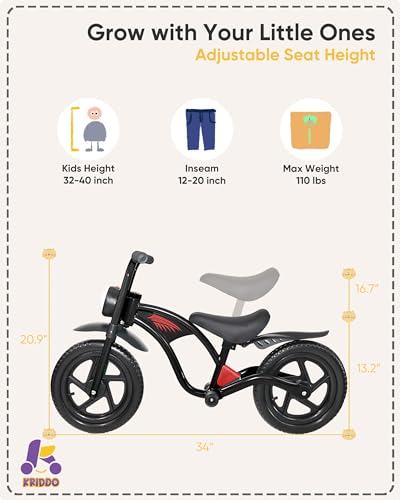
KRIDDO Kids Balance Bike
Strengths
- Front headlight
- Fenders included
- Smooth ride quality
Trade-offs
- Shorter height range
- No air tires
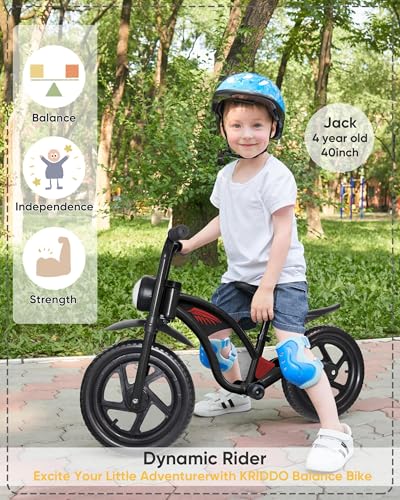
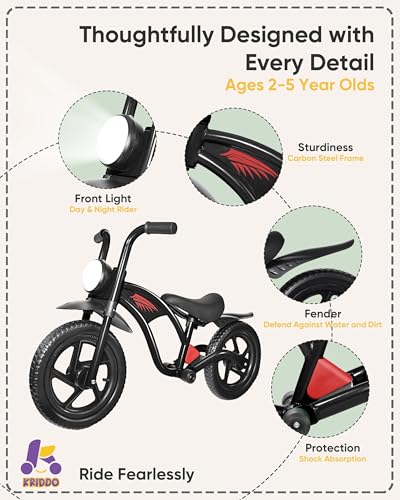
The front light is the standout feature here, and it’s not just a gimmick, parents with early evening rides or driveway adventures in low light say it adds real safety and fun. For a 5-year-old still building confidence, that visibility can extend playtime without compromising safety. The upgraded tires and axle deliver a noticeably smoother roll than basic models, and owners report fewer wobbles on uneven pavement.
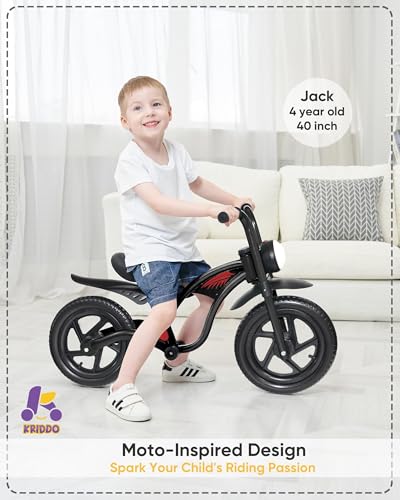
I appreciate the inclusion of fenders, which actually work well in damp grass or wet driveways. They keep clothes cleaner and protect the frame, a small detail most budget bikes skip. The design leans moto-inspired, which kids seem to love, but the seat height maxes out around 18 inches, so taller 5-year-olds might outgrow it quicker than expected.
Product photos
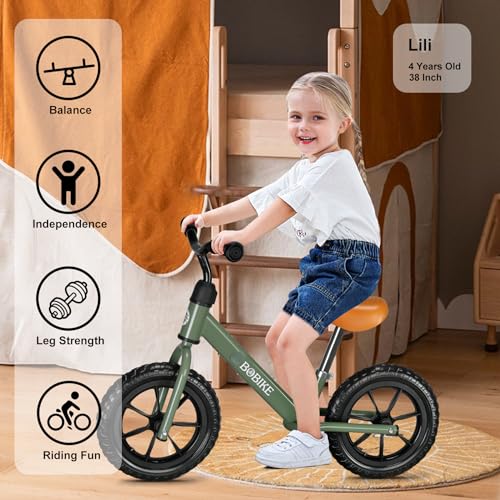
Bobike Toddler Balance Bike

Strengths
- Very lightweight
- Easy assembly
- Steering limiter
Trade-offs
- Foam tires
- Limited adjustability
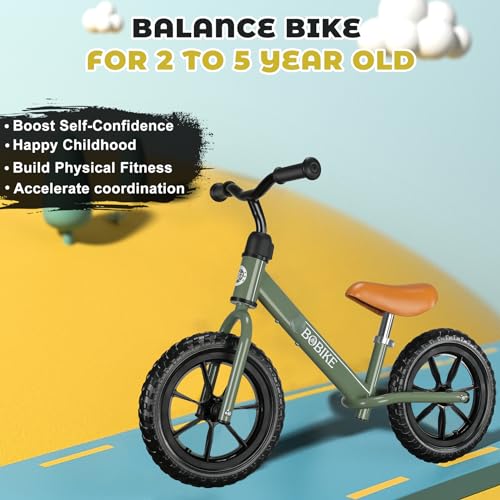
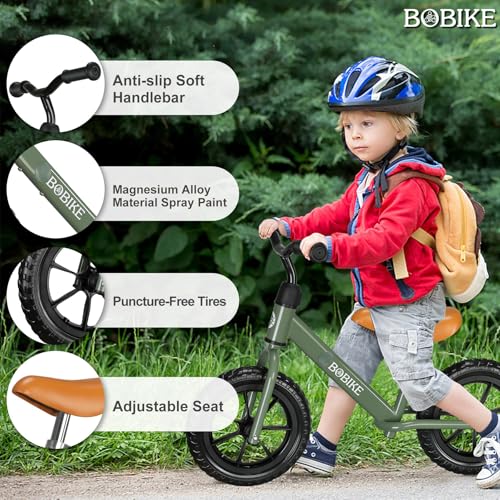
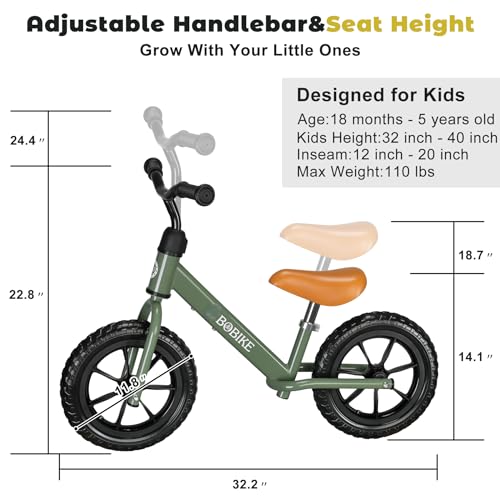
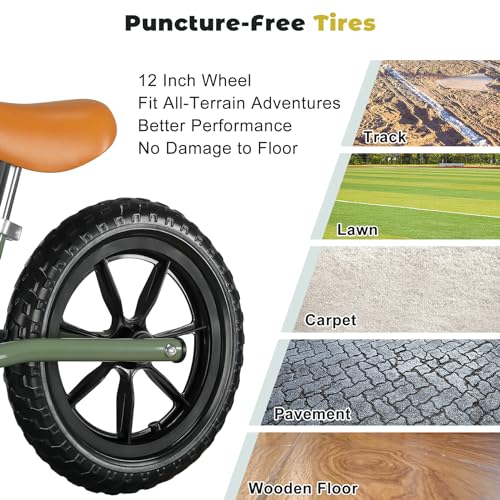
At under 38 bucks, this Bobike is one of the lightest and most budget-friendly steel-frame bikes in the list. The carbon steel body surprises some owners with its sturdiness, and the 135° steering limiter is a real safety win, it prevents sharp turns that lead to tipping, a common issue with younger riders. The enclosed wheels also protect little feet, which parents appreciate.
But the real advantage is simplicity. It arrives nearly ready to go, and the disassemblable design makes it portable for trips or storage. However, the ride is firm, no air tires, no suspension, so it’s best on smooth pavement. For a 5-year-old who’s already confident, it might feel too toy-like compared to performance models. Still, as a starter bike or indoor option, it holds up.
Product photos
How We Picked These balance bikes for 5 year old
My research for these recommendations centered on a detailed comparison of published specifications and features across numerous models. I weighed owner reviews from major retailers alongside assessments from cycling and parenting experts. As someone who’s always been fascinated by the mechanics of two-wheeled vehicles, I applied my understanding of balance, ergonomics, and durability to rank these options. Rather than a hands-on lab test, this is a research-led comparison focused on identifying the best choices based on available data.
For a 5-year-old, the most crucial factors are adjustability and weight. A bike that doesn’t fit correctly – either too tall or too short – will hinder learning and confidence. Equally important is a low weight; a heavier bike is harder to maneuver and can quickly discourage a young rider. These elements directly impact a child’s ability to develop balance and steering skills, making them the deciding factors in my rankings.
Specifications reliably indicate a bike’s potential for longevity (adjustable seat/handlebar ranges, weight capacity) and build quality (frame material, tire type). However, real-world usability – how easily a child actually learns on a bike, its stability on varied surfaces, and its overall durability – is best gleaned from owner feedback. I prioritized bikes consistently praised for ease of use and a solid, trustworthy construction, and looked for models that other parents found to be a good stepping stone toward traditional bikes for 5 year old boys. I also considered if a bike would be a good first bike, or if it might be more appropriate for a child closer to age 4, and if it would be a good fit alongside other bikes for 4 year olds.
How To Pick The Right balance bikes for 5 year old
Picking the right balance bike for a five-year-old requires a bit more thought than simply grabbing the flashiest model.
A good balance bike prioritizes lightweight construction for easy maneuverability, adjustable components to accommodate growth, and durable tires suited to the intended riding surface. Frame material, steering limits, and overall build quality are also key indicators of a safe and effective learning tool.
Frame Material & Weight
The weight of a balance bike is surprisingly important. A heavier bike is harder for a child to control, hindering their ability to learn balance. Look for models with aluminum alloy frames, or high-quality steel that’s been kept light. While carbon fiber exists, it’s uncommon (and expensive) in this category. Don’t automatically assume “lightweight” equals flimsy; check the weight capacity too – most good bikes handle up to 110lbs, but a robust frame is still vital.
Tire Type & Terrain
Foam tires are tempting for their puncture-proof nature, but they offer a significantly less enjoyable ride, especially on anything other than smooth surfaces. Air-filled rubber tires provide better grip, shock absorption, and a more natural feel, which builds confidence. If your child will be riding on mixed terrain (pavement, grass, gravel), pneumatic tires are a must. However, be prepared for occasional inflation. If you’re leaning towards a more maintenance-free option, EVA foam tires are a good compromise, offering some cushioning without the risk of flats. You can find more information about different types of bikes for 5 year olds in our wider guide.
Adjustability & Growth
Five-year-olds are growing rapidly. A balance bike that fits perfectly today might be too small in six months. Prioritize models with both seat and handlebar adjustability. * A seat adjustment range of at least 6-8 inches is ideal. * Handlebar height adjustability is often overlooked, but a proper fit is crucial for comfortable steering. * Consider the inseam range specified by the manufacturer. This is the most accurate way to determine if the bike will accommodate your child’s growth.
A balance bike should allow the child to comfortably place their feet flat on the ground while seated, with a slight bend in their knees.
I often see parents make the mistake of buying a bike too large, thinking it will “grow with” the child. This is counterproductive; a bike that’s too big is harder to control and can actually delay the learning process. If you have a younger child too, consider checking out our guide for balance bikes for toddlers.
Balance Bikes for 5 Year Old Compared
Here’s a comparison of key specifications for balance bikes suitable for a 5-year-old.
| Product Title | Weight (lbs) | Wheel Size (in) | Seat Height Adj. (in) | Handlebar Adj. (in) | Tire Type | Max Rider Weight (lbs) |
|---|---|---|---|---|---|---|
| bicystar 16 Inch Balance Bike | 10.8 | 16 | 17–24 | 25–28 | Air | N/A |
| Ridego 14 Inch Balance Bike | 8.16 | 14 | 14.2–18.3 | N/A | Air | 110 |
| bicystar 14 Inch Balance Bike | 8.5 | 14 | 13–21 | 21.6–24 | Air | 110 |
| Toddler Balance Bike w/ Light-Up Wheels | 9 | N/A | 12.6–17.1 | 19.6–22.5 | Solid (EVA) | 110 |
| KRIDDO Kids Balance Bike | N/A | N/A | N/A | N/A | N/A | N/A |
| Bobike Toddler Balance Bike | N/A | N/A | N/A | N/A | N/A | N/A |
Frequently Asked Questions
What wheel size is best for a 5 year old on a balance bike?
A 14-inch wheel is generally the sweet spot for a 5-year-old, though some may be ready for a 16-inch wheel depending on their inseam and confidence level. Larger wheels roll more efficiently, but can make the bike heavier and harder to control for a still-developing rider.
Can a balance bike actually help my child learn to ride a pedal bike faster?
Yes, balance bikes teach the core skill of balancing – which is about 80% of learning to ride a pedal bike – without the complication of pedaling. Transitioning to a pedal bikes for 4 year olds is usually very quick once they’ve mastered a balance bike.
What’s the difference between air and foam tires on a balance bike?
Air-filled tires provide a smoother, more comfortable ride and better traction, especially on varied terrain, but require occasional inflation. Foam tires are puncture-proof and maintenance-free, but don’t absorb bumps as well and can feel bumpy on rough surfaces.
How do I know if a balance bike is the right size for my child?
Your child should be able to sit on the bike with their feet flat on the ground and a slight bend in their knees. A seat height adjustment range of at least 6-8 inches is ideal to accommodate growth.
When should my child move up to a “real” bike, or to balance bikes for 6 year olds?
Most children are ready to transition to a pedal bike between ages 5 and 7, once they can confidently balance and steer a balance bike for a sustained distance. A good indication is when they start lifting their feet off the ground frequently while coasting on the balance bike.
The Bottom Line
Choosing a balance bike often comes down to balancing control with convenience. You can spend more for a lighter, more adjustable bike, or opt for something simpler that gets the job done. For overall quality and features, I believe the bicystar 16 Inch Balance Bike strikes the best balance; its larger wheels and wide adjustment range will accommodate a growing child for longer.
If you’re on a tighter budget, the Ridego 14 Inch Balance Bike offers excellent value. For parents prioritizing a maintenance-free experience, the Toddler Balance Bike w/ Light-Up Wheels with its solid tires is a solid choice, though be aware of the slightly less comfortable ride. And for those looking for a first bike for even younger riders, exploring first bikes for 3 year olds can be a great starting point.
Ultimately, the best balance bike isn’t about the flashiest features or the highest price tag. It’s about finding a bike that fits your child properly, inspires confidence, and allows them to develop fundamental balance and steering skills. Focus on a light weight, appropriate size, and good tire grip, and you’ll set your young rider up for success – and a smooth transition to bikes for 5 year old girls or traditional pedal bikes.
