
8 Best All Terrain Bicycles of 2026
This post contains affiliate links. As an Amazon Associate, we earn from qualifying purchases.
The Brightpeak 26 Inch All Terrain Bike stands out as the best overall choice for its reliable front suspension and rugged 26-inch frame, making it a solid performer on mixed surfaces. For budget-focused riders, the WEIZE 24 Inch All-Terrain Bike delivers surprising capability in a smaller, more affordable package. And if you’re after serious off-road versatility, the CamPingSurvivals 26″ Folding Mountain Bike with full suspension offers excellent control on rough trails.
Out in the wild, terrain changes fast, one minute you’re cruising on gravel, the next you’re bouncing over roots or grinding up a muddy incline. A true all-terrain bicycle has to keep up without falling apart or leaving you drained.
In this guide, I break down the top options based on specs, owner experiences, and what actually matters when the path gets rough. These picks reflect a balance of frame strength, gearing range, tire performance, and suspension quality, the real markers of a bike that can handle more than just paved roads.
Top 8 All Terrain Bicycles in the Market
The Best All Terrain Bicycles, Reviewed
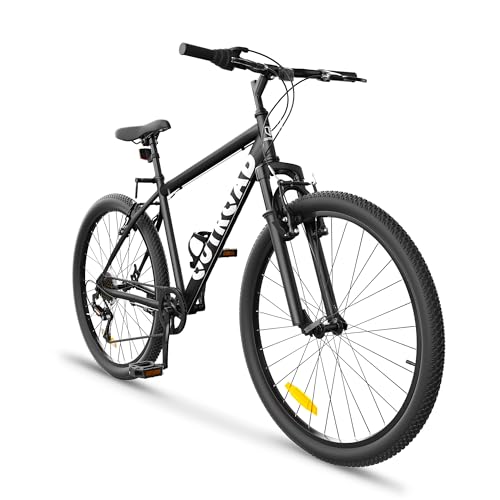
Brightpeak 26 Inch Mountain Bike
Strengths
- Durable steel frame
- 90% pre-assembled
- V brakes with fork suspension
Trade-offs
- Heavy frame
- Basic 7-speed shifting
- Limited off-road precision
For a sub-$200 hardtail mountain bike, the Brightpeak delivers a surprisingly complete package. The high-carbon steel frame is no lightweight champion, but it’s built to last and supports riders up to 330 lbs, which speaks volumes for durability in this price range. The 7-speed drivetrain isn’t going to win any races on technical trails, but for casual trail riding, city commutes, and weekend dirt paths, it gets the job done. Owners consistently report it handles gravel and packed dirt well, though shifting can feel a bit clunky compared to higher-end systems.
The V-brakes and suspension fork are solid for entry-level use. They won’t match disc brakes in wet conditions, but they’re reliable in dry weather and easy to maintain. I appreciate the 90% pre-assembly and included tools, this is clearly designed for buyers who want to ride fast, not wrestle with a complex build. Compared to other budget bikes, this one leans into practicality over flash.
Video review
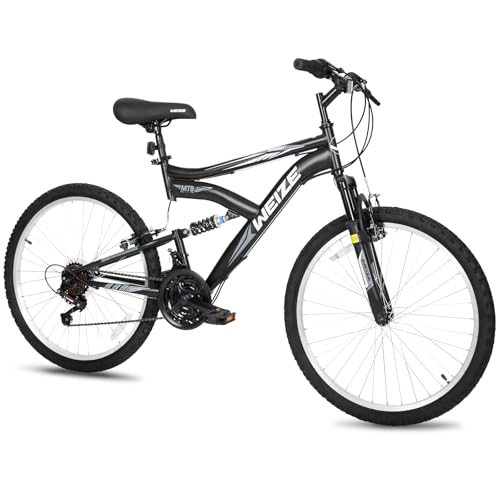
WEIZE 24 Inch All-Terrain Bike
Strengths
- Dual suspension at low cost
- Compact 24” frame
- Budget-friendly price
Trade-offs
- 6-speed limits utility
- Heavy steel build
- Inconsistent feature listing
The WEIZE 24-inch mountain bike is clearly aimed at younger or shorter riders, and it delivers basic functionality at a rock-bottom price. The dual full suspension is a rare find under $150, and while it’s not going to smooth out serious rock gardens, it helps on bumpy trails and neighborhood curbs. The high-carbon steel frame is durable but heavy, and the 6-speed drivetrain feels extremely limited, owners note it struggles on anything beyond gentle inclines.
The smaller 24″ wheels and lower standover height make it accessible for teens or petite adults, but the 18-speed claim in the features appears to be a typo, this is a 6-speed bike. V-brakes are adequate but uninspiring. Compared to the Brightpeak, it’s less versatile and less powerful, but it serves a specific niche. If you’re outfitting a younger rider on a tight budget, it works. But don’t expect trail performance.
Video review
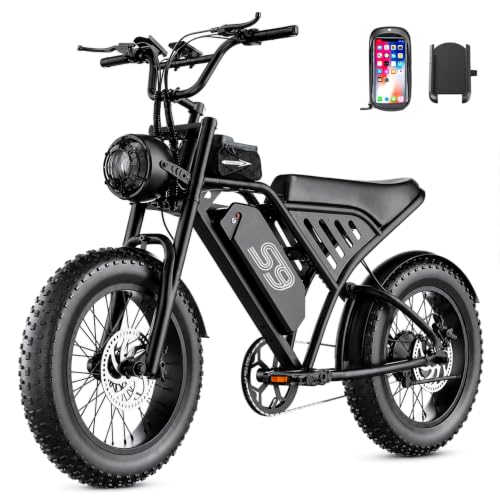
ASKGO S9 2500W Electric Dirt Bike
Strengths
- 2500W extreme torque
- 65-mile range
- NFC unlock and cruise control
Trade-offs
- Very heavy
- Overbuilt for city use
- High price for niche use
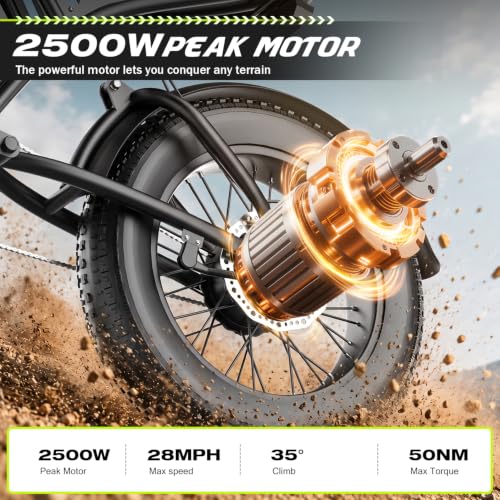
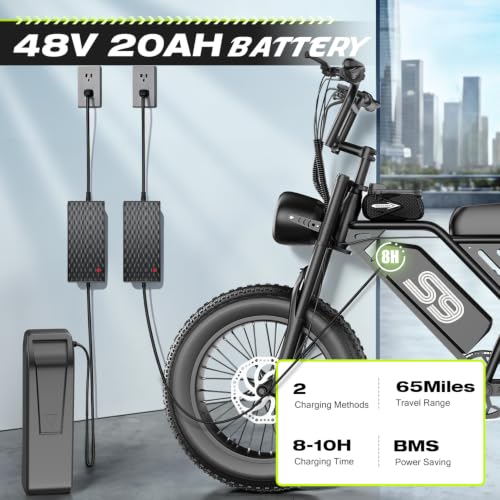
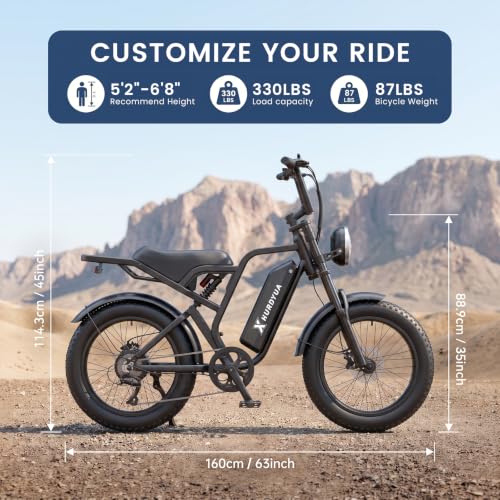
The ASKGO S9 is the muscle car of this lineup, brash, powerful, and built for adrenaline. With a 2500W peak motor, 90 N·m torque, and the ability to climb 45° slopes, it’s in a different league from the others. This isn’t just an e-bike; it’s an electric dirt bike. The 65-mile range from a 48V 20Ah battery is class-leading, and the 16″ fat tires (actually 20″ x 4.0″) offer incredible grip on sand, snow, and mud.
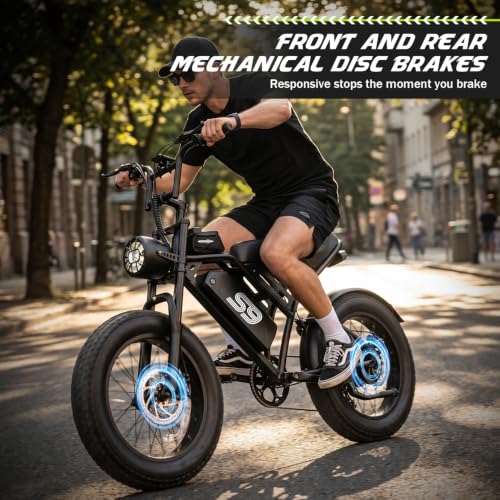
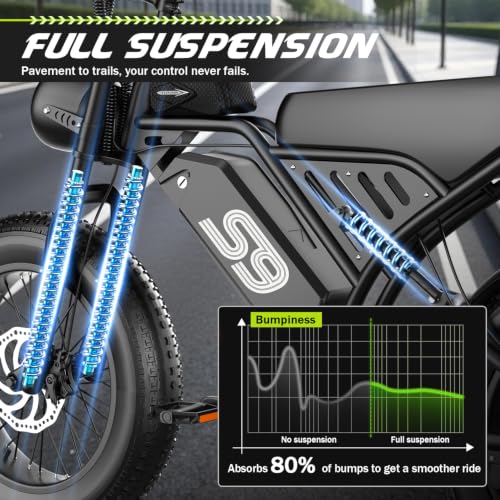
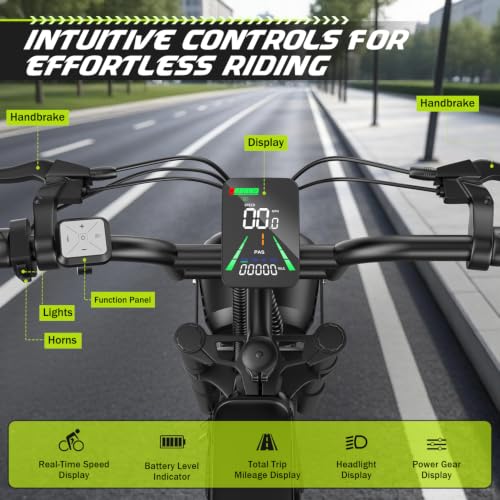
Owners rave about the cruise control and NFC unlock, which add a premium touch. The full suspension soaks up brutal terrain, and the dual disc brakes can haul this beast down from 36 mph. But it’s heavy, bulky, and overkill for city commuting. Compared to the 1500W Brightpeak, it’s faster and more aggressive, but less practical. If you want maximum off-road power, this is your bike.
Product photos
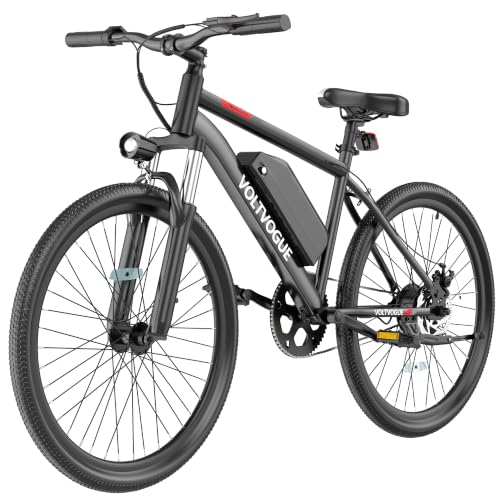
VOLTVOGUE 1000W Commuter Ebike
Strengths
- Lowest-price e-bike here
- SGS safety certified
- 1000W motor for class
Trade-offs
- Only 3-speed gearing
- Narrow tires limit traction
- Build quality inconsistent
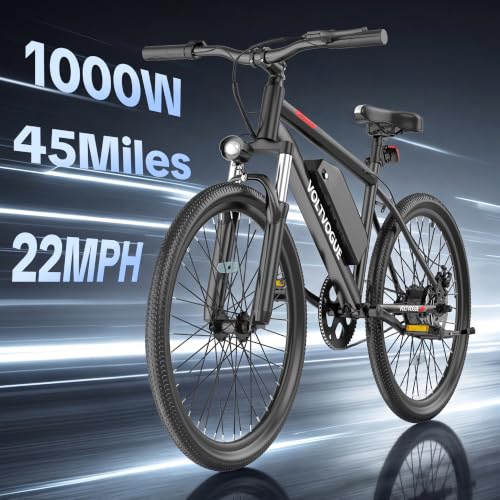
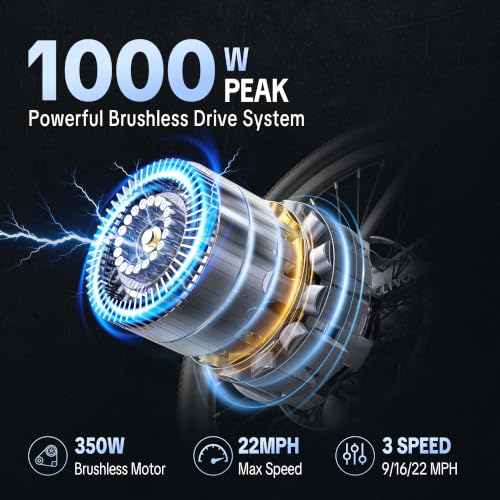
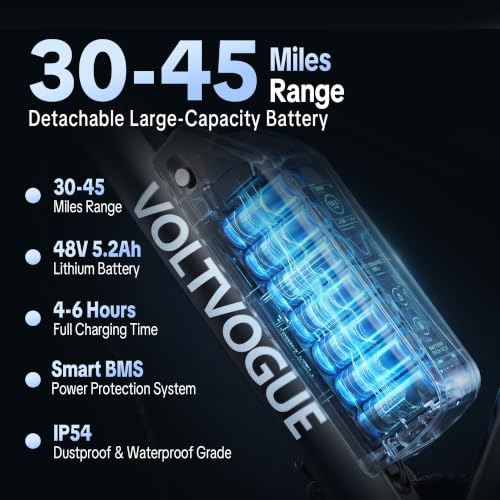
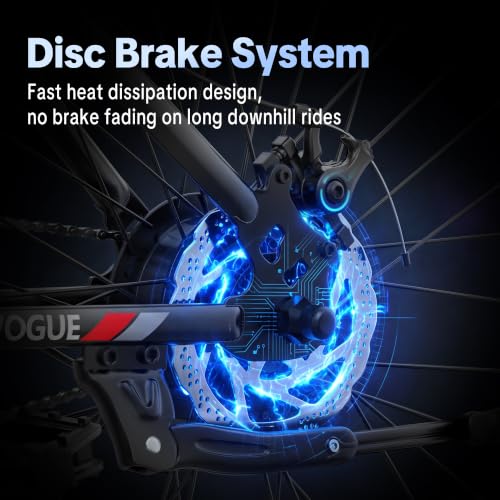
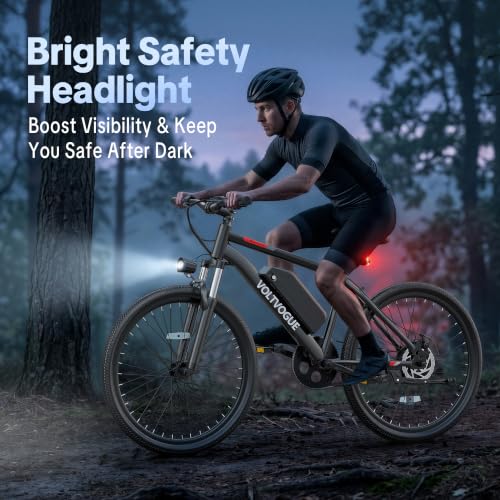
At under $180, the VOLTVOGUE e-bike is almost too cheap to ignore, but you’ll pay in compromises. The 1000W peak motor and 45-mile range look great on paper, and the SGS safety certification adds real credibility for a budget e-bike. It’s clearly built for urban riders who want electric help without breaking the bank. The 3-speed drivetrain is minimal, but paired with strong pedal assist, it can handle flat commutes and mild hills.
Owners report mixed experiences: some love the speed and simplicity, others cite wobbly handling and weak brakes under load. The 26×1.95” tires are narrow for an “all-terrain” claim, they’re fine on pavement and packed dirt but struggle in mud or sand. Compared to the M200 or ASKGO models, it lacks refinement, but for a first-time e-bike buyer on a budget, it’s a functional entry point. Just don’t expect trail readiness.
Product photos
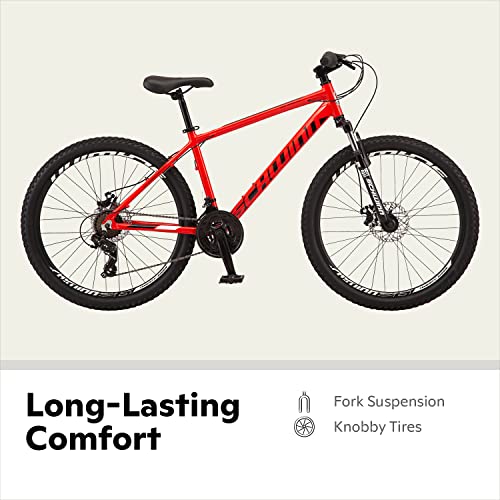
Schwinn High Timber ALX Bike

Strengths
- Light aluminum frame
- Disc brakes
- 21-speed smooth shifting
Trade-offs
- Higher price point
- 80% pre-assembled
- Older wheel size
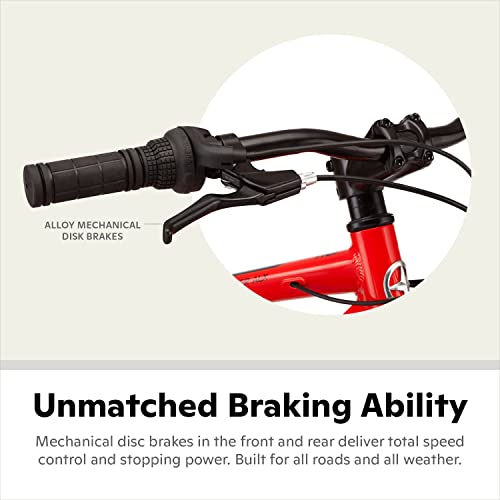
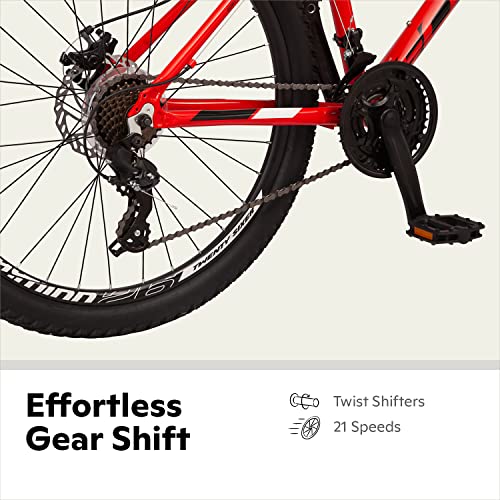
The Schwinn High Timber ALX feels like what a modern hardtail should be: lightweight, responsive, and built for actual trail use. The aluminum frame is the headline here, lighter than steel and more corrosion-resistant, a big win for long-term ownership. At nearly $470, it’s the most expensive non-electric bike on this list, but you’re paying for materials and refinement. The 21-speed drivetrain with twist shifters is smooth and reliable, and the mechanical disc brakes offer consistent stopping power in all conditions, a clear upgrade over V-brakes.
Owners report confidence on technical trails and rainy rides where rim brakes would struggle. The 26-inch wheels are slightly outdated next to 27.5” or 29ers, but they still handle well in tight trails. Compared to the Brightpeak, this is a night-and-day difference in ride quality, less tank, more scalpel. It’s not for beginners on a budget, but for riders who want a real mountain bike without going electric, it’s a standout.
Product photos


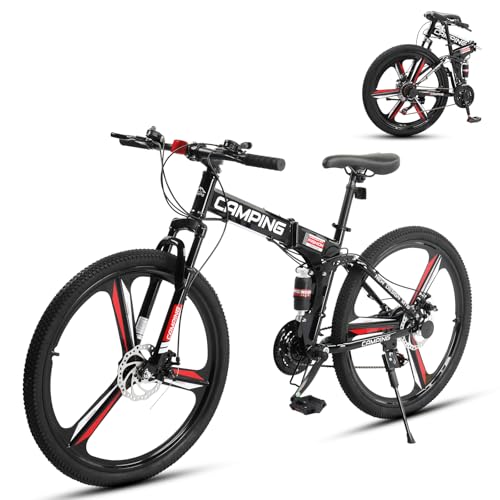
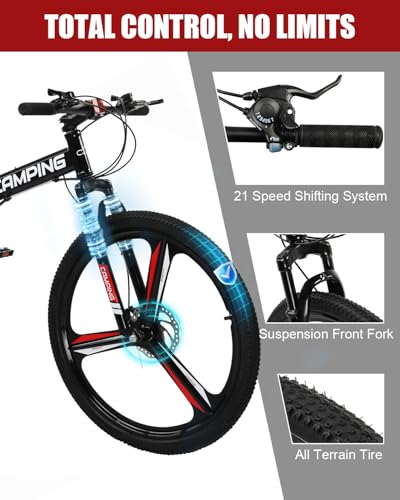
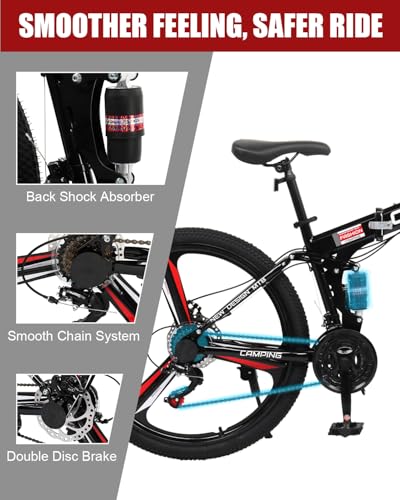
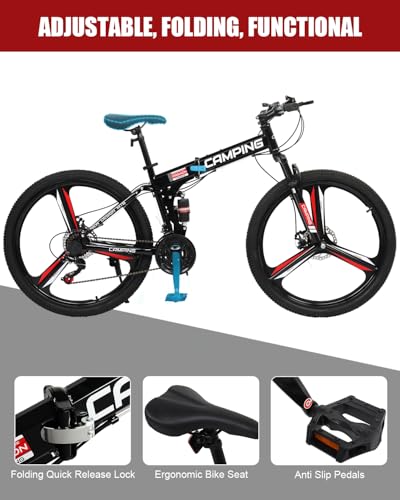
CamPingSurvivals 26″ Folding Mountain Bike
Strengths
- Full suspension comfort
- 21-speed precision
- Folds for compact storage
Trade-offs
- Heavier than standard hardtails
- Folding joints may loosen
- Average tire grip off-road
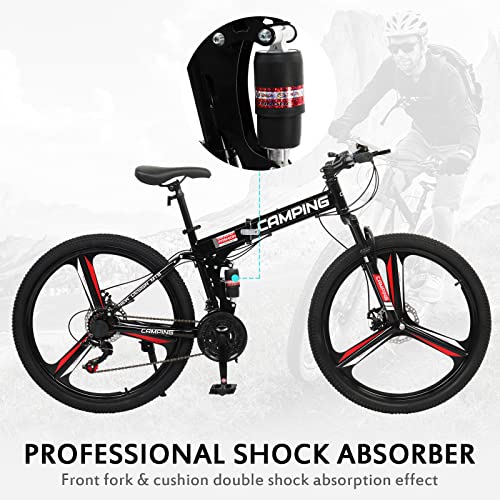
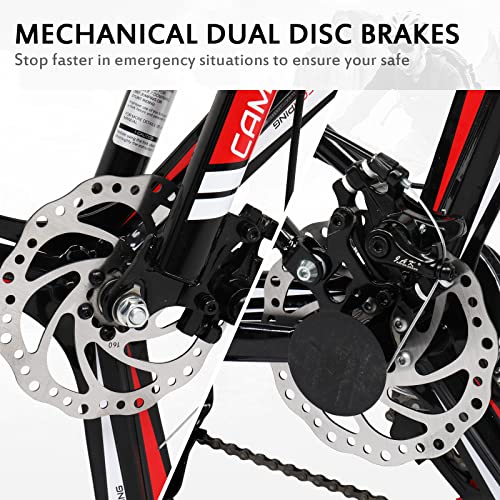
The CamPingSurvivals foldable mountain bike stands out in a sea of rigid hardtails by offering something rare at this price: a full suspension system in a foldable design. That alone makes it intriguing for riders with limited storage or those who need to transport their bike via car or public transit. The 21-speed drivetrain is a major step up from the Brightpeak’s 7-speed, giving much better control on climbs and variable terrain. Dual disc brakes are a big plus, especially for wet or muddy trails where V-brakes fall short.
Owners note the ride comfort is impressive for a foldable, thanks to the soft-tail frame and suspension, but the folding mechanism does add some weight and complexity. It’s not the nimblest bike out there, and the aluminum wheels, while light, don’t inspire confidence on rocky descents. Still, for someone who values versatility and portability, this bike punches above its weight. It’s not a trail shredder, but it’s more than a city cruiser.
Product photos
1500W Fat Tire Electric Bike
Strengths
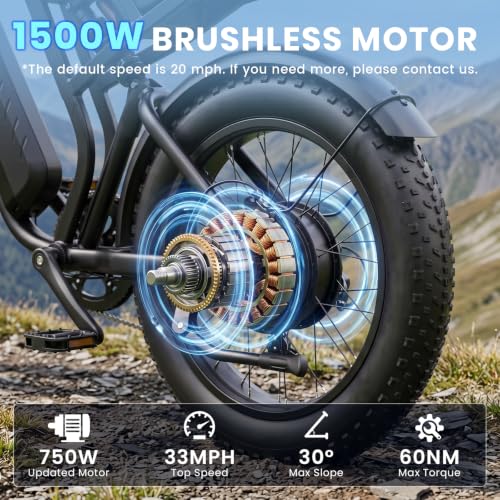
- 1500W high-torque motor
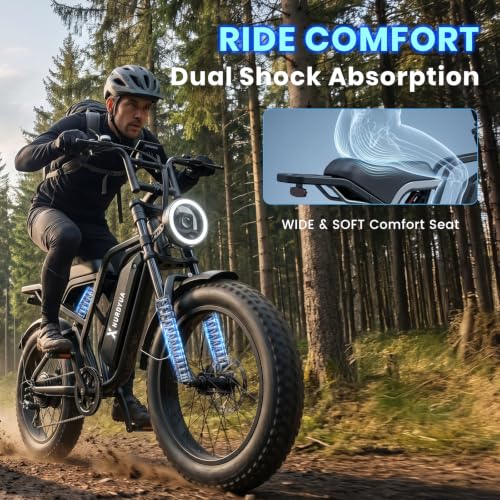
- Dual suspension comfort
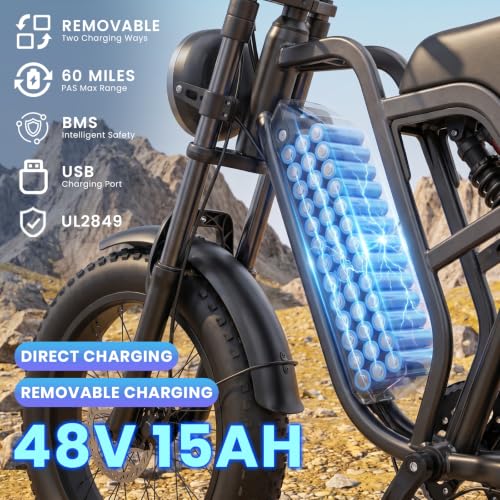
- UL-certified long-range battery
Trade-offs
- Heavy steel frame
- Bulky for storage
- 7-speed limits fine control
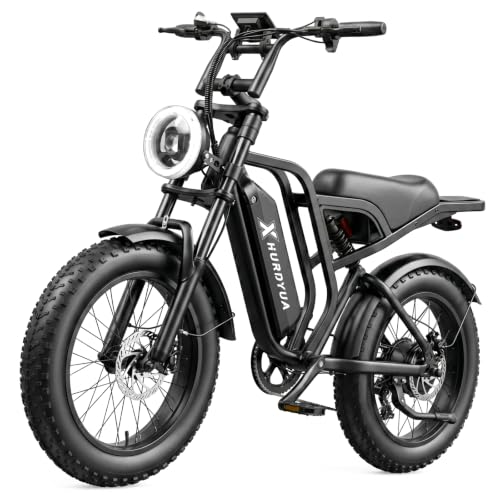
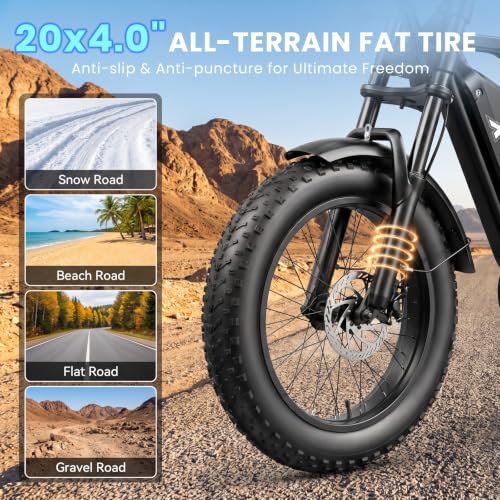
When raw power and all-terrain dominance matter, this 1500W fat-tire e-bike is hard to ignore. The 60-mile range and dual suspension system make it a serious contender for long rides over sand, snow, or rocky trails, terrains where most e-bikes hesitate. The 48V 15Ah UL-certified battery is a standout for safety and peace of mind, especially compared to budget e-bikes with unverified cells. Owners praise its hill-climbing ability and the confidence provided by the 20″ x 4.0″ tires, which float over soft ground better than most 26″ models.
At 95% pre-assembled and built on a carbon steel frame, it’s ready to ride quickly and built tough. But that toughness comes with weight, this isn’t a nimble commuter. The 7-speed system feels underpowered next to the motor, but it’s functional. Compared to the M200, it trades gear precision for brute-force capability. If you’re after a do-it-all e-bike that laughs at weather and terrain, this is a strong bet.
Product photos
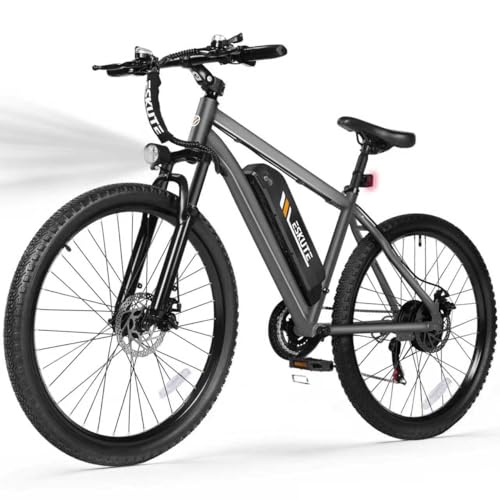
M200 21-Speed Mountain E-Bike
Strengths
- 21-speed gear precision
- NFC smart unlock
- Lightweight handling
Trade-offs
- Smaller battery than competitors
- 750W motor less aggressive
- Throttle range limited
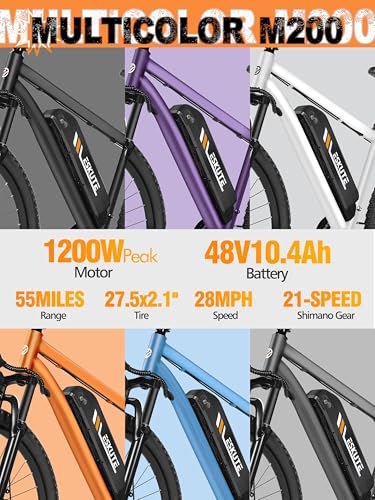
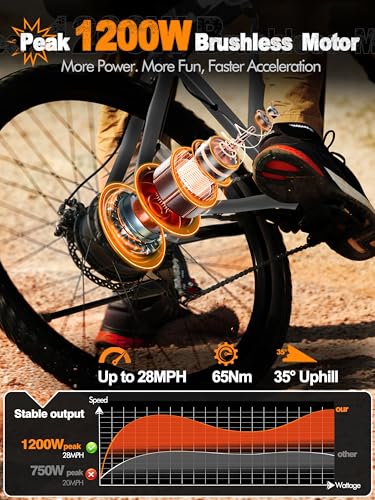
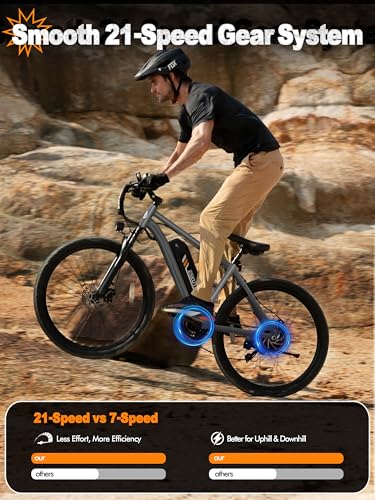
If you want a more balanced, refined e-MTB experience, the M200 makes a compelling case. Its 21-speed gear system is the real differentiator here, unusual in the e-bike world, where many rely on throttle and broad assist levels. This lets you fine-tune your effort on long climbs or technical descents, giving it a more authentic mountain biking feel. The 750W motor may sound less impressive than others on this list, but it’s tuned for efficiency and smooth delivery, not just raw speed.
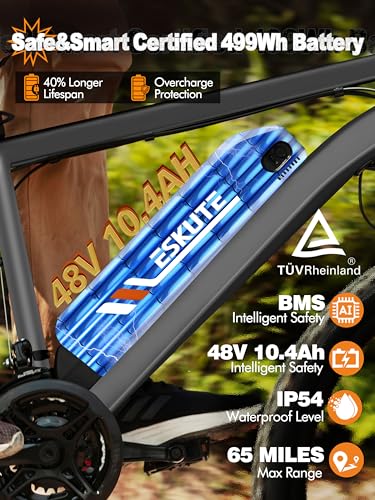
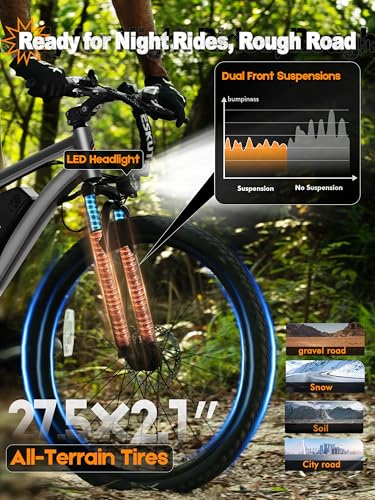
The TUV-certified battery, NFC unlock, and 55–65 mile range make it a trustworthy daily rider. The 27.5” wheels roll faster over rough ground than smaller fat tires, and the dual suspension is tuned more for trail responsiveness than plush comfort. Compared to the 1500W Brightpeak e-bike, this one feels more like a real mountain bike with electric help, not an electric vehicle with bike-like traits. I’d pick it for trail riders who still want to pedal.
Product photos
How We Chose These all terrain bicycles
My research process for identifying the top all-terrain bicycles involved a detailed comparison of published specifications and features across numerous models. I weighed owner reviews from major retailers alongside expert opinions found in cycling publications, focusing on consistent feedback regarding performance and durability. Ultimately, each bike was ranked against a set of criteria prioritizing real-world usability and value, rather than a hands-on lab test.
For all-terrain bikes, a few factors stood out as most crucial. Suspension quality significantly impacts rider comfort and control on varied surfaces, so I prioritized models with robust front or full suspension systems. Equally important was the drivetrain – a wider gear range allows for tackling steep inclines and maintaining speed on flat ground. Finally, tire tread pattern and width were key, influencing grip and stability on loose or muddy trails. Understanding your needs might lead you to consider more versatile bicycles, like those discussed in our guide to all-road bicycles.
Specifications reliably reveal a bike’s core capabilities – frame material, motor wattage (for e-bikes), and brake type. However, owner feedback provided crucial insights into long-term reliability, comfort, and ease of assembly. Reputation within the cycling community also played a role, as brands known for quality control and customer support were given preference. We also considered the issue of tire noise, as some aggressive treads can be surprisingly loud, a topic we explore further in our guide to AT tire noise.
How To Pick The Right all terrain bicycles
Finding the right all-terrain bicycle requires looking beyond just a rugged aesthetic.
A good all-terrain bicycle balances durability with ride comfort, offering a frame strong enough to withstand varied surfaces, a versatile gearing system for tackling inclines, and reliable brakes for confident control. Component quality, tire tread, and suspension (if present) are key indicators of performance and longevity. Riders should also consider frame material and intended use case.
Frame Material and Construction
The frame is the backbone of any bicycle, and for all-terrain use, material matters significantly. Aluminum alloy frames, like those found on the Schwinn High Timber ALX Bike, offer a good balance of weight savings and strength, resisting corrosion better than steel. Steel frames, while heavier, can absorb more vibration, providing a more comfortable ride on rough terrain. Carbon fiber is the lightest option, but it’s also the most expensive and can be more susceptible to damage from impacts. Look for reinforced welding, especially at key stress points, as this speaks to the frame’s overall durability.
Gearing and Brakes
All-terrain riding demands a versatile gearing system. A wider range of gears allows you to efficiently handle steep climbs and maintain speed on flat sections. Bikes like the WEIZE 24 Inch All-Terrain Bike, with its 18-speed drivetrain, provide a good starting point for varied terrain. Consider the type of shifters (twist shifters versus trigger shifters) – personal preference plays a big role here. Equally crucial are the brakes. V-brakes are common and relatively affordable, but hydraulic disc brakes offer superior stopping power, especially in wet or muddy conditions.
Here’s what to consider when evaluating braking systems: * Basic V-brakes are fine for casual use. * Mechanical disc brakes offer a step up in performance. * Hydraulic disc brakes provide the most consistent and powerful stopping, making them ideal for aggressive riding and challenging terrain, but require more maintenance.
Tires and Suspension
The right tires are perhaps the most important element for off-road capability. Wider tires with aggressive tread patterns, like those you’d find in reviews of the all-terrain tires, provide better traction and grip on loose surfaces. Tire pressure also matters – lower pressure increases grip but also raises the risk of pinch flats. Suspension, whether it’s a front suspension fork or full suspension (as seen on the CamPingSurvivals 26″ Folding Mountain Bike or the 1500W Fat Tire Electric Bike), significantly improves ride comfort and control by absorbing bumps and shocks. If you’re planning on tackling very rough terrain regularly, full suspension is a worthwhile investment. For more power and versatility, exploring best electric bikes can open up new possibilities for tackling challenging trails.
A well-maintained tire is your direct connection to the trail. Check tire pressure before every ride and inspect for cuts or wear. Replace worn tires promptly to maintain optimal grip and prevent flats.
All Terrain Bicycles Compared
Here’s a comparison of key specifications for various all-terrain bicycles to help you make an informed decision.
| Product Name | Motor (W) | Battery (V/Ah) | Speed (MPH) | Gears | Suspension | Tire Size |
|---|---|---|---|---|---|---|
| Brightpeak 26 Inch | N/A | N/A | N/A | 7 | Front | 26″ |
| WEIZE 24 Inch | N/A | N/A | N/A | 18 | N/A | 24″ x 2.125″ |
| ASKGO S9 | 2500 | 48/20 | 36 | N/A | Full | 20 x 4″ |
| VOLTVOGUE 1000W | 1000 | 48/5.2 | 22 | 3 | N/A | 26 x 1.95″ |
| Schwinn High Timber ALX | N/A | N/A | N/A | N/A | N/A | 26″ |
| CamPingSurvivals 26″ | N/A | N/A | N/A | 21 | Full | 26″ |
| 1500W Fat Tire Electric Bike | 1500 | 48/15 | N/A | 7 | Full | 20 x 4.0″ |
| M200 21-Speed Mountain E-Bike | 750 | 48/10.4 | 20 | 21 | Front | 27.5″ x 2.1″ |
Frequently Asked Questions
What level of assembly is typically required for these bicycles?
Most models arrive partially assembled, requiring you to attach the handlebars, front wheel, and pedals. Expect to spend around 30-60 minutes on assembly, and it’s best if you have basic bike maintenance tools and some mechanical aptitude.
Are these bikes suitable for very steep, rocky terrain?
While these bicycles are designed for all-terrain use, the degree to which they can handle truly challenging terrain varies. Full-suspension models, like the ASKGO S9, are better suited for steep and rocky trails than those with only front suspension or no suspension at all.
What is the typical lifespan of an all-terrain bicycle tire?
The tire lifespan depends heavily on riding conditions and frequency, but expect to replace tires every 1-3 years with regular use. Aggressive riding on abrasive surfaces will shorten their life, while primarily riding on smoother trails will extend it.
Can I convert a standard mountain bike into an all-terrain bike?
You can enhance a mountain bike’s all-terrain capability with tire upgrades, swapping to wider tires with more aggressive tread. However, a true all-terrain bike often has frame geometry optimized for stability and comfort on varied surfaces that is difficult to replicate with modifications.
Are there accessories I should consider purchasing along with the bicycle?
Absolutely. A helmet is essential, and I recommend also investing in a repair kit with a multi-tool, tire levers, and a spare tube. Depending on your riding style, you might also want to consider gloves, knee and elbow pads, or even outdoor knee scooters to help recovery after a ride.
The Bottom Line
Choosing an all-terrain bicycle often comes down to balancing how much you want to spend against how much capability you require. If you’re looking for the best overall package – a bike that offers solid performance and durability without breaking the bank – the Schwinn High Timber ALX Bike stands out as a well-rounded choice. It delivers a dependable ride for a variety of terrains, making it a great starting point for many riders.
For those with specific needs, the field opens up nicely. Riders seeking electric assistance and serious off-road prowess should consider the 1500W Fat Tire Electric Bike. If budget is the primary concern, the WEIZE 24 Inch All-Terrain Bike provides a surprisingly capable entry point, while those wanting a bit more power should look to all-terrain scooters.
Ultimately, remember that specifications only tell part of the story. A comfortable fit, properly maintained tires (understanding how they can affect gas mileage), and a willingness to learn basic bike maintenance will contribute far more to your enjoyment than any single feature or price point.
