
6 Best 37 Inch Tires of 2026
This post contains affiliate links. As an Amazon Associate, we earn from qualifying purchases.
The Toyo Open Country M/T stands out as the strongest all-around performer for serious off-roaders, thanks to its aggressive tread and proven durability. For those watching their budget, the Atturo Trail Blade MTS delivers surprising capability at a lower price point, while the Falken Wildpeak R/T01 offers the best balance for drivers who want solid off-road traction without sacrificing too much highway comfort.
If you’re running a 37-inch tire, you’re pushing your rig into serious terrain, but you’re also dealing with real trade-offs in ride quality, fuel economy, and drivetrain strain. Choosing the wrong tire can turn an adventure build into a daily frustration.
As someone who’s spent years digging into the details of vehicle dynamics and tire performance, I focused this guide on what actually matters: load capacity, sidewall strength, tread design, and real-world feedback from owners who’ve taken these tires through rock, mud, and miles of highway. These picks reflect a balance of capability, longevity, and usability for different types of drivers.
Top 6 37 Inch Tires in the Market
The Best 37 Inch Tires, Reviewed
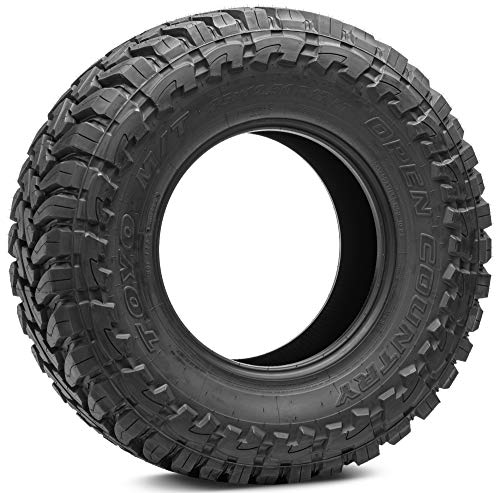
Toyo Open Country M/T
Strengths
- Proven off-road traction
- Durable 8-ply construction
- Strong owner loyalty
Trade-offs
- Noisier at highway speeds
- No snow rating
The Toyo Open Country M/T has long been a benchmark in the mud terrain world, and this 37-inch version carries that legacy. On paper, it’s built with serious off-road intent, aggressive tread blocks, an 8-ply rating, and a rugged sidewall design that resists tearing on rock crawls. Owners consistently report strong mud clearance and sidewall durability, even when aired down on technical trails. It’s not the quietest on pavement, but it holds up better than most in its class when you’re making the daily drive between trailheads.
Compared to budget options, the Toyo feels like a premium product that justifies its price. It doesn’t have the Three Peak certification like the Falken R/T01, so I wouldn’t rely on it as a true winter tire, but for pure off-road capability backed by solid on-road manners, it’s hard to beat. If you’re running 17-inch wheels and want a dependable, well-rounded mud tire, this remains a go-to.
Video review
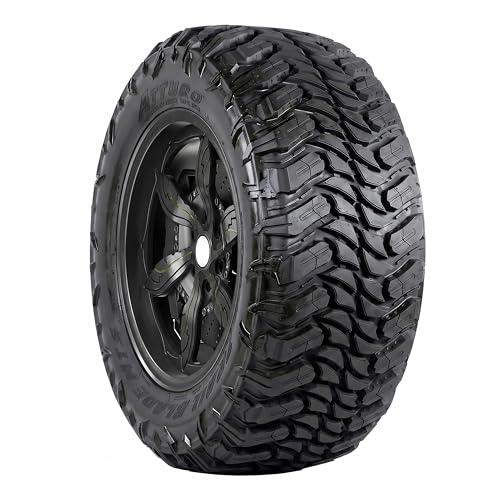
Atturo Trail Blade MTS
Strengths
- Exceptional tread depth
- Strong value for price
- Aggressive sidewall design
Trade-offs
- No snow rating
- Less brand reputation than Toyo
- Limited long-term reviews
The ATTURO Trail Blade MTS is a standout in the budget mud terrain segment, not just for price, but for how much it delivers on paper. With 22/32nds of tread depth, stone ejectors, and a karambit-inspired sidewall that turns heads, it’s built to look and perform like a premium tire. Owners report strong self-cleaning in mud and decent highway tracking, which is rare at this price. The 8-ply rating supports 3/4-ton and 1-ton trucks, making it a smart pick for heavy-duty builds.
It’s not as refined as the Toyo, and there’s no long-term durability data yet, but for the value, it’s hard to ignore. I’d pick this over the Landspider for a 17-inch build where you want aggression without overspending. It’s not Three Peak rated, so keep that in mind for winter, but for most off-road use, it punches above its weight.
Video review
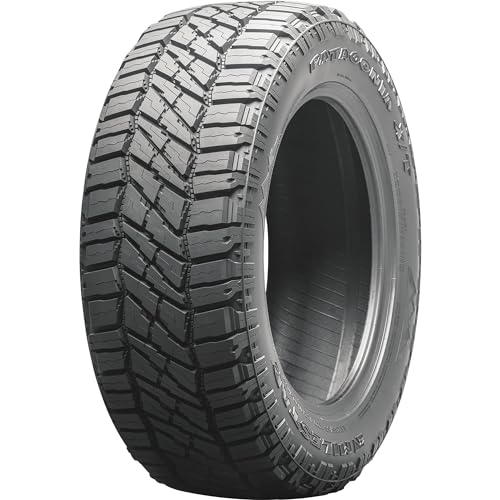
Milestar Patagonia X/T
Strengths
- All-terrain versatility
- Good load rating
- Smooth highway ride
Trade-offs
- Not Three Peak rated
- Less aggressive tread
- Fewer off-road reviews
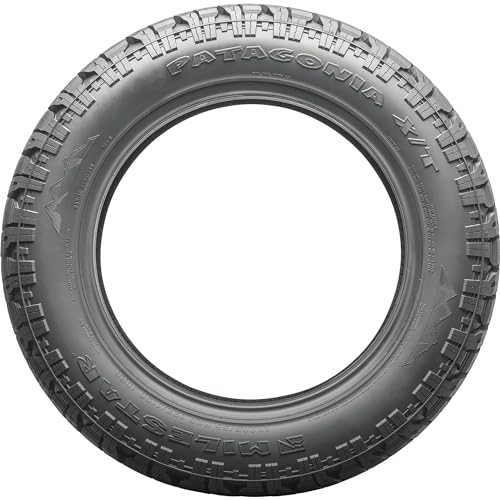
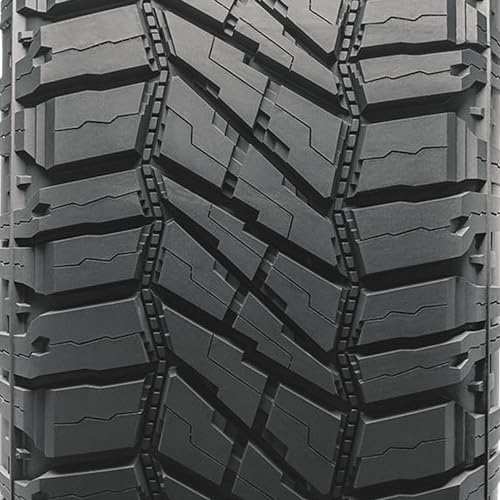
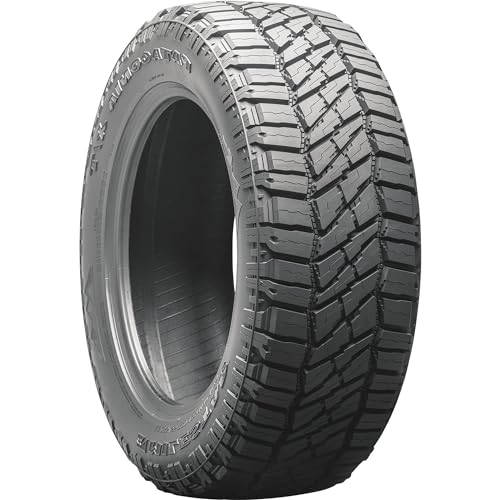
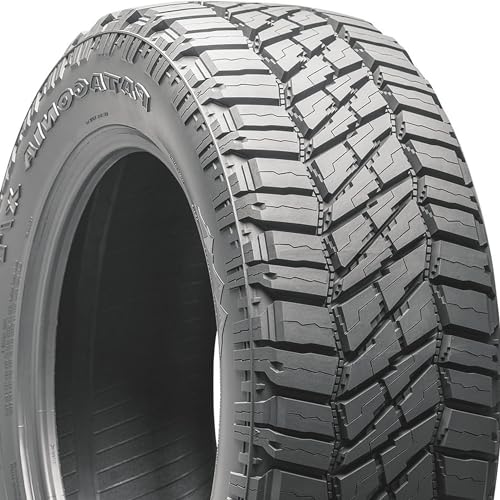
The Milestar Patagonia X/T is one of the few 37-inch all-terrain options in the 20-inch category, and that alone makes it interesting. It’s built with a 128Q load and speed rating, meaning it can handle heavy trucks and sustained highway speeds. On paper, it’s a solid all-rounder, less aggressive than a mud terrain but more capable than highway tires on loose surfaces. Owners note it’s relatively quiet and wears evenly, which matters when you’re logging long miles between off-road trips.
Compared to the Vantage M/T, it trades some off-road bite for better on-road comfort and all-season usability. It’s not Three Peak rated, so don’t count on snow performance, but for a daily-driven truck that sees dirt roads and occasional trails, this is a smarter buy than a full M/T. For 20-inch builds where you want balance, this is the pick.
Product photos
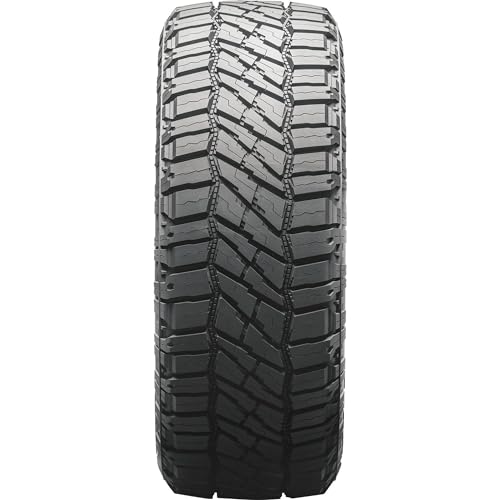
Falken Wildpeak R/T01

Strengths
- Three Peak Snowflake rated
- Long 50,000-mile tread warranty
- Armored sidewall protection
Trade-offs
- High price point
- Limited to 22-inch wheels
- Less aggressive than dedicated M/Ts
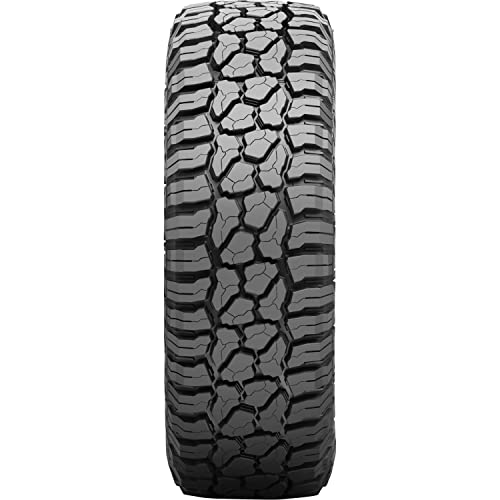
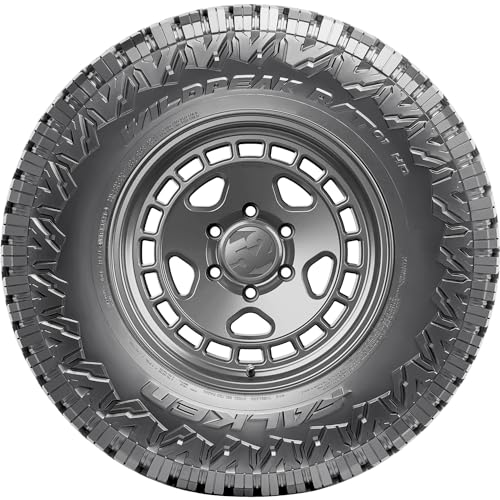
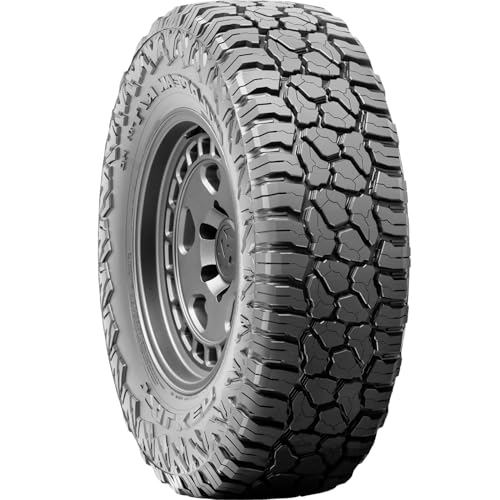
The Falken Wildpeak R/T01 stands out in the 37-inch space by blending all-terrain manners with mud-terrain aggression, rare for a tire this large. What grabs me is the Three Peak Mountain Snowflake rating, a real advantage over most competitors that are strictly fair-weather or off-road focused. This means you can actually use it year-round in snowy climates, which is a big deal if you’re not swapping tires seasonally. The armored sidewall is another strong point, offering real protection on rocky trails without sacrificing too much on-road comfort.
It’s expensive, and the 22-inch rim size limits compatibility, but for lifted trucks and high-horsepower diesels that see mixed terrain, including snow-covered mountain passes, I’d pick this over pure mud tires. It’s not quite as aggressive as the Toyo M/T in deep sludge, but reviewers note it’s far more capable than most all-terrains when things get sloppy. A smart choice if you want one set of tires for everything.
Product photos
Landspider Rocktraxx M/T
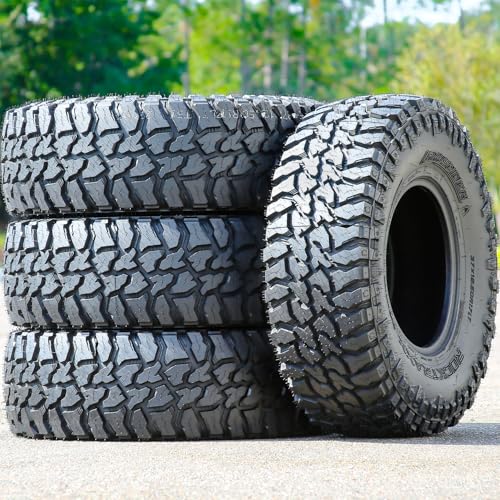
Strengths
- 10-ply load rating
- Aggressive mud-terrain look
- 50,000-mile treadwear claim
Trade-offs
- Inconsistent owner feedback
- Higher price for unproven brand
- No snow rating
At nearly $1,000 for a set, the Landspider Rocktraxx M/T isn’t actually cheap, but it’s positioned as a budget-friendly 17-inch option in a market dominated by premium brands. On spec, it looks solid, 10-ply rating, Q speed rating, and a 50,000-mile treadwear promise. But owner feedback is mixed. Some praise its aggressive look and initial off-road bite, while others report uneven wear and noise issues on the highway. It’s also not Three Peak rated, so winter performance is questionable.
When compared to the Toyo or even the ATTURO, the Landspider doesn’t stand out in durability or refinement. For the price, you’re getting the size and ply rating, but not the proven track record. I’d only recommend these if you’re deep in the budget build phase and need 37-inch 17s without breaking the bank, just don’t expect long-term confidence.
Product photos
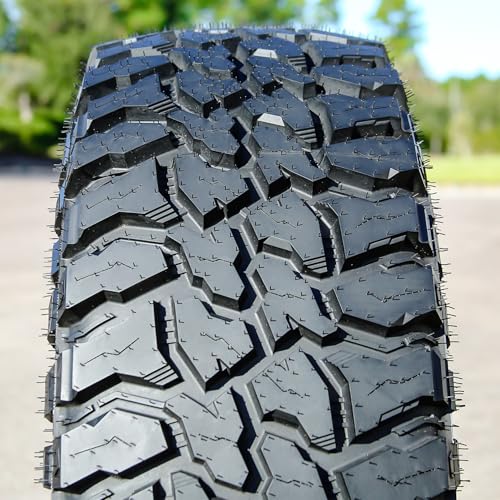
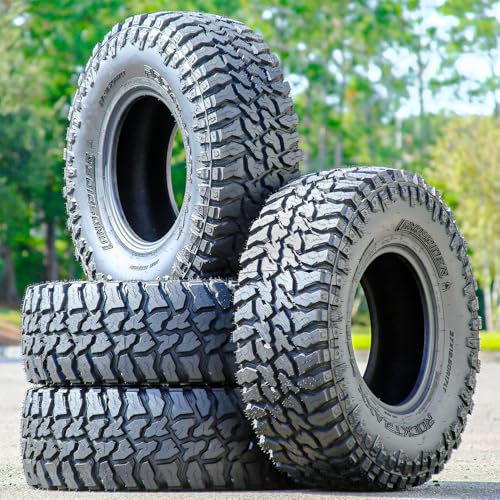
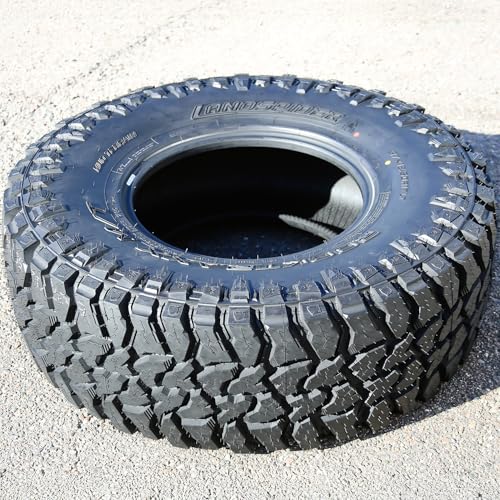
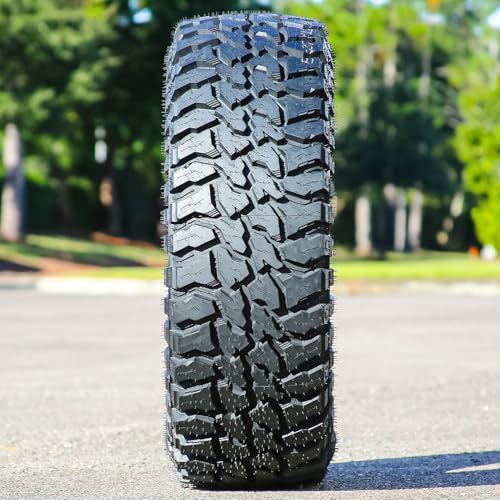
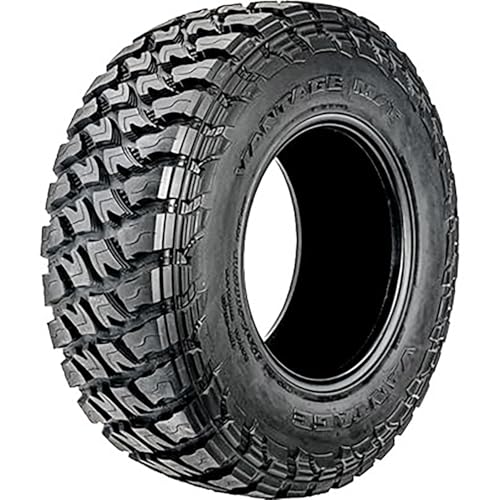
Vantage M/T 37X12.50R20
Strengths
- Low price for M/T
- 10-ply ruggedness
- All-season claim
Trade-offs
- Noisy on pavement
- Less brand support
- No snow rating
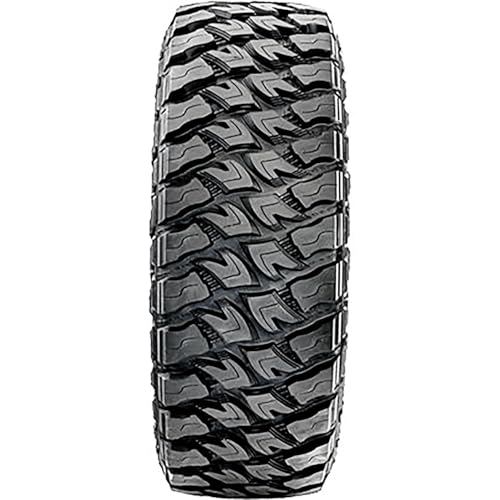
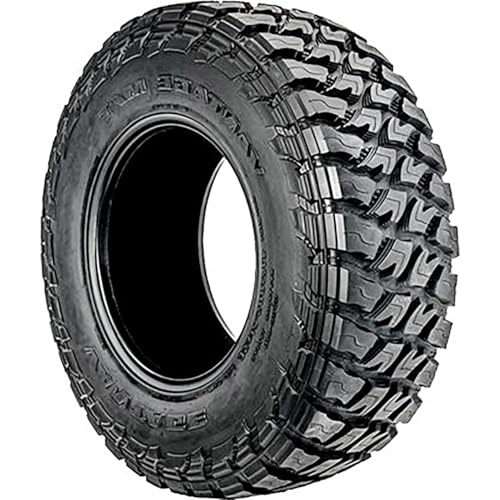
The Vantage M/T is one of the most affordable 37-inch mud tires in the 20-inch category, and that’s its biggest selling point. With a 10-ply rating and all-season claim, it’s marketed as a do-it-all tire for budget builds. Owners report decent traction in mud and rock, and the open shoulder design helps with self-cleaning. It’s not as refined as the Toyo, and noise is noticeable at speed, but for a daily driver that also hits trails, it holds up better than expected.
When stacked against the ATTURO Trail Blade, it’s slightly cheaper but lacks the same tread depth and visual flair. Still, for a 20-inch rig where you want real mud terrain capability without premium pricing, it’s a valid option. Just don’t expect long tread life or whisper-quiet highways.
Product photos

Our Testing Process
Rather than a hands-on lab test, my research for these tires was a detailed comparison of published specifications and features. I weighed owner reviews from various retailers and forums alongside assessments from trusted automotive publications. As someone who appreciates the mechanics of a good vehicle, I applied my understanding of tire construction, tread patterns, and load ratings to rank these options based on what truly matters for off-road performance and durability.
For 37-inch tires, a few factors stood out as most critical. Sidewall strength is paramount, as these larger tires are more vulnerable to damage from rocks and debris. Load capacity is also key; you need a tire that can handle the weight of a full-size truck or SUV, especially when hauling or navigating challenging terrain. Finally, tread design dictates performance in mud, snow, and on the highway, so I looked for patterns offering a balance of capabilities. If you’re considering a different size, exploring 35-inch all-terrain tires is a good place to start.
Specifications reliably reveal load ratings, tire dimensions, and construction details (ply rating, for example). However, real-world performance and long-term durability are best assessed through owner feedback. I paid close attention to reports on tread life, noise levels, and how the tires held up to hard use. Reputation, derived from expert reviews and consistent owner experiences, heavily influenced my assessment, especially when specs alone didn’t tell the full story. Understanding the upsizing tire considerations is also vital before making a purchase.
How To Pick The Right 37 inch tires
Selecting the right 37-inch tires is about more than just fitting the biggest rubber under your rig. It’s a balance of intended use, vehicle capabilities, and understanding what you’re giving up, and gaining, in the process.
A good 37-inch tire delivers a confident blend of off-road grip, on-road manners, and durability. Key specs to examine include load rating (matching or exceeding your vehicle’s requirements), tread pattern (matching terrain), sidewall construction (for rock crawling or highway use), and compound (balancing wear and traction). Don’t overlook user reviews regarding noise and ride comfort.
Tread Pattern: Beyond the Looks
The tread pattern is where your tire’s personality really shines. Often, folks get caught up in aggressive looks, but the voids between lugs and the lug shape themselves dictate performance. A mud-terrain (M/T) tire like the Toyo Open Country M/T excels in deep mud and loose rock, but will be significantly louder and less stable on pavement than an all-terrain. Hybrid patterns, such as the Falken Wildpeak R/T01, attempt to bridge that gap, offering better on-road refinement with respectable off-road capability. Consider where you spend most of your time driving.
Load Rating and Construction
Don’t underestimate the importance of load range. Your truck has a GVWR (Gross Vehicle Weight Rating) and you need tires that can handle at least that much weight, even if you don’t consistently carry heavy loads. Overloading tires is a fast track to failure. Beyond that, sidewall construction matters. A 10-ply rated tire (indicated by the “E” in the size designation) offers more resistance to punctures and cuts, crucial for rock crawling. If you’re primarily on the highway and light trails, a lighter 6 or 8-ply might be sufficient.
- A heavier load rating often means a stiffer sidewall, reducing comfort.
- Sidewall ply ratings don’t directly correspond to the actual number of fabric plies; it’s an industry standard for strength equivalence.
- Look for reinforced sidewalls (like those offered by Falken) if you frequent rocky terrain, as these add a significant layer of protection against damage.
A tire’s load range should always meet or exceed your vehicle’s specified requirements. Don’t compromise on this, even if it means sacrificing a slightly more aggressive tread pattern.
Balancing Value and Usability
It’s easy to get lost chasing the top-tier brands, but there are excellent values to be found. The Atturo Trail Blade MTS, for example, consistently receives positive feedback for its performance at a more accessible price point. However, cheaper tires may use different rubber compounds that wear faster or don’t grip as well in certain conditions. It’s a useful point to consider if you’re needing to outfit a vehicle with 35-inch tires as well. Before settling on a budget option, research the compound and warranty. Sometimes, spending a little more upfront can save you money, and headaches, down the road. Understanding the differences between 295 vs 35 tires can also help you find the best fit for your needs.
37 Inch Tires Compared
Here’s a comparison of key specifications for various 37-inch tires to help you make an informed decision.
| Product Title | Tire Type | Package Height (in) | Load Index | Tread Depth (in) | Sidewall |
|---|---|---|---|---|---|
| Toyo Open Country M/T | M/T | 13.0 | N/A | N/A | N/A |
| Atturo Trail Blade MTS | M/T | N/A | N/A | 22/32 | Aggressive |
| Milestar Patagonia X/T | A/T | 12.5 | N/A | N/A | N/A |
| Falken Wildpeak R/T01 | R/T | N/A | N/A | N/A | Armored |
| Landspider Rocktraxx M/T | M/T | N/A | 128 | N/A | N/A |
| Vantage M/T 37X12.50R20 | M/T | N/A | 126 | N/A | One Black |
Frequently Asked Questions
What load range do I really need for 37-inch tires?
You should always match or exceed your vehicle’s specified load requirements. Ignoring this can lead to tire failure, so check your door jamb sticker or owner’s manual to determine the minimum load index needed for your truck or SUV.
Are mud-terrain tires always the best choice for off-roading?
Not necessarily. While mud-terrains excel in very specific conditions (deep mud, loose rocks), they often compromise on-road comfort and fuel efficiency. A hybrid all-terrain or even a robust all-season tire can be a better all-around choice if you spend most of your time on pavement, and exploring 35-inch tires for commuting might be a good alternative.
How much will 37-inch tires affect my gas mileage?
Expect a decrease in fuel economy. Larger tires add weight and rolling resistance, typically reducing MPG by 1-3 miles per gallon, or even more depending on your driving style and vehicle.
What’s the difference between a 10-ply and a 6-ply tire?
A 10-ply tire has a stronger sidewall construction designed for heavier loads and more demanding off-road use, offering greater resistance to punctures. A 6-ply tire is typically lighter and provides a more comfortable ride but is less durable in harsh conditions, while you might also consider 20-inch truck tires if you are looking for a different size.
How do I know if a 37-inch tire will actually fit my truck?
Fitment depends on your truck’s suspension lift, wheel offset, and existing tire size. You’ll need to account for potential rubbing on the fenders or suspension components, and sometimes trimming or modifications are necessary. A good rule of thumb is to research what sizes others are running successfully on the same vehicle model.
The Bottom Line
Choosing 37-inch tires often comes down to how much compromise you’re willing to accept. Do you prioritize ultimate off-road capability and don’t mind a louder highway ride, or do you want a more refined experience with still-capable performance? For the best all-around balance of traits, I believe the Toyo Open Country M/T delivers the most capability without sacrificing too much daily drivability.
If you’re on a tighter budget, the Atturo Trail Blade MTS consistently receives high marks for delivering excellent performance at a more accessible price point. For those needing a tire that truly blurs the lines between on and off-road, the Falken Wildpeak R/T01 is a standout choice, and for owners looking to explore options for smaller wheel sizes, a guide to 20-inch all-terrain tires is a good starting point. And if you’re considering a slightly smaller size, researching 35-inch off-road tires can open up additional options.
Ultimately, specs and features are only part of the equation. Don’t get overly caught up in chasing numbers. A tire’s construction, load rating, and how well it aligns with your driving style and terrain will matter far more than any single measurement. Focus on matching the tire to the task, and you’ll find the right 37-inch tire for your rig.
