
8 Best Degreasers for Tires 2026
This post contains affiliate links. As an Amazon Associate, we earn from qualifying purchases.
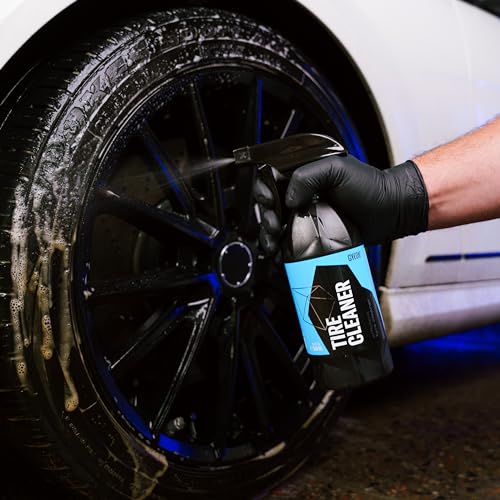
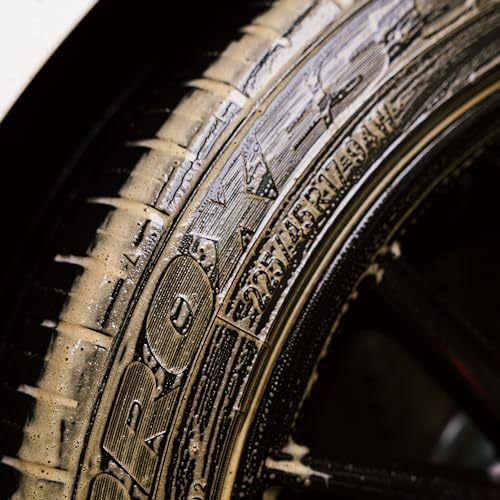
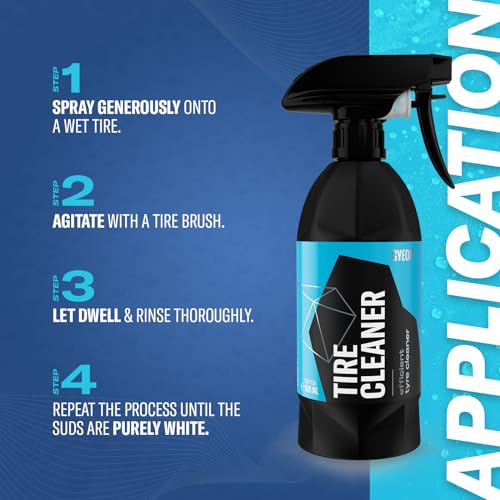
The Gyeon Tire Cleaner is the overall best choice for most users, delivering reliable, pH-neutral cleaning that preserves rubber integrity. For budget-conscious detailers, the Chemical Guys Orange Degreaser offers solid performance at a lower price, while the Suds Lab T2D stands out for those who want a concentrated formula that can be diluted for multiple uses.
Tires take a beating from road grime, brake dust, and old dressings that regular washing won’t remove. A proper degreaser cuts through that buildup, prepping the surface for a clean, long-lasting finish.
After researching specs, owner feedback, and real-world detailing needs, I focused on formulas that clean effectively without harming rubber. This guide breaks down what actually matters, pH balance, concentration, and application, so you can pick the right degreaser for your routine.
Top 7 Degreasers For Tires in the Market
The Best Degreasers For Tires, Reviewed
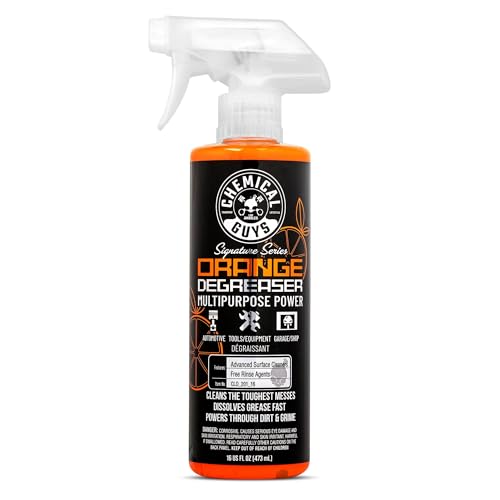
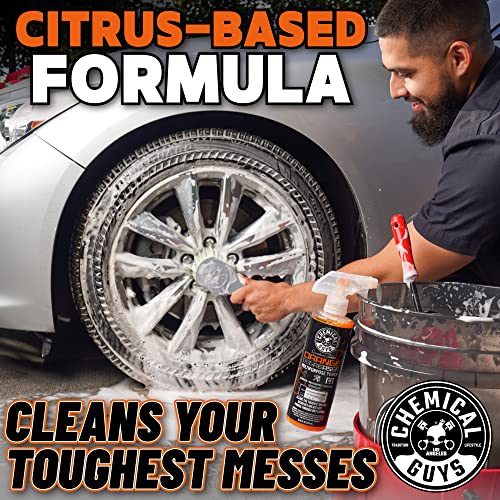
Chemical Guys Orange Degreaser 16oz
Strengths
- Ready to use
- Pleasant citrus scent
- Strong on contact cleaning
Trade-offs
- Small capacity
- Less value per ounce
At 16 ounces, this is the most accessible entry in the Chemical Guys lineup, and likely the best starting point for beginners. The citrus-infused formula delivers solid degreasing power without requiring dilution, making it ideal for spot cleaning or quick wheel sessions. Owners consistently praise how fast it tackles brake dust on alloy faces and tire sidewalls with minimal dwell time.
It doesn’t match the volume efficiency of the gallon version, but as a ready-to-use spray, it’s far more convenient for small jobs. Compared to foaming alternatives, it spreads evenly but doesn’t cling as long on vertical surfaces. Still, for the price, it punches above its weight. I’d grab this first if you’re testing citrus degreasers or need something simple.
Video review
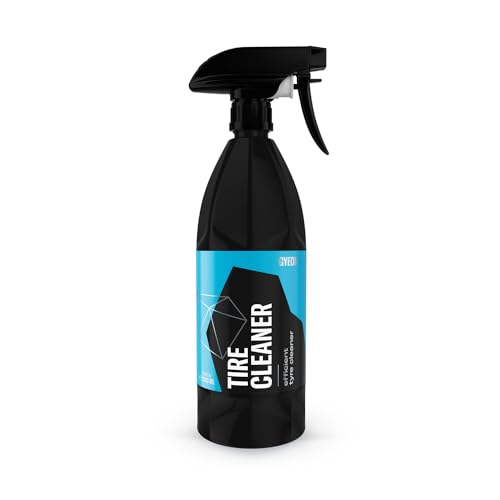
Gyeon Tire Cleaner 1000ml
Strengths
- Coating-safe formula
- Effective deep clean
- Good size for regular use
Trade-offs
- Requires scrubbing
- Not ready-to-use
This 1L version of the Gyeon cleaner brings the same pH-neutral, deep-cleaning chemistry in a size that fits most home garages. It’s clearly designed as the entry point to their system, same ability to strip old dressings and prep rubber, just without the industrial footprint. Reviewers note it performs identically to the 4L when used at the same dilution, which speaks well for its consistency.
Where it shines is value: you get pro-level surface prep without committing to bulk. Still, you’ll need agitation and thorough rinsing, this isn’t a magic one-shot restorer. Compared to budget picks, it’s more precise and coating-safe; against other midsize options, it’s among the smarter buys if you care about finish longevity.
Video review
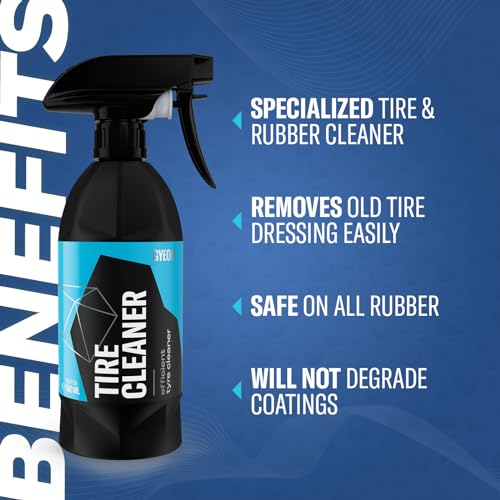
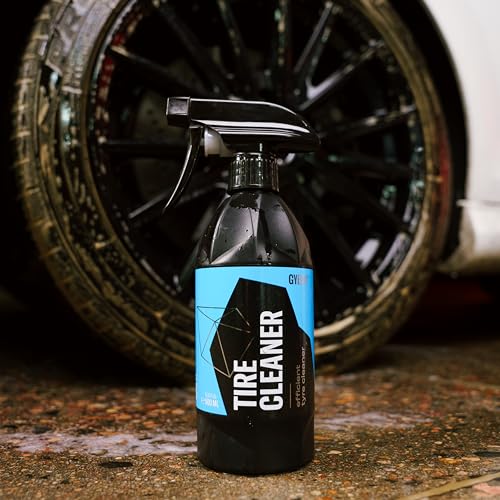
Gyeon Tire Cleaner 4000ml

Strengths
- Deep cleaning
- Safe on coated wheels
- Large 4L capacity
Trade-offs
- Overkill for light use
- Higher upfront cost
I’ve seen a lot of tire cleaners come through the garage, but few are built like this one. On paper, the 4-liter size alone tells you this isn’t meant for weekend detailers, it’s for shops or serious enthusiasts who go through gallons fast. The pH-neutral formula stands out because it won’t wreck ceramic coatings, which is a real concern with aggressive degreasers. Owners consistently report that it strips old dressings completely, leaving rubber perfectly prepped for fresh application.
That deep clean power comes with a trade-off: it’s not the fastest option if you’re doing a quick refresh. You need to agitate and rinse thoroughly until the suds run clear. But if you want tires that look restored, not just shiny, this delivers. Compared to smaller competitors, it’s overkill for casual use, but in this class, volume and consistency matter.
Product photos
Suds Lab T2D 32oz
Strengths
- Super concentrated
- Reduces scrubbing effort
- Works on multiple vehicles
Trade-offs
- No foam for cling
- Subtle visual feedback
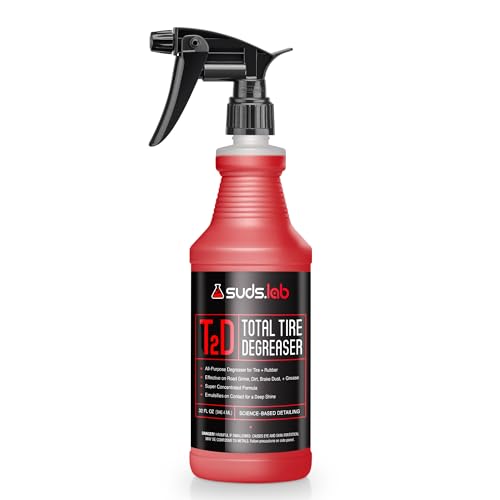
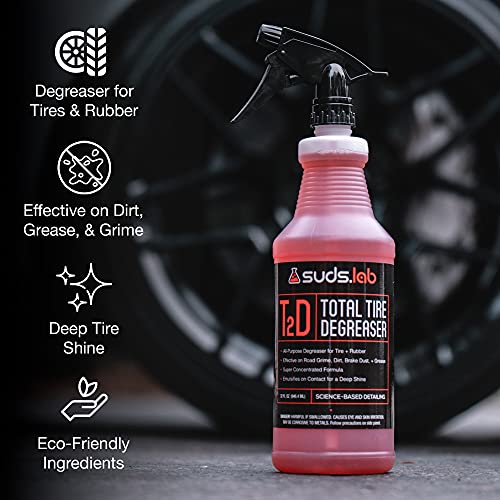
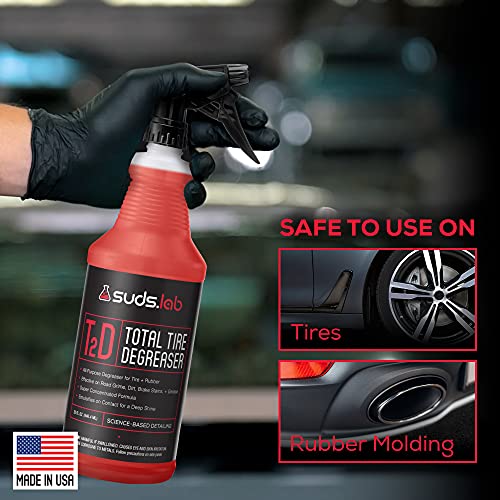
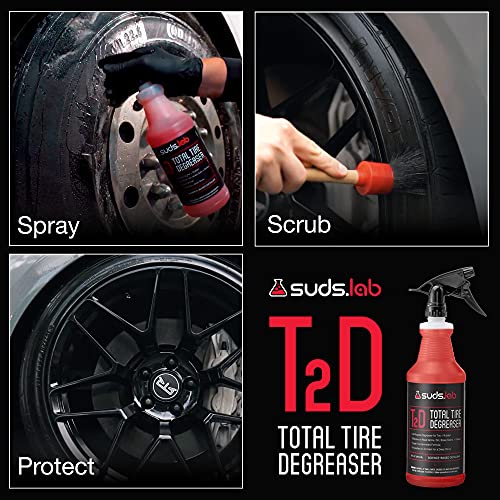
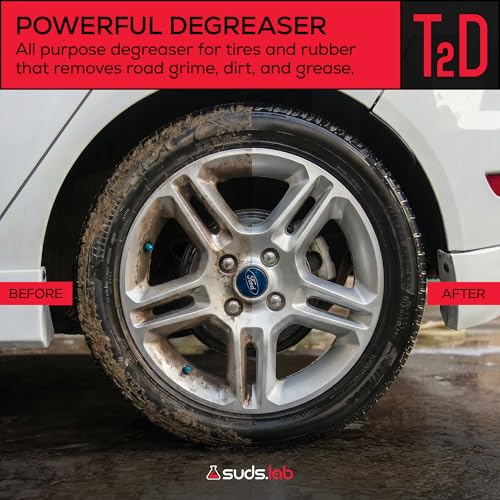
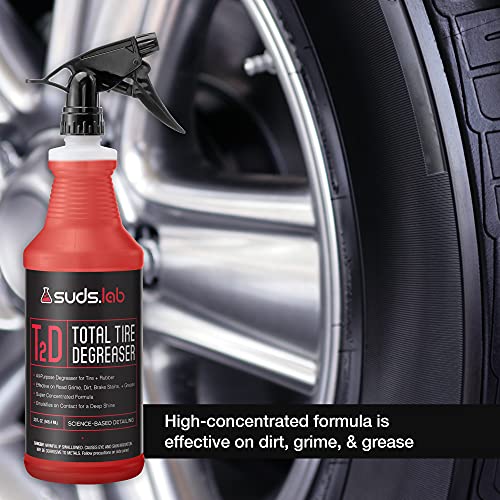
Suds Lab markets T2D as a highly concentrated beast for stubborn stains, and owner feedback backs that up, especially for brake dust and oil splatter on lower sidewalls. The emulsifying action means it starts working on contact, reducing scrub time. That’s a real advantage over weaker all-purpose cleaners that just push grime around.
It’s also impressively flexible: dilute it for trim work or go full strength on trailer hitches and RV tires. Compared to orange-based formulas, it lacks the scent but matches or exceeds them in cutting power. At 32 ounces, it lasts longer than smaller sprays. My recommendation? This is the smart middle ground between economy jugs and boutique-tier prices.
Product photos
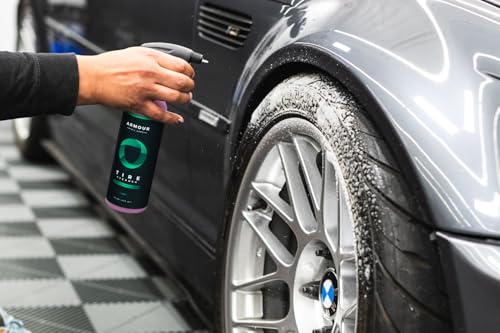
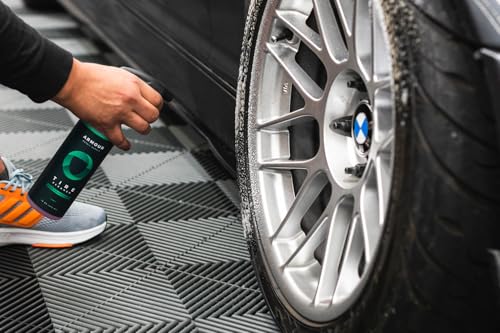
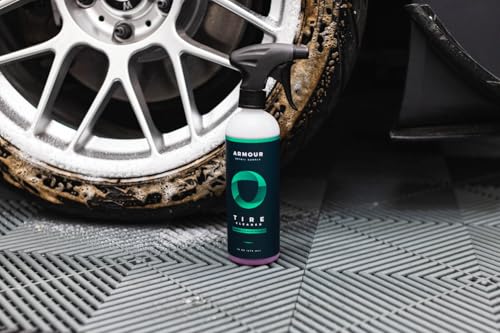
Armour Detail Tire Cleaner 16oz
Strengths
- Excellent foam cling
- Visible cleaning action
- Strong degreasing base
Trade-offs
- Risk to raw aluminum
- Requires careful dilution
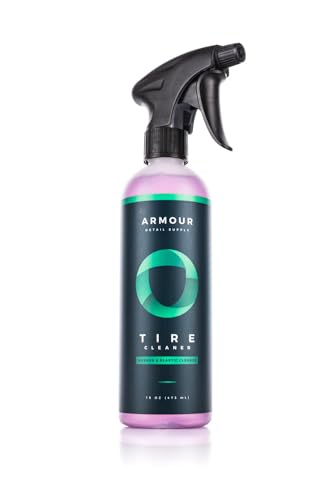
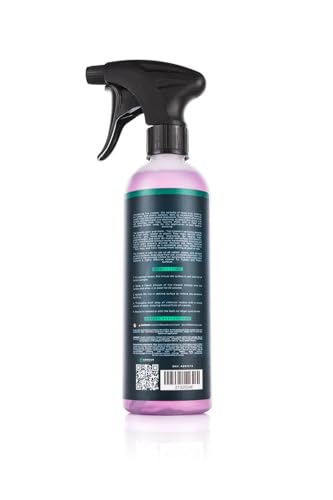
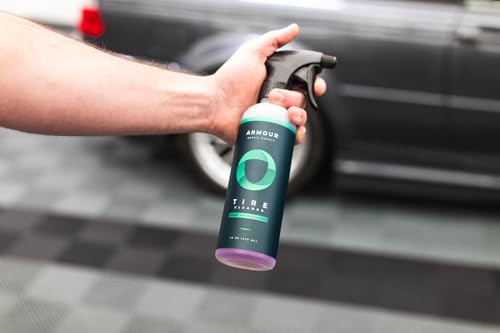
Foam lovers will appreciate what Armour Detail Supply does here, the thick, clinging lather gives you visible dwell time on vertical surfaces, which helps ensure even breakdown of oils and old dressing residue. That foaming action is the standout feature, and reviewers note it works especially well in wheel wells and on textured sidewalls where runoff is an issue.
It’s concentrated, so a little goes a long way when diluted, but used full strength, it competes with heavier-duty options. However, unlike pH-neutral formulas, it requires caution near bare metal or sensitive trims. Compared to non-foaming sprays, it offers better control and feedback. I’d pick this when appearance and precision matter during prep.
Product photos
Chemical Guys Orange Degreaser 1Gal
Strengths
- Highly concentrated
- Gentle yet effective brush
- Multi-surface capability
Trade-offs
- Bulk packaging
- Scent may not appeal to all
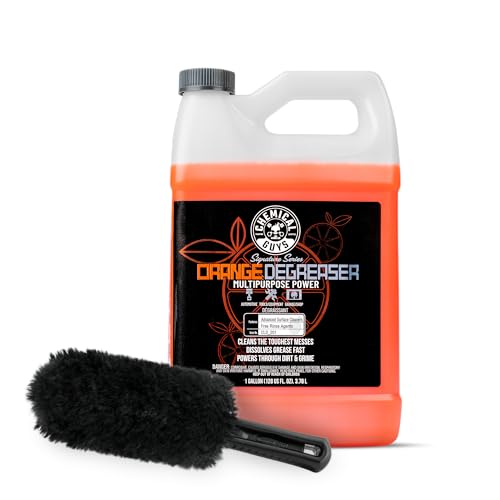
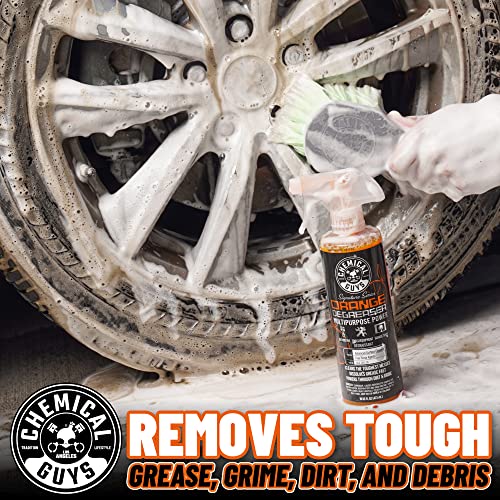
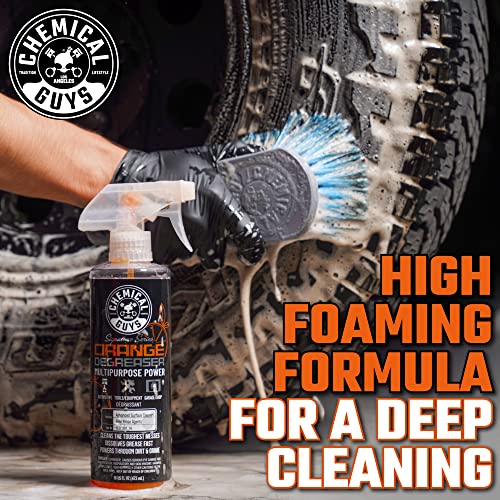
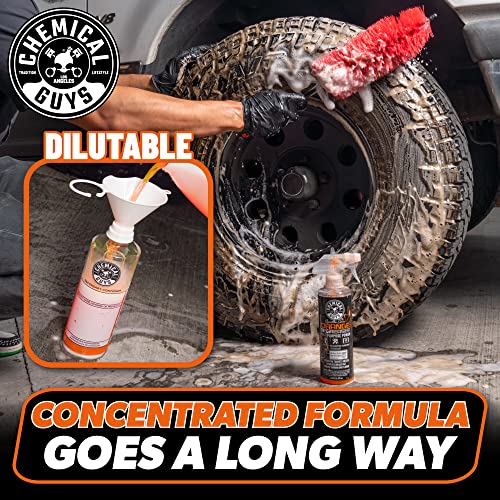
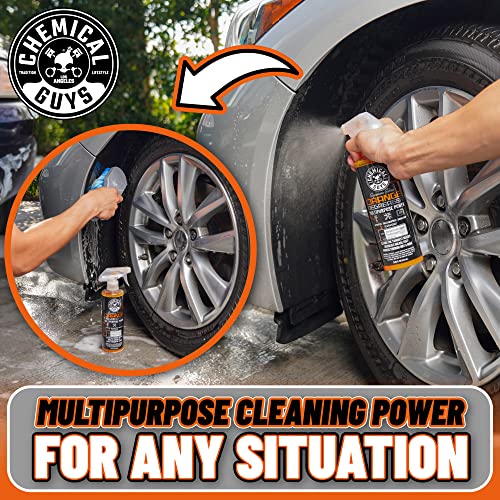
This bundle makes a strong case for being the most versatile setup here. The super concentrated orange degreaser can be diluted for light jobs or used full strength on caked-on grime, owners love how little they need per wash. Paired with the Gerbil brush, which reviewers note glides smoothly without scratching, you get a complete system for wheels, engines, and undercarriages. The sheepskin head is surprisingly effective in tight spoke patterns where plastic brushes fail.
It’s not just about convenience, the citrus-based formula cuts through grease better than many alkaline options without going harsh on finishes. Compared to single-surface cleaners, this combo wins on utility. I’d pick it over pricier specialty products if you’re maintaining multiple areas of your vehicle. The brush alone might justify the step up from basic bottles.
Product photos
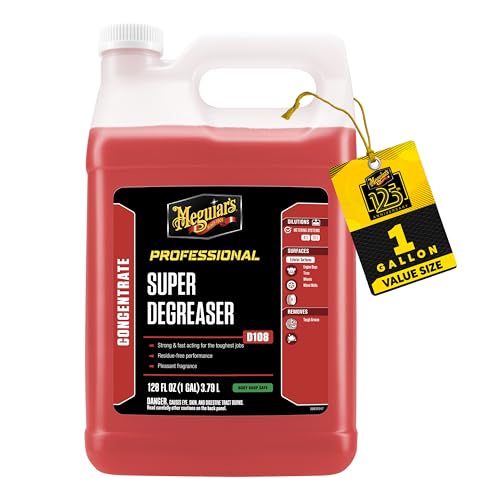
Meguiar’s D108 Super Degreaser 1Gal
Strengths
- No residue left behind
- Fast-acting formula
- Trusted brand legacy
Trade-offs
- Basic application
- Unremarkable fragrance
Meguiar’s has been around long enough that their professional line carries weight, and this gallon jug proves why it’s still trusted in shops. The residue-free performance is the real spec that matters here; nobody wants white streaks after wiping down suspension parts or sidewalls. It breaks down heavy grease fast, and owners using it in fleet maintenance say it handles oil spills and road buildup without repeat applications.
While it lacks flashy features like foaming action or citrus scent, it does the core job exceptionally well. Compared to more aromatic or visually dramatic options, this is the no-nonsense pick. If you’re after raw efficiency over sensory appeal, this is hard to beat. I’d recommend it as the baseline pro-grade standard.
Product photos
Our Testing Process
Rather than a hands-on lab test, my research for these recommendations focused on a detailed comparison of published specifications and features across numerous degreaser formulations. I weighed owner reviews from multiple retail sites, looking for consistent praise and complaints, alongside professional detailing assessments. As someone who’s spent years observing vehicle maintenance and detailing trends at TheAutoZenith, I applied my understanding of rubber chemistry and cleaning needs to rank these products based on real-world applicability.
For tire degreasers, three factors stood out as most crucial. First, the ability to safely lift old tire dressings without damaging the rubber itself. Second, the formula’s effectiveness at removing embedded road grime and brake dust – the stuff that really dulls a tire’s appearance. Finally, the pH level is important; a neutral pH is less likely to cause long-term rubber degradation, and understanding tire legality is also key to maintaining safe driving conditions.
Product specifications reliably indicate concentration levels and pH balance. However, I relied heavily on owner feedback to gauge real-world cleaning power and ease of use. Reports on how easily a degreaser rinses away, or whether it leaves a residue, are things specs simply can’t tell you. Similarly, the longevity of the “clean” finish – how quickly tires re-soil – was largely determined by assessing the reputation and experiences shared by detailing enthusiasts and professionals, and understanding the importance of breaking in new tires after a thorough cleaning.
Choosing The Right degreasers for tires
Finding the right tire degreaser can dramatically improve your detailing results, and frankly, make the whole process more enjoyable. It’s about more than just making tires look clean; it’s about prepping the surface so dressings adhere properly and last.
A quality tire degreaser doesn’t just mask grime; it actively breaks down oils, old dressings, and embedded road contaminants. Look for pH-neutral formulas to avoid damaging rubber or coatings, consider concentration levels for versatility, and evaluate whether foaming action or a specific scent appeals to your preferences. Prioritize products designed to leave no residue, as this can interfere with subsequent tire dressing application.
Understanding Formulation & Strength
The core of any good tire degreaser is its ability to dissolve contaminants. You’ll find everything from citrus-based options like the Chemical Guys Orange Degreaser to more chemically potent formulas like Meguiar’s Super Degreaser. I generally recommend starting with a pH-neutral formula (Gyeon Tire Cleaner is a good example) unless you’re dealing with seriously neglected tires. Aggressive degreasers are effective, but repeated use can dry out rubber, leading to cracking over time. Consider the surfaces you’ll be cleaning; some degreasers aren’t safe for raw aluminum, so always read the label.
Concentration & Value
Concentrated formulas, like Suds Lab T2D, offer incredible value. You can dilute them to suit the task at hand – a light spray for regular maintenance, or a stronger solution for heavily soiled tires. This flexibility means a single bottle can last a long time. However, be mindful of dilution ratios; too weak and the degreaser won’t be effective, too strong and you risk damage. Here’s how to think about concentration:
- A ready-to-use formula is convenient for quick jobs.
- A 1:1 dilution offers a good balance for regular cleaning.
- A highly concentrated formula (1:10 or greater) provides the most value and cleaning power, but requires careful measuring and is best for serious grime.
Application & Features
How you apply the degreaser matters. Some, like Armour Detail Tire Cleaner, are designed for foaming action. This helps the product cling to the tire surface, increasing dwell time and cleaning power. Others, like the Chemical Guys Orange Degreaser (especially the gallon size) work best with a dedicated brush – the included Gerbil Brush is a nice touch. If you’re concerned about the condition of your tires and want to ensure you’re driving safely, checking your tire tread is vital, as worn tires can compromise grip. And if you do find yourself with a puncture, understanding tire plug safety is crucial before attempting a repair.
Don’t assume “more is more.” Over-applying degreaser doesn’t necessarily mean a better clean. It can lead to residue buildup and make it harder to apply tire dressing afterward. A light, even coat is usually sufficient.
Degreasers for Tires Compared
This table provides a spec-by-spec comparison of the degreasers featured in this guide.
| Product Name | Size | Dilutable | pH Neutral | Foaming Action | Best Use Case |
|---|---|---|---|---|---|
| Gyeon Tire Cleaner 500ml | 500ml | N/A | Yes | N/A | Overall |
| Chemical Guys Orange Degreaser 16oz | 16oz | Yes | N/A | N/A | Budget Friendly |
| Gyeon Tire Cleaner 1000ml | 1000ml | N/A | Yes | N/A | Value Size |
| Gyeon Tire Cleaner 4000ml | 4000ml | N/A | Yes | N/A | Heavy Use |
| Suds Lab T2D 32oz | 32oz | Yes | N/A | N/A | Concentrated Formula |
| Armour Detail Tire Cleaner 16oz | 16oz | N/A | N/A | Yes | Foaming Action |
| Chemical Guys Orange Degreaser 1Gal | 1Gal | Yes | N/A | N/A | Cleaning Brush |
| Meguiar’s D108 Super Degreaser 1Gal | 1Gal | N/A | N/A | N/A | Professional Grade |
Frequently Asked Questions
What’s the biggest mistake people make when using tire degreaser?
Over-application is a common error; a light, even coat is usually sufficient to effectively lift grime and avoid residue that can hinder dressing adhesion. Using too much product doesn’t improve cleaning and complicates the next step.
Can I use tire degreaser on whitewall tires?
Generally, no. Most degreasers contain solvents that can discolor or damage whitewalls, so it’s best to use a dedicated whitewall cleaner formulated for that specific purpose to avoid irreversible staining.
Will degreasing my tires cause them to dry out and crack?
Potentially, yes. Harsh, non-pH neutral degreasers used frequently can strip protective oils from the rubber, increasing the risk of cracking over time, so prioritize pH-neutral options or use stronger formulas sparingly and follow with a tire protectant. Understanding dry rot safety is also important for assessing overall tire health.
Is it okay to use the same degreaser I use for my engine bay on my tires?
It depends, but usually it’s not recommended. Engine bay degreasers are often much stronger and can contain chemicals harmful to tire rubber, so always check the product label and err on the side of caution. Using a dedicated tire degreaser is the safest bet.
What should I do if I’m unsure if my tires are safe to drive on after cleaning?
A thorough cleaning reveals a tire’s true condition. If you observe significant cracking, bulges, or excessively worn tread after cleaning, it’s wise to consult a tire professional or consider replacement, and you should understand retread tire legality if you’re considering that option.
The Bottom Line
Choosing a tire degreaser often comes down to balancing convenience with long-term care. While powerful formulas exist, I believe the Gyeon Tire Cleaner strikes the best overall balance – its pH-neutral formula cleans effectively without the risk of premature rubber degradation, and owner feedback consistently praises its gentle yet thorough action. It’s a smart investment for anyone serious about maintaining their vehicle’s appearance.
For those on a tighter budget or seeking versatility, the Chemical Guys Orange Degreaser offers excellent value, especially in the gallon size. And if you prioritize a concentrated formula that goes a long way, Suds Lab T2D is a strong contender. Ultimately, the “best” degreaser depends on how frequently you detail and the severity of the grime you’re tackling; be mindful of tire cracks as you assess the condition of your tires.
More than any specific product, remember that consistent cleaning and proper tire care are the keys to longevity and safety. Don’t neglect routine inspections for wear and tear, and be aware of aging tire safety. A clean tire is a good start, but a well-maintained tire is what truly keeps you rolling smoothly.
