
8 Best Aftermarket Car Speakers of 2026
This post contains affiliate links. As an Amazon Associate, we earn from qualifying purchases.
The Pioneer A-Series Plus 6×9 speakers stand out as the best overall choice, delivering clear sound and solid performance straight from the factory head unit. For those on a tighter budget, the BOYMUSCK 6.5″ Coaxial speakers offer strong value without sacrificing too much quality. If you’re aiming for richer audio separation and don’t mind a slightly more involved setup, the RECOIL REM65 component system brings a noticeable step up in imaging and detail.
As someone who’s spent years diving into the mechanics of vehicles and their audio systems, I know how frustrating it can be to listen to flat, distorted sound while driving, especially when you’re surrounded by machinery built for performance and precision. After comparing the field and analyzing what real owners report, this guide focuses on speakers that balance specs, durability, and actual listening experience.
I looked at sensitivity, power handling, frequency range, and fitment to identify models that perform well in real-world conditions, not just on paper. Whether you’re upgrading for better clarity or just want something louder and cleaner than stock, these picks are backed by solid data and feedback from drivers who’ve made the switch.
Top 8 Aftermarket Car Speakers in the Market
The Best Aftermarket Car Speakers, Reviewed
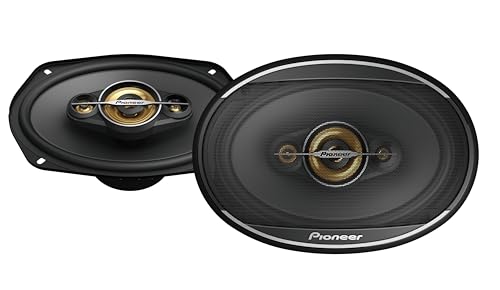
Pioneer A-Series Plus 6×9 Coaxial
Strengths
- 4-way driver design
- 600W peak power
- 29 Hz–33 kHz range
Trade-offs
- Larger size limits fitment
- Tweeters slightly bright
- Plastic basket flex
The Pioneer A-Series Plus is the most complete package here. A 4-way design with a dual tweeter and midrange driver lets it cover more of the audio spectrum than typical 2-ways. The 29 Hz frequency response is impressive on paper, and owners say bass comes through with real weight, even without a sub.
At 92 dB sensitivity and 100W continuous power, it plays loud and clean with factory or aftermarket decks. The included 6×9 adapters help with fitment quirks, and the sound is consistently described as full and immersive. This is the one I’d recommend if you want a single upgrade that does everything well.
Video review
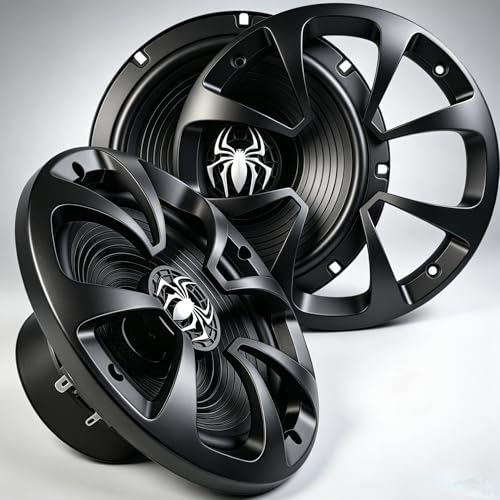
BOYMUSCK 6.5″ Coaxial Car Speakers
Strengths
- 91 dB sensitivity
- Plug-and-play wiring
- Durable rubber surround
Trade-offs
- Overstated power specs
- Midrange slightly muddy
- Tweeter can get harsh at volume
The 800W peak rating here is more marketing than reality, but don’t dismiss the BOYMUSCK speakers, they’ve earned praise for real-world performance. With a 91 dB sensitivity and silk dome tweeter, they produce surprisingly crisp highs and usable mid-bass on factory power. Reviewers note the sound is warmer and fuller than stock, especially for the price.
The plug-and-play design with solder-free terminals is a real win for beginners. No cutting, no fuss, just match the polarity and go. The rubber surround also holds up well in heat, a common failure point in budget speakers. It’s not the most refined sound, but it’s a strong value play.
Video review
Skar Audio TX65 6.5″ Coaxial

Strengths
- Strong bass response
- Copper voice coil
- TPE durable surround
Trade-offs
- 89 dB low sensitivity
- Needs more power
- Midrange lacks refinement
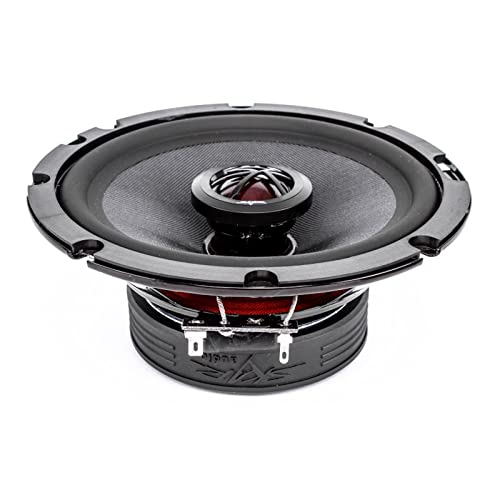
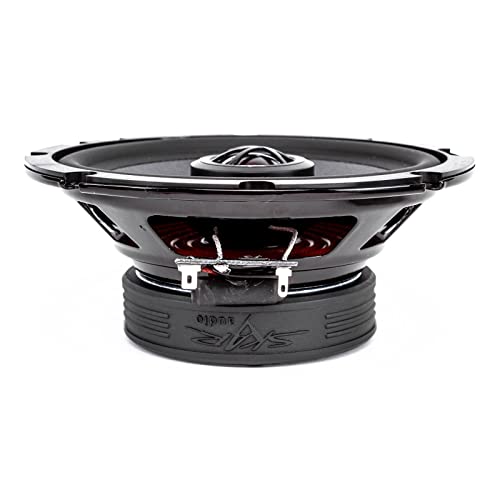
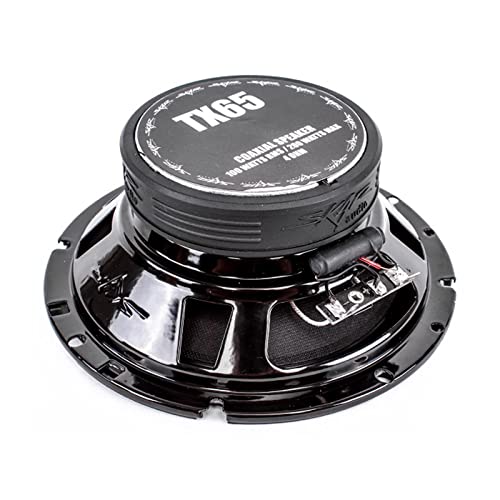
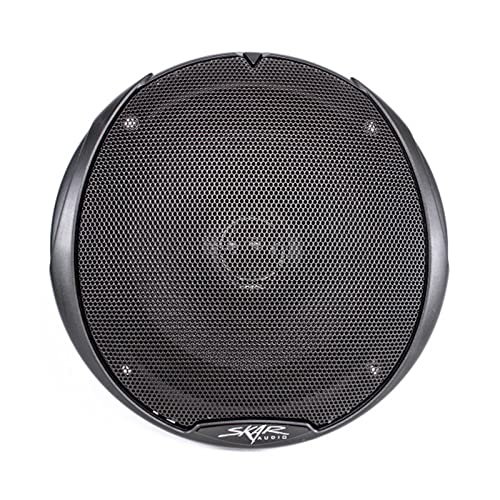
Skar isn’t known for subtlety, and the TX65 reflects that, this is a speaker built for bass. The 1.25″ copper voice coil and TPE surround allow deeper excursion than most in this class, and owners report strong low-end punch even at modest power. It won’t replace a sub, but it adds real body to hip-hop and EDM.
The trade-off? An 89 dB sensitivity means it needs more juice to shine. On a factory deck, it’s listenable but not loud. Pair it with even a modest amp, and it comes alive. Not the most detailed mids, but if bass is your priority, this is the real deal.
Product photos

RECOIL REM65 Component Speaker System

Strengths
- Triple-level tweeter control
- Butyl rubber surround
- Good midrange clarity
Trade-offs
- 89 dB sensitivity
- Basic crossover
- No grilles included
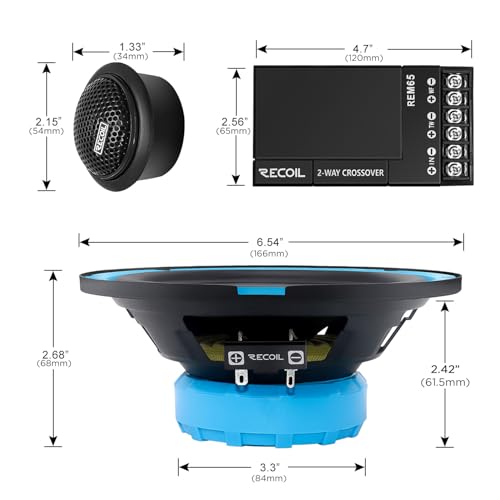
The RECOIL REM65 is a sleeper hit. The thermal-formed polypropylene cones and butyl rubber surrounds deliver tight, responsive mids, unusual at this price. The silk dome tweeters have oversized coils, which helps them stay smooth even when pushed. Owners love the triple-level tweeter adjustment; it’s a small feature that makes a big difference in off-axis installs.
With 100W RMS and a 45Hz–20kHz response, it holds its own against pricier sets. The build feels solid, and the one-year warranty adds peace of mind. For the price, it’s the best true component system here, balanced, flexible, and durable.
Product photos


Pyle PLG6C 6.5″ Component System
Strengths
- Full component kit
- Crossovers included
- Butyl rubber surround
Trade-offs
- Narrow frequency range
- Low sensitivity
- Budget materials
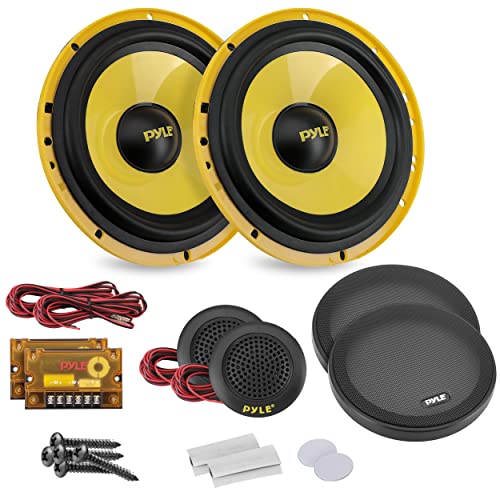
Pyle’s PLG6C stands out by including crossovers and a wiring kit, rare at this price. The component design means tweeters can be mounted separately, improving stereo imaging over coaxials. Owners appreciate the flexibility, especially in older cars where OEM tweeters are missing.
But the 90 Hz–20 kHz range is narrow, and the 89 dB sensitivity limits output. The yellow cones and plastic basket feel budget-grade. It’s a decent entry into components if you’re on a tight budget, but don’t expect refinement. I’d only recommend it if you need every piece in one box and can’t buy extras.
Product photos
Kicker DS Series 6×8 for F-150

Strengths
- Tailored for F-150
- Plug-and-play harnesses
- Good midrange clarity
Trade-offs
- No brackets included
- Modest power handling
- Not for bassheads
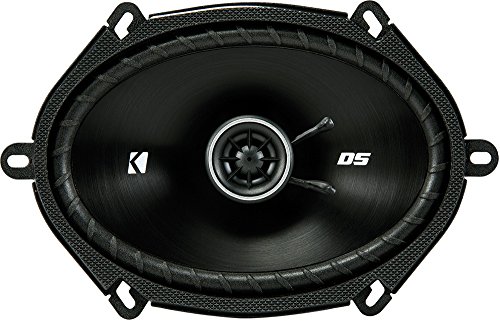
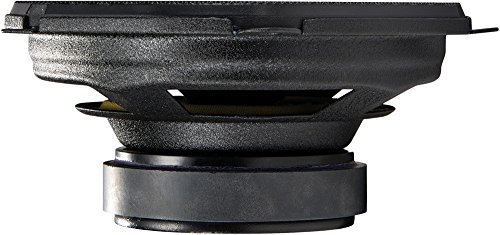
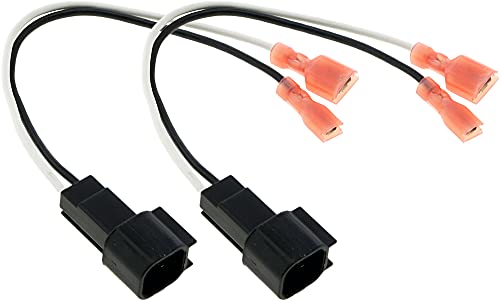
If you drive a 1999–2014 F-150, this Kicker kit saves real time and hassle. The included harnesses eliminate splicing, and the 6×8 fit is dead-on. The DS series speakers aren’t the most detailed in the lineup, but they’re voiced for punchy mids and clear highs, perfect for country, rock, or talk radio over engine noise.
Owners report these outperform factory speakers by a wide margin, even without an amp. The 200W max per pair isn’t huge, but sensitivity is solid and the sound fills the cab well. My only gripe? No mounting brackets included, which can be a surprise for some.
Product photos

Kenwood KFC-1666R 6.5″ Coaxial
Strengths
- Wide 40Hz–22kHz range
- Cloth woofer detail
- Shallow mount depth
Trade-offs
- Lower sensitivity than rivals
- Bass lacks punch
- Grilles feel flimsy
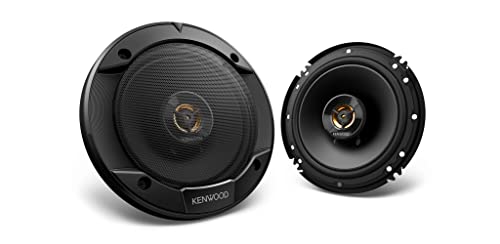
Kenwood has a reputation for balanced tuning, and the KFC-1666R proves it. With a 40Hz–22kHz frequency response and cloth cone, these deliver a smooth, natural sound that works across jazz, classical, and acoustic rock. The 92 dB sensitivity matches well with factory decks, and owners consistently report clean output at volume.
The heavy-duty magnet and shallow mounting depth make them easy to fit in tight OEM spots. They don’t slam like bass-forward options, but that’s the point, they’re about clarity, not boom. For drivers who care more about vocal presence than thump, this is a standout.
Product photos


Pioneer G-Series TS-G6820S

Strengths
- 92 dB sensitivity
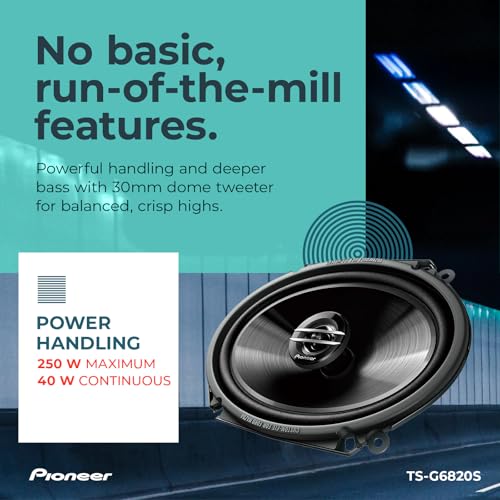
- 250W peak power
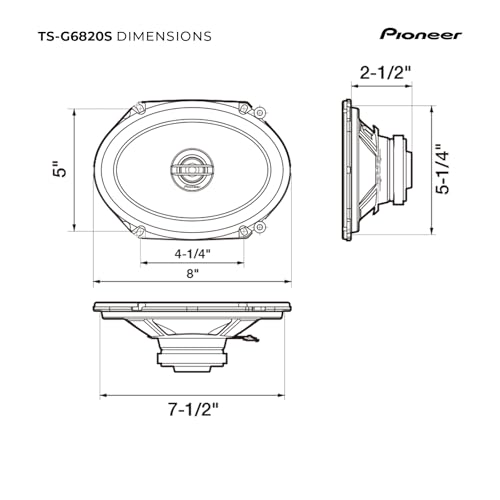
- 6×8 fit perfect
Trade-offs
- Limited bass extension
- Basic tweeter design
- Plastic basket
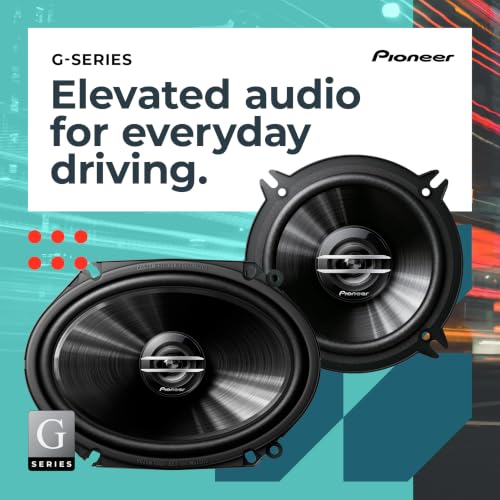
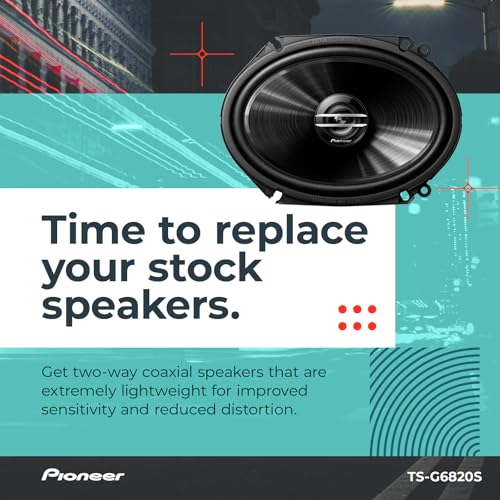
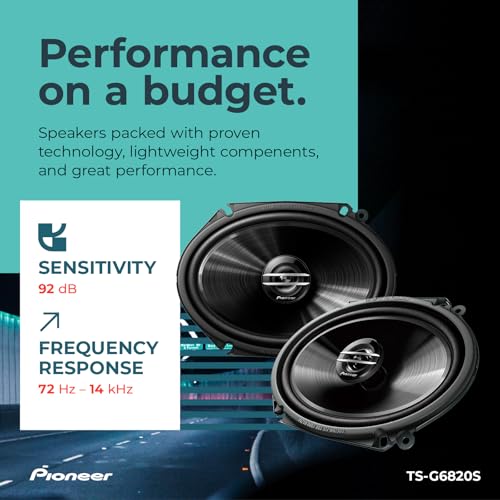
For factory 6×8 speaker locations, the Pioneer TS-G6820S is a no-brainer upgrade. On paper, the 92 dB sensitivity stands out, this means it plays loud and clean even with just a factory head unit, which owners consistently confirm. The 2-way design separates highs and mids enough to beat stock speakers, though don’t expect audiophile precision.
The 72 Hz low-end roll-off is typical for this class, so bass lovers will still want a sub. But for casual listeners wanting better clarity across rock, pop, or talk, this Pioneer delivers balanced sound without demanding extra gear. It’s not flashy, but it’s effective.
Product photos
How We Chose These aftermarket car speakers
My approach to evaluating aftermarket car speakers wasn’t about long-term listening tests in a vehicle – rather, it was a research-led comparison of published specifications and owner feedback. I examined key features across numerous models, weighing those against reviews from both everyday car owners and audio experts. This allowed me to build a ranking based on performance indicators and real-world usability. Ultimately, I aimed to identify speakers offering the best value and sound quality across different needs.
For this category, power handling and frequency response were heavily weighted. A speaker’s ability to deliver clean sound at higher volumes (power handling) is crucial, especially when paired with a factory head unit. Equally important is the frequency response range; a wider range generally translates to a more complete and nuanced listening experience. I also prioritized sensitivity as a factor, because it impacts how loud the speakers will play with a given amount of power.
Specifications reliably indicate a speaker’s potential – the power handling, impedance, and frequency range give a solid baseline. However, owner feedback proved essential for understanding real-world performance. I paid close attention to comments regarding bass quality, clarity at high volumes, and long-term durability. For a deeper understanding of maximizing your car’s audio, exploring aftermarket sound systems can be a great next step. If you’re really seeking to enhance the low end, consider looking at speakers for bass and quality.
How To Choose The aftermarket car speakers
Choosing the right car speakers can dramatically improve your driving experience. It’s about more than just volume; it’s about clarity, depth, and truly enjoying your music on the road.
A quality car speaker delivers accurate sound reproduction across the frequency spectrum, exhibits durable construction to withstand the automotive environment, and integrates well with existing vehicle audio systems. Key considerations include power handling, frequency response, sensitivity, and speaker type (component vs. coaxial). Buyers should also assess mounting depth and impedance to ensure compatibility.
Understanding Speaker Types
The first major decision is between coaxial and component speakers. Coaxial speakers, like the Pioneer A-Series Plus or the BOYMUSCK 6.5″ models, combine the tweeter and woofer into a single unit, making installation simpler and generally costing less. Component speakers, such as the RECOIL REM65 or Pyle PLG6C, separate these elements, offering potentially superior sound quality because they allow for more precise placement of the tweeter for optimal imaging. Don’t automatically assume component speakers are always better; a well-built coaxial set can often outperform a poorly designed component system.
Power and Sensitivity: Matching to Your System
Power handling (measured in watts RMS and peak) is crucial, but often misunderstood. You don’t necessarily want the highest wattage speaker available. The goal is to match the speaker’s RMS power rating to your head unit’s output, or to a dedicated amplifier if you’re using one. Exceeding the head unit’s capabilities can lead to distortion. Sensitivity, measured in decibels (dB), indicates how efficiently a speaker converts power into sound.
Here’s a quick guide: * Low Sensitivity (85dB or less): Requires more power. * Medium Sensitivity (86-91dB): A good all-around choice for most systems. * High Sensitivity (92dB or higher): Loud with less power – great if you’re sticking with a factory head unit.
Remember, even the best speakers for sound quality won’t shine if they’re mismatched to your power source.
Installation and Fitment Considerations
Don’t overlook the practicalities of installation. Before you buy, verify that the speakers will physically fit in your vehicle’s speaker openings. The Kicker DS Series, specifically designed for Ford F-150s, highlights the importance of vehicle-specific fitment. Beyond physical size, check the impedance (typically 4 ohms) to ensure compatibility with your head unit. If you’re looking into upgrading car speakers, consider whether you’re comfortable handling the installation yourself or if you’ll need professional help. A proper installation makes all the difference in the final sound quality.
Don’t chase peak wattage numbers. A speaker’s RMS power handling is the number that truly matters for everyday listening.
For more in-depth information, check out our best car speakers guide. If you’re prioritizing a rich and immersive listening experience, explore high-fidelity speakers for exceptional clarity.
Aftermarket Car Speakers Compared
Here’s a comparison of key specifications for several aftermarket car speakers to help you choose the right option.
| Product Title | Peak Power (Watts) | RMS Power (Watts) | Frequency Response (Hz-kHz) | Sensitivity (dB) | Speaker Size |
|---|---|---|---|---|---|
| Pioneer A-Series Plus 6×9 | 600 | 100 | 29 – 33 | 92 | 6×9 |
| BOYMUSCK 6.5″ Coaxial | 800 | N/A | N/A | 91 | 6.5″ |
| Skar Audio TX65 6.5″ Coaxial | 200 (Pair) | 100 (Pair) | 45 – 20,000 | 89 | 6.5″ |
| RECOIL REM65 | 200 (Pair) | 100 (Pair) | N/A | N/A | 6.5″ |
| Pyle PLG6C | 400 | N/A | 90 – 20 | N/A | 6.5″ |
| Kicker DS Series 6×8 | 200 (Pair) | N/A | N/A | N/A | 6×8 |
| Kenwood KFC-1666R | 300 | 30 | 40 – 22 | N/A | 6.5″ |
| Pioneer G-Series TS-G6820S | 250 | 40 | 72 – 14 | 92 | 6×8 |
Frequently Asked Questions
Will replacing my factory car speakers significantly improve sound quality?
Yes, upgrading to aftermarket speakers almost always results in better sound. Factory speakers often use lower-quality materials and lack the refined tuning found in even entry-level aftermarket options, leading to clearer highs and fuller bass.
What does speaker impedance mean, and why does it matter?
Speaker impedance, measured in ohms, describes the resistance to electrical flow. Most car stereos are designed for 4-ohm speakers; using speakers with a different impedance can reduce power and potentially damage your system.
How can I tell if a speaker will fit in my car?
The simplest way is to check your vehicle’s owner’s manual for speaker size specifications. If that isn’t available, measure the existing speakers or search online databases specific to car audio fitment, look for resources on best stereo speakers.
Are component speakers really worth the extra cost and effort to install?
Component speakers can offer superior soundstage and clarity due to separate tweeter placement, but they’re not always essential. If you prioritize ease of installation and budget, a quality coaxial set is often a better choice – many deliver superior sound speakers for the money.
What’s the difference between RMS and peak power ratings?
RMS power indicates the continuous power a speaker can handle, which is the most important specification for everyday listening. Peak power is a short-burst rating and isn’t a reliable indicator of sustained performance, so focus on matching the RMS wattage to your head unit or amplifier for high-quality audio speakers.
The Bottom Line
Ultimately, choosing speakers comes down to balancing how much control you want over the sound with how much effort you’re willing to put into the upgrade. For most drivers seeking a noticeable improvement without a complicated installation, the Pioneer A-Series Plus 6×9 speakers strike an excellent balance of performance and ease of use. They offer strong sensitivity and clear sound, making them a great all-around choice.
If you have specific needs, though, there are better options. Those prioritizing a budget-friendly upgrade should look at the BOYMUSCK 6.5″ Coaxial speakers, while anyone wanting to explore best component speakers for a more refined listening experience will appreciate the RECOIL REM65. And for those seeking detailed car audio speaker reviews, our guides offer in-depth comparisons.
Don’t get too caught up in chasing the highest power numbers or the widest frequency ranges. More important than any single specification is finding speakers that match your head unit’s output and deliver a sound signature you enjoy. A well-matched, thoughtfully installed set of speakers will always outperform a powerful, mismatched set, and that’s the foundation of a truly satisfying listening experience.
