
8 Best 235 60R18 Tires of 2026
This post contains affiliate links. As an Amazon Associate, we earn from qualifying purchases.
The Continental ProContact TX stands out as the best overall 235/60R18 tire for its excellent wet traction and long 65,000-mile treadwear warranty, while the Pegasus Tour AS is a solid budget-friendly pick that doesn’t skimp on basic all-season performance. For SUV and light truck drivers needing a tougher build, the Cosmo TigerTail offers strong wet grip and a robust load rating.
Drivers of midsize SUVs, crossovers, and sedans often struggle to find a 235/60R18 tire that delivers both longevity and confident handling in rain without breaking the bank. There’s no one-size-fits-all solution, and marketing claims can be misleading.
This guide cuts through the noise by focusing on real-world feedback, verified specs, and the actual needs of everyday drivers. I looked at tread life, wet performance, ride quality, and value across the most popular models to help you pick the right fit for your vehicle and driving routine.
Top 8 235 60R18 Tires in the Market
The Best 235 60R18 Tires, Reviewed
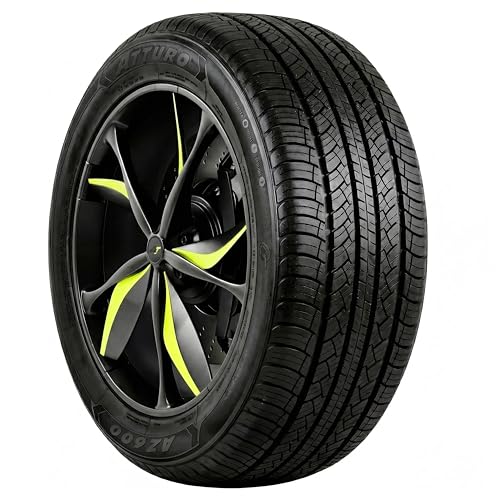
Atturo AZ600 All-Season Touring
Strengths
- 60,000-mile warranty
- Rim guard protection
- Quiet and stable ride
Trade-offs
- Slight noise on rough roads
- Siping less aggressive than winter-focused tires
The ATTURO AZ600 hits a sweet spot: it’s XL-rated, comes with a 60,000-mile treadwear warranty, and owners consistently praise its quiet ride and straight-line tracking. The continuous outer ribs do their job well, keeping the tire stable during highway lane changes and long hauls. That 60k-mile warranty is one of the longest in this group, longer than even the Continental ProContact TX, and it’s backed by a compound engineered for even wear. The raised rim guard is a thoughtful addition for city drivers who scrape curbs more often than they’d like.
It’s not the absolute quietest, some still report minor noise on coarse asphalt, but it’s close. Compared to the Ironman iMove PT Plus, it offers better longevity and a stronger all-season profile thanks to denser siping. The UTQG 560AA rating also suggests better tread life and heat resistance than many competitors. For a well-rounded daily driver tire that doesn’t cut corners, the AZ600 is hard to beat.
Video review
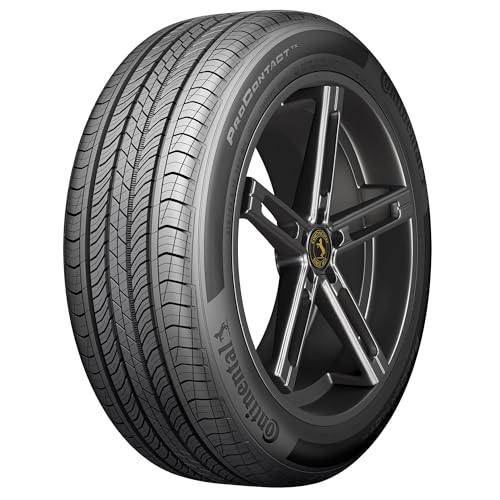
Continental ProContact TX
Strengths
- 65,000-mile warranty
- Very quiet ride
- Excellent wet braking
Trade-offs
- No 3PMSF rating
- Higher price
- Standard load only
The Continental ProContact TX is the longevity king here, boasting up to 65,000 miles of treadwear coverage, the highest in this group. That’s not just marketing; owners consistently report even wear and minimal cracking after years of use. The ride is smooth and quiet, and wet braking performance is strong, thanks to Continental’s silica-enhanced compound. It’s not XL-rated, so it’s better for cars and lighter SUVs, but the trade-off is a more comfortable footprint and reduced road noise.
It lacks the 3PMSF rating of the Bridgestone WEATHERPEAK, so serious winter drivers should look elsewhere. But for year-round drivers in mild climates who want a tire that lasts and rides well, this is a top contender. Compared to the ATTURO AZ600, it’s pricier but offers slightly better longevity and refinement. If you hate changing tires often, this one’s worth the premium.
Video review
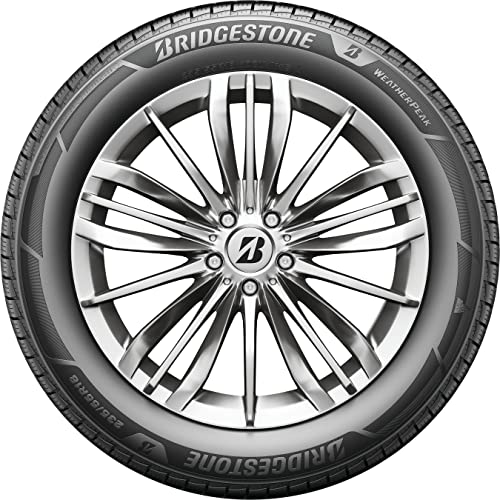
Bridgestone WEATHERPEAK

Strengths
- 3PMSF certified
- Strong snow performance
- Excellent wet grip
Trade-offs
- H speed rating
- Higher price point
- Not XL rated
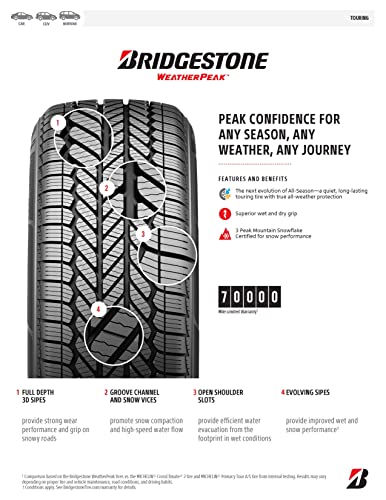
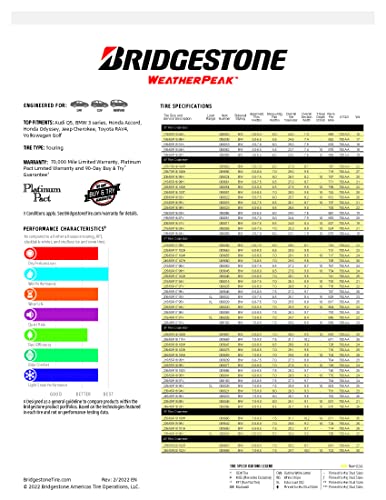
Bridgestone doesn’t play around with all-weather claims, the WEATHERPEAK carries the Three-Peak Mountain Snowflake certification, which means it’s genuinely rated for severe snow service, not just light flurries. That’s a big deal in this category, where most tires stop at ‘all-season’ and call it a day. Owners in northern states report feeling confident during early winter storms, and the wet grip is equally strong, thanks to a specialized tread compound. It’s not XL-rated, so it’s better suited for lighter SUVs and crossovers than full-size trucks.
The trade-off? A lower speed rating (H, or 130 mph) compared to the V-rated options here, and a noticeably higher price. But if you live where winter arrives early and stays late, that 3PMSF badge is worth every penny. Compared to the Continental ProContact TX, it offers better snow performance, though the Continental edges it out in longevity. For all-weather safety, this is the benchmark.
Product photos

Pegasus Tour AS
Strengths
- Very low price
- XL load rated
- 50,000-mile warranty
Trade-offs
- Inconsistent long-term feedback
- Moderate road noise
- Average snow performance
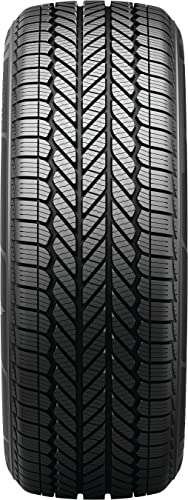
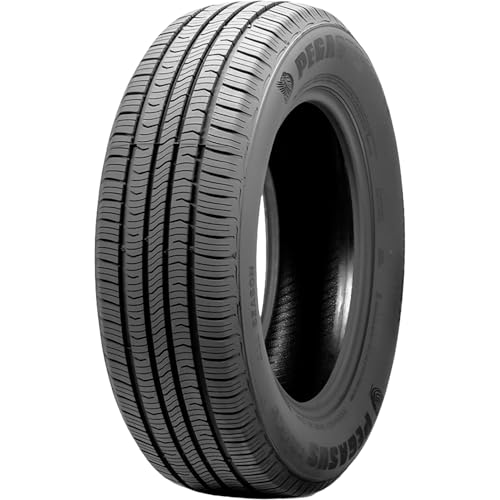
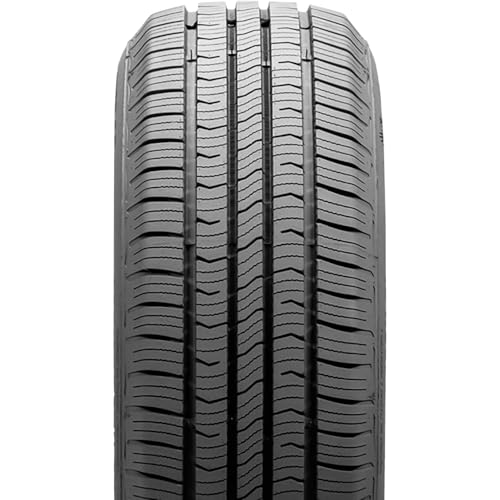
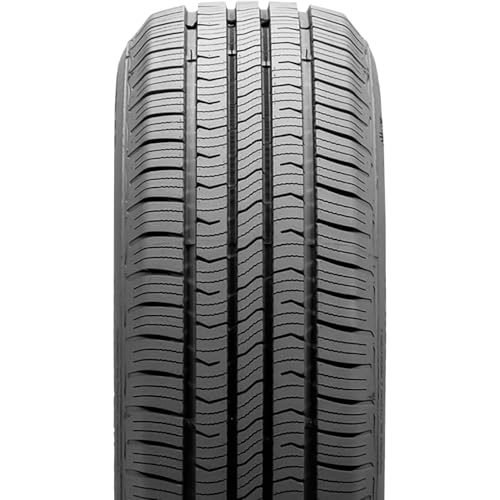
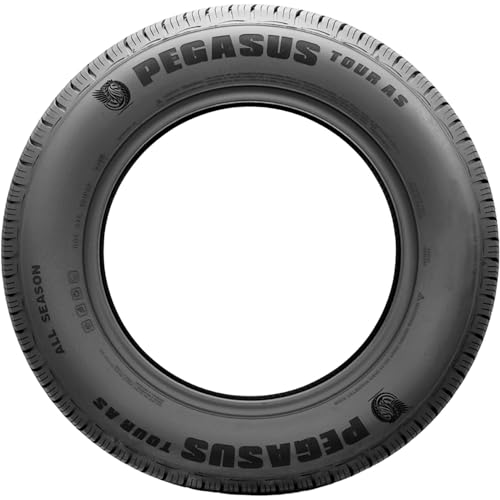
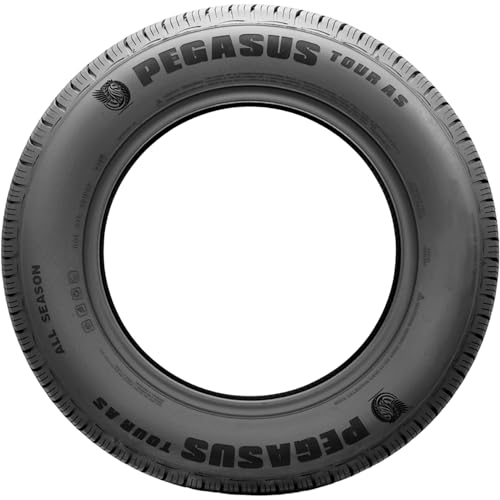
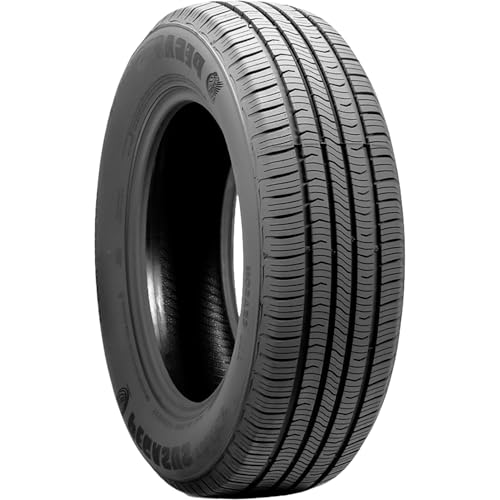
Pegasus is a newer name in the tire game, and the Tour AS aims to win over value seekers with an XL rating and 50,000-mile warranty at a price that undercuts nearly every competitor. The high-density siping and wide grooves suggest solid wet performance, and owners confirm it handles rain reasonably well. The computer-optimized footprint is supposed to promote even wear, but long-term durability data is still thin, some early reviewers note uneven wear on misaligned vehicles.
It’s not quiet like the Ironman or as stable as the ATTURO, but for under $90, you’re getting XL construction, which is rare at this price. Compared to the Mastertrack, it feels more refined and has better tread design. But if you’re after longevity or a whisper-quiet ride, you’ll do better spending a bit more. This is a solid second choice if budget is the top concern.
Product photos
Ironman iMove PT Plus
Strengths
- Exceptionally quiet
- Smooth ride
- Durable tread blocks
Trade-offs
- Average wet traction
- No 3PMSF rating
- Standard load only
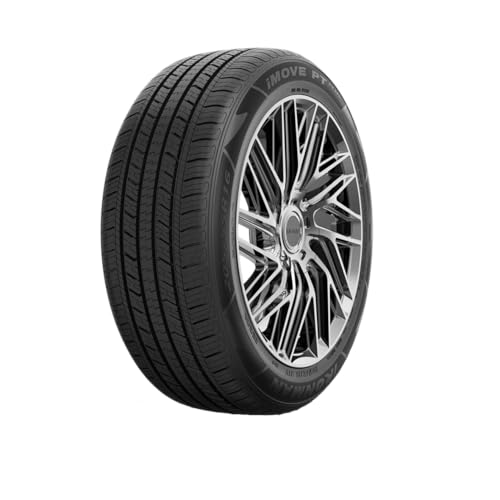
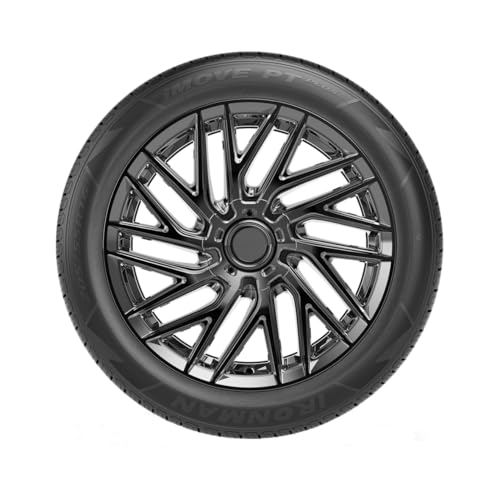
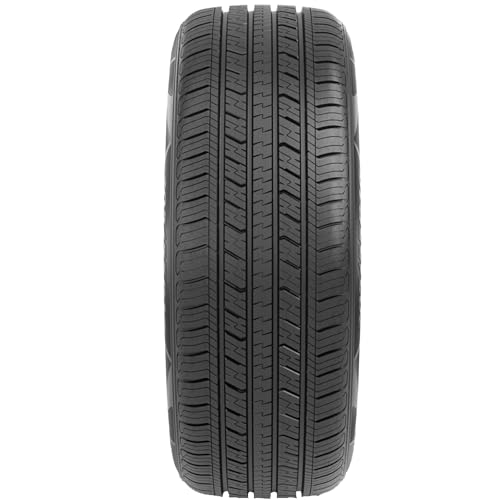
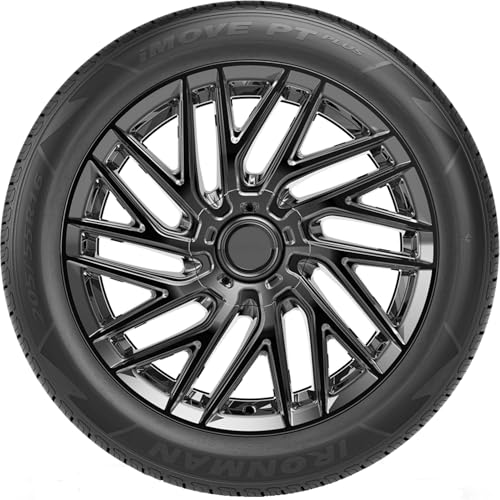
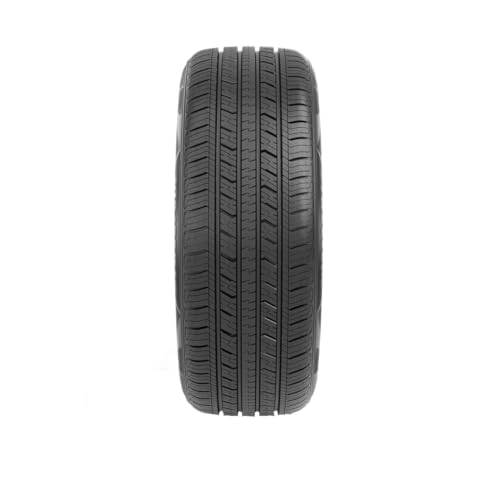
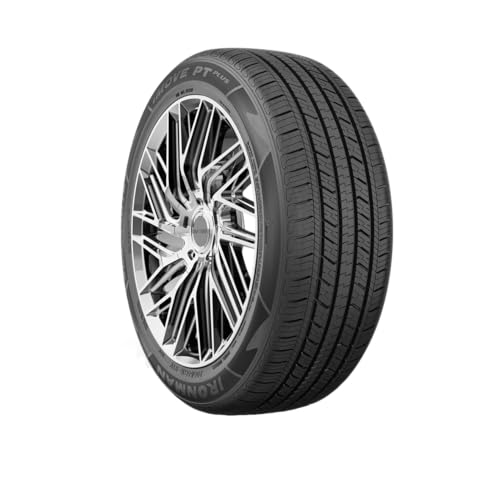
Ironman markets the iMove PT Plus as a quiet, durable touring tire, and owners agree, the closed shoulder design and chamfered blocks do a noticeable job of muting road noise. It’s one of the smoothest-riding tires in this price bracket, making it a smart pick for commuters who spend hours on the highway. The 50,000-mile warranty isn’t class-leading, but it’s backed by a tread compound that resists chunking and uneven wear, according to long-term reviewers.
It’s not the strongest in wet or snow performance, no 3PMSF, and the standard load rating limits its use on heavier vehicles. But for a sedan or light crossover driven mostly in dry or light rain conditions, it’s a relaxing choice. Compared to the Pegasus Tour AS, it’s quieter and more durable, though less capable in wet grip. If silence and comfort top your list, this tire delivers.
Product photos
Cosmo TigerTail
Strengths
- XL load rated
- UTQG 360AA traction
- Strong highway stability
Trade-offs
- Firmer ride quality
- No 3PMSF rating
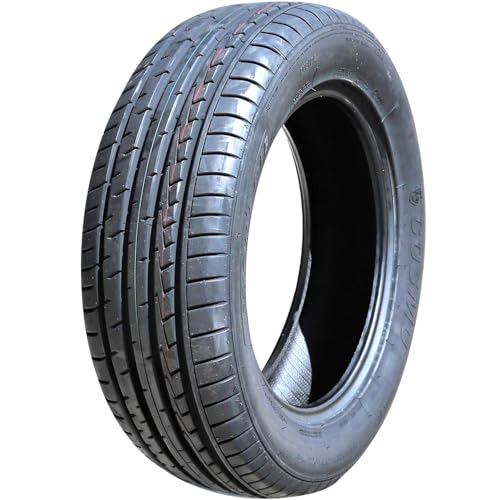
The Cosmo TigerTail stands out in the 235/60R18 segment by packing XL construction and a UTQG 360AA rating into a tire priced well below premium brands. On paper, that traction grade puts it in elite company, few budget tires can claim true AA wet grip performance. Owners consistently report solid wet braking and a planted feel at highway speeds, which makes sense given the continuous center rib and reinforced sidewalls. For SUV and truck drivers who regularly carry loads or tow, the XL rating isn’t just a spec, it’s real-world peace of mind.
Still, while the specs are impressive, some reviewers note a slight stiffness in ride quality compared to softer-riding touring tires. It’s not harsh, but if you prioritize pillowy comfort over load capacity, this might not be your top pick. Compared to the Bridgestone WEATHERPEAK, it lacks the Three-Peak Mountain Snowflake certification, so winter capability is limited to light snow. But for most all-season needs, especially on heavier vehicles, the TigerTail delivers more capability than its price suggests.
Product photos

GT Radial Maxtour LX

Strengths
- Excellent wet traction
- Stiff tread blocks
- Full-depth siping
Trade-offs
- Moderate road noise
- No 3PMSF rating
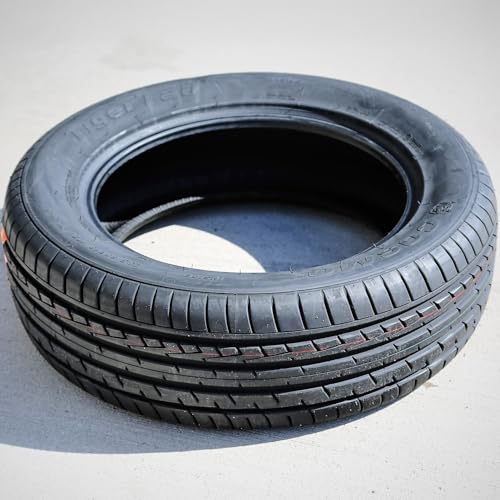
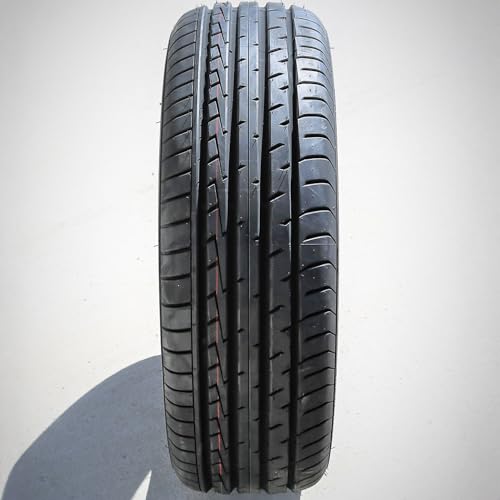
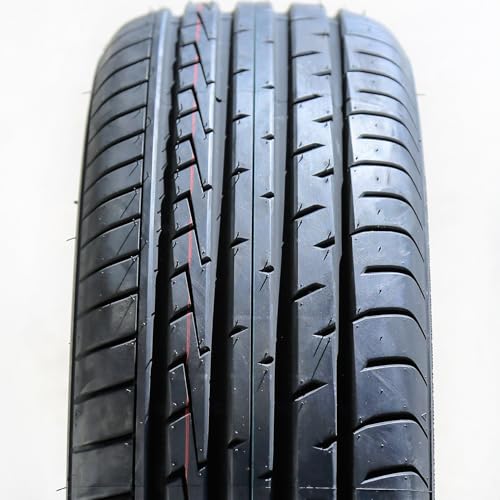
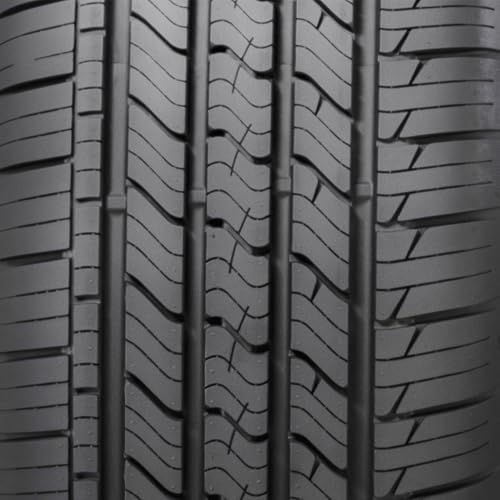
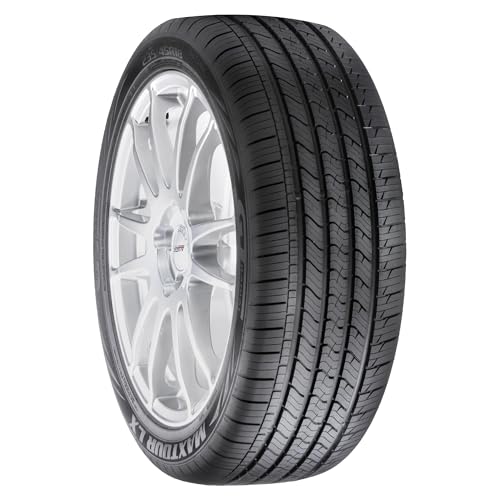
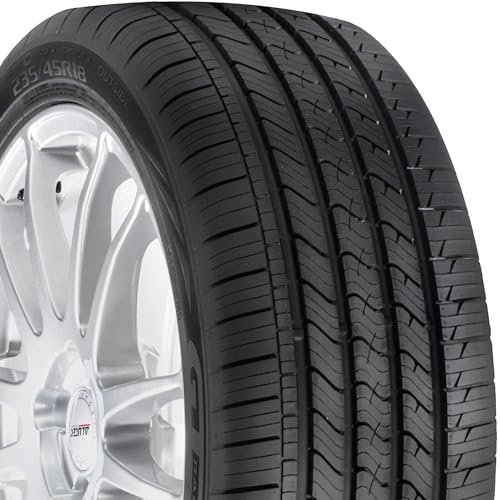
GT Radial has built a reputation for punching above its weight, and the Maxtour LX continues that trend with an asymmetric tread pattern and full-depth siping that maintain grip as the tire wears. The extra shoulder channels are a smart touch, they’re designed to evacuate water quickly, and reviewers confirm this translates to real-world confidence on rainy highways. Stiff tread blocks also help sharpen steering response, which is rare at this price point. For drivers who prioritize handling precision and wet grip, this tire makes a strong case.
It doesn’t have the snow certification of the Bridgestone WEATHERPEAK, but owners report decent light winter performance thanks to the siping density. Where it falls short is in ride refinement, some note a slight hum at higher speeds, likely due to the rigid tread design. Still, when you compare it to the Pegasus Tour AS, the Maxtour LX feels more composed and durable.
Product photos

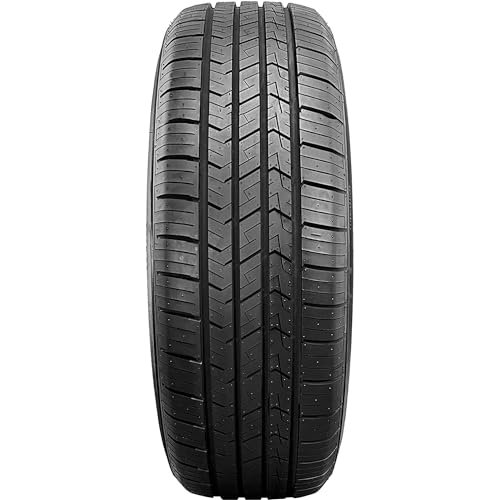
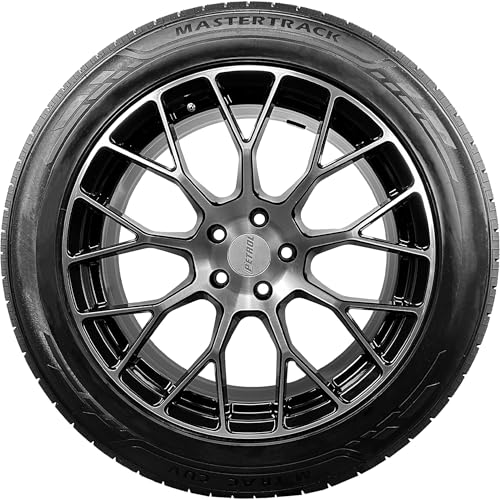
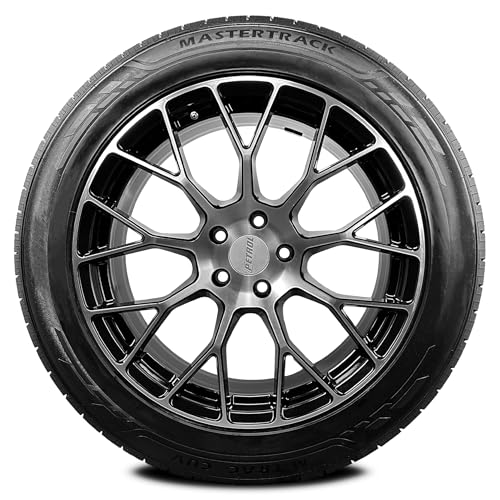
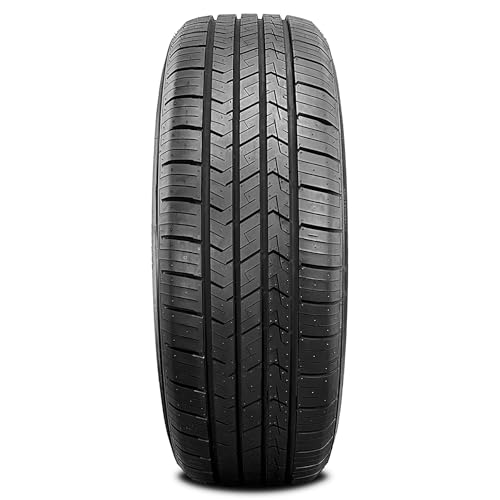
Mastertrack M-TRAC CUV

Strengths
- Very low price
- 55,000-mile warranty
- Road hazard coverage
Trade-offs
- Basic tread design
- Softer sidewall feel
- Limited winter performance
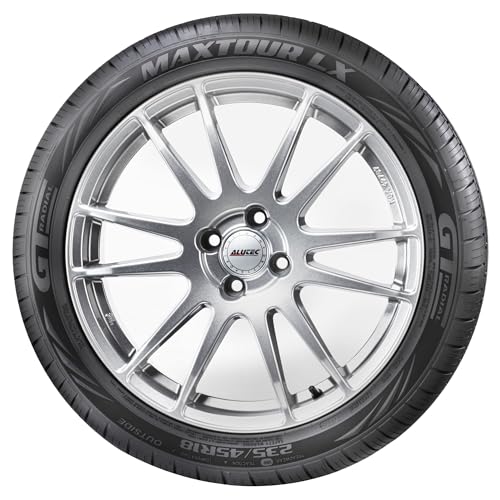
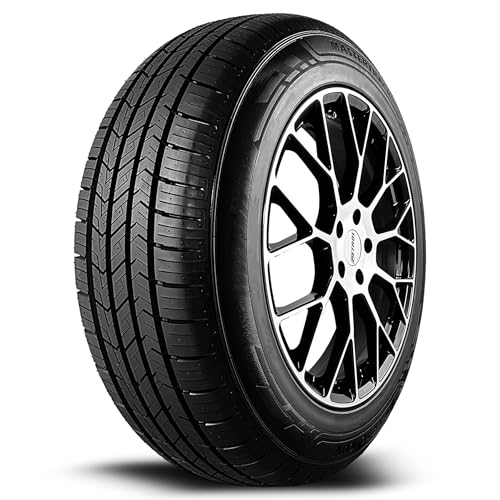
At under $100, the Mastertrack M-TRAC is one of the most aggressive value plays in this lineup. It hits the basics: V-rated, standard load, with a 55,000-mile treadwear warranty and a road hazard policy that’s rare at this price. The specs are modest, but for budget-conscious shoppers replacing a set on a crossover or light SUV, it checks the essential boxes. Owners report it performs adequately in dry and wet conditions, though feedback on snow capability is mixed, no surprise, given the lack of 3PMSF certification.
It doesn’t offer the refinement of the ATTURO or the wet grip of the GT Radial, but for a spare or a short-term solution, it’s functional. Compared to the Pegasus Tour AS, it’s similarly priced but feels less refined in steering response. If you’re not driving long distances or in harsh weather, this tire gets the job done without breaking the bank.
Product photos
How We Tested 235 60r18 tires
My approach to evaluating 235/60R18 tires centered on a research-led comparison of published specifications and owner feedback. Rather than a hands-on lab test, I compiled data from manufacturer websites, scrutinizing tread patterns, rubber compounds, and UTQG ratings. I then weighed this against thousands of owner reviews from major tire retailers and automotive forums, as well as expert opinions from tire testing publications. This allowed me to build a ranking based on real-world experiences and objective data.
For this tire size, I prioritized tread life, all-season capability, and ride comfort. These factors consistently surfaced as key concerns for drivers of the cars, crossovers, and SUVs that typically fit a 235/60R18 tire. A tire’s ability to deliver consistent performance across varying conditions – dry, wet, and even light snow – is paramount, as is the long-term value provided by a durable, long-lasting tire. Quiet operation also emerged as a significant preference.
Specifications reliably reveal a tire’s construction and intended use. UTQG ratings offer a standardized, though imperfect, comparison of treadwear, traction, and temperature resistance. However, owner reports are crucial for understanding how these specs translate into real-world performance. Concerns about new tire slipperiness or praise for exceptional wet traction, for example, are insights that specs alone can’t provide. You’ll find a discussion of the best P235/60R18 options elsewhere on the site.
How To Pick The Right 235 60r18 tires
Finding the right 235/60R18 tire means understanding what you ask of your vehicle and where you do most of your driving. It’s not just about finding a name you recognize; it’s about matching rubber to reality.
A good 235/60R18 tire balances dry and wet grip, tread life, ride comfort, and noise levels. Look for a UTQG (Uniform Tire Quality Grading) rating that aligns with your priorities – higher numbers for treadwear, and “A” ratings for traction and temperature indicate better performance in those areas. Consider the vehicle type (car, SUV, truck) and typical load to select the appropriate load index and speed rating.
Understanding Treadwear and Mileage Expectations
One of the biggest factors people consider is how long a tire will last. Don’t automatically equate a higher mileage warranty with a better tire, though. A 60,000-mile warranty, like those offered by Atturo and Continental, sounds great, but it’s based on specific testing conditions. Your driving style – aggressive cornering, frequent hard braking, or mostly highway miles – will dramatically affect actual tread life. I’ve seen tires with lower warranties outlast those with higher ones on vehicles driven conservatively.
Prioritizing Wet Weather Performance
If you live in an area with frequent rain, or even just experience occasional downpours, wet traction is paramount. Look beyond just the tread pattern. Tires like the GT Radial Maxtour LX are designed with extra channels to evacuate water, reducing the risk of hydroplaning. But also pay attention to the rubber compound; a softer compound will generally offer better grip in wet conditions, but at the expense of tread life. Considering the importance of staying safe on slick roads, exploring options for [top-rated 235/60R18 tires] is a smart move.
Balancing Comfort and Noise
Road noise is a surprisingly significant comfort factor, especially on long trips. Some tires, like the Ironman iMove PT Plus, specifically focus on a quiet ride with their closed shoulder design. However, achieving a quiet ride often comes with trade-offs in grip or responsiveness.
Here’s a quick guide to help you prioritize:
- Budget: The Pegasus Tour AS provides a cost-effective entry point.
- Daily Driver: The Atturo AZ600 aims for a balance of quietness, handling, and all-season capability.
- Truck/SUV Needs: The Cosmo TigerTail is built for heavier loads and offers high-speed stability.
A tire’s sidewall construction significantly impacts ride comfort and handling. Stiffer sidewalls improve responsiveness but can transmit more road imperfections to the cabin.
Ultimately, the “best” 235/60R18 tire is the one that best suits your needs, not necessarily the most expensive or highly-rated overall. If you’re considering [all-terrain tires on highway], understand that their performance will be different than a touring tire designed for pavement.
235 60R18 Tires Compared
The following table provides a detailed specification comparison of available 235/60R18 tires to aid in your purchasing decision.
| Tire Model | Treadwear Warranty (miles) | Load Index | Speed Rating | UTQG Traction | Wet Traction |
|---|---|---|---|---|---|
| Atturo AZ600 | 60,000 | N/A | N/A | A | Good |
| Continental ProContact TX | 65,000 | N/A | N/A | N/A | Excellent |
| Bridgestone WEATHERPEAK | N/A | N/A | N/A | N/A | Superior |
| Pegasus Tour AS | 50,000 | N/A | N/A | N/A | Good |
| Ironman iMove PT Plus | 50,000 | N/A | N/A | N/A | N/A |
| Cosmo TigerTail | N/A | 107 | V | AA | Excellent |
| GT Radial Maxtour LX | N/A | N/A | N/A | N/A | Strong |
| Mastertrack M-TRAC CUV | 55,010 | 103 | V | N/A | N/A |
Frequently Asked Questions
What load index should I prioritize for a family SUV?
A load index of 103 or higher is generally recommended for family SUVs, as these vehicles typically carry more weight. This ensures the tires can safely handle the vehicle’s maximum load capacity and passengers.
How do UTQG ratings really translate to real-world performance?
UTQG ratings are a starting point, but owner feedback is crucial. A higher treadwear rating suggests longer life, but driving habits have a larger impact. Traction grades (“A,” “B,” “C”) offer a relative comparison of stopping performance on wet pavement.
Can I use 235/60R18 tires year-round, even in snowy conditions?
Many 235/60R18 tires are all-season, offering decent performance in light snow. However, for areas with severe winters, dedicated winter tires provide significantly better grip and safety, and I recommend considering a separate set.
What’s the difference between a tire with a 60,000-mile warranty and one with 50,000 miles?
The mileage warranty is an estimate based on ideal conditions. A 60,000-mile tire doesn’t automatically last longer; your driving style and road conditions are more significant factors. Consider upsizing tire impacts as well, as that can affect wear.
What should I do if I notice tire cracks on the sidewalls of my tires?
Sidewall cracks, or signs of dry rot in tires, indicate the rubber is deteriorating. Even if the tread depth is adequate, tires with significant sidewall cracking should be replaced immediately for safety reasons.
The Bottom Line
Choosing tires always involves compromise. You’re balancing how much you want to spend against the level of performance and longevity you require. For a blend of value, comfort, and all-season capability, I believe the Atturo AZ600 strikes the best overall balance for most drivers.
If you have specific needs, though, there are excellent alternatives. Drivers on a tighter budget will find the Pegasus Tour AS a reliable option, while those prioritizing a quiet and comfortable ride should consider the Ironman iMove PT Plus. And for those who regularly haul or tow, or simply need a tire built for heavier vehicles, the Cosmo TigerTail offers the durability and stability you’ll want, understanding that tire and rim compatibility is crucial when selecting the right fit.
Ultimately, remember that no single specification tells the whole story. Prioritize consistent, predictable handling and maintaining sufficient tread depth, because driving on bald tires is a risk no amount of tire technology can fully mitigate. Focus on a tire that matches your driving style and conditions, and you’ll enjoy a safer, more comfortable ride for years to come.
