
How Does a Car Accident Affect Your Auto Insurance Rates?
This post contains affiliate links. As an Amazon Associate, we earn from qualifying purchases.
An at-fault car accident increases your insurance rates by a national average of 43% to 49% for three to five years. This translates to an extra $1,000 to $1,500 per year. A not-at-fault accident may still raise your premium by about 4% on average, though states like California and Oklahoma, and insurers like State Farm, prohibit this increase.
The specific percentage your insurer adds isn’t a punishment. It’s a recalculation of your future risk based on actuarial data. Your current carrier and your state’s regulations are the two biggest factors deciding your new bill.
What follows: the exact numbers from recent industry studies, the critical difference between your driving record and your insurer’s surcharge window, and the moves that can cut hundreds off your post-accident premium starting at your next renewal.
Key Takeaways
- An at-fault accident triggers an average rate increase of 43-49%, adding roughly $1,000+ to your annual premium for 3-5 years.
- Not-at-fault accidents can still increase rates by about 4% on average, but State Farm doesn’t raise rates for them, and states like California and Oklahoma ban the practice.
- Your current insurer’s surcharge schedule matters most. State Farm applies a 24% average hike, while Progressive’s is near 58%.
- The accident stays on your DMV record for 3-10 years, but insurers typically apply a surcharge for only 3-5 years.
- Shop your policy at renewal, different insurers weigh the same accident differently, and this is the single most effective way to lower your costs.
The 43-49% At-Fault Surcharge (and Why It’s Not Random)
That 43-49% figure isn’t a guess. It’s the aggregated finding from 2024-2025 analyses by Bankrate, LendingTree, and MoneyGeek. Bankrate pegs the average full-coverage increase at 43%, while MoneyGeek’s study lands at 49%. The dollar impact is clearer: an extra $1,030 to $1,056 per year.
The national average rate increase after an at-fault accident is 48.8%, that adds up to $1,056 per year, but your actual increase depends most on which insurer you’re with. State Farm had the smallest rate increase after an at-fault accident in MoneyGeek’s analysis, raising rates by just 24.3%, less than half the national average, while Progressive raised rates by 58.1% on average.
This variation exposes the core mechanism. Insurers use your accident to predict future claims. The surcharge isn’t for the past crash; it’s for the statistically higher likelihood of another one. Companies with more conservative models or different customer pools will charge more for the same risk.
| Major Insurer | Average Rate Increase After At-Fault Accident | Why It Varies |
|---|---|---|
| State Farm | ~24% | Lower base surcharge schedule; often ranks as most forgiving. |
| GEICO | ~57% | Uses a competitive but strict pricing model that heavily penalizes new claims. |
| Progressive | ~58% | Applies a high surcharge percentage, especially for first at-fault incidents. |
| Allstate | Varies by state | Uses a complex, location-specific formula that can be moderate or severe. |
The takeaway is blunt. Your insurer’s internal rulebook dictates your pain more than any generic “average.” This is why a total loss claim from one company might cost you less over time than a minor fender-bender with another.
Where this goes sideways: Assuming the increase is uniform. A 20-year-old driver will see a steeper dollar increase, over $2,000 more a year, than someone in their 50s, even if the percentage is similar. Age and experience are baked into the initial rate, so the surcharge multiplies a higher base cost.
What About Accidents That Weren’t Your Fault?
Here’s the frustrating twist. Data from WalletHub and Experian shows a not-at-fault accident can still increase your premium by an average of 4%, or about $367 annually. The reasoning is coldly statistical: insurers find that drivers involved in multiple not-at-fault incidents may still be higher-risk profiles.
However, two massive exceptions break this rule.
First, state law. California and Oklahoma prohibit insurers from raising rates after a not-at-fault accident. If you live there and are cleared of fault, your rate cannot legally go up for that incident.
Second, company policy. State Farm does not increase rates for not-at-fault accidents. Their public stance is that you shouldn’t be penalized for something you didn’t cause. This is a major differentiator when you’re comparing insurers after a crash.
Common mistake: Not knowing your state’s law or your insurer’s specific policy. You could be shopping for new insurance to escape a surcharge that your current company wasn’t allowed to apply in the first place.
If you’re in a no-fault insurance state, the rules shift again. Your own policy pays for your injuries regardless of fault, which can complicate how a claim is categorized and whether it triggers a rate review. The key is whether a claim payout is made under your collision coverage (often surcharged) or other parts of your policy.
How Long Does the Financial Hangover Last?
You’ll hear two timelines: one for your official record and one for your wallet. The accident may stay on your DMV driving record for 3 to 10 years, depending on state law and severity. A DUI-related accident can linger for over a decade.
But the insurance surcharge period is almost always shorter. Most insurers apply the increased premium for three to five years from the accident date. This is their “look-back” window. After it closes, the accident falls off their rating algorithm, even if it’s still on your state record.
| Situation | Typical Duration on Insurance Record | Key Trigger |
|---|---|---|
| At-Fault Accident | 3-5 years | Policy renewal date after the incident. |
| Not-At-Fault Accident | 0-3 years | Varies wildly by state law and insurer. |
| Major Violation (e.g., DUI) | 5-10+ years | Severity extends the insurer’s risk window. |
The countdown starts at the accident date, not the claim settlement date. Mark your calendar. The most effective day to lower your premiums is the renewal date immediately after the surcharge period ends. That’s when you re-shop your policy to capture your clean-record rate again.
The Accident Forgiveness Wild Card
Many insurers offer accident forgiveness programs, but the details are everything. They come in three flavors: free small forgiveness, earned large forgiveness, and paid add-ons.
Progressive’s structure is a good case study. Their Small Accident Forgiveness waives a rate increase for claims under $500 for most customers from day one. Their Large Accident Forgiveness is earned after five years as a customer with a clean record. You can also buy a separate Progressive Accident Forgiveness rider upfront.
Worth knowing before you start: Forgiveness usually must be on your policy before the accident. You can’t add it after the fact to wipe away a surcharge. It’s a shield, not an eraser.
The catch is availability. Some states, like California, don’t allow insurers to offer accident forgiveness at all. In others, the qualifying periods and claim caps differ. Always read your policy jacket or ask your agent for the specific terms. It’s not a universal get-out-of-jail-free card.
How to Fight the Rate Hike (The Real Steps)
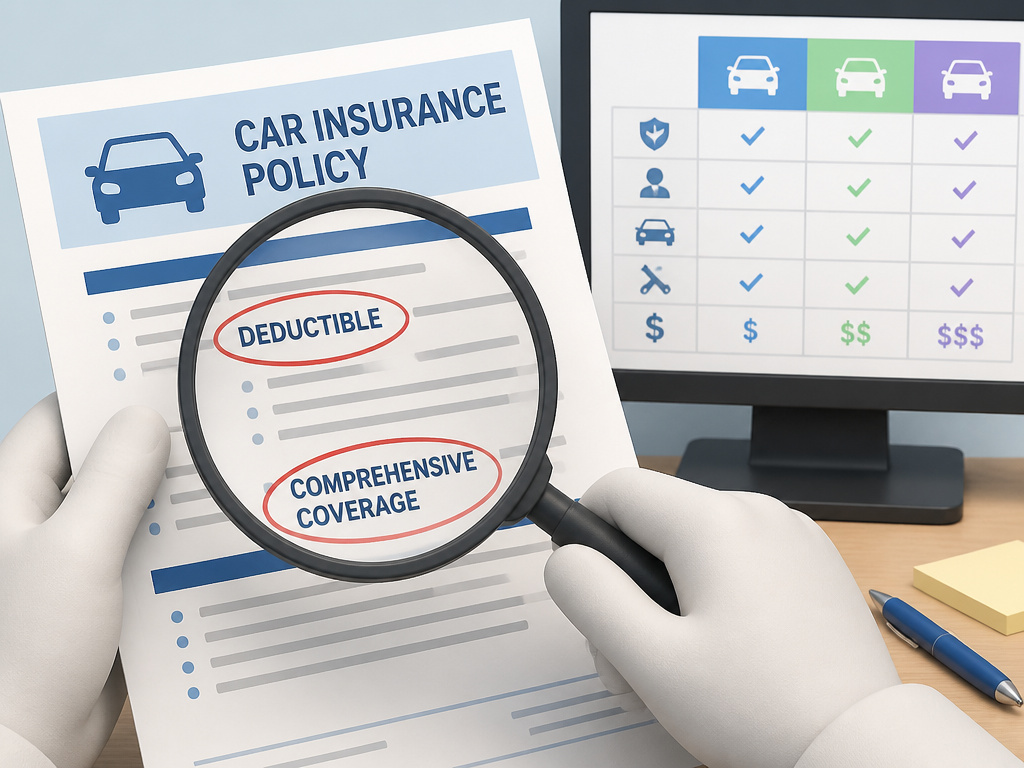
When the new bill arrives, you have a playbook. Passive acceptance is the most expensive choice.
- Shop at Renewal. This is the single biggest lever. Different insurers weigh the same accident differently. A company hungry for new customers in your ZIP code might offer a base rate that undercuts your current inflated premium. Get quotes every year.
- Audit Your Coverage. After an accident, review your policy line by line. Do you need the same limits? If your car is older, could you drop comprehensive coverage? Raising your insurance deductible from $500 to $1,000 can lower your premium by 15% or more.
- Harvest Every Discount. Now is the time to ask. Defensive driving courses, bundling home and auto, paperless billing, telematics programs, activate them all. They provide direct offsets against the surcharge.
- Maintain a Clean Record. This is obvious, but critical. A second incident while a surcharge is active compounds the problem, leading to a much steeper hike and a longer recovery timeline.
- Consider Paying Out of Pocket. For very minor damage close to your deductible, filing a claim might cost more in long-term premiums than the repair itself. Just know the risk: if the other driver later reports injury, you’ve complicated your situation.
Your credit-based insurance score also plays a role in most states. Improving your credit can gradually lower your base rate, softening the blow of any surcharge.
Frequently Asked Questions
Does a not-at-fault accident show up on my record?
Yes. Any accident reported to police or your insurer typically appears on your CLUE report (Comprehensive Loss Underwriting Exchange) and your state DMV record. The presence on the record is different from it causing a surcharge.
Can I switch insurers immediately after an accident?
You can, but the accident will follow you. New insurers will ask about recent accidents (usually within the last 3-5 years) and will pull your CLUE report. You’ll likely get quotes that include the surcharge. The best strategic window is at your next renewal with your current company, when the surcharge is first applied, or after the look-back period ends.
Will my insurance go up if I use it for hail damage or hitting an animal?
Maybe, but less so. Claims under comprehensive coverage (theft, vandalism, weather, animals) are generally viewed as lower risk than at-fault collisions. They may cause a smaller increase or none at all, unless you file them frequently.
How do insurers know about an accident if I don’t tell them?
They find out. All major insurers subscribe to the CLUE database. When you file a claim, it’s logged. If another driver files a claim against you, it’s logged. If police report an accident with your vehicle information, it can be cross-referenced. Hiding an accident is a good way to get your policy canceled for misrepresentation.
Is it worth getting a dashcam?
Dashcam footage can be decisive evidence in fault disputes. If it clearly shows you were not at fault, it can prevent an unjust surcharge and speed up the claims process. It’s an investment that pays off the first time you need it.
Before You Go
An at-fault accident will hit your insurance rates hard, expect a 40-50% increase for the next several years. The exact number depends on your insurer more than anything else. A not-at-fault accident is less damaging, but not always consequence-free unless you’re in a protective state or with a company like State Farm.
Your three concrete moves: know your policy’s forgiveness rules, shop your coverage aggressively at every renewal, and use every discount you can to offset the new cost. The increase is temporary, but your response to it determines the final bill.
