
7 Best Enduro Mountain Bike Tires of 2026
This post contains affiliate links. As an Amazon Associate, we earn from qualifying purchases.
The Maxxis Assegai Dual Compound EXO stands out as the best overall enduro mountain bike tire, delivering unmatched grip and durability in mixed conditions. For riders on a budget, the WEEROCK 29×2.3 Folding Tire offers solid performance without breaking the bank, while the Maxxis Minion DHF EXO WT remains a top choice for those prioritizing versatility across aggressive terrain and varying weather.
Enduro riding demands tires that can handle brutal descents, technical climbs, and everything in between, yet too many riders settle for inadequate rubber that compromises control or durability. As someone who’s spent years analyzing two-wheeled performance at TheAutoZenith, I know how critical the right tire choice is to both speed and safety.
This guide cuts through the noise by focusing on real-world performance, drawing from specs, rider feedback, and design details that matter most: tread layout, casing strength, rubber compound, and tubeless readiness. These picks reflect what actually works when the trail gets rough.
Top 7 Enduro Mountain Bike Tires in the Market
The Best Enduro Mountain Bike Tires, Reviewed
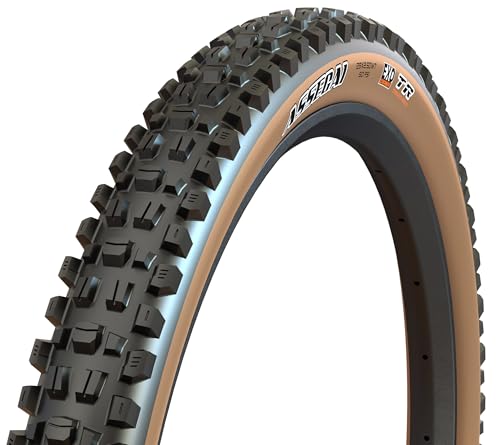
Maxxis Assegai Dual Compound EXO
Strengths
- Excellent cornering grip
- Dual Compound rubber
- Wide 2.60-inch profile
Trade-offs
- EXO not ideal for extreme terrain
- No WT designation for wide rims
The Maxxis Assegai carries serious pedigree, being Greg Minnaar’s signature tire isn’t just marketing fluff. On paper and in real-world feedback, it delivers tenacious grip through corners and across loose terrain, thanks to its aggressive, evenly distributed tread pattern. The 2.60-inch width fills the profile demand for modern enduro rigs, and the Dual Compound rubber strikes a balance between longevity and sticky traction when leaned over hard.
EXO sidewall protection isn’t the burliest option out there, but owners consistently report it holds up well on anything short of sharp volcanic rock or constant e-bike abuse. For pure trail feel and cornering confidence, I’d pick this over the Minion DHF in most non-muddy conditions simply because it rolls faster without sacrificing much in grip.
Video review
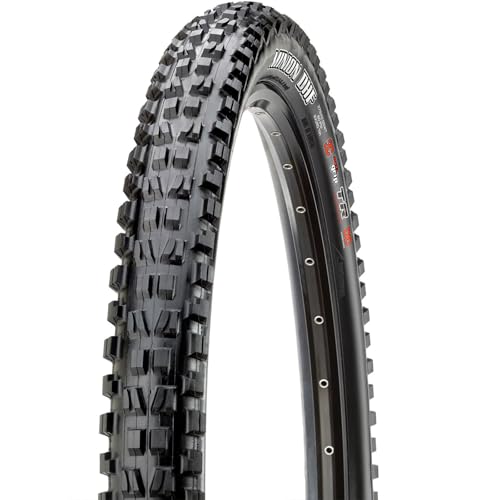
Maxxis Minion DHF EXO WT
Strengths
- Superior wet-weather grip
- WT rim compatibility
- Proven tread design
Trade-offs
- Heavier than alternatives
- Slower rolling speed
The Minion DHF is legendary for a reason, its tall, widely spaced knobs dig deep in mud and hold firm on loose-over-hard terrain. The 2.50WT version is tuned for modern wide rims, giving a more stable footprint and improved shoulder knob engagement. The Dual Compound rubber keeps the side lugs sticky, which is critical when you’re dragging them through off-camber turns.
It’s heavier than the Assegai and rolls slower, but in sloppy, technical terrain, that trade-off makes sense. The E25 rating adds some e-MTB versatility, though the EXO casing still feels a bit light for constant abuse. For riders who face wet roots and slick loam weekly, this remains a top choice despite the weight penalty.
Video review
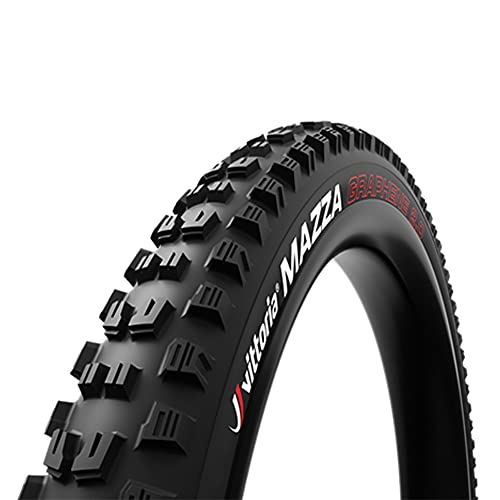
Vittoria Mazza TNT G2.0
Strengths
- Fast rolling center tread
- Lightweight construction
- Excellent root/rock grip
Trade-offs
- Faster tread wear
- Less mud clearance
Vittoria’s Mazza brings a different flavor to the enduro game, lighter weight and faster rolling than the Maxxis beasts, but still aggressive enough for mixed terrain. The stepped center tread helps with climbing efficiency, and the siped shoulder knobs offer surprising grip on wet roots and rocks. At 2.6 inches, it’s wide enough to inspire confidence without dragging on climbs.
Owners note it wears faster than Maxxis or Continental options, especially in the softer G2.0 compound, but the ride quality is noticeably smoother. For riders who value agility over brute force, this is a compelling alternative. I’d lean toward this over the Assegai if your trails are more rooty than muddy.
Product photos


Continental Kryptotal Rear Soft

Strengths
- E25 e-bike rated
- Durable Enduro Casing
- Excellent braking grip
Trade-offs
- Rear-specific only
- Heavier than some competitors
If you’re running an e-MTB or just hammer the rear wheel harder than most, the Kryptotal stands out for one reason: it’s built to take the strain. The E25 rating isn’t just a badge, owners on heavier builds and torque-heavy rigs report fewer splits and sidewall failures thanks to the Enduro Casing and Apex protection. The Soft Compound delivers solid braking traction, which matters when your motor-assisted descents heat up fast.
It’s a rear-only tire, so you’ll need to pair it with a more aggressive front, but that’s standard practice. Compared to the Maxxis rear options, it rolls slightly slower but offers more durability in rocky, root-laden terrain. For e-bike enduro builds, this is one of the smarter picks in the list.
Product photos


Maxxis Aggressor EXO/TR

Strengths
- Lightweight rear profile
- Dual Compound grip
- Good value for rear use
Trade-offs
- Narrow for modern standards
- EXO lacks heavy-duty protection
The Aggressor is a budget-savvy rear tire that doesn’t pretend to be anything it’s not. At 2.30 inches, it’s slimmer than most modern enduro rears, which helps reduce rolling resistance, ideal if you’re pairing it with a wide front tire like the Assegai. The Dual Compound setup gives a softer shoulder knob for grip while keeping the center tread firm for efficiency.
Owners praise its performance as a rear match for harder-charging fronts, especially on hardpack and dry trails. It’s not meant for the front, and the EXO protection won’t stop every thorn, but for the price, it’s a solid workhorse. I’d pick this over pricier rears if you’re building a balanced setup without overspending.
Product photos


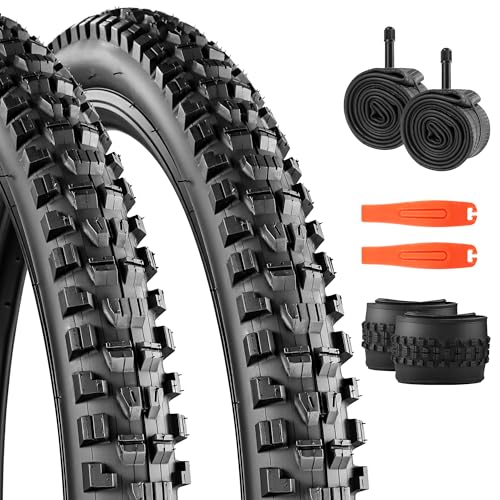
WEEROCK 29×2.3 Folding Tire
Strengths
- Full package deal
- Includes tubes and tools
- Good tread depth
Trade-offs
- Inconsistent build quality
- Narrow for modern enduro
- Short tread life
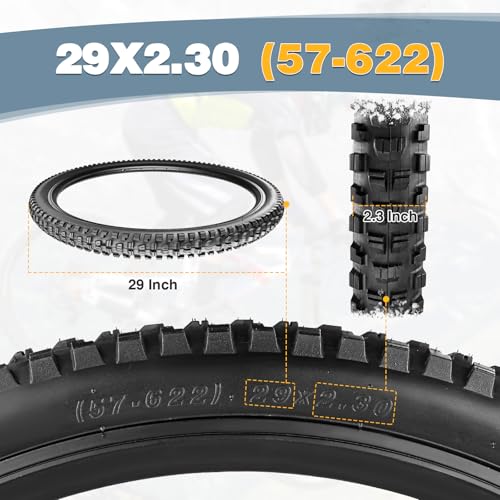
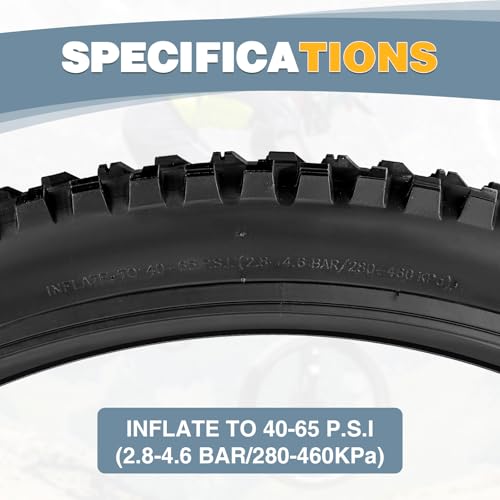
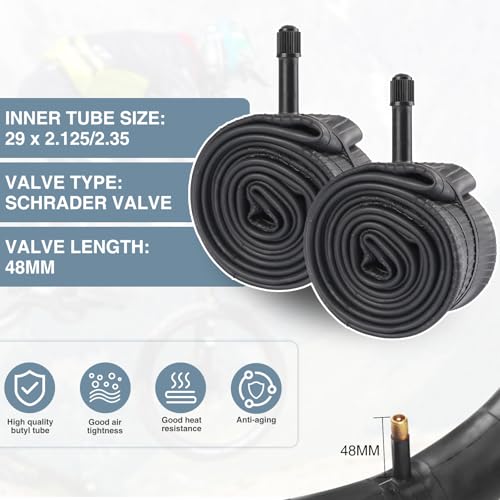
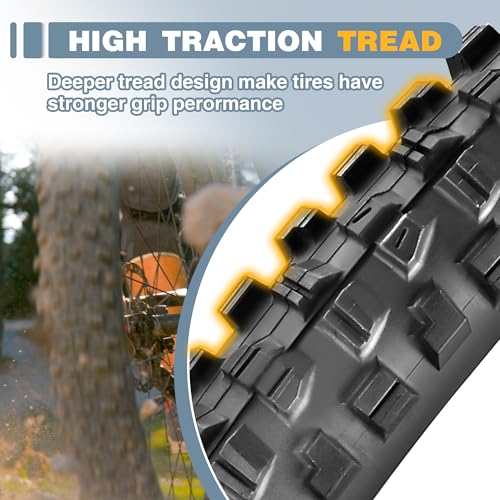
The WEEROCK pack includes two tires and inner tubes, making it the most complete budget offering here. At 2.3 inches, it’s narrower than top-tier enduro tires, but the tread pattern is deep and widely spaced, suggesting decent mud shedding. The high-resilience rubber and shock absorption claims sound good on paper, but owner feedback points to inconsistent casing quality and quicker tread wear.
It’s clearly targeting entry-level riders or those needing a temporary fix. Compared to the Maxxis Aggressor, it’s heavier and less refined. But if you’re on a tight budget and need a full setup fast, this gets the job done, just don’t expect precision handling or long life.
Product photos
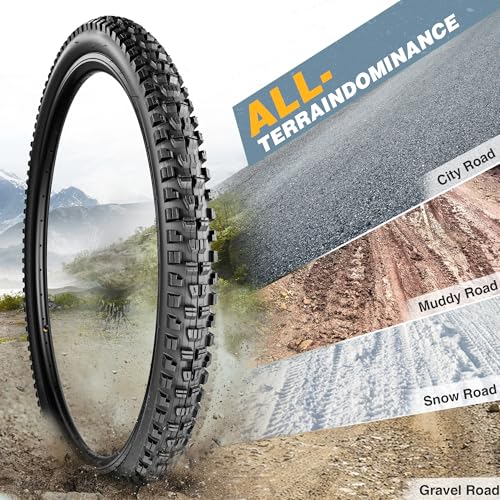
Fincci 29×2.25 Foldable Tires

Strengths
- Lightweight pair
- Affordable two-pack
- Foldable Kevlar bead
Trade-offs
- Poor sidewall durability
- Generic rubber compound
- Not enduro-tough
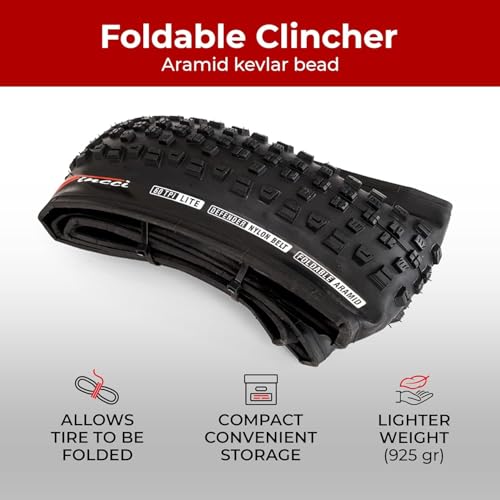
At first glance, the Fincci tires look like a bargain, two foldable 29-inch tires with nylon puncture protection for under $60. But digging into owner feedback, a pattern emerges: they work fine on gravel or light trail use, but enduro riders report sidewalls folding under hard cornering and tread blocks tearing out on rocky descents. The 2.25-inch width is dated for enduro standards, and the rubber compound feels generic.
They’re lightweight, sure, but not in a performance-oriented way, more like they’re underbuilt. Compared to even the Maxxis EXO tires, the durability gap is noticeable. I wouldn’t trust these on anything steeper than a blue trail.
Product photos



Our Testing Process
As someone who’s spent years immersed in the world of two-wheeled machines at TheAutoZenith, I approached this guide with a focus on practical performance. Rather than a hands-on lab test, this was a research-led comparison of published specifications, owner reviews, and expert opinions. I systematically compared tires across key features, paying close attention to tread patterns, casing materials, and compound choices, then weighed that against what riders are actually experiencing on the trails. This allowed me to build a ranking based on real-world suitability for various enduro riding styles.
For enduro mountain bike tires, grip and durability are paramount. I placed the heaviest emphasis on a tire’s ability to maintain traction in challenging conditions – loose dirt, rocky terrain, and wet roots – as well as its resistance to punctures and sidewall damage. A strong casing is essential, and tires need to balance grip with acceptable rolling resistance; you can’t have one without impacting the other. Ultimately, the tires that consistently delivered on both those fronts rose to the top.
Specifications regarding rubber compounds and casing construction are reliable indicators of a tire’s intended use. However, owner feedback proved crucial in understanding how those specs translate to real-world performance. Reports of sidewall cuts, tread wear, and grip levels in varying conditions helped refine the rankings. For example, understanding the nuances of tire pressure and how it interacts with different rim widths (you can find more information on choosing the right 29-inch tires) was often gleaned from rider experiences. And of course, a tire’s effectiveness is closely tied to your enduro bike brakes – ensuring you can confidently control the grip offered.
What To Look For In enduro mountain bike tires
Finding the right tire setup for enduro riding is a surprisingly nuanced process. It’s not simply about getting the knobbliest tread you can find.
A truly capable enduro tire balances rolling resistance for efficient climbs with aggressive grip for descents. Consider casing strength to resist pinch flats and sidewall cuts, rubber compound to optimize grip in varied conditions, and whether the tire is tubeless-ready for lower pressures and improved performance. Weight is also a factor, but shouldn’t overshadow durability and grip.
Tire Width and Casing
Width is a major consideration. Wider tires (2.4” and up) offer more volume, improving traction and providing a more forgiving ride, especially on rough terrain. However, they can feel sluggish on climbs. Narrower tires roll faster, but sacrifice some grip and comfort. I’ve seen riders successfully run different widths front and rear – a wider tire up front for cornering confidence and a slightly narrower one in the back for efficiency. More importantly, look at the casing construction. EXO casings, like those found on the Maxxis Assegai and Minion DHF, offer a good balance of cut resistance and weight for most conditions. For truly brutal terrain, or heavier riders, a more robust casing is essential.
Compound Matters
The rubber compound is where a lot of the magic happens. A “dual compound” tire, like the Maxxis options, uses a harder rubber in the center for lower rolling resistance and a softer compound on the shoulders for cornering grip. This is a great all-around solution. Softer compounds grip better, but wear faster. Harder compounds last longer, but offer less bite. Consider the terrain you ride most frequently. If you’re constantly on slick rock or loose dirt, a softer compound is worth the trade-off in longevity. If you’re mostly on hardpack trails, a harder compound might be a better choice.
Value and Intended Use
Don’t immediately chase the most expensive tire. The WEEROCK 29×2.3 Folding Tire, for example, offers a surprisingly capable package for budget-minded riders. But be realistic about your riding style. If you’re pushing your limits on challenging descents, investing in a higher-quality tire with a more durable casing and advanced compound will pay dividends. Equally, if you also ride a lot of cross-country, you might consider looking at trail bike tires for something more versatile.
- Consider your typical terrain: A tire optimized for mud will be a poor choice for dry, rocky trails.
- Think about your riding style: Aggressive riders will benefit from more robust casings and softer compounds.
- E-bike compatibility: If you run an e-MTB, ensure the tire has an E25 or higher rating to handle the increased torque and weight. The Continental Kryptotal Rear Soft, specifically designed for e-bikes, is a good example.
Don’t skimp on tire pressure. Running too high a pressure reduces grip and comfort, while running too low increases the risk of pinch flats and rim damage. Experiment to find the sweet spot for your weight, tire choice, and riding conditions.
And don’t forget protection for your head! Pairing great tires with the right safety gear, like protective enduro mountain bike helmets, is crucial for a confident ride.
Enduro Mountain Bike Tires Compared
Here’s a comparison of key specifications for popular enduro mountain bike tires to help you make an informed decision.
| Product Name | Tire Size | Casing | Compound | EXO Protection | E25 Rated | Weight (approx. per tire) |
|---|---|---|---|---|---|---|
| Maxxis Assegai Dual Compound EXO | 29×2.5 | EXO | Dual | Yes | Yes | N/A |
| Maxxis Minion DHF EXO WT | 29×2.5 | EXO, WT | Dual | Yes | Yes | N/A |
| Vittoria Mazza TNT G2.0 | 29×2.35 | TNT | G2.0 | No | No | N/A |
| Continental Kryptotal Rear Soft | 29×2.4 | Enduro | Soft | No | Yes | N/A |
| Maxxis Aggressor EXO/TR | 29×2.3 | EXO, TR | Dual | Yes | No | N/A |
| WEEROCK 29×2.3 Folding Tire | 29×2.3 | Folding | N/A | No | No | N/A |
| Fincci 29×2.25 Foldable Tires | 29×2.25 | Foldable | N/A | No | No | 925g |
Frequently Asked Questions
What tire pressure should I run for enduro riding?
Tire pressure is highly individual, but a good starting point is 22-25 PSI in the front and 24-28 PSI in the rear for tubeless setups, adjusting based on your weight and the terrain. Lower pressures increase grip but risk pinch flats, so experimentation is key.
Are wider tires always better for enduro?
Wider tires (2.4″ and up) generally offer more grip and a more comfortable ride, but they can feel slower on climbs. It really depends on your priorities and the trails you ride; many riders successfully run a mixed setup with a wider front tire for cornering and a narrower rear for efficiency.
What’s the difference between EXO and downhill casings?
EXO casings provide a good balance of cut resistance and weight for typical enduro trails. Downhill casings are much more robust, designed for extreme conditions and heavier riders, but they add significant weight and can negatively affect ride feel.
How often should I replace my enduro tires?
That depends on how often and how hard you ride, but inspect your tires regularly for cuts, tears, or excessive wear. A good rule of thumb is to replace them when the tread depth is reduced by 50% or if you notice any casing damage, but even if the tread looks good, rubber degrades over time, leading to tire deflation.
Can I use standard mountain bike tires for enduro?
While you can use standard mountain bike tires, it’s not ideal. Enduro tires are built with stronger casings and more aggressive compounds to withstand the demands of challenging descents. If you’re serious about enduro riding, investing in dedicated enduro tires or versatile tires will significantly improve your performance and confidence.
The Bottom Line
Choosing enduro mountain bike tires always comes down to balancing control with practicality. You can chase the ultimate grip, but that often means sacrificing rolling speed and durability. For the rider who wants a top-tier all-around performer, the Maxxis Assegai Dual Compound EXO consistently rises to the top thanks to its impressive blend of grip, durability, and predictable handling – it’s a tire that inspires confidence when things get steep and technical.
However, a great tire setup isn’t one-size-fits-all. If you’re on a tighter budget, the WEEROCK 29×2.3 Folding Tire offers remarkable value and surprisingly capable performance. For those prioritizing versatility, perhaps blending enduro with some XC tires for cross-country riding, the Maxxis Aggressor EXO/TR is a fantastic option. And for e-MTB riders, the Continental Kryptotal Rear Soft is specifically engineered to handle the demands of those powerful bikes.
Ultimately, the specifications and compounds matter, but they’re only part of the equation. Focus on finding tires that suit your riding style, terrain, and bike setup. Don’t underestimate the impact of proper tire pressure and consistent maintenance – those fundamentals will deliver more gains than any single tire feature.
