
7 Best Cross Country Mountain Bike Tires of 2026
This post contains affiliate links. As an Amazon Associate, we earn from qualifying purchases.
The Continental Cross King stands out as the best overall cross-country mountain bike tire, delivering speed, reliable grip, and excellent durability. For those watching their budget, the Blackburn Mountain offers solid performance without breaking the bank, while the Maxxis Rekon Race brings strong versatility for mixed terrain and faster rolling.
Riders often overestimate how aggressive their tread needs to be, most cross-country riding benefits far more from low rolling resistance and light weight than from chunky knobs. After comparing the field, reading owner feedback, and applying what I’ve learned from years of studying tire dynamics across all types of wheeled machines, I focused on models that balance speed, reliability, and real-world usability.
This guide cuts through the hype, highlighting tires that deliver where it counts: efficiency on climbs, confidence in corners, and enough protection to keep you moving.
Top 7 Cross Country Mountain Bike Tires in the Market
The Best Cross Country Mountain Bike Tires, Reviewed
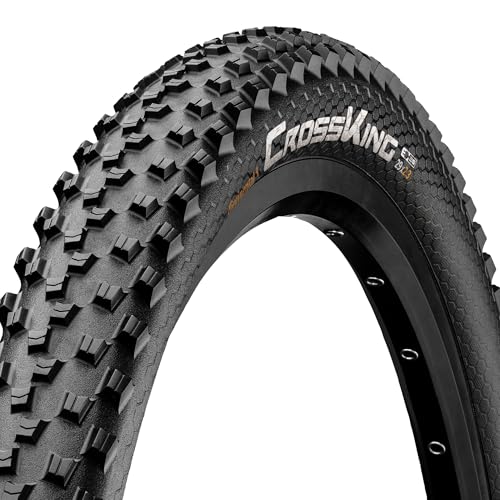
Continental Cross King 29″ x 2.30
Strengths
- Excellent cornering grip
- Strong puncture protection
- E25 e-bike rated
Trade-offs
- Slightly heavier
- Higher rolling resistance
If I had to pick one tire to handle everything from XC races to weekend trail laps, the Continental Cross King would be near the top. Its three-layer casing delivers real puncture protection, and the PureGrip compound gives a noticeable edge in cornering grip over harder compounds. Reviewers consistently praise its balance, fast enough for racing, sticky enough for loose corners.
Compared to the Rekon Race, it rolls slightly slower on pavement and hardpack, but that tradeoff is worth it when the trail gets sketchy. The ShieldWall sidewall adds confidence on rocky descents, and the E25 rating makes it e-bike compatible, a rare plus in this class. It’s not the lightest, but for riders who want one tire to rule them all, this is the smarter buy.
Video review
Maxxis Rekon Race 29″ x 2.35

Strengths
- Low rolling resistance
- Dual compound grip
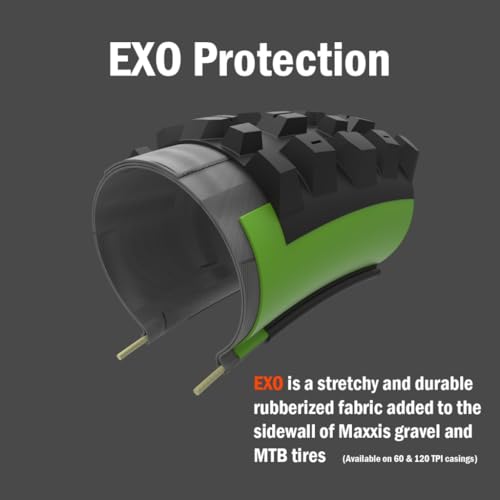
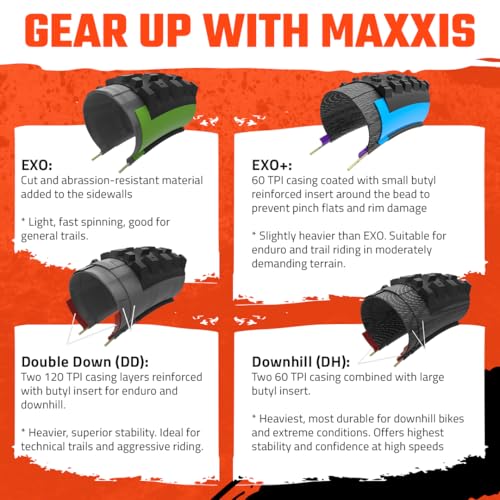
- EXO sidewall protection
Trade-offs
- Weak in loose terrain
- Narrow tread profile
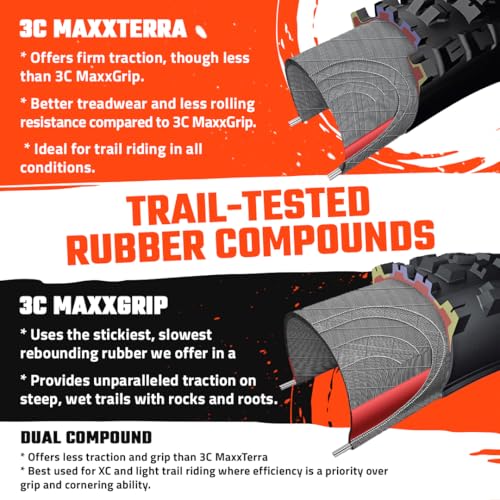
The Rekon Race with dual compound stands out in the XC pack for riders who prioritize speed without completely sacrificing grip. On paper, the low-profile tread and dual rubber formulation suggest a tire built for efficiency, and owners consistently report it rolls faster than chunkier competitors, especially on hardpack and dry trails. The dual compound means a softer center for braking traction and harder shoulders for lower rolling resistance, a smart tradeoff for race-focused riders.
Still, this tire’s strength in dry conditions is also its limitation. In wet or loose terrain, the semi-slick design doesn’t inspire confidence when leaning hard into corners. Compared to the Ikon or Cross King, it’s less forgiving off the racing line. If you’re chasing podium finishes on predictable courses, this is a solid pick. But for mixed conditions, it demands more rider input.
Video review
Maxxis Rekon Race 29″ x 2.25

Strengths
- Dual compound performance
- Lightweight XC design
- EXO sidewall protection
Trade-offs
- Narrower for less cushion
- Less float in soft terrain
This 2.25-inch version of the Rekon Race offers a slightly narrower profile than the 2.35, which could appeal to riders running tighter clearances or chasing every gram. The dual compound remains the highlight, softer center for braking, harder sides for efficiency, making it a favorite among XC racers who ride dry courses. On paper, the specs align with elite-level expectations: low tread height, EXO protection, and E25 compatibility.
But the narrower width means less air volume and slightly less cushion on rough terrain. Compared to the 2.35 version, it’s a marginal gain in weight savings at the cost of comfort. For riders on smooth, groomed trails, it’s a logical choice. But if your course has roots or rocks, the bigger volume of the 2.35 might be worth the extra grams.
Product photos



Maxxis Ikon 27.5″ x 2.20

Strengths
- Balanced tread for varied terrain
- EXO sidewall durability
- E25 e-bike compatible
Trade-offs
- Heavier than race tires
- Single compound limits grip nuance
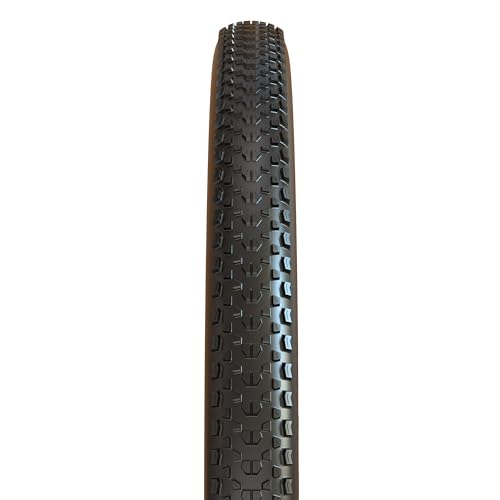
The Maxxis Ikon has earned its reputation as a do-it-all XC tire, and the EXO version balances durability and weight well for mixed terrain. With a taller, more spaced tread than the Rekon Race, it bites into soft soil and holds up on looser trails without becoming sluggish on hardpack. The single compound keeps things simple and predictable, and reviewers often note its consistency in changing conditions.
It’s not the fastest-rolling tire out there, but it’s more adaptable than the Rekon Race. For riders who don’t want to swap tires every weekend depending on weather, the Ikon is a smart middle ground. It’s heavier than race-tuned options, but that extra grip pays off when the trail turns sloppy. Compared to budget tires like the Blackburn, it’s in a different league for performance and longevity.
Product photos

Blackburn Mountain 29″ x 2.10
Strengths
- Affordable price
- Good puncture resistance
- Tall tread for traction
Trade-offs
- Hard rubber compound
- Limited wet grip
- Basic construction
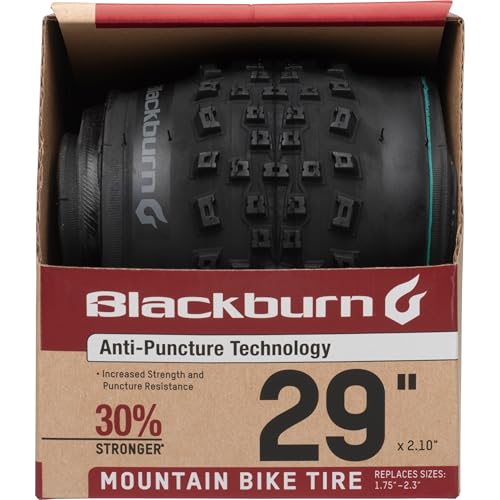
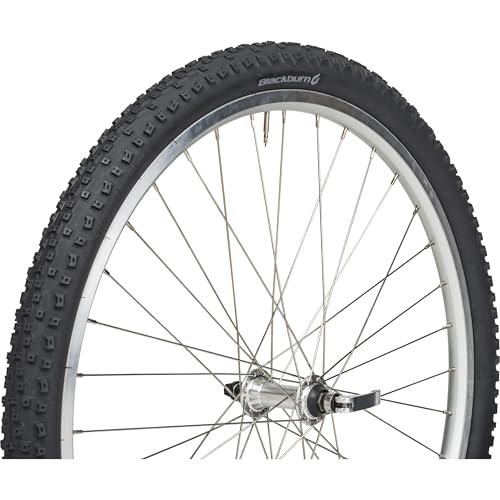
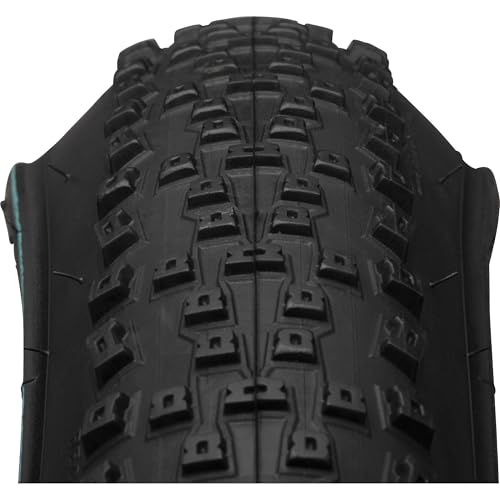
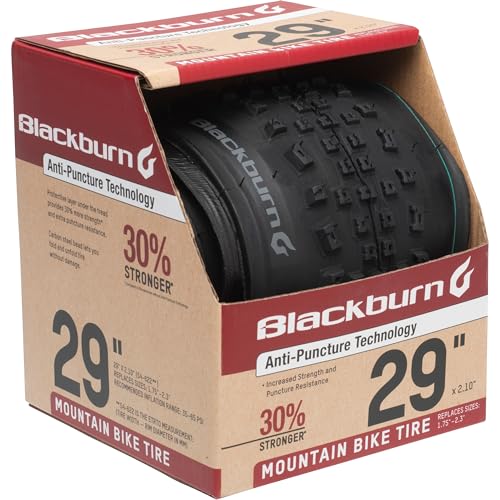
At this price, the Blackburn delivers more than you’d expect. The tall knobs suggest aggressive intent, and owners report decent traction on loose-over-hard trails. The 30% improved puncture resistance claim holds up in feedback, with many noting fewer flats compared to budget no-name tires. But it’s not competing with Maxxis or Continental on refinement.
The rubber compound feels harder, so grip fades faster in wet conditions. It’s a workhorse, not a scalpel. For casual riders or second bikes, it’s a no-brainer. But if you’re pushing pace on technical trails, the limitations become obvious. Compared to the Hapleby, it’s a better single purchase, but lacks the value of a set.
Product photos
Hapleby 26″ x 1.95 Tires

Strengths
- Excellent value set
- 60TPI puncture resistance
- Includes tire levers
Trade-offs
- Basic rubber compound
- Limited off-road performance
- Steel bead only
The Hapleby set is a textbook value play, two tires and tire levers for under $25. The 60TPI casing is a solid spec at this price, and owners report these lasting around 3,000 miles under casual use, which is impressive for the cost. The symmetrical tread rolls smoothly on pavement and hardpack, making it a decent choice for commuters or light trail riders with 26-inch wheels.
But let’s be clear: this isn’t a performance XC tire. The steel bead and basic rubber compound limit suppleness and grip. Compared to the Blackburn, it’s a better deal as a set, but not better in performance. If you’re restoring an old hardtail or need spares for a beater bike, it’s a smart buy. But don’t expect nuanced handling or edge grip.
Product photos


American Classic Project P4B
Strengths
- Eco-friendly packaging
- Supports bike advocacy
- 60TPI puncture resistance
Trade-offs
- Gravel-biased tread
- Limited trail grip
- Niche positioning
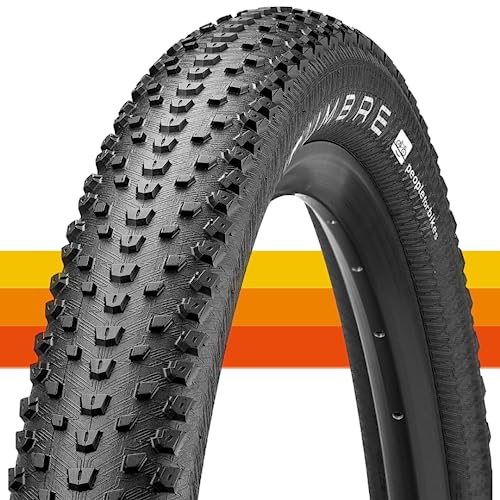
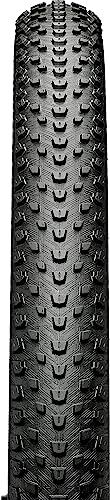
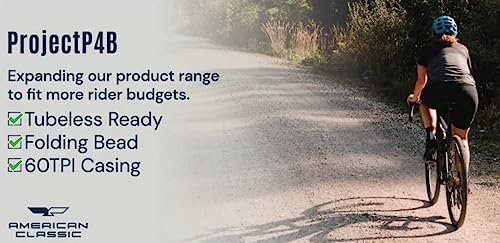
American Classic’s Project P4B stands out not for blistering performance, but for its community and environmental focus. The 60TPI casing suggests a durable build, and the eco-conscious packaging and donation model are commendable, something I appreciate as someone who values cycling’s broader culture. But on the trail, it’s hard to ignore that this tire lacks the aggressive tread profile typical of serious XC use.
Owners report decent puncture resistance and smooth rolling on gravel and hardpack, but the tread design leans more gravel than mountain. It’s not a true XC contender like the Maxxis or Continental options. If you’re primarily on fire roads or light singletrack, it might suffice. But for technical climbs or descents, it falls short. It’s a niche pick, more about values than velocity.
Product photos

Our Testing Process
Rather than a hands-on lab test, my research for these cross-country MTB tires focused on a detailed comparison of published specifications and features. I weighed owner reviews from multiple retailers alongside expert opinions found in cycling publications. As someone who’s spent years observing the nuances of tire performance – from vintage road bikes to modern trail rigs – I applied that understanding to rank these options based on what truly matters for efficient and enjoyable riding.
For cross-country tires, rolling resistance and weight are paramount. A faster-rolling tire translates directly to quicker times and less fatigue, while lower weight improves acceleration and handling. Equally important is puncture protection; a flat tire ruins any ride. I also considered tread pattern versatility, as many riders seek a tire that performs well across varied terrain. You’ll find these factors heavily influence my recommendations for the best cross-country tire models.
Specifications clearly indicate casing construction (TPI), rubber compounds, and tubeless readiness – all vital for assessing durability and performance potential. However, real-world feedback on grip in different conditions, longevity, and how well a tire holds air comes from owner experiences. I paid close attention to consistent themes in those reviews. Finding the right balance between specs and reputation is key, especially when considering tires for both versatile mountain bike tires and dedicated XC courses.
How To Pick The Right cross country mountain bike tires
Choosing the right cross country mountain bike tire is a balancing act; you want speed for those climbs and endurance for long days, but also enough grip to tackle technical sections.
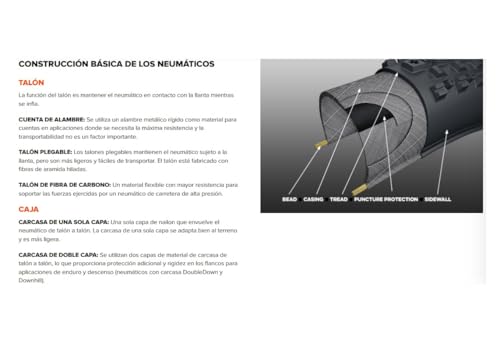
A quality cross-country tire prioritizes low rolling resistance, lightweight construction, and sufficient grip for varied terrain. Consider the tire’s casing (Tubeless Ready is almost essential now), compound (single or dual), and tread pattern – a balance of closely spaced knobs for speed and more aggressive knobs for control is ideal. Pay close attention to intended rim width compatibility for optimal tire profile.
Tread Pattern & Terrain
The tread pattern is where you’ll see the biggest performance differences. A nearly slick center line maximizes speed on hardpack and gravel, while more substantial side knobs dig into loose dirt for cornering confidence. If you frequently ride a mix of conditions, look for tires like the Continental Cross King that attempt to blend these characteristics. However, if you specialize in racing or primarily ride in dry, fast conditions, a semi-slick design, like the Maxxis Rekon Race, will likely be faster. Don’t underestimate how much your local trails dictate this choice.
Casing & Puncture Protection
Casing construction dramatically impacts ride quality and durability. A lighter casing rolls faster but is more susceptible to punctures. Look for tires with a Tubeless Ready (TR) casing; this allows you to run lower pressures for improved traction and comfort, while significantly reducing the risk of pinch flats. Many manufacturers, like Maxxis with their EXO protection, add layers of reinforced material to the sidewalls for extra cut and abrasion resistance. This is particularly important if you ride rocky trails.
Value & Compound Choices
While top-tier tires can offer marginal gains, you don’t necessarily need to spend a fortune. The Blackburn Mountain tire, for example, provides a solid level of performance and puncture protection at a more accessible price point. Rubber compound is also critical. Single-compound tires offer consistent performance but can lack grip in wet conditions. Dual-compound tires, like some versions of the Maxxis Rekon Race, use a harder rubber in the center for rolling efficiency and a softer rubber on the sides for cornering grip.
- A tire with a simple tread pattern focused on speed is ideal for dry, smooth trails.
- For mixed conditions, a tire with moderate knobs and Tubeless Ready compatibility strikes a good balance.
- If you prioritize puncture resistance and ride rocky terrain, consider a reinforced casing, even if it adds some weight – a flat on a long ride ruins everything.
Don’t chase the latest buzzwords; a well-chosen tire suited to your trails and riding style will deliver more benefit than the most expensive option.
Before committing to a new set, I always recommend checking out reviews of cross-country bike tires to see what other riders are saying about real-world performance. If you’re still running a 26-inch wheelset, finding the right tire can be tricky, but there are still some fantastic 26-inch mountain bike tires available.
Cross Country Mountain Bike Tires Compared
Here’s a comparison of key specifications for popular cross country mountain bike tires.
| Product | Size | Width (in) | Compound | Tubeless Ready | PSI Range | E25 Rated |
|---|---|---|---|---|---|---|
| Continental Cross King | 29″ | 2.30 | Pure Grip | Yes | N/A | No |
| Maxxis Rekon Race | 29″ | 2.35 | Single | N/A | N/A | Yes |
| Maxxis Rekon Race | 29″ | 2.25 | Dual | N/A | N/A | Yes |
| Maxxis Ikon | 27.5″ | 2.20 | Single | N/A | N/A | Yes |
| Blackburn Mountain | 29″ | 2.10 | N/A | N/A | 35-65 | No |
| Hapleby | 26″ | 1.95 | Butyl Rubber | N/A | 40-65 | No |
| American Classic Project P4B | N/A | 2.25/2.4/2.5 | N/A | N/A | N/A | No |
Frequently Asked Questions
What tire pressure should I run for cross-country riding?
Generally, 20-25 PSI is a good starting point for tubeless cross-country tires, but it heavily depends on rider weight and trail conditions. Lower pressures improve traction and comfort, while higher pressures reduce rolling resistance and the risk of pinch flats.
Are wider tires always better for cross-country?
Not necessarily. While wider tires (2.35” and up) offer more grip and comfort, they can be slower rolling. A narrower tire, like a 2.2” or 2.25”, often provides a faster ride on smoother trails, and many riders prefer them for racing.
Do I really need tubeless tires for cross-country?
While not strictly required, tubeless setups are highly recommended. They allow you to run lower pressures for better traction and significantly reduce the chance of pinch flats, especially when paired with puncture-resistant bike tires.
How often should I replace my cross-country tires?
Tire lifespan varies greatly based on riding style and terrain. Expect to replace tires every 600-1500 miles, or sooner if you notice significant wear or damage to the tread or sidewalls. Regularly inspecting your tires is key.
What’s the difference between a single and dual-compound tire?
A single-compound tire uses the same rubber hardness throughout the tire, providing consistent performance. Dual-compound tires use a harder rubber in the center for faster rolling and a softer rubber on the sides for better cornering grip, a popular choice for riders looking for a balance of speed and control, particularly when considering 29-inch mountain bike tires.
The Bottom Line
Choosing cross-country tires often comes down to how much you value outright speed versus robust protection. If you’re primarily focused on racing or fast, smooth trails, the Maxxis Rekon Race strikes an excellent balance – and consistently receives high marks from riders looking to shave seconds off their times. It’s a tire that prioritizes efficiency without completely sacrificing grip.
For those seeking a more budget-friendly option or a solid all-around performer, the Blackburn Mountain tire delivers impressive value. And if you’re running an older 26-inch wheelset, don’t overlook the Hapleby; it provides a capable and affordable upgrade. Remember, a good investment in mountain bike tire sealant can save you from many frustrating roadside repairs, no matter which tire you choose.
Ultimately, the “best” tire isn’t about the fanciest specs or highest price tag. It’s about finding a tire that matches your terrain, riding style, and commitment to maintenance. Prioritize a proper fit for your rim width, a casing appropriate for the rocks and roots you encounter, and a tread pattern that inspires confidence – those fundamentals matter far more than any marginal gain from the latest technology. Don’t forget to explore trail mountain bike tires if you like to mix up your riding!
