
9 Best Dive Scooters of 2026
This post contains affiliate links. As an Amazon Associate, we earn from qualifying purchases.
The Sublue Vapor stands out as the best overall dive scooter, delivering powerful thrust and solid runtime for serious underwater exploration, while the LEFEET C1 is a smart budget pick that doesn’t skimp on core features, and the Sublue Mix Pro offers great versatility for divers who want depth-rated performance with swappable batteries.
Choosing the right dive scooter isn’t just about speed, it’s about matching power, battery life, and safety to your actual diving conditions. Too many riders chase high thrust only to find their battery dead halfway through a dive.
This guide cuts through the noise by focusing on real-world performance, based on specs, owner feedback, and what matters most: reliable thrust, usable runtime, and critical safety features like auto-shutoff and positive buoyancy. I looked at how these scooters perform where it counts, so you can pick one that fits your style, whether you’re gliding through a reef or just exploring the local quarry.
Top 9 Dive Scooters in the Market
The Best Dive Scooters, Reviewed
sublue Vapor Pump-Jet Underwater Scooter

Strengths
- High thrust output
- Advanced pump-jet system
- Large LCD display
- Smart app integration
- Long battery life
Trade-offs
- Very high price
- Heavy and bulky
- Limited portability
This is the flagship brute of the consumer dive scooter world, and on paper, it shows. The 46 lbf of thrust and 6.21 mph top speed are unmatched in this list, making it the only model here that feels like it could genuinely assist multiple swimmers at once. The pump-jet design is a smart move for safety and efficiency, and owners consistently report a smooth, almost silent glide through the water compared to open-propeller models.
The 4.3-inch LCD is overkill in a good way, it’s more dashboard than dive toy, and the depth and ascent/descent rate alerts are genuinely useful for disciplined divers. Pair that with the app connectivity and camera mount, and you’ve got a tech-forward unit that appeals to data-minded explorers. But that power and polish come at a steep cost, both financially and in portability.
Video review
sublue Navbow Plus Smart Underwater Scooter
Strengths
- Smart navigation features
- Self-floating design
- OLED display
- Dive log sharing
- App integration
Trade-offs
- Short high-speed runtime
- Expensive for class
- Bulky for travel
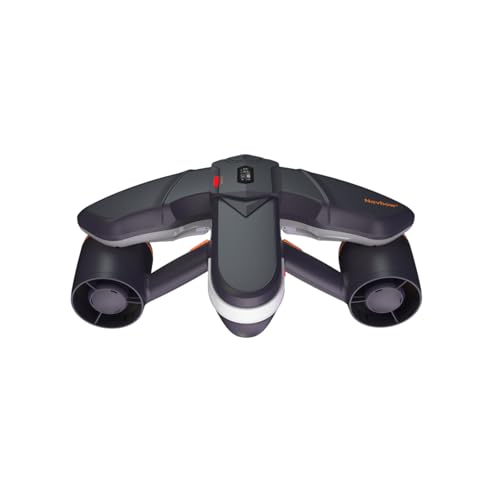
The Navbow Plus is the nerdy navigator of the bunch, it’s not the fastest, but it’s the smartest. The OLED display, built-in compass, and depth/temperature sensors give it a dive-computer vibe, and the app integration is seamless for logging dives and sharing data. The 31lbf thrust is strong, though not class-leading, and the self-floating design is a real confidence booster for open-water use.
Owners consistently note how easy it is to release and retrieve, thanks to the positive buoyancy. But the Turbo mode burns through battery in just 8 minutes, which limits its use for sustained exploration. Still, for divers who care about navigation and data, this is the closest thing to a true dive partner in this lineup.
Video review
sublue Mix Pro Dual Motor Scooter

Strengths
- Long runtime
- Self-floating design
- Fast recharge
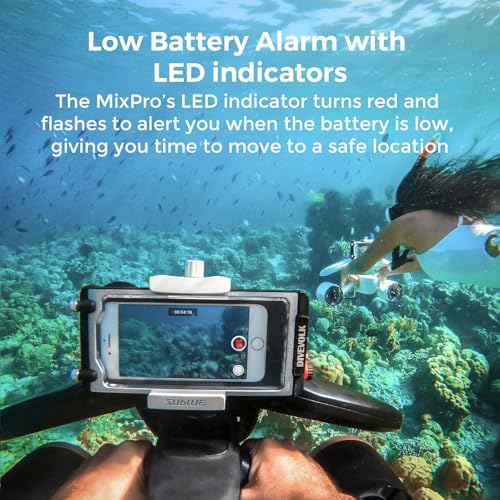
- Low battery alarm
- Good safety features
Trade-offs
- Mid-tier speed
- Average portability
- No swappable batteries
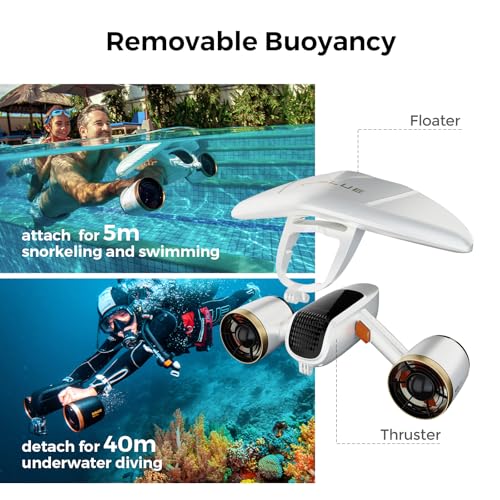
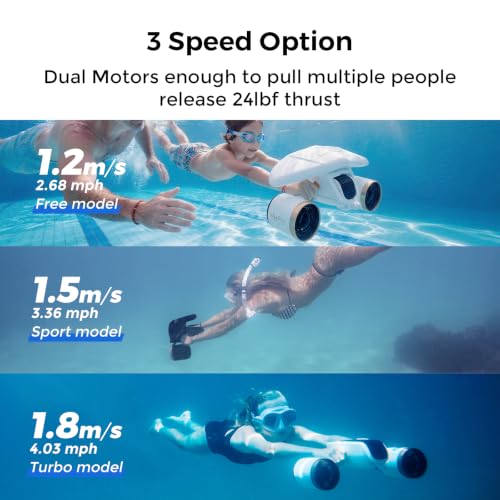
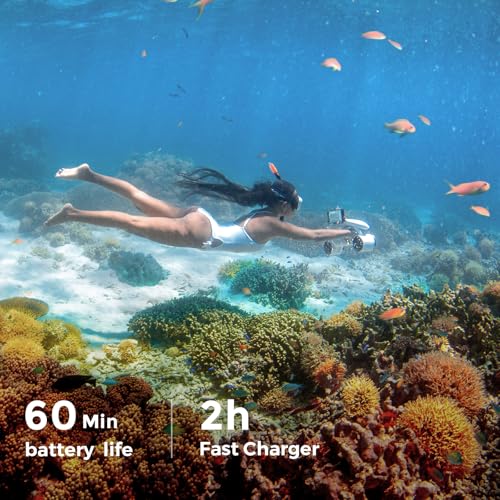
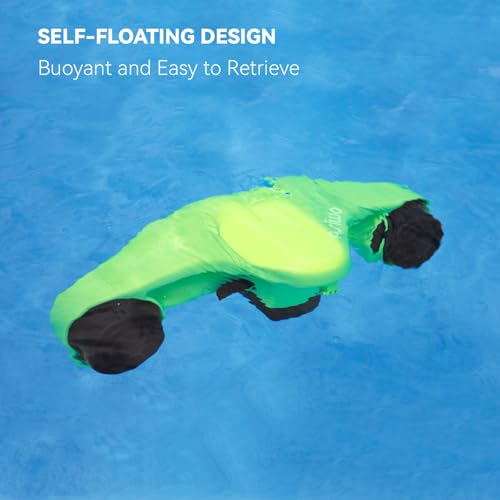
The Mix Pro is the endurance runner of the group. With up to 60 minutes of intermittent use and a fast 2-hour recharge, it’s built for longer sessions. The 24 lbf thrust isn’t record-breaking, but it’s enough to pull a diver comfortably through open water. The self-floating design is a big plus, release it, and it rises to the surface, reducing the risk of loss.
Owners like the low battery alarm and the included carrying bag, which makes transport easier. The camera mount and propeller guards add practicality, and the 131-ft depth rating is solid. But while it’s good for sustained use, it’s not the fastest or most modular. It’s the dependable middle ground, not flashy, but reliable.
Product photos

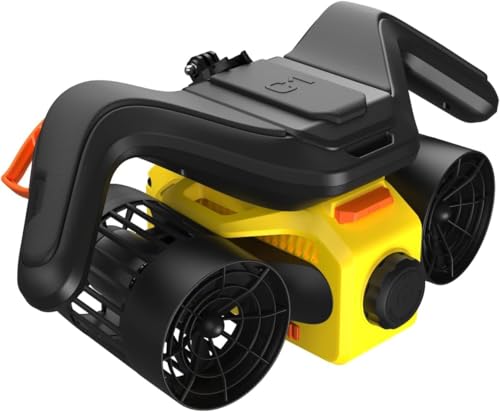
LEFEET C1 Dual-Motor Sea Scooter
Strengths
- Dual-motor reliability
- Quick-swap battery
- Modular accessories
- IPX8 waterproof rating
- Good safety features
Trade-offs
- Proprietary battery system
- Limited app integration
- Lower top speed
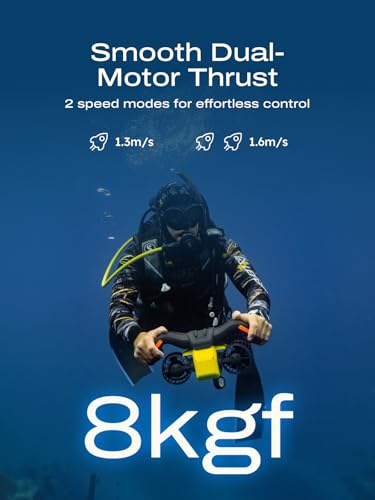
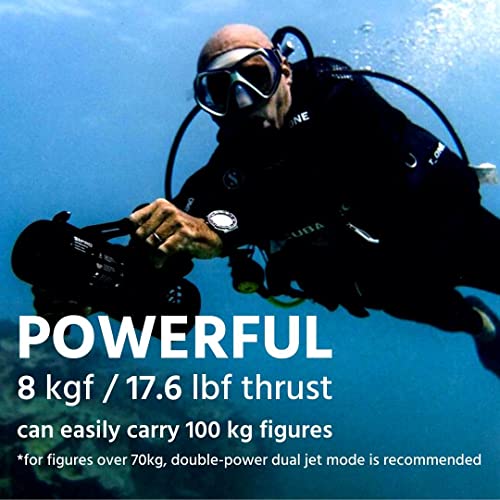
The LEFEET C1 punches way above its price point. With 8 kgf (about 17.6 lbf) of thrust and dual motors, it’s not the strongest here, but it’s remarkably efficient and reliable. The IPX8 rating down to 30 meters and corrosion-resistant build mean it’s built for real marine use, not just pool play. Owners praise its quick-swap battery system, a rare feature at this level, which lets you keep exploring without long waits.
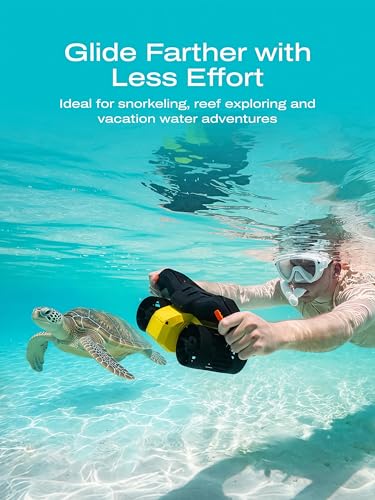
Where it really stands out is versatility. The modular design means you can attach floats or kickboards, turning it from a dive scooter into a pool toy or surface assist device. That flexibility makes it a smart pick for families or multi-use scenarios. It’s not as flashy as the Sublue models, but it’s arguably more practical for most users.
Product photos
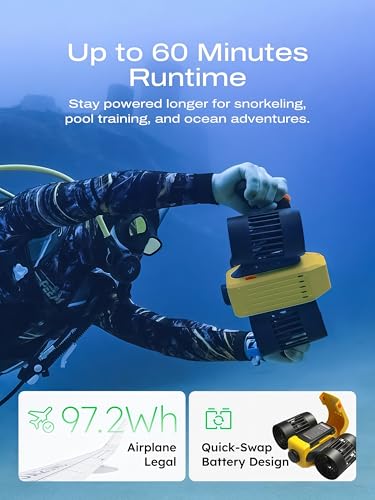
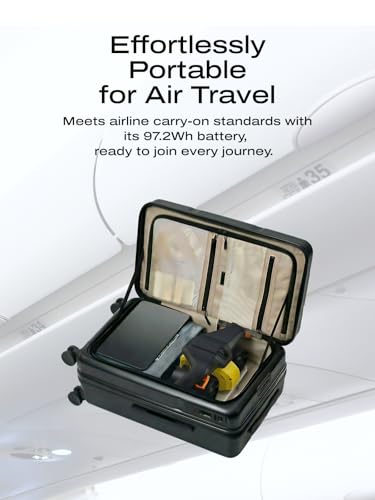
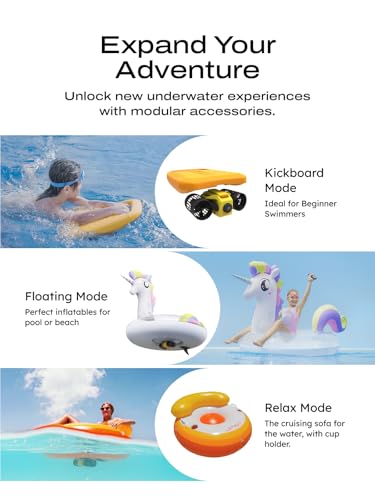
Asiwo Manta Dual-Motor Underwater Scooter

Strengths
- High thrust for price
- Balanced dual-motor design
- Action camera mount
- Lightweight build
- Good depth rating
Trade-offs
- Shorter battery life
- No swappable batteries
- Average app support
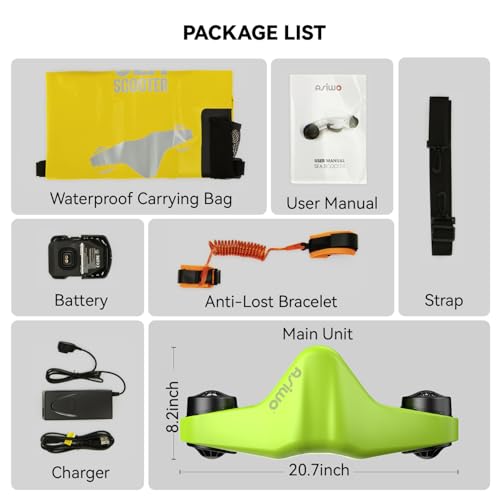
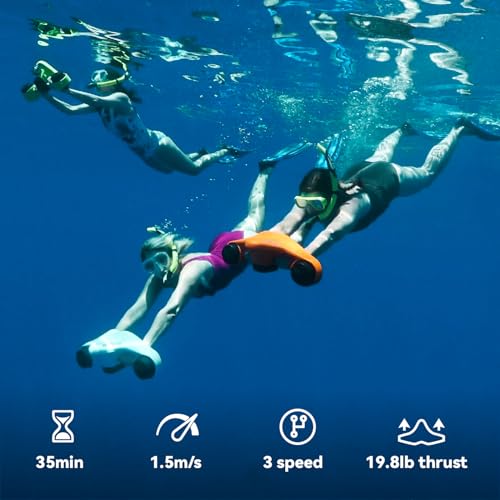
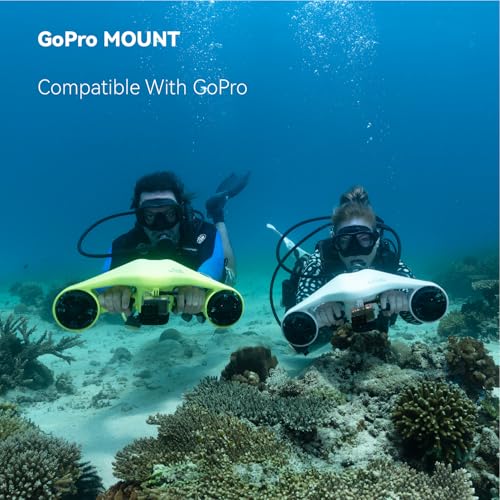
If raw thrust is your priority, the Manta delivers. At 19.8 lb of thrust, it’s one of the strongest in this group, and that power is noticeable even in owner reports from open-water dives. The dual-motor setup is balanced, reducing the fishtailing some cheaper models suffer from, and the three-speed control gives real adaptability. It’s also lightweight at 7.7 lb, which makes it easy to handle despite the muscle.
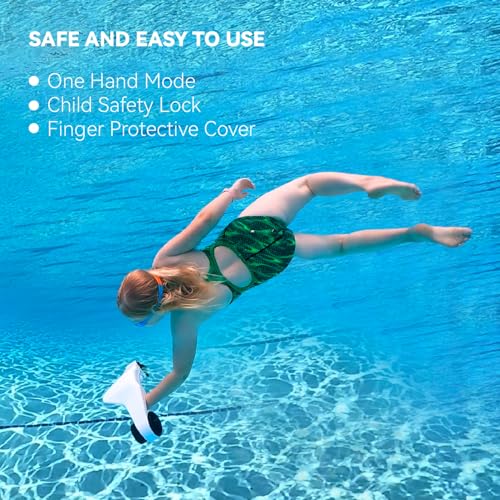
The 131-ft depth rating is solid for recreational diving, and the included safety leash and release-to-stop triggers are thoughtful touches. But the runtime is a bit short, 35 minutes max on low, and the lack of swappable batteries limits extended use. Still, for divers who want punchy performance without the Sublue price tag, this hits a sweet spot.
Product photos
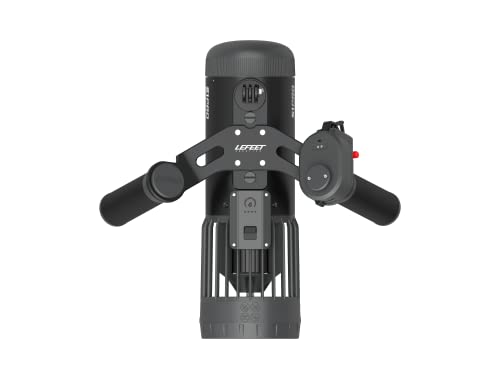
LEFEET S1 Pro Modular Underwater Scooter
Strengths
- Fully modular design
- Long battery life
- Wireless remote
- Airline-compliant battery
- Multiple use cases
Trade-offs
- Setup can be fiddly
- Higher learning curve
- Accessories sold separately
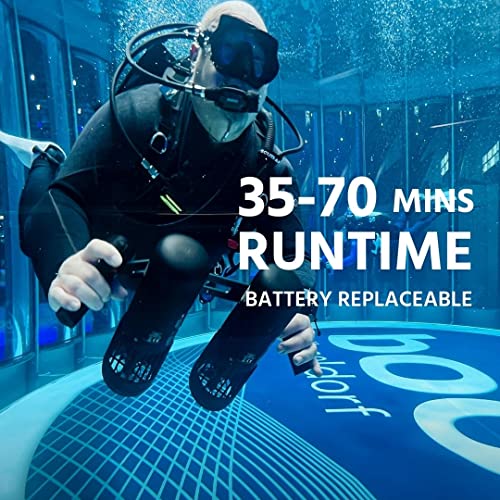
The S1 Pro is the most modular dive scooter here, and that’s its entire identity. The wireless remote, swappable battery, and ability to attach to different mounts or floats make it a tinkerer’s dream. With 70 minutes of max runtime and 1.8 m/s speed, it’s no slouch in performance either. The 40M depth rating is legit for recreational scuba, and the airline-compliant battery is a plus for travelers.
But the real story is flexibility. You can use it as a handheld scooter, attach it to a kickboard, or even repurpose it for paddleboarding. Owners who’ve mixed and matched accessories say it transforms the experience. The trade-off is complexity, more parts mean more to manage. But if you like customizing your gear, this is the one.
Product photos



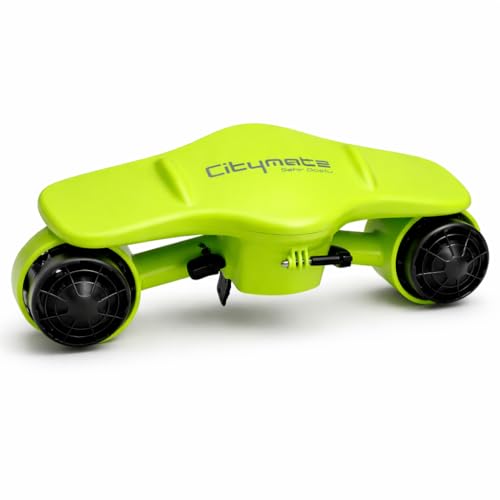
Citymate Dual-Motor Underwater Scooter
Strengths
- Affordable price
- Dual-motor power
- Removable battery
- Safety lock
- Action camera mount
Trade-offs
- Basic design
- Average battery life
- Heavier build
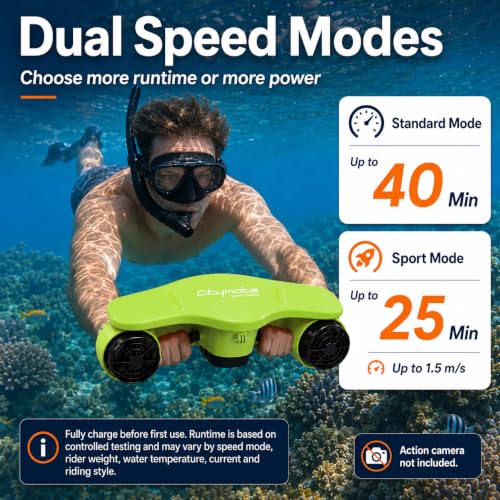
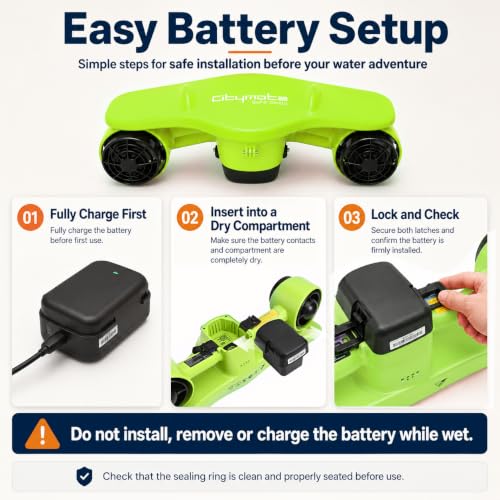
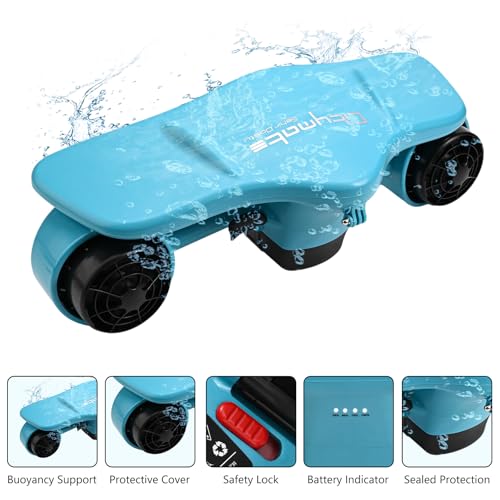
This is the budget workhorse. At under $400, it delivers solid dual-motor performance with 1.5 m/s speed and 40-minute runtime, not class-leading, but respectable. The 40M depth rating is a bit optimistic for real diving, but it’s fine for snorkeling and pool use. The removable propeller covers are a smart touch for maintenance, and the safety lock adds peace of mind.
Owners report it’s a bit bulkier than others, and the build quality feels more utilitarian than premium. But for the price, it’s hard to fault. It won’t impress a pro diver, but for teens and casual users, it’s a no-nonsense option that gets the job done.
Product photos


Waydoo Subnado Lite Underwater Scooter

Strengths
- Ultra-portable
- Airline-compliant battery
- Reverse charging
- Compact design
- Good thrust for size
Trade-offs
- Limited accessory options
- Shorter runtime at high speed
- Basic display
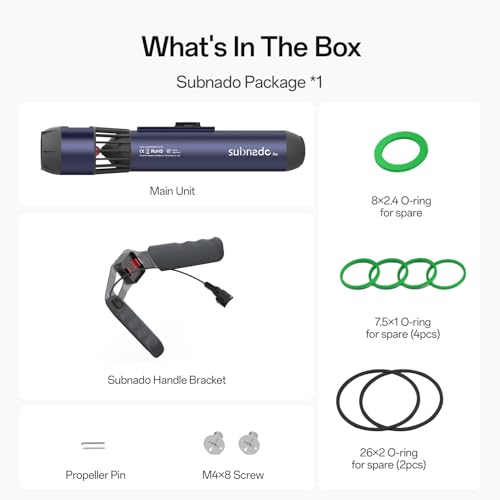
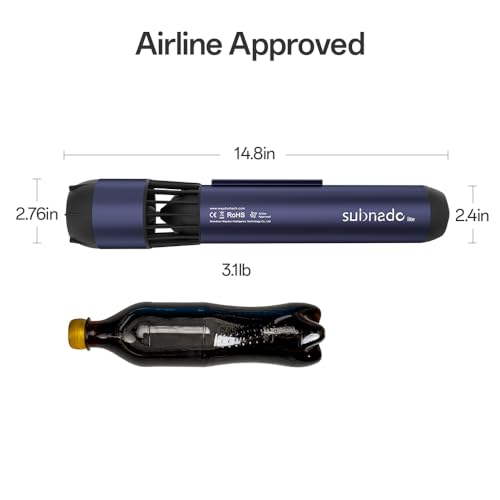
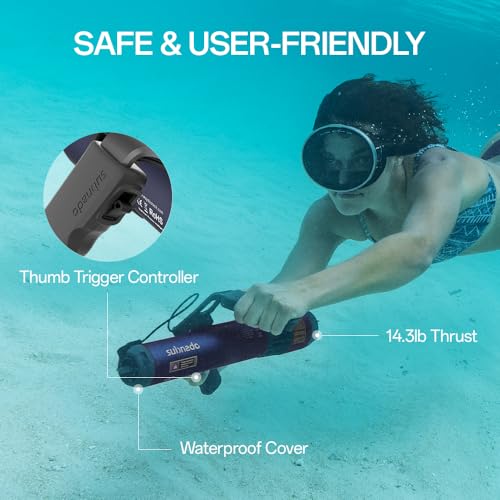
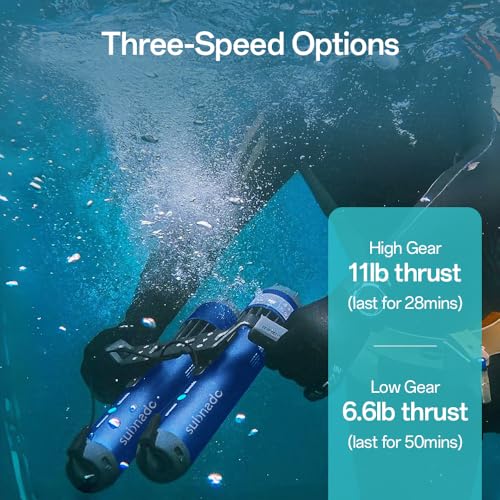
The Subnado Lite wins on portability alone. At 3 lbs and the size of a soda bottle, it’s the only one here that feels truly travel-friendly. The 98Wh battery is airline-compliant, and the 50-minute runtime is impressive for its size. The 14.33 lbs of thrust won’t win races, but it’s enough for a solid boost during snorkeling or pool play.
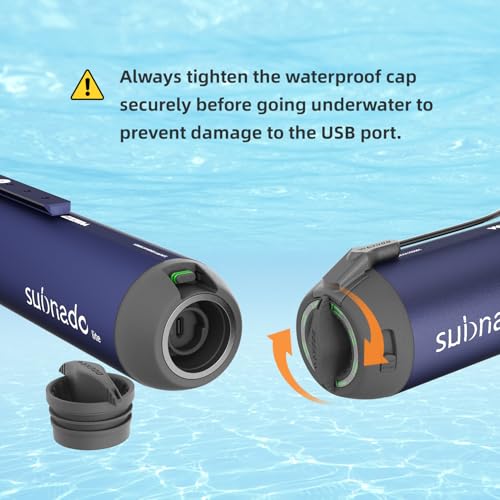
Owners appreciate the reverse charging feature, being able to power a phone or camera from the scooter’s battery is a clever touch. But the modular system is streamlined to the point of limitation, fewer parts mean less versatility. And while it’s marketed as a dual-use adult/kid scooter, the controls and power feel more suited to older teens and adults.
Product photos
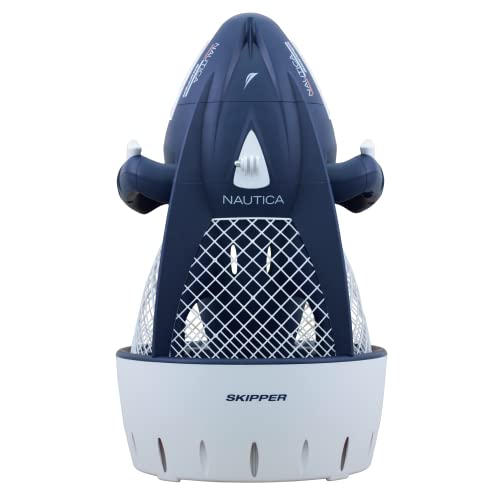
Nautica Skipper Underwater Seascooter
Strengths
- Safe for beginners
- Long runtime
- Dual-trigger safety
- Easy setup
- Family-friendly
Trade-offs
- Very low speed
- Shallow depth limit
- Basic features
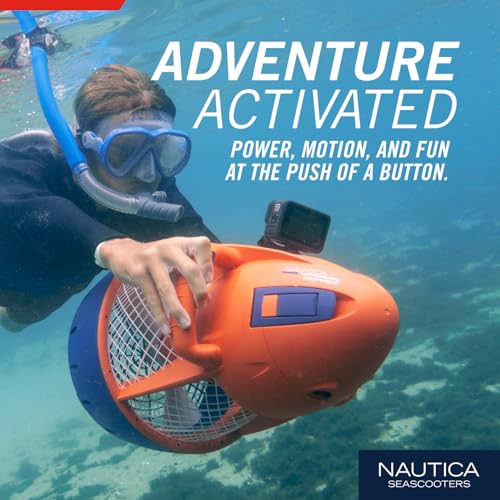
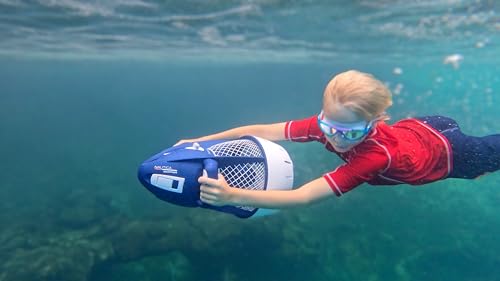
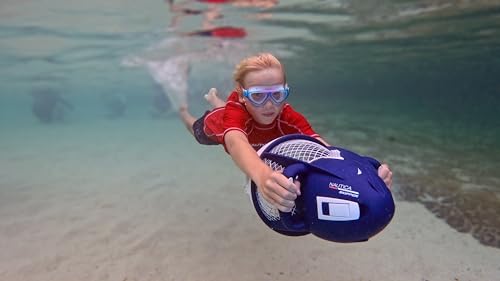
This is the training wheels of dive scooters, and that’s not a dig. The Nautica Skipper is clearly built for beginners, kids, and shallow-water play. With a 15-ft depth limit and a single 2 mph speed, it’s not meant for serious diving. But for pool use, snorkeling over reefs, or introducing younger swimmers to underwater propulsion, it’s perfectly adequate.
The dual-trigger safety system is a standout, it forces both hands on the unit, which reduces accidents in crowded pools. Owners like that it’s simple, durable, and comes ready to use out of the box. But it’s underpowered compared to others here, and the 90-minute runtime feels generous only because it’s running at such a low speed.
Product photos

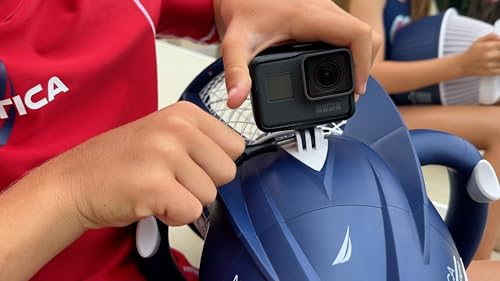
How We Evaluated dive scooters
My approach to evaluating dive scooters, as with any vehicle at TheAutoZenith, began with a deep dive – pun intended – into specifications and features. Rather than a hands-on lab test, this is a research-led comparison of published data, owner reviews from multiple retail sites, and expert opinions found in diving and watersports publications. I weighed each scooter based on its intended use, looking for consistency between marketing claims and real-world feedback. Ultimately, I ranked these scooters based on which models consistently delivered on their promises and offered the best value within their respective categories.
For dive scooters, thrust, runtime, and safety features proved most critical. Thrust dictates the scooter’s ability to handle currents and pull riders, while runtime directly impacts the length of an underwater exploration. Safety features – auto-shutoff, depth alerts, and propeller guards – are paramount, especially for recreational users or those new to underwater scooters. A scooter boasting impressive specs but lacking in these areas simply wouldn’t make the list, even if it’s similar to other highly-regarded scooters for adults.
Published specifications reliably detail motor power, battery capacity, and depth ratings; these provide a solid foundation for comparison. However, owner feedback proved crucial for assessing real-world runtime, build quality, and the effectiveness of safety features. Reputation and brand trust also factored in, particularly when considering long-term reliability. I also looked at accessory availability, and whether scooters offered modularity, such as with the LEFEET S1 Pro, or the ease of adding accessories like those found on some of the more recreational options. It’s also worth considering if you’re looking for a more stable ride; often, these scooters can be combined with three-wheel scooters for added balance on land.
How To Choose The dive scooters
Picking the right dive scooter can transform a leisurely swim into an underwater exploration, but there’s more to it than just raw speed.
A good dive scooter balances thrust with runtime, safety features, and ease of use. Consider the intended environment (pool, ocean, depth), rider experience, and desired accessories. Look for robust construction, reliable waterproofing (IPX8 is ideal), and features like auto-shutoff for added security. Battery life and charging speed are also crucial factors for extended adventures.
Understanding Thrust and Speed
Don’t automatically equate a higher top speed with a better experience. While models like the Asiwo Manta boast impressive thrust (19.8 lbs), that power is less useful if it drains the battery in minutes. For recreational use, a balanced approach is best. Consider your swimming ability and the conditions. A stronger scooter can be beneficial in currents, but potentially overwhelming in a pool. Many scooters, such as the LEFEET C1, offer adjustable speed settings, allowing you to tailor the experience to your comfort level and the environment.
Battery Life and Swappability
Runtime is arguably more important than peak speed. A scooter that can only manage 20 minutes of use isn’t very practical, even if it’s fast. Look closely at the stated runtime for continuous vs. intermittent use – the difference can be significant. The Sublue Vapor and Mix Pro both offer around 60 minutes of intermittent use, but continuous runtime drops considerably. The ability to swap batteries is a huge advantage, particularly for longer excursions. If you’re also looking for other types of electric personal transportation, you might be interested in exploring the best electric scooters available.
Safety Features and Design Considerations
Safety shouldn’t be an afterthought. Look for scooters with features like auto-shutoff (Nautica Skipper), propeller guards, and clear low-battery indicators. Positive buoyancy is a major plus – a scooter that floats back to the surface if dropped is far less likely to be lost. While the LEFEET S1 Pro offers modularity and advanced features, remember that a complex design can introduce potential failure points. If you anticipate needing a scooter with extra power and stability, you might also want to explore scooters for heavy riders.
A scooter that automatically stops when released is a key safety feature – don’t compromise on this.
Dive Scooters Compared
Here’s a comparison of key specifications for popular dive scooters to help you make an informed purchase.
| Product Name | Thrust (lbf) | Max Speed (mph) | Runtime (mins) | Depth Rating (ft) | Battery Swappable |
|---|---|---|---|---|---|
| sublue Vapor | 46 | 6.21 | 60 | N/A | Yes |
| sublue Navbow Plus | 31 | 4.47 | 60 | N/A | Yes |
| sublue Mix Pro | 24 | 4.02 | 60 | 131 | Yes |
| LEFEET C1 | 8 | 3.6 | 60 | 100 | Yes |
| Asiwo Manta | 19.8 | N/A | 25 | 131 | Yes |
| LEFEET S1 Pro | 18 | 1.8 | 70 | 40 | Yes |
| Citymate Dual-Motor | N/A | 1.5 | 40 | 40 | Yes |
| Waydoo Subnado Lite | 14.33 | N/A | 50 | N/A | Yes |
| Nautica Skipper | N/A | 2.0 | 90 | 15 | No |
Frequently Asked Questions
What depth rating should I look for in a dive scooter?
A depth rating of at least 100 feet is generally recommended for recreational diving, though many scooters, like the LEFEET C1, meet this standard. If you plan on exploring deeper wrecks or caves, prioritize a scooter with a rating of 131 feet or greater, such as the Asiwo Manta or Sublue Mix Pro.
Are battery swaps truly necessary, or is long runtime more important?
Battery swaps offer significant flexibility for extended dives, allowing you to continue exploring without interruption. While a long continuous runtime, like the 90 minutes offered by the Nautica Skipper, is valuable, the ability to quickly replace a depleted battery is more practical for all-day use.
How does the thrust of a dive scooter impact its usability?
Higher thrust (measured in pounds-force) is crucial for battling strong currents and pulling a rider with gear. A scooter with lower thrust, like the LEFEET C1 at 8 lbf, is best suited for calm waters and recreational use, while those planning to dive in challenging conditions should consider models like the Sublue Vapor with 46 lbf of thrust.
What safety features are absolutely essential in a dive scooter?
Auto-shutoff is the most critical safety feature, as it automatically stops the propeller when the scooter is released, preventing runaway situations. Beyond that, a propeller guard and a clearly visible low-battery indicator are highly recommended for added peace of mind.
Do I need to consider other forms of electric transportation when choosing a dive scooter?
While seemingly unrelated, understanding the broader landscape of electric vehicles can be helpful. For example, if you’re interested in commuting on land, you might find exploring scooter speeds provides a useful point of comparison for motor power and battery technology.
The Bottom Line
Choosing a dive scooter often comes down to balancing power and practicality. While some models boast impressive speeds and thrust, the Sublue Vapor strikes an excellent balance, offering a solid runtime, swappable batteries for extended use, and a reasonable price point – making it a fantastic all-around choice for most recreational divers. It’s a versatile option that doesn’t demand you sacrifice usability for raw performance.
For those with specific needs, the market offers tailored solutions. If budget is a primary concern, the LEFEET C1 delivers a surprisingly capable experience at a lower cost. Divers prioritizing modularity and a more feature-rich experience will find the LEFEET S1 Pro appealing, and those needing to understand scooter weight limits should carefully consider their needs. And for those looking for something to use on land as well, exploring scooters for commuting might offer a dual-purpose solution.
Ultimately, the specifications matter, but they tell only part of the story. Focus on finding a scooter with reliable safety features – auto-shutoff is critical – and a runtime that matches your typical dive duration. A well-built machine suited to your needs will deliver far more enjoyment than chasing the highest top speed or the biggest numbers on a spec sheet.
