
8 Best Dirt Bike Tires of 2026
This post contains affiliate links. As an Amazon Associate, we earn from qualifying purchases.
The Pirelli Scorpion MX Extra X Set is our top pick for most riders, delivering confident grip and durability across mixed terrain. For those on a budget, the Tusk EMEX T-35 Soft Terrain Set offers solid performance without breaking the bank, while the WIG Racing 110/90-19 & 80/100-21 stands out for aggressive riders tackling mud and sand.
Out in the field, the wrong tire can turn a great ride into a sketchy struggle, slipping when you need traction or wearing out before the weekend’s over. After years of analyzing off-road gear at TheAutoZenith, I know how much tires affect handling, safety, and fun.
This guide cuts through the noise by comparing specs, owner feedback, and real-world performance to find the best dirtbike tires for different needs and conditions. We looked at tread design, rubber quality, construction, and value to help you choose wisely.
Top 7 Dirtbike Tires in the Market
The Best Dirtbike Tires, Reviewed
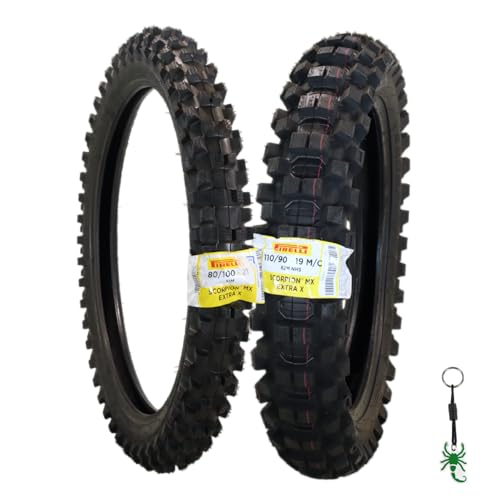
Pirelli Scorpion MX Extra X Set
Strengths
- Versatile terrain performance
- Rigid tread blocks
- Balanced wear
Trade-offs
- Premium price
- Requires break-in
- Less aggressive in deep mud
This is the closest thing to a do-it-all motocross tire in the lineup. The Scorpion MX Extra X balances grip, wear, and stability across mid-soft to mid-hard terrain, which explains why so many privateers run it in training. The front’s arrow pattern tracks true, and the rear’s bridged lugs resist squirm under power.
On paper, it’s a race tire, but owners report solid wear for weekend warriors. If you ride different conditions and don’t want to swap tires every weekend, this is the smarter buy.
Video review
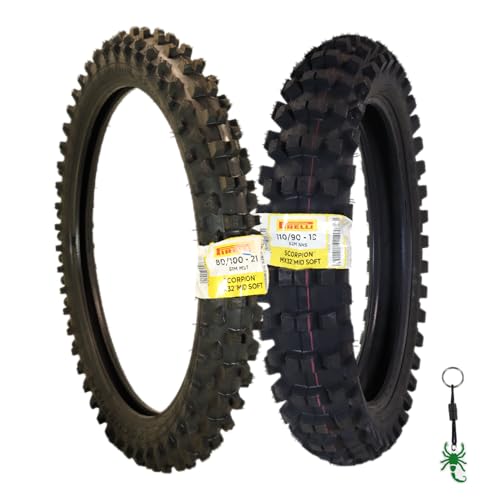
Pirelli MX 32 Mid Soft Set
Strengths
- Excellent soft terrain grip
- Stable braking blocks
- Predictable slide control
Trade-offs
- Wears quickly on hardpack
- Not for rocky trails
- Front lacks steering precision
Pirelli engineered the MX 32 for soft soil and sandy loam, and the block layout shows it, wide spacing, deep knobs, and a front tire that bites when you lean. Reviewers note it excels in conditions where traction comes and goes, like decomposed granite or dry riverbeds.
It’s not a one-trick pony, but I wouldn’t run it on hardpack. The rubber is soft enough to conform to loose surfaces, but that means faster wear on abrasive ground.
Video review
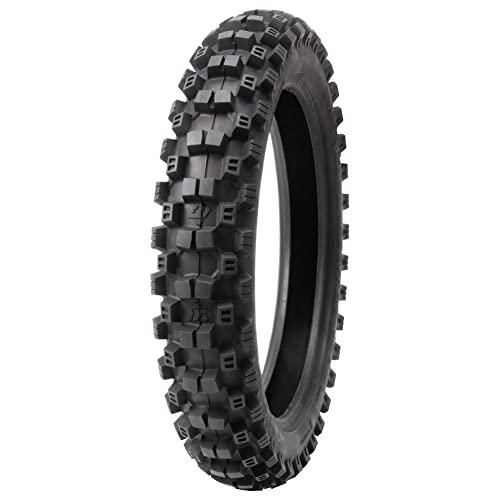
Tusk EMEX T-45 Intermediate Tire
Strengths
- Hard terrain durability
- Reinforced side lugs
- Self-cleaning tread
Trade-offs
- Heavy for motocross
- Stiff initial break-in
- Less grip in deep loam
The Tusk T-45 stands out in its class for holding up on hardpack and rocky trails where other budget tires chunk out. The reinforced side lugs and bridged tread blocks resist tearing, and owners praise its ability to stay intact over sharp lava rock or shale.
It’s not the lightest tire, but for enduro riders who spend more time on technical climbs than open whoops, the durability trade-off makes sense. I’d pick this over softer compounds if your track has more rocks than ruts.
Product photos

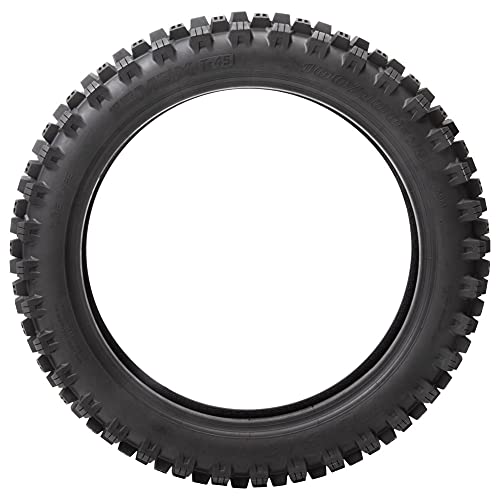
Tusk EMEX T-35 Soft Terrain Set

Strengths
- Affordable full set
- Deep aggressive tread
- Good sand traction
Trade-offs
- Average wear on hard trails
- Tread flexes under load
- Not for racing
At this price, the Tusk T-35 punches above its weight. The deep tread and soft compound work well in loamy trails or sandy two-tracks, and owners consistently report it outlasts other budget tires in similar conditions.
It’s not going to match Pirelli in cornering grip, but for a beginner or casual rider who doesn’t want to replace tires every season, this set delivers solid value. I’d recommend it over pricier options for weekend trail use.
Product photos


WIG Racing 110/100-18 & 80/100-21

Strengths
- Better bump compliance
- Good sand and mud clearance
- Includes quality tubes
Trade-offs
- Squishy sidewalls at high lean
- Intermediate compound
- Rear tread packs in wet clay
This set trades the 19-inch rear for an 18-inch, which changes the handling bias toward looser, bumpier terrain where rear-end float matters. The 110/100-18 rear gives a slightly taller profile, improving bump absorption and traction in ruts.
It’s essentially the same tire spec as the other WIG set but tuned for bikes that prefer an 18-inch rear. For most buyers, this is the smarter pick if your bike runs an 18-inch rear rim by default.
Product photos
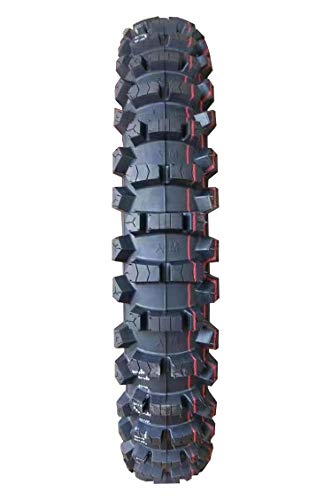

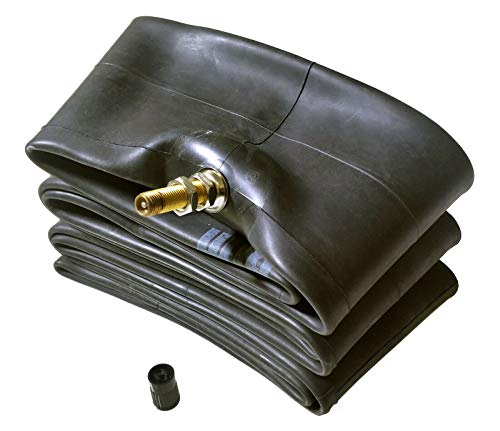
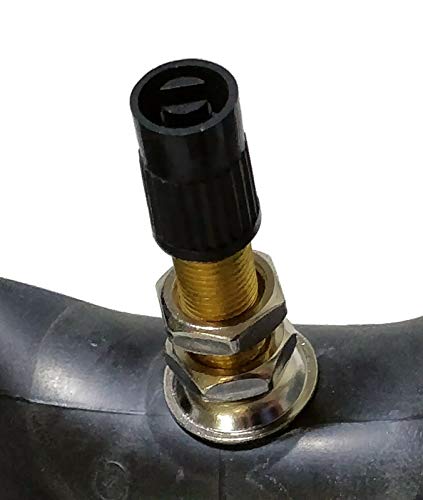
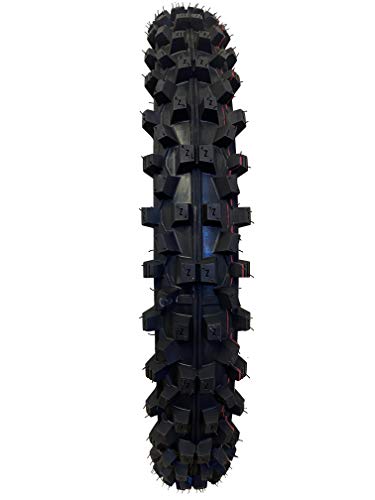
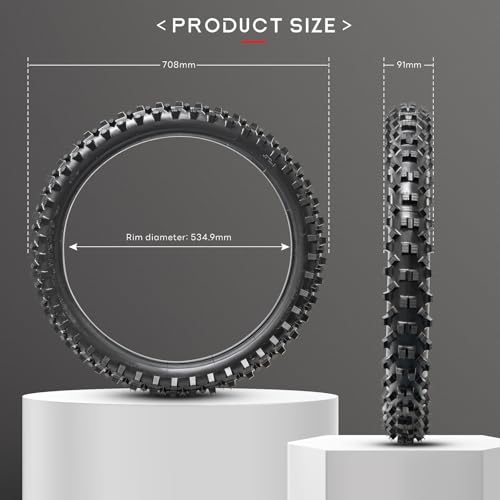
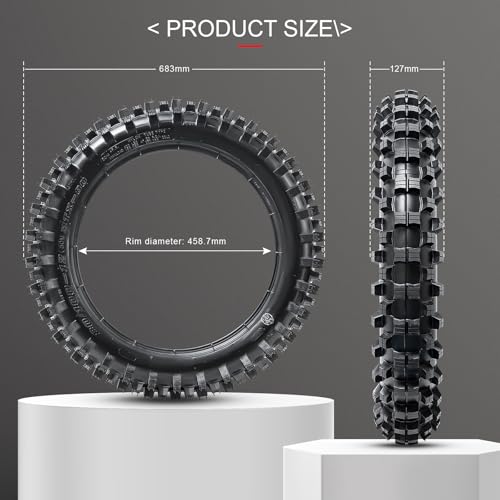
WIG Racing 110/90-19 & 80/100-21
Strengths
- Aggressive tread spacing
- Comes with heavy-duty tubes
- Strong mud performance
Trade-offs
- Intermediate rubber wears fast
- Not ideal for hardpack
- Tread squirms under heavy cornering
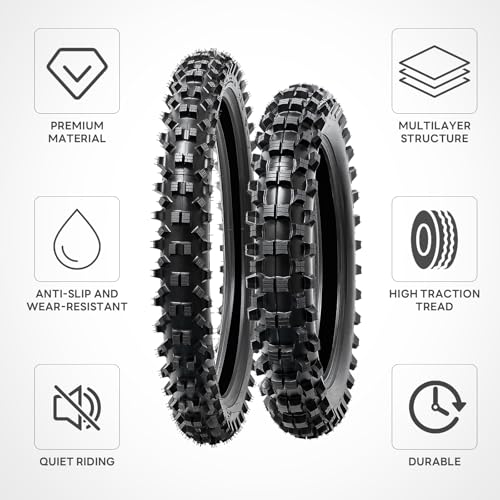
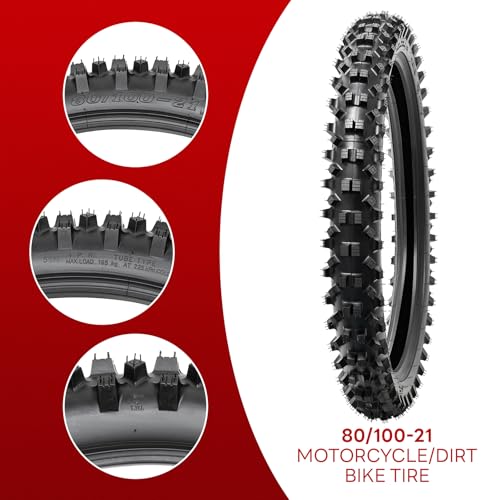
If you’re chasing deep mud or running sandy whoops, this WIG Racing set has the spacing and paddle-like lugs to stay on top. The 110/90-19 rear pairs well with the 80/100-21 front, giving a balanced feel in loose conditions where bite matters more than line precision.
Owners consistently report these tires claw through sludge better than pricier names, though the intermediate rubber doesn’t last as long on hard edges. On paper, they’re built for aggression, not mileage.
Product photos


Heavy Duty 110/100-18 & 80/100-21 Set

Strengths
- Extremely durable build
- Thick tread and sidewalls
- Heavy-duty included tubes
Trade-offs
- Very heavy
- Poor heat dissipation
- Sluggish handling response
This set screams durability, 4PR carcass, thick rubber, and 16mm tread depth on the rear. The specs alone suggest it’s built for punishment, and owners confirm it holds up well on rocky enduro loops and aggressive trail riding.
The heavy-duty inner tubes are a nice touch, but the trade-off is weight. It’s not a tire for flicking through tight trees, but if you’re bashing through boulder fields, this is the kind of armor you want.
Product photos

How We Evaluated dirtbike tires
As someone who’s spent years dissecting the mechanics of two-wheeled machines at TheAutoZenith, I approached researching dirtbike tires by first comparing published specifications – tread patterns, rubber compounds, carcass construction, and intended terrain. I then weighed owner reviews from multiple retailers against professional assessments from off-road motorcycle publications. This wasn’t about long-term personal use, but about building a picture of real-world performance based on a lot of data.
For dirtbike tires, three factors stood out as most critical. Grip, obviously, is paramount, dictating control in loose conditions. Durability follows closely; a tire shredded mid-ride is useless, regardless of initial grip. Finally, terrain specificity is key. A tire claiming all-around performance will always compromise somewhere, so matching the tire to typical riding conditions is crucial.
Specifications reliably reveal construction details – ply ratings for durability, compound hardness for grip versus wear – and intended use (like the NHS designation for racing tires). However, owner feedback and expert reputation are where you learn how a tire feels and performs consistently over time. Reports of rapid wear, poor mud shedding, or unexpected instability are invaluable and heavily influenced my assessment, particularly when comparing tires within a similar price bracket. For those looking for options that blend on and off-road capabilities, exploring dual sport tires can be a worthwhile endeavor.
What To Look For In dirtbike tires
Choosing the right dirt bike tires can dramatically change your riding experience. It’s not just about slapping on a new set; it’s about matching the tire to your terrain, riding style, and even the bike itself.
A quality dirt bike tire delivers predictable grip, resists punctures, and maintains consistent performance throughout its lifespan. Key factors include tread pattern, rubber compound, carcass construction, and proper sizing. Riders should prioritize tires designed for their typical riding conditions – whether that’s soft sand, hardpack trails, or a mix of both – and understand the trade-offs between durability, weight, and grip.
Understanding Tread Patterns
The tread pattern is the first thing most riders look at, and for good reason. It’s the primary determinant of traction. Generally, you’ll see tires categorized by the terrain they’re designed for: soft, intermediate, or hardpack. A tire like the Pirelli MX 32 Mid Soft Set, for instance, boasts a block arrangement specifically optimized for braking and cornering in loose surfaces. However, don’t assume a “soft terrain” tire is useless elsewhere. Many riders find a versatile option like the Pirelli Scorpion MX Extra X Set offers a good balance for mixed conditions, making it ideal if your rides aren’t confined to one type of terrain.
Rubber Compound and Durability
Rubber compound plays a huge role in grip and longevity. Softer compounds offer superior grip, especially in cooler temperatures, but wear down faster. Harder compounds last longer but sacrifice some initial bite. The Tusk EMEX T-45 Intermediate Tire strikes a balance with a durable rubber compound designed to handle tough trails without rapidly degrading. Consider how often you ride and the conditions; if you’re a weekend warrior, a longer-lasting compound might be preferable.
Here’s a breakdown of how to think about tire durability: * Casual Riders: Prioritize value and longevity; a budget-friendly option like the Tusk EMEX T-35 Soft Terrain Set will likely suffice. * Frequent Track Riders: Focus on grip and consistent performance; tires like the WIG Racing sets are good options, but expect to replace them more often. * Serious Racers/Aggressive Riders: Demand the highest levels of grip and are prepared to replace tires frequently. They’ll want to research specialized compounds and carcass designs for optimal performance, and may even consider tires like the Heavy Duty set for increased puncture resistance.
Don’t skimp on tires. A good tire is the only thing connecting you to the ground – the investment in quality makes a massive difference in control and safety.
Considering Value and Intended Use
Beyond the technical specs, think about your overall needs. Are you looking for a tire specifically for racing, trail riding, or a bit of both? The Tusk Dsport Adventure On/Off Road tire is a good example of a tire that attempts to bridge the gap, being DOT compliant for street use while still offering aggressive off-road traction. If you’re on a tight budget, the WIG Racing sets, which often include tubes, represent excellent value. But remember, a lower price point might mean compromises in compound quality or durability. For thorough advice on all types of motorcycle rubber, check out our best motorcycle tires guide. Finding the right set of dirt bike tires ultimately comes down to aligning your needs with the available options.
Dirtbike Tires Compared
This table provides a specification overview of the dirtbike tires to aid in your purchasing decision.
| Tire Model | Best For | Tire Size (Front) | Tire Size (Rear) | Terrain | Includes Tube |
|---|---|---|---|---|---|
| Pirelli Scorpion MX Extra X | Best Overall | N/A | N/A | Mid-Soft/Mid-Hard | No |
| Pirelli MX 32 Mid Soft | Best for Soft Terrain | N/A | N/A | Soft | No |
| Tusk EMEX T-45 | Best for Hardpack | N/A | N/A | Hardpack | No |
| Tusk EMEX T-35 | Best Budget Friendly | 80/100×21 | 110/100×18 | Soft/Intermediate | No |
| WIG Racing 110/100-18 & 80/100-21 | Best Value w/ Tubes | 80/100-21 | 110/100-18 | Intermediate | Yes |
| WIG Racing 110/90-19 & 80/100-21 | Best for Mud/Sand | 80/100-21 | 110/90-19 | Intermediate | Yes |
| Heavy Duty 110/100-18 & 80/100-21 | Best Durable | 80/100-21 | 110/100-18 | N/A | Yes |
| Tusk Dsport Adventure | Best for Dual Use | N/A | N/A | On/Off Road | No |
Frequently Asked Questions
What tire pressure should I run for optimal dirt bike performance?
Proper tire pressure depends heavily on your bike’s weight, riding style, and the terrain, but a good starting point is 12-15 PSI for the front and 10-12 PSI for the rear. Experimenting within this range is key to finding what feels best for you and the conditions.
Are DOT-approved dirt bike tires suitable for street riding?
Yes, DOT-approved tires like the Tusk Dsport Adventure tire meet Department of Transportation standards for street legality, but understand they’ll likely offer less grip and wear faster than tires designed solely for off-road use. If you spend significant time on pavement, consider dedicated motorcycle tires for better performance and safety.
How can I tell when it’s time to replace my dirt bike tires?
Look for visible signs of wear such as cuts, bulges, or a severely worn tread pattern. If the tread depth is less than 20% of the original depth, or if you notice a significant decrease in grip, it’s time for replacement, even if the tires appear otherwise okay.
What’s the difference between ply ratings in dirt bike tires?
Ply rating indicates the tire’s load-carrying capacity and resistance to punctures; a higher ply rating means a stronger, more durable tire. For heavier riders or more aggressive riding, a higher ply rating is recommended, while lighter riders may prioritize a lower rating for more flexibility and comfort. Understanding the types of tires helps determine the right ply rating.
Will a different tire size significantly affect my dirt bike’s handling?
Changing tire sizes outside of manufacturer recommendations can alter your bike’s geometry and handling characteristics. While minor adjustments are sometimes made for specific conditions, sticking to the recommended sizes ensures optimal performance and safety.
The Bottom Line
Choosing dirtbike tires always involves a trade-off between outright grip, long-term durability, and how often you actually ride. Ultimately, for the best overall performance and a good balance of characteristics, I believe the Pirelli Scorpion MX Extra X Set delivers the most consistent experience across a variety of conditions. It isn’t the cheapest, but the quality and reputation speak for themselves.
If you’re more focused on value or have a very specific need, there are excellent alternatives. For riders on a budget, the WIG Racing sets (especially those including tubes) are hard to beat. And if you need something that can handle both the trail and occasional road use, exploring dual purpose motorcycle tires is a smart move, or consider the Tusk Dsport Adventure tire.
Don’t get too caught up in chasing the latest compound or highest ply rating. A tire’s ability to inspire confidence – the feeling of predictable grip and control – is far more important than any specification on a sheet. Prioritize tires suited to your terrain and riding style, and remember regular checks and proper inflation are the keys to maximizing performance and safety.
