
4 Best Cycling Shoes for Wide Feet 2026
This post contains affiliate links. As an Amazon Associate, we earn from qualifying purchases.
The best cycling shoes for wide feet balance a roomy toe box with secure support, and after comparing the field, the SoleEase Lightweight Cycling Shoes stand out as the overall top pick. For those wanting more adjustability, the Fizik Vento Omna Wide Boa offers excellent fit refinement, while the Kyedoo Mens Wide Peloton Shoes deliver strong value for budget-focused riders.
If you’ve ever struggled with numb toes or pinched sides on a long ride, you know how critical proper shoe fit really is, especially with wider feet. Most standard cycling shoes are built for narrow lasts, making comfort an afterthought for many riders.
This guide cuts through the noise by focusing on models designed with wider feet in mind, using specs and real owner feedback to highlight options that truly deliver on fit, power transfer, and pedal compatibility. We looked at closure systems, sole stiffness, and how well each model handles volume and width where it matters most.
Top 4 Cycling Shoes For Wide Feet in the Market
The Best Cycling Shoes For Wide Feet, Reviewed
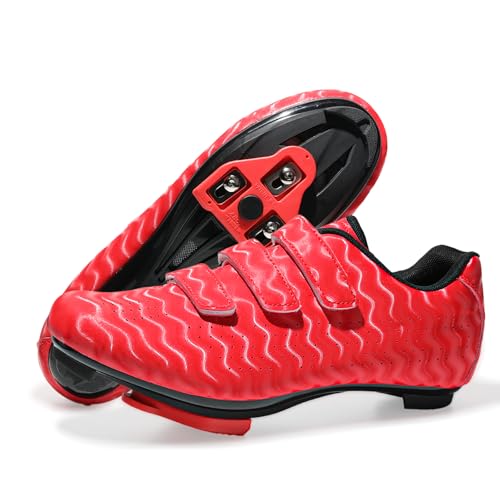
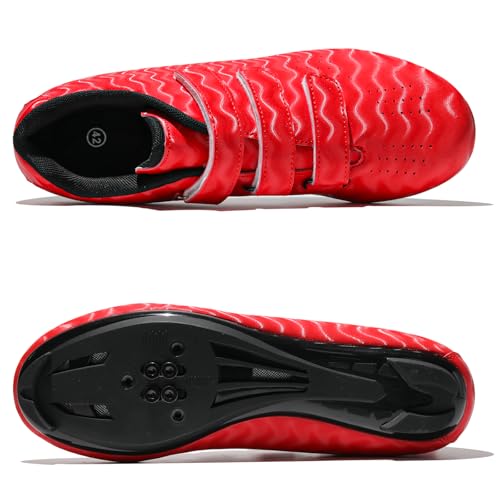
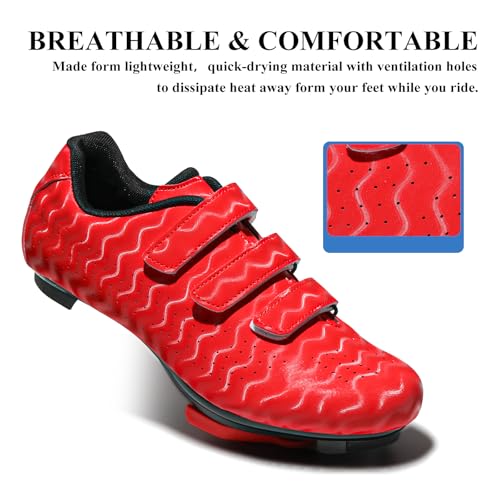
SoleEase Lightweight Cycling Shoes
Strengths
- Very lightweight
- Cushioned insole
- Delta + SPD compatible
Trade-offs
- Durability concerns
- Adapters needed for SPD
- Inconsistent sizing
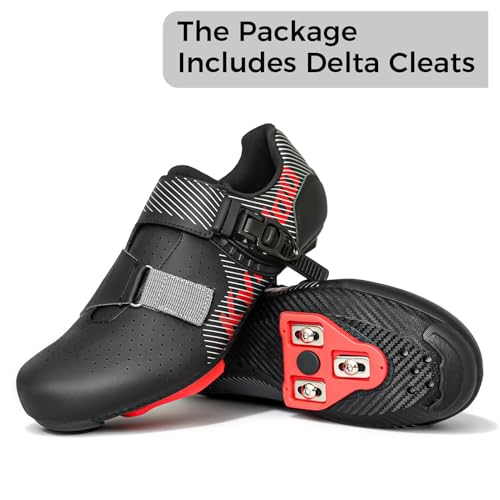
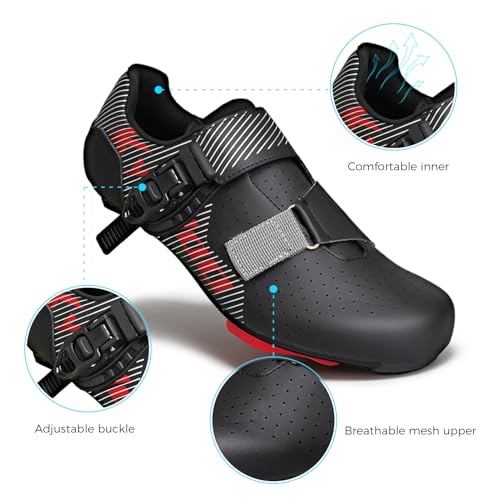
At this price, the SoleEase shoes pack in a surprising number of thoughtful touches. The lightweight build stands out immediately, reviewers note they feel noticeably lighter than other sub-$40 options, which helps during fast cadence work or climbing. That matters more than most brands admit. The cushioned insole also earns consistent praise for comfort, especially for riders transitioning from sneakers.
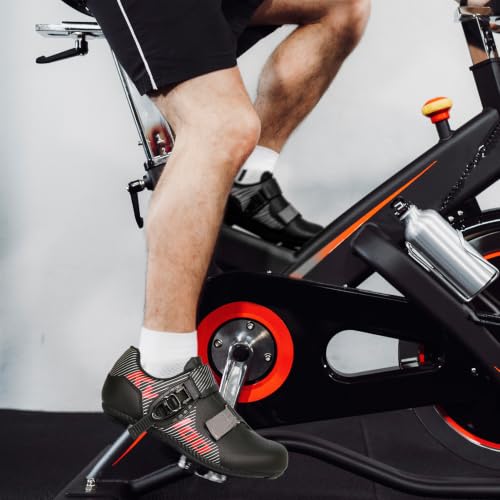
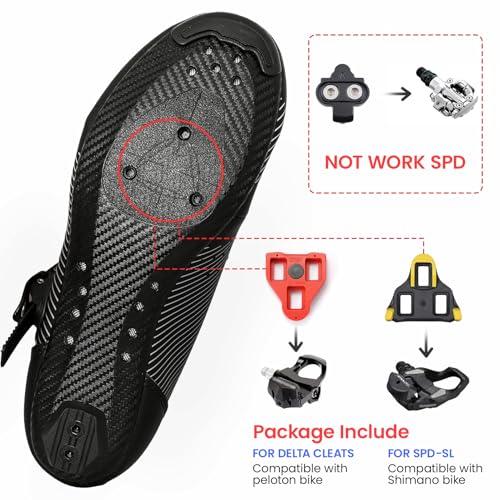
They claim compatibility with both Delta and SPD systems, but owners clarify that the sole has a 3-bolt pattern, meaning SPD requires an adapter plate (not included). Still, for Peloton users, it’s plug-and-play with the included cleats. Build quality seems hit-or-miss; some report years of use, others mention glue seams lifting after a few months. Compared to the Kyedoo or KESCOO models, these are more focused on immediate comfort than long-term structural support. For the average rider doing spin classes or weekend rides, this is the smarter buy if weight and soft padding rank high.
Product photos
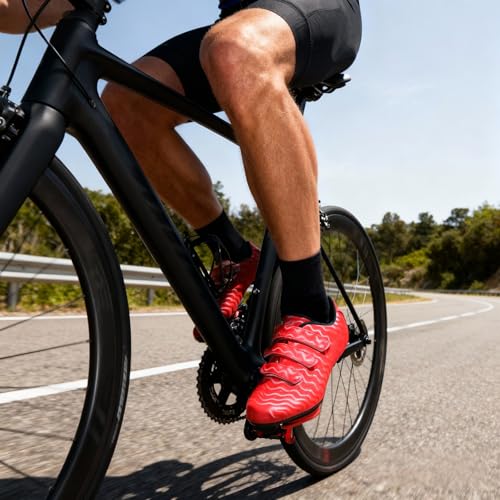
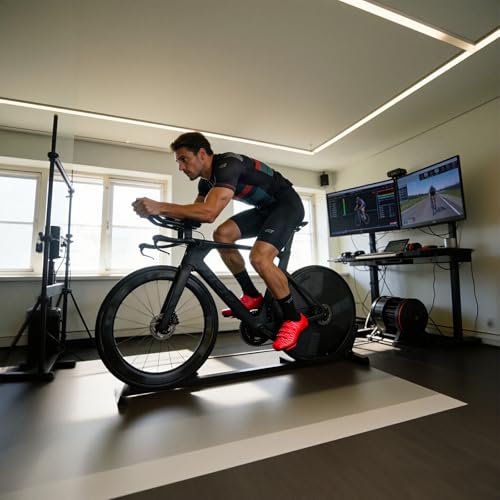
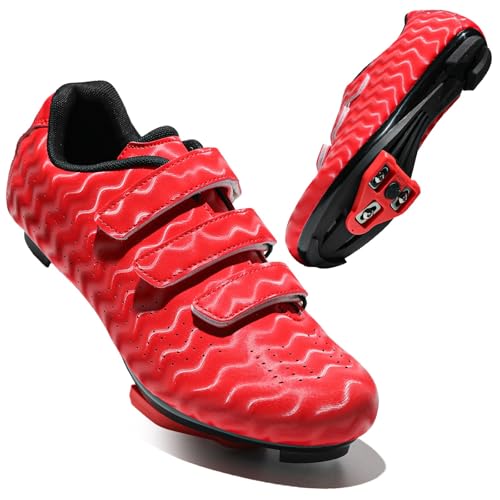
Unisex KESCOO Peloton Compatible Shoes
Strengths
- Includes cleats
- Good breathability
- Peloton compatible
Trade-offs
- Lace-up only
- Fit may be tight
- Basic closure system
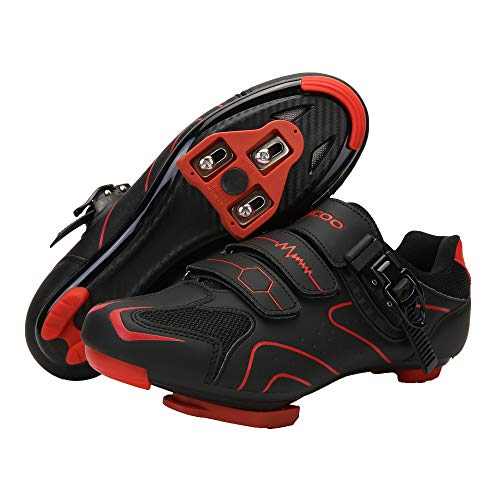
These KESCOO shoes hit a sweet spot for beginners who want functional clip-in performance without overspending. On paper, the inclusion of delta cleats and a wrench is a real win, no extra parts to hunt down if you’re setting up for Peloton or indoor cycling. The nylon outsole promises decent power transfer, and owners consistently report they’re stiff enough for spin classes but still comfortable for casual use.
The breathable mesh upper gets positive nods in reviews, especially from riders doing longer sessions, though some note the fit runs slightly narrow despite being marketed as unisex. I’d say sizing carefully using their chart is critical. Compared to pricier Boa-closure models, these rely on traditional laces, which means less precise micro-adjustment, but for the price, it’s a fair tradeoff. My recommendation for new riders dipping into clipless: this is a solid starting point.
Video review
Fizik Vento Omna Wide Boa Shoes

Strengths
- BOA dial closure
- True wide fit
- Even pressure distribution
Trade-offs
- Higher price
- Nylon (not carbon) sole
- Limited color options
Fizik doesn’t cut corners when it comes to fit refinement, and the Vento Omna Wide proves they understand what riders with wider feet actually need. This isn’t just a stretched version of a narrow shoe, the higher volume design focuses on the forefoot and metatarsal area where pressure builds, and the BOA dial system with textile lace guides spreads tension evenly. That’s a big deal for long rides; reviewers frequently mention no hot spots even after hours in the saddle.
The R5 nylon outsole isn’t carbon fiber, but it’s stiffer than budget options and strikes a balance between efficiency and comfort. It’s not meant for pro-level sprints, but for weekend centuries or endurance events, it performs well. Compared to entry-level wide shoes like the SoleEase or KESCOO models, the Omna Wide costs more but delivers a noticeable upgrade in materials, adjustability, and long-term comfort. If you’ve struggled with numbness or pinching, this one is worth the jump.
Video review
Kyedoo Mens Wide Peloton Shoes
Strengths
- True wide toe box
- Stiff carbon nylon sole
- Includes delta cleats
Trade-offs
- Less breathable upper
- Heavier than rivals
- Fit varies by foot shape
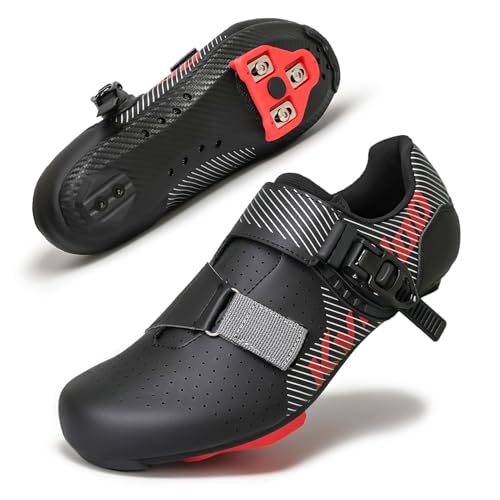
Kyedoo is positioning itself as a value-focused brand for wide-foot riders, and this model delivers where it counts: space and compatibility. The standout here is the roomy toe box, owners with swelling issues or bunions praise how much relief it offers compared to standard-width shoes. That makes it a strong pick for longer indoor rides or hot-weather cycling when feet expand.
It uses a 3-bolt delta-compatible sole with included cleats, so setup is straightforward for Peloton users. The carbon nylon outsole is stiffer than most in this range, translating to better power transfer than basic models. However, the leather upper, while durable and supportive, doesn’t breathe as well as mesh-heavy designs. Some reviewers note warmth buildup during intense spin sessions. Against similarly priced options like the SoleEase, this one wins on fit but trails slightly in ventilation. I’d pick it if width is your top priority and you ride hard indoors.
Product photos

How We Evaluated cycling shoes for wide feet
My approach at TheAutoZenith is always rooted in understanding the needs of the rider, and for those with wider feet, finding the right cycling shoe is often a frustrating process. Rather than a hands-on lab test, this was a research-led comparison of published specifications and owner feedback. I compiled a list of popular models marketed toward wider feet and then meticulously compared their stated features – sole material, closure systems, and upper construction – against thousands of user reviews from sites like Amazon and cycling-specific forums.
For cycling shoes, a secure and comfortable fit is paramount, so I heavily weighted factors like width options, toe box design, and the reported comfort of the upper materials. Power transfer efficiency also played a significant role; a stiff sole is crucial for maximizing pedaling performance. Finally, compatibility with common cleat systems (Delta and SPD) was a key consideration, as riders often have existing pedal setups. You can find more options when looking at wide foot cycling shoes.
Specifications reliably indicate a shoe’s potential for power transfer – a higher stiffness index generally means a more efficient pedal stroke. However, true comfort and fit are much more subjective. I paid close attention to owner reports regarding sizing accuracy, hot spots, and whether the shoes genuinely accommodated wider feet without causing pressure points. Reviews also helped reveal real-world durability and how well the shoes held up to consistent use, something specs alone can’t tell you. If you also enjoy off-road riding, consider exploring best gravel bike shoes.
How To Pick The Right cycling shoes for wide feet
Finding the right cycling shoes is crucial, and that’s especially true if you have wider feet. A poor fit can lead to discomfort, numbness, and even injury, turning what should be an enjoyable ride into a painful experience.
A good pair of cycling shoes for wider feet prioritizes volume in the toe box and midfoot, uses adjustable closure systems to accommodate different instep heights, and balances stiffness for efficient power transfer with enough flex for all-day comfort. Look for models specifically designated as “wide” and consider compatibility with your pedal system (SPD, Delta, etc.).
Prioritize Width & Volume
The biggest mistake I see riders make is assuming a larger size will solve width issues. Simply going up a size often results in a longer, but not wider, shoe. Instead, focus on models explicitly designed for wider feet. Brands like Fizik are now offering “Wide” versions of popular shoes (like the Vento Omna) which demonstrates a real understanding of rider anatomy. Don’t be afraid to try different brands; width standards can vary. Consider the overall volume too – some wider feet also have higher insteps, so a shoe with adjustable closure is key.
Understand Cleat Compatibility
Cycling shoes aren’t one-size-fits-all when it comes to cleats. The most common systems are SPD (Shimano Pedaling Dynamics) which uses two bolts, and Delta (Look) which uses three. Many shoes, like the SoleEase Lightweight Cycling Shoes, include cleats, which is a nice bonus, especially for beginners. However, make sure the included cleats match your pedals. If you’re diving into indoor cycling, you’ll likely want Delta compatibility, and you might also find valuable information in our guide to indoor cycling shoes for wide feet.
Balance Stiffness and Comfort
A stiff sole is vital for efficient pedaling, transferring power directly to the bike. But too stiff, and you’ll be walking like a penguin off the bike. The sweet spot depends on your riding style. If you’re a racer, you’ll want maximum stiffness. For recreational riding or commutes, a bit more flex is preferable. Here’s a quick guide:
- Carbon Fiber: The stiffest option, best for racing.
- Nylon Composite: A good balance of stiffness and affordability.
- Glass Fiber Reinforced Nylon: More flexible, ideal for all-day comfort.
A properly fitted shoe shouldn’t feel tight anywhere. Your toes should have room to wiggle, and you shouldn’t experience any pressure points.
Ultimately, finding the perfect pair of cycling shoes for wide feet requires careful consideration and, ideally, trying on several different models. Don’t settle for “close enough” – your feet will thank you.
Cycling Shoes for Wide Feet Compared
Here’s a comparison of key specifications for cycling shoes designed for wider feet.
| Product Title | Best For | Cleat Type | Width | Outsole Material | Closure Type |
|---|---|---|---|---|---|
| SoleEase Lightweight Cycling Shoes | Best Overall | Delta | N/A | N/A | N/A |
| Unisex KESCOO Peloton Compatible Shoes | Best Entry-Level | Delta/SPD | N/A | Nylon | N/A |
| Fizik Vento Omna Wide Boa Shoes | Best Budget Value | N/A | Wide | Nylon | Boa |
| Kyedoo Mens Wide Peloton Shoes | Best Budget Wide Fit | Delta | Wide | Carbon Nylon | N/A |
Frequently Asked Questions
What width difference should I expect in a “wide” cycling shoe?
A “wide” shoe typically adds 4-8 millimeters of width compared to a standard shoe, which is often enough to alleviate pressure points for many riders. However, width standards aren’t universal, so checking specific brand sizing charts is vital.
Are carbon fiber soles suitable for everyday riding?
While carbon fiber provides excellent power transfer, they’re less forgiving for walking. For recreational rides and commutes, a nylon or glass fiber-reinforced nylon sole offers a better balance of stiffness and comfort, and are generally more durable.
Can I add aftermarket insoles to improve the fit of my cycling shoes?
Yes, aftermarket insoles can significantly improve comfort and support, especially for those with high arches or specific foot conditions. They can also help fine-tune the fit within a wider shoe, addressing any remaining volume issues.
What’s the best cleat compatibility for someone new to clipless pedals?
SPD (Shimano Pedaling Dynamics) is often recommended for beginners because the cleats are recessed into the shoe, making walking more natural. Many shoes, like the Unisex KESCOO Peloton Compatible Shoes, offer both SPD and Delta compatibility for versatility.
Will wider cycling shoes affect my pedaling efficiency?
Not necessarily. A properly fitted wider shoe, even with a slightly larger volume, won’t compromise efficiency if it securely holds your foot. If you’re looking to tackle challenging terrain, consider exploring wide fit mountain bike shoes for optimal performance and control. If you prefer to ride with flat pedals, you’ll want to research shoes for flat pedals.
The Bottom Line
Choosing cycling shoes always involves compromise – between ultimate performance and everyday comfort, or between a premium price and a sensible budget. Based on my research and the feedback I’ve seen from riders, the SoleEase Lightweight Cycling Shoes strike the best overall balance for those with wider feet, offering a solid construction and reported comfort without breaking the bank. They seem to consistently receive positive comments regarding fit and usability.
For riders just starting out, or those looking for a dedicated indoor cycling option, the Unisex KESCOO Peloton Compatible Shoes represent a fantastic entry point. And if you’re specifically seeking a budget-friendly option that doesn’t skimp on width, the Fizik Vento Omna Wide Boa Shoes consistently appear as a top choice. Don’t overlook exploring cycling shoes for beginners if you’re new to the sport, as they often prioritize comfort and ease of use.
Ultimately, the numbers – stiffness index, cleat compatibility – are secondary to how the shoe feels on your foot. Prioritize finding a shoe with enough volume for your foot shape, a secure but not constricting fit, and a closure system that allows for fine-tuning. Don’t be afraid to consider wide fit road cycling shoes even if you don’t race; comfort is king, and a happy foot makes for a happy ride.
