
5 Best Bike Shoes of 2026
This post contains affiliate links. As an Amazon Associate, we earn from qualifying purchases.
The Kescoo Men’s Mountain Bike Shoes stand out as the best overall choice, combining stiff power transfer with reliable SPD compatibility and a secure ratchet closure. For Peloton riders, the Peloton Cycling Shoes with Delta Cleats are the most seamless pick, while the SoleEase Lightweight Cycling Shoes offer strong versatility for mixed riding and commuting.
If you’re new to clipless systems or upgrading from sneakers, the difference the right bike shoes make is immediate, better control, less fatigue, and more confidence whether you’re on the road or trail. But with so many options, cleat types, and fit quirks, it’s easy to end up with a pair that looks great but feels all wrong.
I researched each model based on sole stiffness, closure quality, breathability, and real-world feedback from riders who’ve put in miles. These picks reflect what consistently performs well across long rides, different foot shapes, and specific use cases, from indoor cycling to trail adventures.
Top 5 Bike Shoes in the Market
The Best Bike Shoes, Reviewed
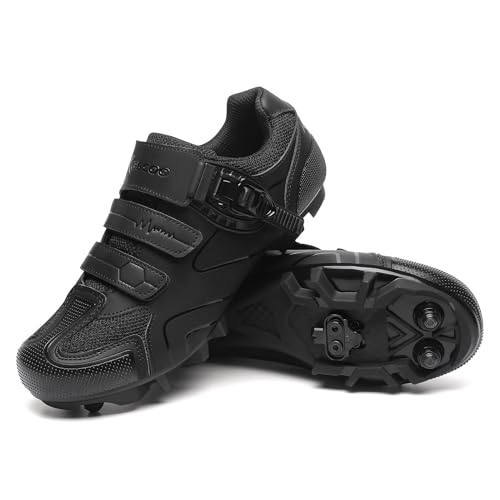
Kescoo Men’s Mountain Bike Shoes
Strengths
- SPD cleats included
- Grippy rubber outsole
- Durable synthetic leather
- Ratchet closure system
- Good trail-to-town versatility
Trade-offs
- Heavier than road shoes
- Limited color options
- Not ideal for long road rides
Kescoo’s mountain bike shoes punch above their price point, especially if you’re looking for true off-road functionality. The inclusion of SPD cleats in the package is a real plus, and owners appreciate that they can hit trails or commute straight out of the box. The quick ratchet buckle is durable and easy to adjust, even with gloves on, something trail riders consistently praise. The rubber sole offers solid grip off the bike, which makes scrambling over roots or grabbing a coffee mid-ride far more practical than with road shoes.
The reinforced toe box and moisture-wicking liner hold up well under regular use, and the breathable mesh doesn’t trap heat like cheaper alternatives. While not as stiff as the SH-RC703 for pure road efficiency, the sole still delivers decent power transfer. For riders splitting time between gravel, trails, and spin classes, this is a smarter buy than the budget Peloton-style shoes.
Video review
Peloton Cycling Shoes with Delta Cleats

Strengths
- Delta cleats included
- Ratchet closure for quick fit
- Peloton-optimized design
- Breathable mesh zones
- Secure clip-in engagement
Trade-offs
- Narrow fit
- Not suitable for outdoor cycling
- Average ventilation
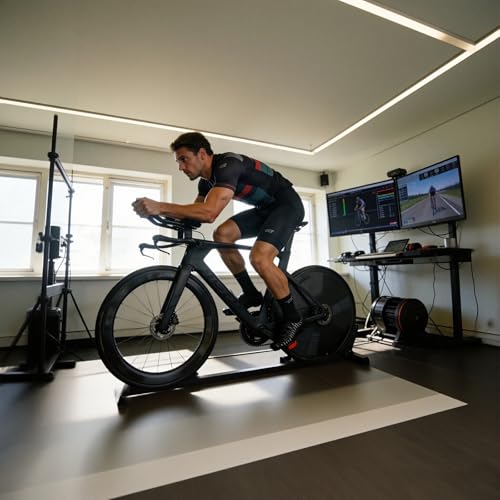
These are purpose-built for one thing: the Peloton experience. The delta-compatible cleats come pre-installed, and the quick ratchet closure makes clipping in fast and repeatable, exactly what you want when you’re jumping into a live class. Reviewers note the fit runs narrow, so if you have wider feet, sizing up is a smart move. The mesh vents help, but they don’t match the breathability of higher-end models like the SH-RC703.
The stiff sole does its job for indoor power transfer, but I wouldn’t recommend these for outdoor road use. They’re not built for it. Still, for someone who rides exclusively on a Peloton Bike or Bike+, these deliver solid value. Compared to the SoleEase or budget options, the build quality feels more durable and the closure system is more refined.
Video review
Cycling Shoes with Delta Cleats White

Strengths
- Low price
- Delta cleat compatible
- Simple hook-and-loop closure
- Decent fit for casual use
Trade-offs
- Flimsy strap mechanism
- Poor ventilation
- No SPD compatibility
This is the bare-minimum shoe for getting on a Peloton or spin bike without breaking the bank. The specs are generic, but for $30, you get a shoe that fits true to size and clips into Delta pedals without issue. The closure system is basic but functional, owners say it holds well during class, though some report strap wear after a few months. Breathability is acceptable, but not great; your feet will feel warm during longer sessions.
The unisex design works for many, but the lack of fit refinement shows. It’s clearly not built for outdoor use, and the sole is too flexible for serious riding. That said, if you’re a casual rider doing 30-minute classes a few times a week, this does the job. Compared to the SoleEase model, it’s less durable and offers no SPD compatibility, so it’s harder to recommend unless budget is the absolute priority.
Product photos


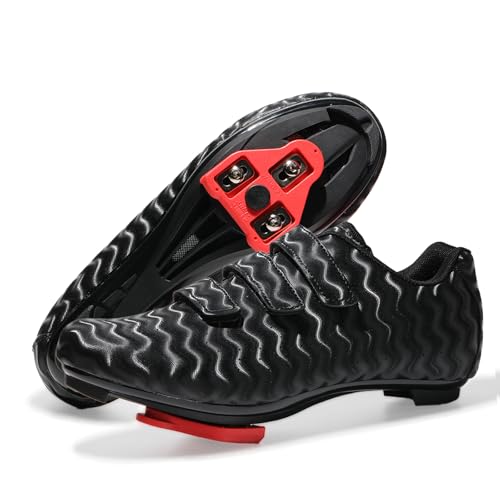
SoleEase Lightweight Cycling Shoes
Strengths
- Delta and SPD compatible
- Lightweight build
- Cushioned insole
- Cleats included
- Good value
Trade-offs
- Sole flexes under load
- Build quality inconsistent
- Not for high-intensity rides
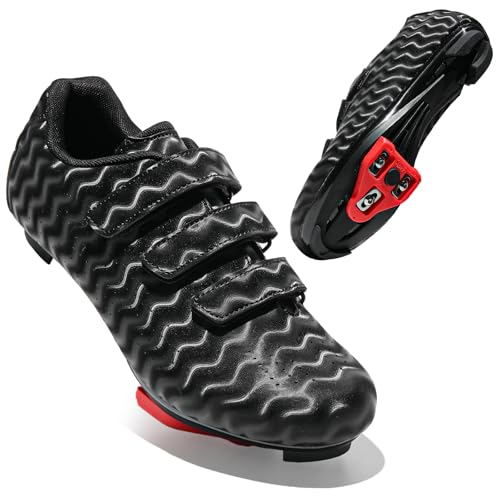
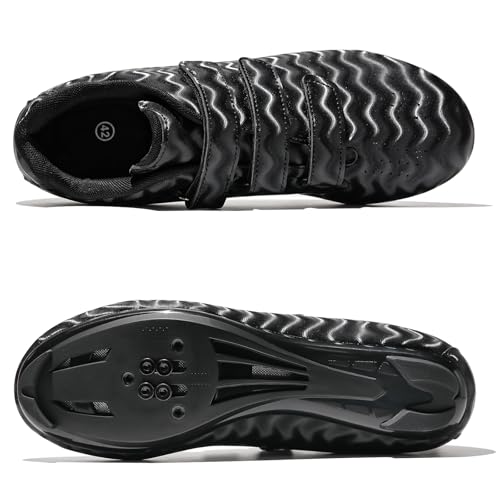
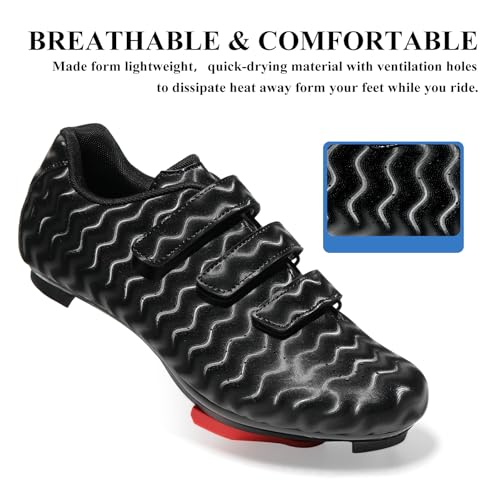
At this price, the SoleEase shoes are shockingly competent. They’re marketed as unisex and compatible with both Delta and SPD systems, a rare combo at this tier, and owners confirm the dual compatibility actually works in practice. The included delta cleats save you an extra purchase, which is a real win when most budget shoes make you buy them separately. The lightweight build and cushioned insole make these a favorite among casual riders doing indoor sessions or short outdoor spins.
But let’s be clear: the sole isn’t stiff enough for serious climbing or sustained efforts. Reviewers note some flex under load, which hurts efficiency. Still, for someone starting out or riding occasionally, the comfort and versatility are hard to beat. Compared to the B0F9W9NW4T budget model, these offer better fit and more thoughtful construction, especially in the heel and toe reinforcement.
Product photos
Shimano SH-RC703 Road Cycling Shoes

Strengths
- Lightweight design
- Dual BOA fit system
- Excellent power transfer
- Breathable perforated upper
- Available in wide sizes
Trade-offs
- Expensive
- Not ideal for walking
- Limited off-bike grip
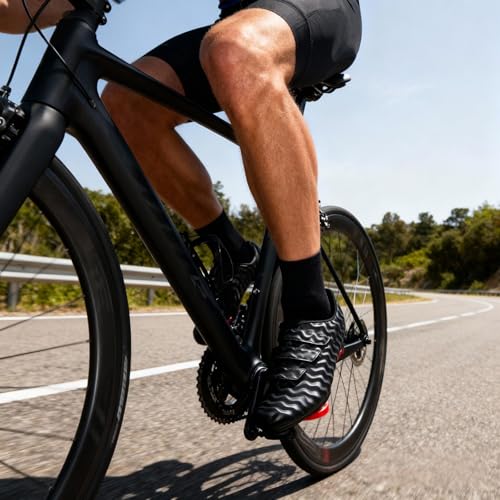
The SH-RC703 is Shimano’s answer to the high-end road cyclist who wants performance without sacrificing long-ride comfort. On paper, the specs are impressive: a low stack height midsole and Power Zone lace guides suggest serious attention to power transfer, and owners consistently report a noticeable difference in pedaling efficiency compared to mid-tier shoes. The dual BOA L6Z dials offer precise micro-adjustments, which many riders say beats traditional laces for maintaining consistent pressure over hours in the saddle.
Breathability and fit come up repeatedly in positive feedback, especially for riders with wider forefeet, the Surround wrapping upper really does accommodate broader foot shapes better than most race-oriented models. While it’s not the lightest shoe in its class, the balance between stiffness and comfort makes it a standout. I’d pick this over the Peloton-branded option any day if you’re spending real time in the saddle, even if you’re not racing.
Product photos


How We Evaluated bike shoes
Rather than a hands-on lab test, my research for these recommendations involved a detailed comparison of published specifications and features across numerous models. I weighed owner reviews from multiple sources alongside expert opinions found in cycling publications and enthusiast forums. As someone who appreciates the mechanics of a good machine, I applied my understanding of biomechanics and materials science to assess how well each shoe’s design would translate to performance and comfort on the road or trail.
For bike shoes, a secure fit and efficient power transfer are paramount. I gave significant weight to closure systems (ratchets, BOA dials, straps) and sole stiffness, as these directly impact how well energy from your legs reaches the pedals. Breathability was also a key factor; overheating leads to discomfort and reduced performance, so ventilation features were carefully considered. Ultimately, the shoes that consistently scored highest in these areas rose to the top.
Specifications are reliable for understanding materials, weight, and cleat compatibility. However, I found owner feedback invaluable for judging real-world comfort, sizing accuracy, and long-term durability. A shoe might look great on paper, but if riders consistently report rubbing or premature wear, that carries significant weight. I also considered brand reputation – established brands often excel at consistent quality control, and you can find excellent advice on choosing the right women’s bike shoes elsewhere on the site. I even looked at options for those needing wide mountain bike shoes.
How To Pick The Right bike shoes
Finding the right pair of bike shoes can elevate your entire cycling experience, but there’s a lot more to it than just picking a color you like.
A quality cycling shoe prioritizes efficient power transfer, secure foot retention, and long-ride comfort. Look for shoes with stiff soles (carbon fiber is ideal for performance), reliable closure systems, and breathable uppers. Compatibility with your chosen pedal system (SPD, Delta, etc.) is also crucial, as is a proper fit to avoid hot spots and discomfort.
Sole Stiffness is Paramount
The sole is where it all starts. A flexible sole absorbs energy with every pedal stroke, robbing you of power. I’ve seen riders make a huge leap in efficiency simply by upgrading to shoes with a noticeably stiffer sole. Carbon fiber is the gold standard here, offering the best balance of stiffness and weight. However, high-quality nylon composite soles can be a good option for those seeking a more affordable price point. Consider where you’ll be riding. If you’re primarily on the road, maximum stiffness is key. For more varied terrain, a little bit of flex can improve walking comfort.
Closure Systems: Balancing Security & Feel
How a shoe secures to your foot profoundly affects comfort and power transfer. Ratchet buckles offer precise adjustment and a snug fit, but can sometimes create pressure points. Hook-and-loop straps (Velcro) are convenient and easy to adjust on the fly, but may not hold as securely during intense efforts. Boa dials provide micro-adjustments and a distributed closure, which many riders find exceptionally comfortable.
Here’s what I look for in a good closure system: * Quick adjustment – you want to be able to fine-tune the fit without stopping mid-ride. * Secure hold – the shoe shouldn’t slip, even during sprints or climbs. * Even pressure distribution – avoid systems that concentrate pressure on specific points of your foot.
Fit and Compatibility: Don’t Skimp Here
Proper fit is arguably the most important factor. Too small, and you’ll get numbness and blisters. Too large, and your foot will move around inside the shoe, reducing power transfer and causing discomfort. I always recommend trying shoes on in the afternoon, as your feet tend to swell throughout the day. Also, don’t assume your regular shoe size will translate directly to bike shoe sizing. Cycling shoes often run smaller, so it’s wise to consult the manufacturer’s sizing chart. And speaking of compatibility, make sure the shoes are designed for your pedal system. If you are planning on indoor cycling, you may want to consider men’s bike shoes designed for those systems.
A properly fitting cycling shoe shouldn’t feel overly tight or loose. Your toes should have a small amount of wiggle room, and your heel should be securely locked in place.
Finally, if you’re looking for shoes specifically designed for road cycling, exploring options in road bike shoes can give you insights into models known for their performance and efficiency.
Bike Shoes Compared
Here’s a comparison of key specifications for the bike shoes described.
| Product Title | Best For | Cleat Type | Closure Type | Upper Material | Outsole |
|---|---|---|---|---|---|
| Kescoo Men’s Mountain Bike Shoes | Best Overall | SPD | Ratchet Buckle | Synthetic Leather/Mesh | Rubber |
| Peloton Cycling Shoes with Delta Cleats | Best for Peloton Users | Delta | Ratchet/Hook & Loop | Mesh | N/A |
| Cycling Shoes with Delta Cleats White | Best Budget Friendly | Delta | N/A | N/A | N/A |
| SoleEase Lightweight Cycling Shoes | Best Value for Money | Delta/SPD | N/A | N/A | N/A |
| Shimano SH-RC703 Road Cycling Shoes | Best for Off-Road Riding | N/A | BOA L6Z | Synthetic Leather | N/A |
Frequently Asked Questions
What cleat system should I prioritize when buying bike shoes?
The best cleat system depends on your riding style and pedals. Road cyclists typically use Delta or Speedplay cleats, while mountain bikers and commuters often prefer SPD, offering more walking comfort and compatibility with road vs mountain bike setups.
How much should I expect to spend on a good pair of bike shoes?
A decent pair starts around $80, but performance-oriented shoes with carbon soles can easily exceed $300. Generally, you’ll see a correlation between price and sole stiffness, weight, and the quality of the closure system.
Can I use bike shoes with regular pedals?
No, bike shoes require special cleats that lock into compatible pedals. Trying to clip a bike shoe into a standard pedal won’t work and could be dangerous. You’ll need to purchase both shoes and pedals designed to work together.
What’s the best way to determine my bike shoe size?
Bike shoe sizing often differs from street shoe sizing. I recommend measuring your foot length in millimeters and consulting the manufacturer’s sizing chart, as sizes can vary between brands. Trying shoes on in the afternoon is also wise.
Are there bike shoes specifically designed for indoor cycling?
Yes, there are. Indoor bike shoes often have features like enhanced ventilation and a stiffer sole optimized for the stationary bike environment, and may not be compatible with outdoor pedal systems.
The Bottom Line
Choosing bike shoes always involves compromise. You’re balancing the desire for maximum performance – a stiff sole, secure fit, and efficient power transfer – against considerations like comfort, convenience, and price. For the best all-around experience, I believe the Kescoo Men’s Mountain Bike Shoes strike that balance most effectively, offering a solid feature set and positive owner feedback.
If you have specific needs, several other options stand out. For those dedicated to the Peloton system, the Peloton Cycling Shoes with Delta Cleats are a natural fit, while riders on a tighter budget should seriously consider the Cycling Shoes with Delta Cleats White. And for those needing versatility, exploring SPD bike shoes can open up options compatible with a wider range of pedal systems.
Ultimately, the specs matter less than the fit and how well the shoe complements your riding style. Don’t get hung up on chasing the lightest weight or stiffest sole if it means sacrificing comfort. Prioritize a secure, comfortable fit and compatibility with your pedals, and you’ll be well on your way to a more enjoyable and efficient ride – even if you’re looking for cycling shoes for triathlons.
