
8 Best Bicycle Trackers of 2026
This post contains affiliate links. As an Amazon Associate, we earn from qualifying purchases.
The Orbit Velo Bike Tracker stands out as the best overall choice for most riders, thanks to its long battery life and solid integration with Apple’s Find My network. If you’re on a budget, the Hidden Bike Tracker Reflector offers strong stealth and reliable performance at a lower price. For Android users, the Android Bike Tracker Airtag delivers solid compatibility and ease of use.
Every cyclist fears coming back to an empty rack. A tracker can be your best shot at recovery, but not all devices are built the same. Many fail where it matters most, battery life, tamper resistance, or actual real-world signal accuracy.
This guide cuts through the noise. I looked at specs, owner feedback, and network reliability to find the most dependable options for different needs, whether you’re after stealth, real-time updates, or seamless phone integration.
Top 8 Bicycle Trackers in the Market
The Best Bicycle Trackers, Reviewed
Orbit Velo Bike Tracker

Strengths
- Apple Find My integration
- Replaceable 3-year battery
- IPX6 waterproof
- Secure mounting hardware
- Works globally via crowd-sourced network
Trade-offs
- Apple-only compatibility
- No real-time tracking
- Not ideal for frequent travelers needing live updates
If you’re deep in the Apple ecosystem and want a no-fuss, long-lasting bike tracker, the Orbit Velo is hard to beat. It leans fully into Apple’s Find My network, which means millions of devices worldwide help locate your bike without draining its battery. The 3-year replaceable battery is a standout, owners consistently report it lasts as advertised, and not having to recharge every few months is a real win for low-maintenance security.
Its IPX6 waterproof rating and included security bolts make it resilient against weather and tampering. Mounting is flexible with bottle cage compatibility, and the discreet profile keeps it out of sight. Compared to rechargeable models like the Ravemen, this one wins on set-and-forget reliability.
Video review
Hidden Bike Tracker Reflector
Strengths
- Ultra-discreet design
- No subscription fees
- Replaceable battery
- Tamper-resistant
- Affordable
Trade-offs
- Apple only
- 12-month battery life
- No light output, just reflectivity
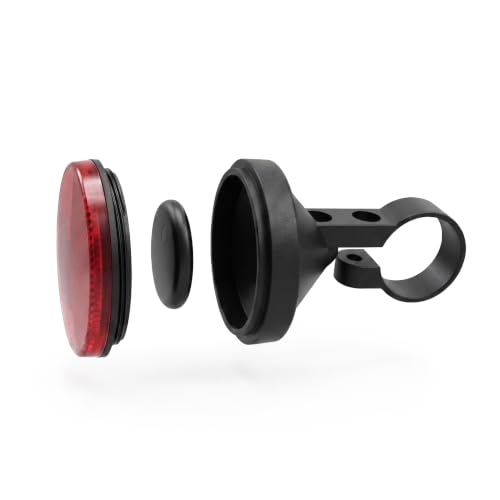
At just $16, this is the most budget-friendly and stealthy option on the list, and it delivers. It replaces your rear reflector with a hidden tracker inside, making it invisible to thieves. The 12-month battery is replaceable, and since the module lifts out, you can swap it years down the line without buying a whole new unit.
It works with Apple Find My, requires no subscription, and the tamper-resistant bolts make removal tough. Owners love how it blends in, nobody targets a reflector. Compared to the MiLi mount, it’s even more discreet and cheaper, though it lacks rechargeability. For basic, set-and-forget protection, it’s unbeatable at this price.
Video review
Bikebac Tracker with Find My
Strengths
- Replaceable long-life battery
- IP67+ waterproof
- Apple Find My ready
- Includes security hardware
- No subscription
Trade-offs
- Battery life shorter than 3-year models
- Apple-only
- No rechargeable option
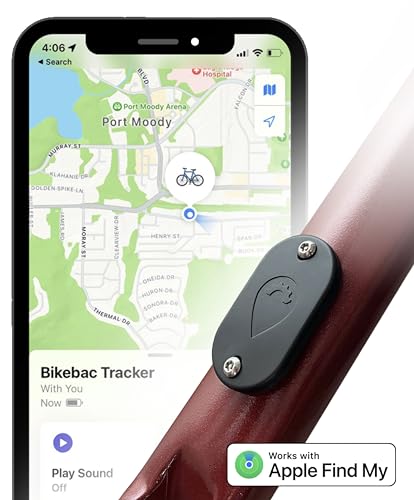
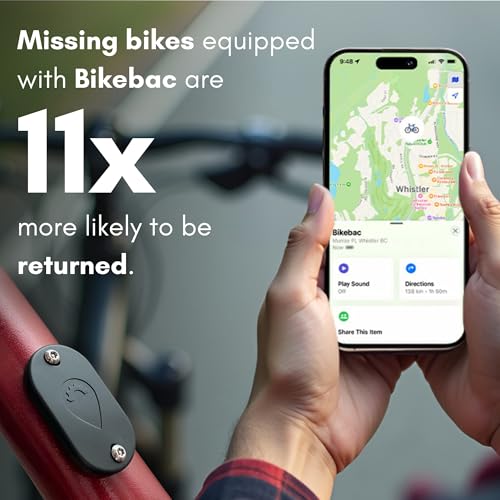
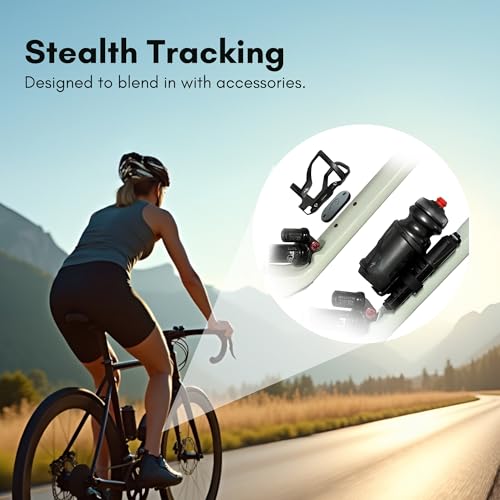
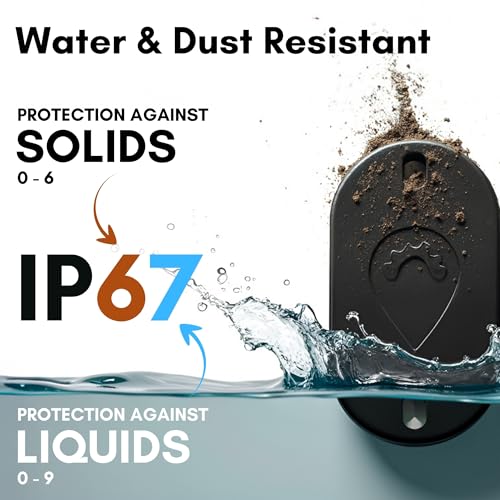
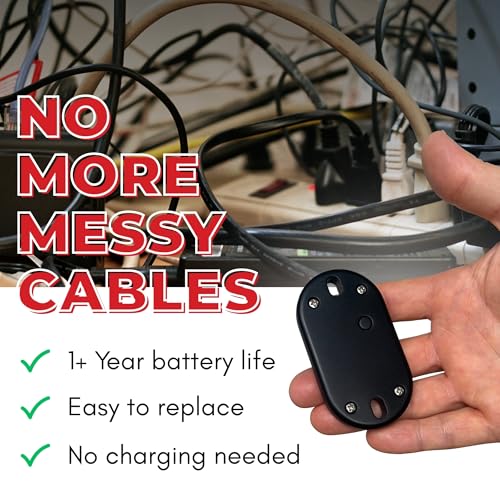
With a 12+ month replaceable battery and solid Apple Find My integration, the Bikebac Tracker is a dependable, no-nonsense option for long-term security. It’s simple: no charging, no subscription, just install and forget. The IP67+ waterproof rating means it handles downpours and mud better than most, and it mounts via bottle cage or seat post, offering flexibility.
Owners appreciate that it includes security bolts and works right out of the box, no AirTag needed. Compared to the Orbit Velo, it has a shorter battery life but is similarly low-maintenance. It doesn’t offer real-time tracking, but for passive, global findability, it’s effective.
Product photos

Ravemen Rechargeable Bike Tracker
Strengths
- Rechargeable USB-C
- 8-month battery life
- Apple Find My compatible
- Tamper-resistant screws
- IPX6 waterproof
Trade-offs
- Shorter total lifespan than 3-year models
- Screw length may not fit all bikes
- No Android support
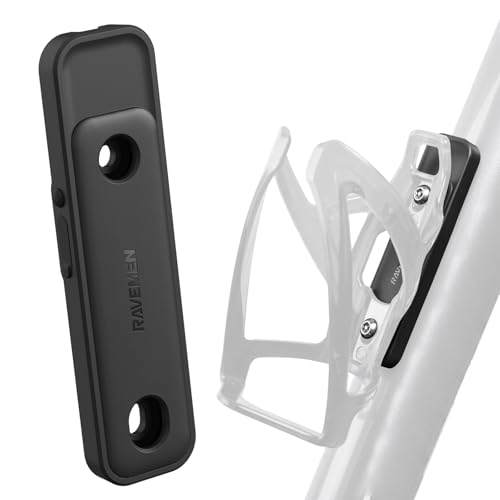
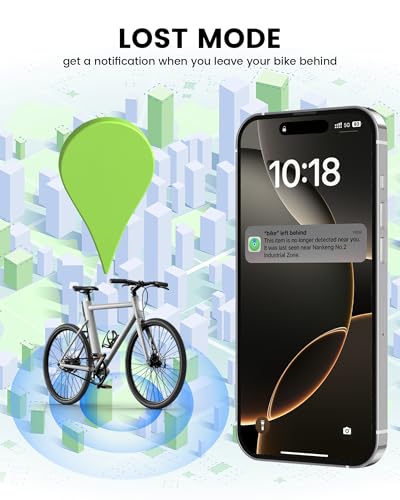
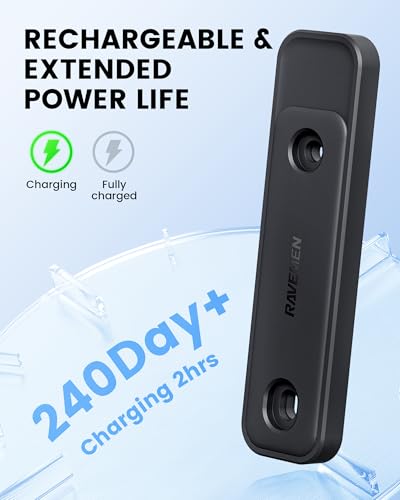
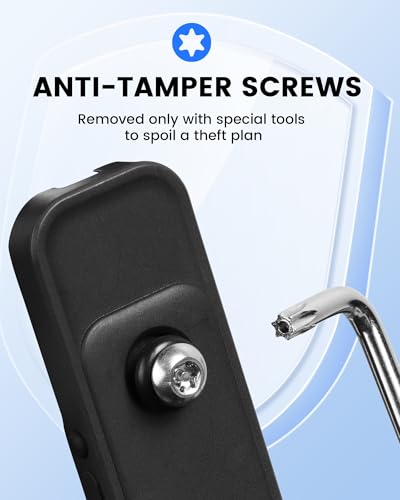
The Ravemen tracker hits a sweet spot for Apple users who prefer rechargeable over replaceable batteries. With USB-C charging in just 2 hours and up to 8 months of battery life, it’s efficient and modern. It integrates cleanly with Apple’s Find My network, sending alerts when your bike moves and enabling Lost Mode for recovery.
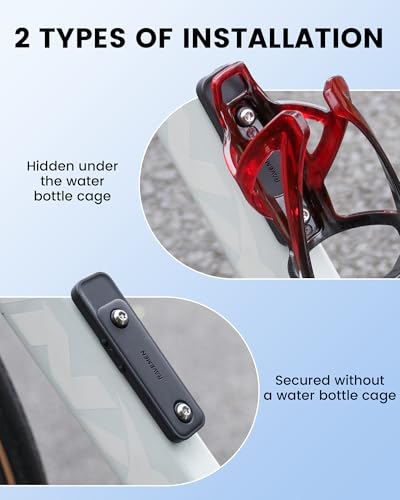
Its low-profile design and hidden mounting under a water bottle cage make it discreet, though the 2 cm screws may not fit all frames, owners with thicker cages have reported fit issues. Compared to the Orbit Velo, it trades battery longevity for convenience. If you hate dealing with coin cells, this is the smarter buy.
Product photos
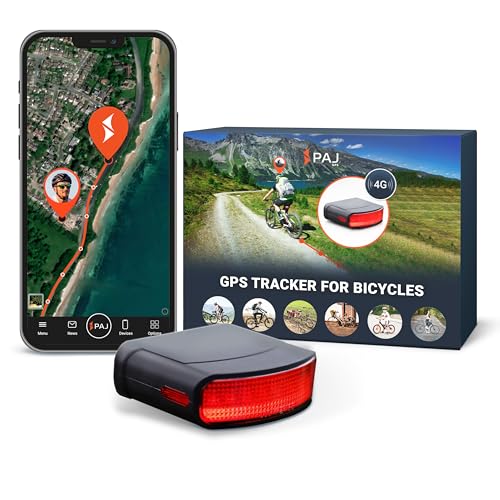
PAJ 4G GPS Bike Tracker
Strengths
- Real-time 4G GPS tracking
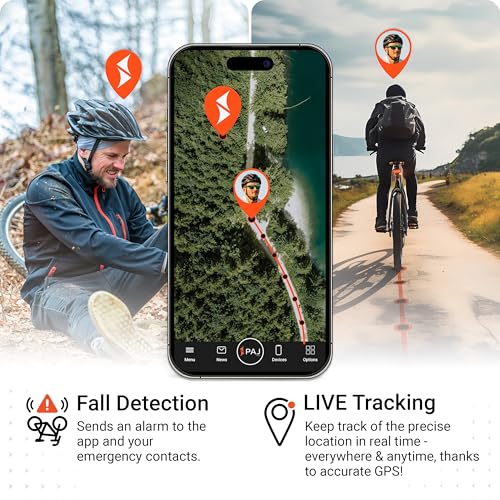
- Crash and movement alerts
- Built-in SIM, no setup
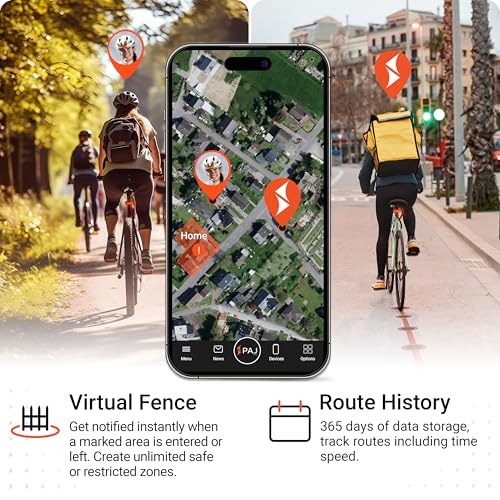
- Geofence protection
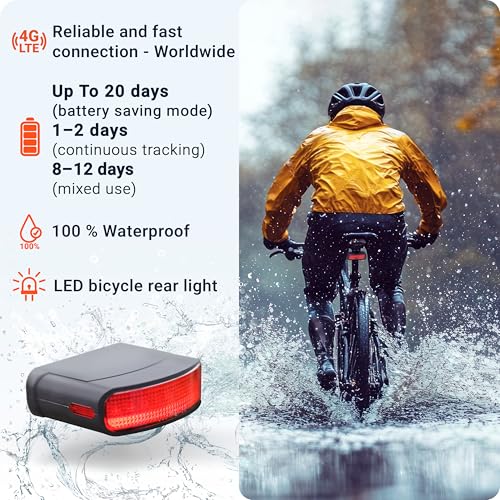
- IP67 waterproof
Trade-offs
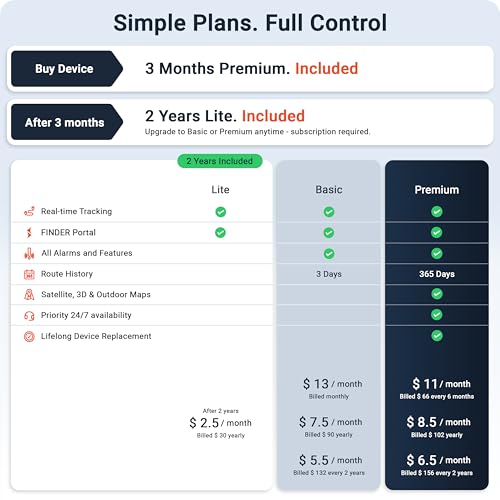
- Requires subscription after trial
- Battery drains fast with heavy use
- Slightly bulkier than pure trackers
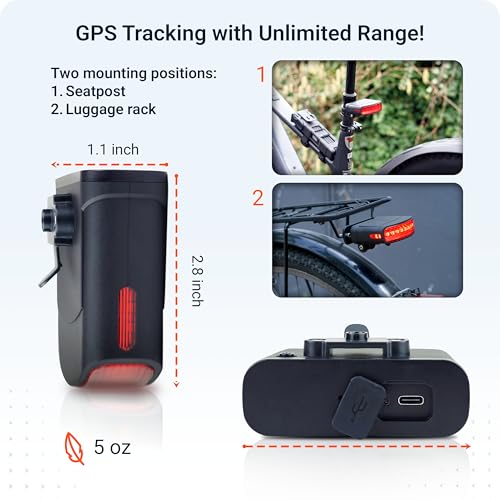
When real-time tracking matters, like in high-theft cities or for expensive e-bikes, this 4G GPS tracker doubles as a rear light and delivers where Bluetooth-based models can’t. The real-time location updates, geofence alerts, and crash detection are standouts for serious riders. If your bike moves unexpectedly, you’ll know instantly, and the last-known location is saved even if the device is powered off.
It comes with a built-in SIM card and 3 months of premium service, which is generous. After that, a low-cost subscription keeps it running. The 20-day battery life in standby is strong, though continuous use drops it to just a day or two. Compared to the Orbit Velo, this is far more active and responsive, but it demands more upkeep.
Product photos
Android Bike Tracker Airtag

Strengths
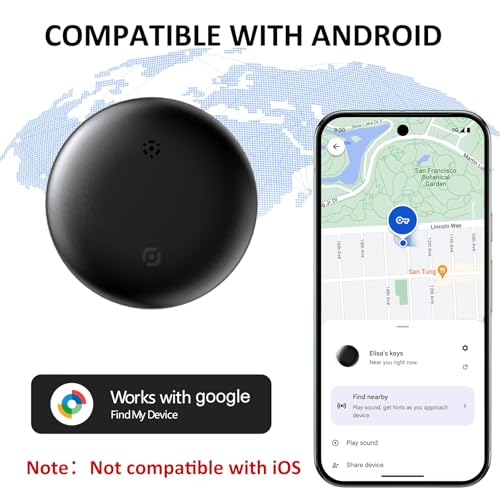
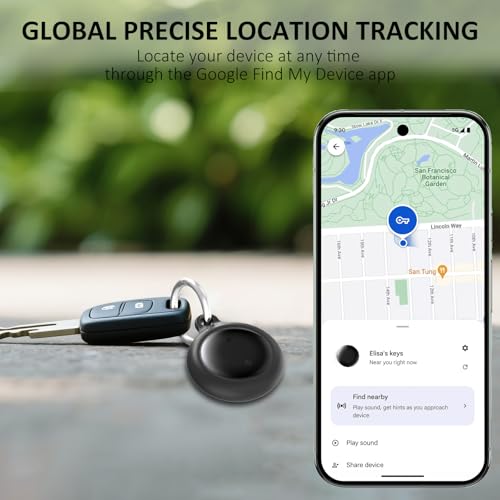
- Google Find My Device compatible
- IP67 waterproof and durable
- Replaceable battery (1-year life)
- Loud ring alert
- Affordable
Trade-offs
- Location updates delayed
- Not as discreet
- Limited mounting options
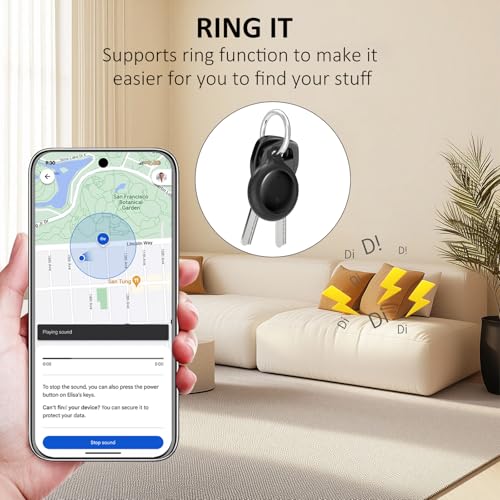
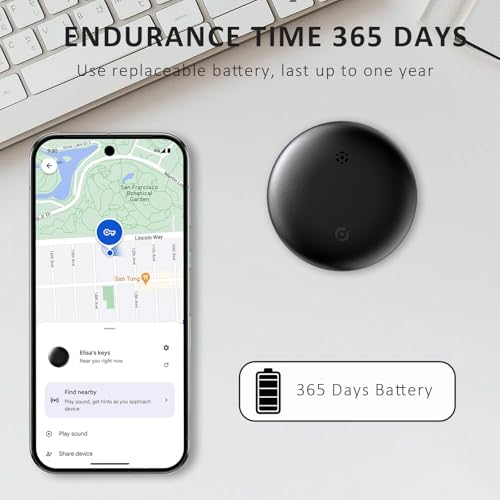
This is one of the few true Android-centric bike trackers that actually delivers on Google’s Find My Device promise. For non-Apple users, that’s huge. It taps into over a billion Android devices for crowd-sourced location updates, which typically refresh every 3–30 minutes, slower than real-time but effective for recovery. The 90dB ring feature is a nice touch, loud enough to locate a bike in a garage or shed.
Owners praise its IP67 rating and rugged build, surviving rain, dust, and rough handling. At under $25, it’s a solid value, though it lacks the stealthy integration of frame-mounted options. Compared to MiLi’s dual-compatible mount, this is simpler but more limited, it doesn’t double as a light or reflector.
Product photos

MiLi Bike Mount with Airtag
Strengths
- Dual Apple/Android compatibility
- Built-in reflectivity for safety
- Hidden tracker compartment
- AirTag compatible
- No subscription fees
Trade-offs
- No real-time tracking
- Bluetooth range limited
- Tracker can’t pair with both OS at once
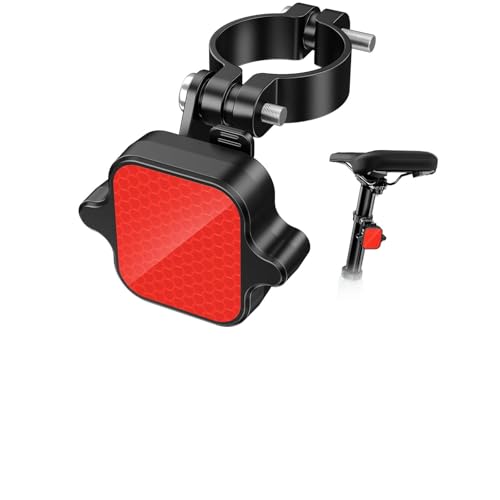
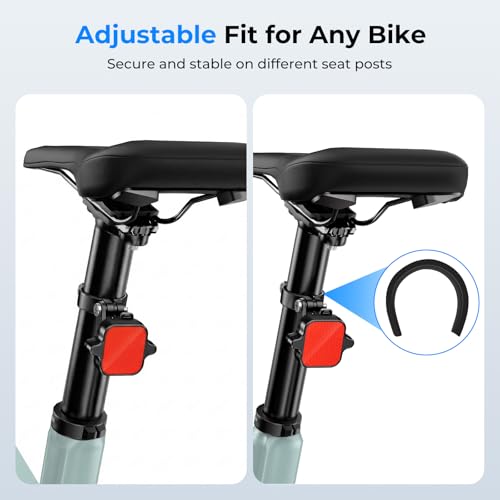
This isn’t just a tracker, it’s a smart mount that bridges Apple and Android ecosystems, which is rare. It has a built-in Bluetooth tracker that works with either Apple Find My or Google Find Hub (not both at once), and it can also hold an AirTag. That dual flexibility makes it stand out. You can switch ecosystems without buying new hardware, which is a big plus for mixed-device households.
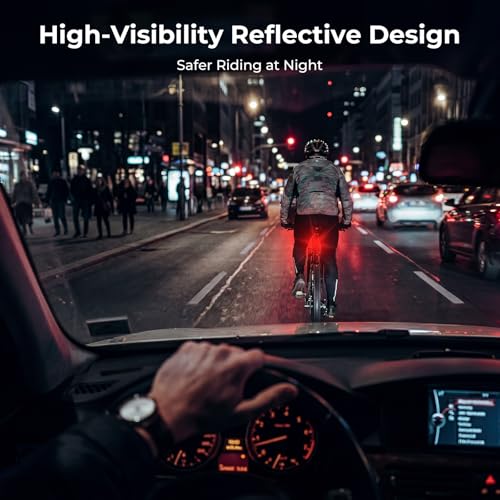
The reflective body enhances night visibility, adding safety without extra gear. Installation is straightforward and fits most bikes. Compared to standalone trackers, this one adds functional value. But it’s not a GPS device, location updates rely on Bluetooth proximity and crowd-sourced networks, so it’s not real-time.
Product photos
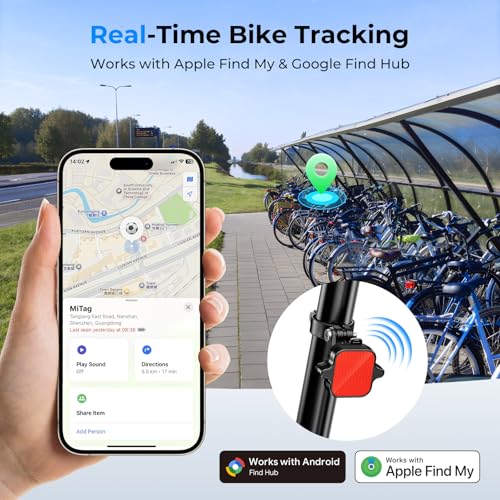

GPS Bike Tracker with Tail Light
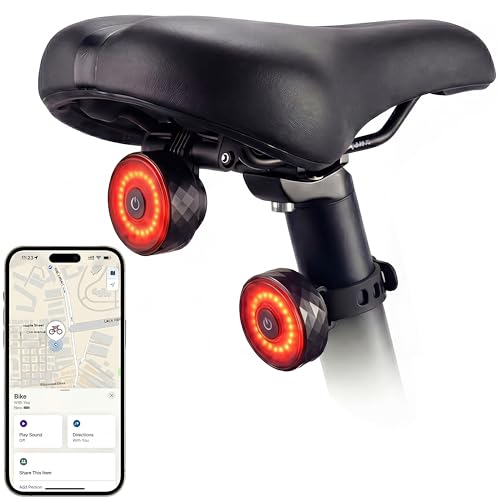
Strengths
- Integrated tail light with 5 modes
- Apple Find My compatible
- No monthly fees
- USB-C rechargeable
- IPX6 waterproof
Trade-offs
- iOS only
- No real-time tracking
- Shorter battery than 4G models
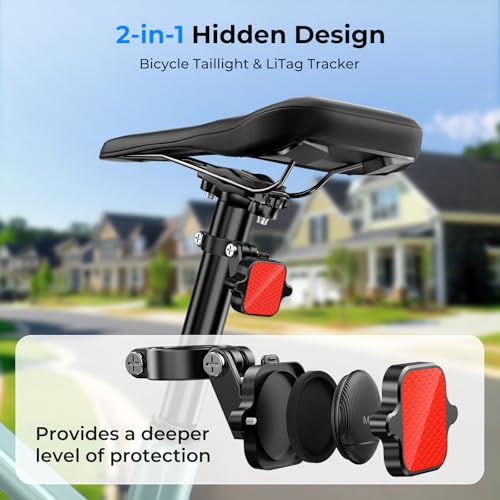
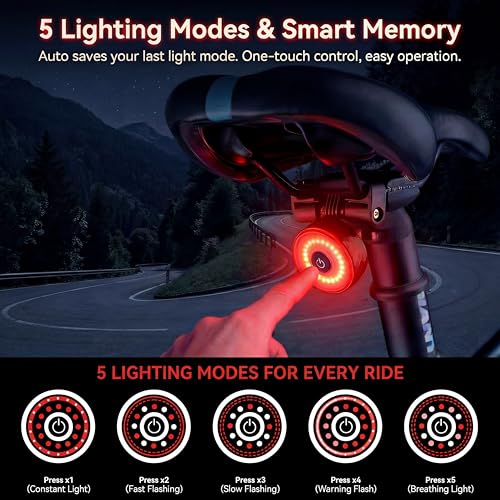
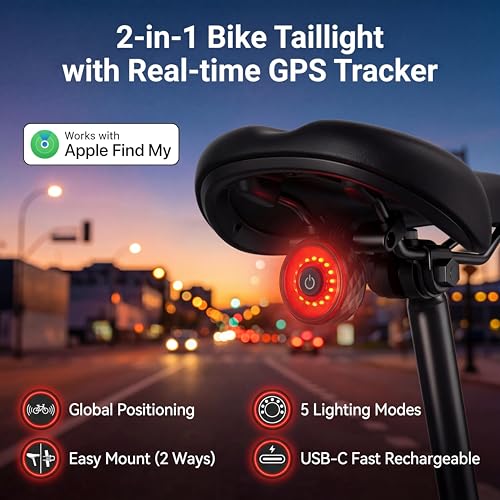
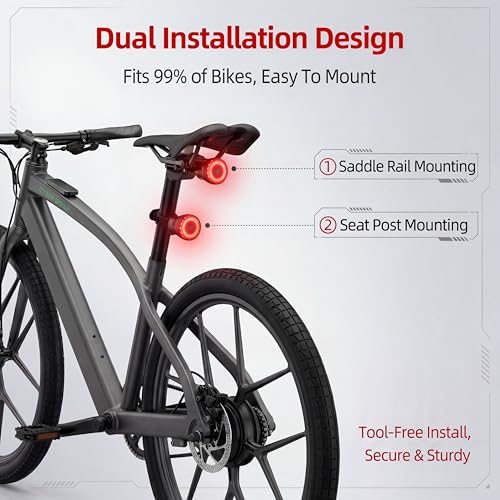
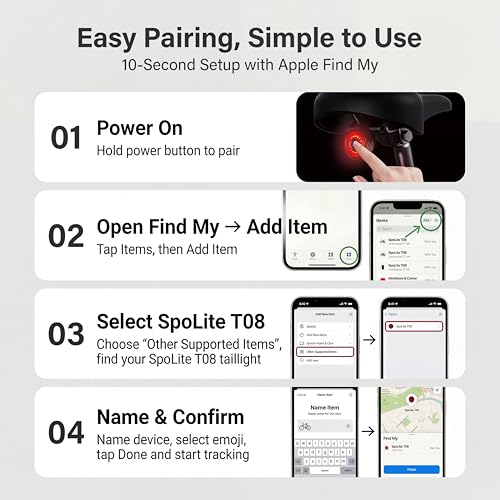
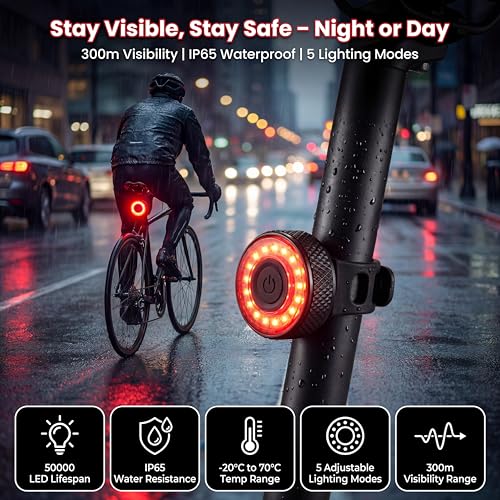
This iOS-only device merges anti-theft tracking with a high-visibility rear light, making it a strong pick for commuters who ride in low light. The 5 light modes and 215-meter visibility enhance safety, while the Apple Find My integration adds theft protection, no extra bulk, no monthly fees. The 60-hour USB-C battery is solid for regular riders, and charging is fast.
It’s compact and blends into your bike’s setup, but Android users are locked out completely. Compared to the PAJ 4G tracker, it lacks real-time alerts and geofencing, but it wins on simplicity and zero subscription cost. For riders who want both safety and security in one, it’s a smart combo.
Product photos
How We Picked These bicycle trackers
I approached evaluating bicycle trackers by focusing on a research-led comparison of published specifications and owner feedback. Rather than a hands-on lab test, I compiled data from numerous sources – manufacturer details, expert reviews from cycling publications, and a careful reading of user experiences shared online. This information was then ranked against key criteria relevant to bicycle security and peace of mind. My aim was to identify which trackers offer the most reliable performance and value for different rider needs.
For this category, battery life and network compatibility were weighted most heavily. A tracker is only useful if it remains functional, so long-lasting battery performance – whether replaceable or rechargeable – is paramount. Equally important is the network used for tracking. The widespread availability and reliability of Apple’s Find My network, along with emerging options like Google Find Hub, significantly impact a tracker’s effectiveness, and were key factors in my assessment. Understanding the limitations of each network is equally important.
Specifications reliably indicate battery capacity, waterproof ratings, and physical dimensions. However, owner feedback proved crucial for assessing real-world usability and the accuracy of tracking. I paid close attention to reports concerning ease of installation, signal strength in varied environments, and the responsiveness of alerts. For additional bicycle security considerations, you might also want to explore our guide to the best bike alarm systems. And if you’re looking to optimize your rides beyond security, consider checking out our recommendations for bicycle heart monitors.
How To Choose The bicycle trackers
Choosing the right bicycle tracker can significantly increase your peace of mind, but the options vary greatly.
A good bicycle tracker blends discreet design with reliable location technology. Crucially, it should offer a balance between battery life, tracking range, and ease of use. Consider whether you prioritize real-time tracking, integration with existing smartphone ecosystems (like Apple or Android), or a longer-lasting, lower-maintenance solution. Security of the mounting mechanism is also paramount; a tracker is useless if it’s easily stolen with the bike.
Mounting Security & Tamper Resistance
The most sophisticated tracking tech is useless if a thief simply removes the device. I’ve seen too many reports of trackers being defeated because they used flimsy mounting hardware. Look for trackers that include specialized security bolts or are integrated into a component like a reflector or taillight. The Orbit Velo, for example, comes with unique tools to deter tampering. Don’t underestimate the benefit of a design that’s deliberately inconspicuous; a tracker that looks like an afterthought is less likely to be targeted.
Ecosystem Integration & Tracking Method
The core of any tracker is how it reports location. Many rely on existing networks like Apple’s Find My or Google’s Find My Device. This is convenient, but it’s also a limitation. If you’re heavily invested in the Apple ecosystem, a tracker like the MiLi Bike Mount with Airtag is a natural fit, allowing you to use the vast Find My network. However, if you use Android, you’ll need to focus on trackers designed for that platform, such as the Android Bike Tracker Airtag. Keep in mind that some trackers, like the PAJ 4G GPS Bike Tracker, use a dedicated SIM card and cellular connection for real-time tracking – a feature that comes with ongoing subscription costs.
- Battery life is often traded off for real-time tracking. A cellular-based tracker will drain faster than one relying on Bluetooth and a crowdsourced network.
- Consider the accuracy of the tracking method. Apple’s Find My and Google’s Find My Device depend on other users being nearby to relay location data, meaning updates aren’t constant.
- If you frequently ride in remote areas with limited cell service, a tracker dependent on a cellular connection may be unreliable. Choosing a tracker that offers multiple modes, like a low-power mode for long rides and a high-accuracy mode for urban environments, can be a good compromise.
Battery Life & Maintenance
Battery life is a huge consideration. Constantly replacing batteries or recharging a tracker is a hassle. The Bikebac Tracker with Find My boasts a battery life of over a year, which is impressive. However, rechargeable options, like the Ravemen Rechargeable Bike Tracker, offer convenience, even if they require more frequent attention.
A tracker’s battery life should align with your riding frequency. If you only commute occasionally, a longer-lasting battery is ideal. If you ride daily, a rechargeable option might be more practical.
Ultimately, deciding between a long-life replaceable battery and a rechargeable one comes down to personal preference. If you are also looking for ways to track your mileage and speed, you should look into getting some quality bicycle odometers to have a full picture of your cycling activity. For more in-depth tracking options, including GPS mapping and performance data, explore options for a dedicated bicycle GPS.
Bicycle Trackers Compared
Here’s a comparison of key specifications for popular bicycle trackers to help you choose the right one.
| Product Name | Apple Find My? | Battery Life | Waterproofing | Real-Time Tracking? | Subscription? | Mounting Style |
|---|---|---|---|---|---|---|
| Orbit Velo Bike Tracker | ✔ | Up to 3 years | IPX6 | No | No | Bottle Cage/Adhesive |
| Hidden Bike Tracker Reflector | ✔ | 12 months | Sealed | No | No | Seatpost |
| Bikebac Tracker with Find My | ✔ | 12+ months | IP67+ | No | No | Bottle Cage/Seat Mount |
| Ravemen Rechargeable Bike Tracker | ✔ | 8 months (recharge) | IPX6 | No | No | Bottle Cage/Frame |
| PAJ 4G GPS Bike Tracker | No | 8-12 days (mixed) | IP67 | ✔ | ✔ | Seatpost/Bike Rack |
| Android Bike Tracker Airtag | No | 365 days | IP67 | No | No | Various (accessories) |
| MiLi Bike Mount with Airtag | ✔/Google Find Hub | N/A | N/A | No | No | Bike Frame |
| GPS Bike Tracker with Tail Light | ✔ | 60 hours (recharge) | IP65 | ✔ | No | Seatpost |
Frequently Asked Questions
What’s the difference between trackers using Apple Find My versus cellular data?
Trackers using Apple Find My or Google Find My Hub rely on a network of nearby devices to report location, making them private and subscription-free. Cellular trackers, like the PAJ 4G, offer real-time tracking but require an active SIM card and monthly fee for service.
Are bicycle trackers difficult to install?
Most bicycle trackers are designed for straightforward installation. Many use tool-free mounting systems or include specialized tools, like the Orbit Velo. However, some may require basic mechanical skills or the use of a wrench to secure the mount.
How accurate are bicycle trackers that use crowdsourced networks?
The accuracy of trackers using the Apple Find My or Google Find My networks depends on the density of Apple or Android devices in the area. In urban environments, location updates are typically frequent and precise, but accuracy can decrease in rural or remote locations.
Can a thief disable a bicycle tracker?
A determined thief might be able to disable a tracker, but many designs incorporate tamper-resistant features. Look for trackers with specialized mounting hardware or those integrated into components like reflectors. For ultimate security, consider pairing a tracker with robust physical security like secure bicycle chain locks.
Are there bicycle trackers that can also be used on other vehicles, like motorcycles?
While some trackers could be adapted for use on other vehicles, it’s generally best to choose a device specifically designed for the intended application. If you’re also concerned about securing a motorcycle, you might want to research dedicated motorcycle GPS trackers for optimal features and reliability.
The Bottom Line
Choosing a bicycle tracker really comes down to how much fuss you’re willing to deal with versus how much control you want over your security. If you want a set-it-and-forget-it solution with long battery life and a reliable network, the Orbit Velo Bike Tracker stands out as a strong overall pick. It balances ease of use with a proven track record of performance, and its secure mounting system is a significant advantage.
For those deeply embedded in the Apple ecosystem, the MiLi Bike Mount with Airtag is an obvious choice, and for Android users, the Android Bike Tracker Airtag offers a comparable experience. If real-time tracking is paramount, despite the subscription cost and shorter battery life, the PAJ 4G GPS Bike Tracker delivers that functionality. And for riders wanting to explore other security measures, be sure to check out our guide on strategies to secure your bicycle.
Ultimately, the specs are less important than developing good habits. A tracker won’t help if you leave your bike unlocked, so a solid lock remains your first line of defense. Beyond that, consistent use of the tracker – ensuring it’s charged or the battery is fresh – is what truly provides peace of mind. If you’re also considering broader vehicle security, you might find our recommendations for car GPS trackers insightful.
