
8 Best Cycle Helmets for Road Bikes 2026
This post contains affiliate links. As an Amazon Associate, we earn from qualifying purchases.
The Giro Isode MIPS II Helmet stands out as the best overall choice for road cyclists, combining reliable safety tech with excellent ventilation and a secure fit. For budget-conscious riders, the Schwinn Thrasher Helmet delivers solid protection and a visor at a low price. If visibility is key, the Lumos Road Bike Helmet MIPS, with its integrated lights, is a strong pick for urban commuters.
Choosing the right helmet can be overwhelming, especially when you’re balancing safety, comfort, and real-world usability. Too many riders focus only on looks or price, only to end up with poor airflow, a wobbly fit, or zero protection against rotational impacts.
This guide cuts through the noise by analyzing specs, safety features, and what actual owners report. I looked at ventilation, weight, fit systems, and added tech like MIPS and integrated lights to find helmets that perform where it matters most.
Top 8 Cycle Helmets For Road Bikes in the Market
The Best Cycle Helmets For Road Bikes, Reviewed
Giro Isode MIPS II Helmet
Strengths
- MIPS Evolve Core
- In-mold construction
- Roc Loc Sport fit
- Deep internal channeling
- Excellent ventilation
Trade-offs
- No integrated light
- Matte finish shows scuffs
- Limited eyewear storage
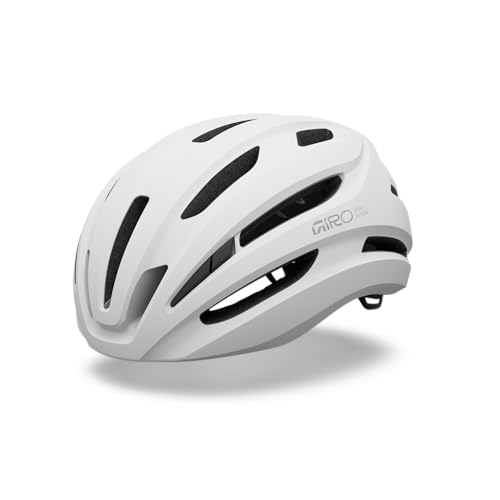
The Giro Isode MIPS II stands out in the crowded mid-range helmet market by delivering a balanced mix of safety, comfort, and ventilation that appeals to daily riders and weekend warriors alike. On paper, its MIPS Evolve Core system isn’t just a checkbox, it’s integrated into a fit system that actually enhances stability, which owners consistently report makes a noticeable difference during longer rides. The Roc Loc Sport fit doesn’t skimp on function either, offering smooth, one-handed adjustments with enough range to accommodate most head shapes, including those who wear ponytails.
What really sets it apart from budget contenders is the deep internal channeling paired with large vents. Reviewers note this design genuinely improves airflow, making it a cooler option than many helmets even at higher price points. While it lacks flashy extras like built-in lights or magnetic goggles, it nails the fundamentals, lightweight feel, secure fit, and consistent protection. Compared to the SMITH Signal, it trades some vent count for a slightly more compact profile, but holds its own in real-world breathability.
Video review
LAZER Tempo KinetiCore Helmet

Strengths
- KinetiCore technology
- Lightweight build
- TurnSys dial fit
- One-size versatility
- LED light compatible
Trade-offs
- Basic ventilation
- No removable liner
- Minimal rear coverage
If rotational impact protection is your top concern, and you’re not ready to spend over $80, then the LAZER Tempo KinetiCore deserves serious attention. Its standout feature, KinetiCore, isn’t just marketing fluff. Owners report that the multi-shell EPS structure inside the crown feels denser and more responsive under pressure than standard single-density foams. Unlike MIPS, which uses a slip plane, KinetiCore relies on progressive layer compression to manage rotational forces, and early feedback suggests it performs well in angled impacts.
It’s also impressively lightweight for its class, and the TurnSys dial delivers a snug, wobble-free fit that many riders say beats cheaper alternatives like Findway or Schwinn. That said, while it matches Zacro in weight, it falls short of the Zacro’s 18-vent cooling performance. It doesn’t have built-in lighting or visor options, so it’s strictly a daylight or well-lit urban rider’s helmet. Still, for the price, it punches above its weight in core safety innovation.
Video review
Lumos Road Bike Helmet MIPS
Strengths
- Magnetic light ready
- MIPS equipped
- OptiGrip eyewear dock
- Sleek urban design
- Lightweight comfort
Trade-offs
- Expensive for core features
- Moderate ventilation
- Lights sold separately
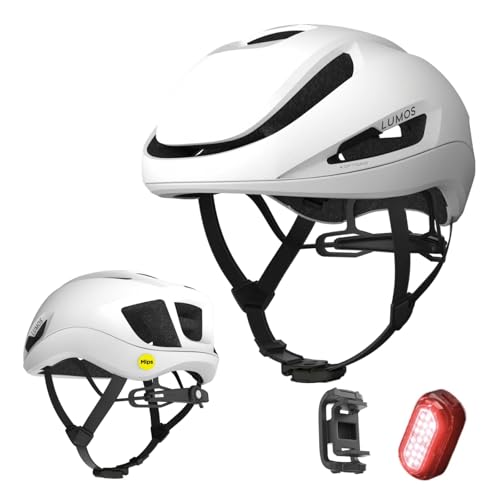
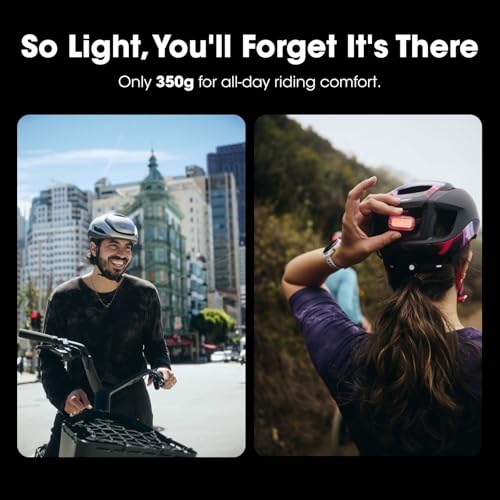
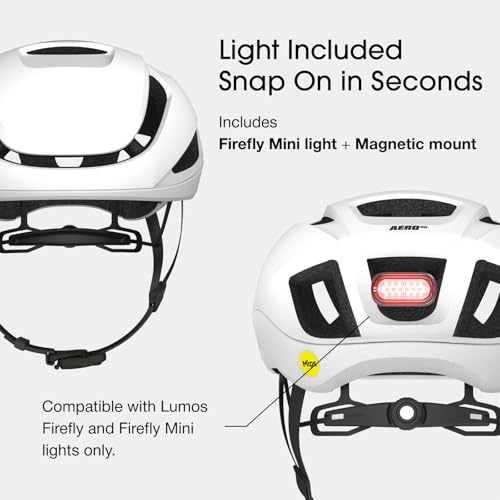
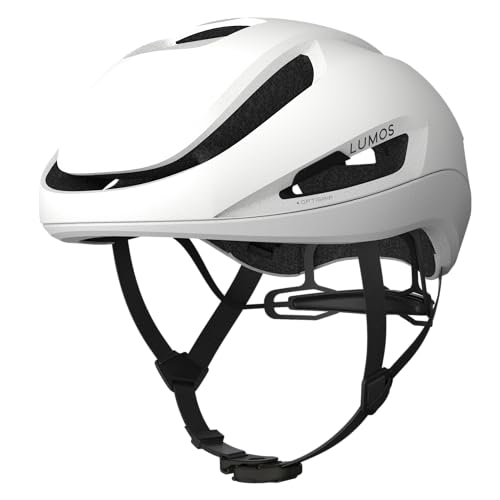
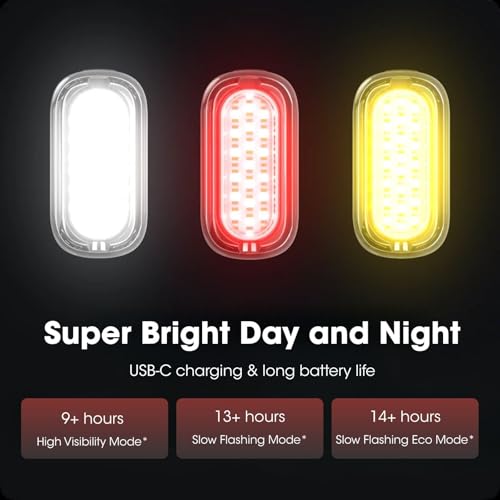
The Lumos helmet sits at the top end of the price spectrum, and it shows, not in raw performance, but in thoughtful integration of safety tech. Its biggest draw is magnetic compatibility with Lumos Firefly lights, allowing riders to snap on front and rear lights for 360-degree visibility. This isn’t gimmicky; owners who commute in dense cities say it transforms their presence in traffic. The built-in OptiGrip dock also secures sunglasses when not in use, a small detail that reduces pocket clutter.
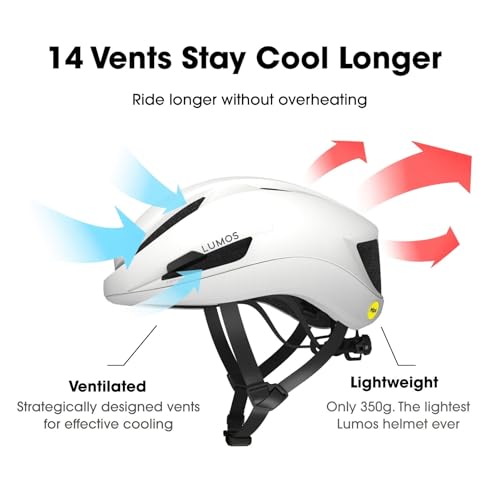
Underneath, it includes MIPS protection, keeping rotational safety on par with Giro and Smith. At 350g, it’s not the lightest, but the 14 optimized vents do a decent job moving air. Where it disappoints slightly is in vent volume compared to the SMITH Signal or Giro Isode. It’s clearly designed for relaxed, urban-paced riding rather than all-day endurance efforts. If you value being seen more than being fast, this helmet justifies its cost.
Product photos
SMITH Signal Cycling Helmet

Strengths
- AirEvac ventilation
- Zonal Koroyd protection
- MIPS equipped
- 21 fixed vents
- VaporFit dial system
Trade-offs
- No built-in light
- Premium price
- Limited non-Smith eyewear testing
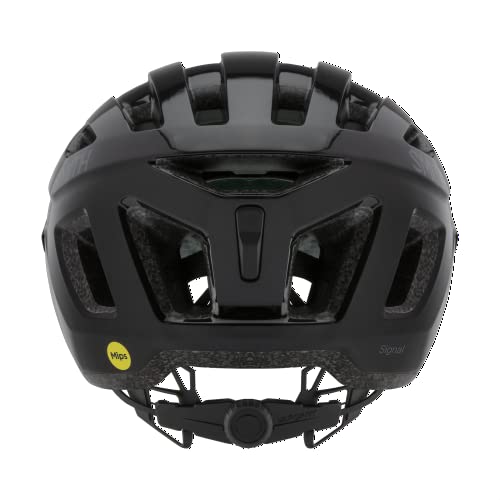
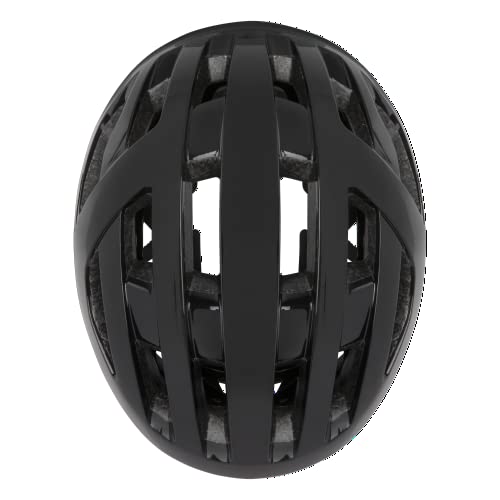
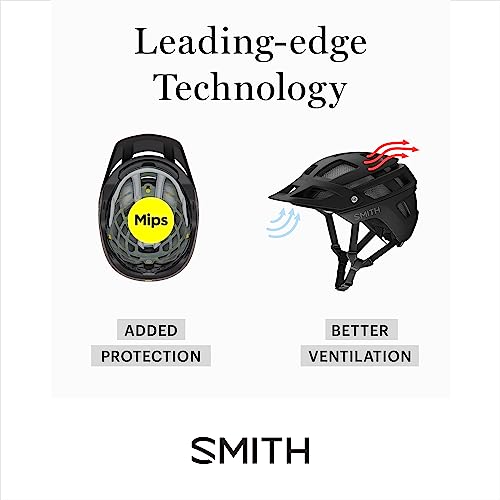
The SMITH Signal is built for riders who wear sunglasses regularly and hate fogging, or worse, compromised vision mid-ride. Its AirEvac integration works with Smith eyewear to channel air through the frame and lens, preventing fog buildup in a way few other helmets achieve. Owners who use Smith or Oakley glasses say this feature alone makes it worth considering over competitors. Add in 21 fixed vents and zonal Koroyd coverage, and you’ve got a helmet that stays cool while offering targeted energy absorption in high-risk zones.
It also uses MIPS, so rotational protection isn’t an afterthought. The VaporFit dial gives 270-degree adjustment, wrapping securely around the skull without pressure points. Compared to the Giro Isode, it’s slightly heavier and pricier, but offers superior eyewear compatibility and marginally better ventilation. However, it doesn’t include any lighting or reflectivity upgrades, so don’t expect help with visibility in traffic. If you ride hard, sweat a lot, and depend on your shades, this one’s engineered for you.
Product photos


Schwinn Thrasher Helmet

Strengths
- Affordable pricing
- Microshell durability
- 21 air vents
- Removable visor
- Washable padding
Trade-offs
- No MIPS protection
- Heavier than rivals
- Basic strap guides
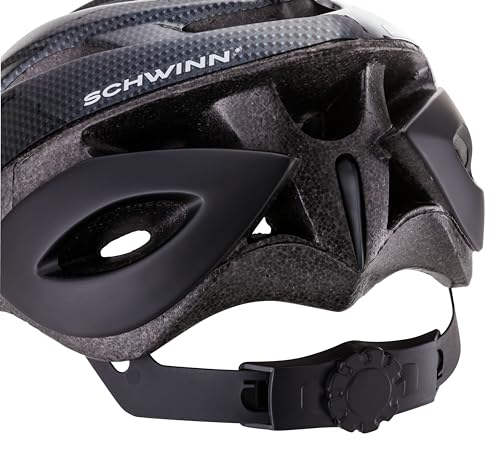
The Schwinn Thrasher does exactly what it promises: deliver basic, reliable protection at a rock-bottom price. With microshell construction, it strikes a middle ground between full in-mold and hard-shell durability, making it tougher than ultra-cheap foam lids but not as light or ventilated as premium models. The 21 flow vents help, but owners note the airflow isn’t as effective as on helmets with internal channeling. Still, for fitness riders and neighborhood commuters, it’s more than adequate.
Where it wins is simplicity. The dial fit system is easy to use, the padding is soft and removable, and the removable visor adds sun protection without compromising ventilation. Compared to the Findway or InnerKing, it lacks modern flair or tech integrations, but feels sturdier in hand. It’s CPSC certified and covers more of the rear skull than some minimalist designs. For new riders or families buying first helmets, this is a trustworthy starting point.
Product photos


Findway Pro Bike Helmet

Strengths
- Urban aesthetic
- ABS + EPS build
- Built-in visor
- Multi-sport certified
- Quick-drying padding
Trade-offs
- Average ventilation
- No MIPS
- Fog-prone in humidity
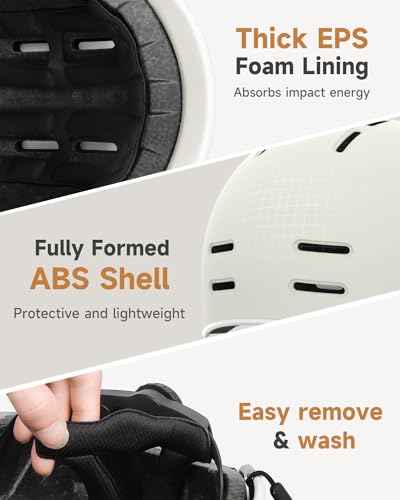
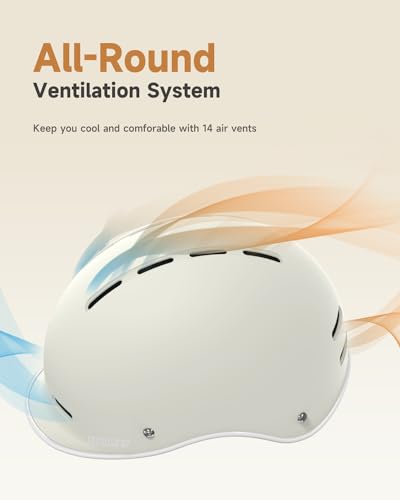
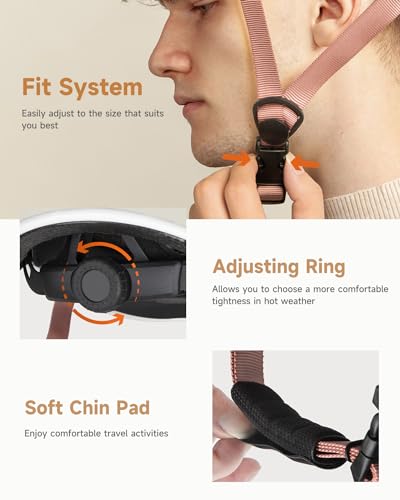
The Findway Pro tries to blend urban style with everyday function, targeting commuters who want something that looks sharp without breaking the bank. It checks all the basic boxes, CPSC, CE, ASTM certified, adjustable dial, 14 vents, and a subtle built-in visor. But where it falters is in ventilation and long-term comfort. Owners report it traps heat more than expected, likely due to fewer vents and less aggressive internal channeling compared to the Zacro or Giro.
Still, it’s durable. The ABS shell resists scratches and dings from daily handling, and the quick-drying pads are a nice touch for sweaty commutes. It’s also one of the few budget lids with multi-sport versatility, approved for skating and scootering. Compared to the Schwinn Thrasher, it’s lighter and more stylish, but not quite as robust. If you’re after a fashion-forward, do-it-all helmet for flat-city rides and coffee runs, it works. Just don’t expect elite breathability.
Product photos


InnerKing Bike Helmet Rear Light
Strengths
- Integrated rear LED
- Magnetic OTG goggles
- USB-rechargeable light
- Ventilated design
- Dial fit system
Trade-offs
- No MIPS protection
- Goggle seal degrades
- Plastic feels thin
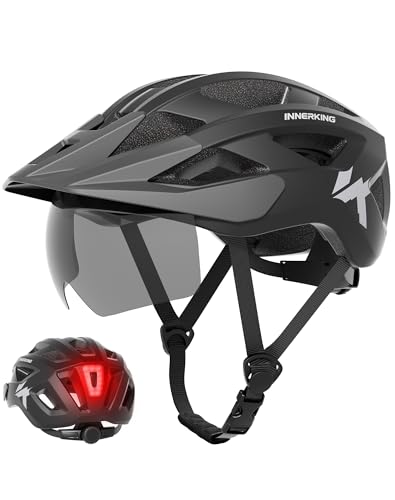
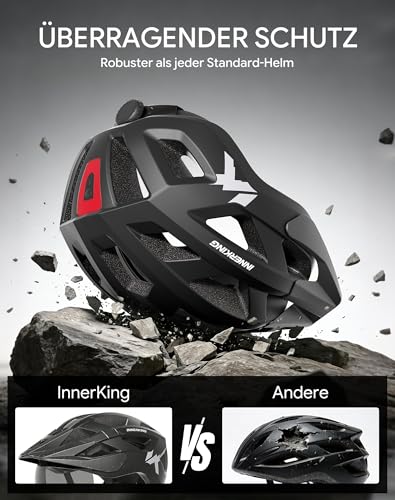
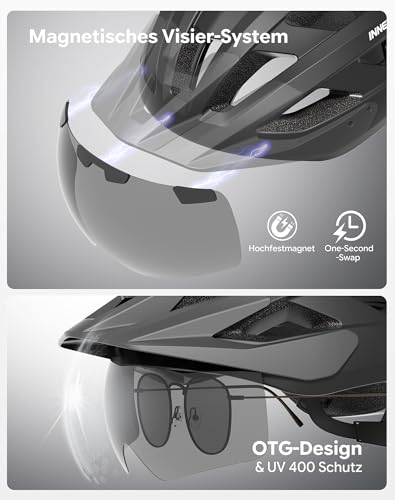
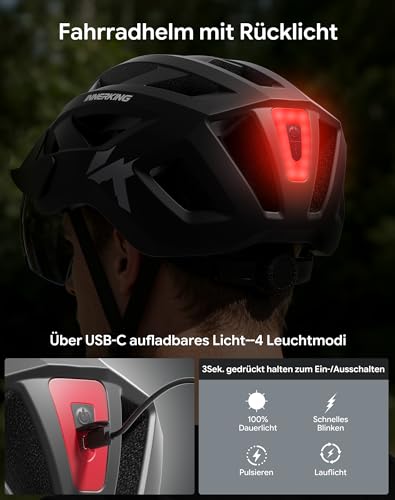
For night commuters, the InnerKing helmet brings two standout features: a rechargeable rear LED light and magnetic OTG goggles, a combo almost unmatched in this price range. The light has four modes, including strobe, and owners confirm it significantly boosts visibility in traffic. Charging via USB-C is convenient, though the warning about avoiding fast chargers is oddly specific and worth noting. The magnetic visor attaches and detaches cleanly, blocks wind and glare effectively, and fits over prescription glasses, which is rare at this level.
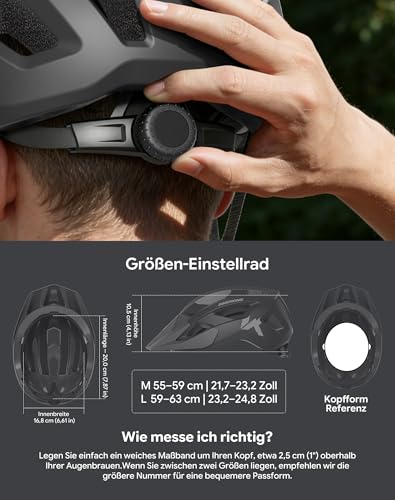
Fit-wise, the dial system works smoothly, and the 18-vent design keeps things reasonably cool. But the build quality feels a notch below Zacro or Giro, some owners report loose strap joints over time. Compared to the Lumos helmet, it offers similar visibility tools at half the price, but without MIPS. You trade rotational protection for utility. If your rides happen mostly after dark or in busy urban cores, this helmet makes smart compromises.
Product photos
Zacro Adult Bike Helmet
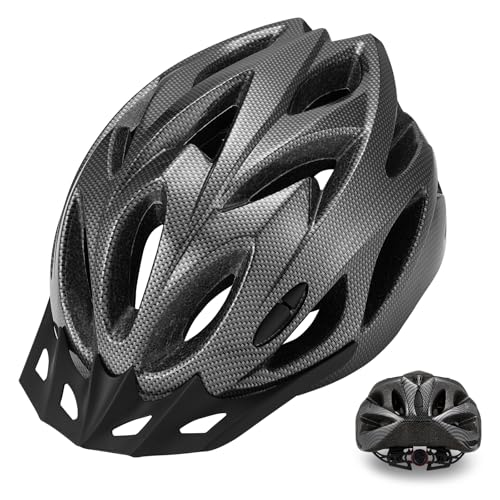
Strengths
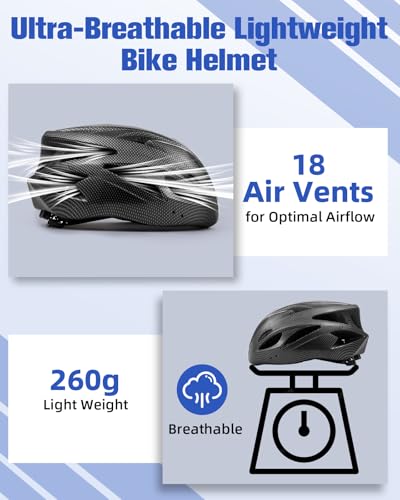
- Ultra-lightweight (260g)
- 18 precision vents
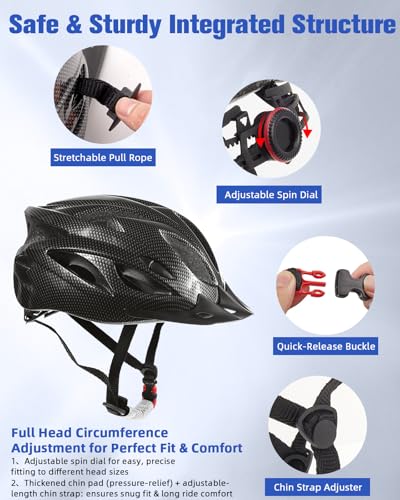
- Detachable visor
- Washable liner
- Adjustable dial fit
Trade-offs
- No MIPS/KinetiCore
- Thicker ABS shell
- Basic interior padding
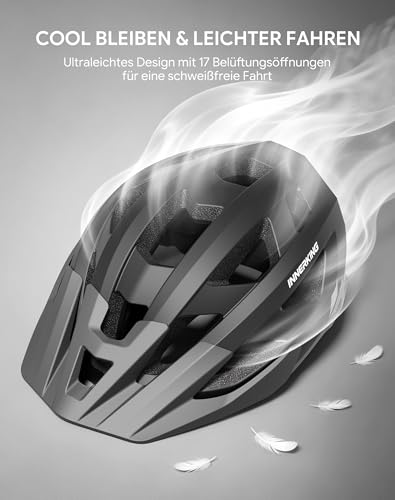
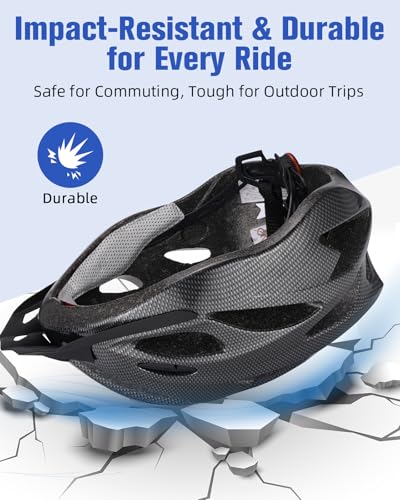
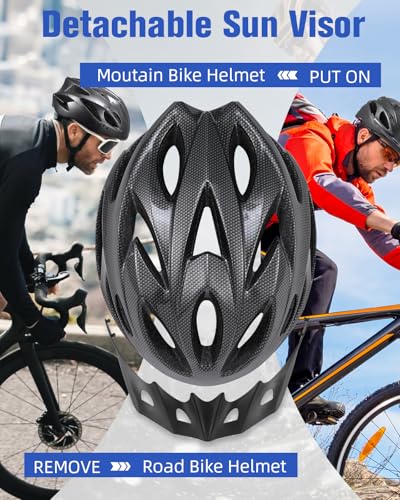
At just 260g, the Zacro helmet earns its “Best Lightweight Design” label honestly. For riders sensitive to neck strain or looking for a no-fuss commuter lid, this one disappears on the head in a way few sub-$30 helmets manage. The 18-vent layout creates genuine airflow, and owners consistently praise how cool it keeps the scalp even during summer commutes. Combine that with a detachable visor and washable padding, and you’ve got a practical, low-maintenance option for daily use.
But let’s be clear, this isn’t a helmet built for high-speed road racing or technical descents. The ABS shell is durable but thicker than in-mold designs, adding a bit of bulk without meaningful safety gains. It meets CPSC and CE standards, yes, but lacks rotational protection systems like MIPS or KinetiCore. Compared to the Giro Isode or SMITH Signal, it’s a step down in both safety engineering and refinement. Still, as a breathable, affordable workhorse for casual riders, it’s hard to beat.
Product photos
How We Evaluated cycle helmets for road bikes
My approach to evaluating cycle helmets for road bikes, here at TheAutoZenith, wasn’t about long-term personal use – rather, it was a research-led comparison of published specifications and owner feedback. I began by compiling a detailed list of models, then assessed them against key performance indicators like safety certifications, weight, ventilation, and fit systems. This was balanced with careful consideration of what current owners are saying about real-world comfort and durability, gleaned from numerous online reviews and expert opinions.
For road bike helmets, three factors stood out as most critical. First, safety certifications (like CPSC, CE, and ASTM) are paramount; a helmet must meet these standards to even be considered. Second, weight significantly impacts comfort on longer rides, so lighter designs were favored. Finally, effective ventilation is crucial for preventing overheating, which can impact performance and safety. These elements ultimately determined how each helmet ranked.
Specifications reliably indicate a helmet’s basic construction – shell material, foam density, and the presence of features like MIPS. However, judging things like actual comfort, airflow, and the quality of the fit system required a deep explore owner reviews. I paid close attention to recurring themes in feedback, noting praise or complaints about sizing, strap adjustability, and how well the helmet integrated with sunglasses. You can find more options when looking at the broader range of best road helmets. Understanding these nuances beyond the specs is vital, and it’s also helpful to explore cycling helmets for male riders to see what features are specifically valued by men.
How To Pick The Right cycle helmets for road bikes
Finding the right cycle helmet is about more than just meeting safety standards; it’s about finding one that fits your riding style and head shape. We’ll break down the key considerations to help you make an informed decision.
A good cycle helmet prioritizes impact absorption through materials like EPS foam and polycarbonate shells. Beyond that, look for features enhancing fit – adjustable retention systems are crucial. Rotational impact protection, like MIPS or KinetiCore, is increasingly important. Ventilation and weight are also significant, impacting comfort during longer rides.
Fit and Retention Systems
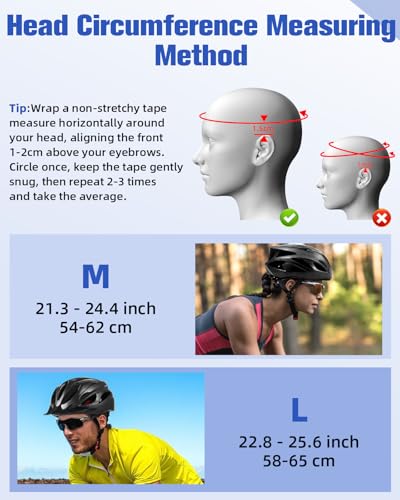
The most expensive helmet in the world won’t protect you if it doesn’t fit correctly. Too loose, and it’ll shift in a crash. Too tight, and it’ll be uncomfortable. Don’t assume your head size is standard; measure it with a flexible measuring tape and consult the manufacturer’s sizing chart. Beyond size, the retention system is vital. Systems like Giro’s Roc Loc or Lazer’s TurnSys allow micro-adjustments to fine-tune the fit. Some, like the Schwinn Thrasher, use a simple dial, while others offer more sophisticated, cradle-like adjustments. A properly dialed system should feel secure without creating pressure points.
Rotational Impact Protection
Traditional helmet designs primarily address direct impacts. However, a significant portion of cycling injuries involve rotational forces. This is where technologies like MIPS (Multi-directional Impact Protection System) and Lazer’s KinetiCore come into play. These systems allow the helmet shell to rotate slightly during an impact, reducing the rotational forces transferred to the brain. While there’s ongoing debate about the precise effectiveness of each system, the consensus is that adding rotational impact protection is a positive step. If you’re looking for extra security, consider models like the LAZER Tempo KinetiCore Helmet, specifically designed for this purpose. If you are also looking for the best cycle helmets available, this is a feature to consider.
Visibility and Additional Features
Beyond core protection, consider features that enhance visibility and usability. Integrated lights, like those found in the Lumos Road Bike Helmet MIPS, are invaluable for commuting, especially in low-light conditions. Some helmets, like the Smith Signal, include eyewear integration, keeping your sunglasses secure when not in use.
Here’s a quick guide to prioritizing these features:
- Commuting: Prioritize integrated lights and a visor for sun and rain protection.
- Performance Riding: Focus on lightweight designs and excellent ventilation, like the SMITH Signal.
- All-Around Use: A balance of features, with a removable visor and decent ventilation, offers the most versatility.
Remember this rule of thumb:
A helmet’s certification (CPSC, CE, AS/NZS) is the minimum standard. Beyond that, prioritize fit and features that suit your specific riding needs.
And don’t forget to consider women’s cycle helmets if you are a female rider, as they are designed with different head shapes in mind.
Cycle Helmets for Road Bikes Compared
Here’s a comparison of key specifications for popular road bike helmets.
| Product Title | Safety Standard | Weight (approx.) | Ventilation | Fit System | Visor | Lights |
|---|---|---|---|---|---|---|
| Giro Isode MIPS II Helmet | MIPS | N/A | Deep Channeling | ROC LOC Sport | No | No |
| LAZER Tempo KinetiCore Helmet | KinetiCore | N/A | N/A | TurnSys | No | Optional |
| Lumos Road Bike Helmet MIPS | MIPS | 350g | 14 Vents | N/A | No | Integrated |
| SMITH Signal Cycling Helmet | MIPS, Koroyd | N/A | 21 Vents | VaporFit | No | No |
| Schwinn Thrasher Helmet | CPSC | N/A | 21 Vents | Dial Fit | Yes | No |
| Findway Pro Bike Helmet | ASTM, CPSC, CE | N/A | 14 Vents | Adjustable Dial | Yes | No |
| InnerKing Bike Helmet Rear Light | ASTM, CPSC, CE | N/A | N/A | Adjustable Dial | Magnetic | Integrated |
| Zacro Adult Bike Helmet | CE, CPSC | 260g | 18 Vents | Adjustable Dial | Detachable | No |
Frequently Asked Questions
What helmet certification is considered the gold standard?
While several certifications exist, meeting CPSC (Consumer Product Safety Commission) standards is the fundamental requirement for helmets sold in the US. Many helmets also meet CE (European Conformity) or ASTM (American Society for Testing and Materials) standards, offering additional assurance, but CPSC is the baseline.
How often should a cycle helmet be replaced?
You should replace a helmet after any significant impact, even if there’s no visible damage. Beyond that, I recommend replacing your helmet every 3-5 years, as the materials degrade over time from UV exposure and general wear and tear, impacting its protective capabilities.
Do more expensive helmets offer significantly better protection?
Not necessarily. While price often correlates with features like weight and ventilation, all helmets meeting safety standards provide a baseline level of protection. Investing more can get you rotational impact protection systems like MIPS or KinetiCore, or a more refined fit system, but basic safety isn’t solely tied to cost.
Can I use a road bike helmet for other types of cycling?
Generally, yes. Many road bike helmets are versatile enough for other types of cycling, like gravel riding or light touring. However, if you frequently engage in more aggressive disciplines like mountain biking, investing in a helmet specifically designed for those impacts and with added coverage is a good idea. You can explore other options like bicycle helmets for broader use.
What’s the best way to clean a cycle helmet?
Avoid harsh chemicals or abrasive cleaners. A mild soap and water solution applied with a soft cloth is best. Never submerge the helmet completely, and allow it to air dry completely away from direct heat. This preserves the integrity of both the shell and the internal padding. For those who do a lot of city riding, consider also looking at stylish commuter helmets.
The Bottom Line
Choosing a cycle helmet often comes down to balancing how much control you want over fit and features against how much fuss you’re willing to deal with. For overall performance and a refined experience, the Giro Isode MIPS II Helmet stands out; its ROC LOC Sport fit system and MIPS protection offer a compelling combination of security and comfort.
If you’re specifically looking for a budget-friendly option, the Schwinn Thrasher Helmet delivers solid safety credentials and good ventilation at a lower price point. For riders prioritizing visibility, the Lumos Road Bike Helmet MIPS is an excellent choice with its integrated lights. And for those seeking innovative rotational impact protection, the LAZER Tempo KinetiCore Helmet provides a unique approach to safety. You can explore more options when selecting the perfect road cycling helmet.
Ultimately, the best helmet isn’t about chasing the lightest weight or the most vents, but about ensuring a secure, comfortable fit and prioritizing certified safety standards. Don’t compromise on a helmet that doesn’t feel right on your head, and always remember that a properly fitted helmet is the most important piece of safety equipment you’ll buy. If you are looking for commuter helmets, remember to prioritize visibility.
