
8 Best Commuter Cycle Helmets 2026
This post contains affiliate links. As an Amazon Associate, we earn from qualifying purchases.
The Lumos Road Bike Helmet is the best overall commuter helmet thanks to its MIPS protection and sleek design, while the DKONI Bike Helmet with LED Lights stands out as a budget-friendly pick that doesn’t skimp on visibility or safety.
Commuting means sharing roads in all kinds of conditions, and your helmet needs to keep up, especially when it comes to being seen and staying put during sudden stops or swerves. Too many riders settle for ill-fitting or basic models that lack real-world features like reliable lights or secure adjustment.
This guide cuts through the noise by focusing on what actually matters: certified protection, proven visibility aids, and fit systems that work. I compared specs, dug into owner experiences, and weighed in on features that make a difference day to day, not just on paper.
Top 7 Commuter Cycle Helmets in the Market
The Best Commuter Cycle Helmets, Reviewed
Thousand Heritage 2.0 Bike Helmet
Strengths
- Stylish retro design
- PopLock anti-theft feature
- Accident replacement guarantee
Trade-offs
- Higher price
- Fewer vents
- No integrated lights
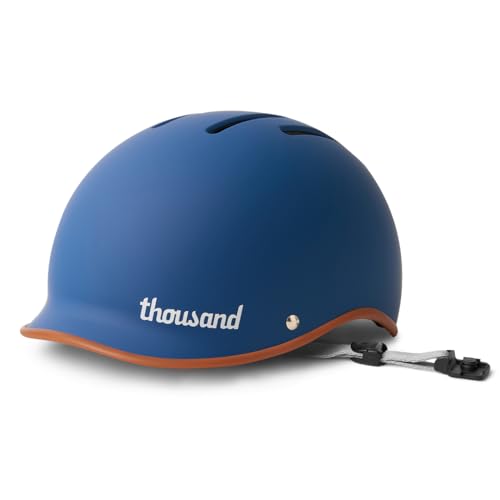
The Thousand Heritage 2.0 isn’t just a helmet, it’s a lifestyle statement. With its low-profile retro design, it looks more like a skate helmet from the ’90s than a modern commuter model, and that’s the point. It’s built for riders who care about aesthetics as much as safety, and it pulls it off without cutting corners: CPSC and CE certified, dial-fit adjustable, and available in stylish finishes like Old Skool Blue.
But the real standout is the PopLock system, a hidden channel that lets you secure the helmet to your bike with a U-lock. That’s a godsend for city riders who hate carrying a helmet or leaving it unattended. Owners also praise the Anti-Theft and Accident Replacement Guarantees, which add real peace of mind. Yes, it’s the most expensive here, but you’re paying for design, security, and brand trust. For daily commuters who lock up often, it’s worth the premium.
Video review
DKONI Bike Helmet with LED Lights

Strengths
- Front and rear LED lights
- CPSC, CE, ASTM certified
- Removable washable liner
Trade-offs
- Bulky rear light housing
- Average airflow
- Fit runs tight for some
If being seen is your top priority, the DKONI helmet makes a strong case. The front and rear LED lighting system, with four distinct modes, including a snake flash pattern, is more aggressive than most competitors, and owners confirm it grabs attention in low-light conditions. The USB-rechargeable setup is a win, and the lights are consistently praised for reliability in early feedback.
It’s not just about visibility. The helmet meets CPSC, CE, and ASTM standards, uses a high-density shell with EPS foam, and includes a removable liner, practical touches that elevate it beyond gimmick status. The 20 vents perform decently, though some riders note airflow isn’t as strong as in helmets with more refined channeling. Still, for urban riders who log miles after dark, this one punches above its price. I’d pick it over basic models any night commute.
Video review
Findway Pro Bike Helmet
Strengths
- Low price point
- Durable ABS shell
- Built-in visor
Trade-offs
- Fewer vents
- Basic fit system
- Plastic feel
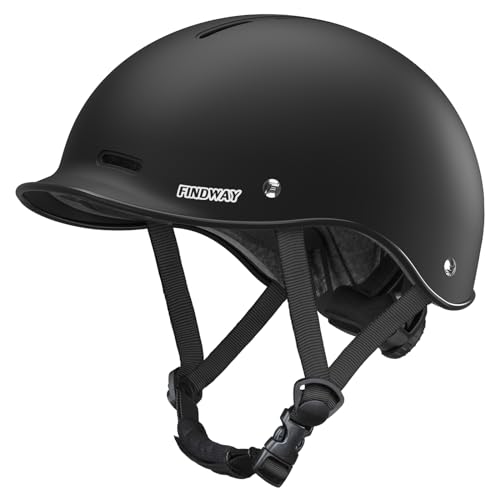
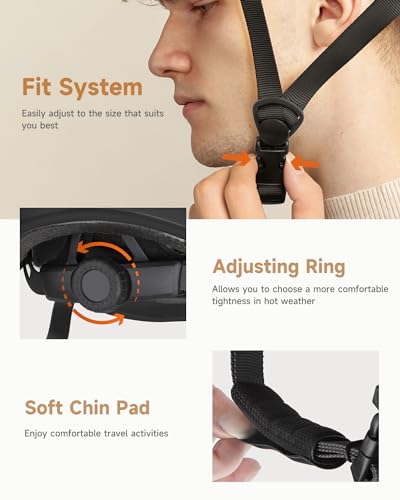
The Findway Pro is the budget benchmark in this lineup, affordable, certified, and functional. It checks the essentials: ABS shell, EPS foam, CPSC and CE compliance, and a dial-fit system. The 14 vents aren’t class-leading, but they’re enough for moderate airflow, and the removable padding is a nice touch at this price.
Owners highlight its value, especially for occasional riders or those outfitting multiple family members. It’s not as stylish or feature-rich as the Thousand or as visible as the DKONI, but it’s a dependable workhorse. The built-in visor eliminates the need for sunglasses in bright conditions, which some commuters love. For the price, it’s hard to fault, just don’t expect premium comfort or standout design.
Product photos



InnerKing Bike Helmet with Goggles
Strengths
- Magnetic OTG goggles
- Rechargeable rear light
- Anti-fog ventilation
Trade-offs
- Bulky profile
- Adapter limitations
- Goggle fit varies
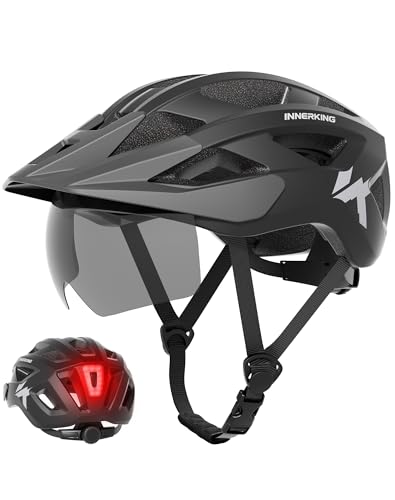
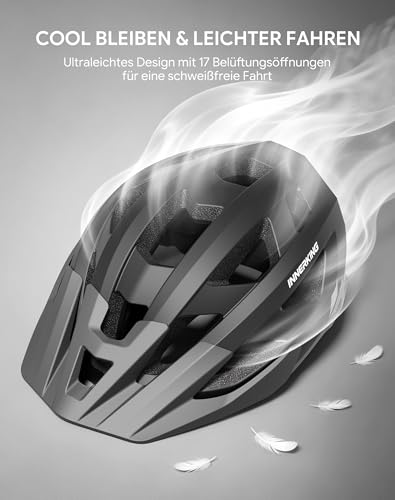
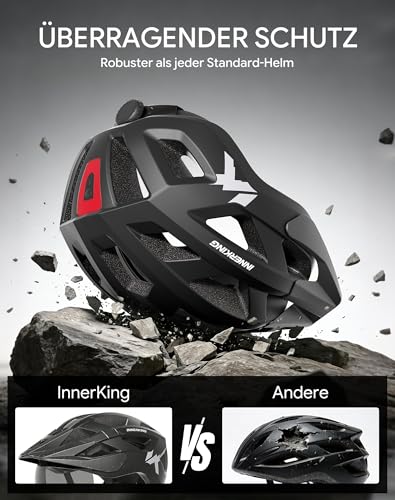
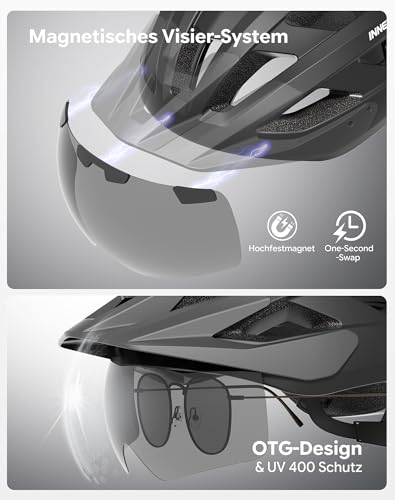
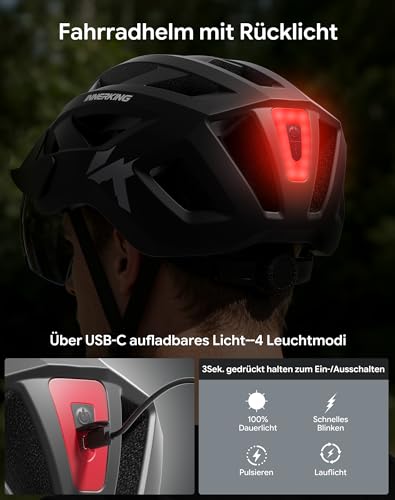
The InnerKing stands out by bundling two high-utility accessories: a magnetic OTG-compatible visor and a rechargeable rear LED light. The goggles are a real differentiator, designed to fit over prescription glasses, with 17 vents to prevent fogging. That’s a thoughtful touch for commuters who wear glasses and hate wind or dust in their eyes. The rear light, with four modes, is bright and easy to recharge, though it requires a 5V/1A adapter, owners warn against using fast chargers.
The helmet itself is solidly built with PC shell and EPS foam, meets multiple safety standards, and has decent airflow. But the added tech makes it slightly bulkier than minimalist models. If you value versatility and all-weather readiness, this is a smart upgrade. Compared to the Retrospec or Findway, it’s more niche, but for the right rider, it’s a standout.
Product photos
Retrospec Lennon Commuter Helmet
Strengths
- Integrated front light
- Good airflow design
- Removable visor
Trade-offs
- No rear light
- Plastic feel
- Limited color options
The Retrospec Lennon delivers more than just a light, it offers a cohesive package of visibility, comfort, and style at a fair price. The 5-LED front light is modest but effective, with three modes that work well for dawn or dusk rides. The 15 vents are strategically placed and paired with internal channels, which owners say keep the head cooler than expected for a helmet in this class.
The dial-fit system (ErgoKnob-2) is smooth and reliable, and the removable visor adds flexibility. It’s not as retro-stylish as the Thousand, nor as tech-heavy as the InnerKing, but it hits a sweet spot: a well-rounded commuter helmet with no major weaknesses. For riders who want a dependable, mid-tier option with a light, this is the smarter buy over pricier gimmicks.
Product photos


Schwinn Thrasher Adult Helmet

Strengths
- Lightweight microshell
- Adjustable dial fit
- Removable visor
Trade-offs
- Basic ventilation
- No integrated lighting
- Limited style options
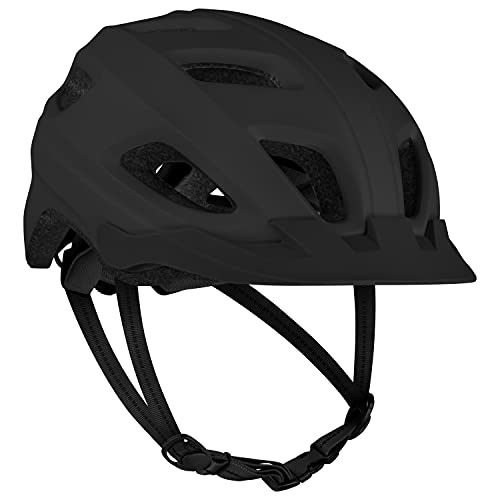
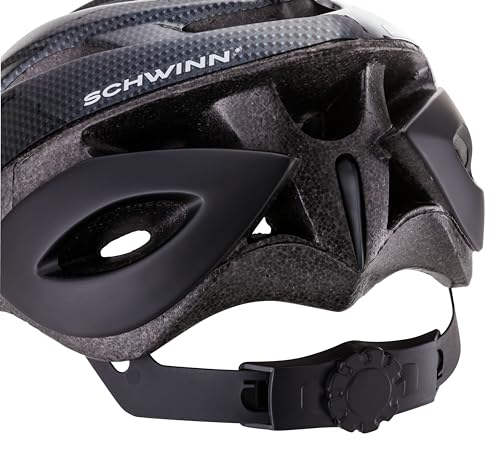
The Schwinn Thrasher is a no-frills, functional helmet that hits the basics well for casual riders. On paper, it’s built around comfort and adjustability, with a 360° padded interior, a dial-fit system, and 20 vents for airflow, numbers that line up with what most commuters need. Owners consistently report it fits true to size and stays put during rides, which matters when you’re navigating stop-and-go traffic or bumpy city streets.
It’s not flashy, but it doesn’t need to be. The removable visor adds a touch of versatility, and the microshell construction keeps it lightweight without sacrificing durability. For a rider who prioritizes comfort and reliability over high-tech extras, this is a solid starting point. Compared to more feature-heavy models, it lacks lights or advanced ventilation channels, but it holds its own in the sub-$40 bracket.
Product photos


Silkycasters Bike Helmet with LED
Strengths
- Strong front LED array
- Adjustable sun visor
- CPSC and CE certified
Trade-offs
- Heavier feel
- Limited cooling
- Inconsistent sizing
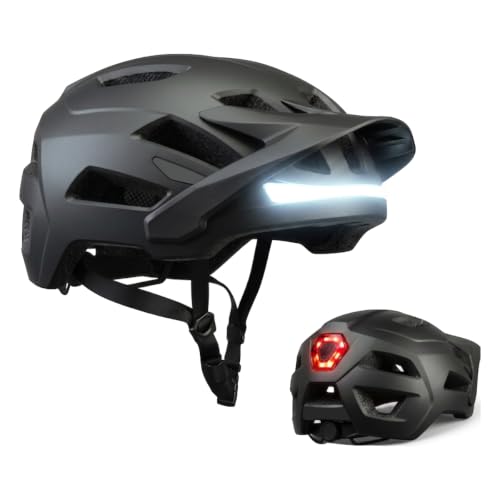
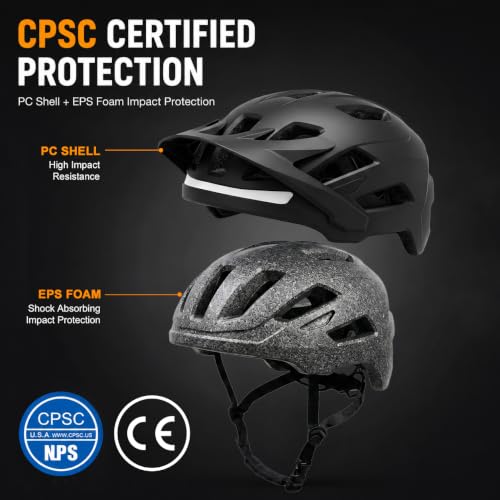
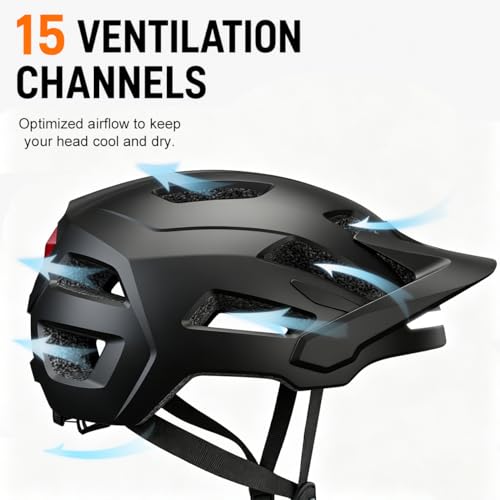
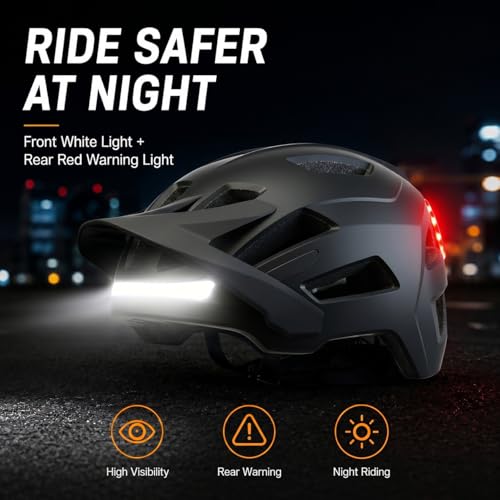
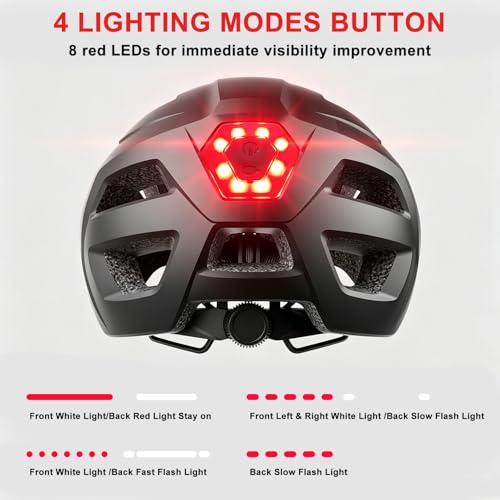
This Silkycasters model brings a balanced lighting setup with 9 white front LEDs and 8 red rear ones, more front illumination than the DKONI, which helps light your path, not just mark your presence. The four lighting modes are practical, and the CPSC and CE certifications confirm it meets baseline safety expectations. Owners appreciate the visor adjustability, which lets you tilt it for sun protection without removing it entirely.
Where it stumbles slightly is in ventilation and fit consistency. With only 14 vents and no mention of internal airflow channels, some users report it feels stuffy on longer rides. The padding is moisture-wicking and removable, but the shell feels a bit heavier than competitors. It’s a capable helmet, but the DKONI edges it out with better ergonomics and a more refined light layout.
Product photos
How We Evaluated commuter cycle helmets
As someone deeply involved in all things wheeled, I approach helmet selection with a focus on real-world usability and protection. Rather than a hands-on lab test, this evaluation is a research-led comparison of published specifications, owner reviews from major retailers, and insights from established cycling publications. I weighed each helmet against a set of criteria prioritizing safety features, comfort, visibility, and value – recognizing that the “best” choice truly depends on individual needs.
For commuter helmets, three factors stood out as most decisive: safety certification (CPSC, CE, ASTM), visibility features (integrated lights, reflective elements), and the effectiveness of the fit adjustment system. A secure fit is paramount; a helmet doesn’t protect you if it shifts or comes off in a crash. Visibility is equally crucial, as many commutes happen during low-light conditions. These elements directly impact rider safety and were given greater weight in my assessment.
Specifications reliably communicate basic construction details – shell material, EPS foam density, ventilation count – but owner feedback and reputation provided crucial context. I paid close attention to comments regarding real-world comfort, how well the ventilation performed in various conditions, and the durability of features like straps and buckles. While specs detail what a helmet offers, reviews reveal how it performs in everyday use. You can find more general information on choosing the right head protection in our guide to helmets for biking. For specifically choosing the right headgear for your daily ride, see our overview of commuting cycle helmets.
How To Pick The Right commuter cycle helmets
Finding the right commuter cycle helmet isn’t just about meeting safety standards; it’s about finding one that fits your lifestyle and riding conditions. A good helmet balances protection, visibility, comfort, and usability, and the “best” choice depends heavily on your priorities.
A quality commuter helmet prioritizes impact absorption through EPS foam and a durable outer shell (typically polycarbonate or ABS). Look for models certified to CPSC, CE, or ASTM standards. Beyond that, consider ventilation for comfort, features like integrated lights for visibility, and a fit system that allows for precise adjustment. Magnetic buckles and eyewear docks add convenience, while MIPS technology can offer enhanced rotational impact protection.
Prioritize Visibility Features
For commuting, being seen is paramount. While reflective accents are common, integrated lights significantly boost your visibility, especially during dawn, dusk, or nighttime rides. The DKONI and Silkycasters models, for example, both offer front and rear LED lighting systems. Don’t just look at the number of LEDs; consider the different lighting modes (steady, flashing, etc.) and whether the light is USB rechargeable. A helmet with a dedicated light system is a big step up from relying solely on reflective materials.
Nail Down the Fit System
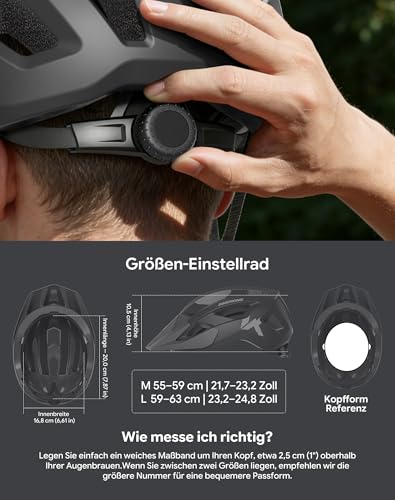
A helmet only protects you if it stays securely on your head during a crash. Don’t assume a one-size-fits-all approach will work. Dial-fit systems, like those found on the Schwinn Thrasher and Retrospec Lennon, allow for micro-adjustments to achieve a snug, personalized fit. Here’s what to consider:
- Head Circumference: Measure your head accurately before purchasing.
- Adjustability Range: Check the helmet’s size range to ensure it accommodates your measurement.
- Strap Adjustments: Ensure the chin strap and side straps are easily adjustable to further refine the fit and prevent movement. A poorly fitted helmet can be uncomfortable and ineffective.
A helmet should sit level on your head, covering your forehead. The front edge should be about one to two finger-widths above your eyebrows. The side straps should form a “V” shape just below your ears.
Balance Features with Budget
You can find decent commuter helmets at various price points, but spending a little more often gets you worthwhile upgrades. The Findway Pro is a solid budget option, meeting safety standards and offering basic features. However, models like the Lumos Road Bike Helmet MIPS and Thousand Heritage 2.0 offer features like MIPS (Multi-directional Impact Protection System) and more refined aesthetics. If you’re looking for a blend of value and functionality, exploring options like the best helmets for commuting is a great starting point. Ultimately, investing in a quality bike helmets that meets your needs and provides adequate protection is a smart move.
Commuter Cycle Helmets Compared
Here’s a comparison of key specifications for popular commuter cycle helmets to help you make an informed decision.
| Product Title | MIPS | LED Lights | Ventilation | Size Adjustment | Visor | Certifications |
|---|---|---|---|---|---|---|
| Lumos Road Bike Helmet | Yes | Compatible | 14 | Dial Fit | No | N/A |
| Thousand Heritage 2.0 | No | No | N/A | Dial Fit | No | N/A |
| DKONI Bike Helmet with LED Lights | No | Yes | 20 | Dial Fit | No | CPSC, CE, ASTM |
| Findway Pro Bike Helmet | No | No | 14 | Dial Fit | Yes | ASTM, CPSC, CE, EN1078 |
| InnerKing Bike Helmet with Goggles | No | Yes | 17 | Dial Fit | Yes (Goggles) | ASTM, CPSC, CE, EN1078 |
| Retrospec Lennon Commuter Helmet | No | Yes | 15 | Dial Fit | Yes | N/A |
| Schwinn Thrasher Adult Helmet | No | No | 21 | Dial Fit | Yes | CPSC |
| Silkycasters Bike Helmet with LED | No | Yes | N/A | N/A | Yes | CPSC, CE |
Frequently Asked Questions
What’s the difference between CPSC, CE, and ASTM certifications?
These are all safety standards for bicycle helmets. CPSC is the standard in the United States, CE is common in Europe, and ASTM offers more rigorous testing, though it’s less frequently required for commuter helmets. Meeting any of these ensures a baseline level of protection.
Are more expensive helmets always safer?
Not necessarily, but they often include additional safety technologies like MIPS (Multi-directional Impact Protection System) which can reduce rotational forces during certain impacts. Spending more can also get you better ventilation and a more refined fit, contributing to overall comfort and confidence.
How often should I replace my commuter helmet?
You should replace your helmet every three to five years, even if it hasn’t been involved in a crash, as the materials degrade over time. More importantly, replace it immediately after any impact, as the protective foam can be compromised even without visible damage.
Can I attach accessories like cameras or lights to all commuter helmets?
Many commuter helmets have mounting points for accessories, but not all. Some, like the Lumos Road Bike Helmet, are designed for compatibility with specific light systems. Check the product specifications or manufacturer’s website to confirm compatibility before purchasing. For increased visibility, exploring helmets with safety features can be a good idea.
Are there specific helmets designed for e-bikes?
While any certified helmet offers protection, specialized e-bike helmets often feature enhanced impact resistance due to the higher speeds typically associated with electric bikes. These helmets may also have a more robust construction and improved ventilation.
The Bottom Line
Choosing a commuter helmet often comes down to balancing how much you’re willing to spend with the level of features and protection you desire. While a basic helmet will get you started, the Lumos Road Bike Helmet MIPS strikes a strong balance of advanced safety tech, like MIPS, and modern features, making it our overall recommendation for most riders.
For those on a tighter budget, the Findway Pro Bike Helmet delivers solid protection and meets essential safety standards at a very accessible price point. If visibility is your primary concern, the DKONI Bike Helmet with LED Lights and the Silkycasters Bike Helmet with LED both offer integrated lighting systems to help you stand out. And for riders wanting a streamlined look with a focus on simplicity, the Thousand Heritage 2.0 delivers a classic aesthetic. You can find more information on enhancing your visibility with lights for visibility.
Ultimately, the specifications and fancy features matter less than a proper fit and consistent use. A helmet’s ability to protect you hinges on it staying securely on your head and being worn on every ride, regardless of distance. Prioritize a snug, comfortable fit and remember that investing in good cycling helmets is an investment in your safety and well-being.
