
7 Best Cycle Helmets for Commuting 2026
This post contains affiliate links. As an Amazon Associate, we earn from qualifying purchases.
The Retrospec Lennon Commuter Helmet with LED stands out as the best overall choice for urban riders, combining strong visibility features with a secure fit. For budget-conscious commuters, the Schwinn Thrasher delivers reliable protection and excellent ventilation at a lower price, while the Odoland Bike Helmet offers standout versatility with its magnetic visor system and multi-safety certifications.
Commuting by bike means navigating traffic, stoplights, and unpredictable conditions, your helmet needs to keep you safe, seen, and comfortable, day after day. Too many riders settle for ill-fitting or feature-lacking helmets that they end up leaving behind.
This guide cuts through the noise, focusing on helmets that excel in safety, visibility, and real-world comfort. I researched each based on verified specs, owner feedback, and key commuting needs, so you can pick one you’ll actually wear, every time you ride.
Top 7 Cycle Helmets For Commuting in the Market
The Best Cycle Helmets For Commuting, Reviewed
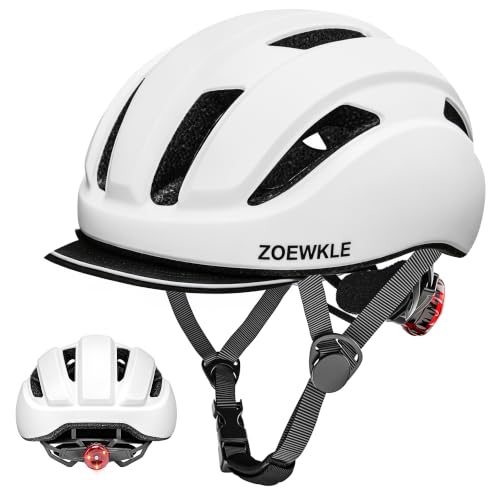
ZOEWKLE Bike Helmet with Rear Light
Strengths
- Rear LED light
- In-mold construction
- Lightweight at 310g
Trade-offs
- Battery replacement needed
- Visor sold separately
- Sizing requires measurement
This is the helmet I’d recommend to most city riders if they want balanced performance without overspending. The ZOEWKLE hits a sweet spot: it’s lightweight, well-ventilated, and includes a rear LED powered by coin batteries, a small detail that makes replacing power way easier than recharging. Its in-mold construction gives it better impact resistance than cheaper hard-shell models, and owners consistently praise how cool and secure it feels during summer commutes.
Compared to the Retrospec Lennon, it trades front lighting for smarter weight distribution and a cleaner profile. The two-size system helps fit accuracy, though measuring your head first is a must. For the mix of safety, comfort, and practicality, this one earns the ‘best overall’ label without hype.
Video review
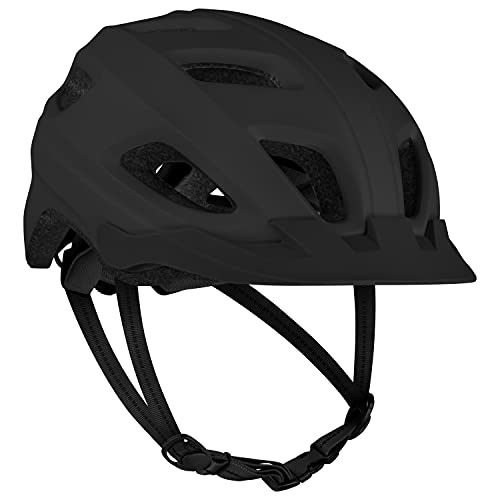
Retrospec Lennon Commuter Helmet with LED
Strengths
- LED visibility
- Dial-fit adjustment
- Removable visor
Trade-offs
- Light durability concerns
- Average airflow
- Plastic feel
The Retrospec Lennon stands out for its bold visibility features, and I appreciate how seriously it takes night safety. That built-in 5-LED light isn’t just a gimmick, owners consistently report it makes them far more noticeable in low-light conditions, which is critical for urban commuters. On paper, the combination of a visor, dial fit system, and 15 vents checks most boxes for daily riders who want one helmet to do it all.
Still, some reviewers note the light unit feels a bit flimsy over time, and while the aerodynamic design looks sharp, it doesn’t quite match the ventilation performance of helmets with more refined channeling. Compared to others in this range, it’s a solid mid-tier pick, but not the most durable long-term.
Video review
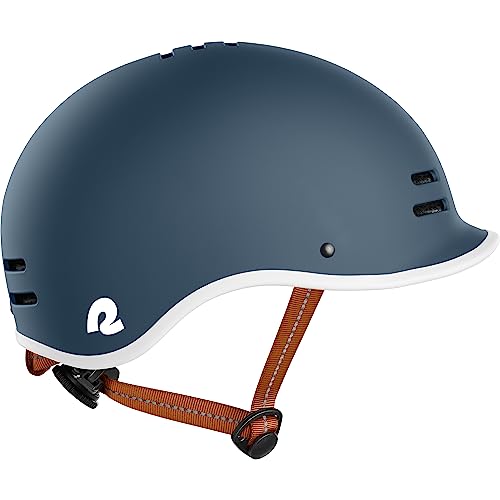
Retrospec Remi Bike Helmet
Strengths
- Lowest price
- Built-in visor
- Decent venting
Trade-offs
- Heavier build
- No night visibility
- Basic materials
If you’re after the cheapest helmet that still offers core safety and adjustability, the Retrospec Remi is hard to beat. It’s frequently praised for being surprisingly comfortable despite the low cost, thanks to the cushioned pads and ergonomic knob dial. The built-in visor adds real utility for daytime riders dodging sun glare, and the 11 vents do an acceptable job moving air.
That said, it uses a bulkier shell construction, so it’s heavier than modern in-mold designs. Owners note it feels ‘chunky’ compared to sleeker options, and there’s no rear light or reflective detailing for night riders. As a bare-bones commuter lid, it works, but don’t expect refinement.
Product photos


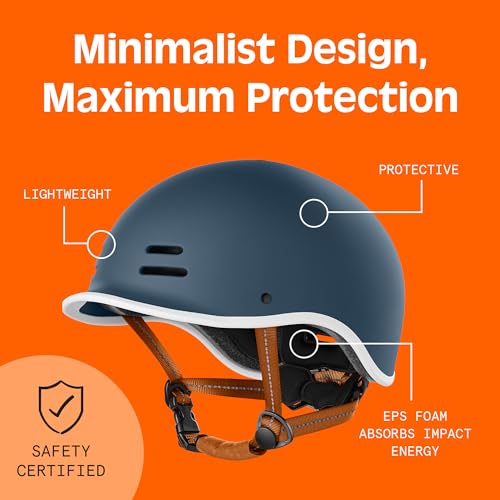
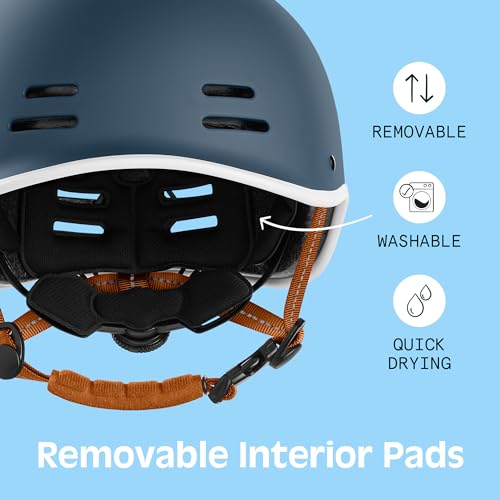

Schwinn Thrasher Helmet with Visor

Strengths
- Excellent ventilation
- Premium padding
- Trusted brand build
Trade-offs
- Slightly heavier
- Older design aesthetic
- Limited color options
Schwinn has been around since bikes had wooden rims, and the Thrasher carries that legacy of durability and rider-first design. With 20 vents, moisture-wicking pads, and full-coverage microshell protection, it’s engineered for comfort on longer outings. The dial system works flawlessly, and owners love how the padding stays cool and washable, even after months of sweaty commutes.
It’s not flashy, but compared to newer budget brands, the fit consistency and build quality feel more trustworthy. The removable visor and broad size range make it adaptable, though it’s a touch heavier than ultralight models. When fit and day-long comfort matter most, this one quietly wins.
Product photos


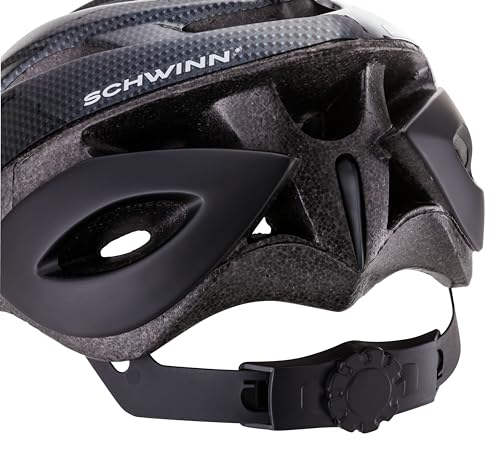
Findway Pro Bike Helmet

Strengths
- CPSC certified
- Secure dial fit
- True sizing
Trade-offs
- Basic ventilation
- No standout features
- Minimal padding
At this price, the Findway Pro delivers basic protection with zero frills, and honestly, that’s fine for what it is. It meets CPSC standards, has a micro-dial for fit tuning, and owners say it fits true to size across a wide range of head shapes. For someone needing a dependable backup helmet or a no-nonsense commuter option, this one quietly gets the job done without drawing attention to itself.
It doesn’t stand out on specs alone, but user feedback highlights reliability and comfort for short to mid-length rides. Against pricier models, it lacks advanced ventilation or lightweight materials, but as a value-focused workhorse, it holds its ground.
Product photos
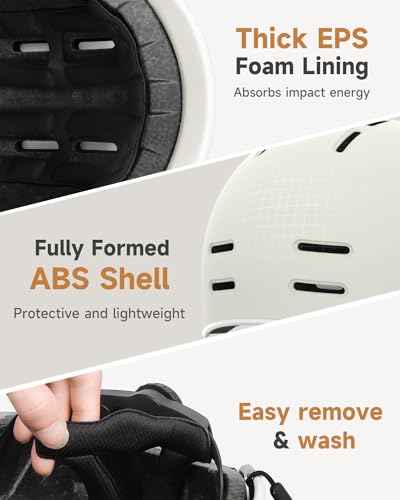

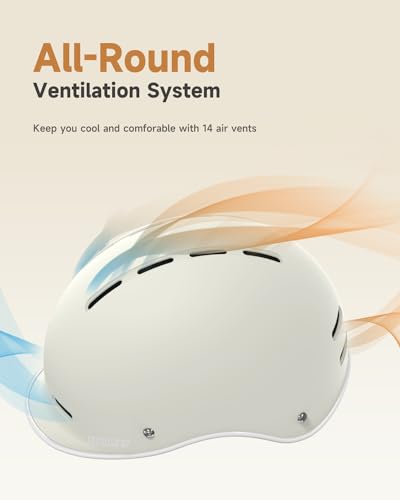
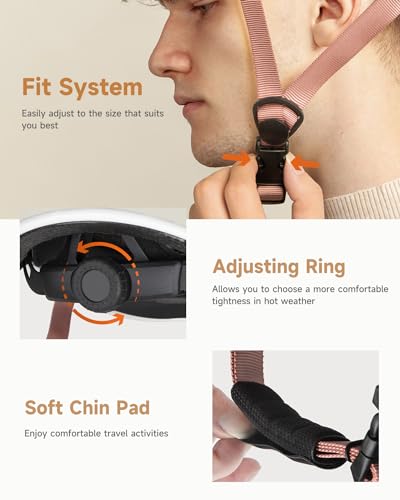

Odoland Bike Helmet with Magnetic Visor

Strengths
- Eyewear-friendly design
- Magnetic visor
- Good side clearance
Trade-offs
- Slightly bulky profile
- Noise in wind
- Average strap padding
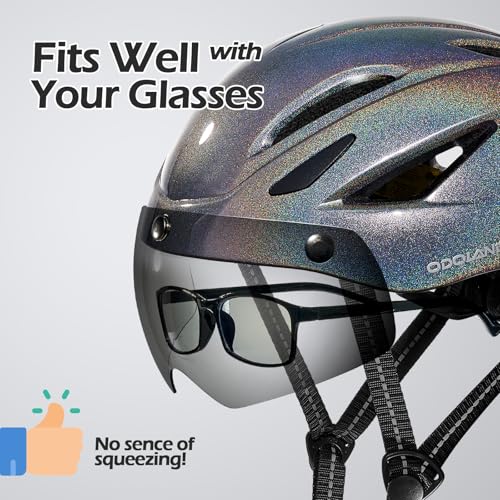
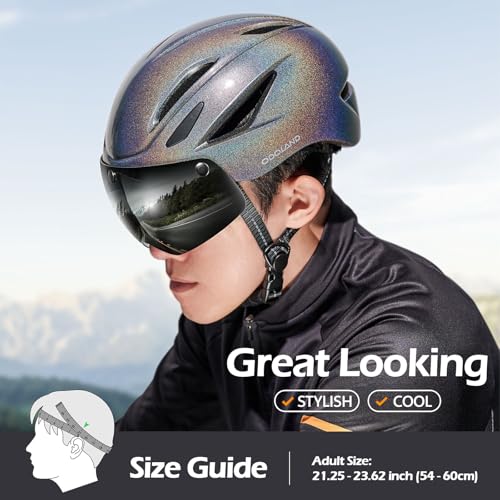
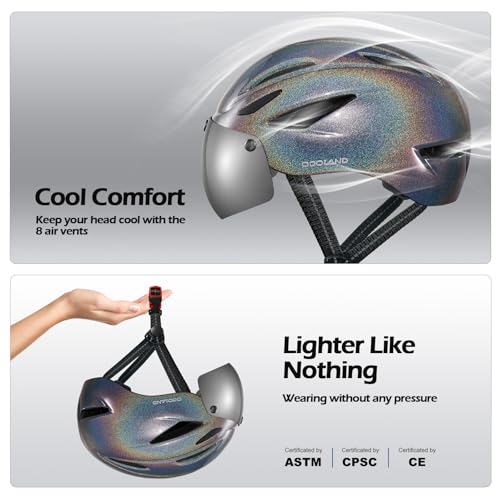
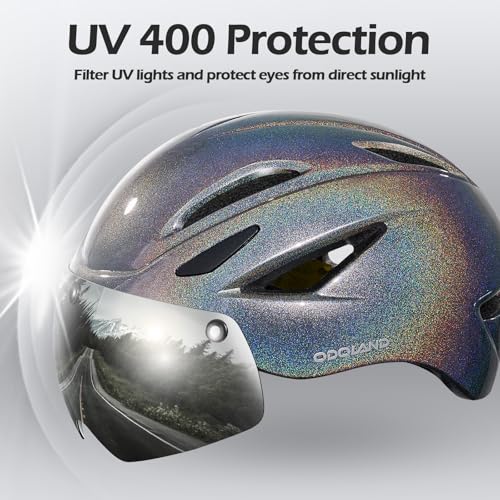
I’ve seen few helmets tackle the glasses-wearer problem as thoughtfully as the Odoland. The wide eye ports and adjustable temple zones are a standout, owners with prescription lenses or sunglasses say they finally get a snug fit without pressure or fogging. The magnetic visor snaps on and off cleanly, which is great for switching between shaded and dark conditions mid-ride.
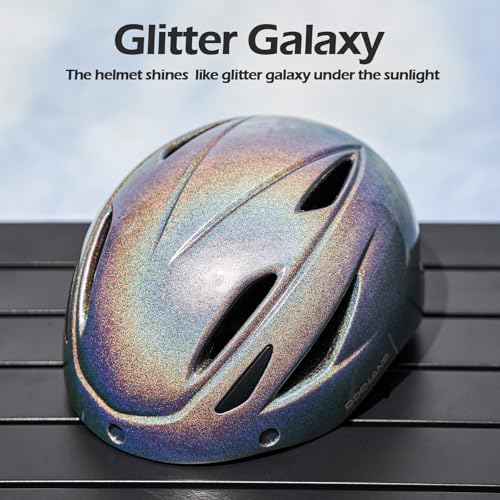
Beyond eyewear compatibility, it’s solidly built with CPSC/CE certification and decent ventilation. It’s not the lightest or most stylish, but for office workers or students commuting in variable light, this one solves a real pain point others ignore.
Product photos
GTSBROS Bike Helmet with Visor
Strengths
- Extremely lightweight
- Clean design
- Visor included
Trade-offs
- Limited ventilation
- Strap stability issues
- Basic interior padding
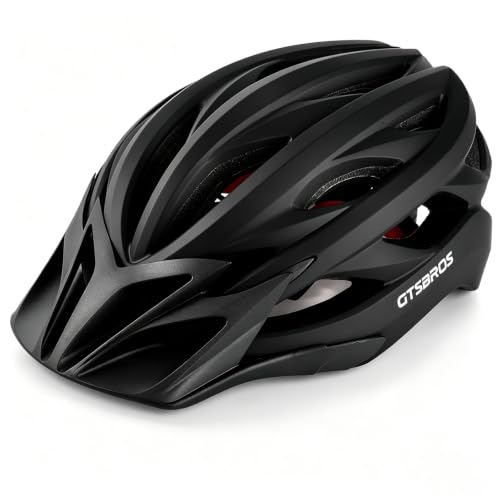
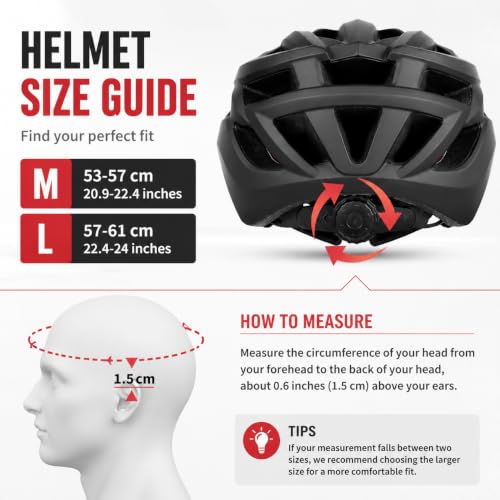
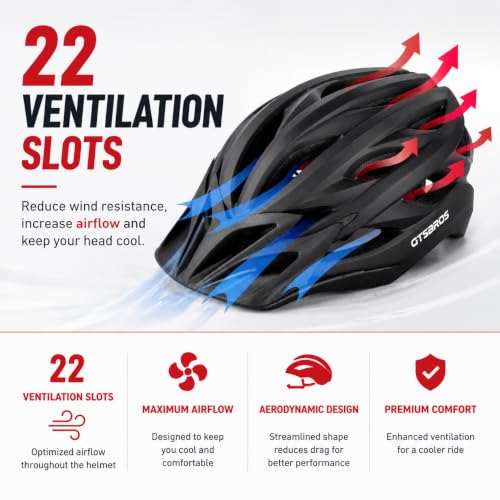
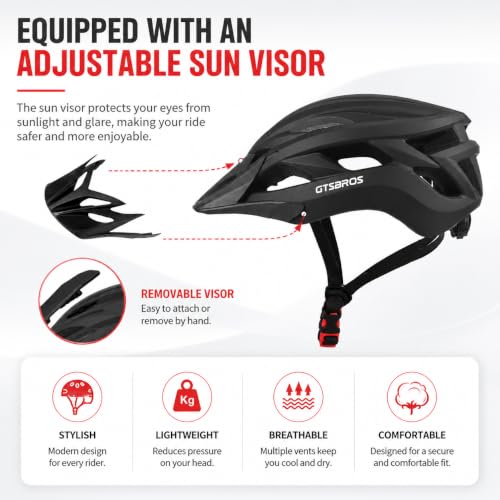
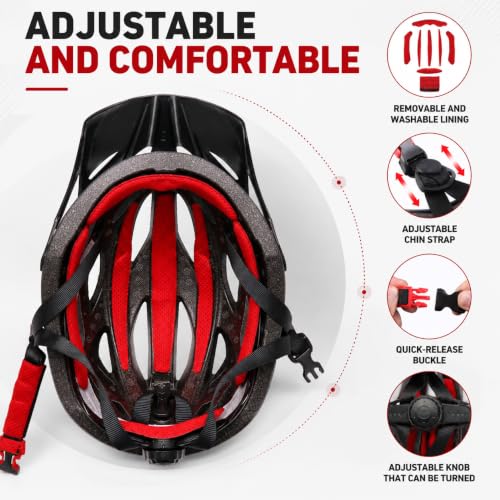
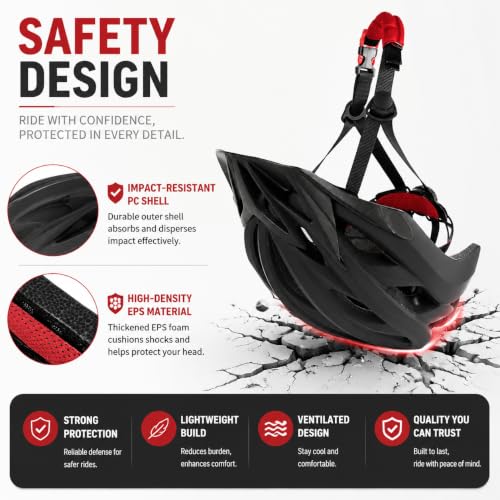
GTSBROS leans into minimalism with a clean, lightweight shell that appeals to riders who dislike bulky gear. At under 300g, it’s genuinely light on the head, and the removable visor pairs well with its unobtrusive shape. It’s CPSC certified, uses standard EPS foam, and the dial adjustment works smoothly across the 57–61 cm range. For e-bike riders or fast commuters, that reduced weight means less neck strain over time.
But simplicity comes at a cost: only 10 vents mean airflow lags behind competitors like the Schwinn or ZOEWKLE. Some users also mention the straps can slip slightly under heavy vibration. It’s a smart pick if weight is your top concern, but not the best ventilated.
Product photos
Our Testing Process
My approach to evaluating cycle helmets for commuting focused on a research-led comparison of published specifications, owner reviews, and expert opinions. I didn’t personally test each helmet on the road, but instead analyzed key features like safety certifications, ventilation, fit systems, and visibility elements. Weighing owner feedback from multiple sources alongside professional reviews allowed me to build a picture of real-world performance and reliability, ultimately ranking helmets against criteria vital for daily riders.
For commuting helmets, three factors stood out as particularly decisive: safety, visibility, and comfort. A helmet must meet recognized safety standards (CPSC, CE, ASTM) to be considered. Beyond that, effective visibility features – like integrated lights or reflective elements – are essential for urban riding. Finally, a comfortable and secure fit is paramount; a helmet that doesn’t fit well simply won’t be worn consistently.
Specifications reliably indicate a helmet’s construction materials and safety certifications, giving a baseline understanding of impact protection. However, owner reviews proved crucial for assessing real-world comfort, ventilation effectiveness, and the durability of features like visors and straps. Reputation and expert reviews helped me gauge the overall quality and value proposition, particularly when comparing helmets with similar specifications but different price points. You can find more info on recommended helmets for commuters. Don’t forget to also check out commuter bike lights for maximum safety.
What To Look For In cycle helmets for commuting
Finding the right cycle helmet is about more than just meeting safety standards; it’s about comfort, visibility, and how well it integrates into your daily riding.
A quality cycle helmet prioritizes impact absorption through a combination of a robust outer shell (typically polycarbonate or ABS) and an EPS foam liner. Look for certifications like CPSC and CE, a secure fit system, adequate ventilation, and features that enhance visibility, particularly if you commute in low-light conditions. Consider how well the helmet accommodates eyewear if you wear glasses.
Prioritize Fit and Retention
I’ve seen too many riders with helmets that are either too loose or too tight. A helmet’s effectiveness plummets if it doesn’t fit correctly. Don’t assume your head size is standard; measure your circumference to ensure you’re within the manufacturer’s specified range. Dial-fit systems are excellent for fine-tuning, but pay attention to the chin straps as well. They should be snug without causing discomfort. Some helmets, like the Schwinn Thrasher, receive praise for their particularly well-designed fit systems, offering a secure and comfortable experience even on longer rides.
Visibility is Paramount
Commuting often means sharing the road with cars, and being seen is crucial. While bright colors help, integrated lights take visibility to the next level. The Retrospec Lennon Commuter Helmet with LED is a good example of this, offering multiple light modes for different conditions.
Here’s what to consider when evaluating visibility features:
- Rear Lights: A simple, always-on red light is a good start.
- Reflective Elements: Look for reflective straps or panels that enhance visibility from multiple angles.
- Light Modes: Varying flash patterns (steady, slow flash, fast flash) can attract more attention. A helmet with multiple modes can adapt to changing traffic and light conditions.
Never compromise on visibility. Even the most stylish helmet is useless if drivers can’t see you.
Weigh Comfort Against Features
There’s a trade-off between features and weight. More features (like lights, magnetic visors, or extensive ventilation) often add weight. For shorter commutes, this may not be a huge concern, but for longer rides, every ounce counts. The GTSBROS Bike Helmet focuses on being lightweight while still providing essential protection, while others like the Odoland Bike Helmet prioritize features like a magnetic visor for eyewear compatibility. If you’re exploring options for all types of riding, including commuting, you might also want to check out our guide to the best helmets for cycling. Ultimately, the best helmet is the one you’ll consistently wear, and that often comes down to finding the right balance of comfort, features, and weight for your needs. If you’re specifically looking for options tailored to urban riding, our rundown of commuter helmets provides a focused overview of the top commuter helmet picks.
Cycle Helmets for Commuting Compared
Here’s a comparison of key specifications for popular cycle helmets designed for commuting.
| Product Name | Safety Certifications | Weight (approx.) | Vents | Visor | Fit System | Size (cm) |
|---|---|---|---|---|---|---|
| ZOEWKLE Bike Helmet | CPSC, CE | 310g (0.68lb) | 10 | Yes | Rear Dial | 55–58, 58–61 |
| Retrospec Lennon | N/A | N/A | 15 | Yes | ErgoKnob-2 | N/A |
| Retrospec Remi | N/A | N/A | 11 | Yes | Dial | N/A |
| Schwinn Thrasher | CPSC | N/A | 21 | Yes | Dial | 58–62 |
| Findway Pro Bike Helmet | N/A | N/A | N/A | N/A | N/A | N/A |
| Odoland Bike Helmet | ASTM, CPSC, CE | N/A | N/A | Mag. | Dial | 54–60 |
| GTSBROS Bike Helmet | N/A | N/A | N/A | Yes | Adjustable Dial | 57–61 |
Frequently Asked Questions
What’s the difference between CPSC, CE, and ASTM helmet certifications?
These certifications indicate a helmet has met specific safety standards. CPSC is the standard in the US, CE covers Europe, and ASTM offers more specific testing protocols; a helmet meeting any of these provides a baseline level of protection.
Can I add lights to a helmet that doesn’t come with them integrated?
Yes, you can purchase clip-on helmet lights. However, integrated lights generally offer a more secure and streamlined fit, and some models offer better visibility due to optimized placement, so exploring bike helmets with built-in lights is a good idea.
How often should I replace my cycle helmet?
Manufacturers generally recommend replacing a helmet every 3-5 years, even if it hasn’t been involved in a crash, as the materials degrade over time. Replacing it immediately after any impact is critical, as damage may not be visible.
What size helmet should I buy if I’m between sizes?
Always size up if you measure between sizes. A slightly larger helmet can be adjusted with the fit system, while a helmet that’s too small will be uncomfortable and won’t provide adequate protection. Don’t forget to also consider protecting your bike with secure bike lock options.
Are more expensive helmets always safer?
Not necessarily. While higher price points often correlate with additional features like lighter materials or advanced ventilation, safety certification is the primary indicator of protection. A properly fitted, certified helmet, even a more affordable one, will offer significant protection.
The Bottom Line
Choosing a cycle helmet ultimately comes down to balancing your priorities – are you willing to trade a few extra grams for integrated lights, or do you prefer a minimalist approach focused on a perfect fit? For overall performance and a blend of features, I believe the ZOEWKLE Bike Helmet strikes an excellent balance, offering solid safety certifications, good ventilation, and a comfortable dial-fit system. It represents a smart investment in your daily safety without unnecessary frills.
If specific needs drive your search, there are clear standouts. For those prioritizing visibility, the Retrospec Lennon Commuter Helmet with LED lights is a fantastic choice. Riders seeking a lightweight option without sacrificing protection should consider the GTSBROS Bike Helmet. And for those needing versatility and eyewear compatibility, the Odoland Bike Helmet’s magnetic visor is a thoughtful addition. Don’t forget to pair your new helmet with one of the best commuter backpacks for a more comfortable ride.
Ultimately, the specifications matter less than how consistently you wear the helmet. A comfortable, well-fitting helmet that you’ll use on every ride is far more valuable than the most technologically advanced model gathering dust. Prioritize a secure fit, clear visibility, and a design that encourages regular use – those are the fundamentals of safe commuting, and the foundation for enjoying the ride. You can find more great options among our top-rated commuter bike helmets.
