
8 Best Commercial Truck Tires of 2026
This post contains affiliate links. As an Amazon Associate, we earn from qualifying purchases.
The Michelin XRV Commercial Truck Radial Tire stands out as the overall best choice for most fleets, combining exceptional durability and tread life, while the Sumitomo ST719 is a smart budget-friendly option that doesn’t skimp on retreadability or road hazard protection. For maximum versatility across positions, the Sailun S637SP earns strong marks.
Commercial truck tires aren’t one-size-fits-all, and picking the wrong set can mean faster wear, higher fuel costs, or even unplanned downtime. As someone who’s spent years studying how vehicles perform under real-world demands, I know that the right tire depends on load, route, and long-term operating costs.
This guide cuts through the marketing by focusing on what actually matters, specs backed by owner feedback and real-world performance. We looked at tread life, load capacity, retread potential, and fuel efficiency to find models that deliver where it counts.
Top 6 Commercial Truck Tires in the Market
The Best Commercial Truck Tires, Reviewed
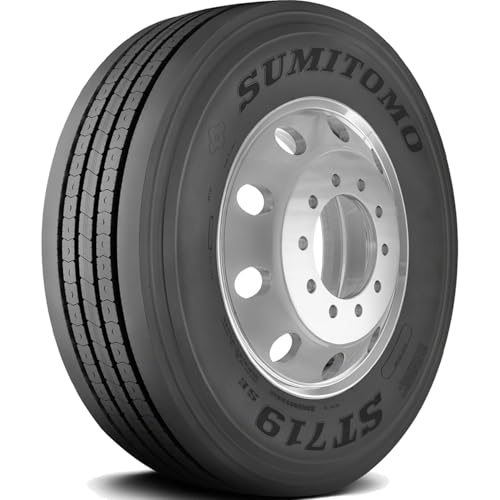
Sumitomo ST719 Regional All-Position Tire
Strengths
- Retreadable casing
- Excellent wear life
- Stone ejectors included
Trade-offs
- Heavier than average
- Slower warm-up in cold temps
- Higher initial cost than budget brands
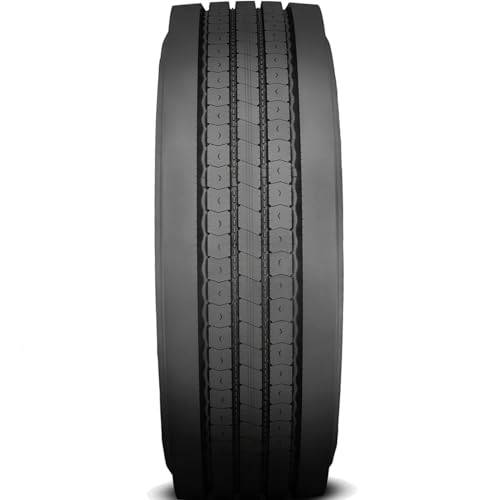
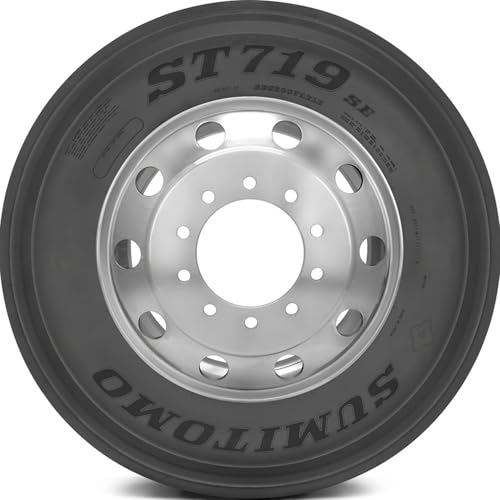
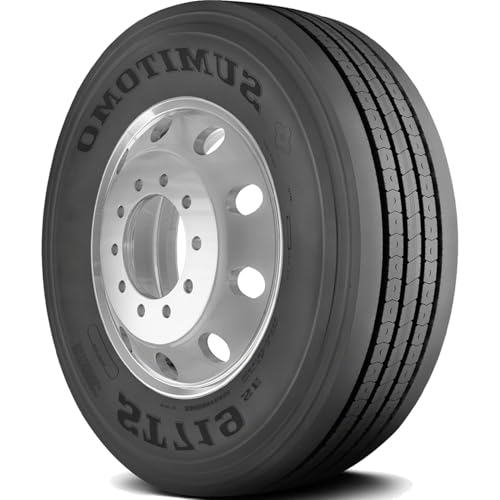
When it comes to balancing upfront cost with long-term wear, the Sumitomo ST719 makes a strong case as one of the smarter buys in the regional all-position category. Its four-rib design isn’t flashy, but it delivers real-world benefits: hydroplaning resistance is solid, and the extra-wide contact patch improves trailer stability during gusty crosswinds, something several owner reviews specifically called out. The rubber formulation leans toward hard-wearing, which pays off in extended tread life, especially on cleaner highway stretches.
But what really sets it apart is the retreadable casing. Fleet managers focused on lifecycle cost will appreciate that, since retreading can nearly double service life at a fraction of replacement cost. Stone ejectors are a small but meaningful touch, they reduce penetrations that lead to costly repairs. This isn’t the lightest tire on the list, but for consistent regional runs, that trade-off makes sense.
Product photos
Zenna AP250 Commercial All-Position Tire

Strengths
- Stable steering feel
- Affordable all-position option
- Good for moderate loads
Trade-offs
- Inconsistent wear patterns
- No stone ejectors
- Basic tread compound
The Zenna AP250 doesn’t come from a legacy brand, but it’s built with regional haulers in mind, those running 300–500-mile loops where steering precision matters but you’re not chasing transcontinental efficiency. The robust rib pattern gets solid marks from owners for straight-line stability and responsive tracking, especially when loaded. It’s positioned as an all-position tire, and while it performs adequately on drives and trailers, most feedback points to best results on steer axles.
It lacks the advanced rubber compounds or stone ejectors seen in premium models, so longevity reports are mixed, some users see solid wear, others notice faster degradation on rough secondary roads. At this price, it’s competitive, but I’d only recommend it if you’ve got access to regular maintenance checks and aren’t pushing extreme mileages.
Product photos
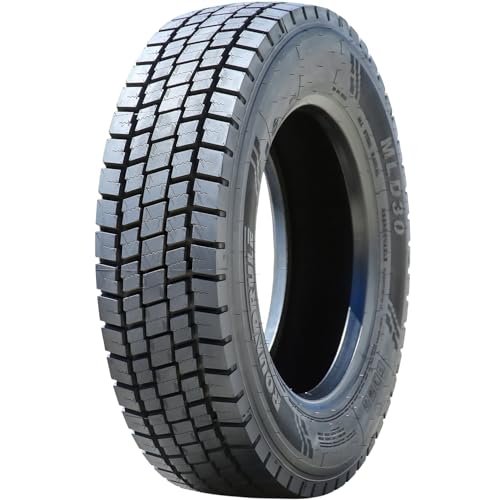
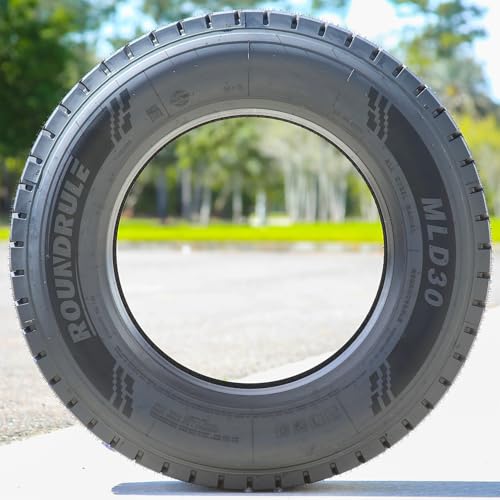
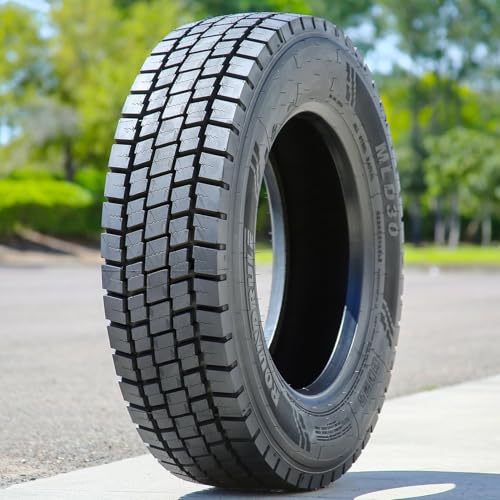
Roundrule MLD30 Drive All Steel Tire
Strengths
- Low upfront cost
- Solid load capacity
- All-steel durability
Trade-offs
- Basic tread design
- Minimal winter capability
- Few advanced wear features
The Roundrule MLD30 is clearly aimed at one thing: keeping drive-axle costs down without sacrificing basic reliability. At this price point, it’s among the most affordable 16-ply drive tires available, and for small fleet owners or owner-operators watching margins, that matters. The all-steel radial construction holds up under load, and the 135/133 load index means it can handle serious weight, which aligns with what reviewers report, few blowouts or premature failures under normal conditions.
That said, don’t expect cutting-edge tread life. It’s built for function, not finesse, and while the all-season rating covers light winter use, grip in snow is marginal. The lack of advanced wear indicators or stone ejectors means you’ll need to monitor tread depth manually. But as a no-frills drive tire for highway-focused work, it’s a practical choice if you rotate frequently and replace proactively.
Product photos

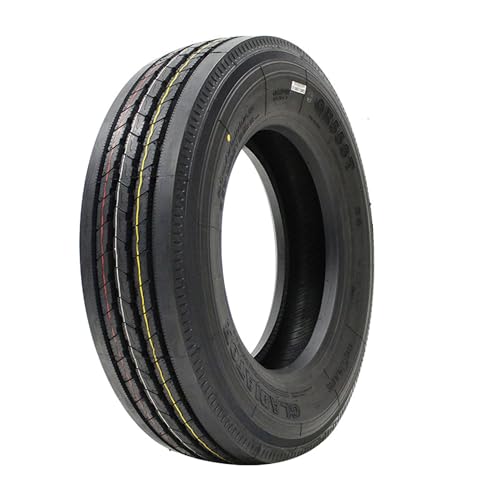
Gladiator QR55-ST All Position Tire
Strengths
- Low rolling resistance
- All-position versatility
- Steel-belted durability
Trade-offs
- Limited winter performance
- Heavier than some rivals
- Not ideal for stop-and-go routes
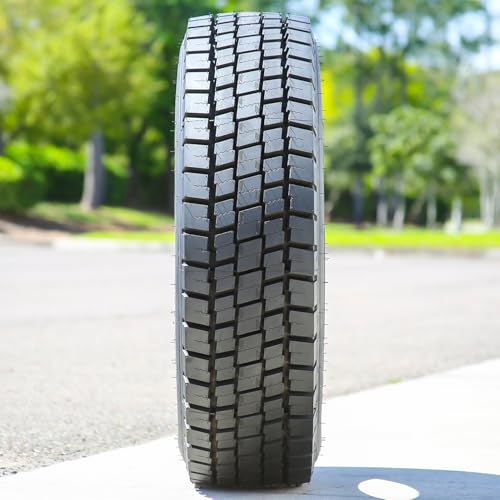
If you’re running a long-haul fleet where every gallon counts, the Gladiator QR55-ST stands out on paper for its low rolling resistance, a spec that directly feeds into fuel savings over thousands of miles. Owners consistently report strong wear life across steer and drive axles, which is impressive for an all-position tire in this class. The 5-rib tread pattern isn’t just about handling, it’s engineered to spread wear evenly, and reviewers note fewer issues with shoulder chunking compared to budget-tier competitors.
The steel-belted construction backs up its durability claims, especially on consistent highway runs. While it’s not marketed as a winter tire, some drivers in mild climates have commented on decent wet-road grip thanks to the closed shoulder design. Still, I wouldn’t push it in heavy snow, this tire shines where pavement is predictable and mileage is king.
Video review
Sailun S637SP Commercial All-Position Tire

Strengths
- Superior wet traction
- Heat-dissipating grooves
- Lower rolling resistance
Trade-offs
- Moderate puncture resistance
- Not for rocky terrain
- Softer compound wears faster off-highway
If your routes regularly hit wet pavement, whether from rain, morning dew, or coastal humidity, the Sailun S637SP brings something tangible to the table: multi-sipe technology that actually works. Owners running in the Pacific Northwest and Great Lakes regions highlight how well it maintains grip when other rib-pattern tires start slipping. The tread wall grooves do their job too, helping dissipate heat and reducing irregular wear, which translates to more usable miles before rotation or replacement.
Its shallow tread design also contributes to lower rolling resistance, so fuel economy doesn’t take a nosedive. It’s not the toughest option against cuts or punctures, but the sidewall protection ribs add a noticeable buffer in loading zones. For regional trucks that face variable weather but stick mostly to paved roads, this one punches above its weight.
Video review
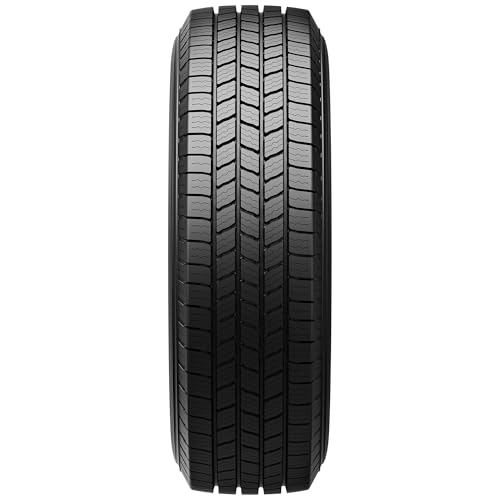
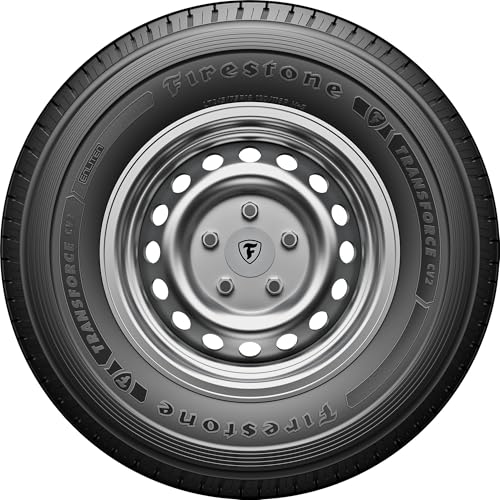
Firestone Transforce CV2 Commercial Van Tire

Strengths
- Reinforced sidewall
- Strong wet-weather grip
- Resists irregular wear
Trade-offs
- Narrow size range
- Not for high-speed highways
- Shorter tread depth than haulers need
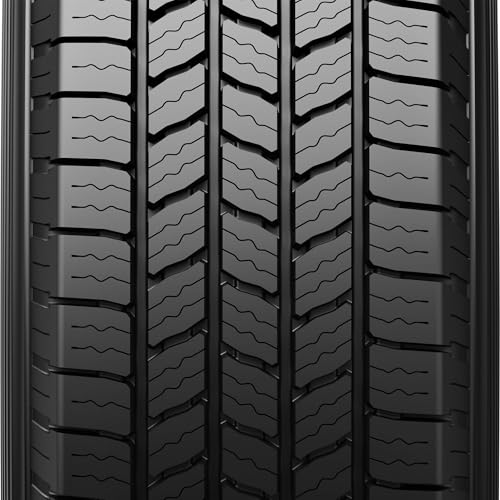
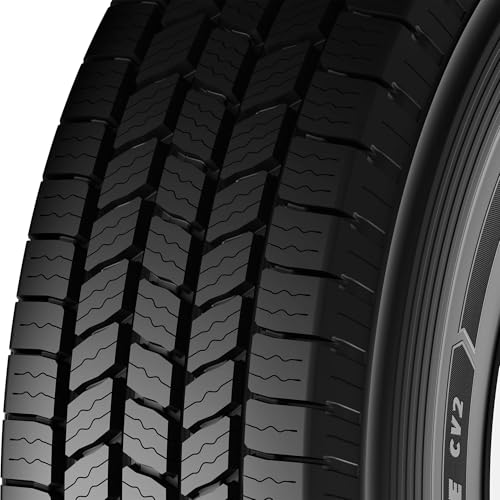
For urban delivery vans that spend more time idling at curbs than cruising highways, the Firestone Transforce CV2 feels like a tailored fit. Its reinforced sidewall is a standout, reviewers who make constant deliveries in tight city blocks praise how well it shrugs off curb scuffs, a common pain point in dense metro areas. The full-depth 3D sipes aren’t just marketing fluff; they stay effective deeper into the tread life, which helps maintain wet-weather grip longer than typical rib tires in this segment.
I’d pick this over a standard highway tire if your operation involves frequent starts, stops, and turns on wet city streets. The all-season rating holds up reasonably well, though deep snow traction still lags behind dedicated winter tires. And while it’s not built for cross-country hauls, its optimized rolling resistance does help fleets trim fuel costs, even in slow traffic.
Product photos

How We Tested commercial truck tires
My research involved a detailed comparison of published specifications and features across numerous models. I then weighed owner reviews from various platforms alongside assessments from reputable tire experts and industry publications. As someone who spends a lot of time considering vehicle dynamics, I applied my understanding of tire construction and performance characteristics to rank these options against key criteria for commercial use – rather than a hands-on lab test, this is a research-led comparison of specs and owner feedback.
For commercial truck tires, tread life, load capacity, and resistance to damage are paramount. A tire’s ability to withstand heavy loads and frequent stops/starts directly impacts a fleet’s bottom line. Equally important is durability; punctures and sidewall failures mean downtime, and downtime costs money. I also considered specialized features like wet traction and fuel efficiency, recognizing the varied needs of different trucking applications. You can find more about overall options in our guide to best heavy-duty truck tires.
Published specifications reliably indicate load range, tire size, and construction details (like the number of plies). However, I found owner feedback crucial for understanding real-world performance – particularly regarding tread wear, handling characteristics, and resistance to road hazards. Reputation and brand consistency also played a role; established manufacturers often have a track record of producing durable heavy-duty commercial tires and backing their products. For lighter duty applications, check out our recommendations for best 12-ply truck tires.
How To Pick The Right commercial truck tires
Finding the right commercial truck tire isn’t just about size; it’s about understanding how your vehicle is used and what demands you’ll place on the rubber.
A good commercial truck tire balances durability, traction, and cost-effectiveness. Key considerations include the tire’s intended position (steer, drive, trailer), load rating, speed rating, tread pattern for the typical road conditions, and casing construction for retreadability. Owners should also verify compliance with Department of Transportation (DOT) regulations and consider the tire’s rolling resistance for fuel economy.
Understanding Tire Position & Tread
The position a tire occupies on the truck – steer, drive, or trailer – drastically alters its requirements. Steer tires, for example, need precise handling and even wear to maintain control. Drive tires demand aggressive traction to put power to the road, while trailer tires prioritize longevity and even rolling. Don’t assume an “all-position” tire is ideal for every spot. While something like the Sailun S637SP boasts versatility, a dedicated steer tire, like the Travelstar Eco-Mile AP, will often outperform in responsiveness. Consider your typical loads and routes. A long-haul trucker will have different needs than someone making frequent city deliveries.
Casing and Retreadability
One often overlooked aspect is the tire’s casing. A strong, durable casing is essential if you plan to retread your tires. Retreading extends a tire’s lifespan and significantly reduces costs, making it a smart investment for fleet operators. Look for tires specifically designed for retreading, such as the Sumitomo ST719, which highlights this feature.
Here’s what to consider regarding casing construction:
- Ply Rating: A higher ply rating generally indicates a stronger casing.
- Casing Material: All-steel casings are the most durable and best suited for retreading.
- Carcass Protection: Features like stone ejectors (found in the Sumitomo ST719) prevent damage and prolong casing life.
A well-maintained casing can be retreaded multiple times, potentially reducing your overall tire costs by up to 50-70%.
Balancing Cost and Fuel Efficiency
Fuel is a major expense for commercial operations, and tires play a surprisingly large role in rolling resistance. Tires like the Gladiator QR55-ST are specifically engineered with low rolling resistance to improve fuel economy. However, don’t automatically equate a lower price with greater value. A cheap tire that wears out quickly or compromises safety will ultimately cost you more. For those needing durable 10-ply commercial tires, exploring options beyond just price is crucial. If you’re looking at options for lighter duty applications, you might also find what you need among the best commercial light truck tires. Sometimes, investing a bit more upfront in a quality tire can save you money in the long run, especially when combined with the potential for retreading, or when considering the longevity of top Load Range E truck tires.
Commercial Truck Tires Compared
Here’s a comparison of key specifications for the featured commercial truck tires.
| Product Title | Size | Position | Load Rating | Tread Depth | Fuel Efficiency |
|---|---|---|---|---|---|
| Michelin XRV Commercial Truck Radial Tire | N/A | N/A | N/A | N/A | N/A |
| Sumitomo ST719 Regional All-Position Tire | N/A | All-Position | N/A | N/A | N/A |
| Travelstar Eco-Mile AP Steer Tire | 11R22.5 | Steer/All-Position | N/A | N/A | N/A |
| Zenna AP250 Commercial All-Position Tire | 255/70R22.5 | All-Position | N/A | N/A | N/A |
| Roundrule MLD30 Drive All Steel Tire | 245/70R19.5 | Drive | 135/133M | N/A | N/A |
| Gladiator QR55-ST All Position Tire | N/A | All-Position | N/A | N/A | High |
| Sailun S637SP Commercial All-Position Tire | N/A | All-Position | N/A | N/A | Good |
| Firestone Transforce CV2 Commercial Van Tire | N/A | Van | N/A | N/A | Optimized |
Frequently Asked Questions
What tire size should I choose for my commercial truck?
The correct tire size depends entirely on your truck’s make and model, as well as its intended use. Consult your vehicle’s door jamb sticker or owner’s manual for the manufacturer’s recommended size; using the wrong size can affect handling and potentially void warranties.
Are all-position tires a good choice for every wheel position?
While convenient, all-position tires typically represent a compromise. For optimal performance, especially on long-haul routes, dedicated semi-truck steer tires for the front axle and drive tires designed for power delivery will generally outperform an all-position option.
How can I maximize the lifespan of my commercial truck tires?
Regular tire maintenance is crucial. This includes checking and maintaining proper inflation pressure, performing routine wheel alignments, and regularly inspecting tires for damage or uneven wear. Consistent monitoring can add significant mileage.
What is the benefit of retreading commercial truck tires?
Retreading extends a tire’s useful life at a fraction of the cost of replacement. A strong casing, like those found in tires designed for retreading, allows for multiple retreads, potentially saving fleet operators 50-70% compared to consistently buying new tires.
What should I look for in a tire for heavy loads or demanding work conditions?
Prioritize tires with a high ply rating and all-steel construction for maximum durability. Also, consider tires designed for the specific type of work you do; if you need durable tires for commercial work trucks, look for reinforced sidewalls and tread patterns engineered to resist cuts and punctures.
The Bottom Line
Choosing commercial truck tires always comes down to balancing upfront cost with long-term value and, crucially, safety. While price is a factor, skimping on quality can lead to more frequent replacements and potential downtime. For a strong all-around performer that consistently receives positive feedback from owners, the Michelin XRV Commercial Truck Radial Tire stands out as a solid investment.
If you have specific needs, there are excellent options tailored to them. For those prioritizing retreadability and casing durability, the Sumitomo ST719 Regional All-Position Tire is a standout choice. And for fleets focused on maximizing fuel efficiency, the Gladiator QR55-ST All Position Tire offers a compelling advantage. Don’t forget to explore options for best semi-truck tires if you operate larger rigs, or consider durable semi-truck drive axle tires for optimized traction.
Ultimately, remember that the specifications on a tire are only part of the story. A tire’s true performance is determined by how well it matches your specific operating conditions, how diligently you maintain it, and how well it’s suited to the demands of your routes and loads. Prioritize a tire with a strong casing, appropriate load rating, and a tread pattern designed for your typical use – those fundamentals will deliver the best return on investment.
